Artwork
Meleager and Atalanta
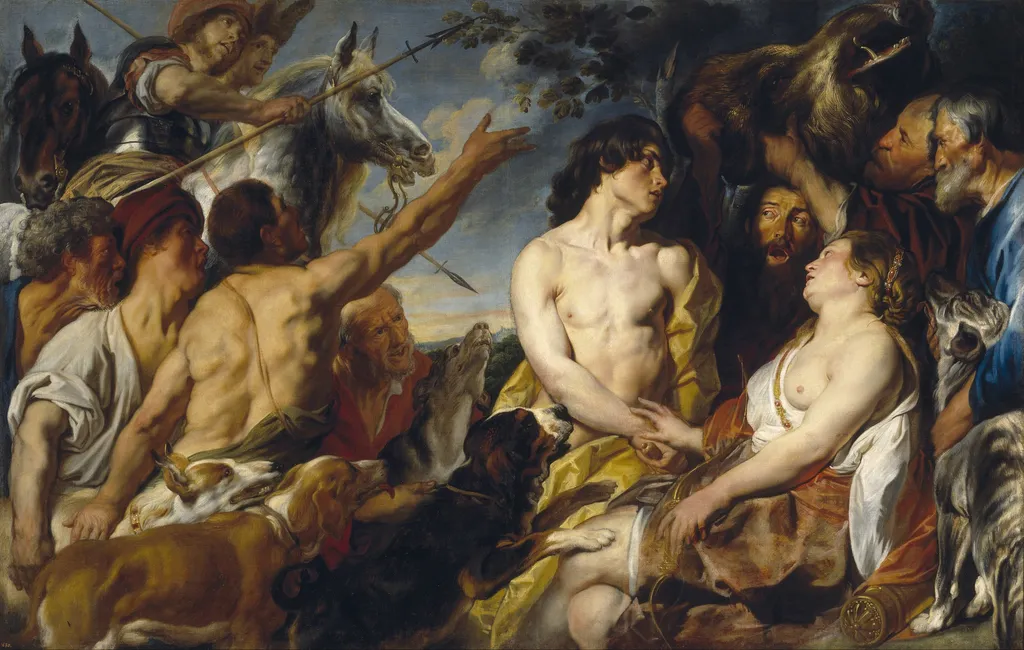
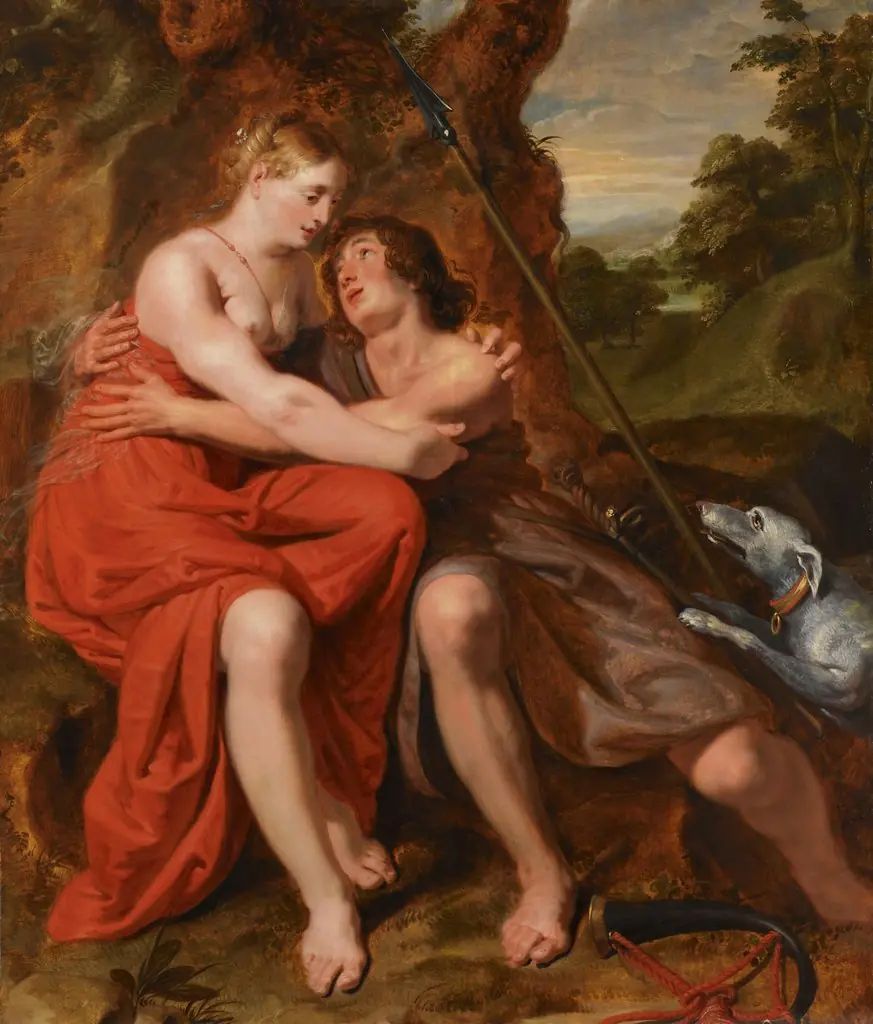
Meleager and Atalanta is an oil painting by the Flemish Baroque painting artist Jacob Jordaens. It dates from 1620 and is held in the collection of the Museo del Prado.
About this work
Overview
Painted between 1620 and 1623 by Jacob Jordaens, Meleager and Atalanta is an oil-on-canvas work currently held in the Museo del Prado, Madrid.
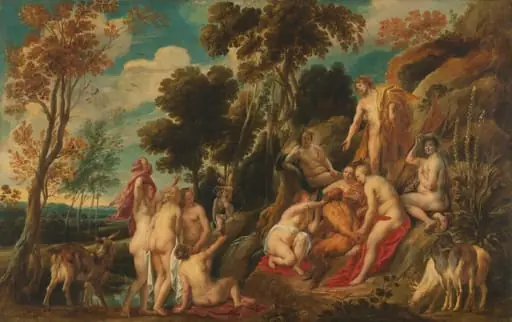
Painted between 1620 and 1623 by Jacob Jordaens, Meleager and Atalanta is an oil-on-canvas work currently held in the Museo del Prado, Madrid. It depicts a scene from Greek myth involving the huntress Atalanta and the hero Meleager. A previously unrecognized preparatory study on panel, discovered in Swansea Museum in 2017, offers insight into Jordaens’s creative process. The study underwent conservation to remove later overpaint and stabilize the support.
Subject & Meaning
The painting illustrates a moment from the Calydonian Boar Hunt, where Meleager, leader of the expedition, presents the boar’s hide to Atalanta, who struck the first blow. The gesture acknowledges her skill, sparking conflict among the male hunters. Jordaens captures the tension between honor and gendered expectations, reflecting Renaissance interest in classical narratives as vehicles for moral and social commentary.
Technique & Style
Jordaens employs rich, earthy tones and dynamic composition to convey movement and emotional intensity. His brushwork is vigorous yet controlled, with figures rendered in robust, sculptural forms characteristic of Flemish Baroque. The preparatory panel study reveals preliminary adjustments in pose and grouping, indicating a deliberate evolution toward the final arrangement, emphasizing narrative clarity and physical presence.
History & Provenance
The main painting entered the Spanish royal collection in the 17th century and later became part of the Prado’s holdings. The study on panel, long misattributed and overlooked, was identified in 2017 through digital research and expert analysis. Its discovery coincided with public concern over Swansea Museum’s funding. Conservation by Simon Rollo Gillespie restored the panel’s original surface, revealing Jordaens’s underdrawing and early compositional choices.
Context
Jordaens painted multiple versions of this mythological subject, reflecting its popularity among Northern European patrons. The 1620–23 version aligns with his mature style, influenced by Rubens and classical antiquity. The work emerged during a period when Flemish artists increasingly engaged with mythological themes to demonstrate intellectual and artistic sophistication, appealing to both local and international collectors.
Legacy
The rediscovery of the study highlighted the value of regional collections and the role of digital archives in art historical research. While the Prado’s painting remains the definitive version, the panel study contributes to understanding Jordaens’s working methods. Its identification brought renewed attention to lesser-known holdings and underscored the importance of preserving institutional collections amid financial uncertainty.
Own this work as a print
Artist & collection
Artist
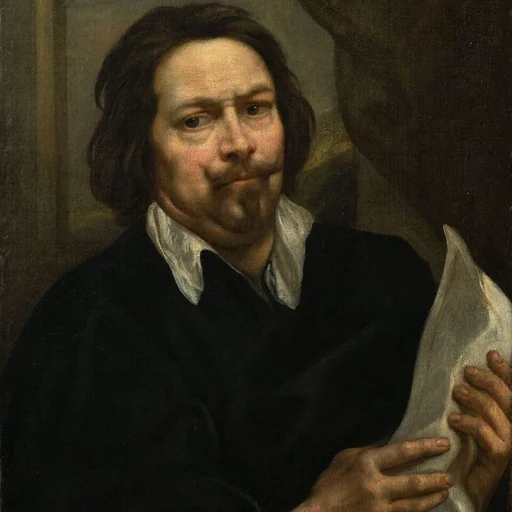
Jacques (Jacob) Jordaens (19 May 1593 – 18 October 1678) was a Flemish painter, draughtsman and a designer of tapestries and prints.

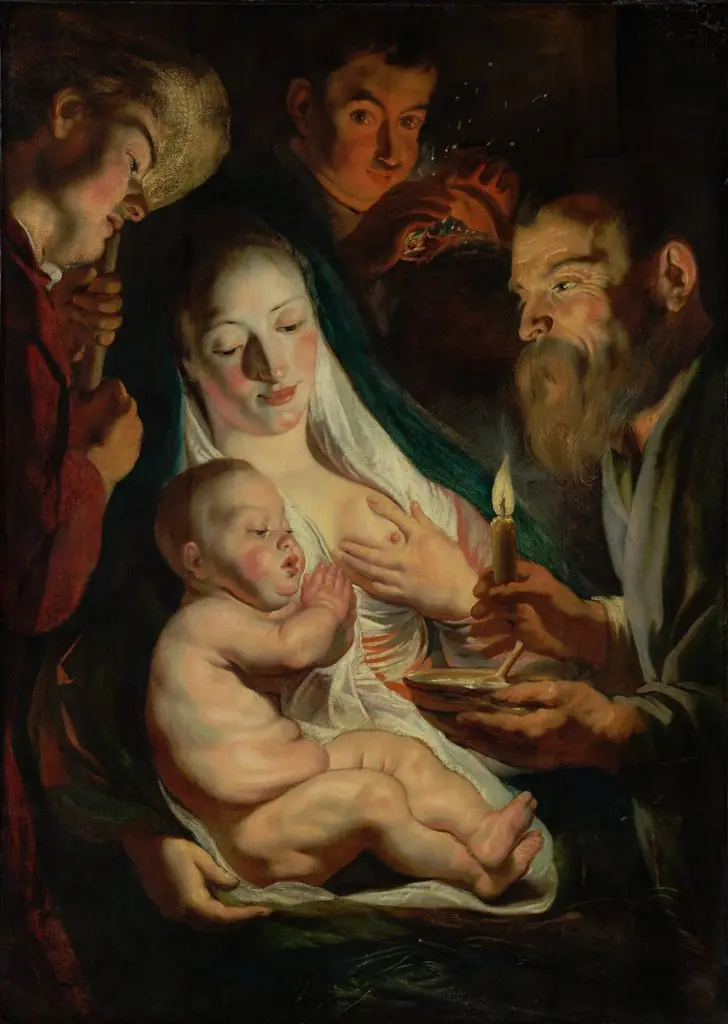 The Holy Family with Shepherds
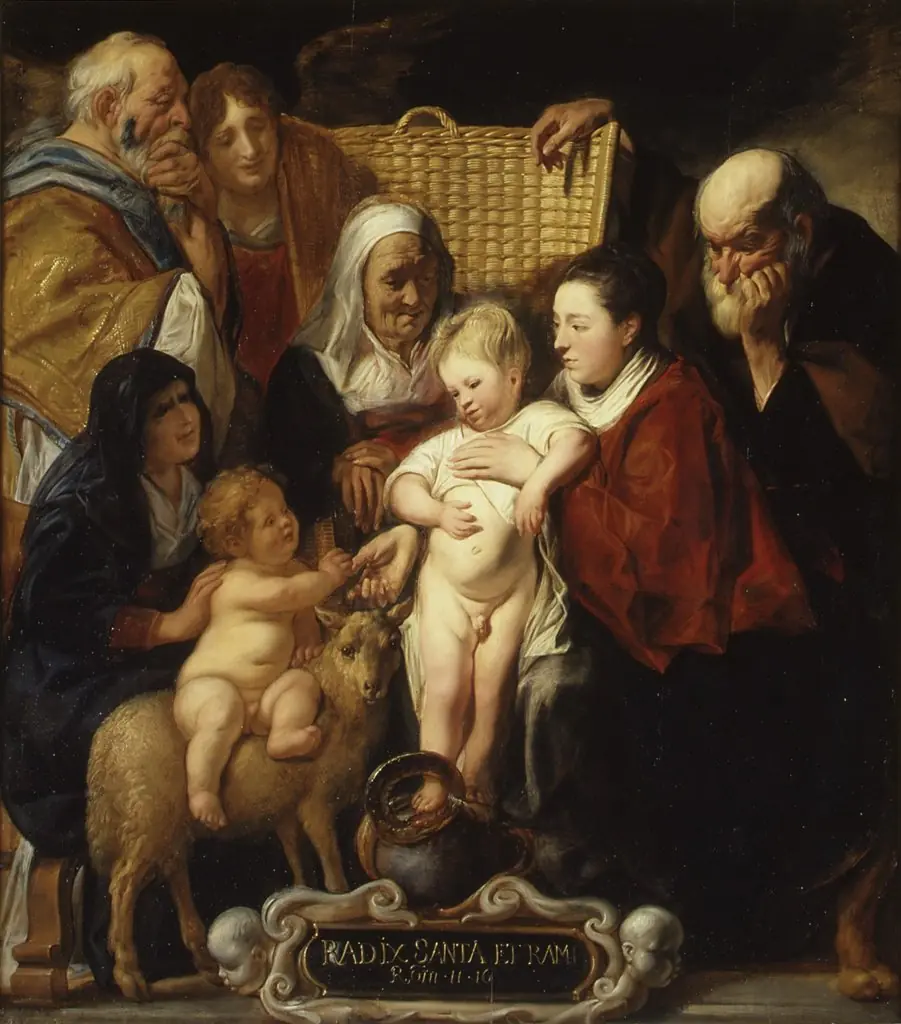 The Holy Family with Saint Anne and the Young Baptist and His Parents
 Untitled
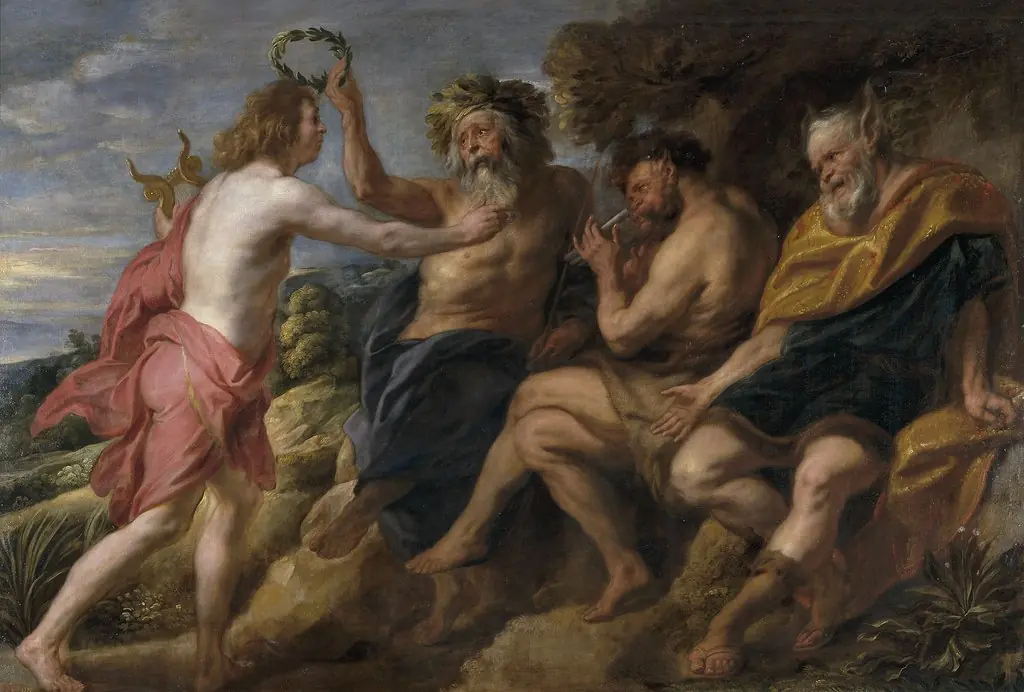 Apollo as Victor over Pan
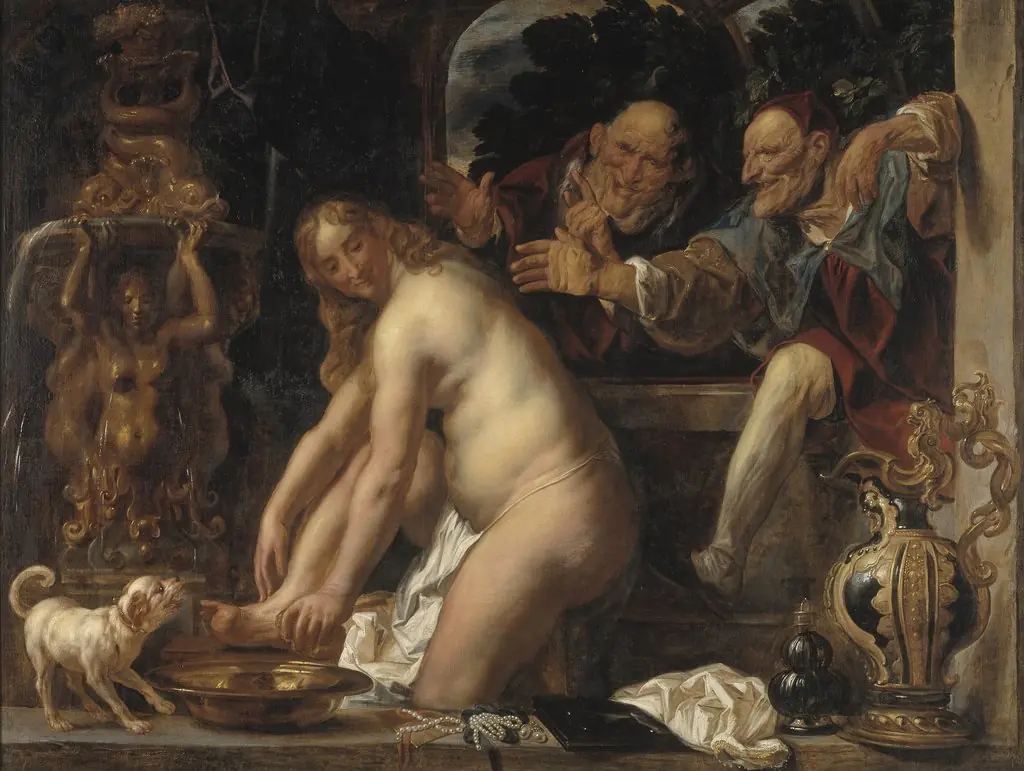 Susanna and the Elders
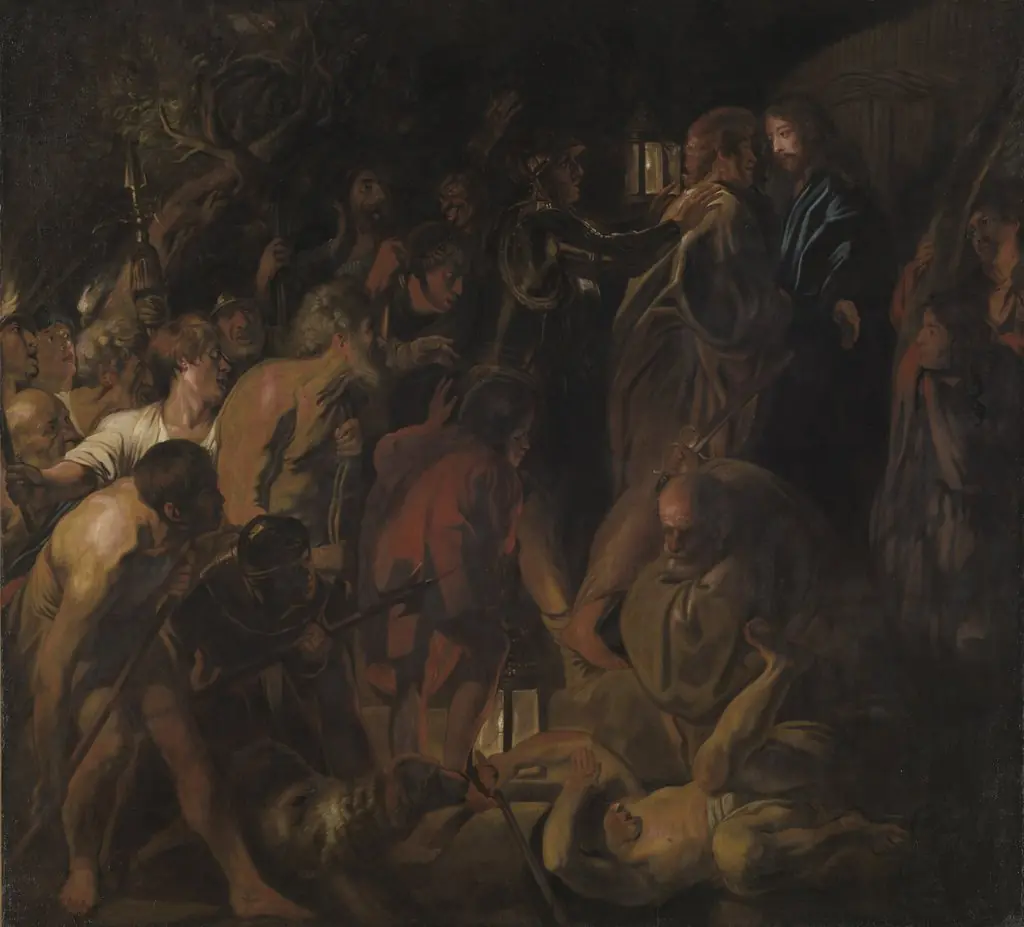 The Betrayal of Christ
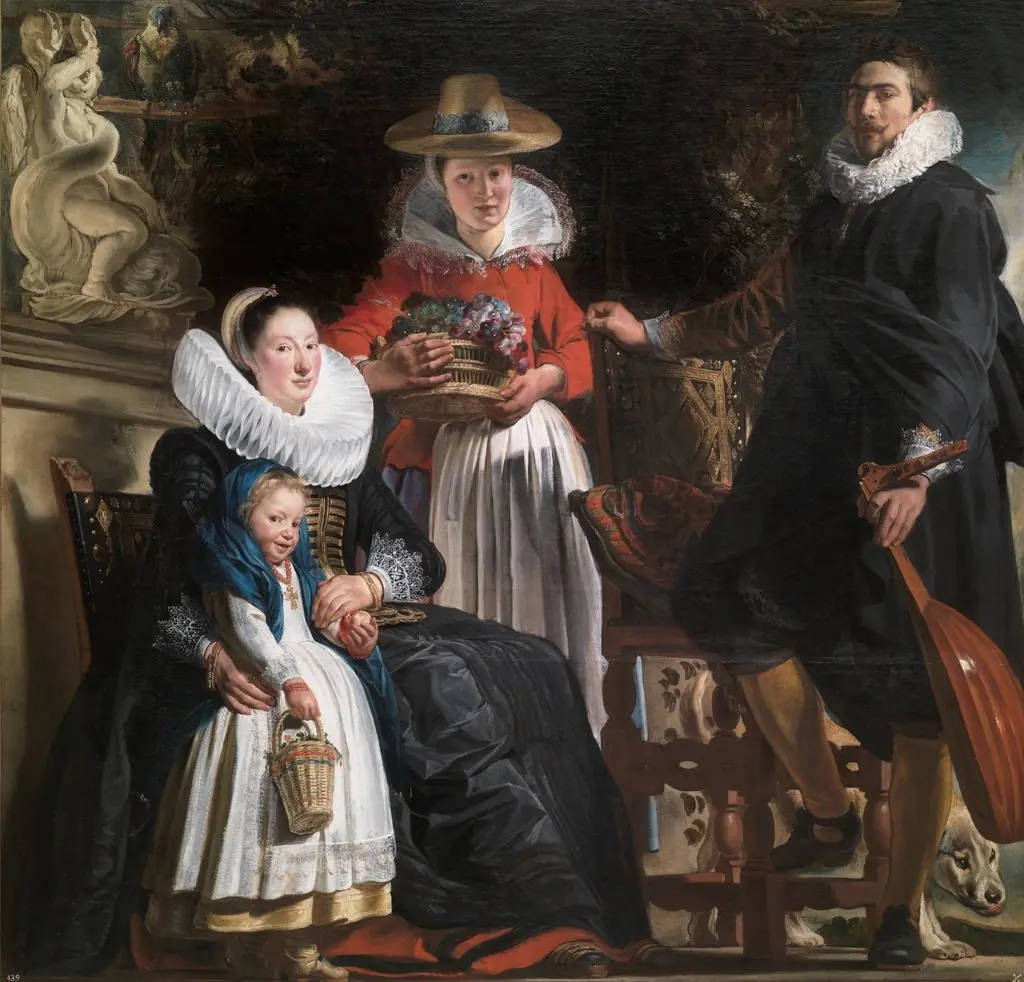 Portrait of the artist with his family
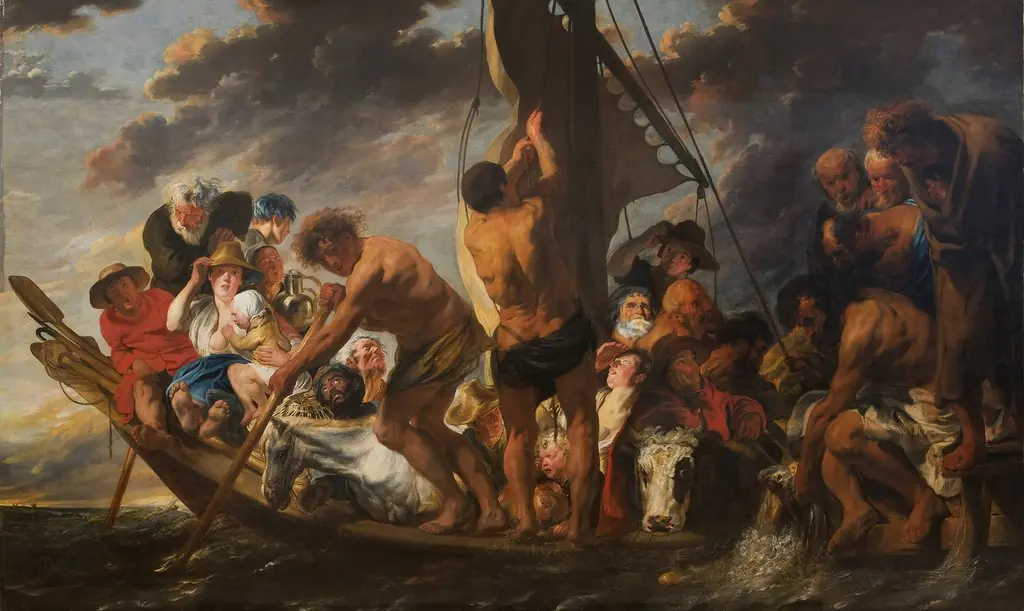 The Tribute Money. Peter Finding the Silver Coin in the Mouth of the Fish. Also called "The Ferry Boat to Antwerp"