Artwork
Meleager and Atalanta
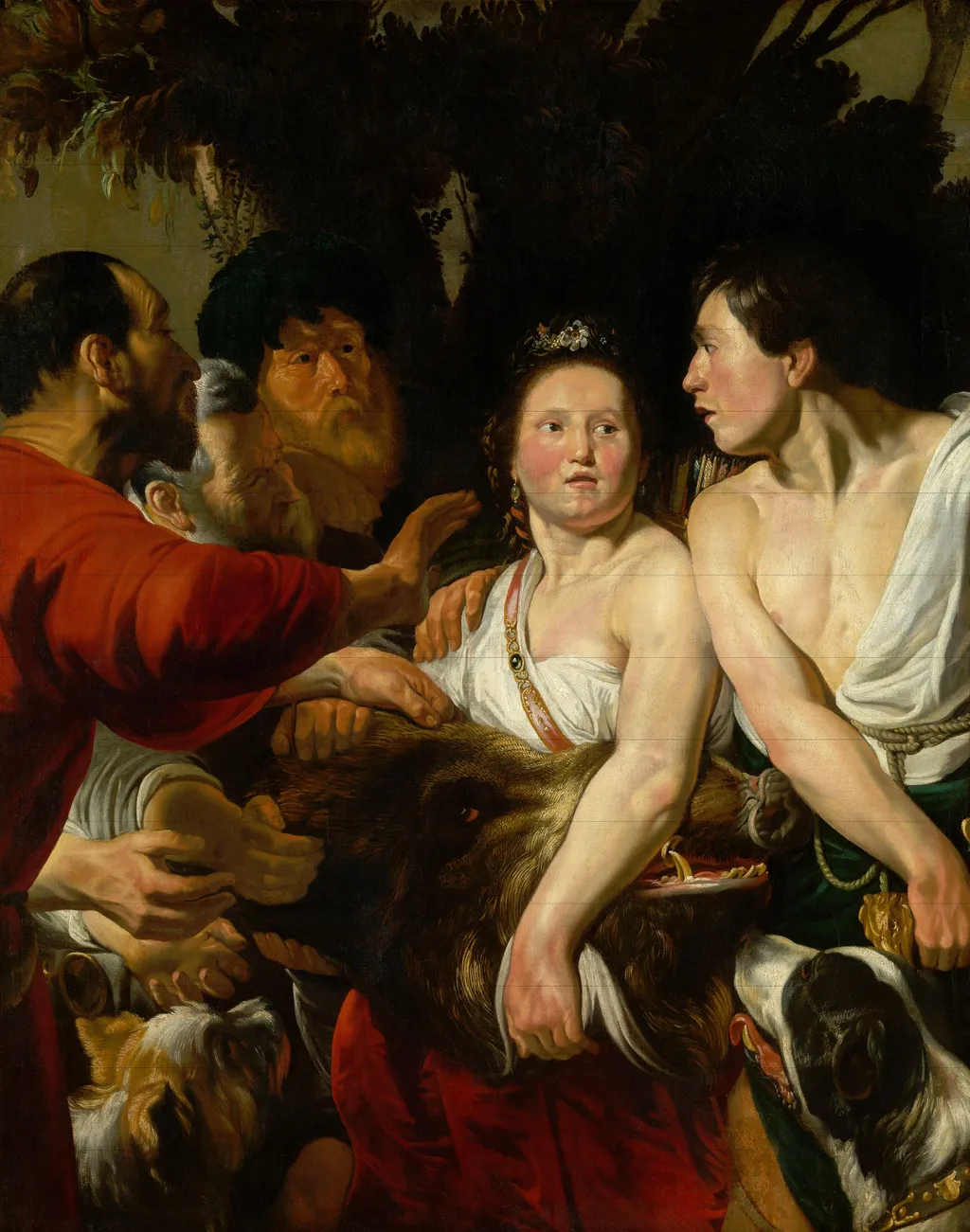
Meleager and Atalanta is an oil painting by the Flemish Baroque painting artist Jacob Jordaens. It dates from 1617 and is held in the collection of the Royal Museum of Fine Arts Antwerp.
About this work
Jordaens painted this work early in his career, before he revisited the same story in a later canvas that now hangs in the Prado Museum.
‘Meleager and Atalanta’ is an oil painting made by Jacob Jordaens around 1617. The medium is oil on canvas, giving the figures a solid presence.
It shows a scene from the myth of Meleager and the hunt for the Calydonian Boar. Jordaens painted this work early in his career, before he revisited the same story in a later canvas that now hangs in the Prado Museum.
The painting is part of the collection at the Royal Museum of Fine Arts Antwerp.
Overview
Jacob Jordaens created an oil on canvas depicting the mythic encounter between Meleager and Atalanta around 1618. The work is part of the collection of the Royal Museum of Fine Arts in Antwerp and represents an early stage in the artist’s prolific career.
Subject & Meaning
The composition illustrates a moment from the Calydonian Boar hunt, focusing on the heroic hunter Meleager and the swift huntress Atalanta. Their interaction alludes to themes of bravery, competition, and the interplay of male and female prowess in classical mythology.
Technique & Style
Executed in oil, the painting employs a solid, tactile handling of paint that gives the figures a palpable three‑dimensionality. Jordaens’s early Baroque sensibility is evident in the dynamic poses, rich coloration, and the dramatic contrast of light and shadow that heightens the narrative tension.
History & Provenance
The canvas remained in private hands before entering the Royal Museum of Fine Arts Antwerp’s holdings. Jordaens returned to the same subject in a later, larger work dated between 1620 and 1650, which now resides in the Prado Museum in Madrid, indicating the theme’s lasting relevance to the artist.
Context
Created during the early 17th‑century Flemish Baroque period, the painting reflects contemporary interest in classical subjects and the revival of mythological storytelling in visual art. Jordaens, a contemporary of Rubens, drew on the same narrative sources that were popular among his peers.
Own this work as a print
Artist & collection
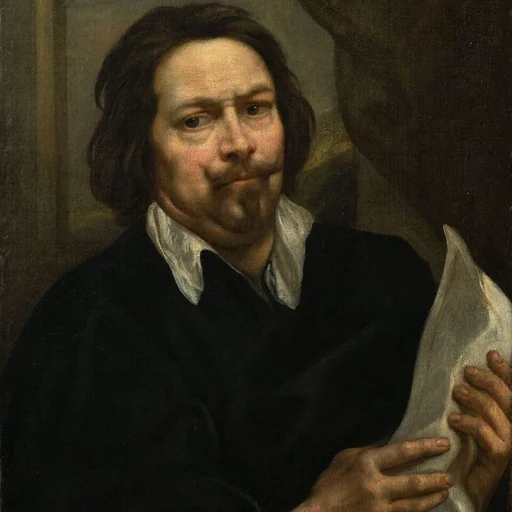
Artist
Jacques (Jacob) Jordaens (19 May 1593 – 18 October 1678) was a Flemish painter, draughtsman and a designer of tapestries and prints.

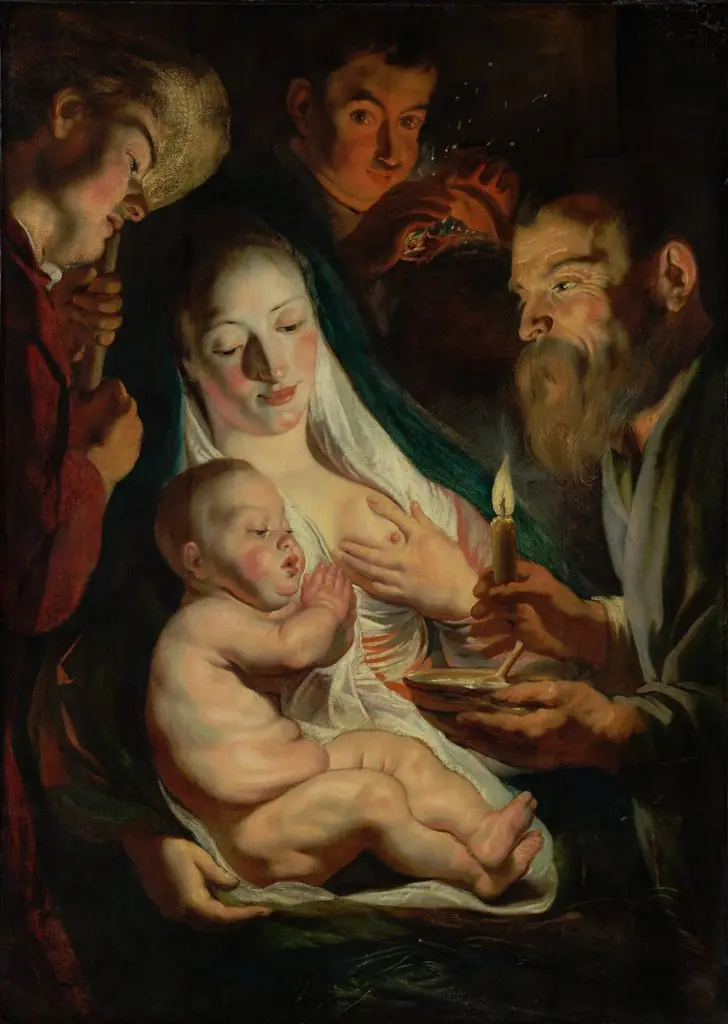 The Holy Family with Shepherds
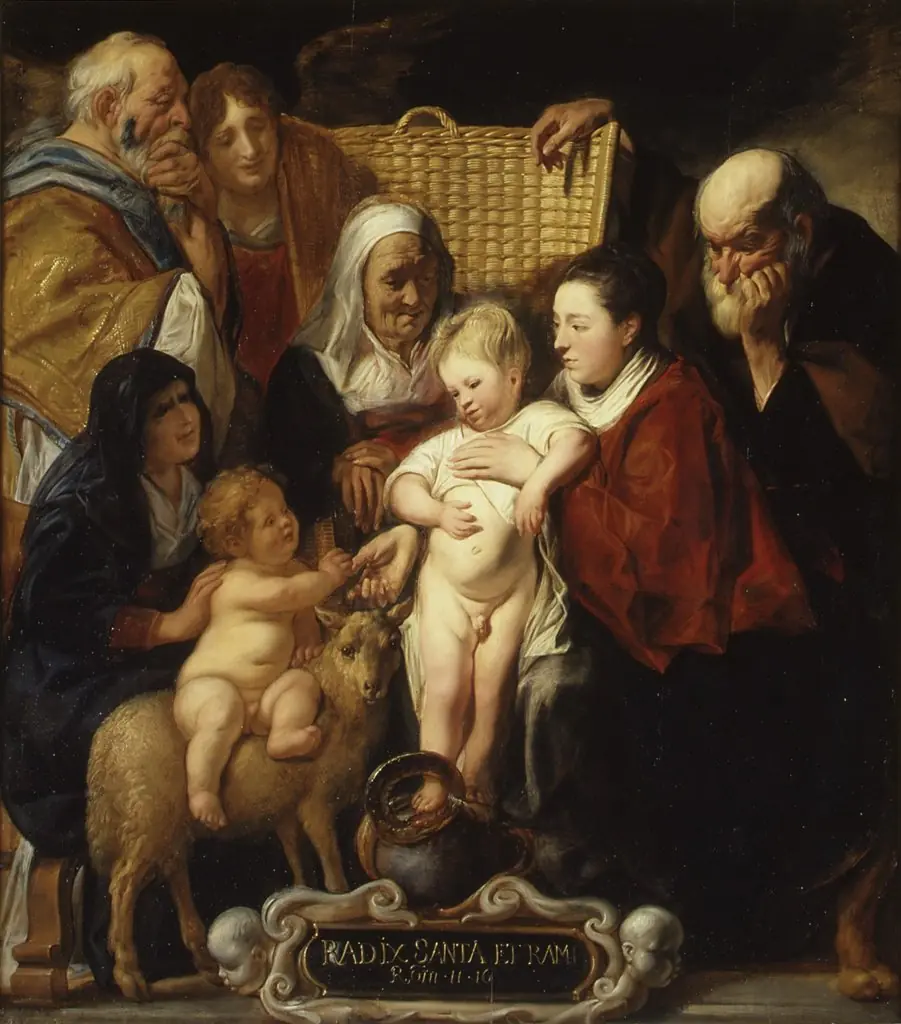 The Holy Family with Saint Anne and the Young Baptist and His Parents
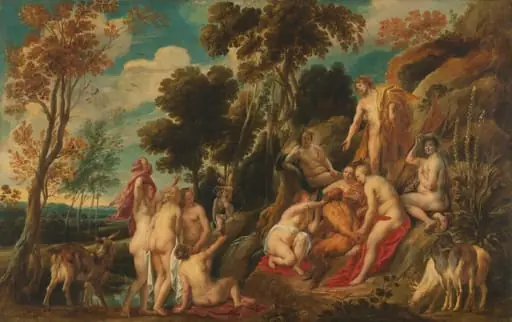 Untitled
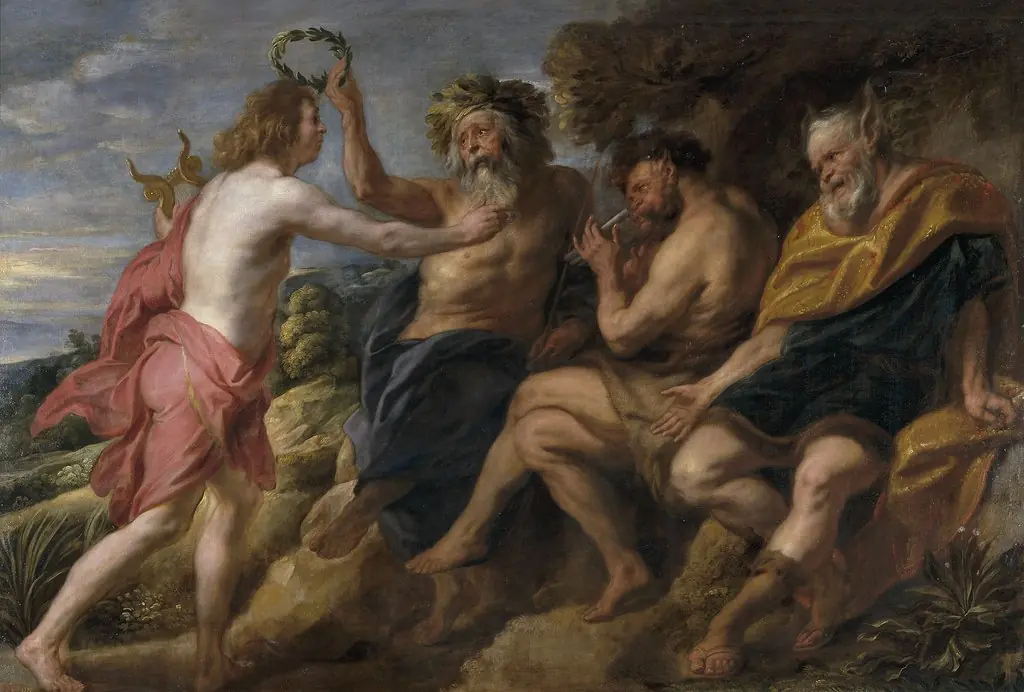 Apollo as Victor over Pan
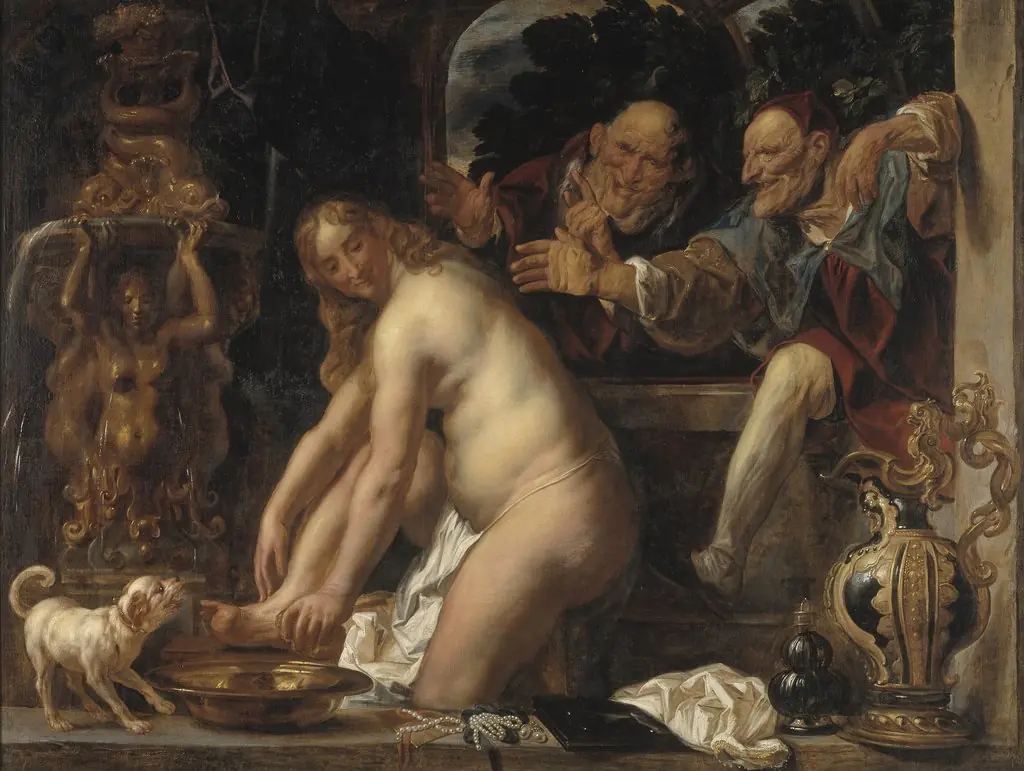 Susanna and the Elders
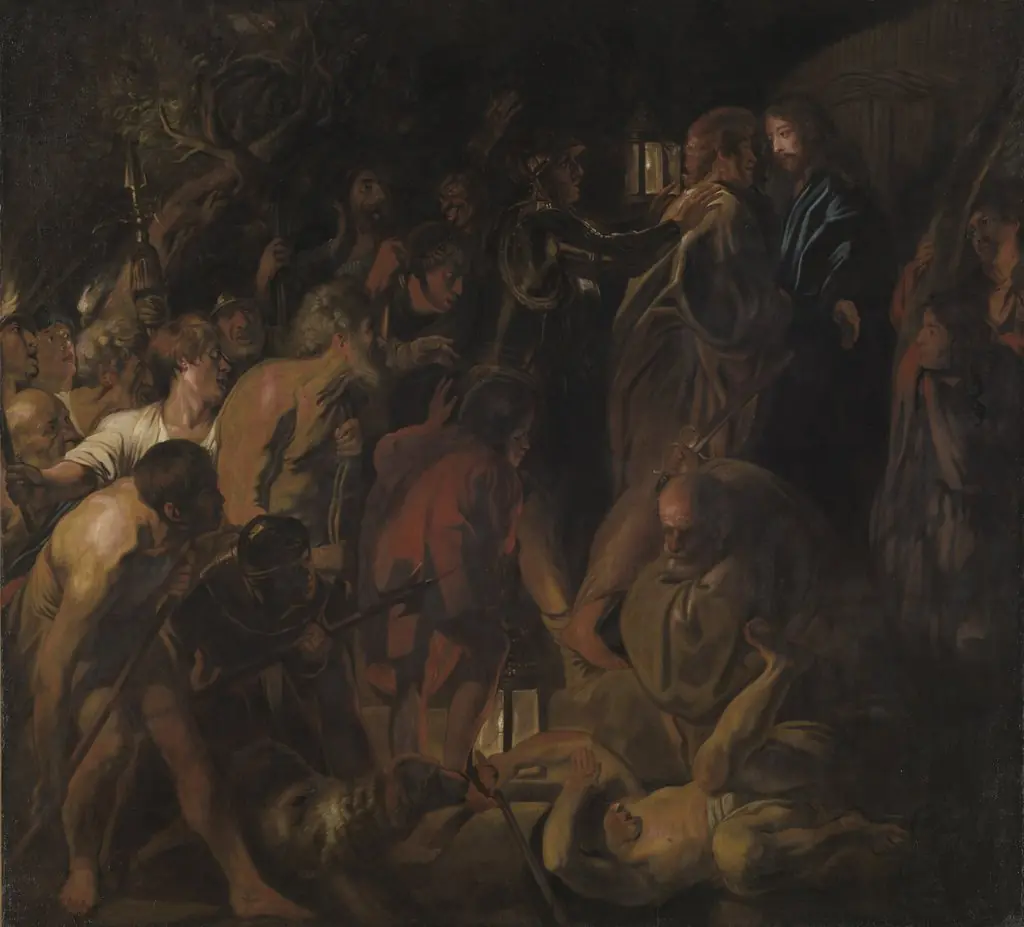 The Betrayal of Christ
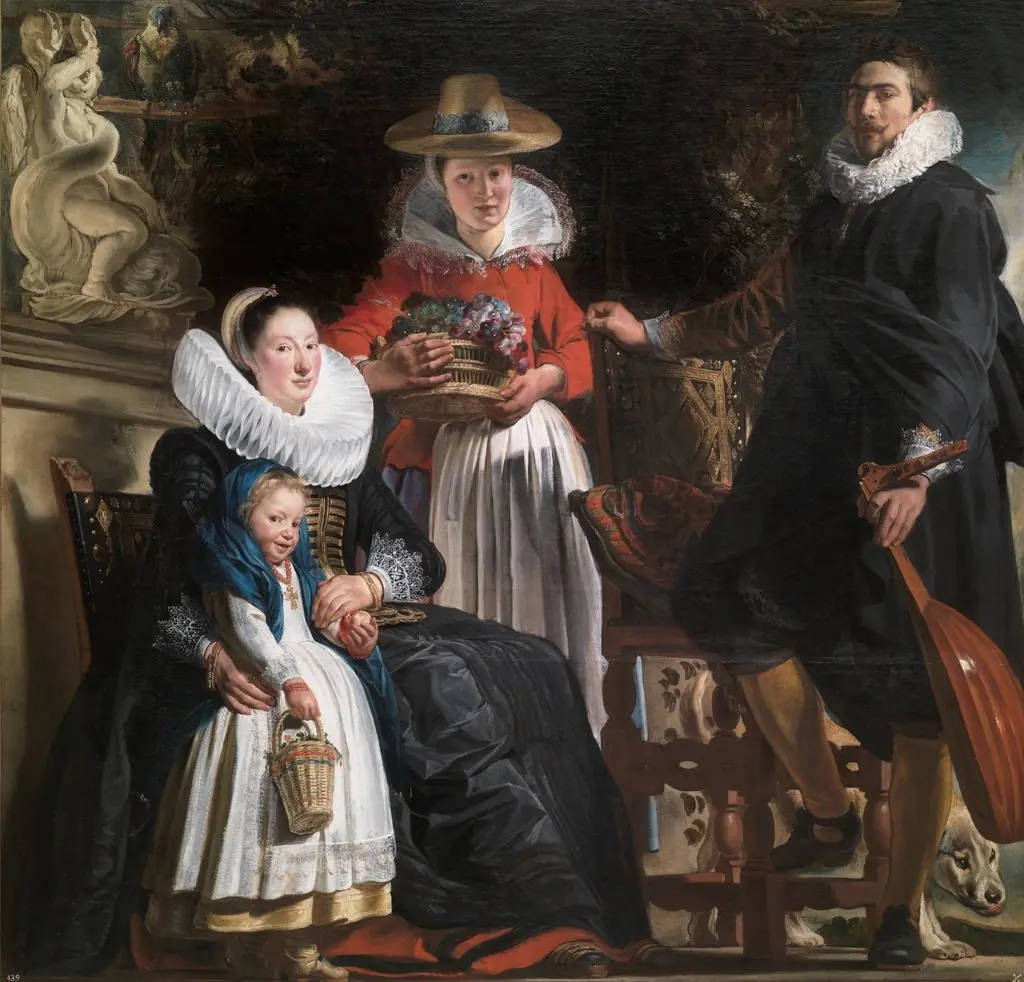 Portrait of the artist with his family
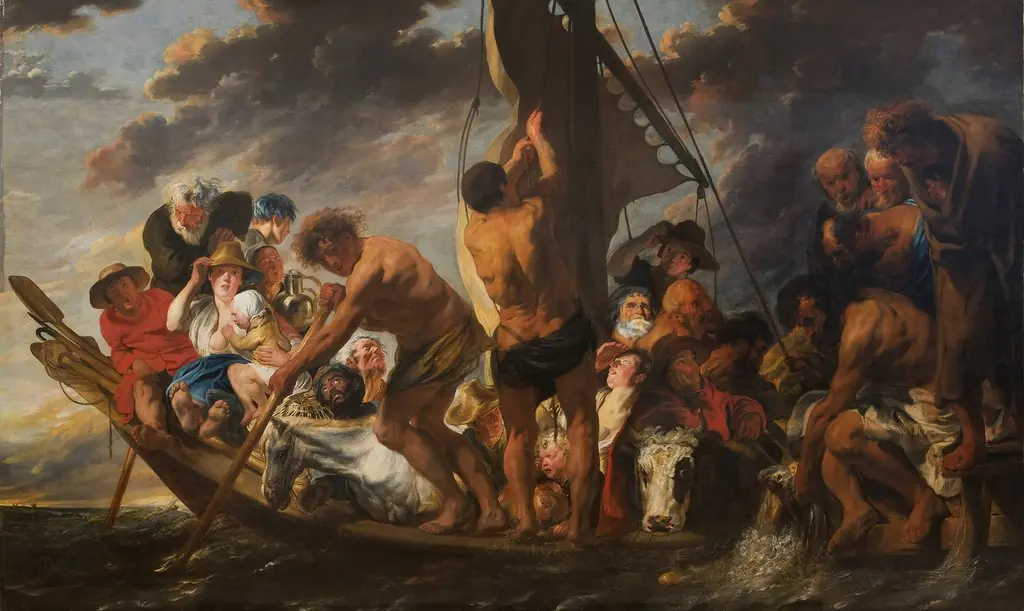 The Tribute Money. Peter Finding the Silver Coin in the Mouth of the Fish. Also called "The Ferry Boat to Antwerp"