Artwork
Moses Striking Water from the Rock
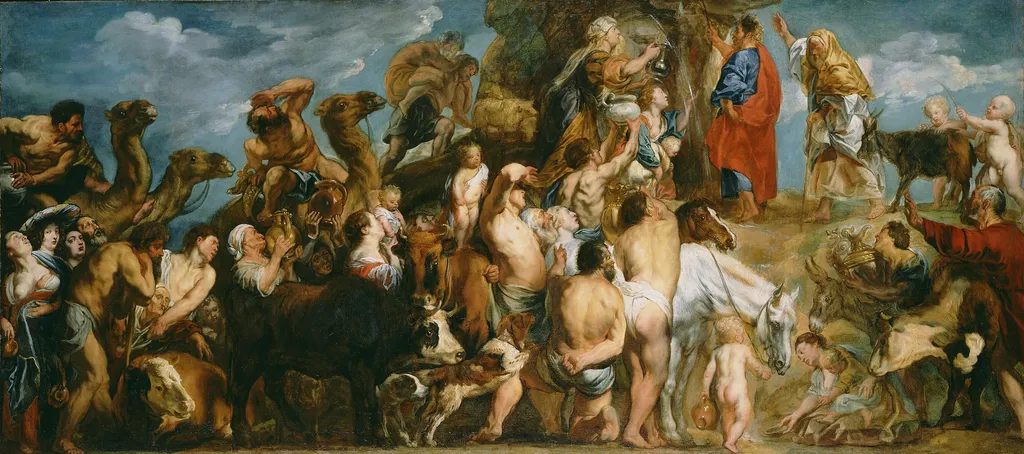
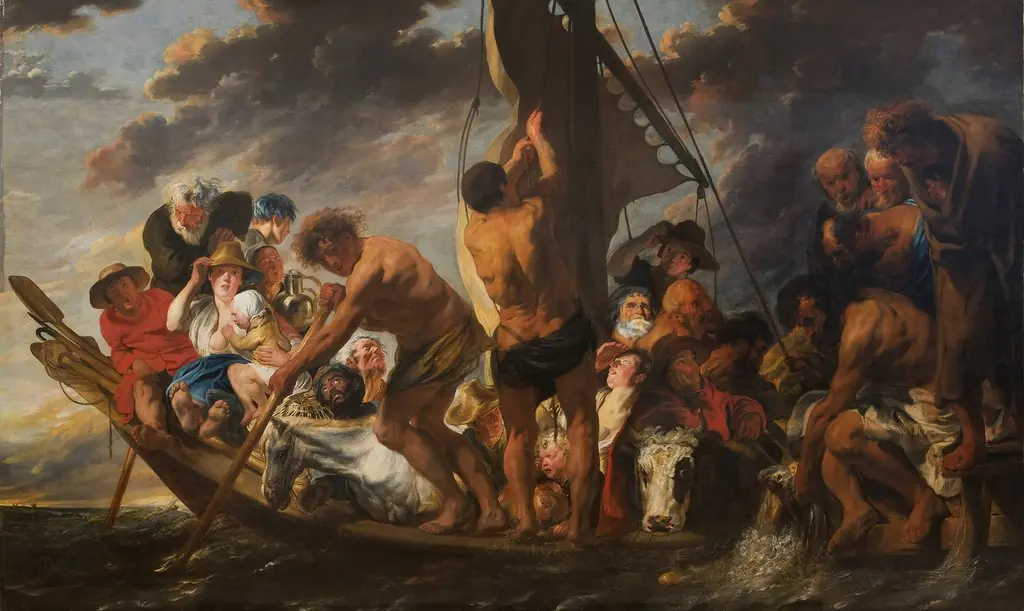
Moses Striking Water from the Rock is an oil painting by the Flemish Baroque painting artist Jacob Jordaens. It dates from 1645 and is held in the collection of the J. Paul Getty Museum.
About this work
Overview
Painted in 1645 by Jacob Jordaens, this oil-on-canvas work illustrates a moment from the Book of Exodus. Jordaens, a principal figure in Flemish art following Rubens and van Dyck, focused on biblical narratives with vivid human drama. The painting captures the Israelites’ desperate need for water in the desert, rendered with energetic composition and dense figuration typical of his mature style.
Subject & Meaning
His raised staff and upward gaze signal divine intervention, while the surrounding crowd—men, women, children, and livestock—react with urgency and relief.
The scene portrays Moses, clad in red, striking a rock to summon water for the parched Israelites. His raised staff and upward gaze signal divine intervention, while the surrounding crowd—men, women, children, and livestock—react with urgency and relief. The moment underscores faith amid hardship, a theme central to Counter-Reformation religious art, emphasizing God’s provision through human intermediaries.
Technique & Style
Jordaens employs rich oil pigments to render textures of skin, fabric, and stone with tactile precision. Chiaroscuro heightens spatial depth and emotional tension, directing focus to Moses at the center. The crowded composition, with figures overlapping and animals entangled, conveys chaos without losing narrative clarity. Brushwork varies from smooth flesh tones to rougher, energetic strokes in drapery and terrain.
History & Provenance
Commissioned during Jordaens’s peak years in Antwerp, the painting remained within Flemish collections for centuries. Unlike contemporaries who traveled to Italy, Jordaens worked primarily in the Low Countries, grounding his biblical scenes in local sensibilities. Its documented provenance traces through private holdings in Belgium and the Netherlands before entering its current institutional collection.
Context
Created in the mid-17th century, the painting reflects the Catholic Church’s emphasis on biblical storytelling to reinforce faith during the Counter-Reformation. Flemish artists like Jordaens responded with emotionally charged, populous scenes that contrasted with Italianate restraint. His choice to depict a moment of divine mercy aligned with contemporary devotional priorities in the Southern Netherlands.
Legacy
Though less internationally celebrated than Rubens, Jordaens’s biblical works shaped regional religious art for generations. This painting exemplifies his ability to merge dramatic narrative with everyday realism, influencing later Flemish painters who favored human-centered biblical episodes. Its enduring presence in museum collections attests to its role in defining Baroque religious imagery beyond Italy.
Artist & collection
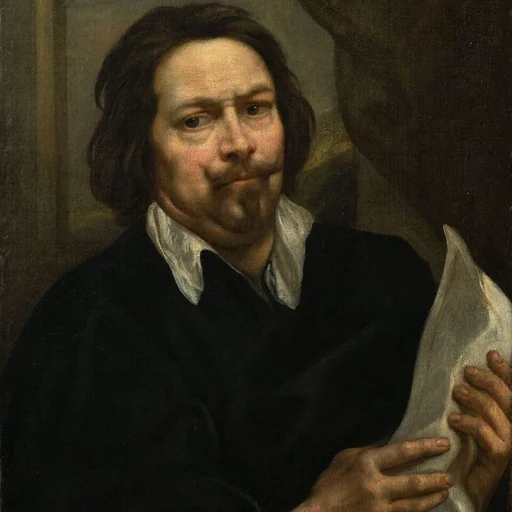
Artist
Jacques (Jacob) Jordaens (19 May 1593 – 18 October 1678) was a Flemish painter, draughtsman and a designer of tapestries and prints.

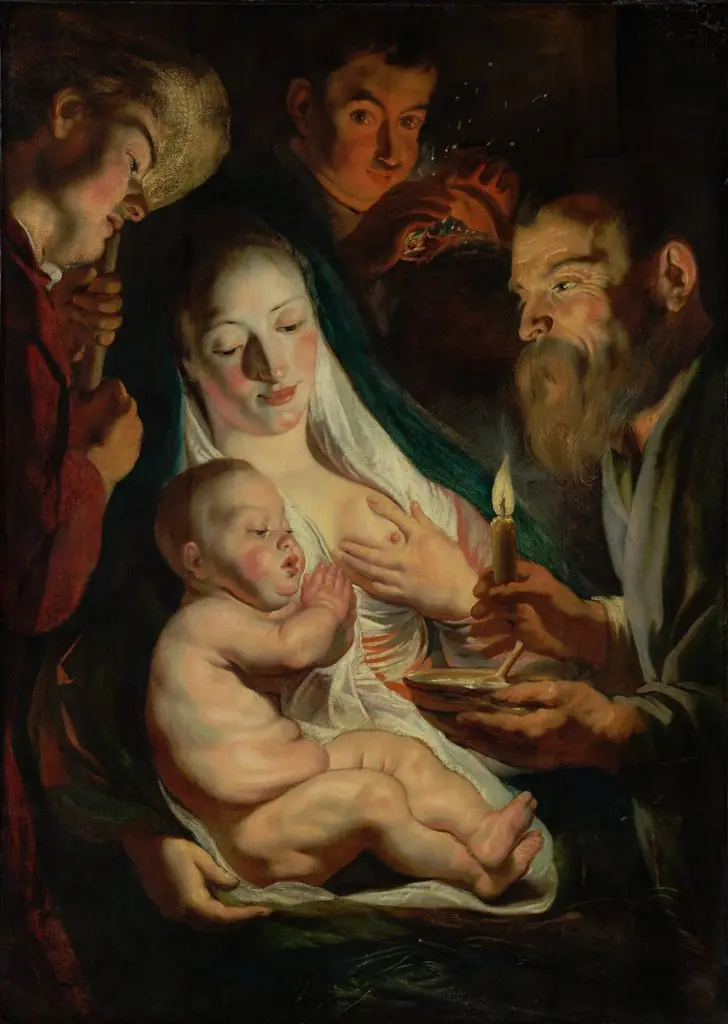 The Holy Family with Shepherds
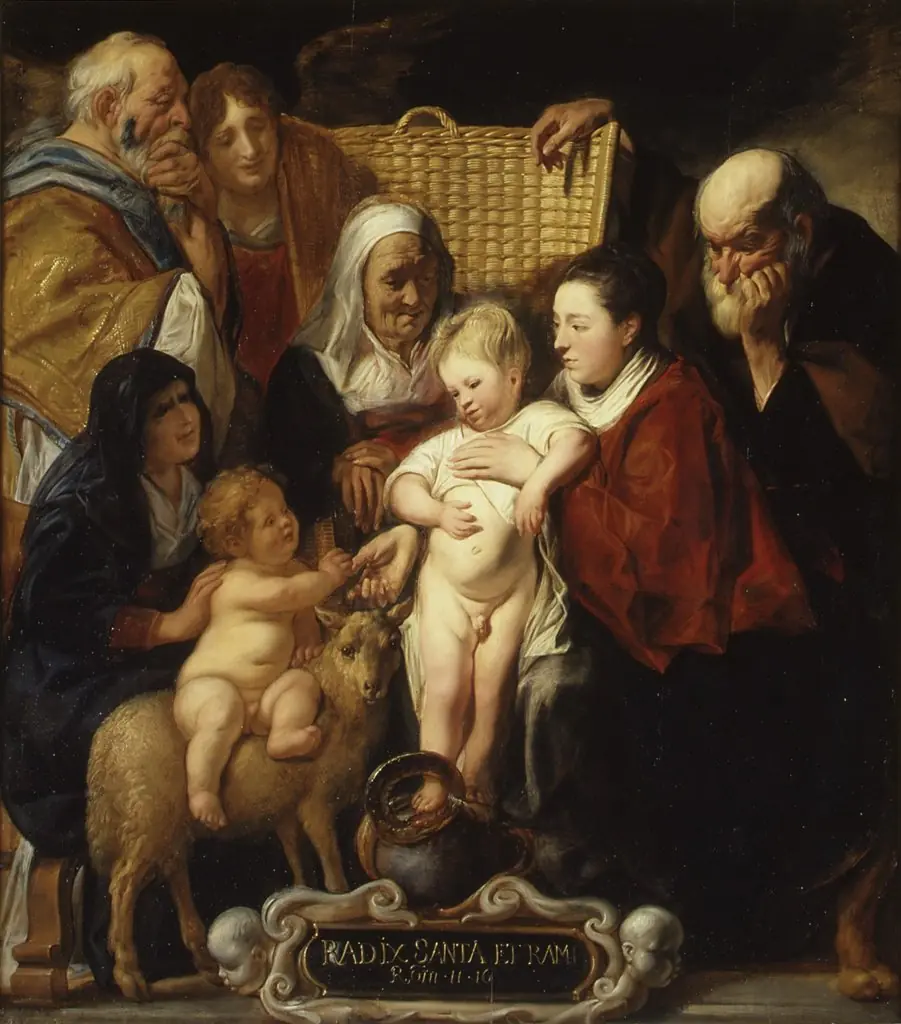 The Holy Family with Saint Anne and the Young Baptist and His Parents
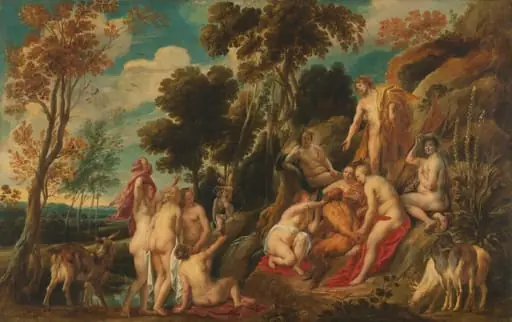 Untitled
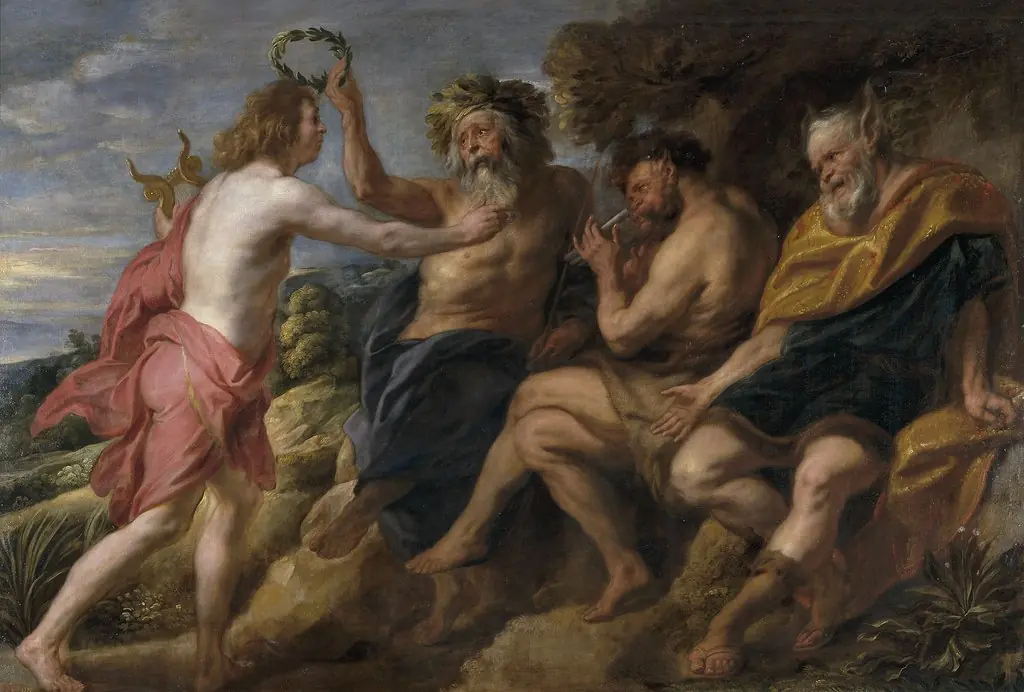 Apollo as Victor over Pan
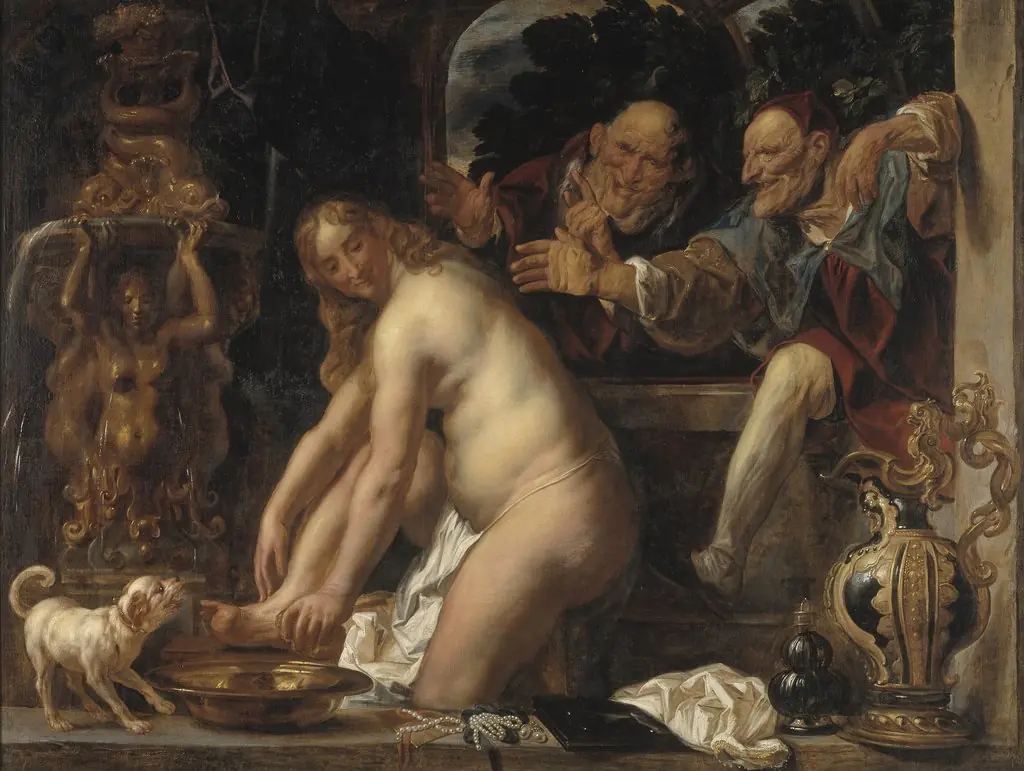 Susanna and the Elders
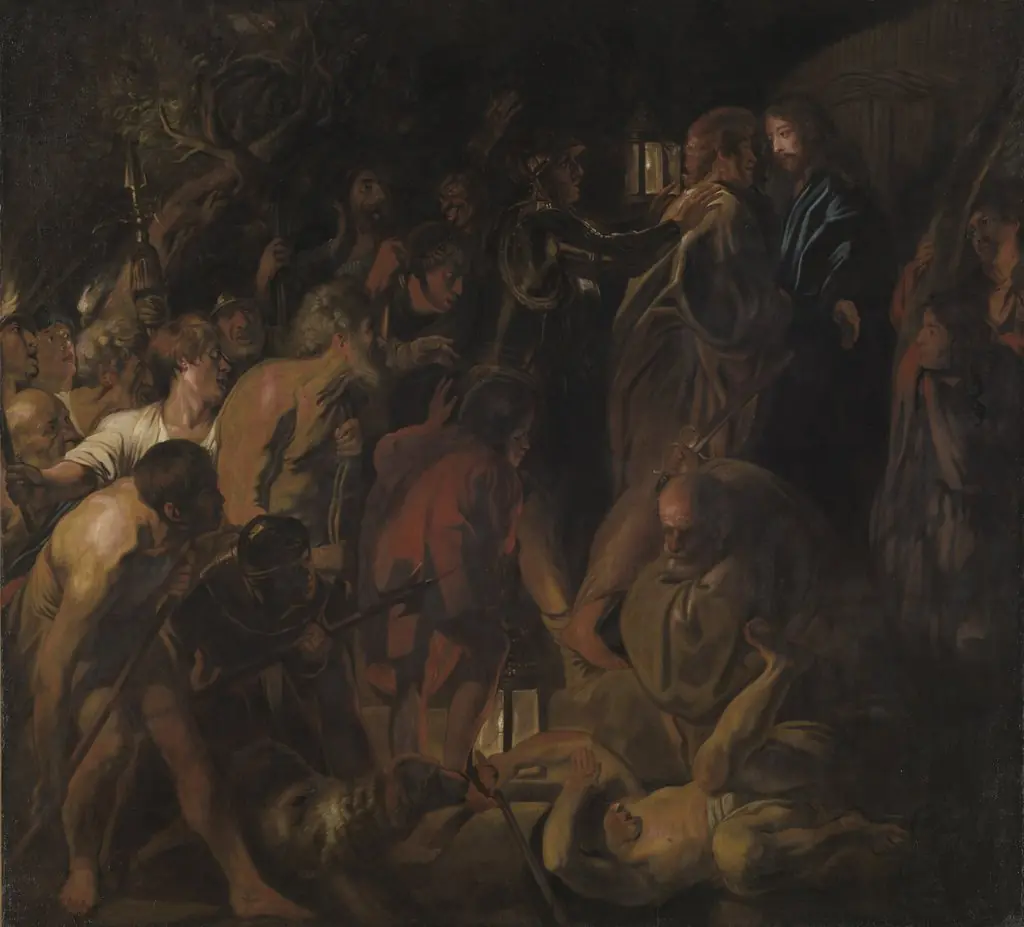 The Betrayal of Christ
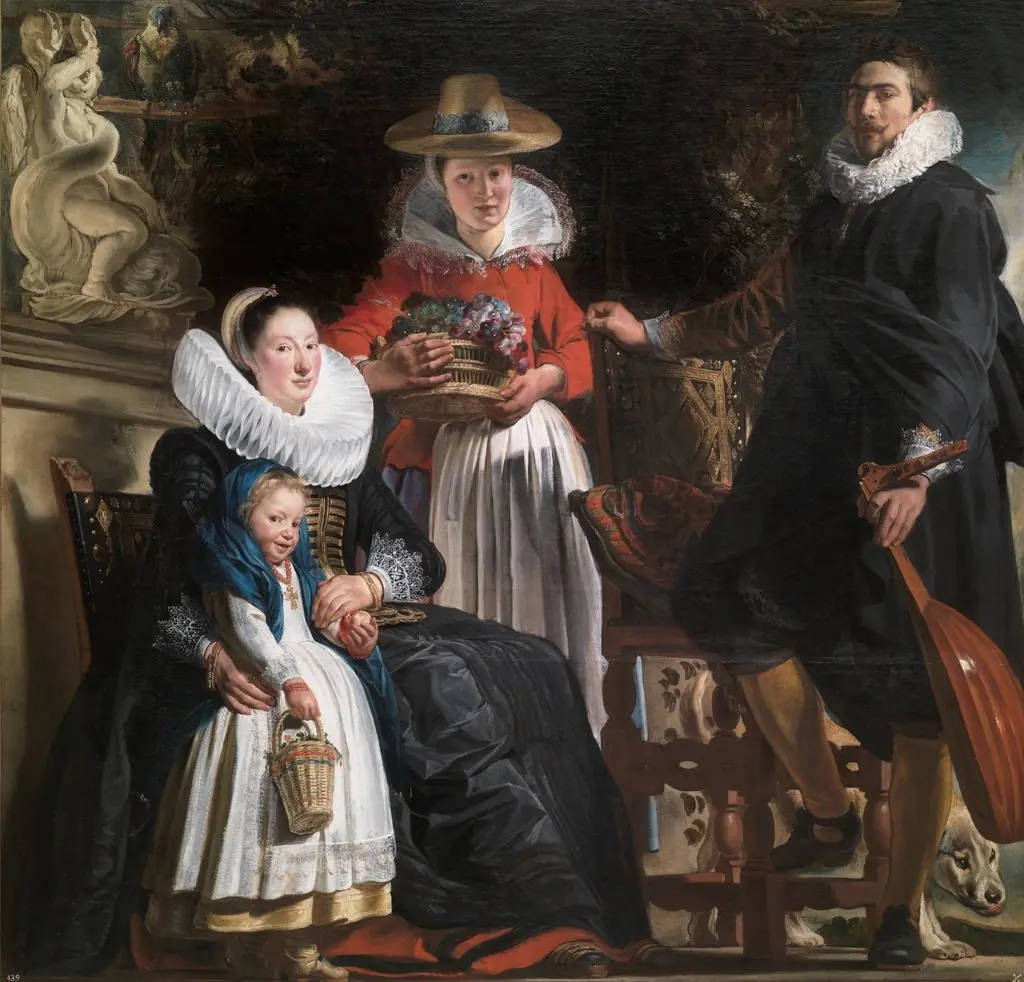 Portrait of the artist with his family
 The Tribute Money. Peter Finding the Silver Coin in the Mouth of the Fish. Also called "The Ferry Boat to Antwerp"