Artwork
Offering to Ceres
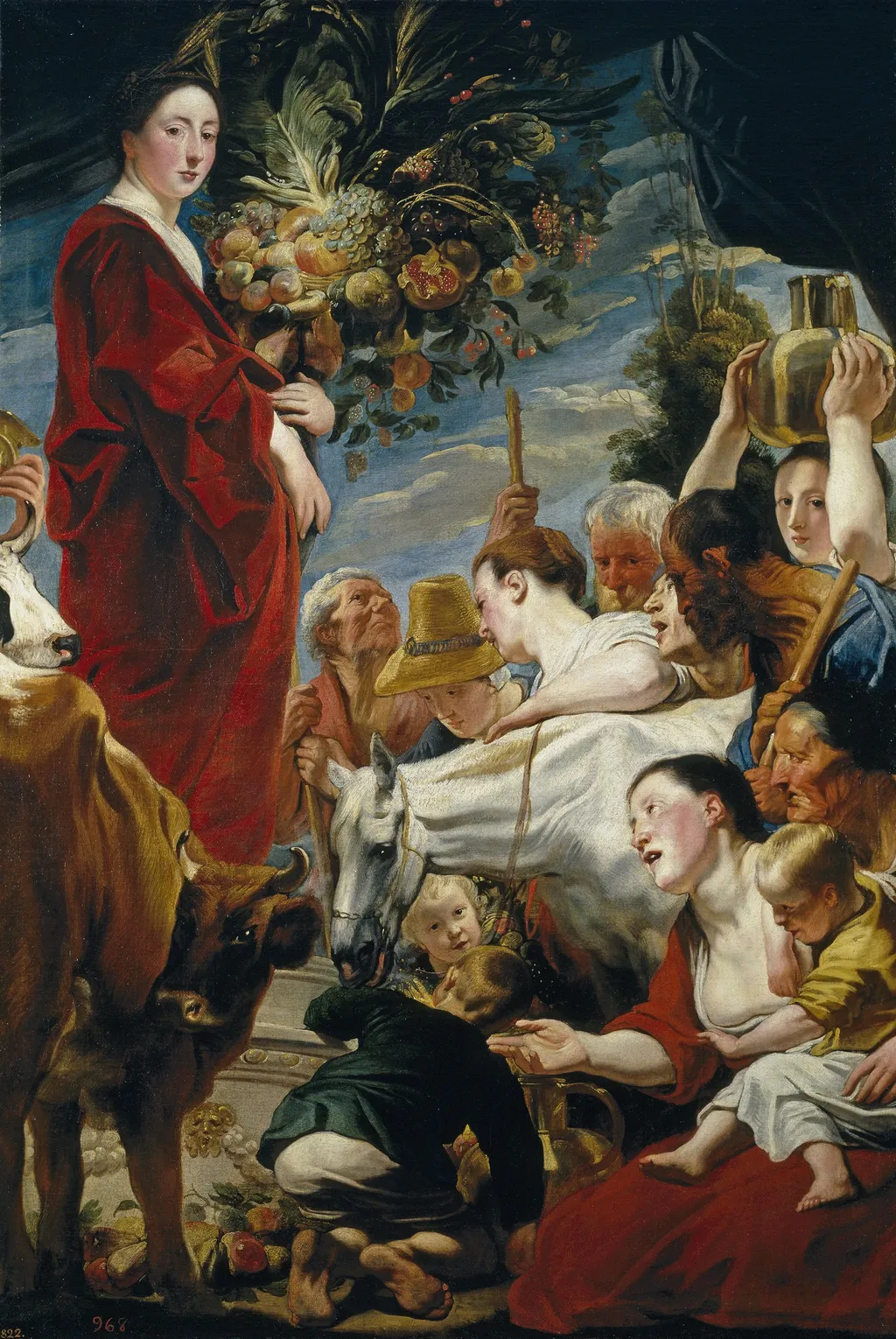
Offering to Ceres is an oil painting by the Flemish Baroque painting artist Jacob Jordaens. It dates from 1619 and is held in the collection of the Museo del Prado.
About this work
Overview
Painted in 1619, Jacob Jordaens’s Offering to Ceres is an oil-on-canvas work rooted in the Flemish Baroque tradition.
Painted in 1619, Jacob Jordaens’s Offering to Ceres is an oil-on-canvas work rooted in the Flemish Baroque tradition. Held in the Museo del Prado, it reflects the artist’s engagement with classical mythology at a time when he was emerging as a central figure in Antwerp’s art scene. Unlike many contemporaries, Jordaens never traveled to Italy, yet his compositions reveal a deep familiarity with ancient narratives through local interpretation and vivid detail.
Subject & Meaning
The painting illustrates a ritual offering to Ceres, the Roman goddess of agriculture and grain. A central female figure, likely representing Ceres or a priestess, holds a basket of fruit atop a stone ledge, while a crowd of diverse onlookers gathers below—nobles and laborers alike—around a donkey and an infant. The scene blends sacred ceremony with everyday life, suggesting a fusion of myth and rural celebration, common in Jordaens’s approach to classical themes.
Technique & Style
Jordaens employs chiaroscuro to heighten the presence of key figures, particularly the woman’s vivid red dress and the donkey’s dark form, which stand out against the lush, textured background. Brushwork is robust yet controlled, with attention to fabric folds, skin tones, and naturalistic foliage. The composition is densely packed, balancing movement and stillness: the calm demeanor of the central figure contrasts with the animated crowd, creating a rhythmic visual tension.
History & Provenance
Commissioned during Jordaens’s early maturity, the painting entered the Spanish royal collection in the 17th century and was later transferred to the Museo del Prado. Its survival in royal hands reflects its perceived value among Habsburg collectors, who favored Flemish works with mythological and allegorical content. The painting remained largely unchanged in provenance, preserving its original condition and composition.
Context
In early 17th-century Antwerp, mythological subjects were popular among patrons seeking to align themselves with classical ideals. Jordaens, working in the shadow of Rubens, developed a distinctive style grounded in northern realism rather than Italianate grandeur. His scenes often emphasized communal rituals and earthly abundance, resonating with local tastes while still engaging with ancient literary sources.
Legacy
Offering to Ceres exemplifies Jordaens’s role in sustaining Flemish Baroque narrative painting after the deaths of his more famous peers. His ability to infuse myth with tangible, human detail influenced later regional artists who prioritized emotional immediacy over idealized form. The work remains a key reference for understanding how classical themes were adapted in northern Europe without direct exposure to Italian models.
Own this work as a print
Artist & collection
Artist
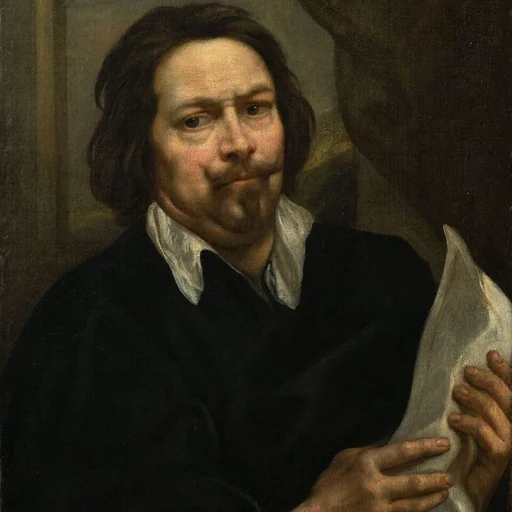
Jacques (Jacob) Jordaens (19 May 1593 – 18 October 1678) was a Flemish painter, draughtsman and a designer of tapestries and prints.

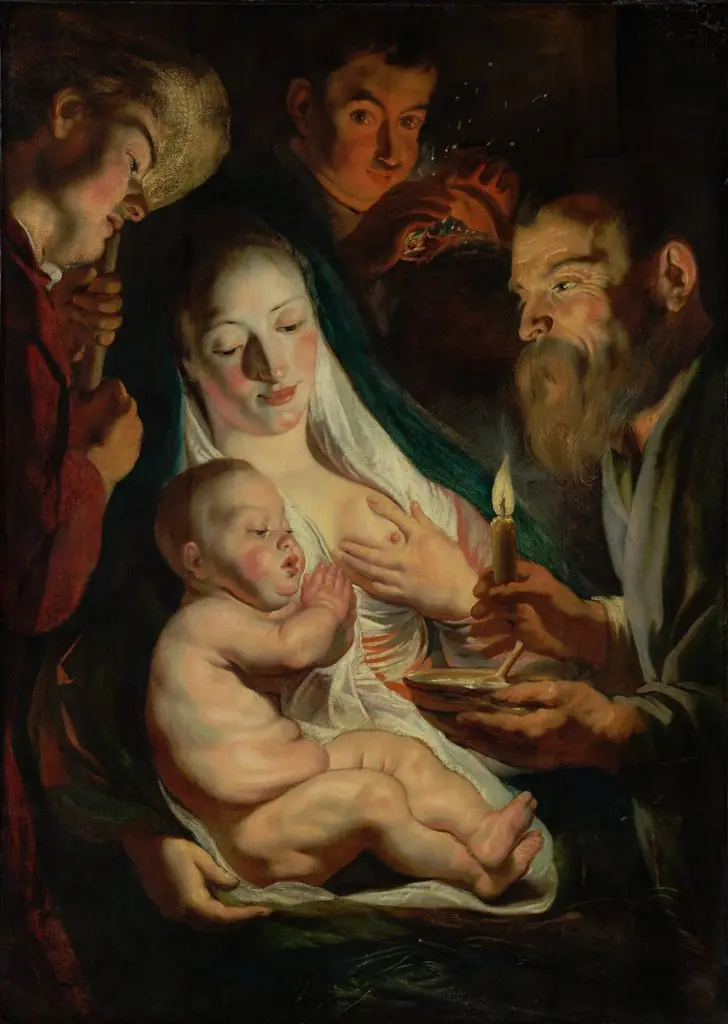 The Holy Family with Shepherds
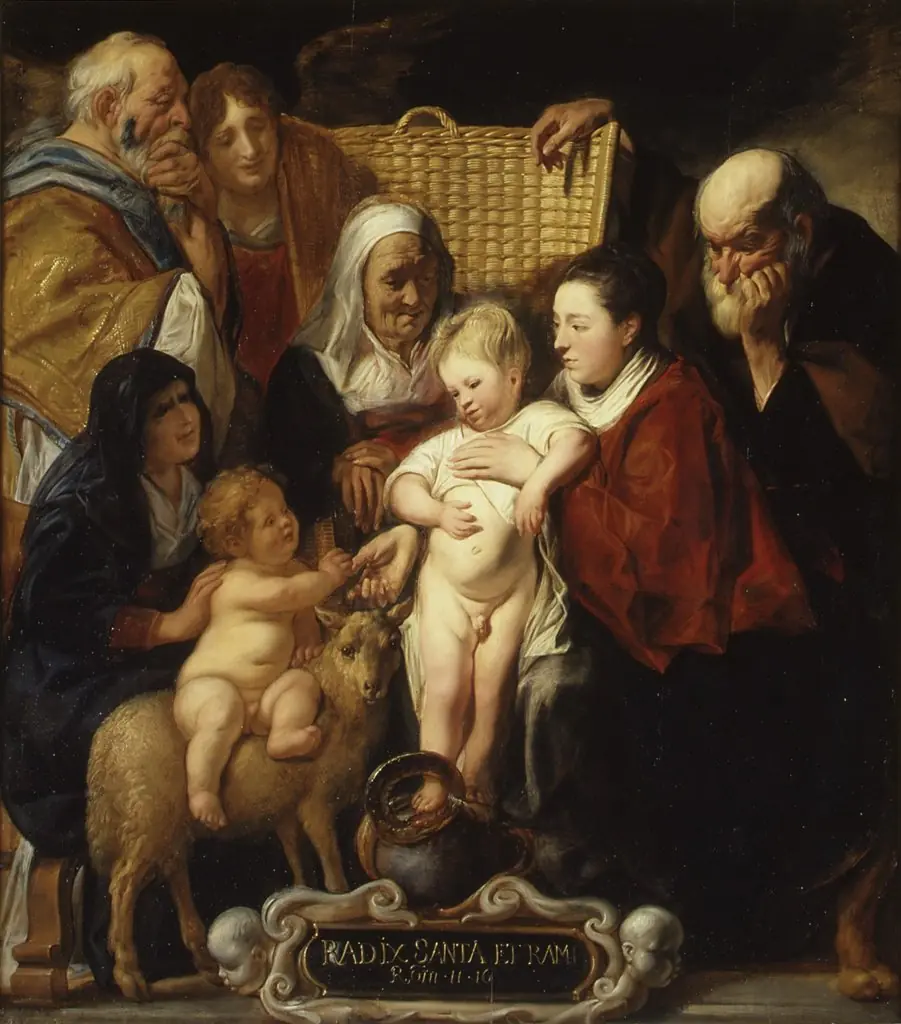 The Holy Family with Saint Anne and the Young Baptist and His Parents
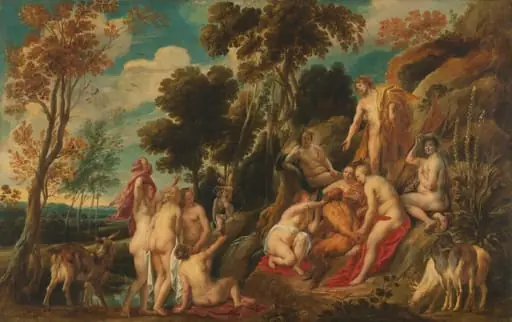 Untitled
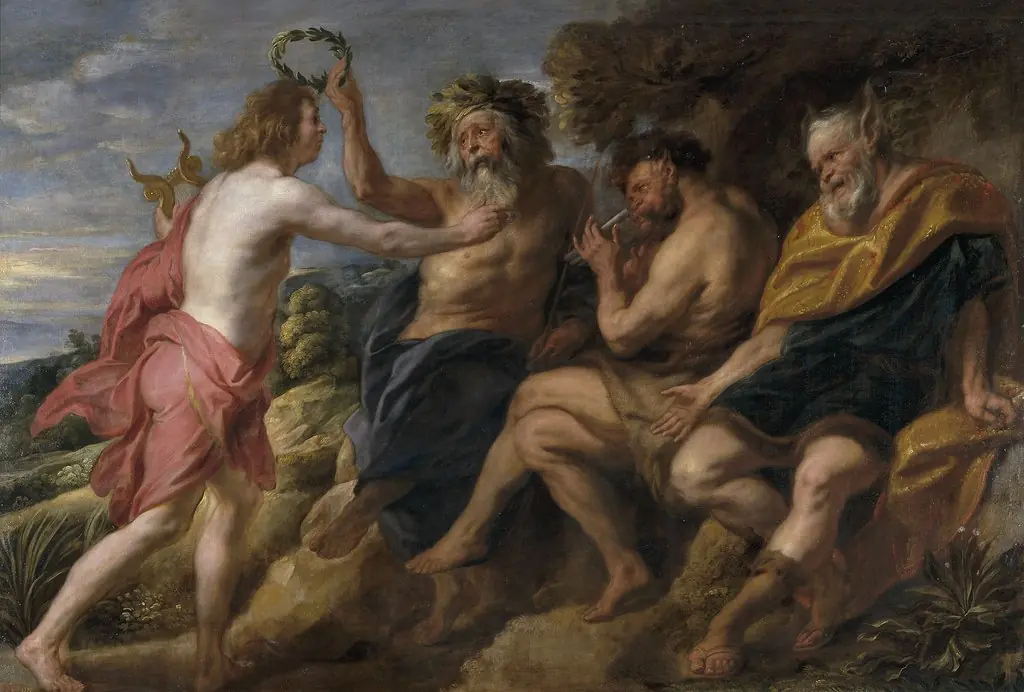 Apollo as Victor over Pan
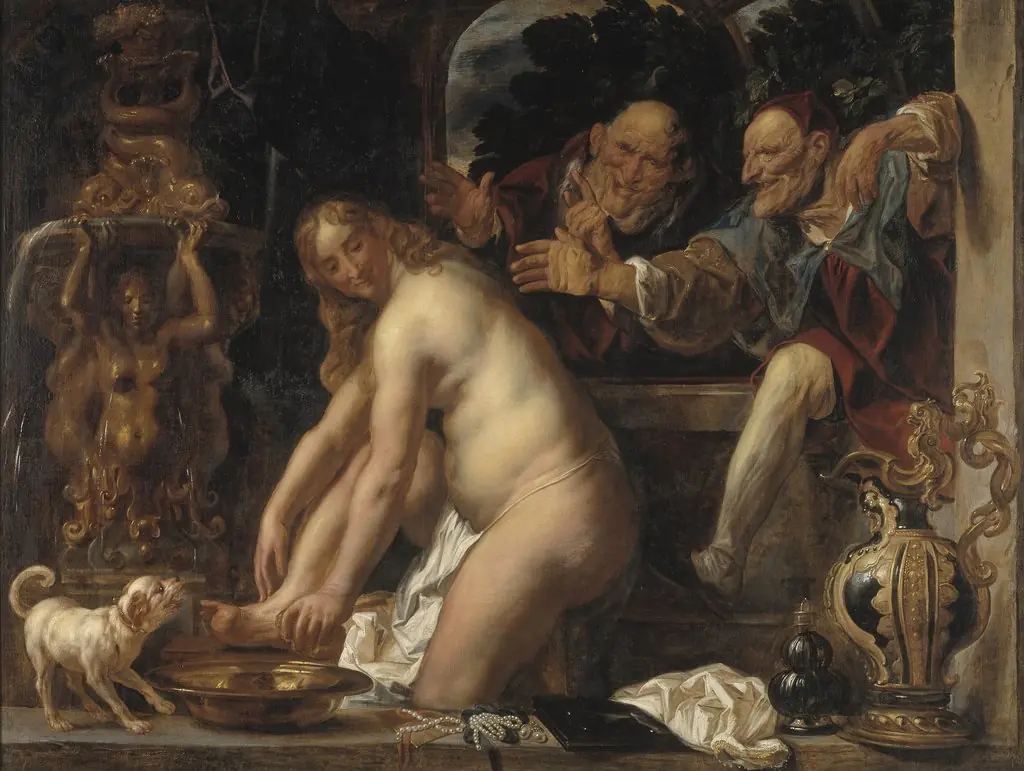 Susanna and the Elders
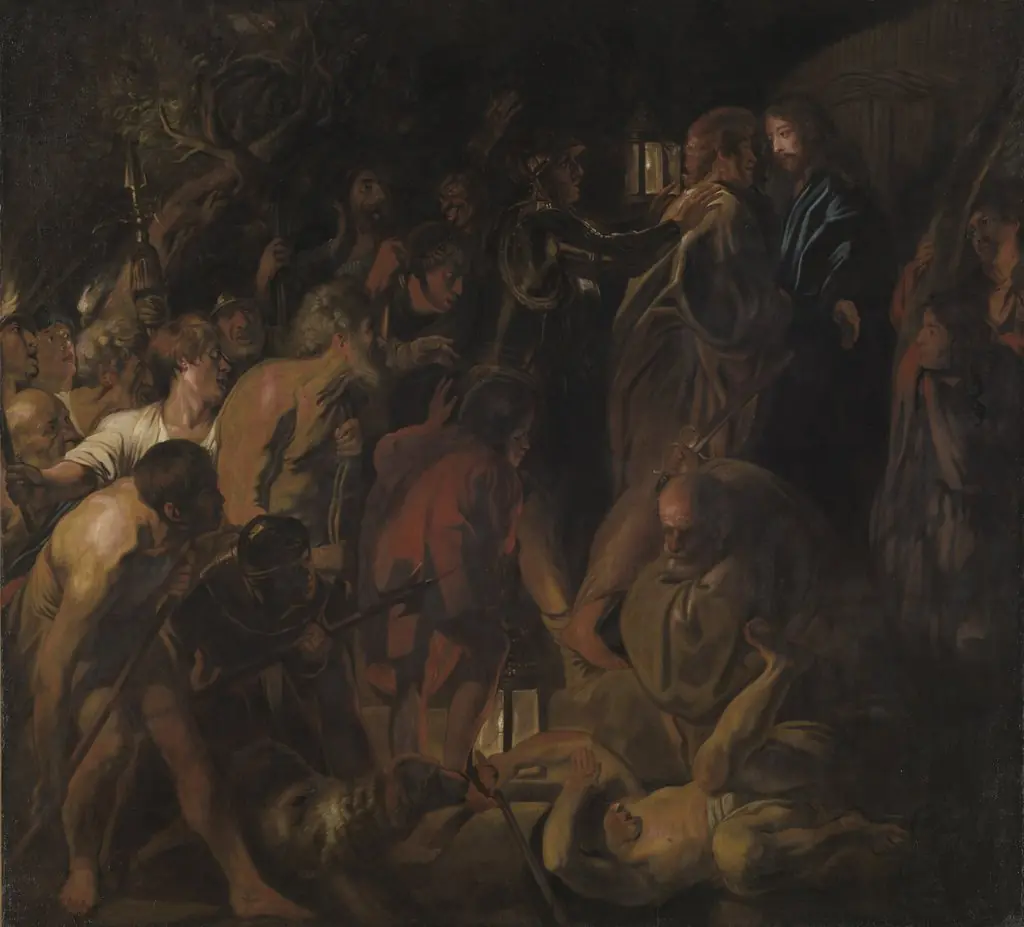 The Betrayal of Christ
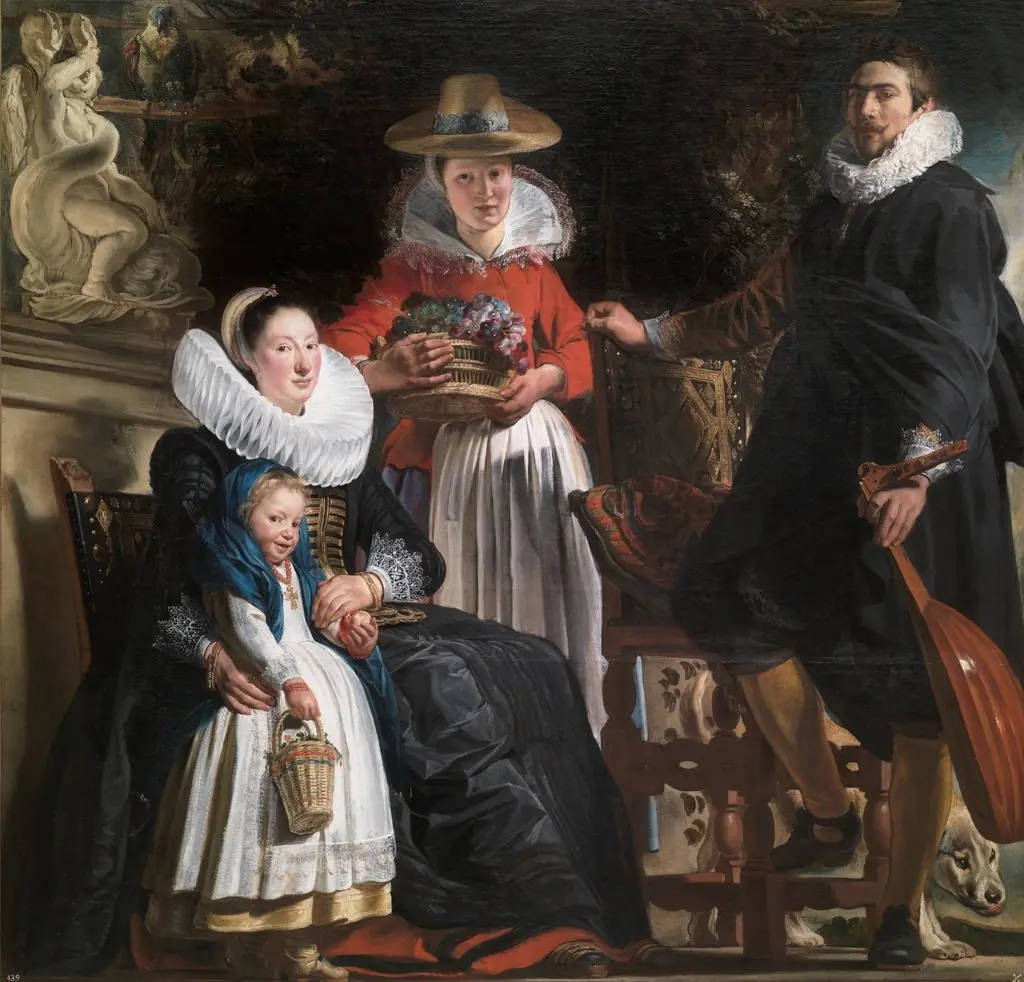 Portrait of the artist with his family
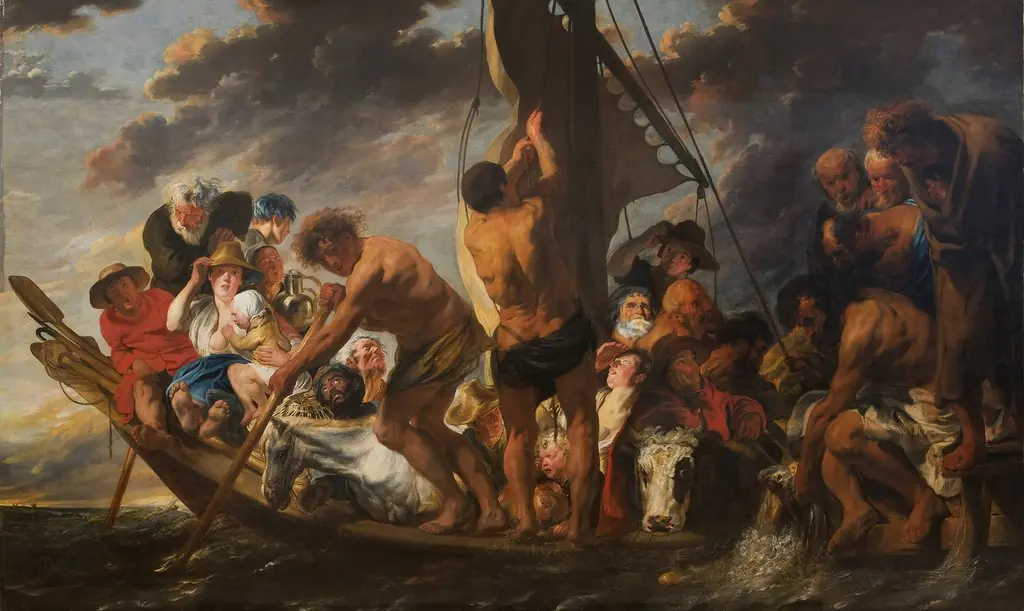 The Tribute Money. Peter Finding the Silver Coin in the Mouth of the Fish. Also called "The Ferry Boat to Antwerp"
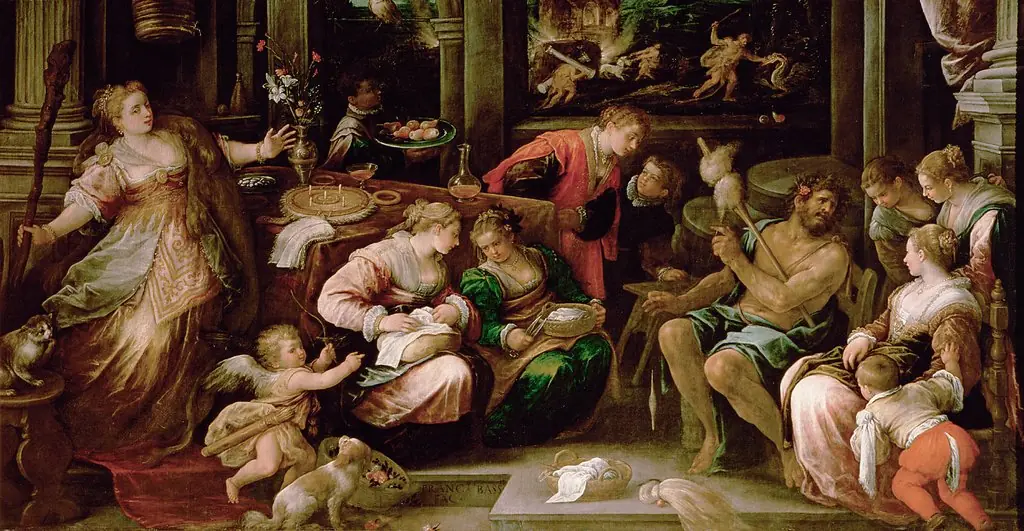 Herkules und Omphale
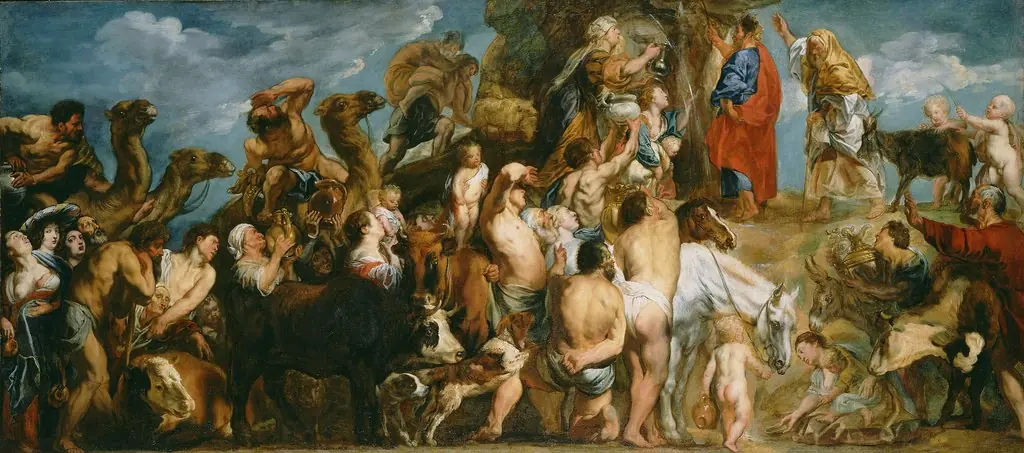 Moses Striking Water from the Rock
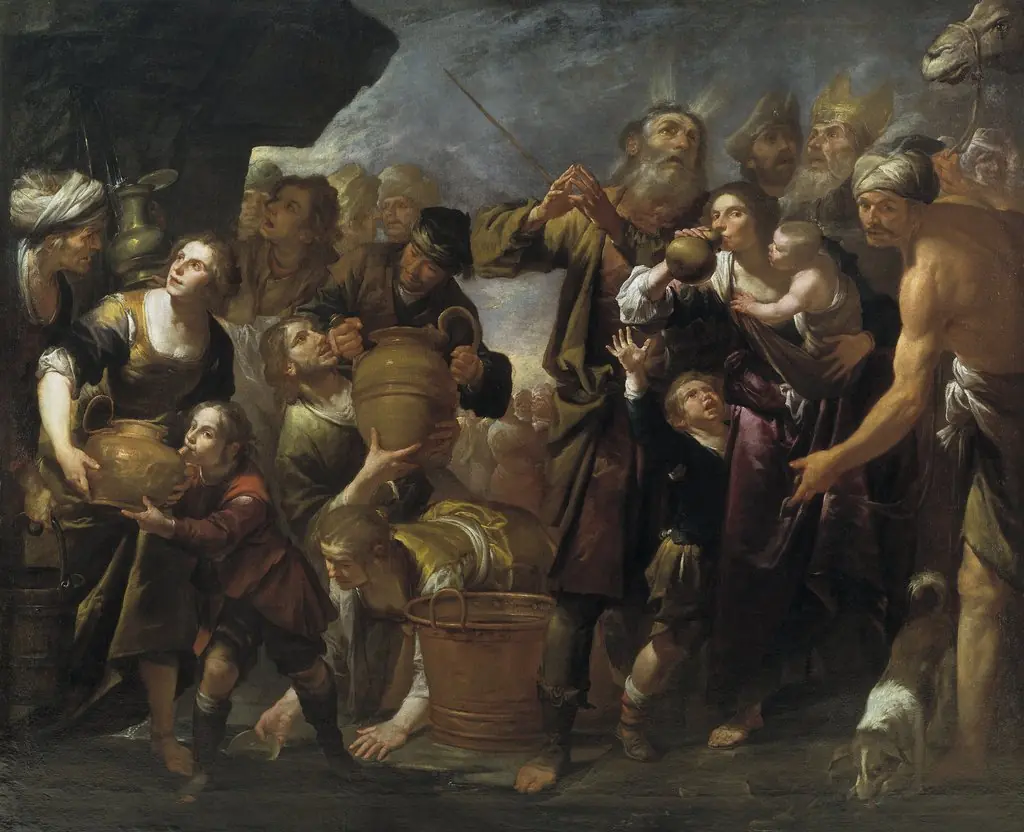 Moses striking the Water from the Rock
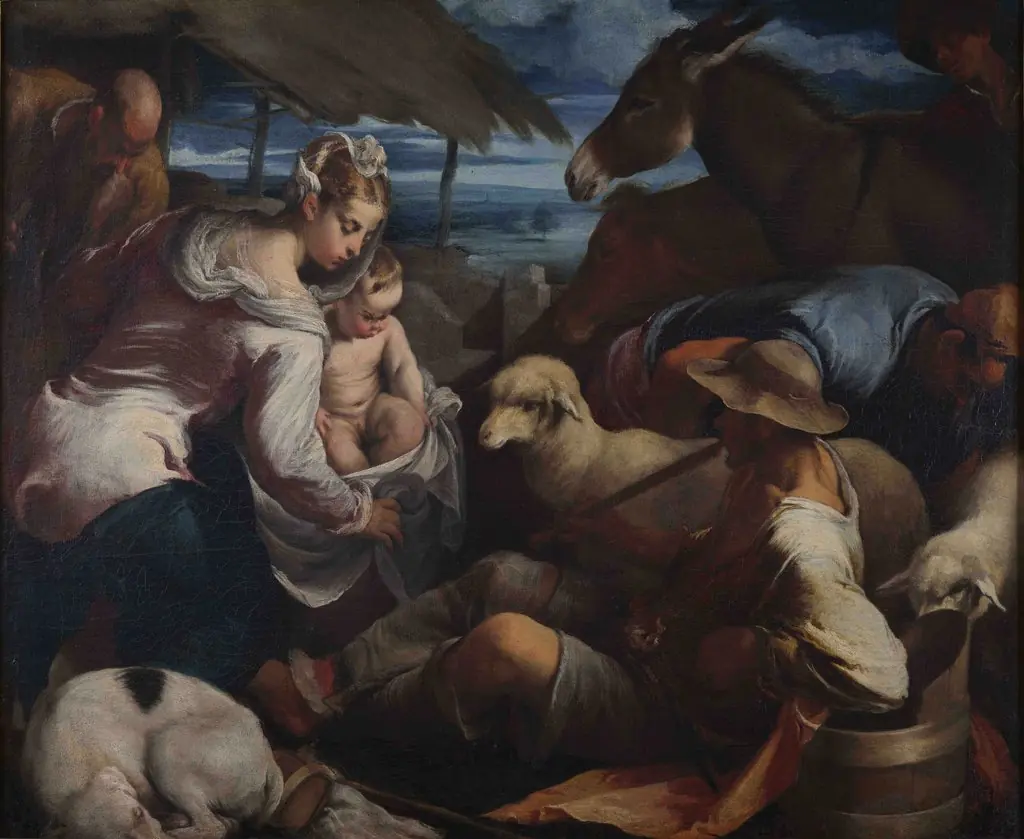 L'Adoration des bergers
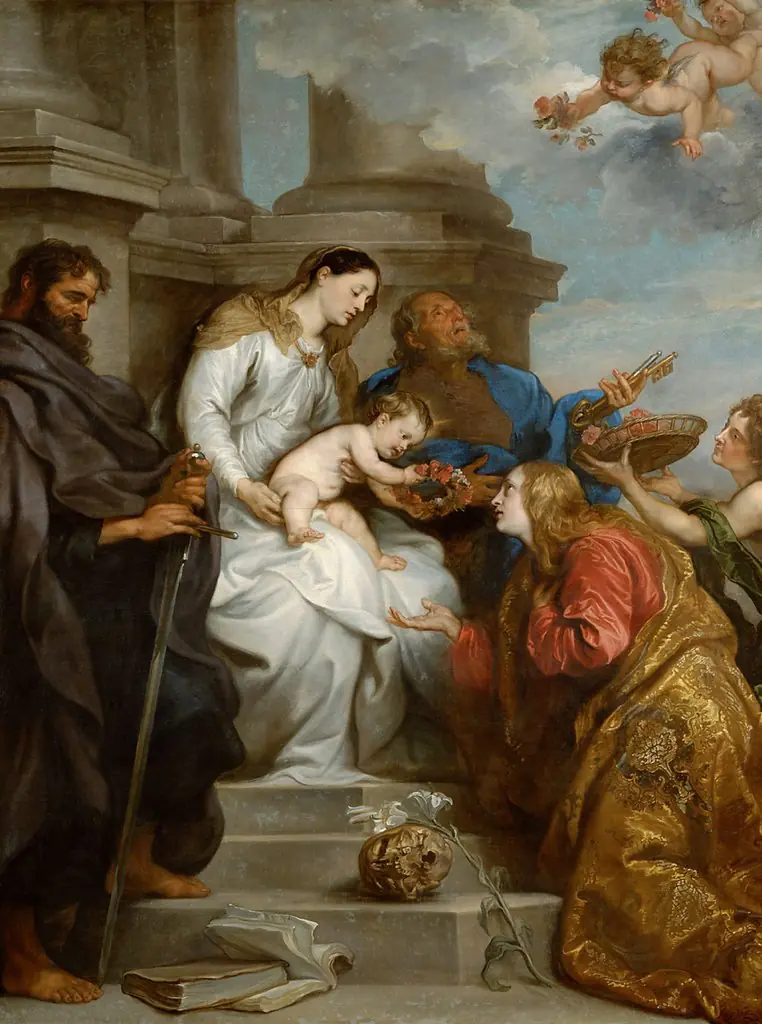 Coronation of Saint Rosalia
 The Worship of the Golden Calf
 Laban Searching for His Gods
 Adoration of the Magi
 The Stoning of Saint Stephen
 The Adoration of the Magi
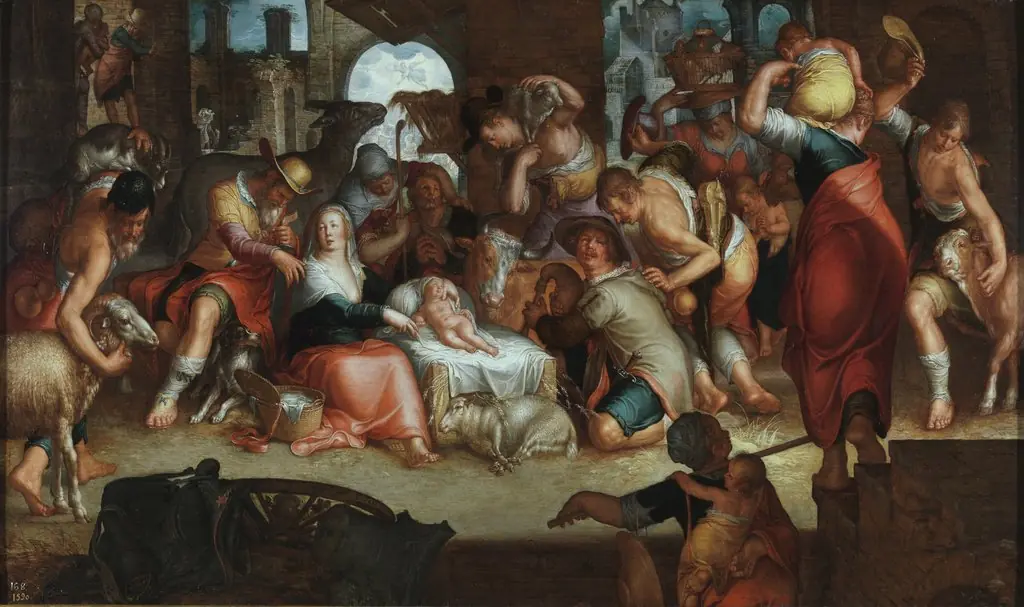 Adoration of the Shepherds
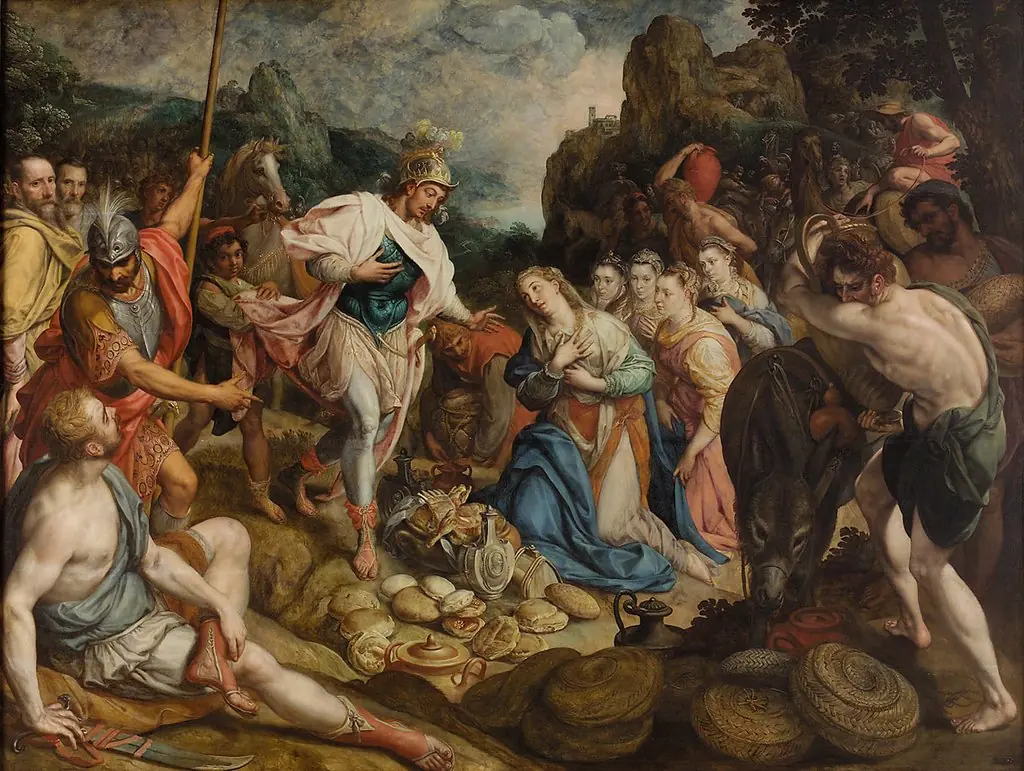 David and Abigail