Artwork
Pegasus
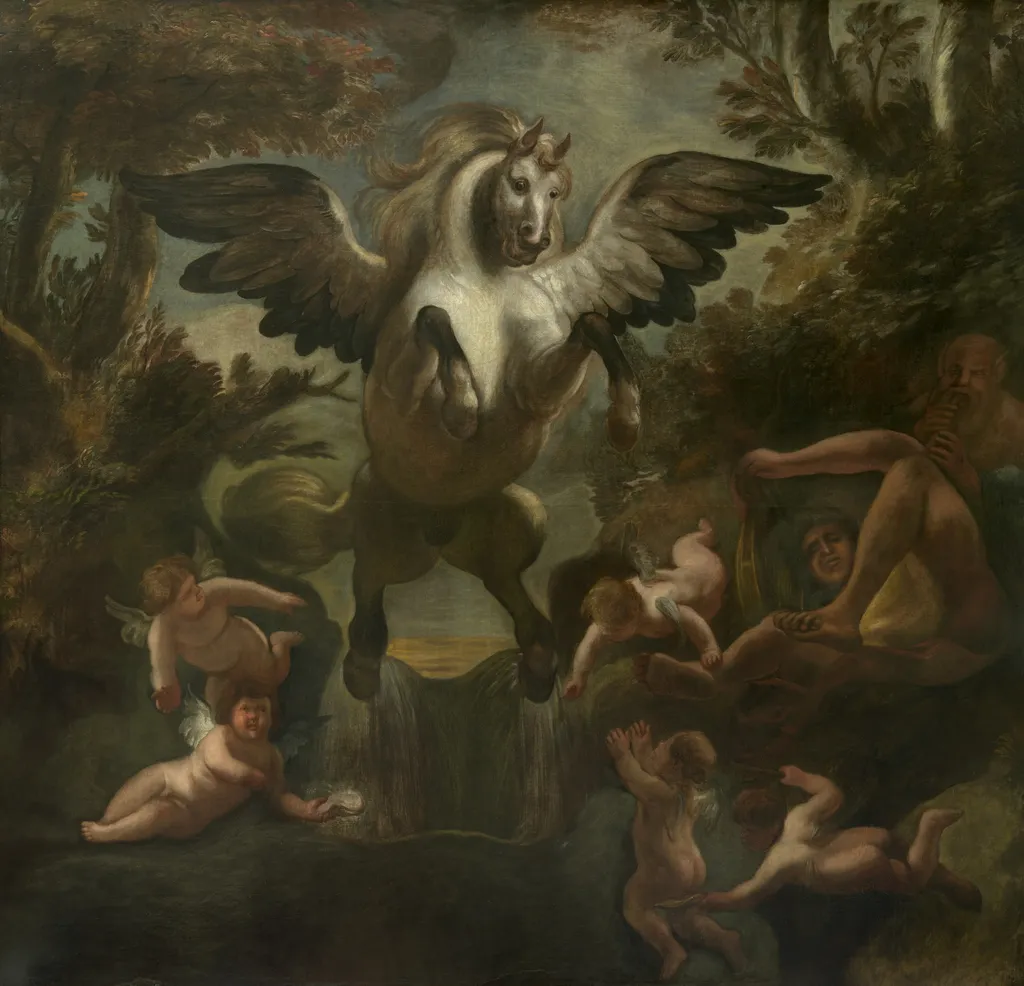
Pegasus is an oil painting by the Flemish Baroque painting artist Jacob Jordaens. It dates from 1660 and is held in the collection of the Royal Museum of Fine Arts Antwerp.
About this work
Overview
Though he never traveled to Italy, his style absorbed elements of the broader Baroque tradition through local influences and prints.
Painted in 1660, *Pegasus* is an oil-on-canvas work by Jacob Jordaens, a leading Flemish artist of the Baroque era. Created after the deaths of Rubens and van Dyck, it reflects Jordaens’ position as the dominant painter in Antwerp. Though he never traveled to Italy, his style absorbed elements of the broader Baroque tradition through local influences and prints. The painting resides today in the Royal Museum of Fine Arts Antwerp.
Subject & Meaning
The painting portrays Pegasus, the mythical winged horse born from Medusa’s blood, soaring mid-air amid a group of cherubs and a flute-playing figure. The scene evokes a mythic celebration, blending classical symbolism with a sense of spontaneous joy. The cherubs’ playful gestures and the musician’s presence suggest a divine or poetic inspiration, aligning with Renaissance and Baroque traditions that linked art, music, and myth.
Technique & Style
Jordaens employed oil paint to model Pegasus and the cherubs with rich, tactile volume, using chiaroscuro to isolate the figures against a dim, wooded backdrop. The horse’s muscular form and flaring wings are rendered with dynamic energy, while the cherubs’ delicate limbs contrast with the robustness of the central subject. Brushwork is lively but controlled, emphasizing movement without sacrificing clarity of form.
History & Provenance
Commissioned during Jordaens’ mature period, the painting remained in Antwerp’s artistic circles after its completion. It entered the collection of the Royal Museum of Fine Arts Antwerp in the 19th century, where it has been preserved as part of the city’s cultural heritage. No significant alterations or reattributions are recorded, and its provenance remains unbroken since the 17th century.
Context
In mid-17th-century Flanders, mythological subjects were popular among patrons seeking to align with classical ideals, even as religious themes dominated public art. Jordaens, unlike his contemporaries, drew inspiration from northern European traditions rather than Italian models. His *Pegasus* reflects a local interpretation of myth, infused with Flemish naturalism and a sense of earthly vitality rather than idealized grandeur.
Legacy
*Pegasus* exemplifies Jordaens’ ability to sustain Baroque dynamism without direct exposure to Italian art. It stands as a testament to Antwerp’s enduring artistic identity after the decline of Rubens’ influence. The painting continues to be studied for its synthesis of myth, movement, and local technique, offering insight into how Flemish artists adapted classical themes within their own cultural framework.
Own this work as a print
Artist & collection
Artist
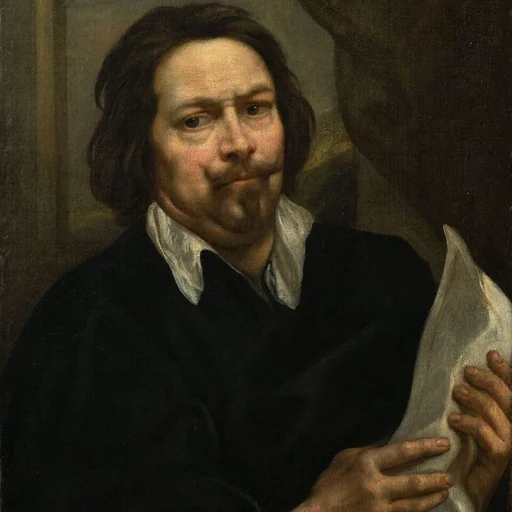
Jacques (Jacob) Jordaens (19 May 1593 – 18 October 1678) was a Flemish painter, draughtsman and a designer of tapestries and prints.

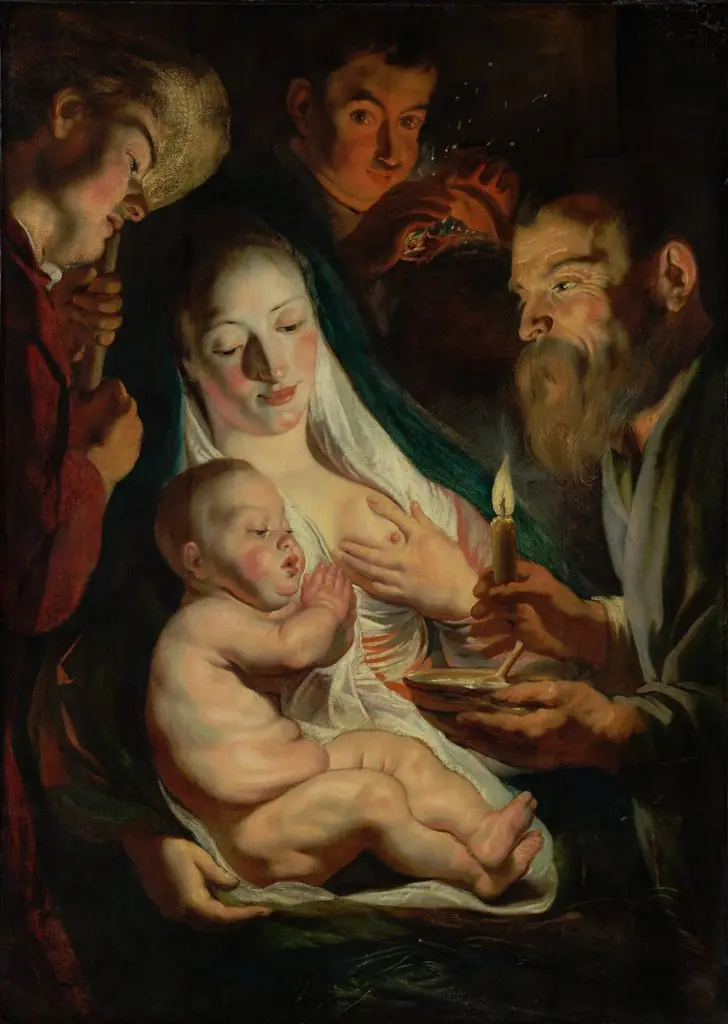 The Holy Family with Shepherds
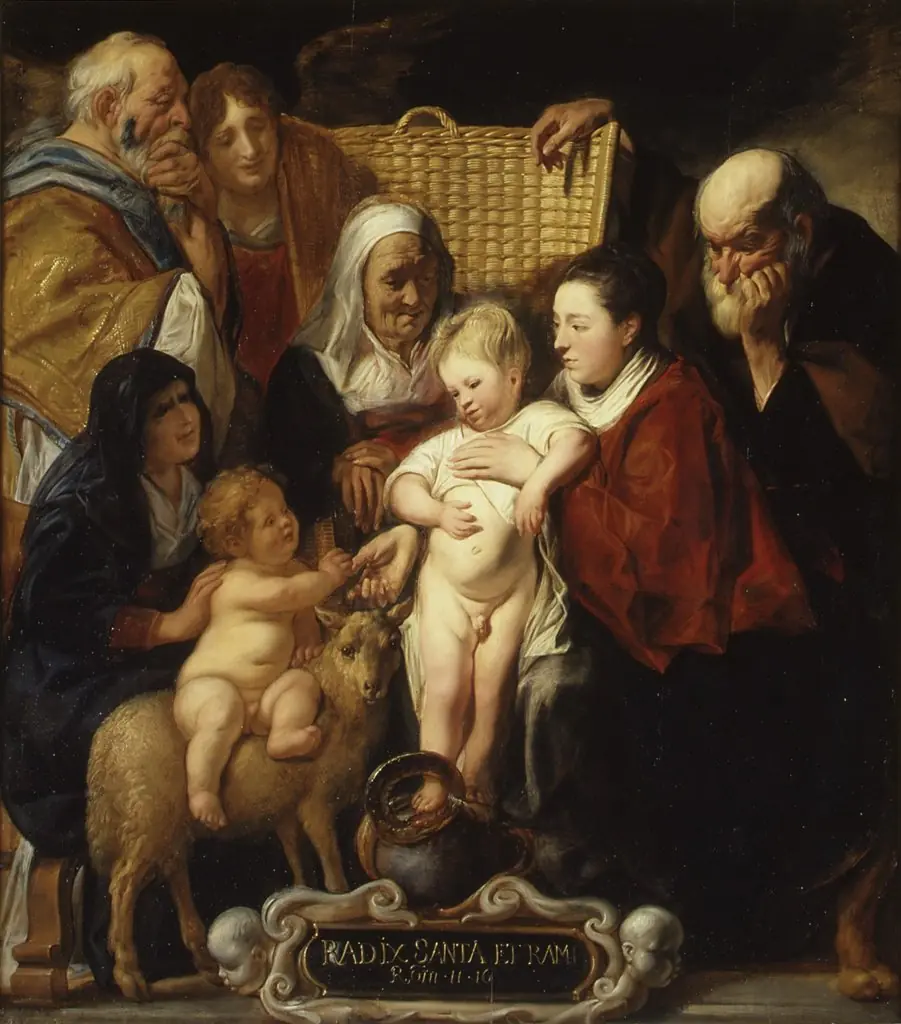 The Holy Family with Saint Anne and the Young Baptist and His Parents
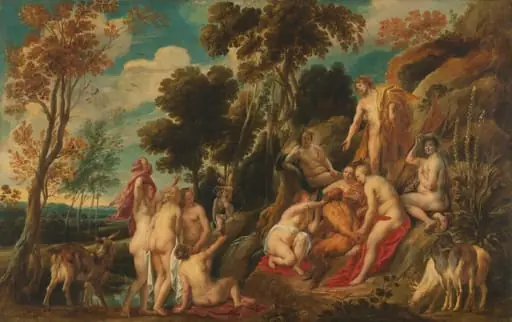 Untitled
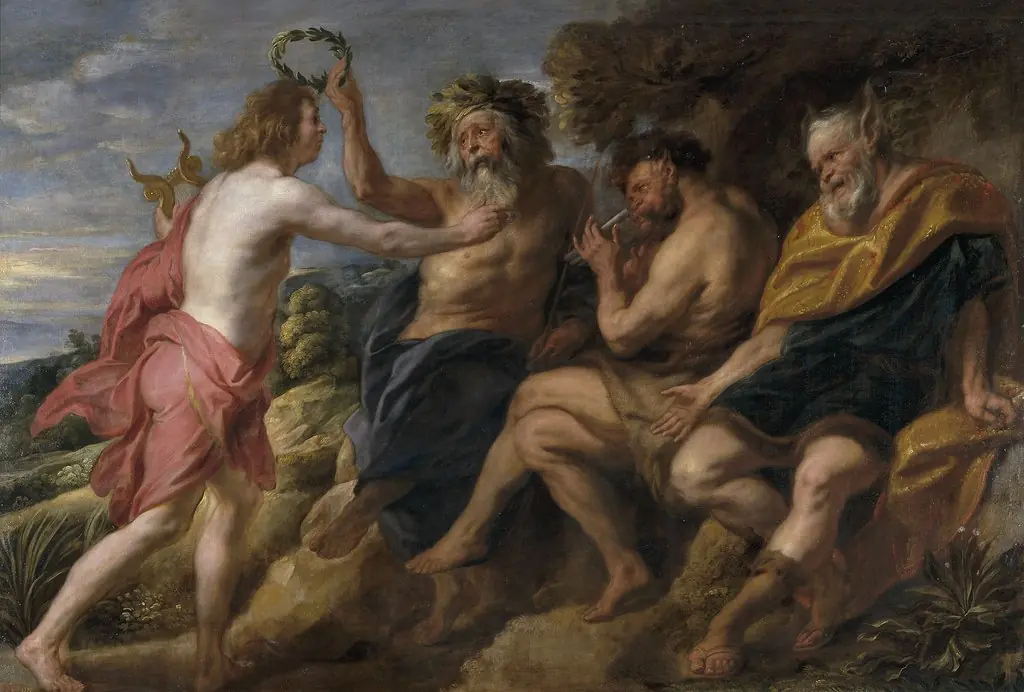 Apollo as Victor over Pan
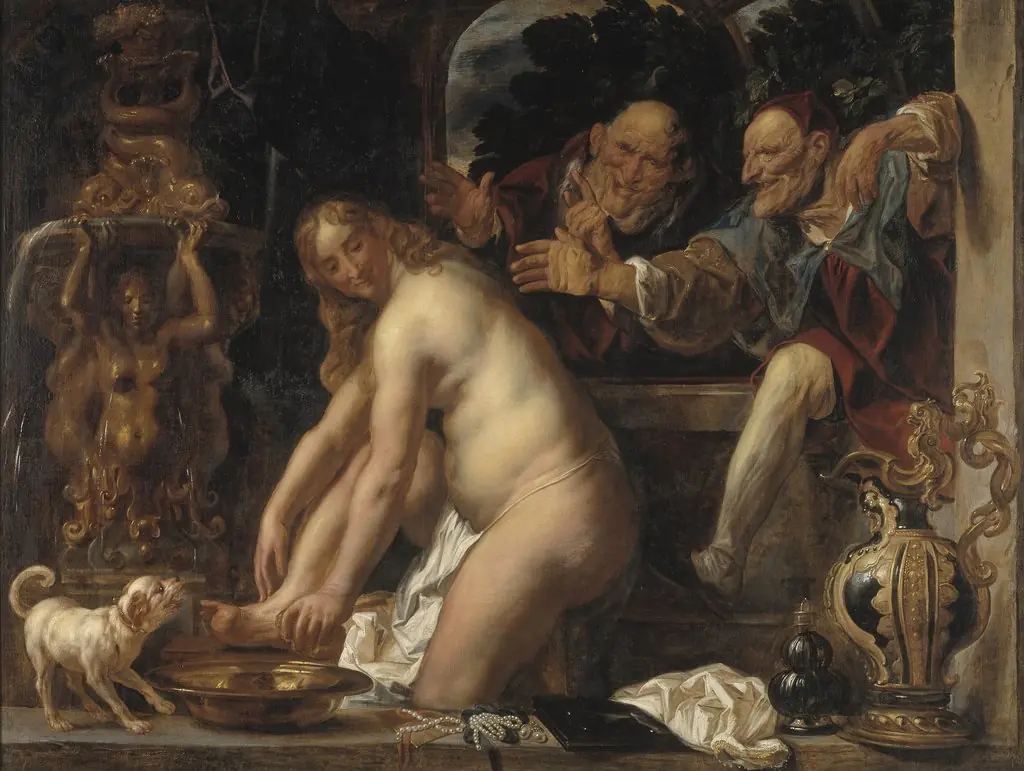 Susanna and the Elders
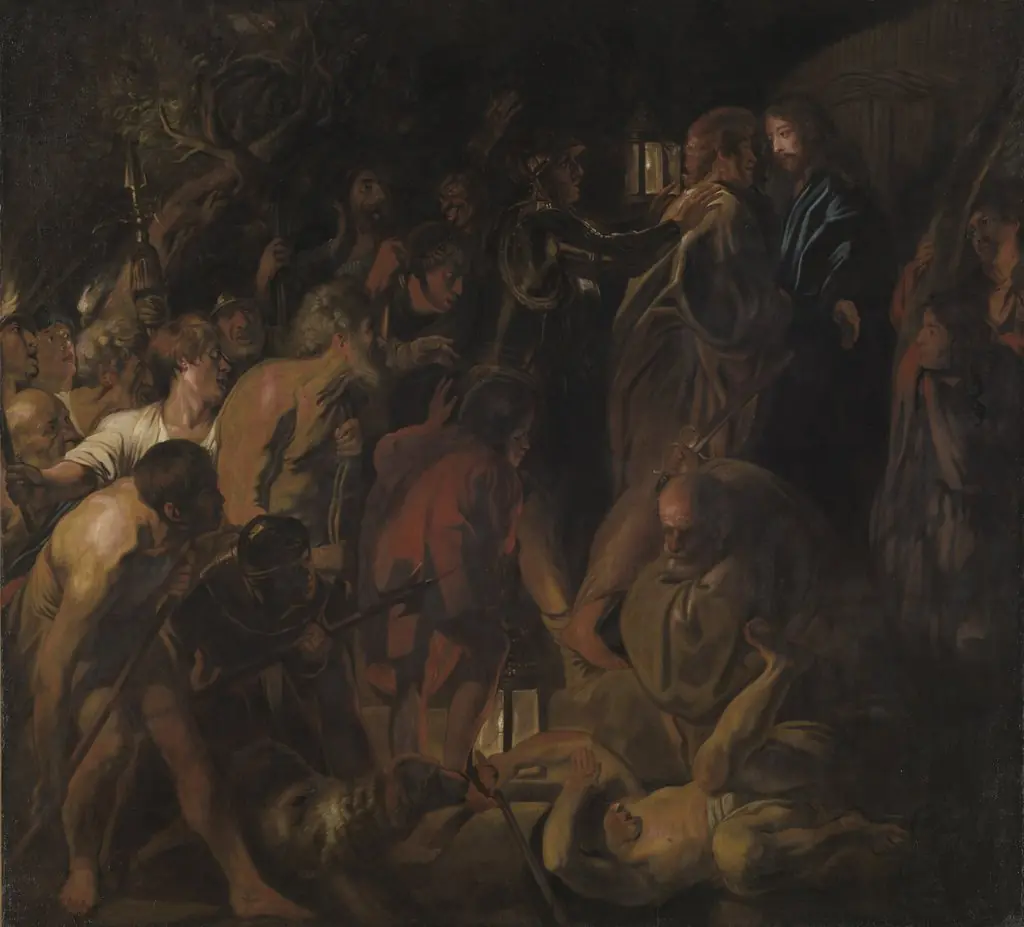 The Betrayal of Christ
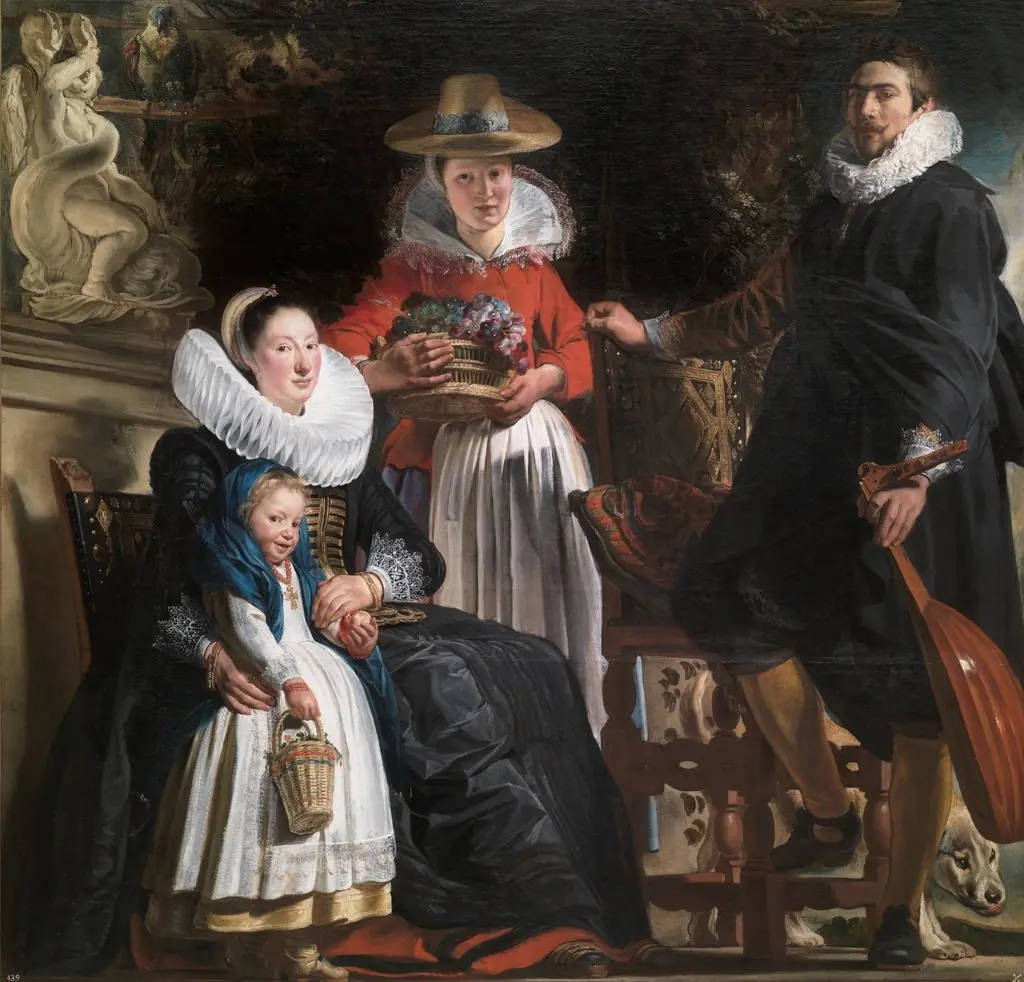 Portrait of the artist with his family
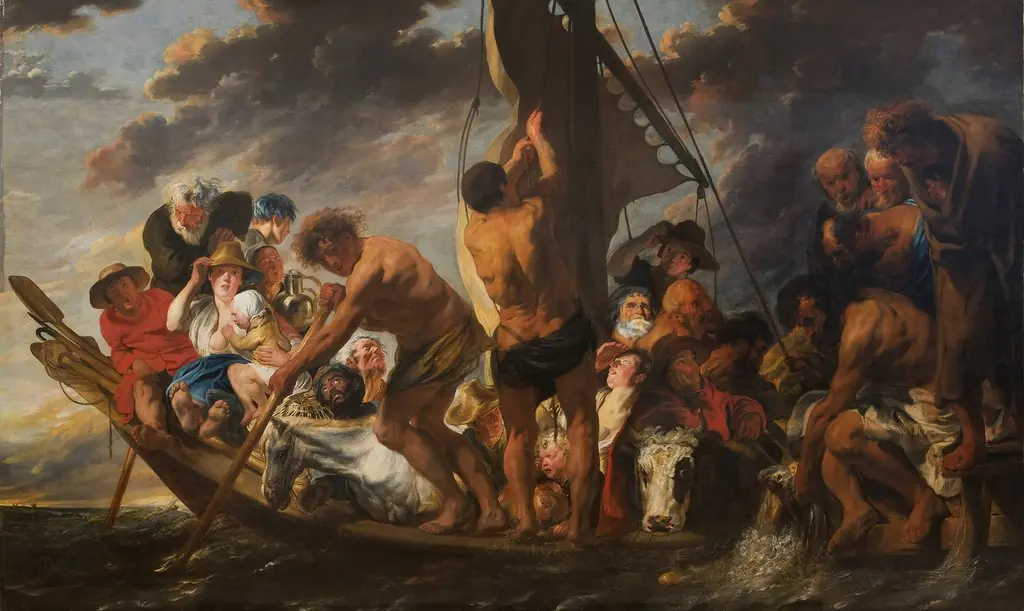 The Tribute Money. Peter Finding the Silver Coin in the Mouth of the Fish. Also called "The Ferry Boat to Antwerp"
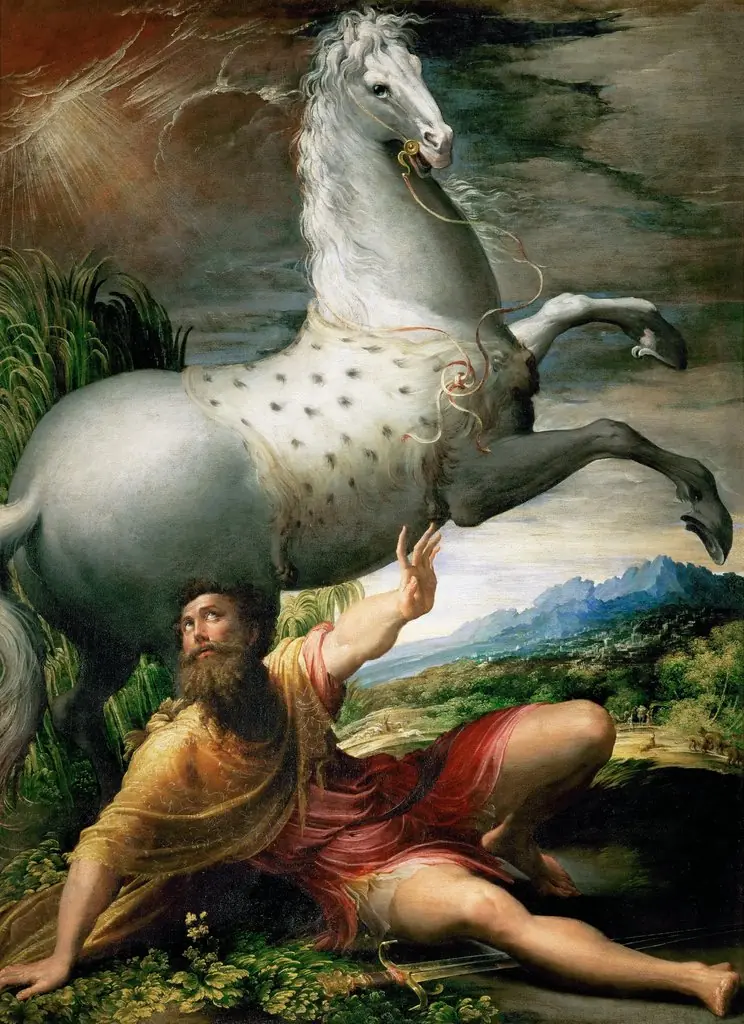 The Conversion of Saint Paul
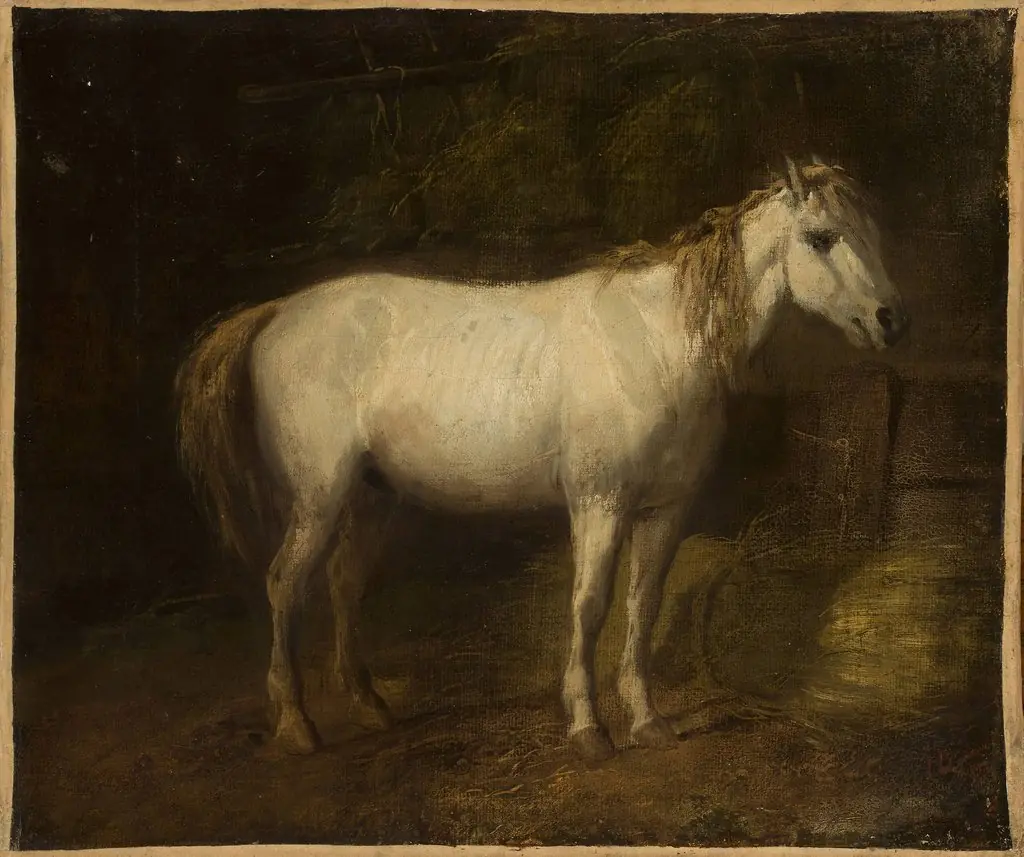 Horse in the stables
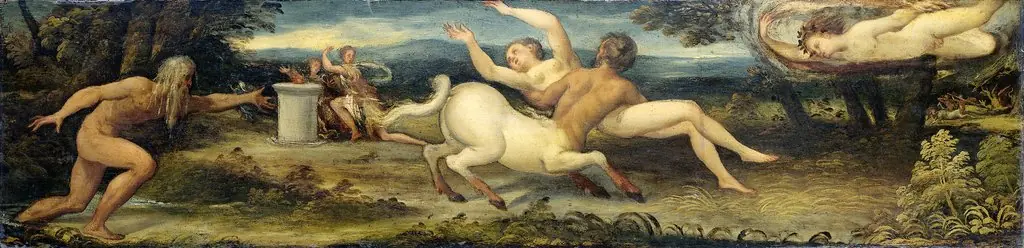 Nessus and Deianira
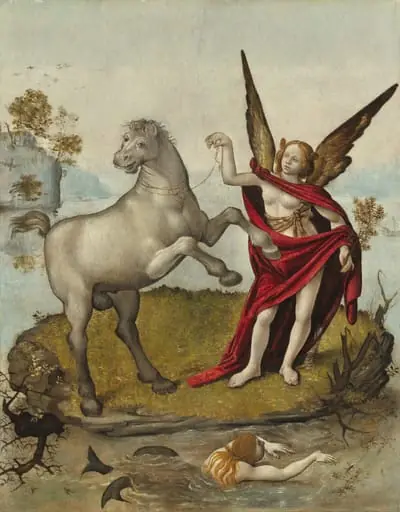 Allegory
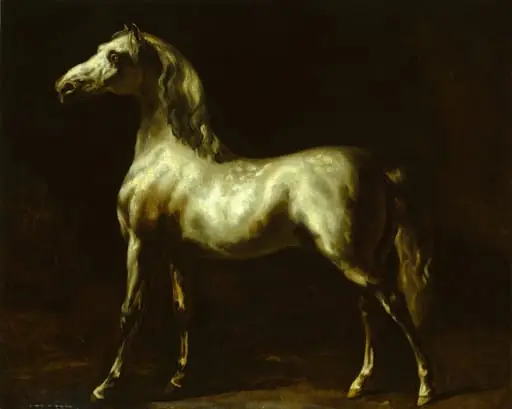 Gray Stallion
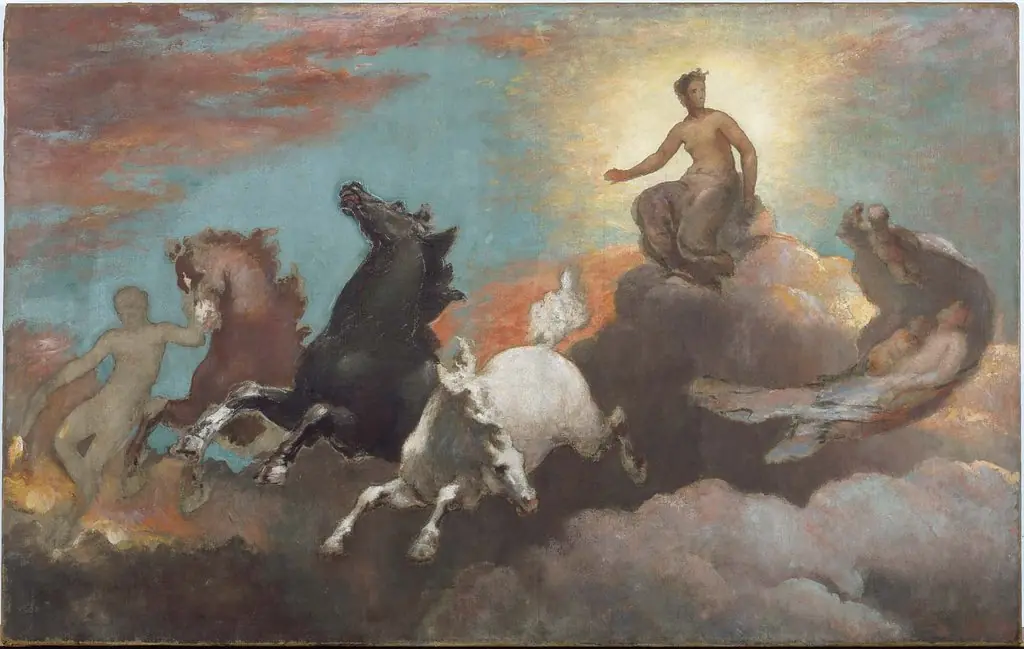 Anahita. The Flight of Night
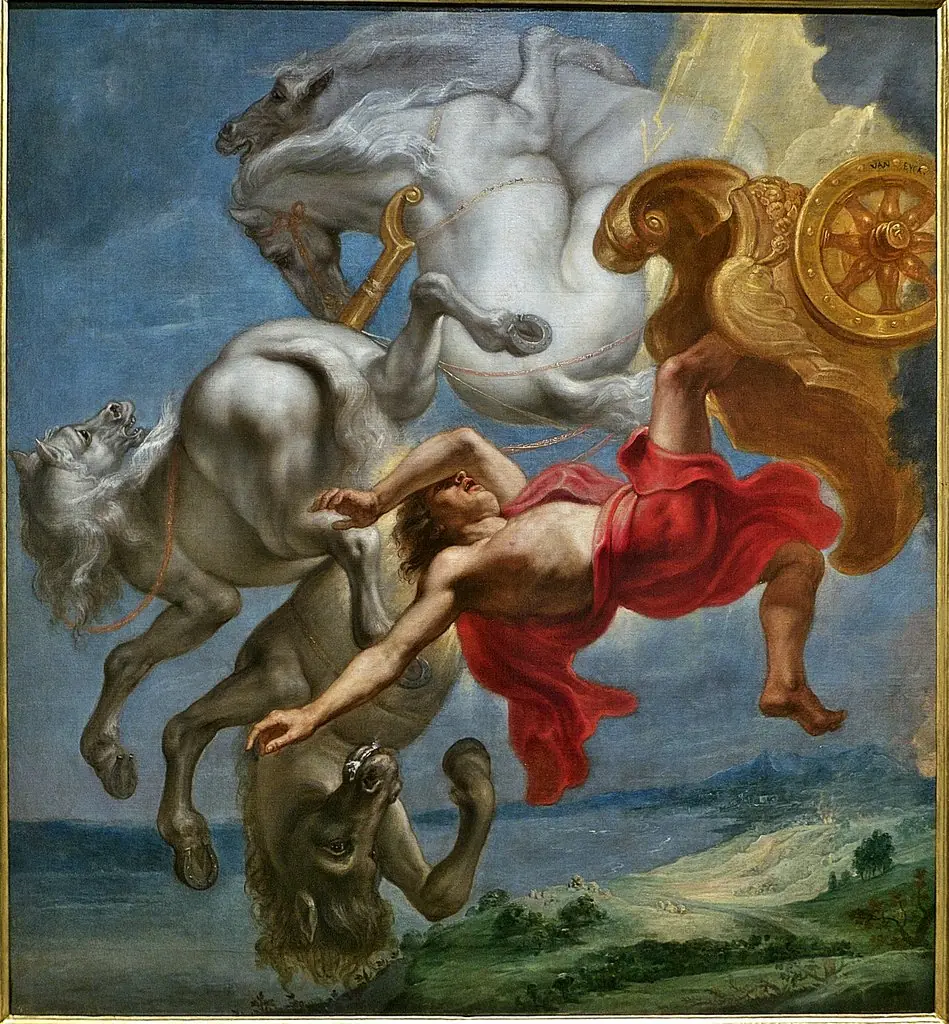 The Fall of Phaethon
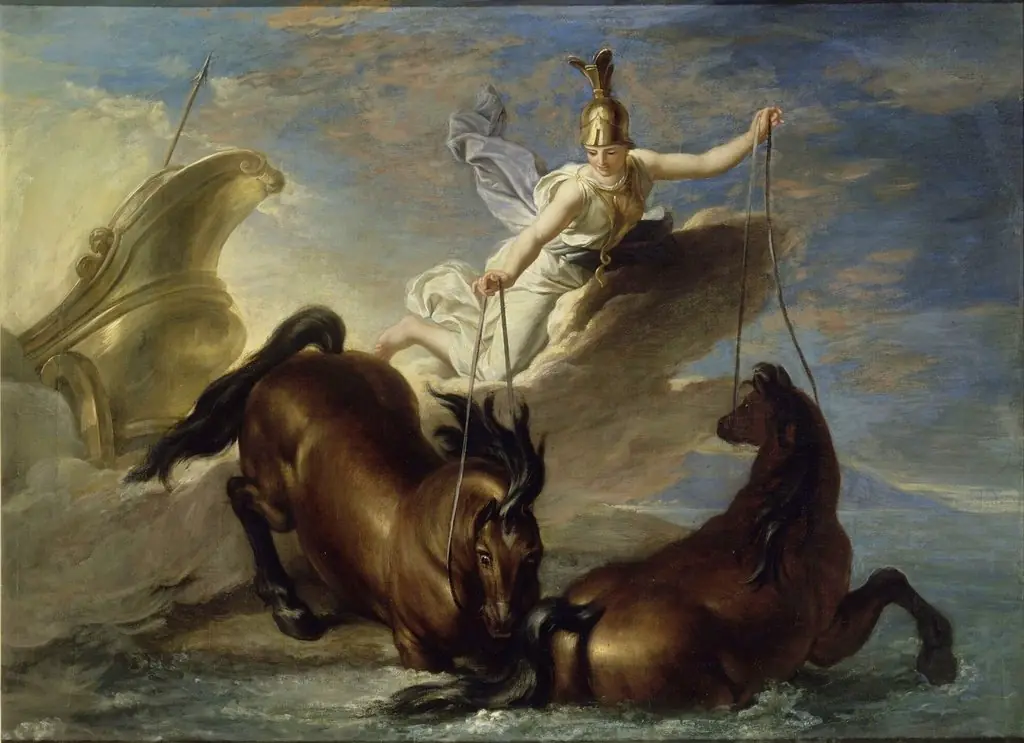 Story of Minerva - Minerva Watering her Horses into the Sea
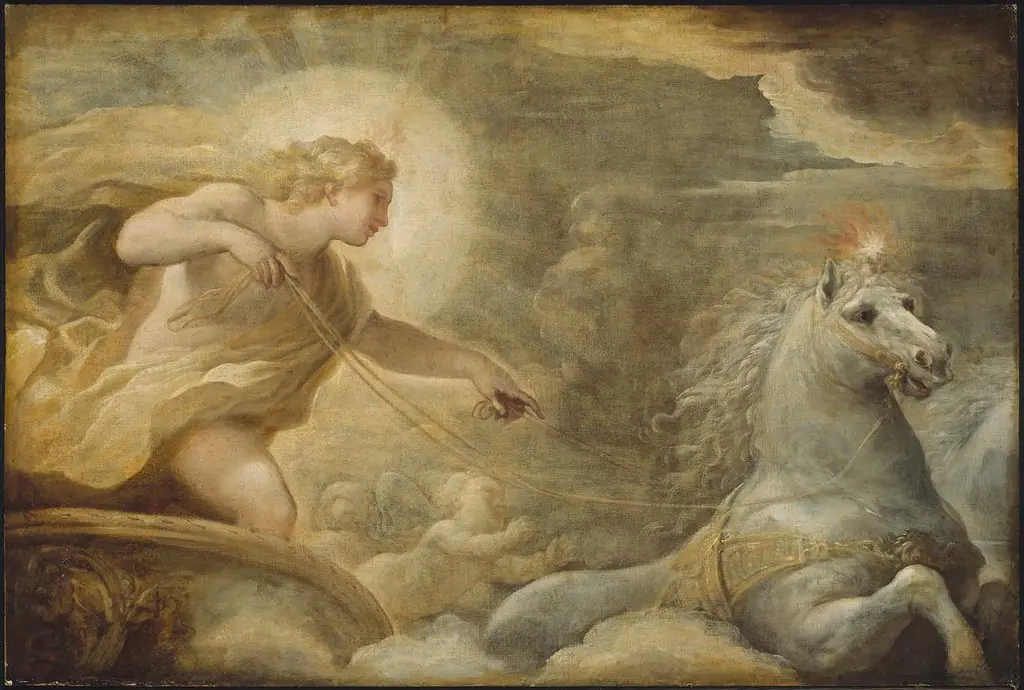 Apollo in his Chariot
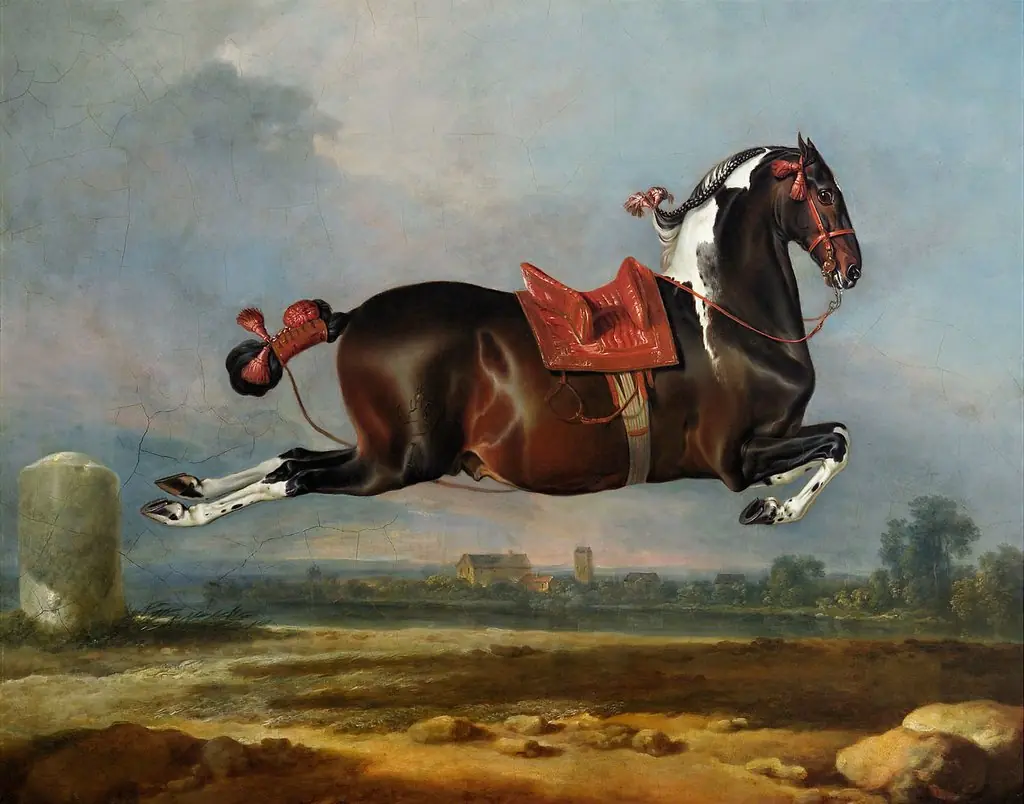 Kladruber Hengst "Cerbero" in der Kapriole
 Nesso rapisce Deianira
 Perseus on Pegasus Slaying Medusa