Artwork
Nesso rapisce Deianira
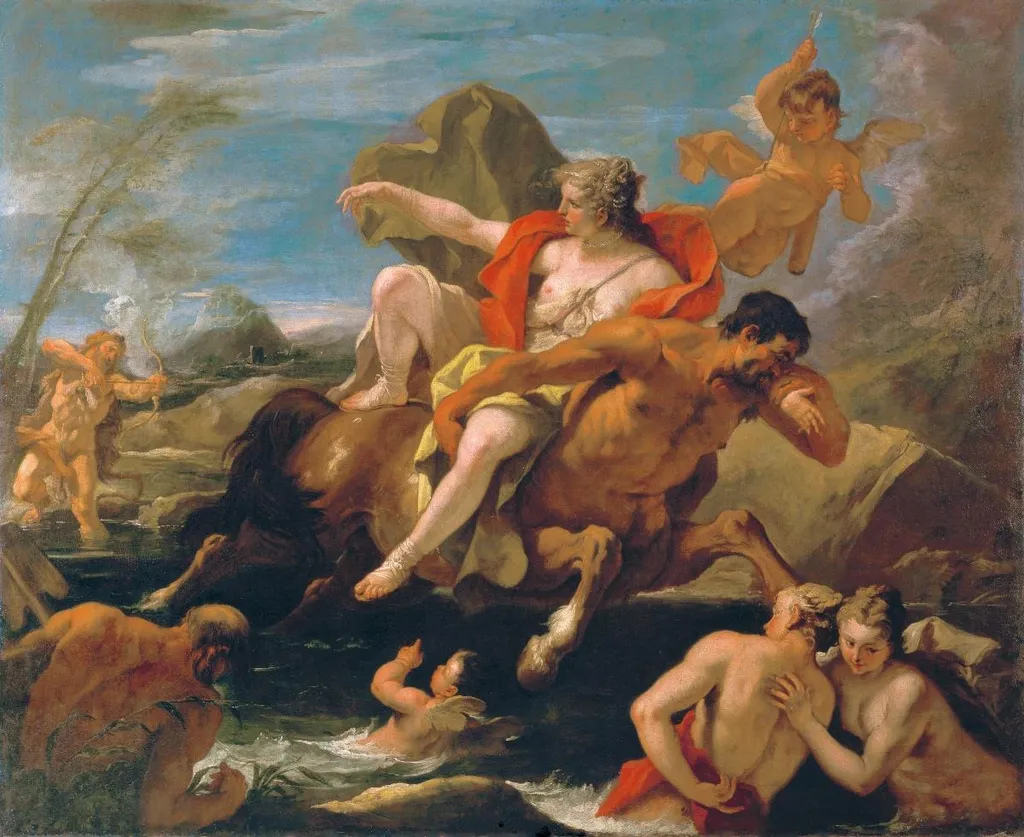
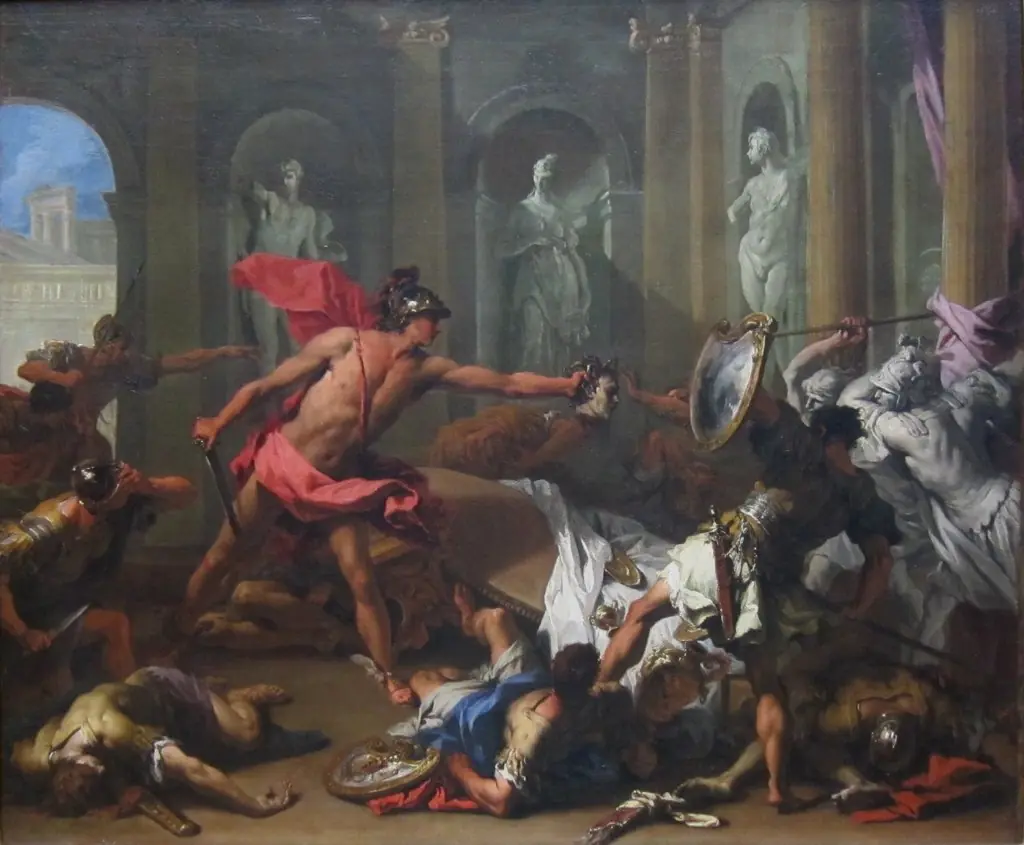
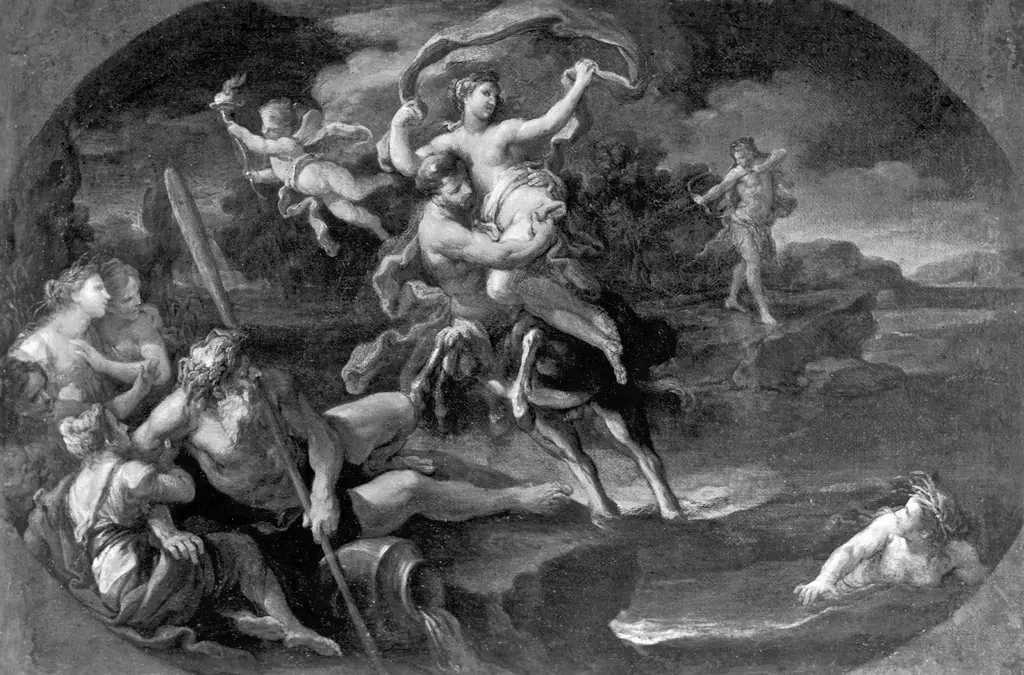
Nesso rapisce Deianira is an oil painting by the High Baroque Italian artist Sebastiano Ricci. It dates from 1700 and is held in the collection of the Kunsthaus Zürich.
About this work
Overview
Created in 1700 by Venetian painter Sebastiano Ricci, this oil work illustrates the myth of Nessus seizing Deianira. Executed in the High Baroque idiom, the canvas now belongs to the collection of the Kunsthaus Zürich in Switzerland.
Subject & Meaning
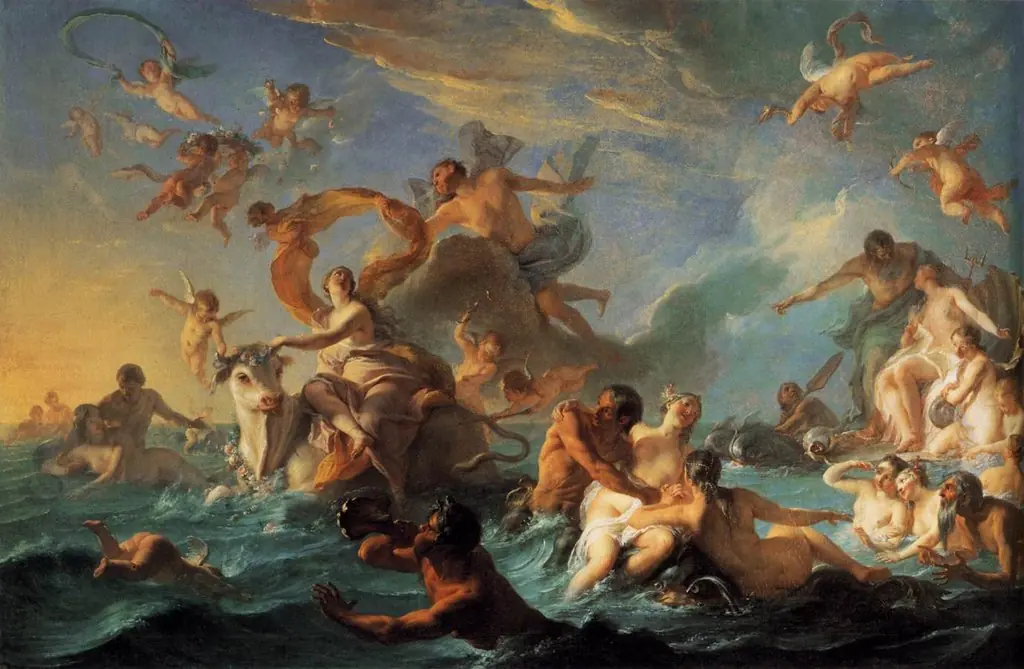
The composition captures the moment a centaur, Nessus, abducts the mortal Deianira, a figure from the Heracles legend. Alongside the central figures, a small winged child and additional characters populate the scene, underscoring the narrative’s dramatic tension.
Technique & Style
Ricci employs a luminous palette and vigorous chiaroscuro, contrasting bright highlights with deep shadows to model forms and convey movement. The brushwork is fluid, echoing the grand manner tradition while retaining the vigor of Cortona’s fresco legacy.
History & Provenance
Active in the late seventeenth and early eighteenth centuries, Ricci worked contemporaneously with artists such as Giovanni Battista Tiepolo. After changing hands over the centuries, the painting entered the Kunsthaus Zürich’s holdings, where it remains on public display.
Context
Situated within the Italian High Baroque, the work reflects the period’s fascination with mythological subjects rendered on a monumental scale. Its dynamic composition and dramatic lighting align with the era’s emphasis on theatricality and emotional intensity.
Artist & collection
Artist
Sebastiano Ricci (1 August 1659 – 15 May 1734) was an Italian Baroque painter of the late Baroque period in Venetian painting.