Artwork
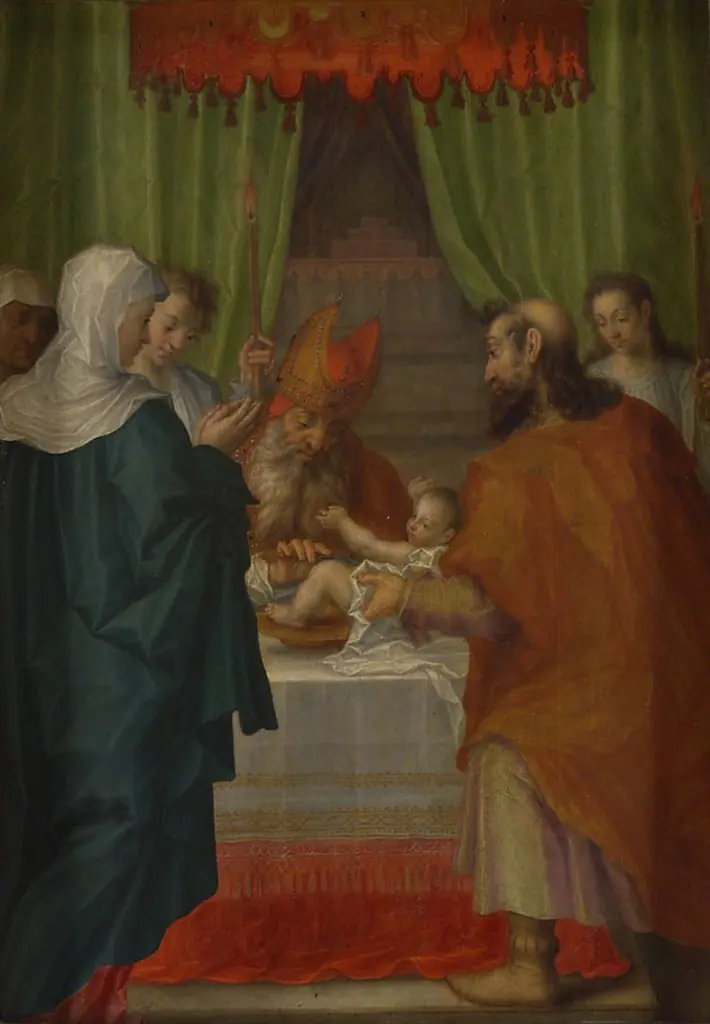
The presentation in the temple; Simeon, holding the Christ-child, sings his canticle: 'Nunc dimittis'
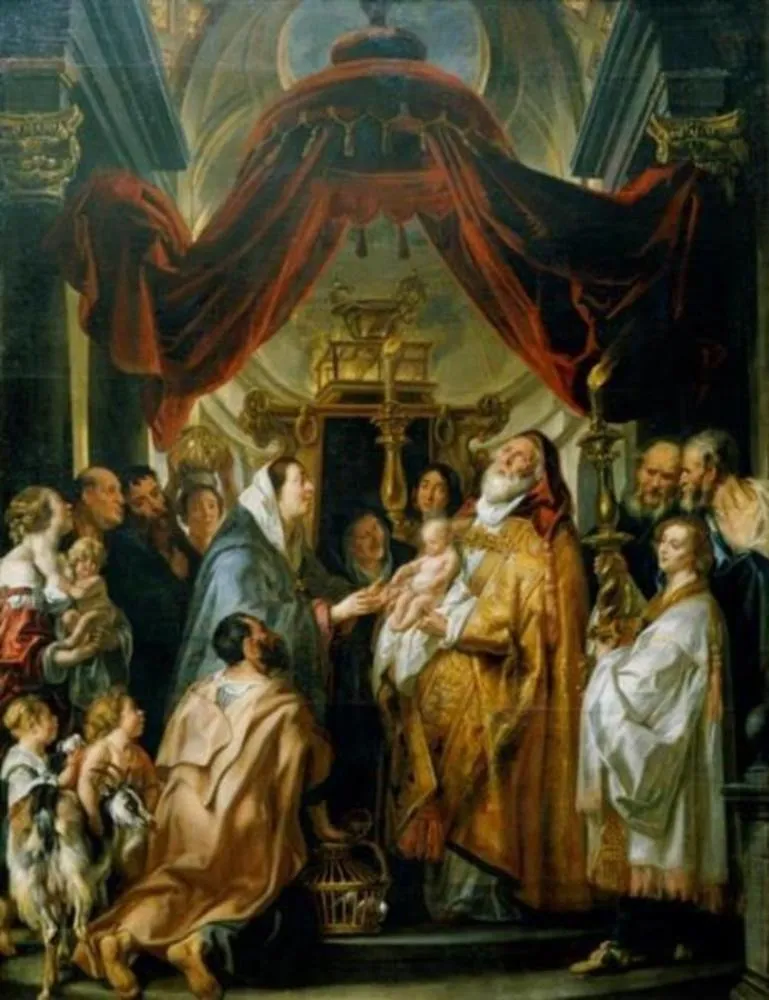
The presentation in the temple; Simeon, holding the Christ-child, sings his canticle: 'Nunc dimittis' is an oil painting by the Flemish Baroque painting artist Jacob Jordaens. It dates from 1655 and is held in the collection of the Staatliche Kunstsammlungen Dresden.
About this work
Overview
Jordaens, a central figure in 17th-century Flemish painting, rendered the scene with dramatic lighting and composed group dynamics typical of his mature style.
Painted in 1655 by Jacob Jordaens, this oil-on-canvas work illustrates the biblical moment when Simeon receives the infant Jesus in the Temple. Jordaens, a central figure in 17th-century Flemish painting, rendered the scene with dramatic lighting and composed group dynamics typical of his mature style. Unlike many contemporaries, he developed his approach without traveling to Italy, relying instead on local traditions and direct observation.
Subject & Meaning
The scene captures Simeon’s declaration of the Nunc dimittis, a prayer of release and recognition of Christ as the promised savior. His tender hold of the child, surrounded by attentive figures, conveys quiet solemnity rather than overt spectacle. The moment is both personal and theological, emphasizing fulfillment of prophecy through intimate human interaction, not grandeur or divine intervention.
Technique & Style
Jordaens employed chiaroscuro to model forms and direct attention toward Simeon and the child, using strong contrasts between light and shadow. The figures are arranged in a compact, almost theatrical grouping, with gestures and glances reinforcing narrative focus. Rich textures in fabrics and architectural details ground the scene in tangible reality, avoiding idealized forms in favor of naturalistic presence.
History & Provenance
The painting entered the Gemäldegalerie Alte Meister collection in Dresden, where it remains today. It was likely acquired during the 18th or early 19th century as part of broader efforts to assemble a comprehensive survey of European Baroque art. Its provenance reflects its status as a significant, though not widely publicized, work within Jordaens’s extensive oeuvre.
Context
Created decades after Rubens’s death, the painting reflects Jordaens’s role as a leading Flemish painter who sustained the region’s artistic identity without adopting Italianate conventions. His preference for domesticated religious scenes, grounded in everyday human emotion, distinguished him from contemporaries who emulated classical or Roman models.
Legacy
Jordaens’s approach to religious subjects, emphasizing emotional immediacy over doctrinal grandeur, influenced later Flemish painters who valued narrative clarity and human presence. While less celebrated than Rubens, his body of work, including this painting, demonstrates a sustained commitment to portraying sacred moments with psychological depth and material authenticity.
Artist & collection
Artist
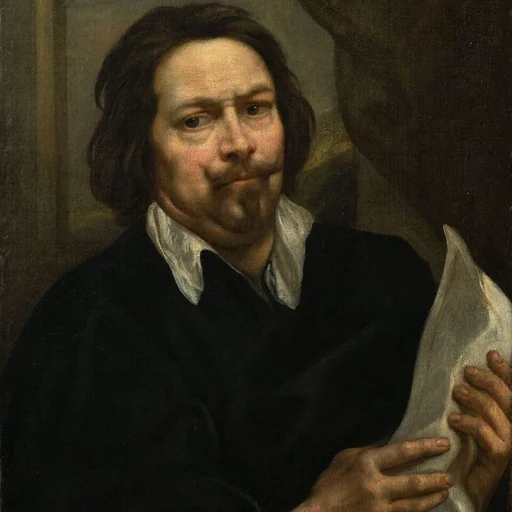
Jacques (Jacob) Jordaens (19 May 1593 – 18 October 1678) was a Flemish painter, draughtsman and a designer of tapestries and prints.

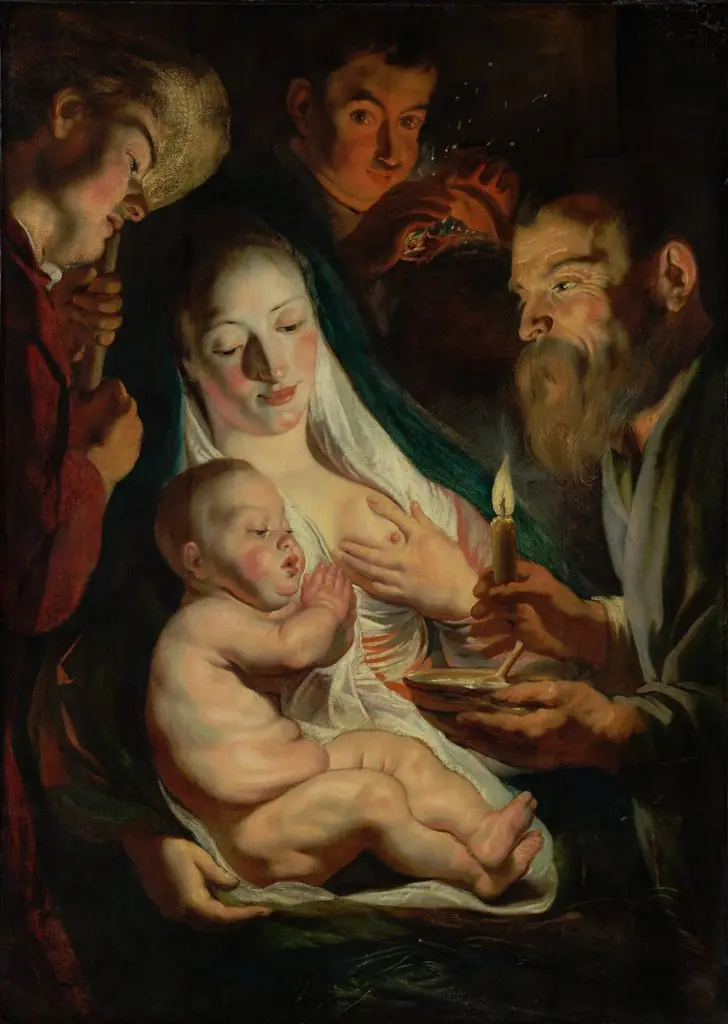 The Holy Family with Shepherds
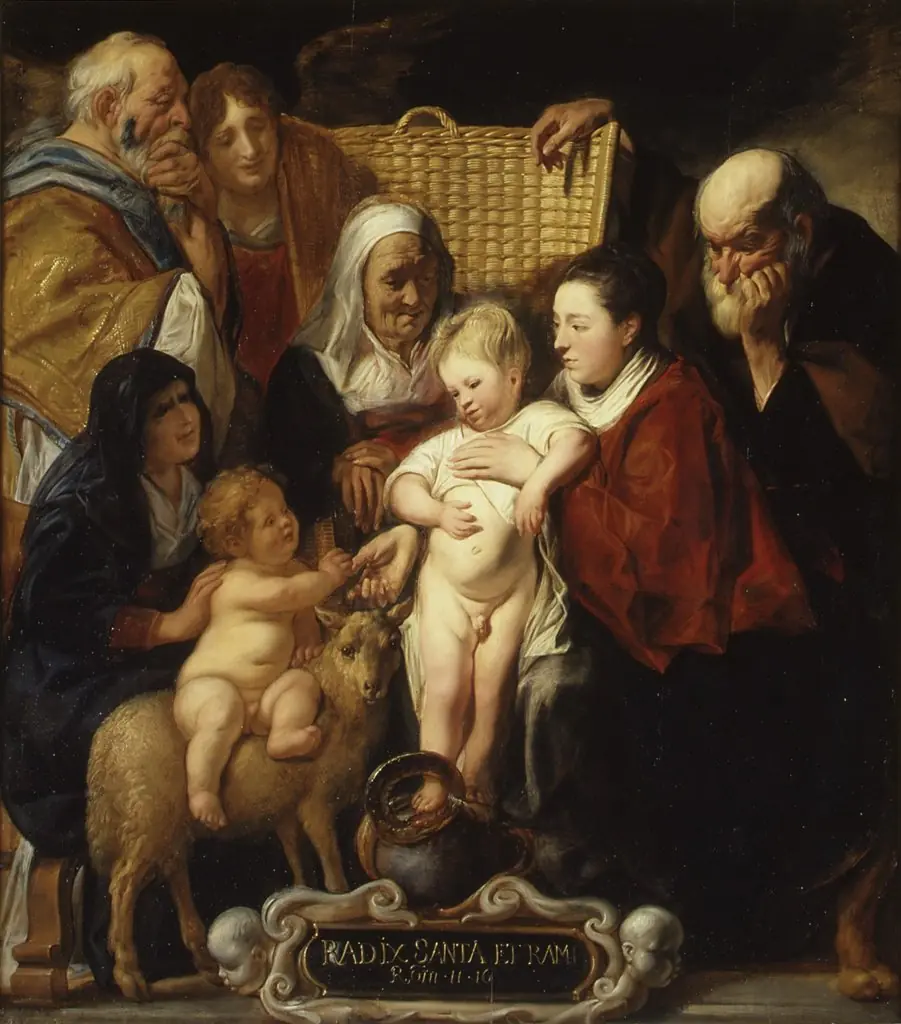 The Holy Family with Saint Anne and the Young Baptist and His Parents
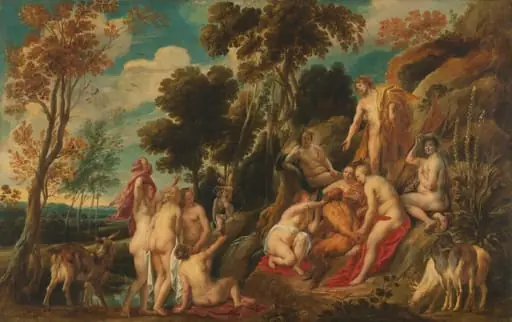 Untitled
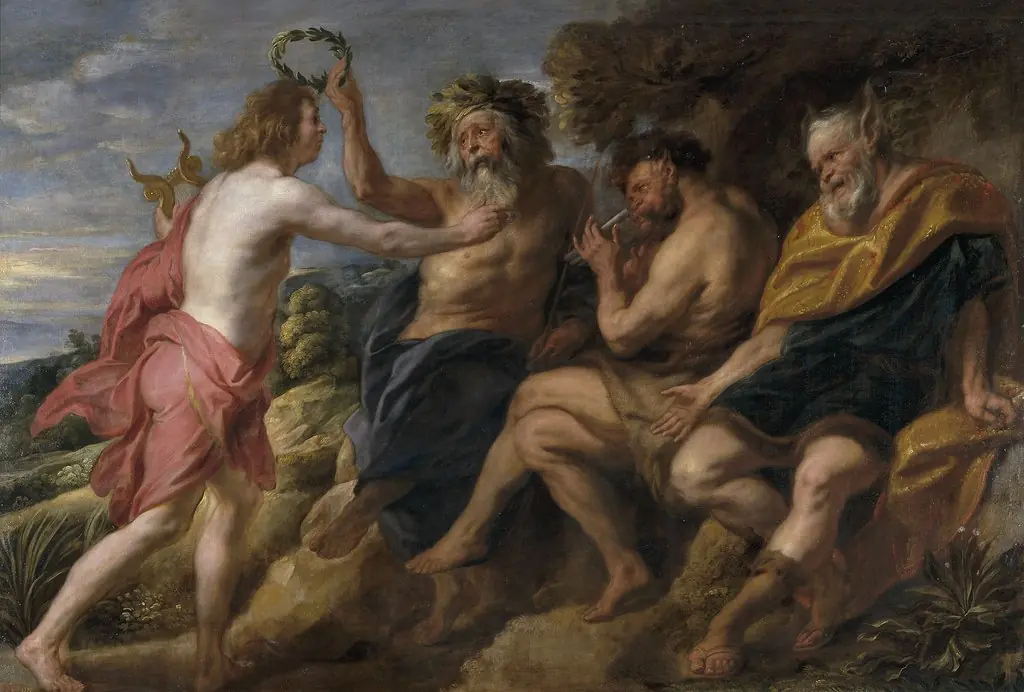 Apollo as Victor over Pan
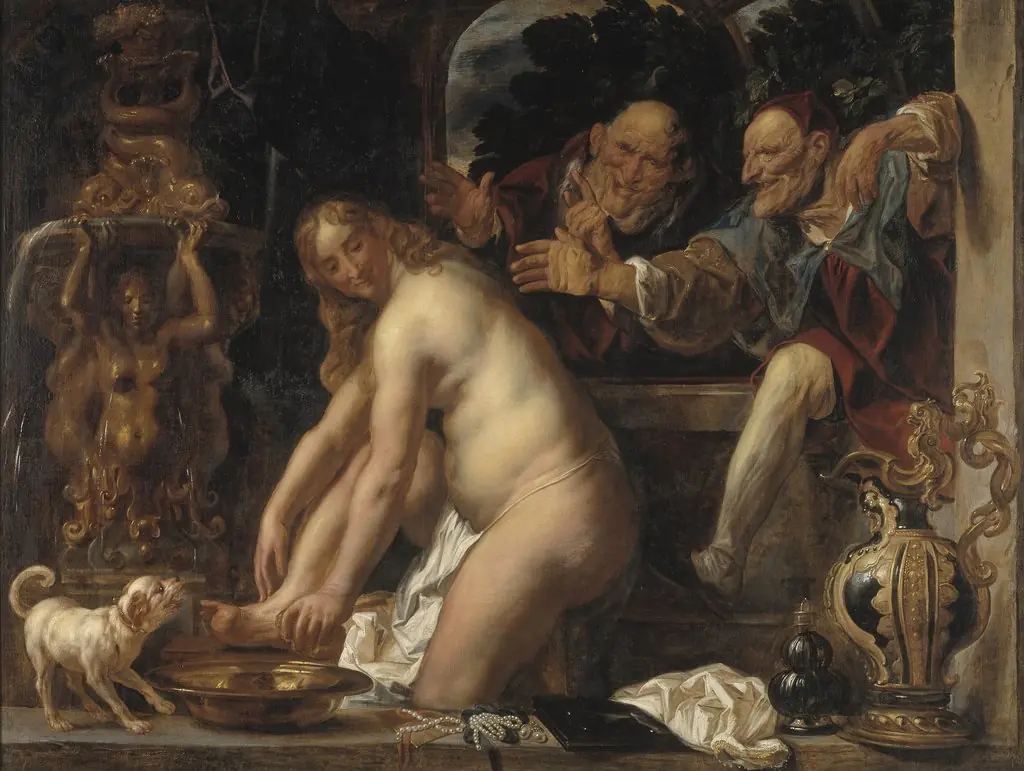 Susanna and the Elders
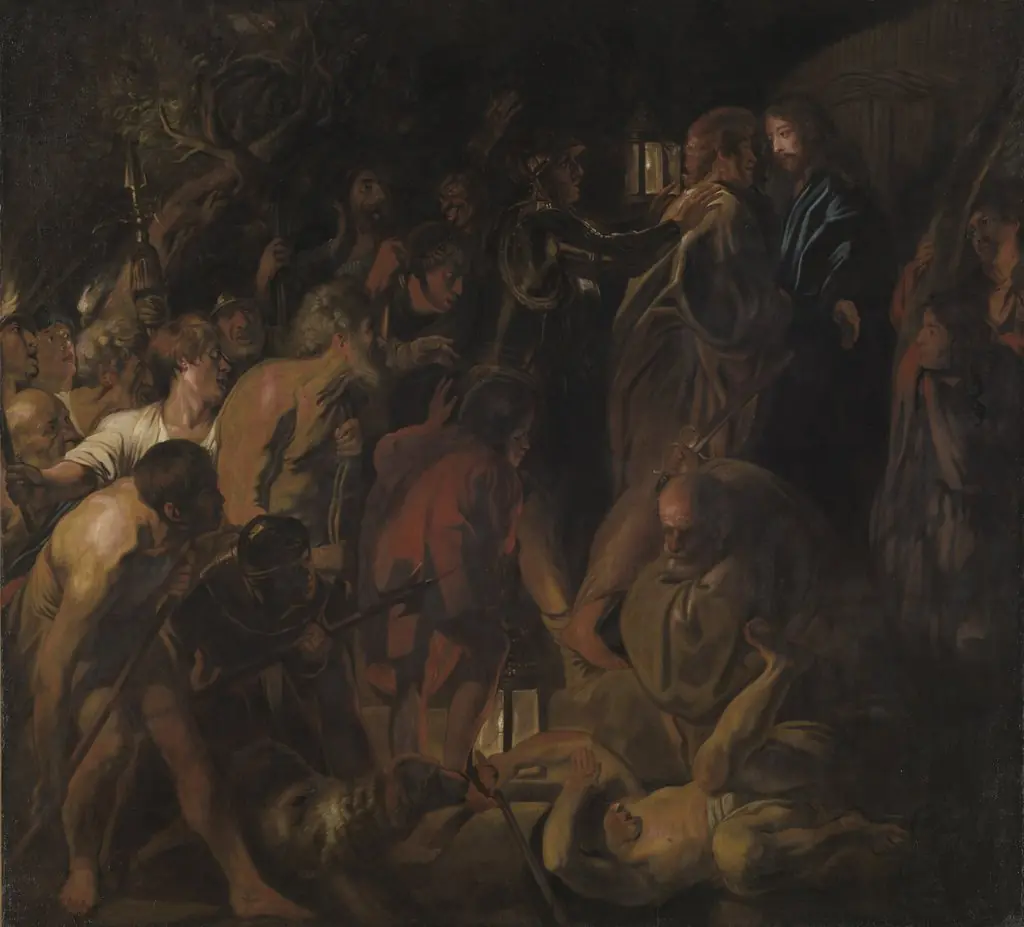 The Betrayal of Christ
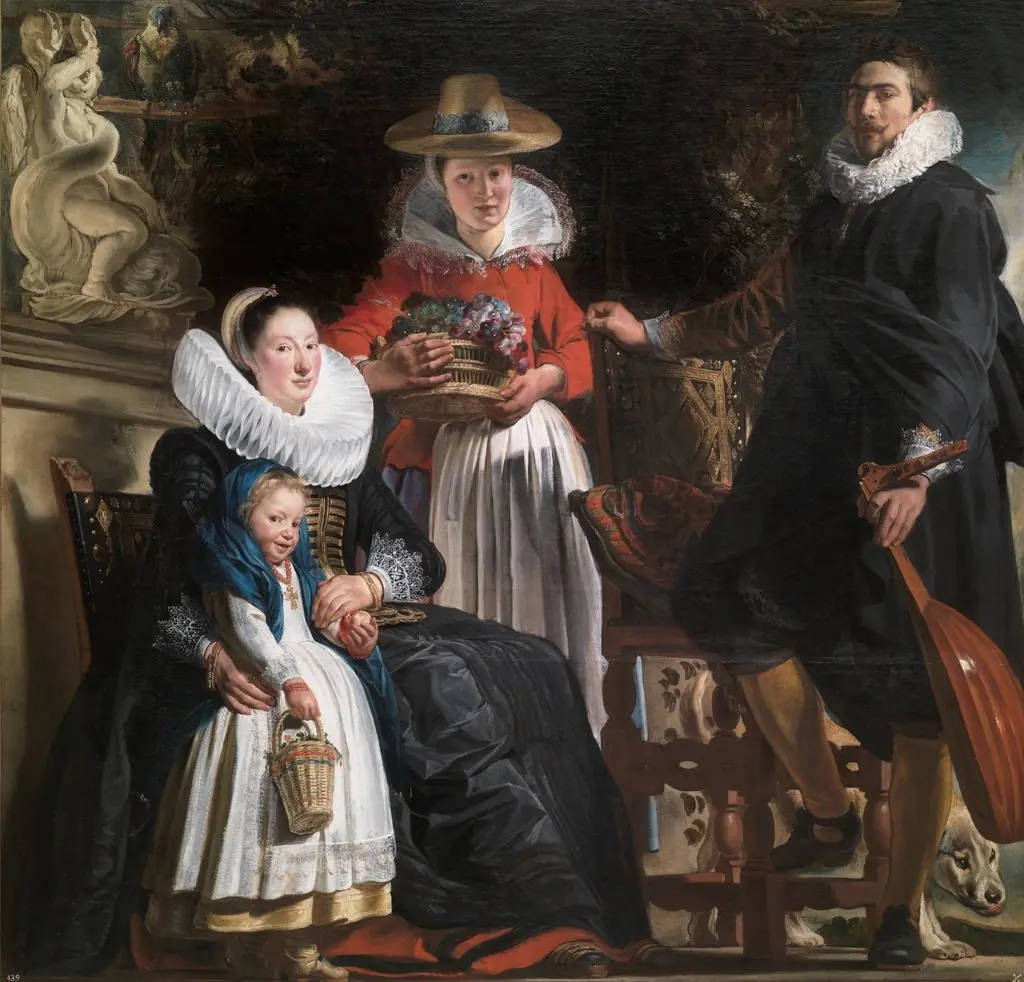 Portrait of the artist with his family
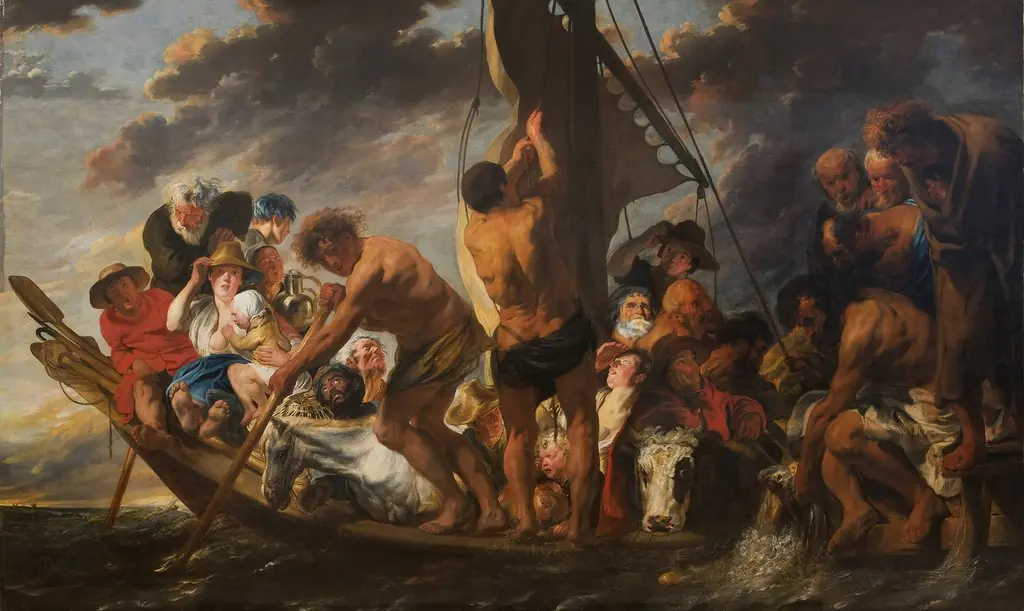 The Tribute Money. Peter Finding the Silver Coin in the Mouth of the Fish. Also called "The Ferry Boat to Antwerp"