Artwork
The poor child
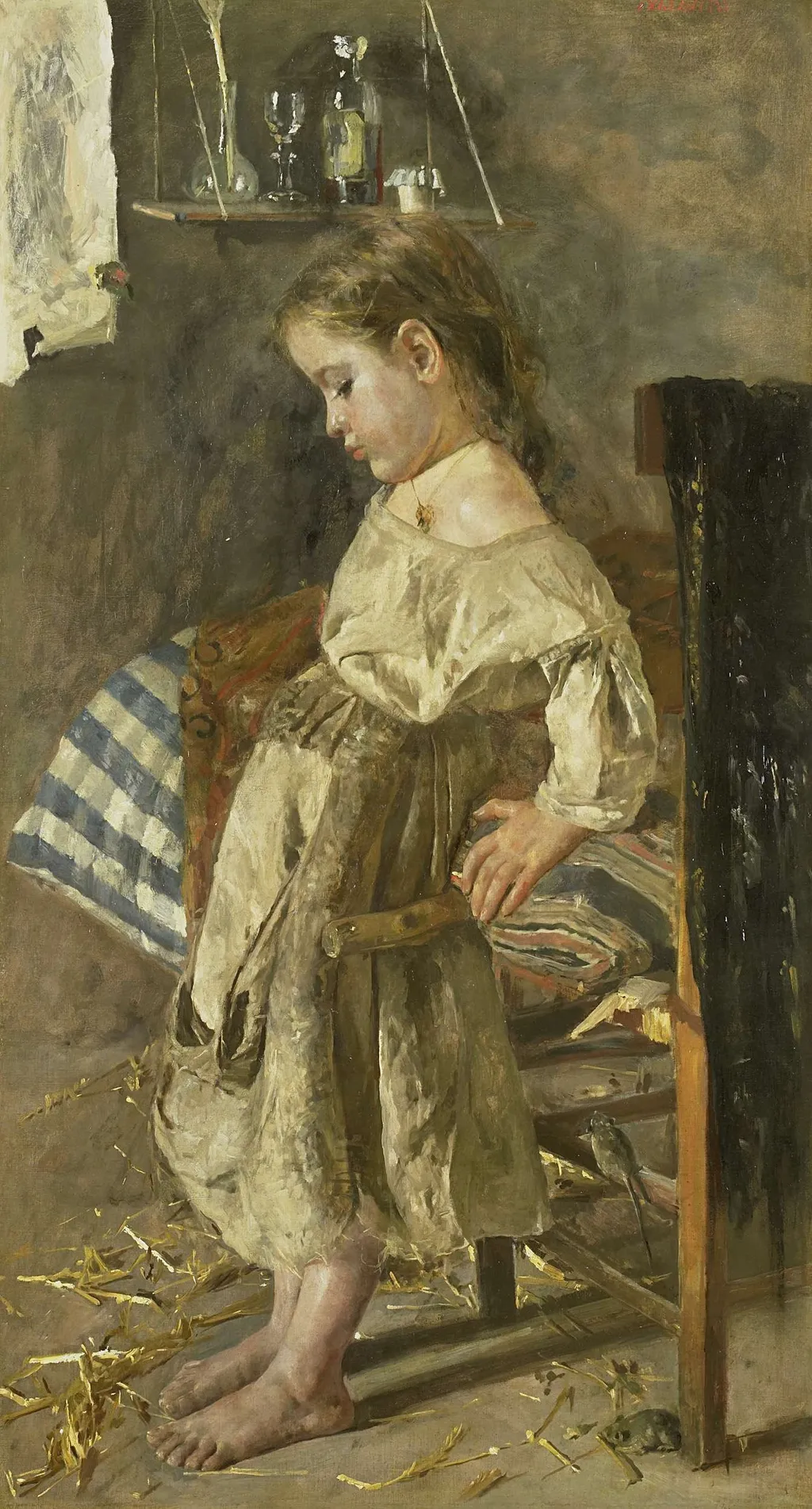
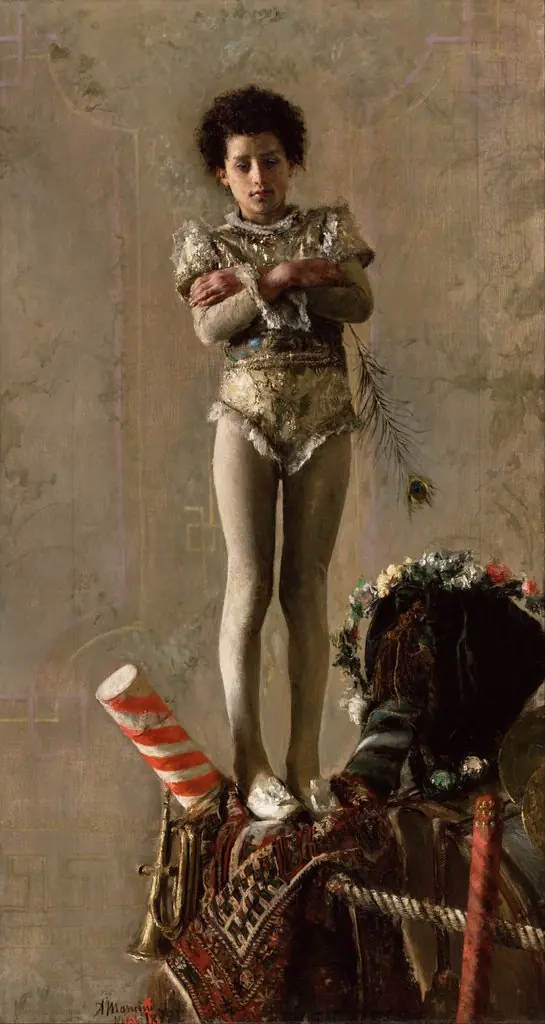
The poor child is an oil painting by the Post-Impressionist artist Antonio Mancini. It dates from 1894 and is held in the collection of the Rijksmuseum.
About this work
Overview
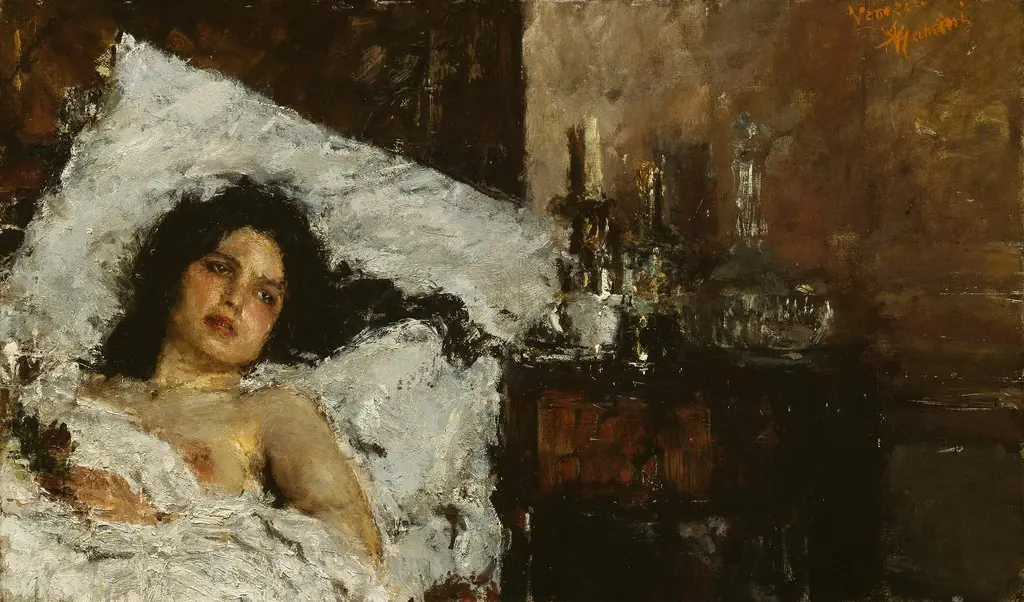
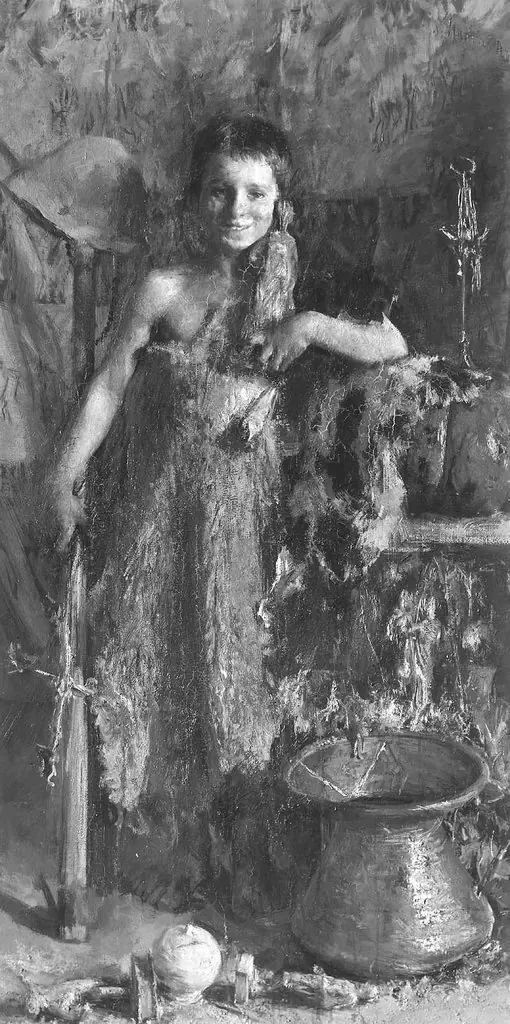
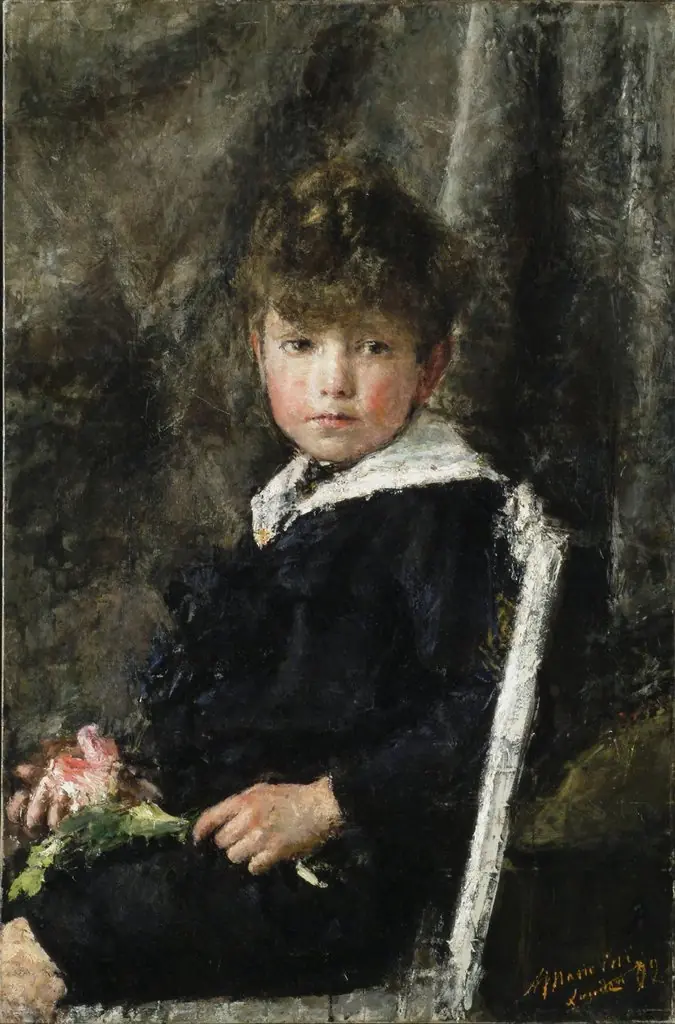
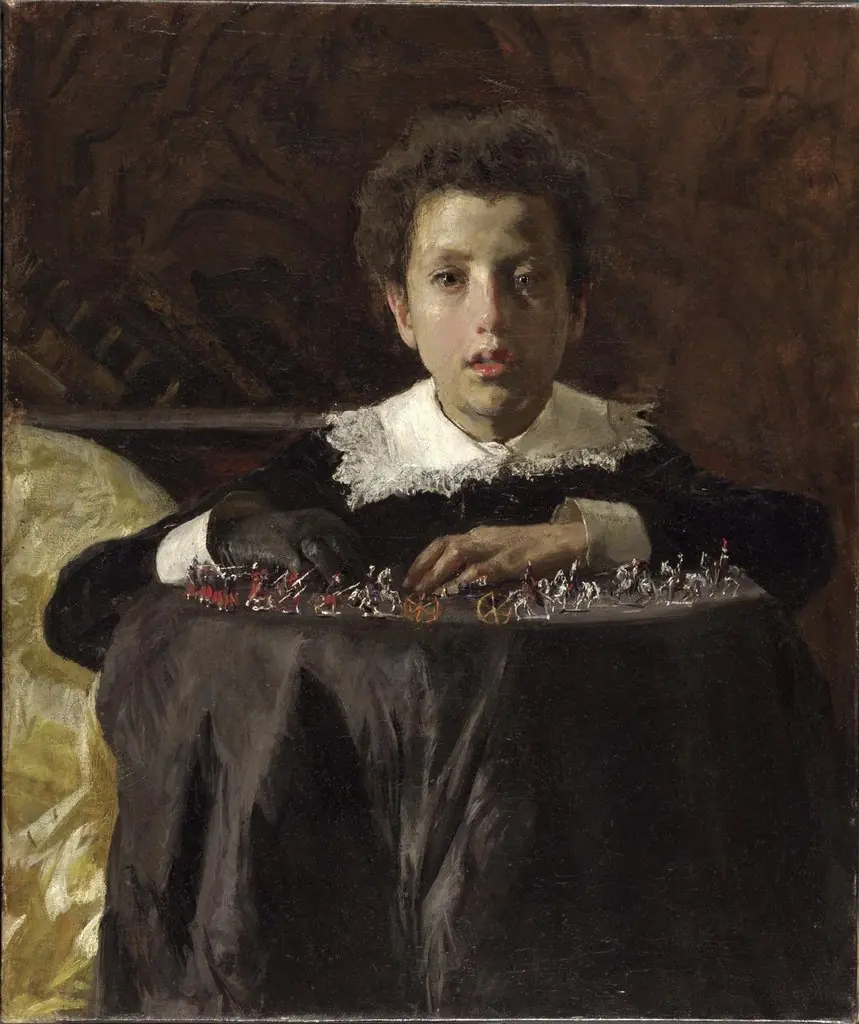
The Poor Child is an 1894 oil painting by Antonio Mancini, currently part of the Rijksmuseum's collection. The work depicts a young, impoverished girl in a sparse, dimly lit interior.
Subject & Meaning
The painting focuses on a barefoot girl sitting in a simple wooden chair, surrounded by indicators of poverty: a light-colored, loose-fitting dress, scattered hay on the floor, and minimal furnishings. Her tired expression contrasts with the stillness of her hands, holding a striped cloth. The setting's bleakness is somewhat mitigated by a faint glimmer of sunlight through a small window.
Technique & Style
Mancini employed oil paint with noticeable impasto in areas such as the girl's dress and the striped cloth in her lap, lending a textured, almost tactile quality to these elements. The overall palette is muted, reflecting the dim lighting and somber atmosphere of the scene.
History & Provenance
Created in 1894, The Poor Child is now housed at the Rijksmuseum, though specific details of its acquisition history are not provided here.
Context
The painting reflects late 19th-century artistic interests in depicting everyday life and social conditions, particularly the plight of the poor. The use of a child as the subject amplifies the emotional impact of poverty.
Legacy
While specific legacy details of 'The Poor Child' are not outlined, it contributes to the broader legacy of late 19th-century realist and social commentary art, influencing subsequent generations of artists exploring similar themes.
Own this work as a print
Artist & collection

 María Guerrero as a Girl
 Meisje bij een deuropening.
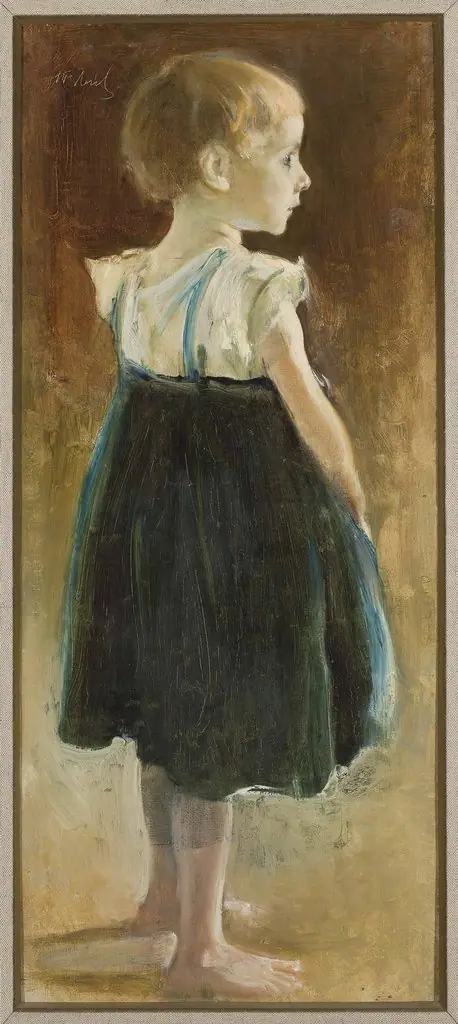 Girl
Girl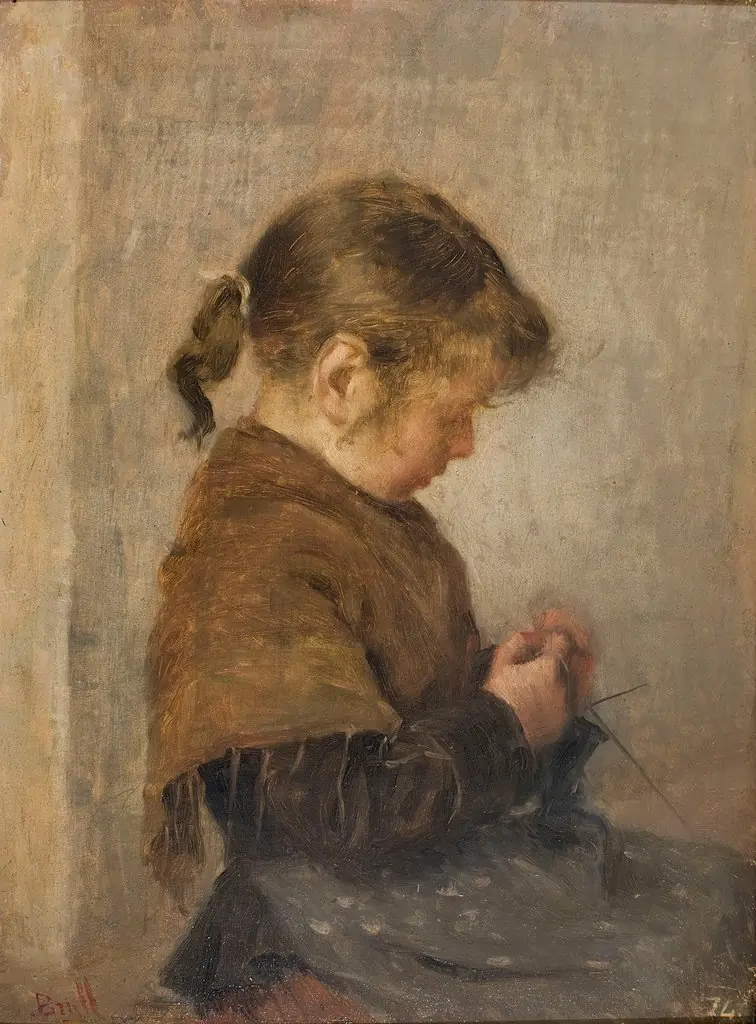 Knitting
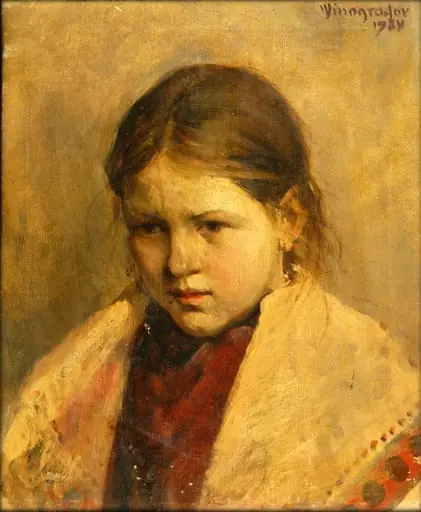 Portret de fată
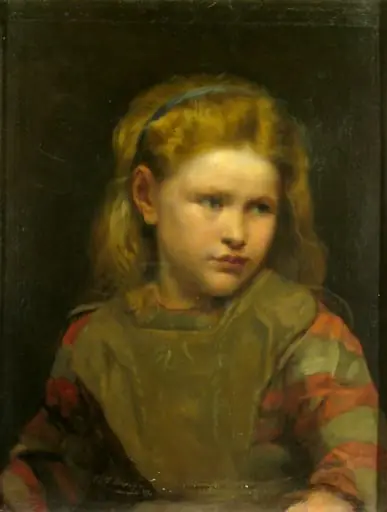 Portret de fetiță
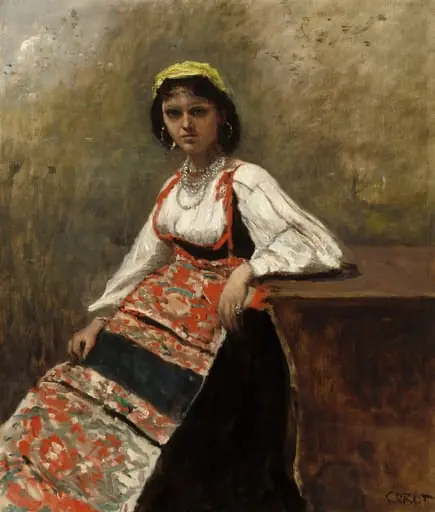 Italian Woman (La Morieri)
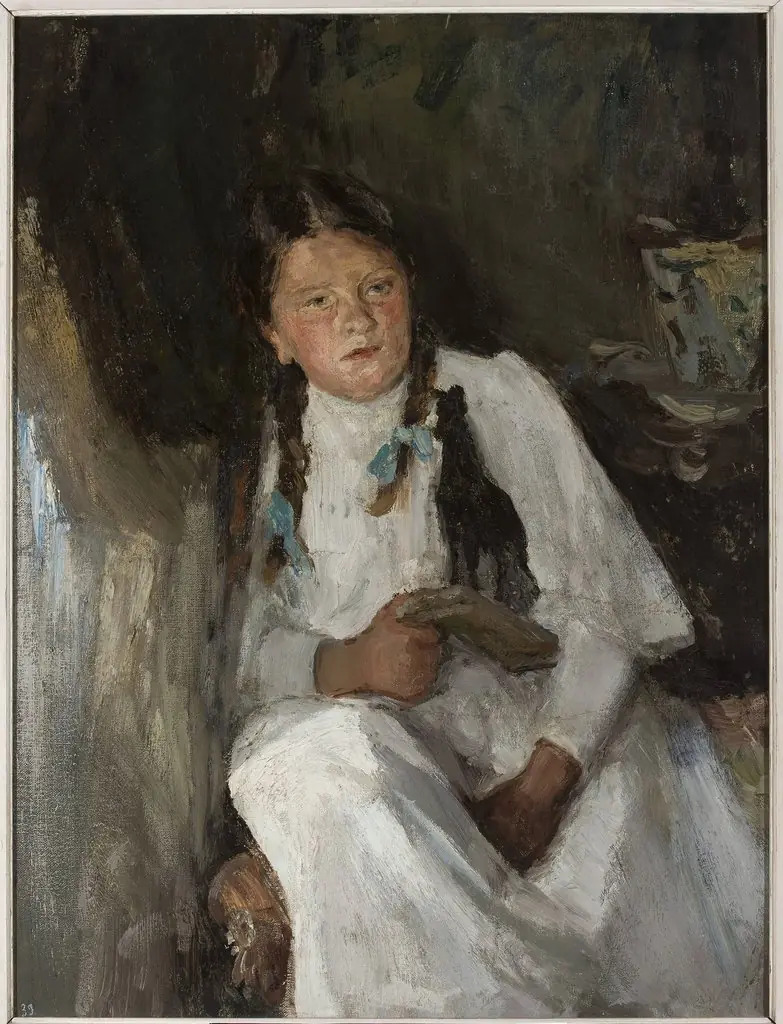 Portrait of a girl
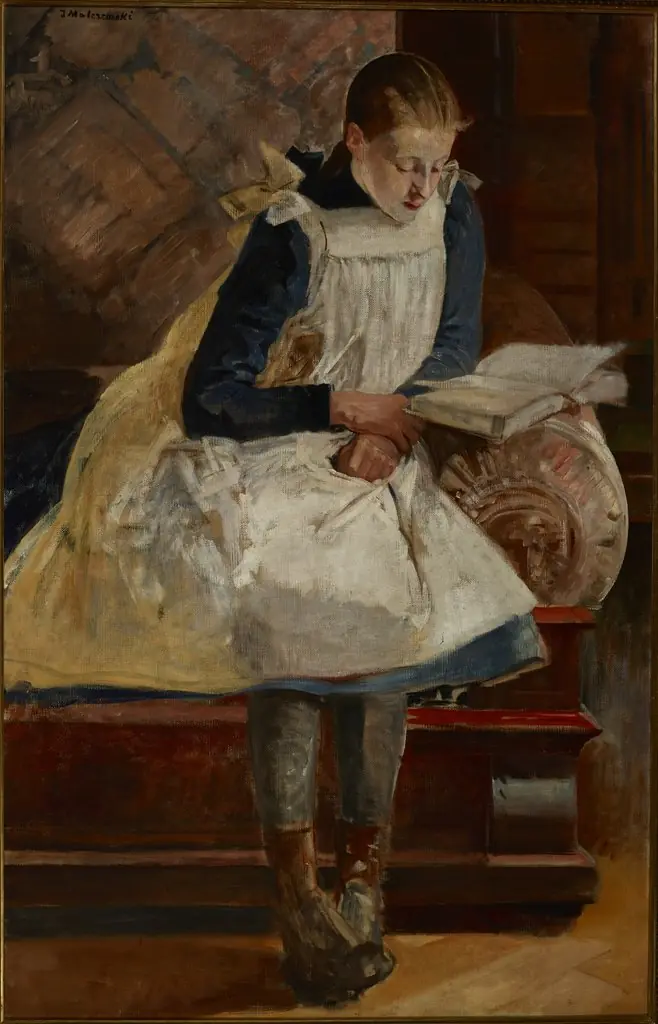 Portrait of Artist's Daughter Julia
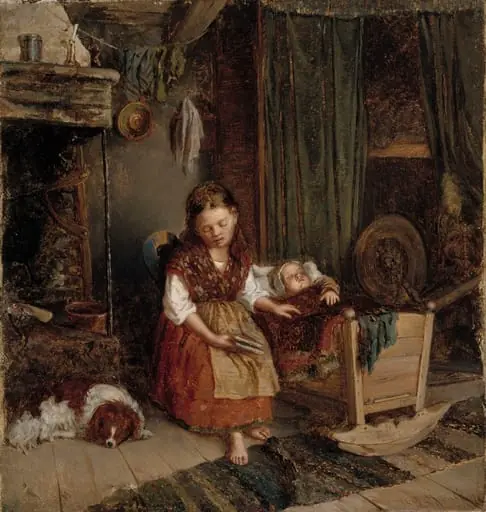 Tyttö kehdon ääressä
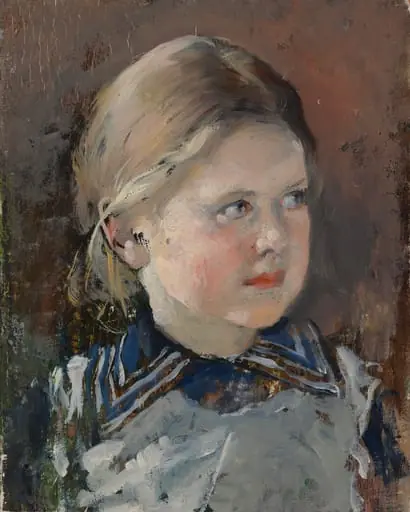 Tytön pää, harjoitelma vapaaherra Viktor Magnus von Bornin perhemuotokuvaa varten
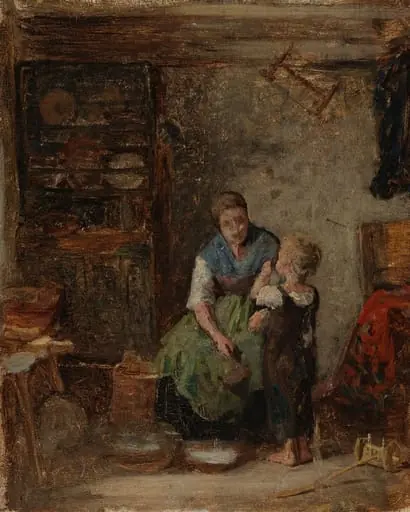 Poika saa maitoa, luonnos II