Artwork
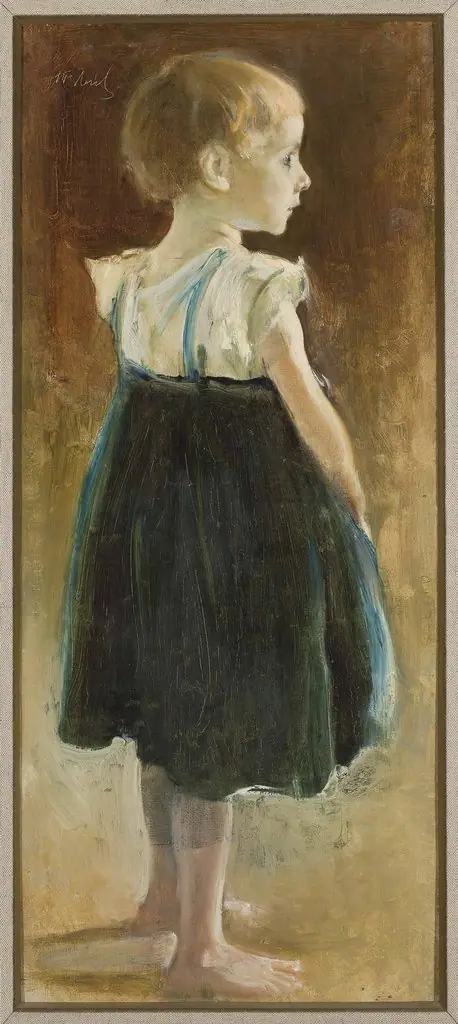
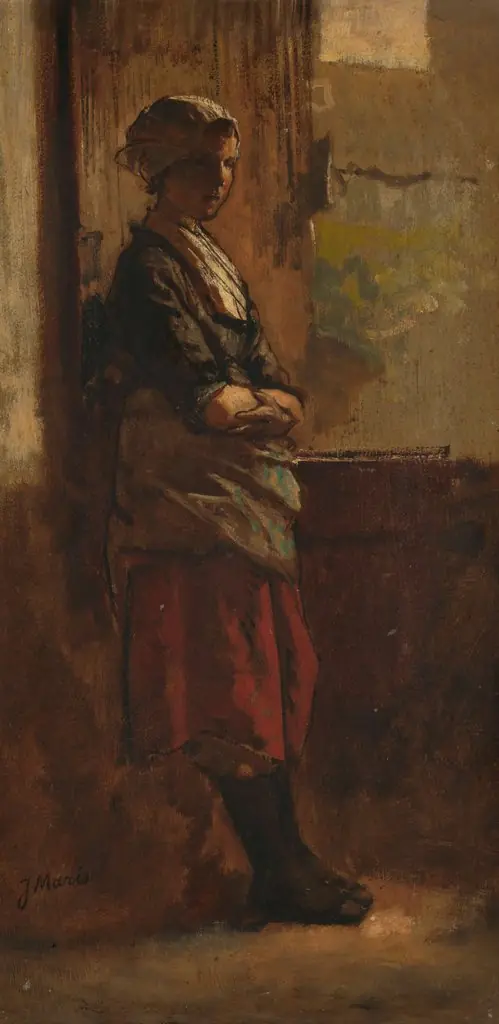
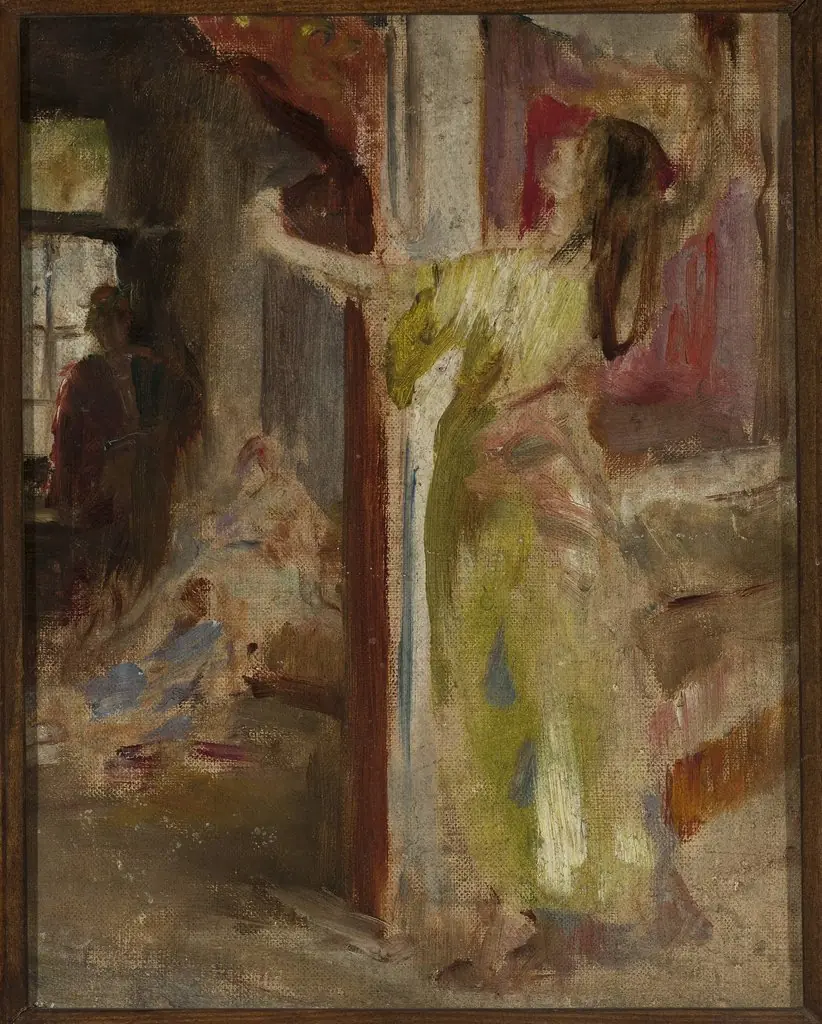
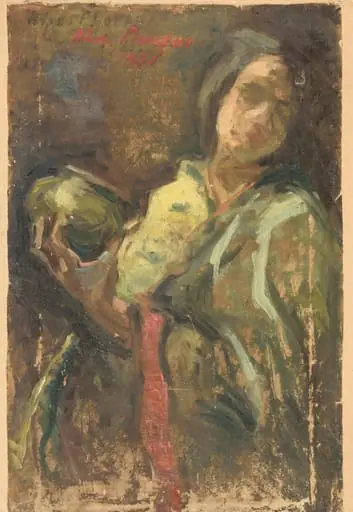
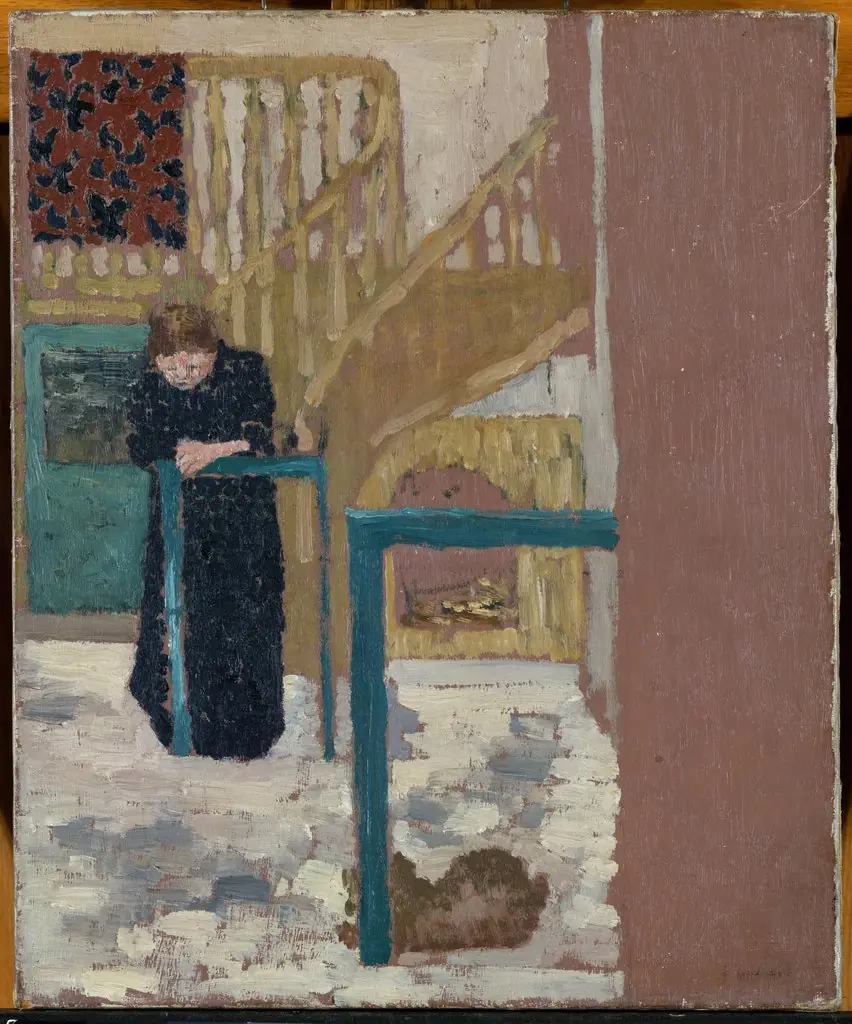
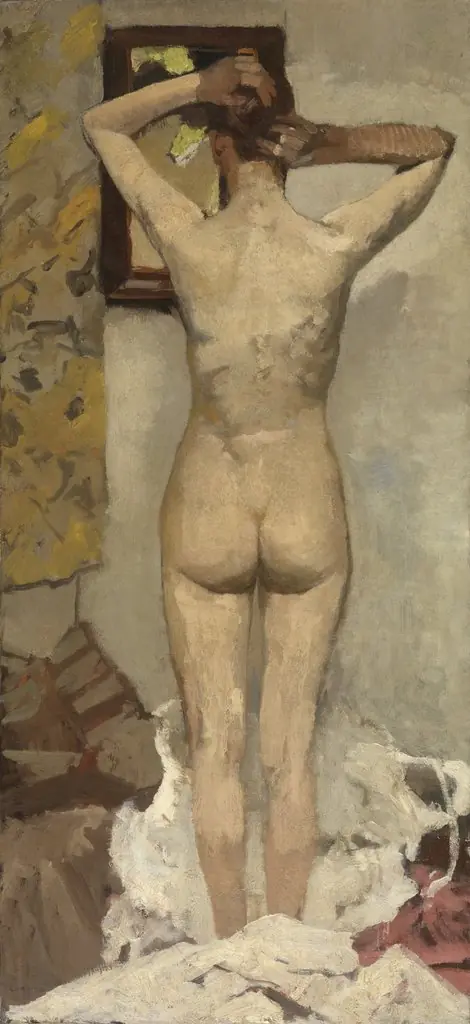
Study of a woman
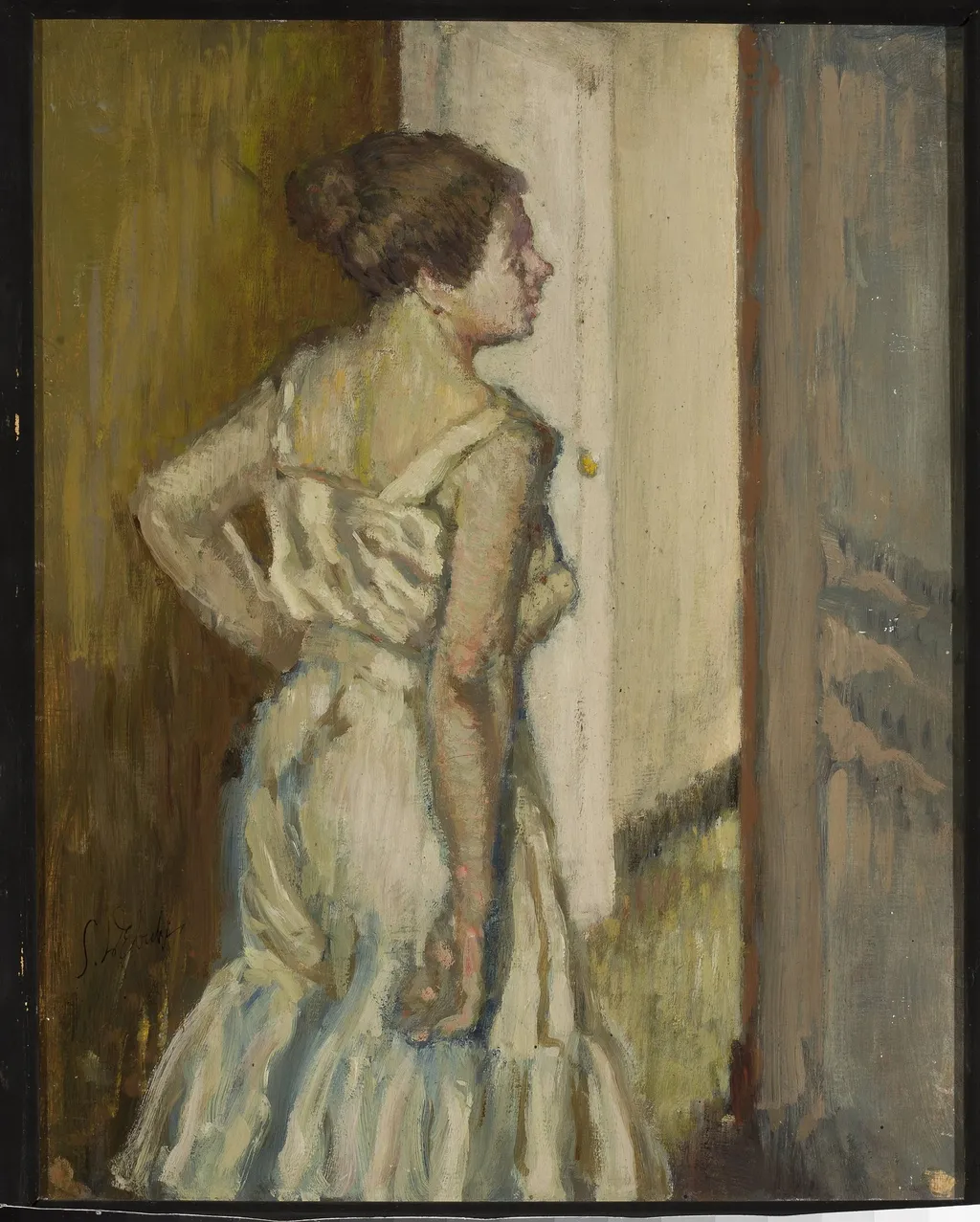
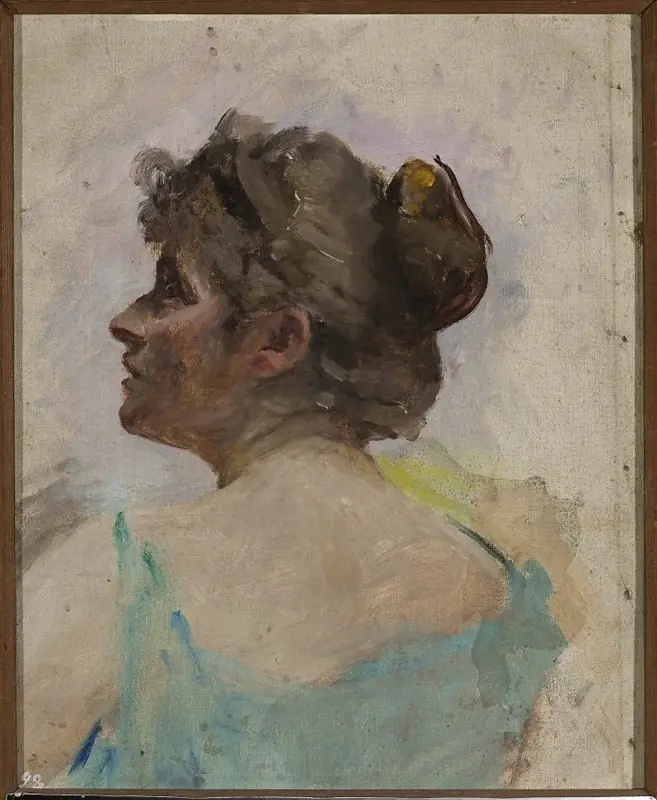
Study of a woman is an oil painting by Stanisław Dębicki. It dates from 1905 and is held in the collection of the National Museum in Warsaw.
About this work
Overview
Painted around 1905 by Stanisław Dębicki, this oil on canvas work presents a solitary female figure in a moment of stillness. The painting is part of the National Museum in Warsaw’s collection. Its quiet composition and restrained palette reflect the artist’s interest in intimate, unposed scenes, capturing a sense of private reflection rather than narrative action.
Subject & Meaning
The absence of facial detail emphasizes anonymity, transforming her into a symbol of contemplative solitude rather than a specific individual.
The woman, viewed from behind, turns her head slightly over her left shoulder, suggesting a pause in motion or an internal shift. Her posture—hand on hip, arm relaxed at her side—conveys neither gesture nor expression, inviting speculation about her thoughts. The absence of facial detail emphasizes anonymity, transforming her into a symbol of contemplative solitude rather than a specific individual.
Technique & Style
Dębicki employs soft transitions between light and shadow to model the figure’s form, particularly along the curve of the shoulder and the folds of the dress. The warm, golden background lacks detail, allowing the figure to emerge with quiet prominence. Brushwork is subtle and blended, avoiding sharp lines, reinforcing the painting’s meditative tone and focus on atmosphere over detail.
History & Provenance
The painting entered the National Museum in Warsaw’s collection in the early 20th century, likely acquired directly from the artist or through a contemporary exhibition. Its preservation suggests it was regarded as a significant example of Dębicki’s figurative work during a period when Polish art was exploring psychological depth in domestic and solitary subjects.
Context
Created during a time when Polish artists were moving away from grand historical themes toward personal, everyday moments, this study aligns with broader European trends in intimate portraiture. Dębicki’s focus on a solitary woman echoes contemporaries like Jacek Malczewski and international painters such as James McNeill Whistler, who valued mood over storytelling.
Legacy
Though not widely reproduced, the painting remains a quiet reference in studies of early 20th-century Polish realism. It exemplifies how artists used restrained composition and tonal harmony to evoke psychological presence without overt drama. Its endurance in the museum’s collection underscores its value as a thoughtful exploration of stillness in modern painting.
Artist & collection