Artwork
Travelling salesman
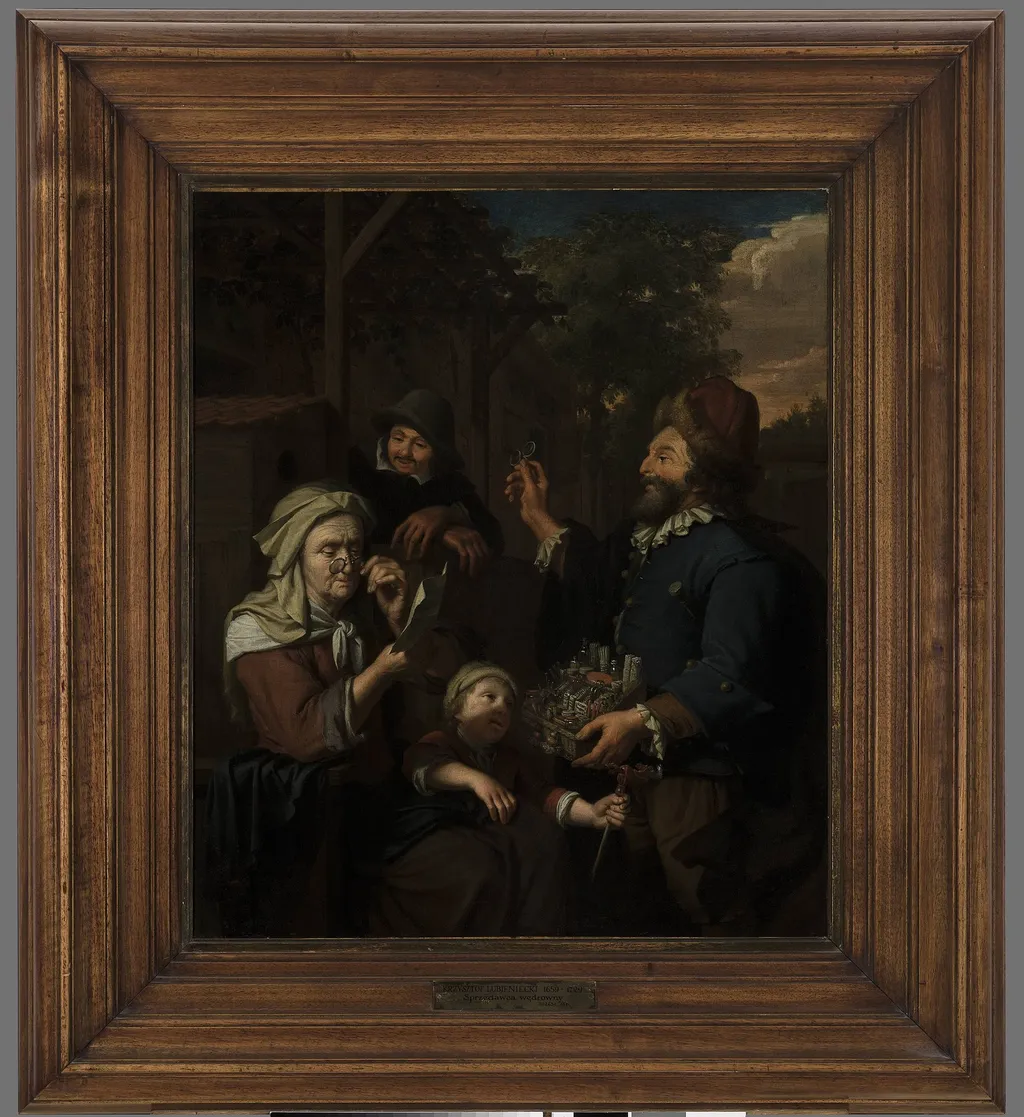
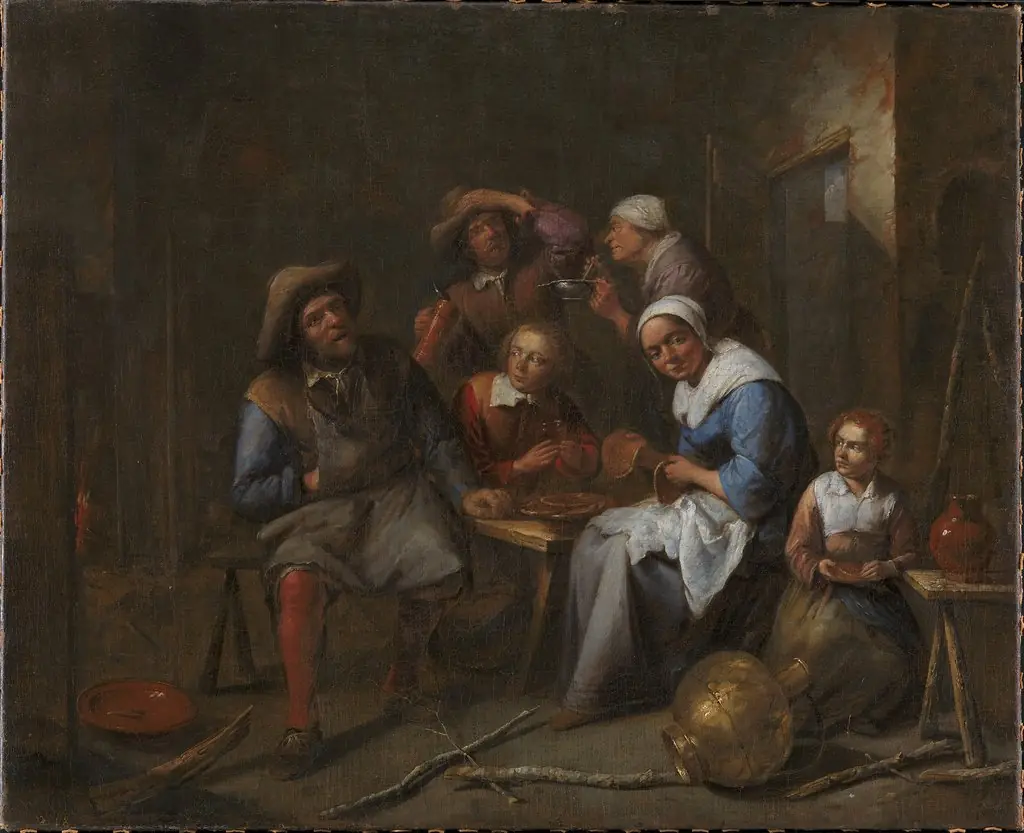
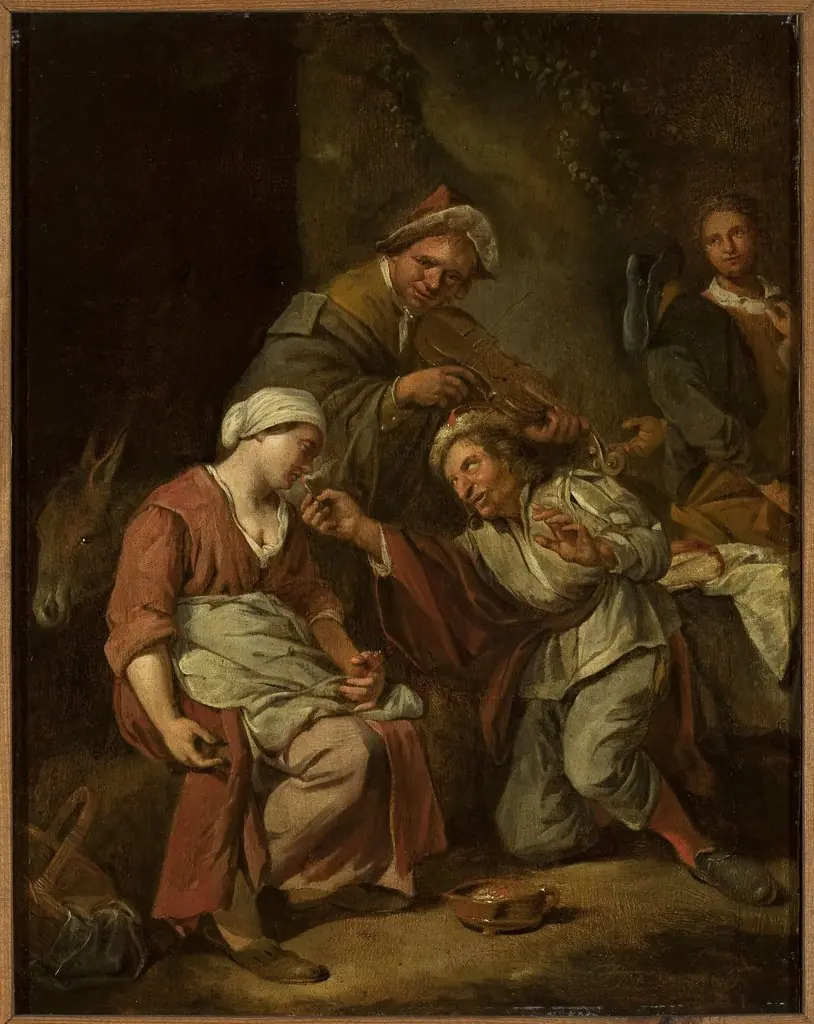
Travelling salesman is an oil painting by the Barbizon school artist Krzysztof Lubieniecki. It dates from 1716 and is held in the collection of the National Museum in Warsaw.
About this work
Overview
Though associated with Dutch Golden Age traditions, the work diverges from grand historical or mythological themes, focusing instead on everyday human exchange.
Krzysztof Lubieniecki, a Polish artist working in Amsterdam during the early 18th century, completed this oil painting in 1716. It portrays a quiet moment of commerce between travelers and locals, rendered with careful attention to gesture and light. Though associated with Dutch Golden Age traditions, the work diverges from grand historical or mythological themes, focusing instead on everyday human exchange.
Subject & Meaning
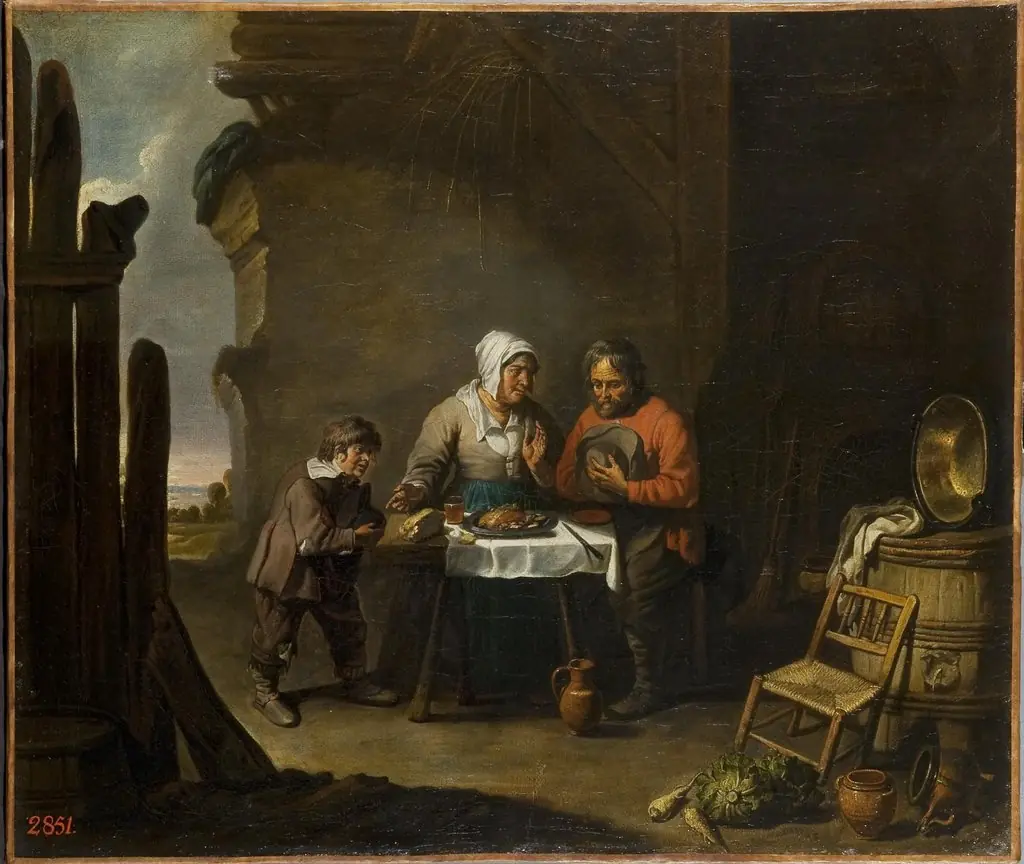
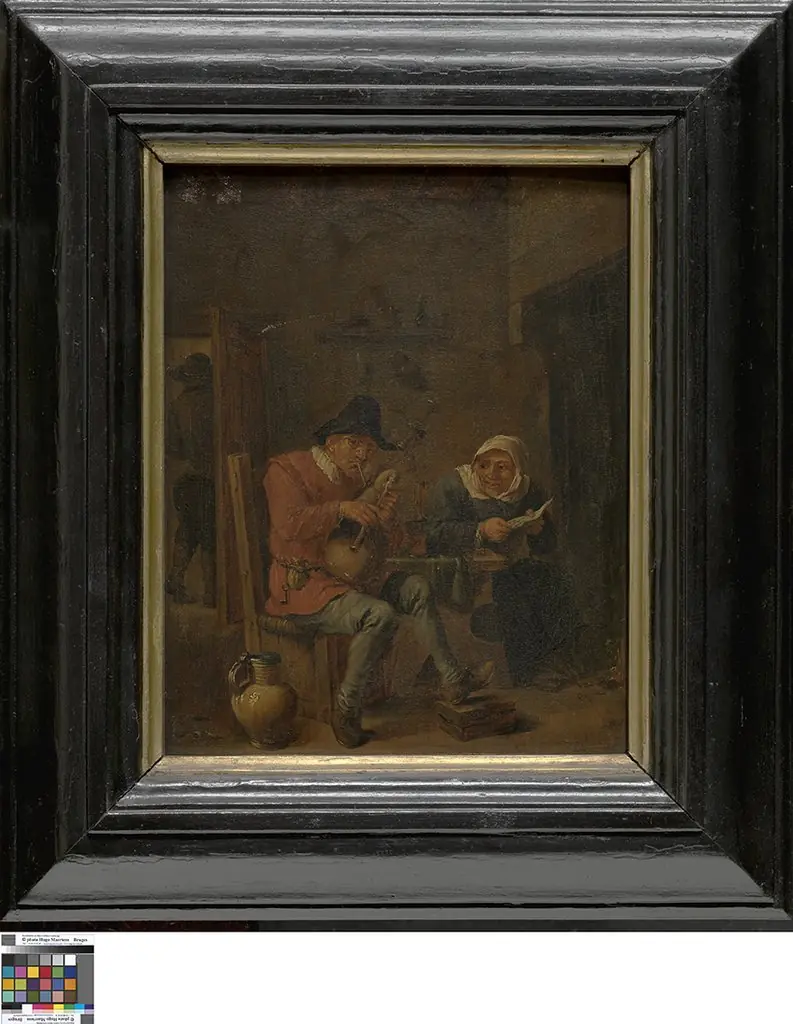
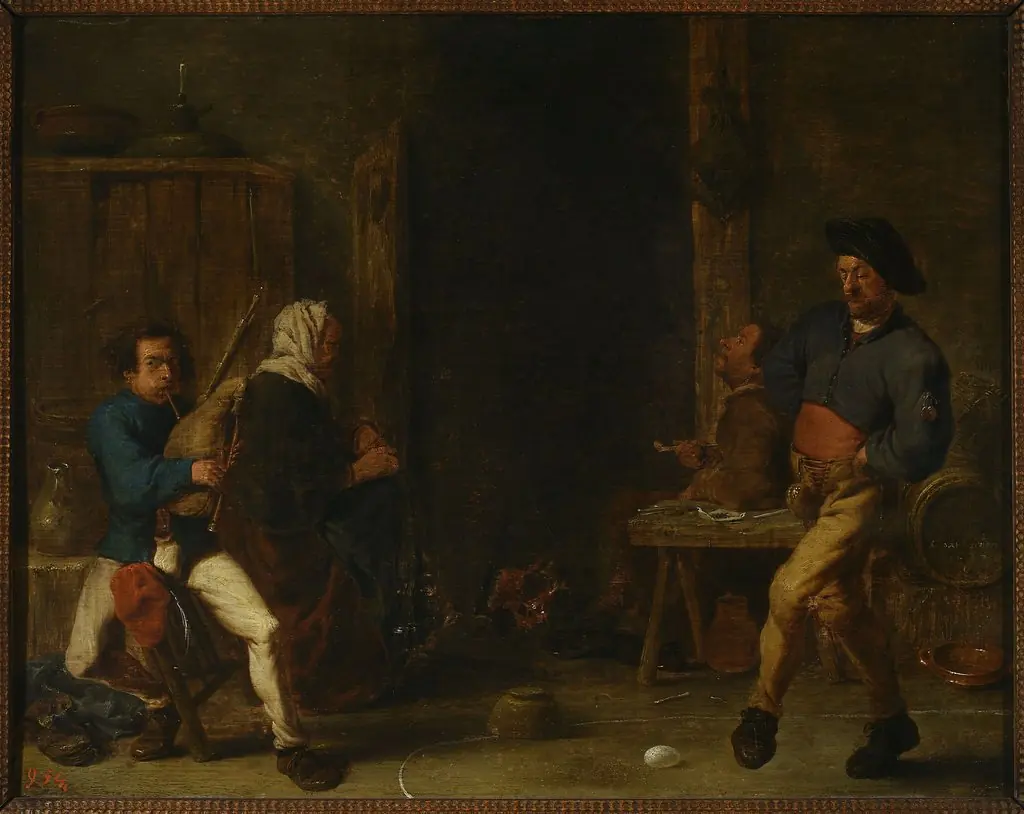
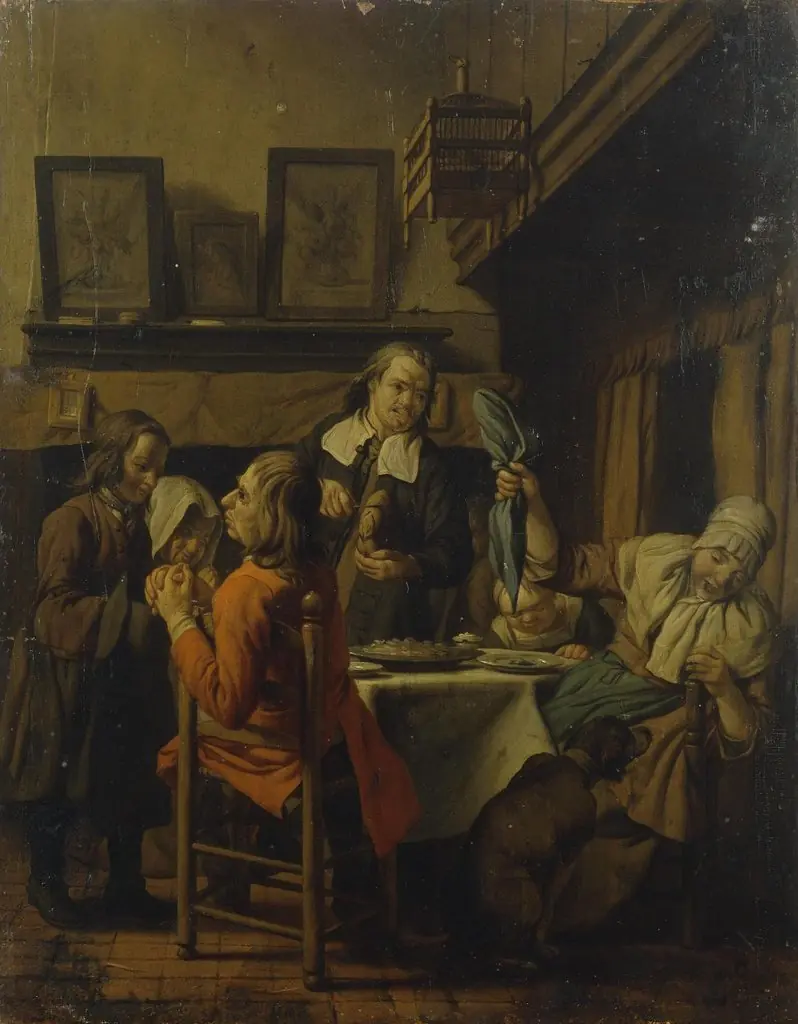
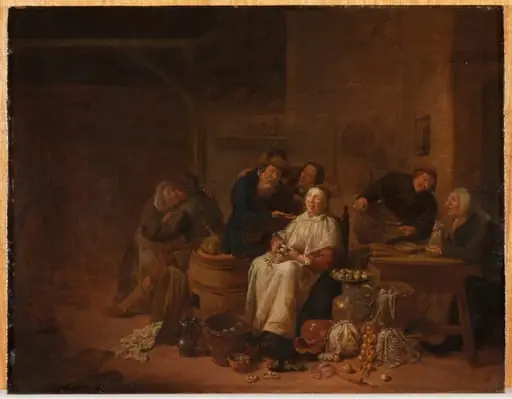
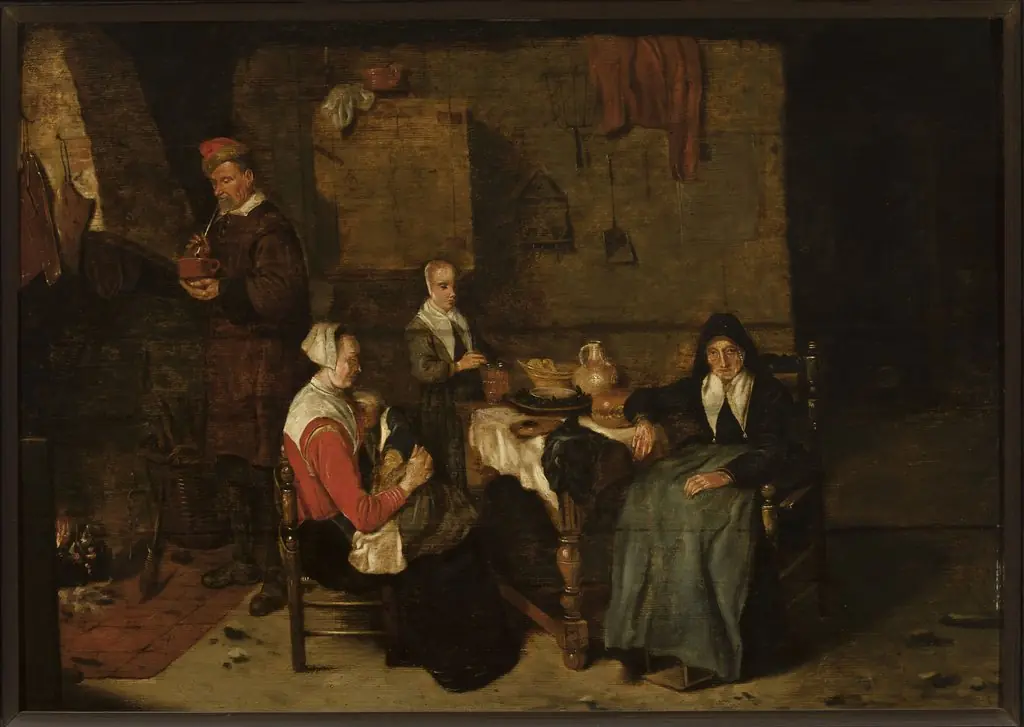
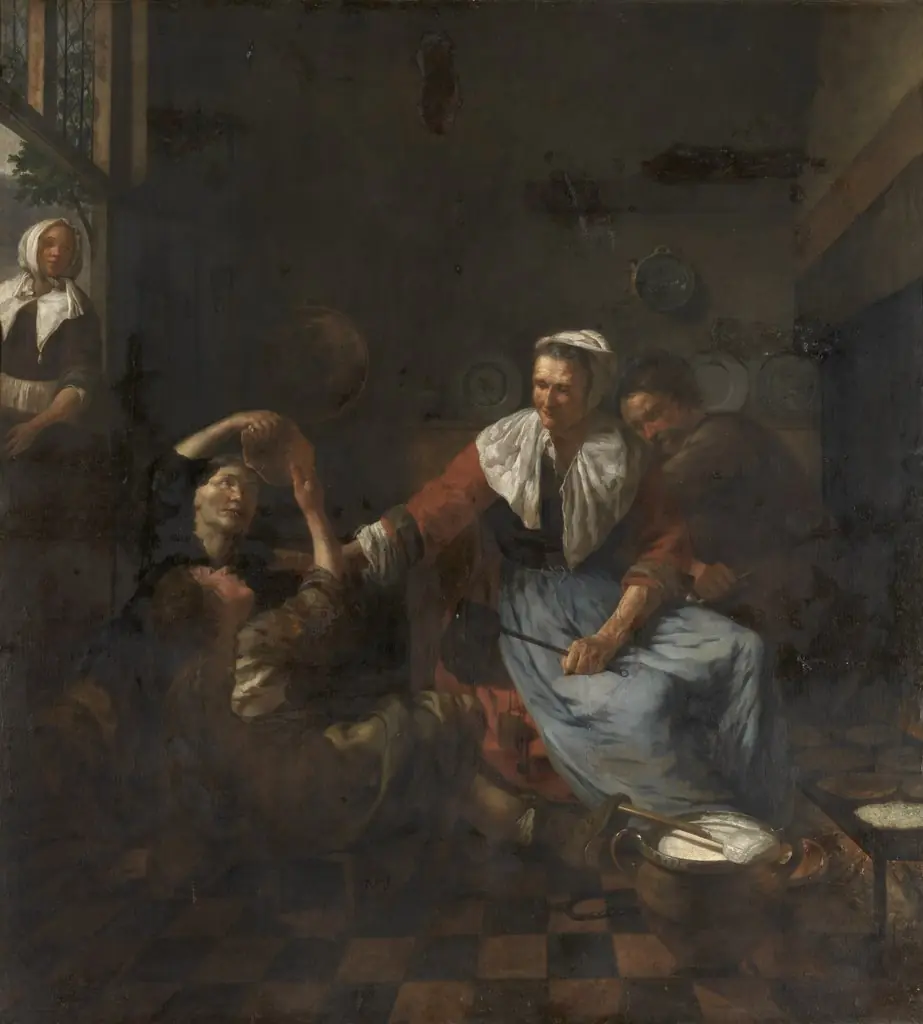
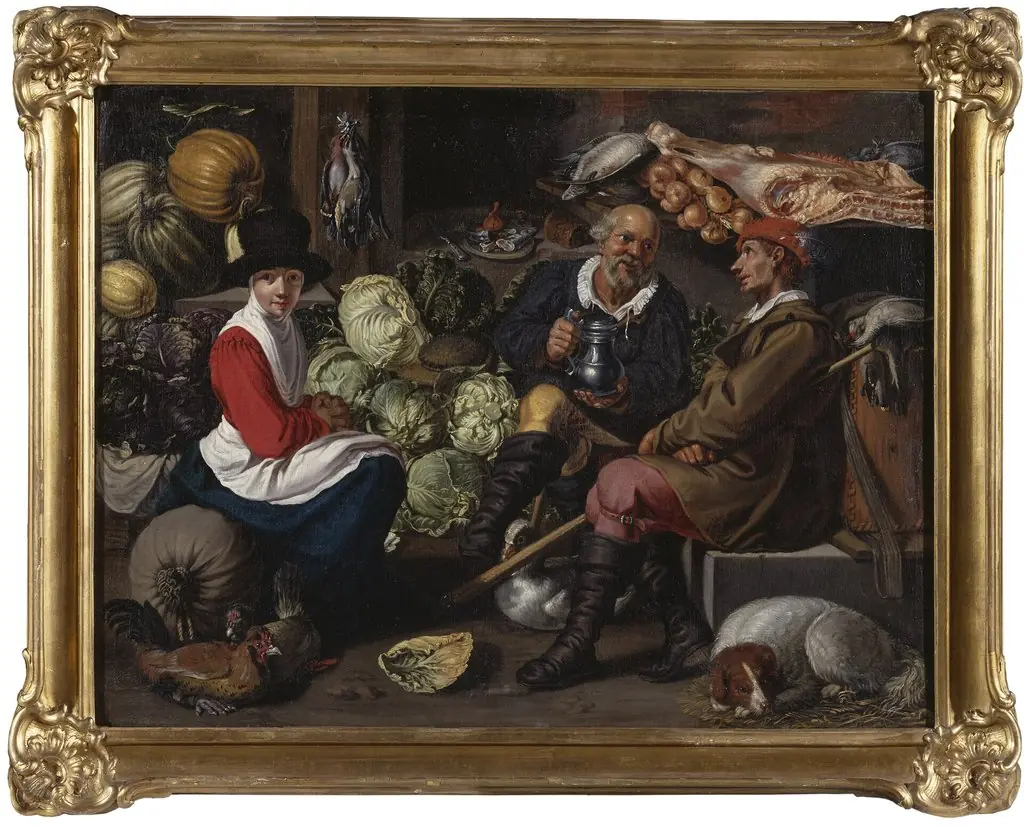
The scene centers on a peddler offering a small object to a woman, who holds a pair of spectacles, while a child watches nearby. The interaction suggests a moment of practical negotiation—perhaps the sale of a useful item. The figures’ postures and glances convey mutual curiosity rather than transactional urgency, emphasizing human connection over economic gain.
Technique & Style
Lubieniecki employs subtle chiaroscuro to model forms and define spatial depth, particularly in the folds of clothing and the contours of faces. Brushwork is restrained yet precise, capturing textures like wool, wood, and glass without overt embellishment. The background, with its soft trees and muted sky, recedes gently, anchoring the figures in a believable, intimate setting.
History & Provenance
The painting entered the National Museum in Warsaw’s collection in the 20th century, though its earlier ownership remains undocumented. Lubieniecki’s time in Amsterdam placed him within a network of Northern European artists who documented daily life, yet his Polish origins and later return to Warsaw complicate straightforward categorization within national art histories.
Context
While often grouped with Dutch genre painting, Lubieniecki’s work reflects a transnational artistic environment. The subject—a traveling vendor—was common in Northern European art, symbolizing mobility and trade. Yet his approach lacks the moralizing tone of some contemporaries, favoring quiet observation over narrative judgment.
Legacy
The painting contributes to a broader understanding of 18th-century Polish artists working abroad, challenging assumptions about artistic identity in early modern Europe. Though not widely exhibited, it remains a quiet testament to the cross-cultural exchanges that shaped regional painting traditions during the Baroque era.
Artist & collection
Artist
Krzysztof Lubieniecki or Christoffel Lubienietzky (1659–1729) was a Polish Baroque painter and engraver active in Amsterdam during the Dutch Golden Age.

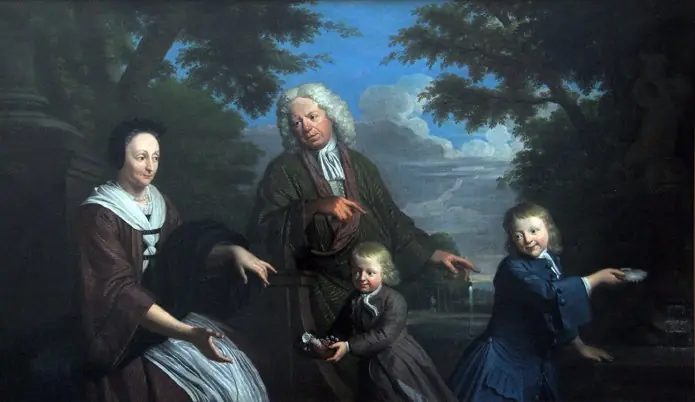 Family portrait of Gozewijn Centen
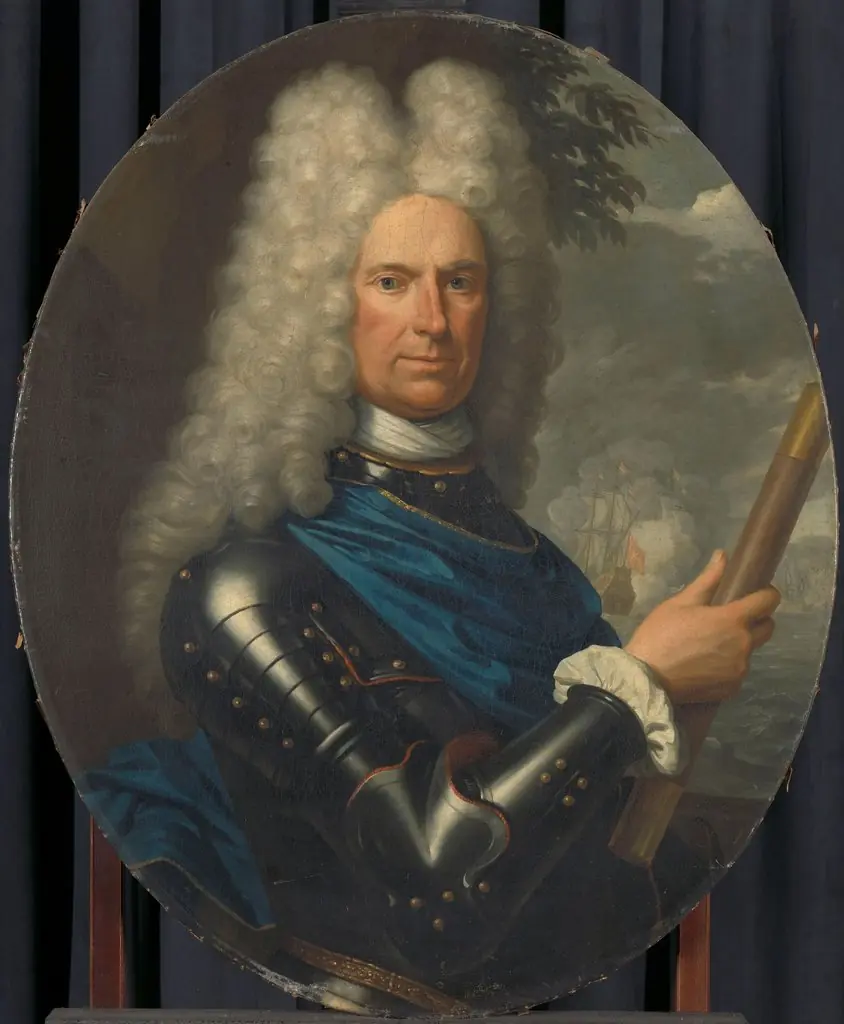 Portrait of Rear-Admiral Arent van Buren
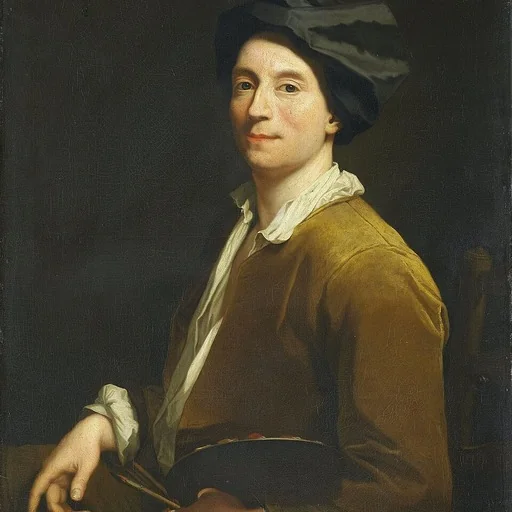
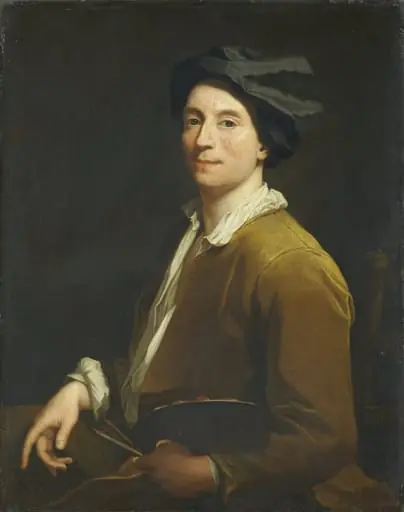 Portrait of a Painter, probably a Self Portrait
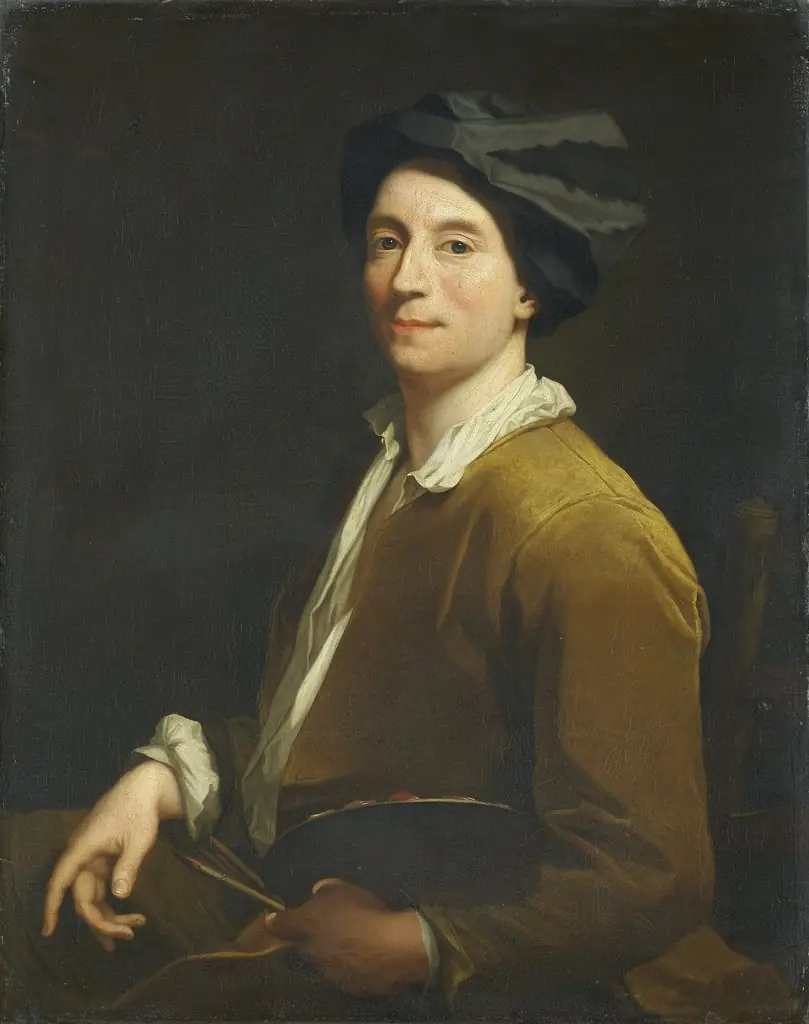 Portrait of a Painter, probably a Self Portrait
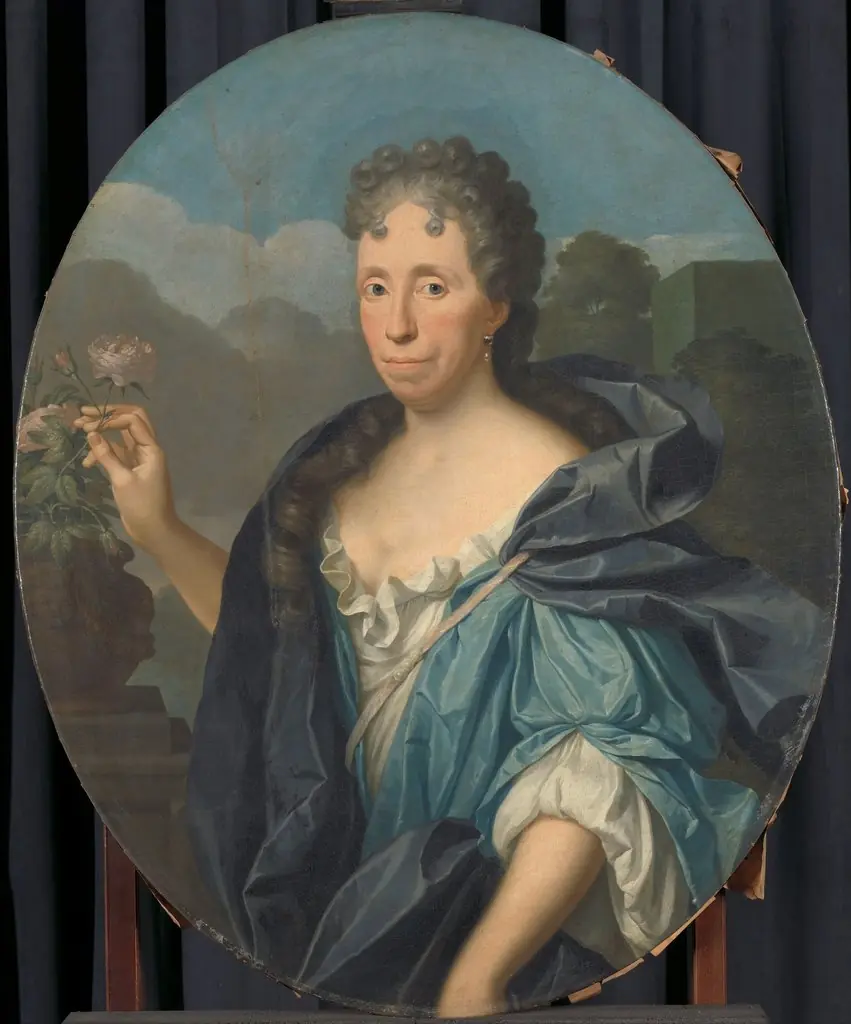 Portrait of Sabina Agneta d'Acquet, Wife of Arent van Buren
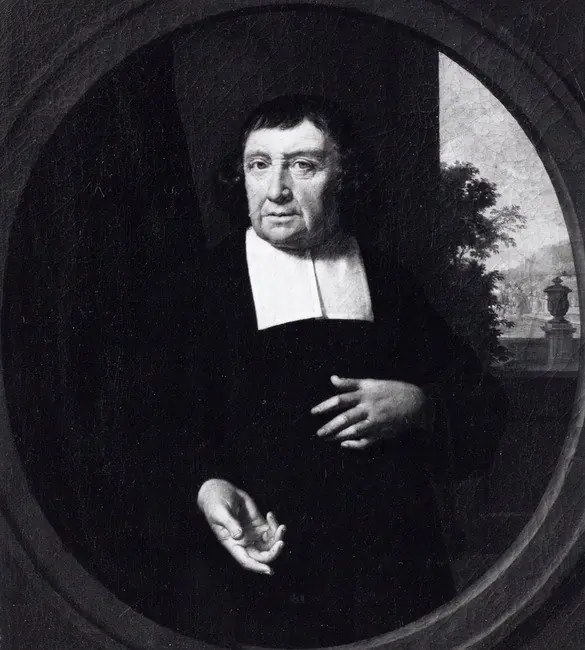 Portrait of Job Siewerts
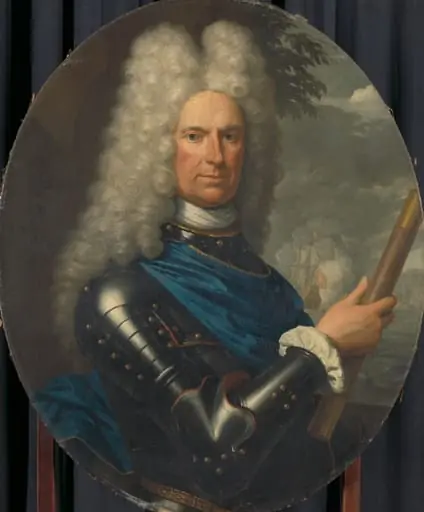 Portrait of Rear-Admiral Arent van Buren
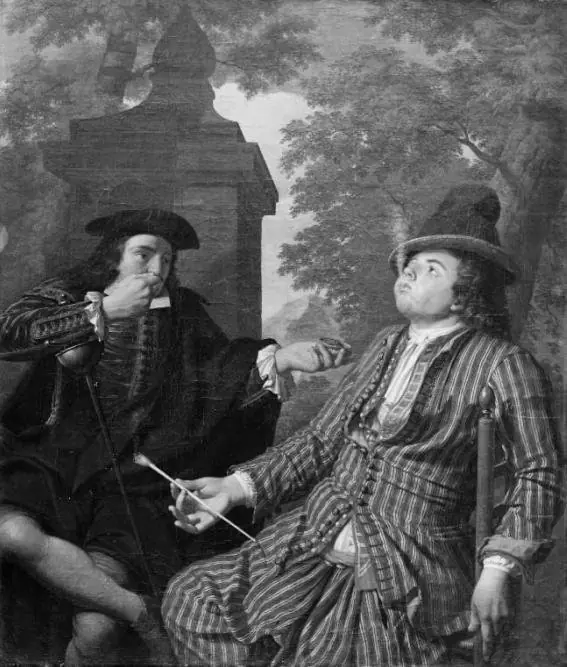 The Sense of Smell