Artwork
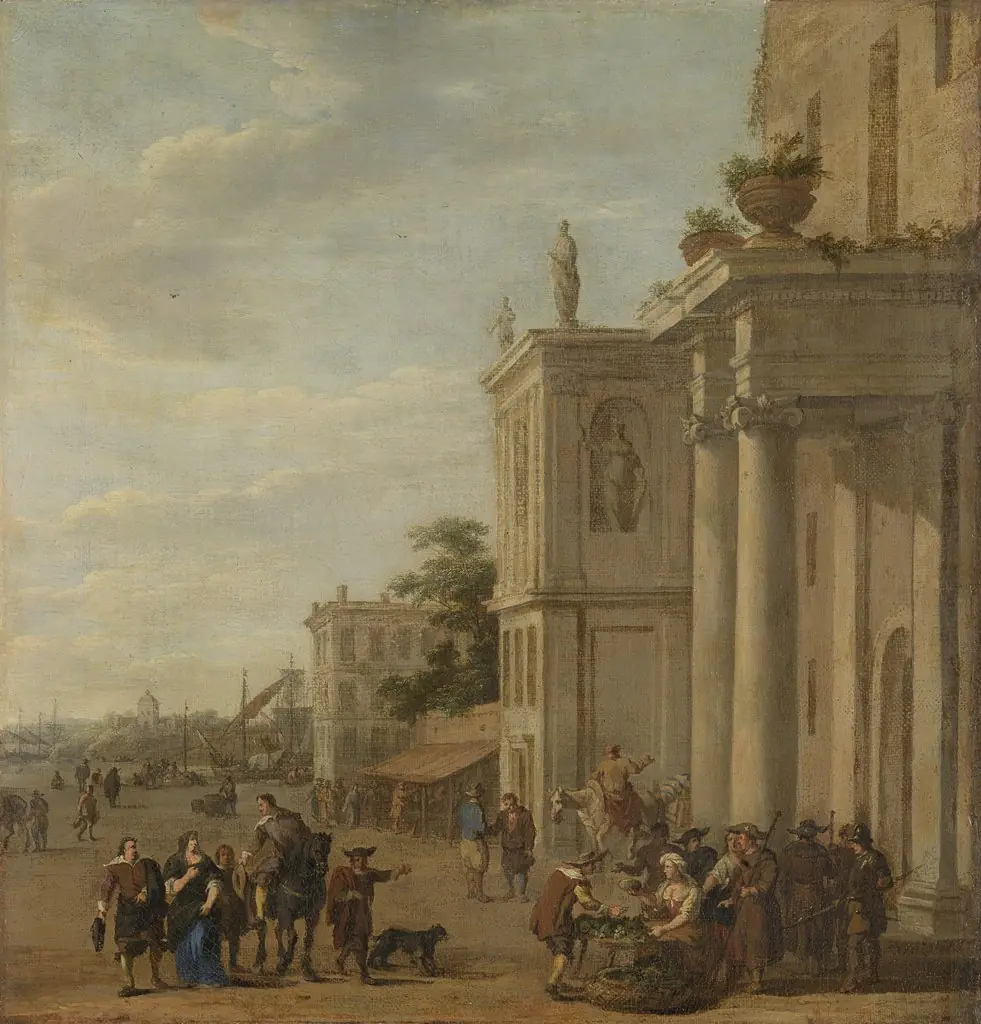
Italian city view
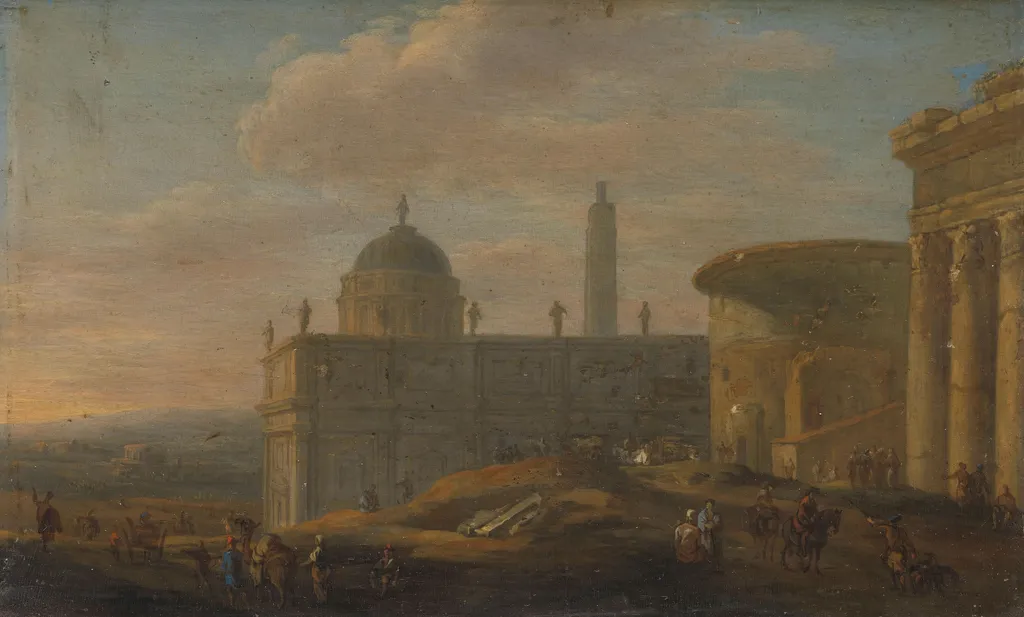
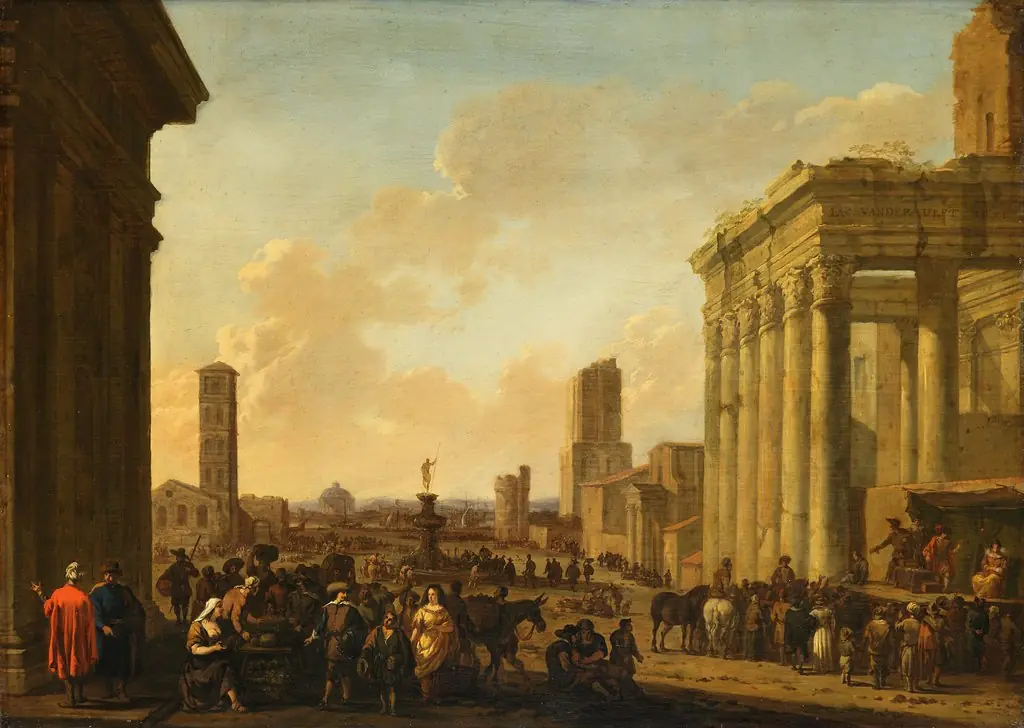
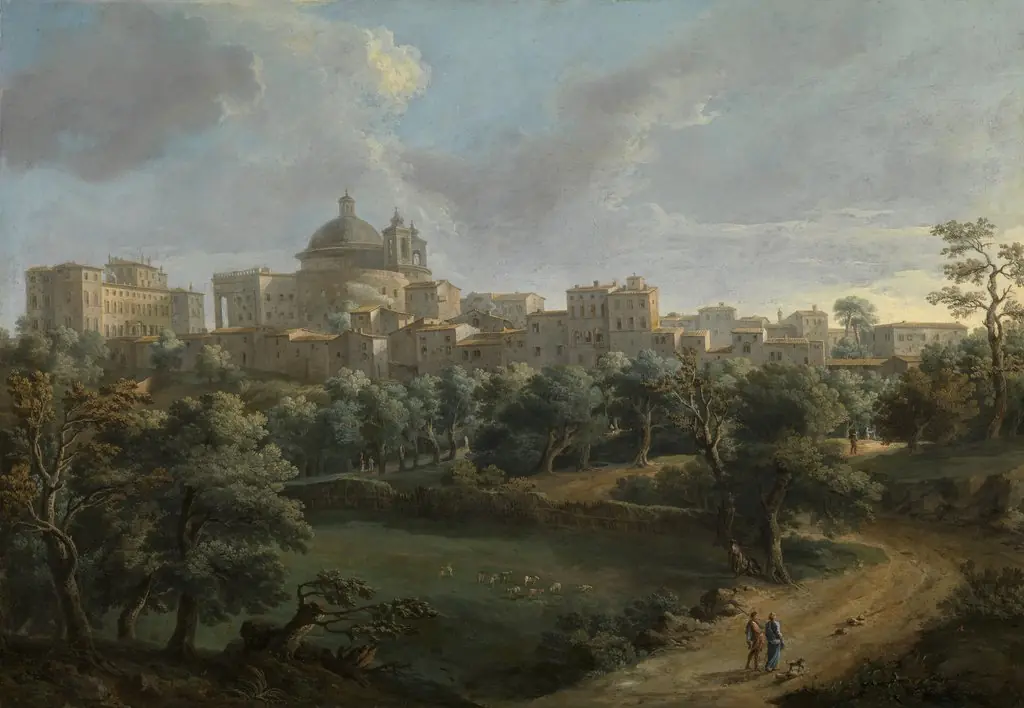
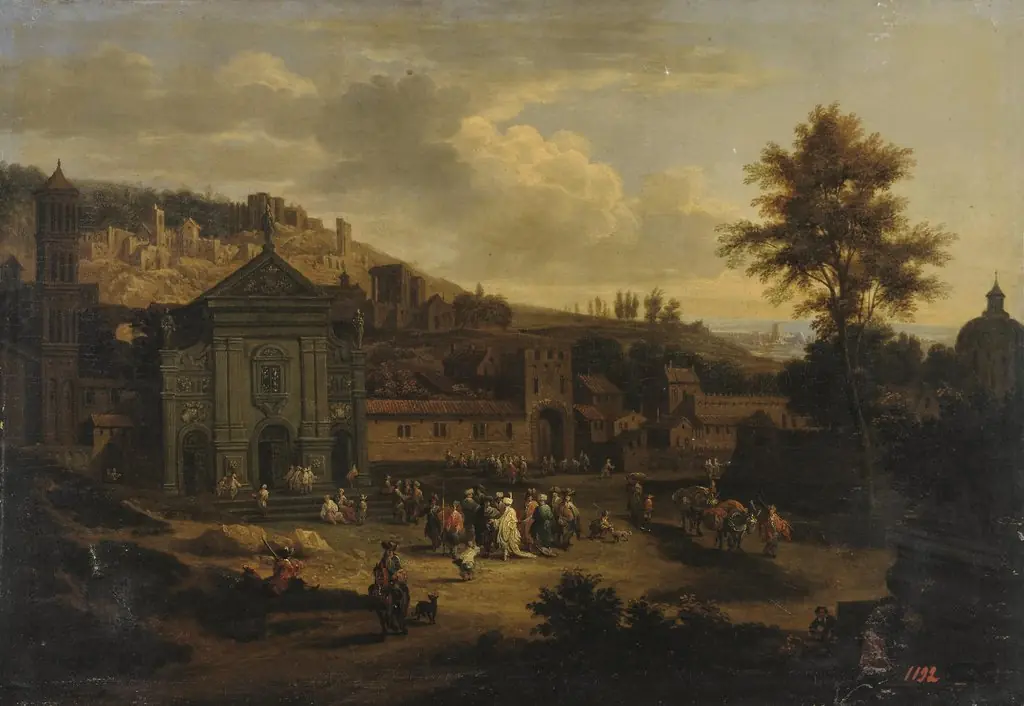
Italian city view is an oil painting by the Dutch Golden Age artist Jacob van der Ulft. It dates from 1650 and is held in the collection of the Rijksmuseum.
About this work
Overview
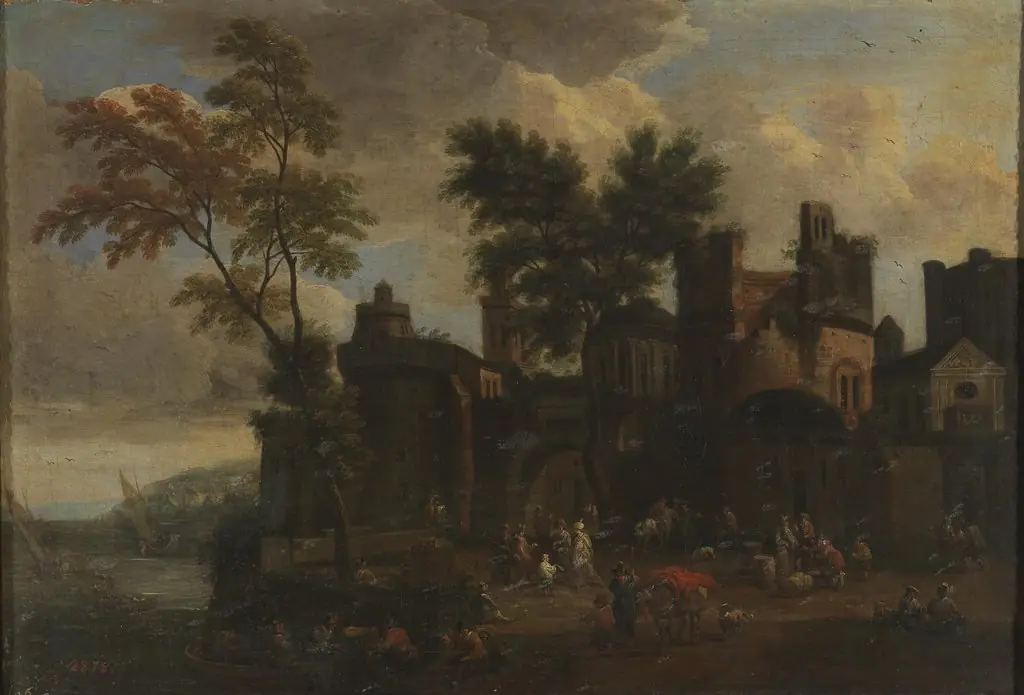
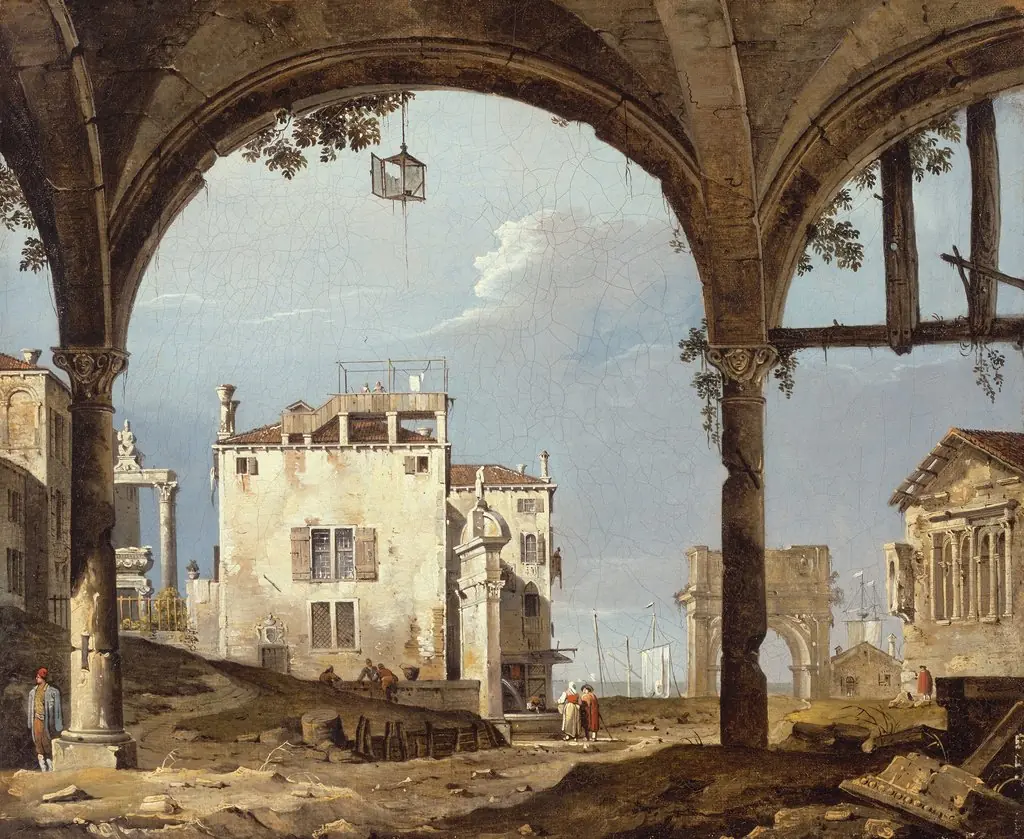
Created circa 1650, this oil painting presents a bustling Italian town square dominated by a central dome, an adjacent obelisk, and a monumental colonnaded structure on the right. Figures populate the streets, moving on foot or horseback, while a gently clouded sky casts a warm, golden light across the scene, emphasizing depth and atmosphere.
Subject & Meaning
The work captures a lively urban environment, highlighting the interplay of civic architecture and daily life. The prominence of the dome and obelisk suggests a focal civic or religious building, while the surrounding activity reflects the social vibrancy of a Mediterranean city during the mid‑seventeenth century.
Technique & Style
Executed in oil on canvas, the artist employs chiaroscuro to model the façades, allowing illuminated sections to advance and shaded areas to recede. Soft, diffused clouds and a warm tonal palette contribute to a sense of atmospheric perspective, while fine brushwork delineates architectural details and the movement of figures.
History & Provenance
The painting is attributed to Jacob van der Ulft, a Dutch painter known for detailed cityscapes and architectural subjects during the Dutch Golden Age. It entered the Rijksmuseum’s collection, where it remains part of the museum’s holdings of 17th‑century European landscape and topographical works.
Own this work as a print
Artist & collection
Artist
Jacob van der Ulft (Dutch pronunciation: ; 1621–1689) was a Dutch painter, glass painter, print artist, architect and mayor. He was known for his architectural and city views, landscapes and topographical views.