Artwork
Still Life
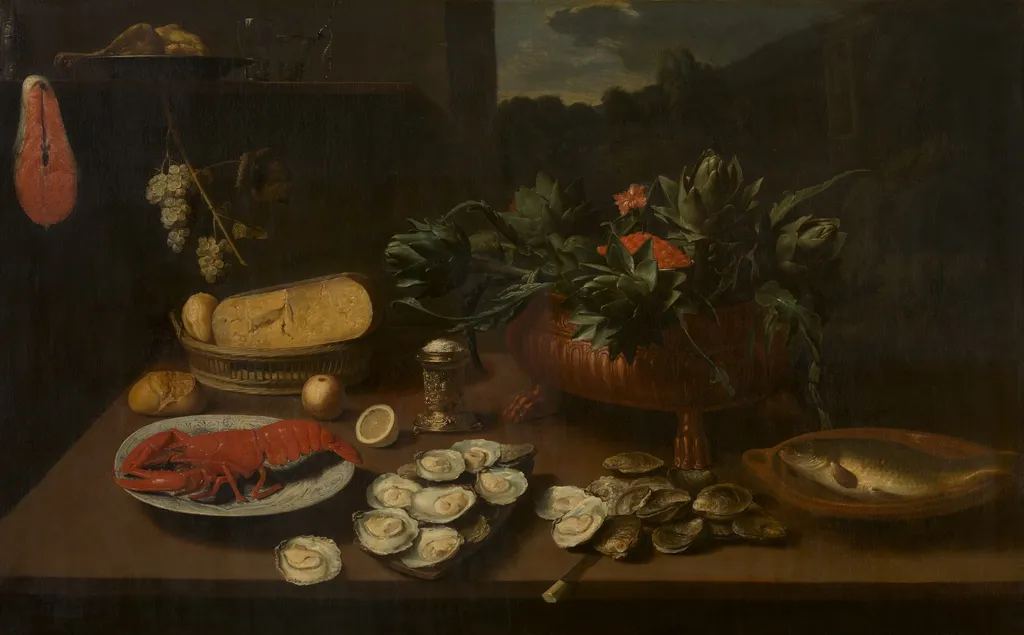
Still Life is an oil painting by the Flemish Baroque painting artist Jacob van Es. It dates from 1640 and is held in the collection of the Royal Museum of Fine Arts Antwerp.
About this work
Overview
Van Es, active in Antwerp, specialized in compositions centered on food and tableware, contributing to the development of the genre in the Southern Netherlands.
Painted around 1640 by Jacob van Es, this oil on canvas still life reflects the early Flemish Baroque tradition of detailed domestic arrangements. Van Es, active in Antwerp, specialized in compositions centered on food and tableware, contributing to the development of the genre in the Southern Netherlands. The work is held in the Royal Museum of Fine Arts Antwerp, where it represents a key example of mid-17th-century Flemish still-life painting.
Subject & Meaning
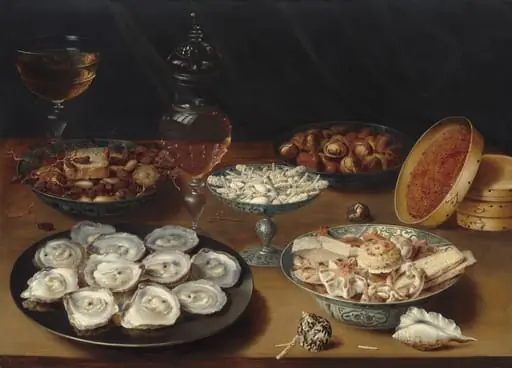
The composition presents a modest banquet: a lobster on a white plate, oysters, a fish, bread in a woven basket, fruit in a bowl, a small ornate box, and a knife. These elements suggest a meal prepared for a special occasion, possibly a celebration or display of wealth. The absence of human figures directs focus to the material richness, evoking themes of transience and abundance common in Flemish still life of the period.
Technique & Style
Van Es employs precise brushwork to render textures—glossy shells, crusty bread, dewy fruit—against a deep, neutral background that enhances visual contrast. The lighting is soft and directional, modeling forms without dramatic chiaroscuro. Arrangement is balanced yet informal, avoiding rigid symmetry. The palette is restrained, dominated by earth tones and muted whites, with subtle highlights drawing attention to the seafood and fruit.
History & Provenance
The painting entered the collection of the Royal Museum of Fine Arts Antwerp in the 19th century, likely through municipal or institutional acquisition. Its attribution to Jacob van Es is supported by stylistic parallels with his other known works, particularly in the treatment of seafood and tableware. No earlier documentation of ownership is widely recorded, but its presence in the museum’s holdings confirms its recognized status within Flemish art history.
Context
In 17th-century Antwerp, still-life painting flourished as urban merchants and collectors sought art that reflected domestic prosperity. Van Es belonged to the first generation of specialists in this genre, influenced by earlier Dutch and Flemish painters. His works responded to a market that valued realism, tactile detail, and symbolic references to wealth, seasonality, and the fleeting nature of earthly pleasures.
Legacy
Jacob van Es helped establish conventions for Flemish still life that later artists would refine. His focus on everyday food items, rendered with quiet precision, contributed to a broader shift toward secular subject matter in Baroque art. While less celebrated than contemporaries like Snyders, his work remains a representative example of the genre’s early development in the Southern Netherlands.
Own this work as a print
Artist & collection
Artist
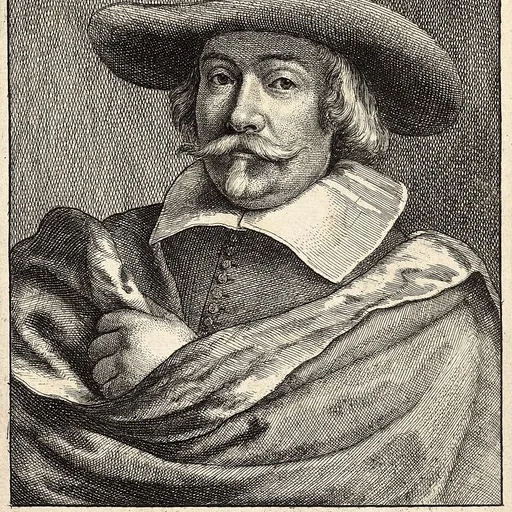
Jacob Foppens van Es, Jacob Fopsen van Es or Jacob van Es (c. 1596 Antwerp – 1666 Antwerp) was a Flemish Baroque painter known for his still lifes mainly of food and occasionally flower paintings. He collaborated with…

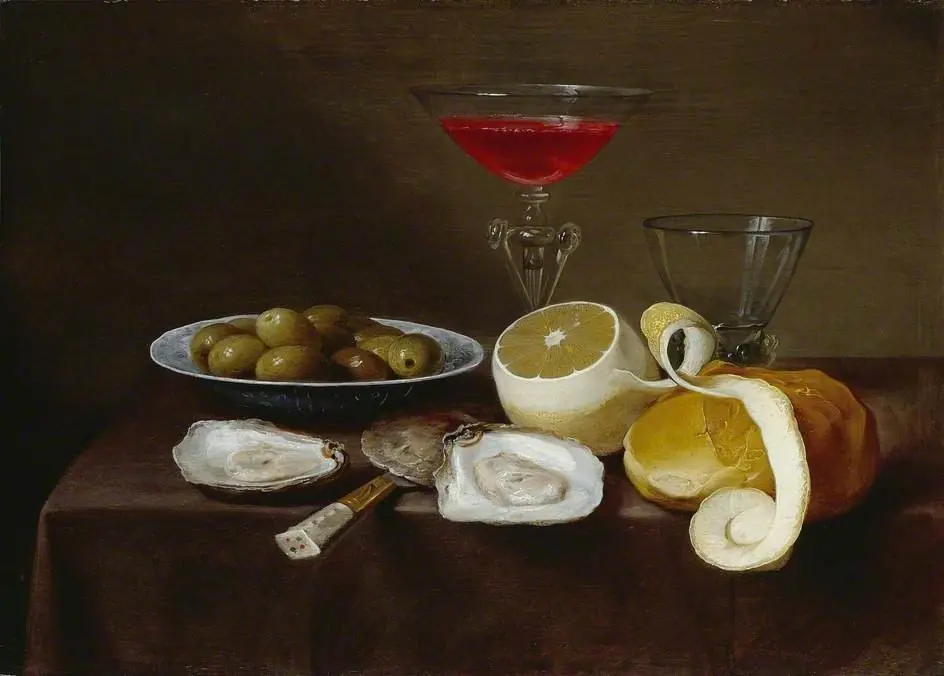
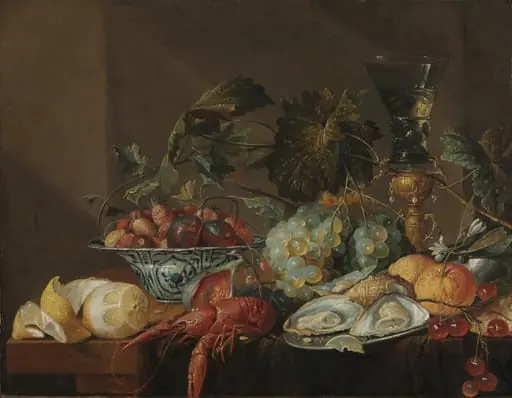 Still-Life with Crayfish, Oysters, and Fruit
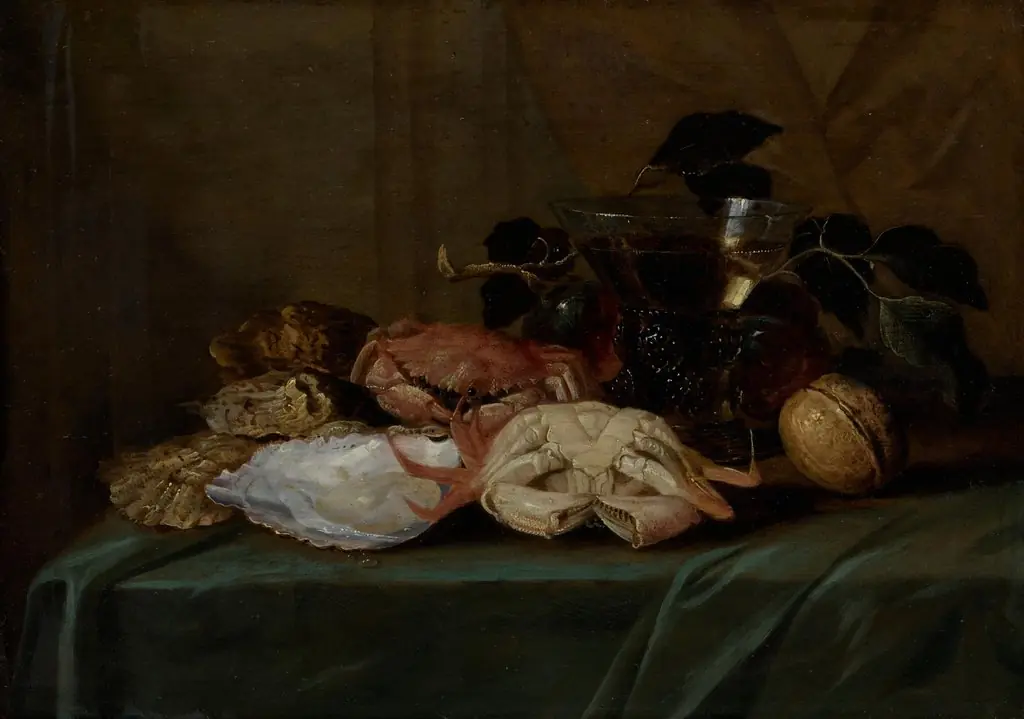 Still Life with Crabs
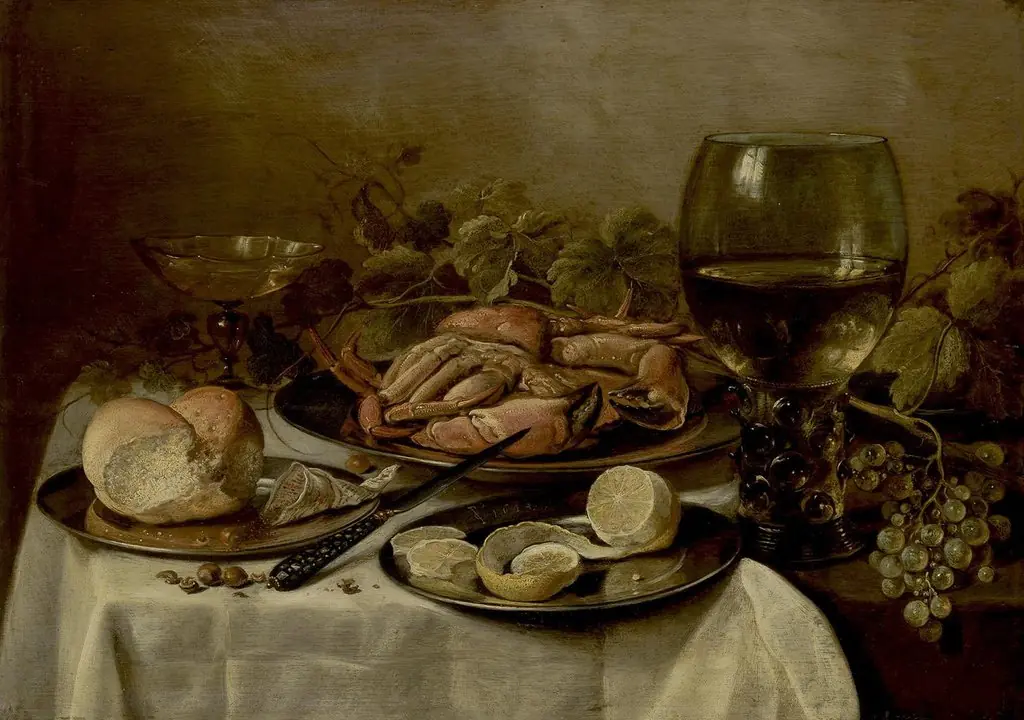 Still Life with Crab, Rummer and Grape
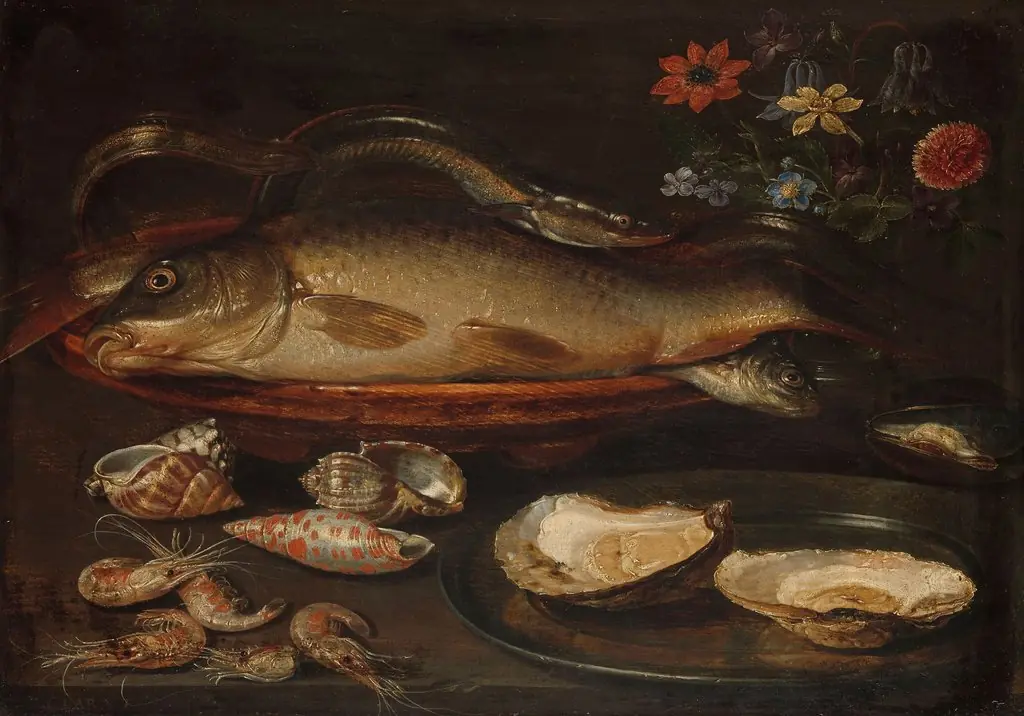 Still life with fish, oysters and shrimps
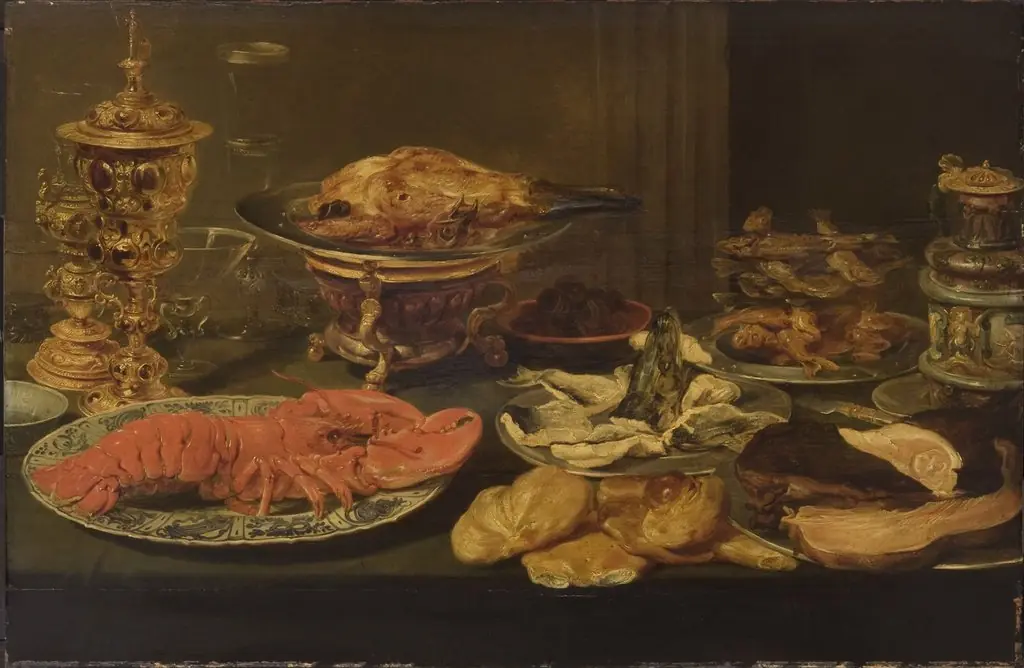 Still Life with a Lobster
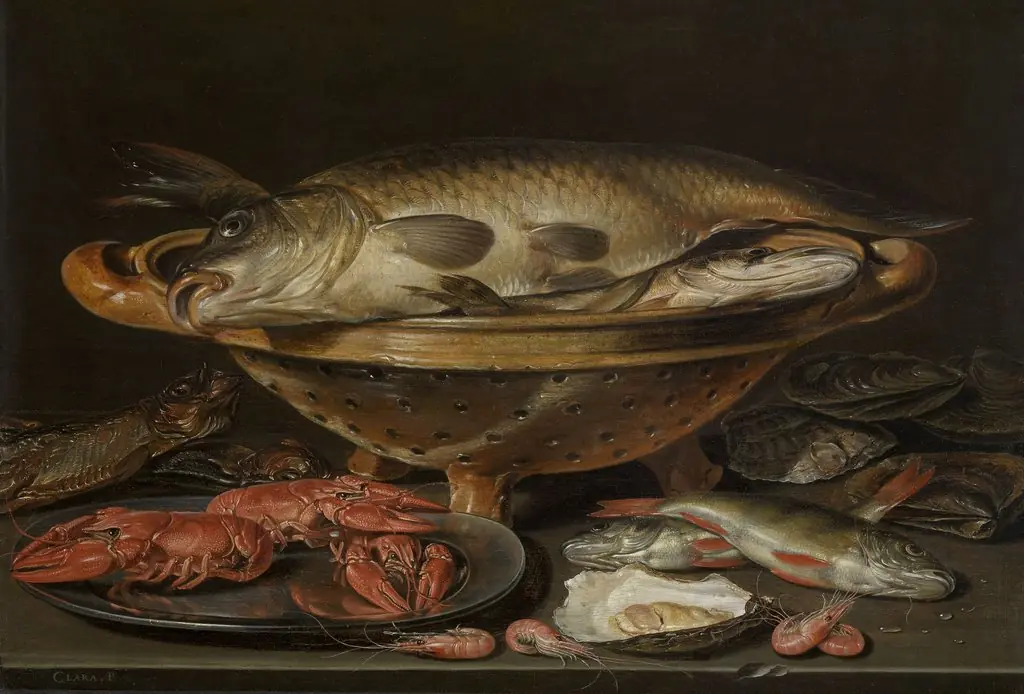 Still Life with Fish
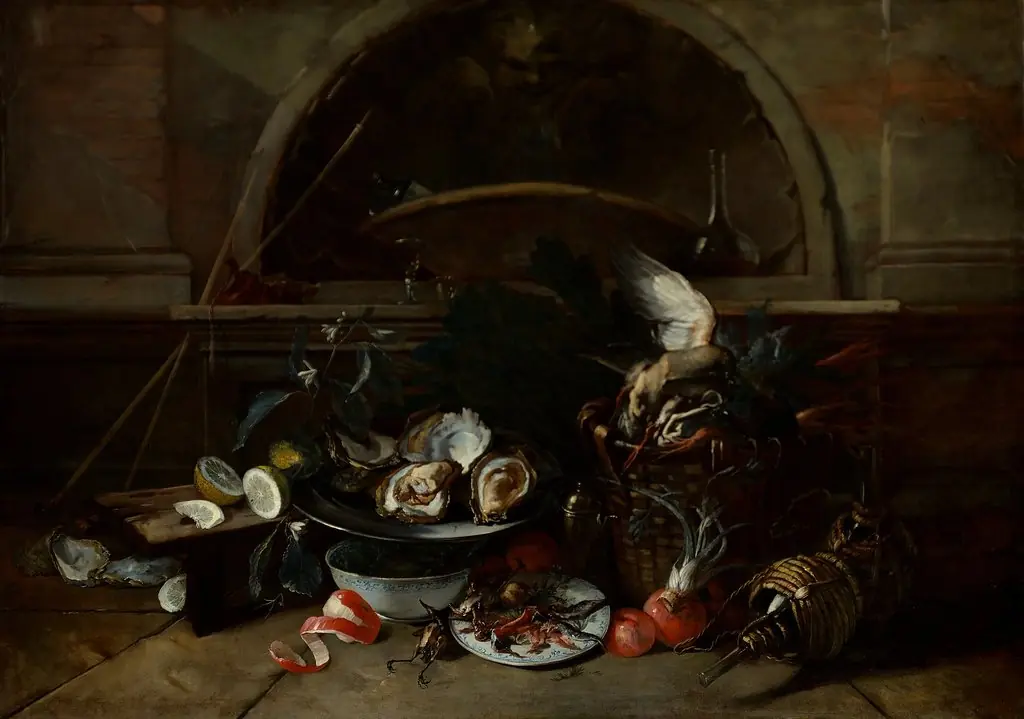 Still Life with Bottles and Oysters
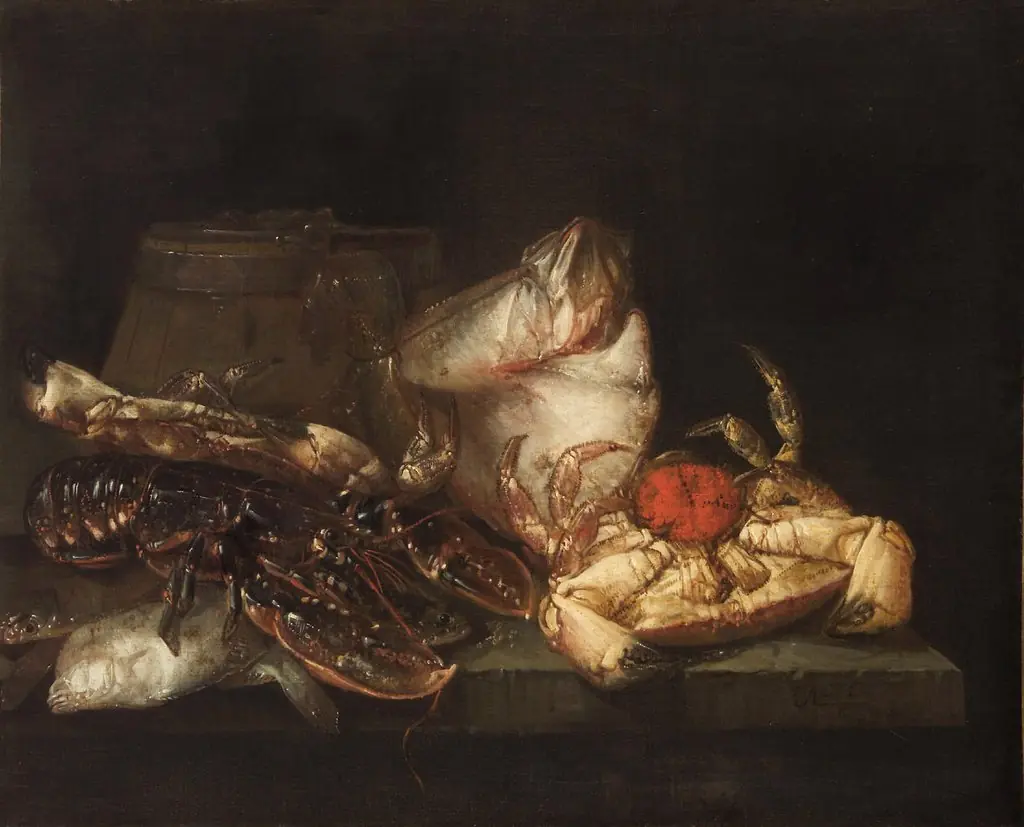 Stilleben mit Fischen und Krebsen
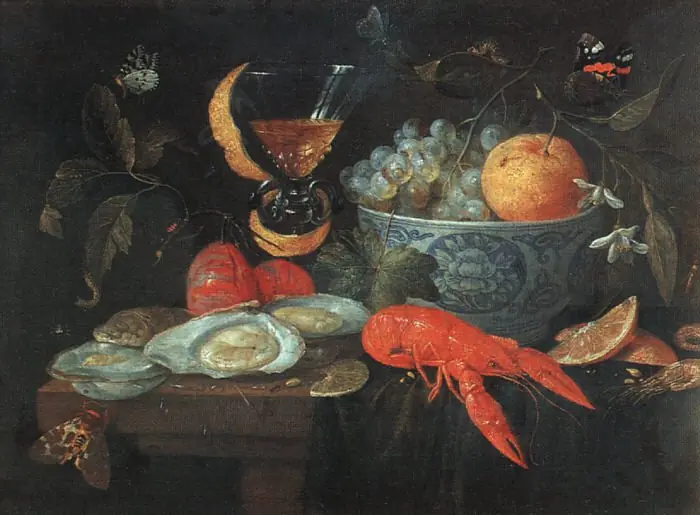 Still-Life with Fruit and Shellfish
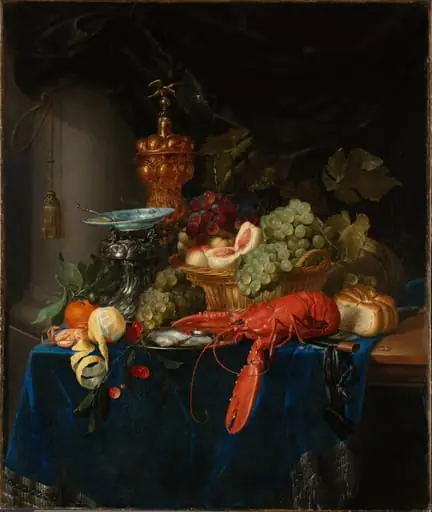 Untitled
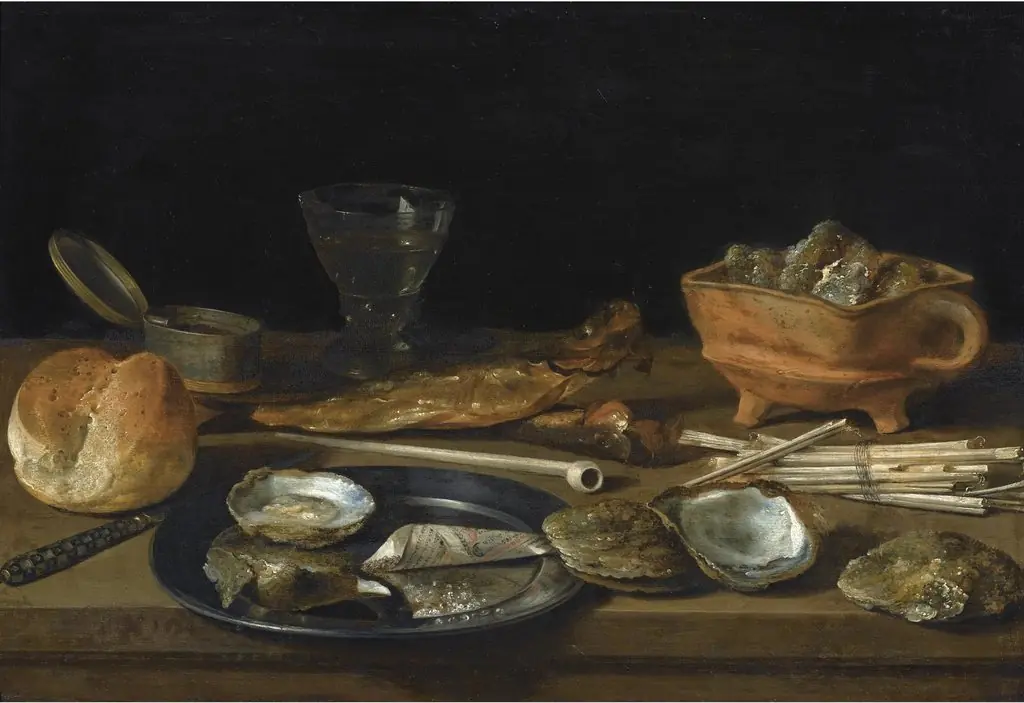 Still life with a brazier, a wine-glass, herring, oysters, bread, smoking paraphenalia, and a pewter plate
 Dishes with Oysters, Fruit, and Wine