Artwork
Untitled
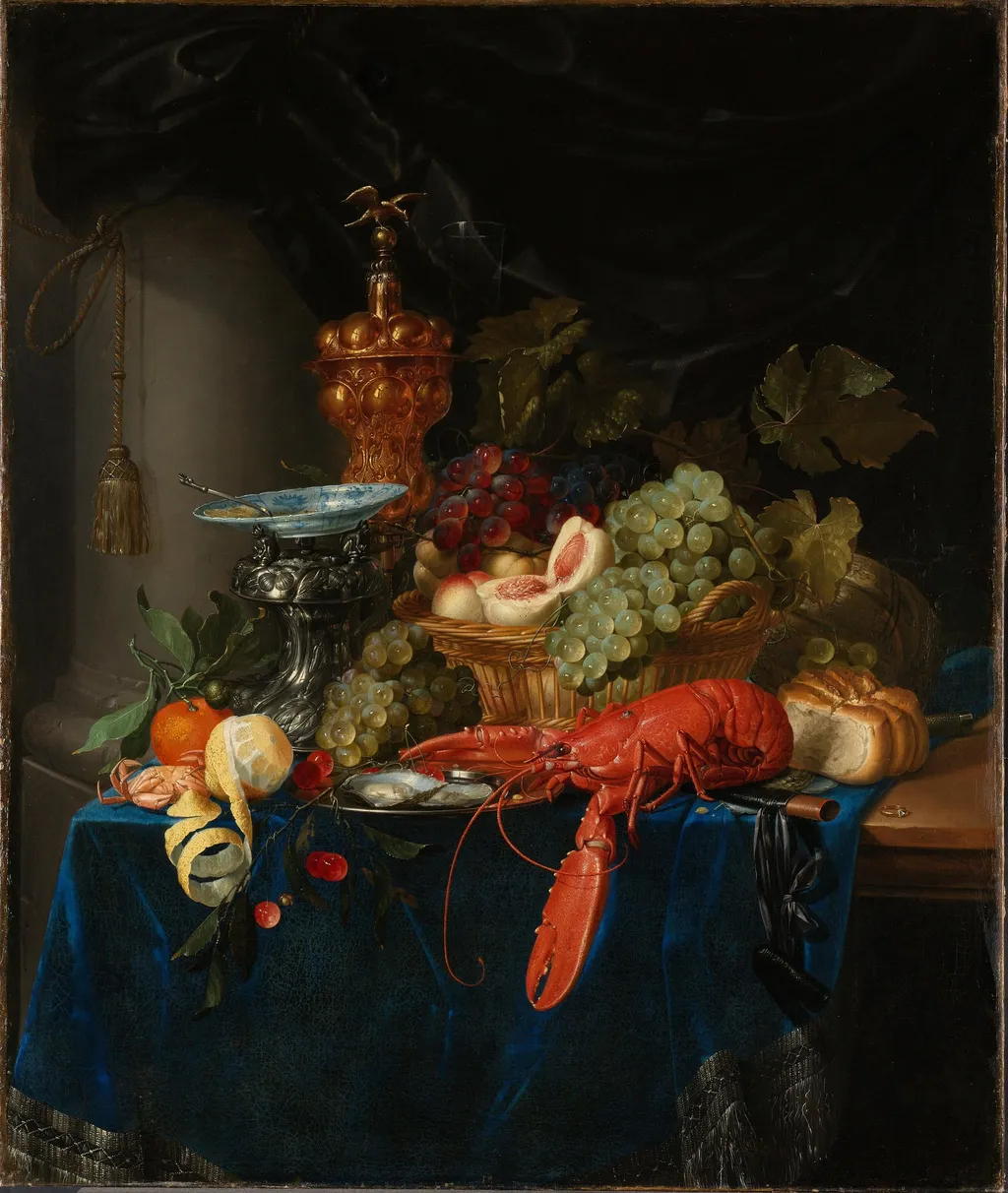
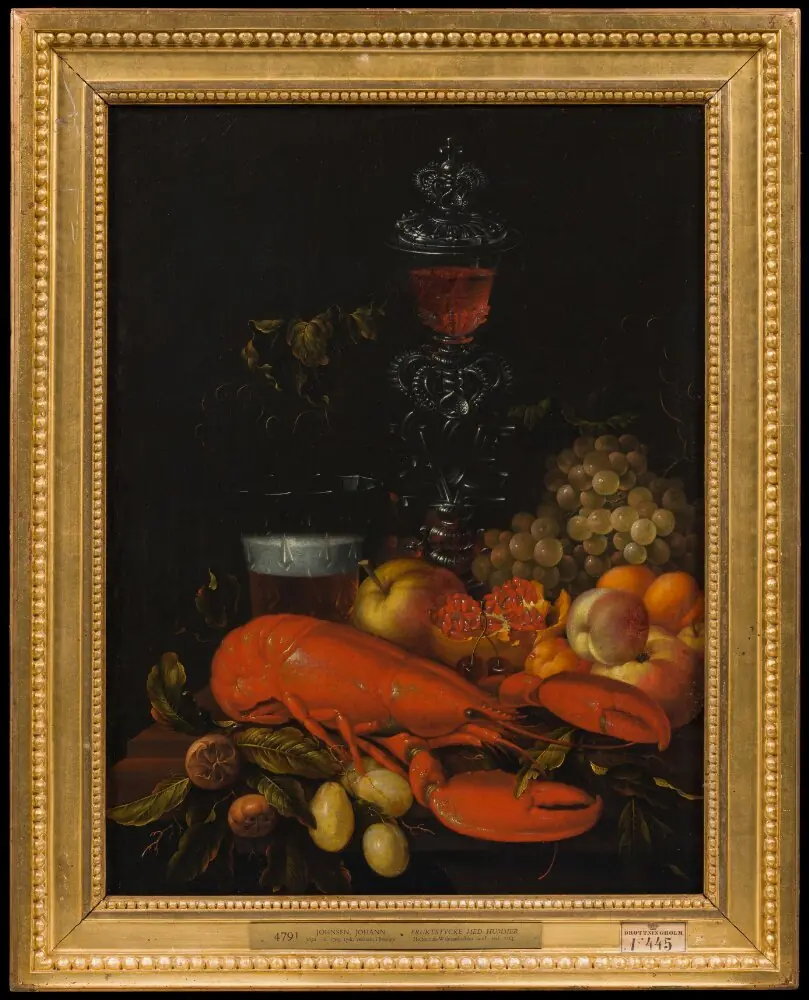
Untitled is an unspecified painting by the Dutch Golden Age artist Pieter de Ring. It dates from 1655 and is held in the collection of the Rijksmuseum. This unsigned painting depicts a modest still life arranged on a dark, flat surface.
About this work
Overview
The work carries the quiet intensity characteristic of Dutch still-life painting in the mid-seventeenth century.
This unsigned painting depicts a modest still life arranged on a dark, flat surface. A golden cup, a halved lemon, and scattered crumpled papers form the composition. The objects are rendered with precise attention to texture and surface detail, suggesting a deliberate focus on material presence rather than symbolic narrative. The work carries the quiet intensity characteristic of Dutch still-life painting in the mid-seventeenth century.
Subject & Meaning
The objects—gold, citrus, paper—carry no overt allegory. The cup, likely silver-gilt, and the lemon’s peeled rind suggest luxury and transience, but without moralizing tone. The crumpled papers imply recent human activity, yet no figures appear. The painting’s meaning lies in its quiet observation: the value of ordinary things rendered with care, not as symbols, but as tangible presences.
Technique & Style
Brushwork is meticulous, emphasizing reflective surfaces and subtle imperfections: dents in the cup, the translucent flesh of the lemon, the fragile creases in paper. Light falls diagonally, catching the cup’s engraved patterns and the lemon’s oily peel. The dark background isolates the objects, heightening their physicality. The handling suggests an artist deeply attuned to optical detail and material tactility.
History & Provenance
The painting’s authorship remains unconfirmed, though stylistic similarities link it to Pieter de Ring and other Haarlem still-life painters of the 1640s–50s. No early records document its ownership before the twentieth century. It entered a public collection in the mid-1900s, where it has since been studied as an example of Dutch realism without overt narrative.
Context
Created during the Dutch Golden Age, the work reflects a cultural fascination with material culture and domestic quietude. Unlike religious or historical scenes, such still lifes celebrated the aesthetic potential of everyday objects. Similar compositions appear in works by de Ring, Claesz, and Heda, all emphasizing light, texture, and the dignity of the mundane.
Legacy
The painting contributes to a broader tradition of Dutch still life that prioritized observation over symbolism. Its unassuming subject matter and refined technique influenced later generations of realist painters. Today, it is studied not for its rarity, but for its quiet demonstration of how ordinary things, rendered with precision, can hold visual authority.
Own this work as a print
Artist & collection

Artist
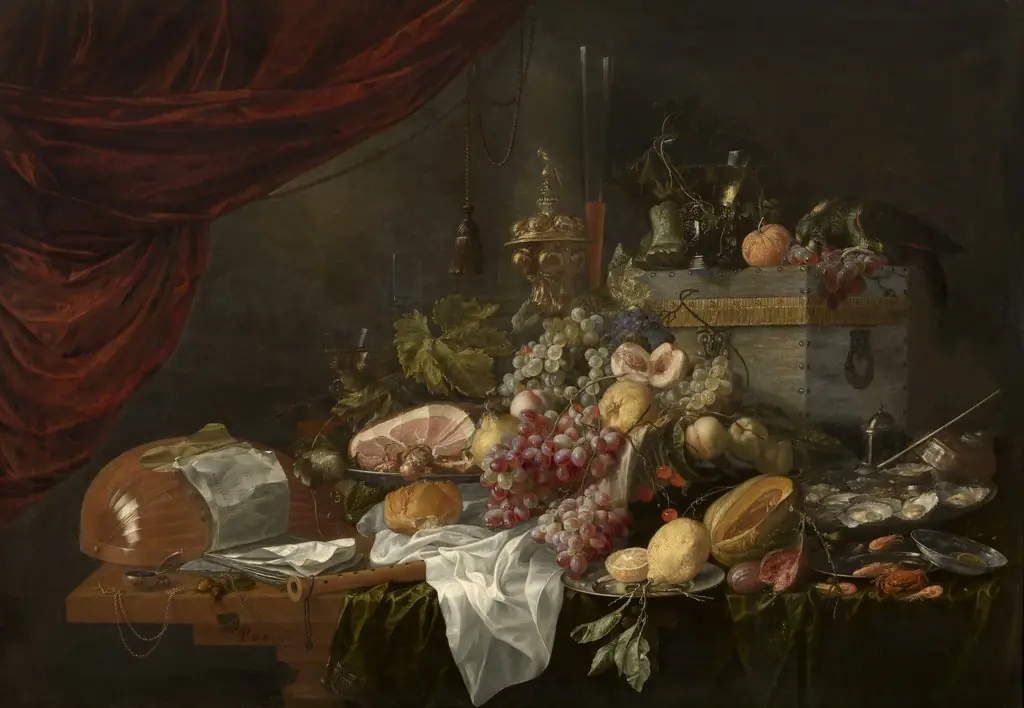
Pieter de Ring, or Ryng (1615/1620 – 22 September 1660) was a Dutch Golden Age painter, famous for his opulent, flashy still lifes or banquet pieces with fruit, a lobster, a goblet, shrimps, oysters, a rug and Chinese porcelain.

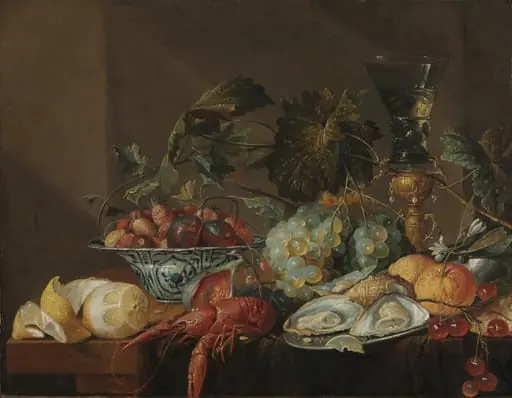 Still-Life with Crayfish, Oysters, and Fruit
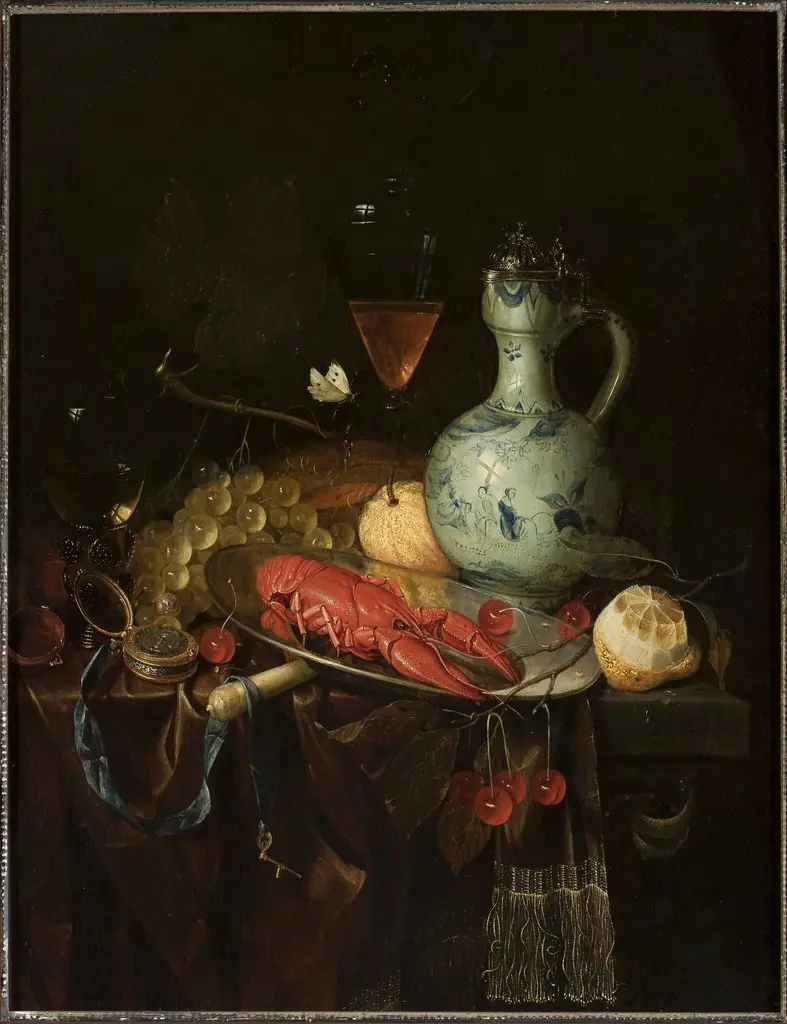 Still life with a watch
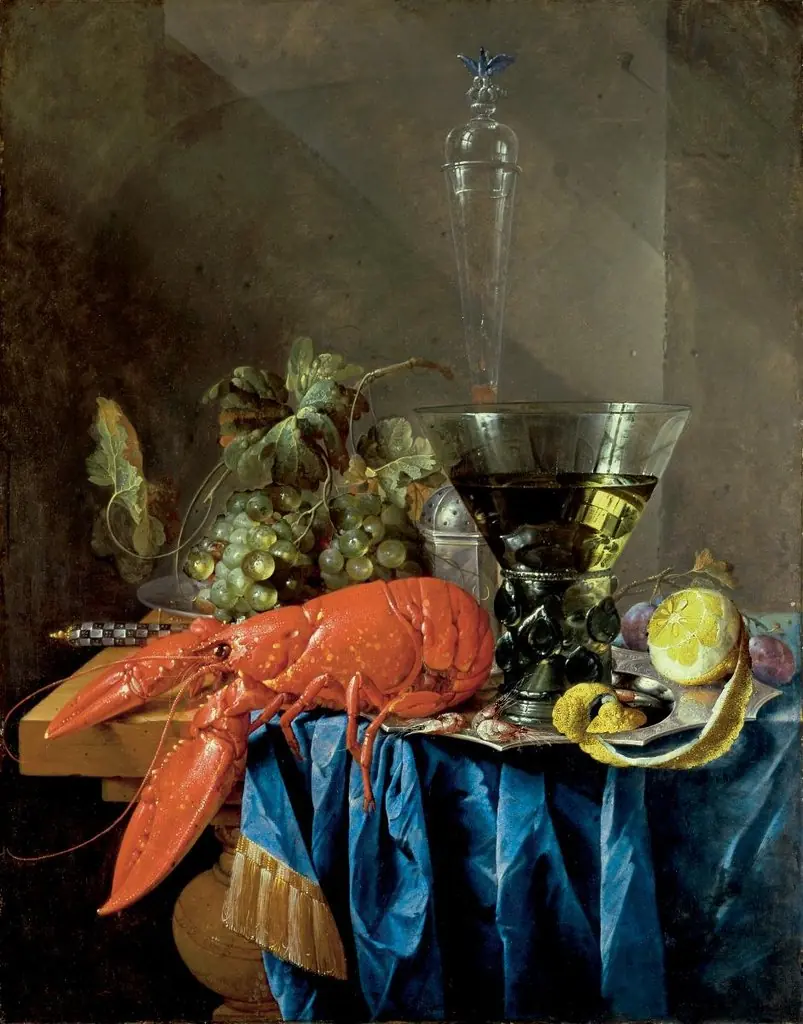 Stillleben mit Hummer
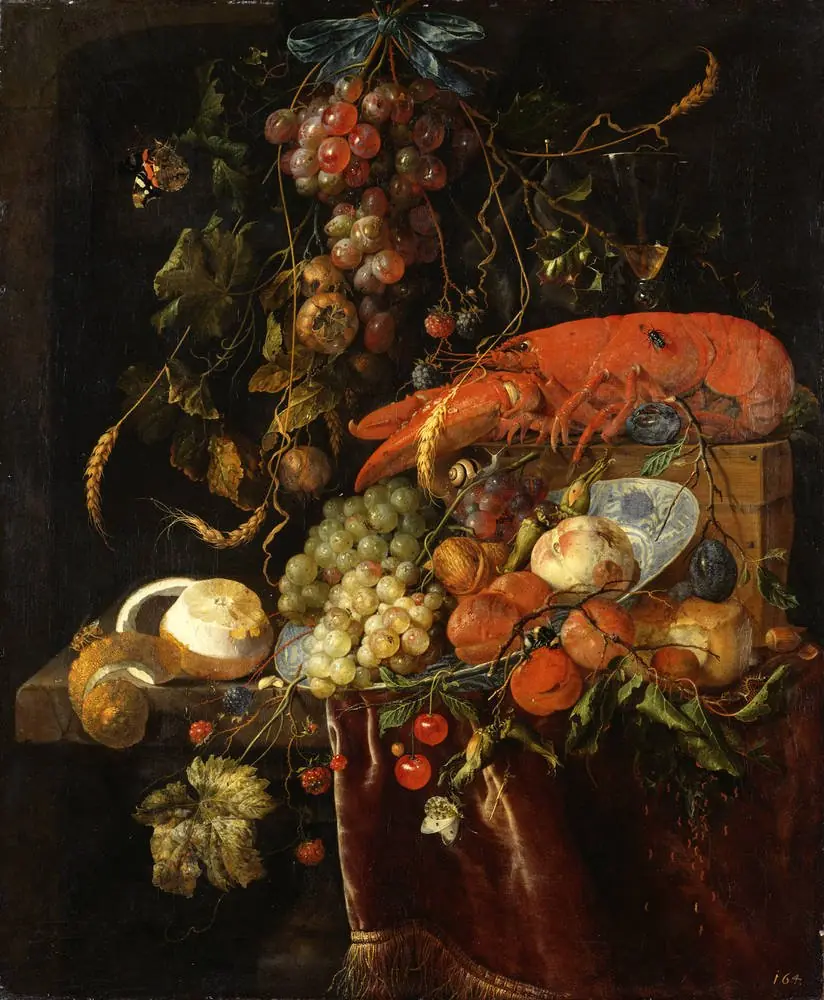 Still Life with a Lobster
 Still Life with Fruit and a Lobster
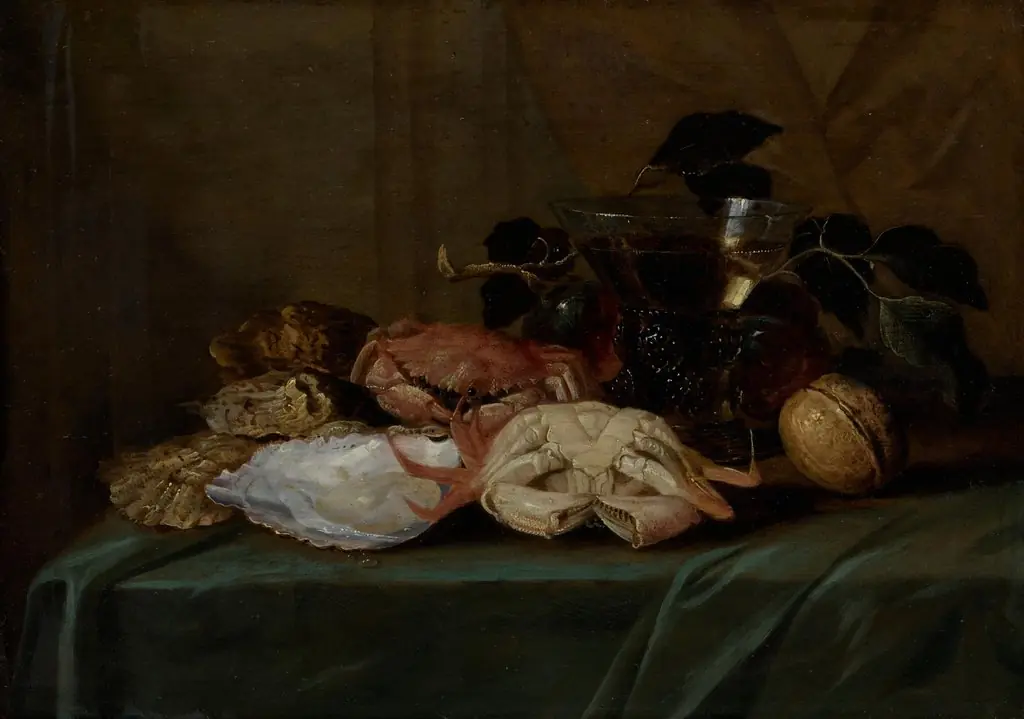 Still Life with Crabs
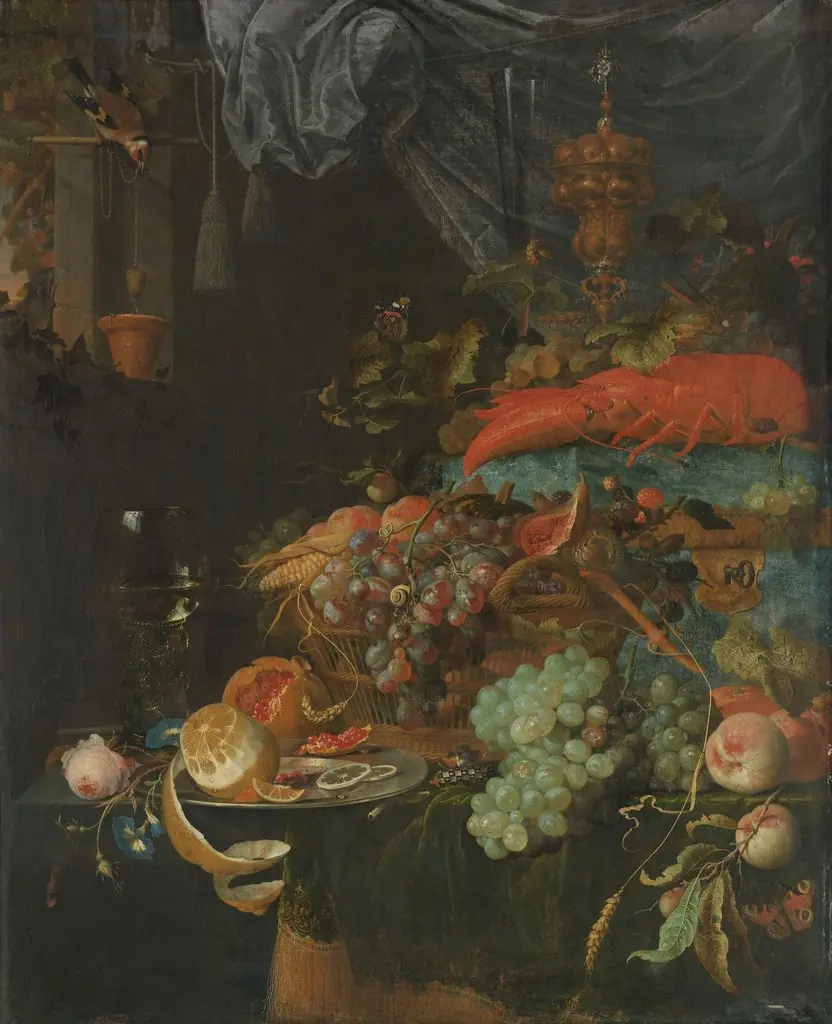 Still life with fruit and a finch drawing water
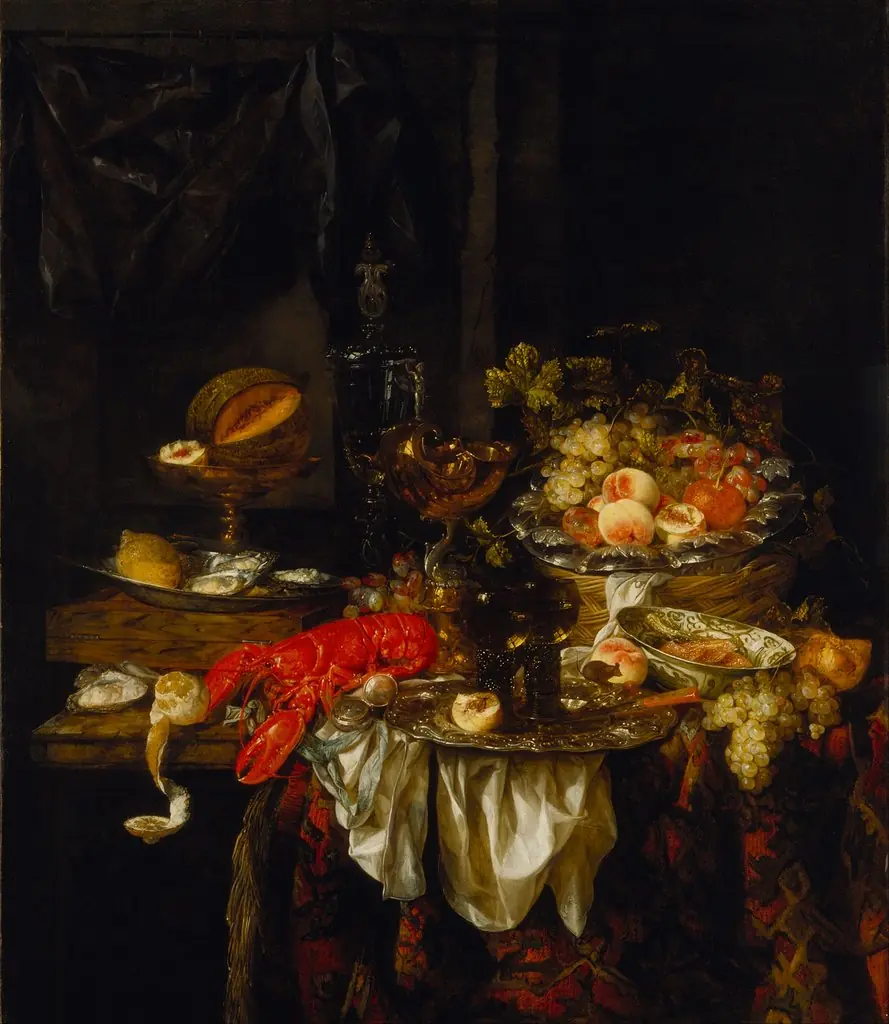 Banquet Still Life
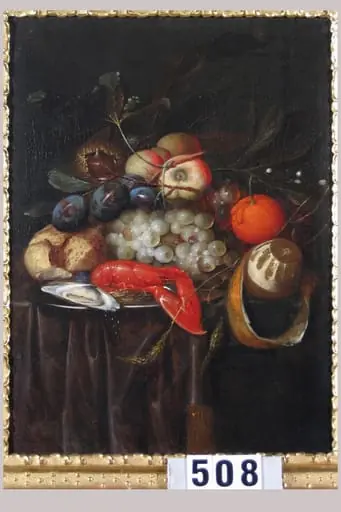 Fructe cu raci și stridii
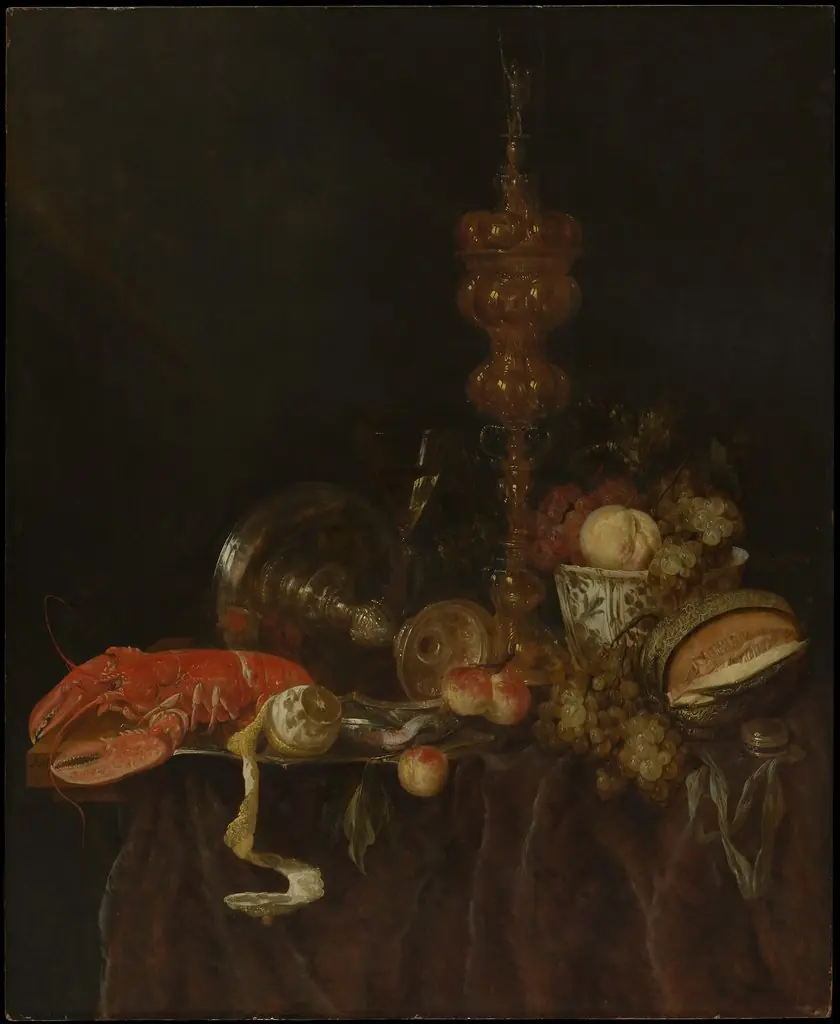 Still Life with Lobster and Fruit
 Still Life with Monogramed Cup