Artwork
Still Life with Oysters
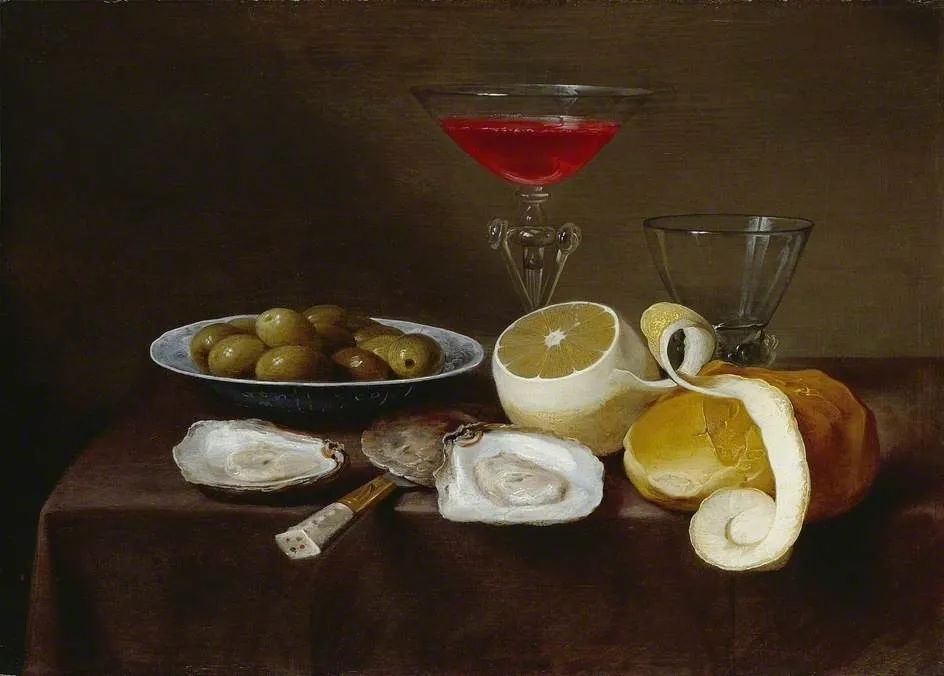
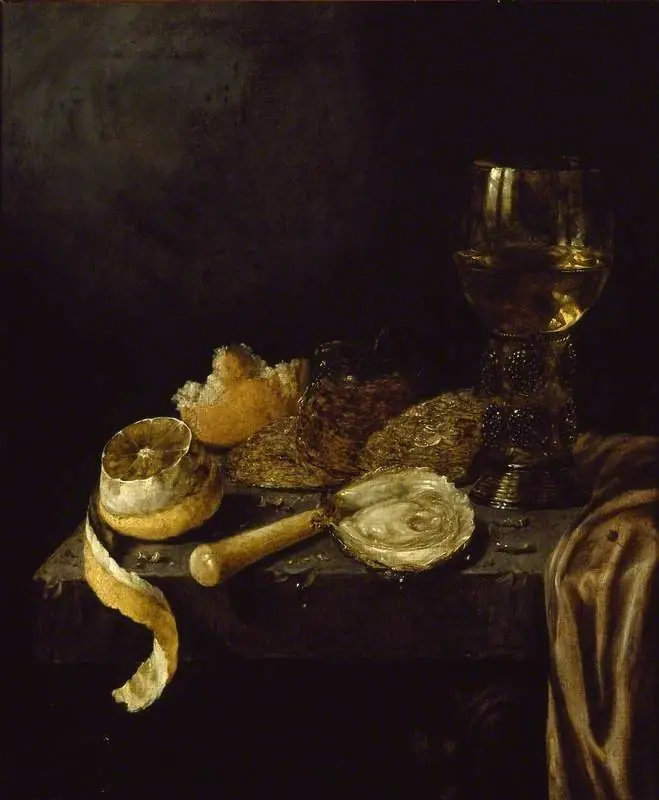
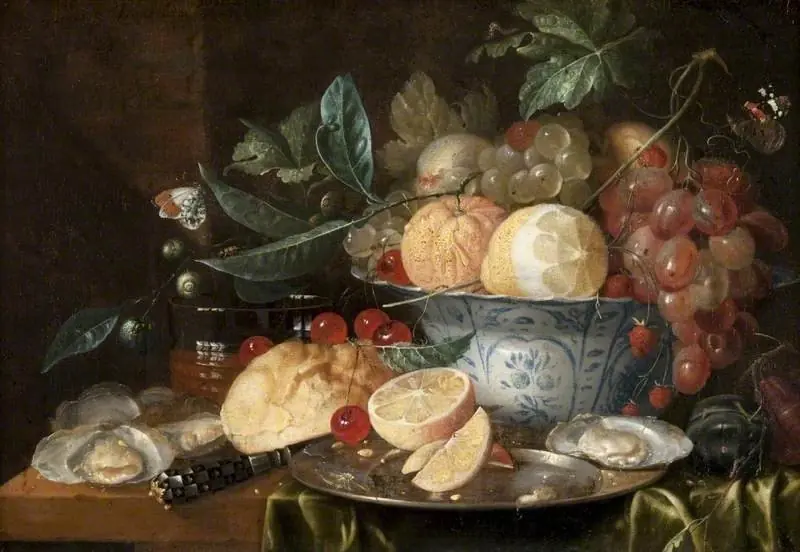
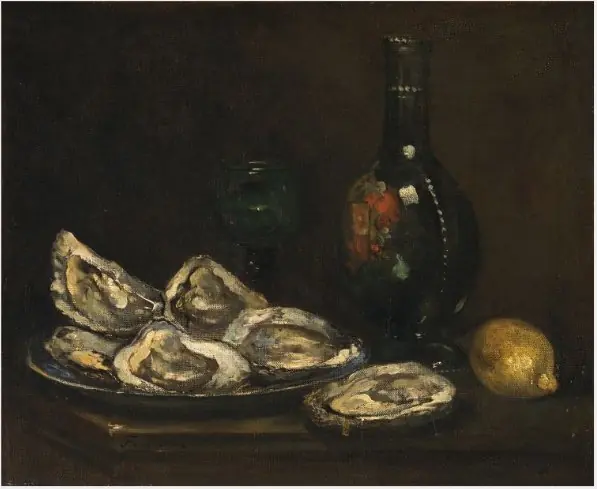
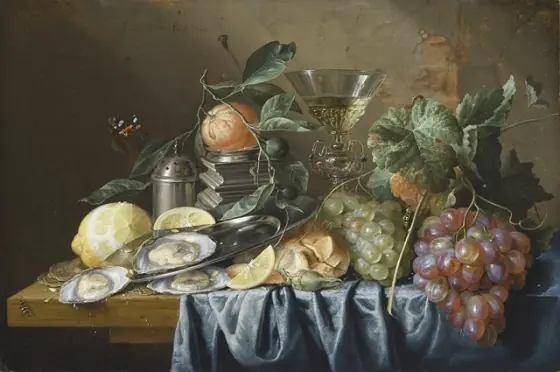
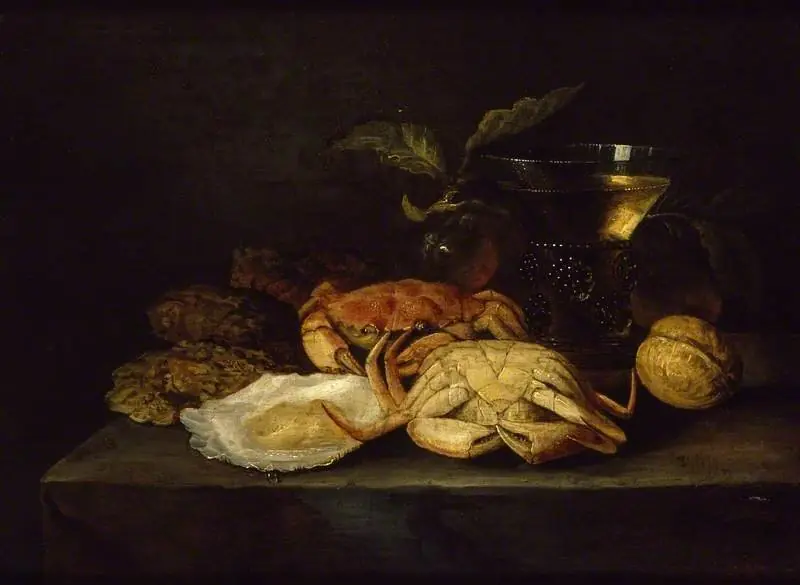
Still Life with Oysters is an oil painting by the Dutch Golden Age artist Jacob van Es. It dates from 1641 and is held in the collection of the Ashmolean Museum.
About this work
Overview
Jacob van Es, a Flemish painter active in Antwerp during the early 1640s, produced the oil painting *Still Life with Oysters*. The work belongs to the Dutch Golden Age tradition of meticulously arranged still lifes, a genre in which van Es was a pioneering figure among Flemish specialists.
Subject & Meaning
The composition presents a dark‑brown tablecloth supporting a modest banquet: a plate of green olives, a halved lemon, a peeled orange, a bowl of oysters, and two glasses, one containing a red liquid. A small knife with an ornamental handle lies nearby, suggesting the preparation of a simple, domestic meal and inviting contemplation of everyday abundance.
Technique & Style
Van Es employs a restrained chiaroscuro, using strong contrasts of light and shadow to model the surfaces of fruit, shells, and glass. The oil medium allows fine rendering of textures—the glossy skin of the orange, the pearly sheen of the oysters, and the reflective quality of the glasses—creating a convincing spatial depth.
History & Provenance
Created around 1641, the painting entered the collection of the Ashmolean Museum, where it remains on display. Its acquisition reflects the museum’s broader interest in Flemish Baroque still lifes and the development of the genre in the early modern period.
Artist & collection
Artist
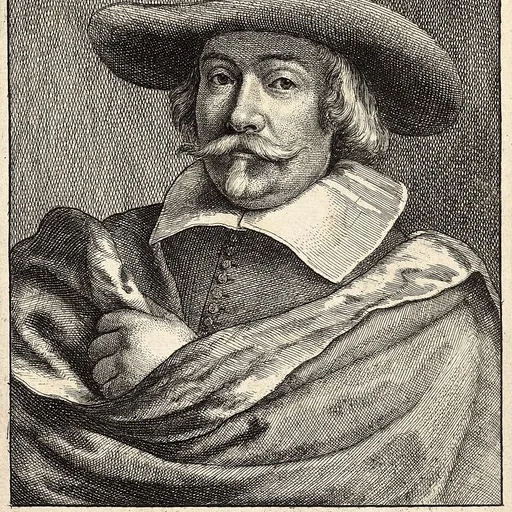
Jacob Foppens van Es, Jacob Fopsen van Es or Jacob van Es (c. 1596 Antwerp – 1666 Antwerp) was a Flemish Baroque painter known for his still lifes mainly of food and occasionally flower paintings. He collaborated with…