Artwork
Still Life with Lemons, Oranges and a Pomegranate
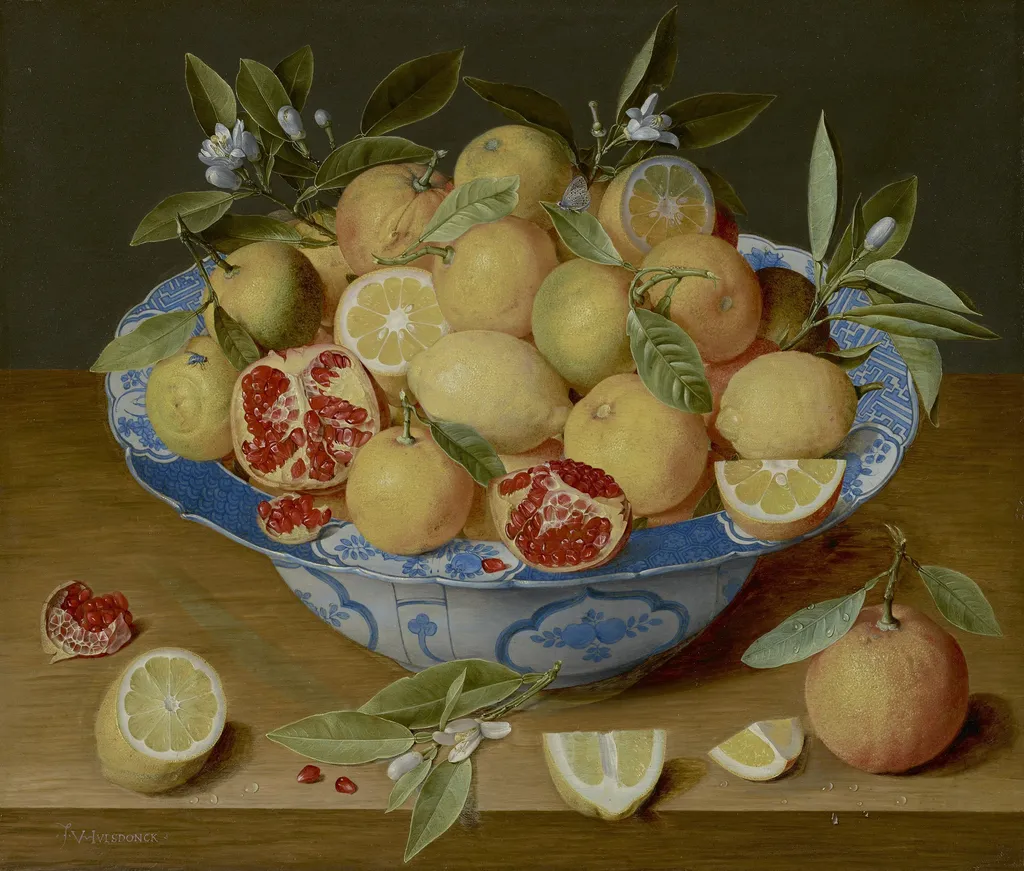
Still Life with Lemons, Oranges and a Pomegranate is an oil painting by the Dutch Golden Age artist Jacob van Hulsdonck. It dates from 1630 and is held in the collection of the J. Paul Getty Museum.
About this work
Overview
The work presents a carefully composed arrangement of citrus fruits and a pomegranate, rendered with attention to surface detail and spatial depth.
Jacob van Hulsdonck, a Flemish artist active in Antwerp in the early 1600s, produced this oil painting around 1630 as part of a growing tradition of still-life art. The work presents a carefully composed arrangement of citrus fruits and a pomegranate, rendered with attention to surface detail and spatial depth. It reflects the period’s fascination with ordinary objects elevated through precise observation and controlled lighting.
Subject & Meaning
The painting features lemons, oranges, and a pomegranate, some sliced to reveal their interior flesh. These fruits, chosen for their vivid hues and symbolic associations, may allude to themes of abundance, transience, or divine bounty. The inclusion of cut fruit suggests both physical ripeness and the passage of time, common motifs in Northern European still lifes of the era.
Technique & Style
Van Hulsdonck employed oil paint to capture the glossy sheen of citrus rinds, the rough texture of pomegranate skin, and the delicate translucence of pulp. The blue-and-white ceramic bowl anchors the composition, contrasting with the warm tones of the fruit. Subtle shifts in light model each object, enhancing realism without theatricality, characteristic of his restrained, observational approach.
History & Provenance
Created during the height of the Dutch Golden Age, the painting entered the collection of the J. Paul Getty Museum, where it remains today. While specific ownership records before the 20th century are limited, its style aligns with Antwerp still-life traditions of the 1620s–1630s, suggesting it was likely produced for a private, affluent patron interested in naturalistic detail.
Context
Van Hulsdonck worked alongside other Flemish painters who helped define still life as an independent genre, separate from religious or historical subjects. His focus on everyday fruits reflects broader cultural interests in botany, trade, and the material world. The presence of imported citrus underscores Antwerp’s role in global commerce during the early 17th century.
Legacy
Though not widely known today, van Hulsdonck’s work contributed to the formal language of still-life painting in the Low Countries. His balanced compositions and emphasis on tactile realism influenced later artists who explored similar themes. This painting endures as a quiet example of how ordinary objects could be rendered with dignity and precision.
Own this work as a print
Artist & collection
Artist
Jacob van Hulsdonck or Jan van Hulsdonck (1582, Antwerp – 1647, Antwerp), was a Flemish painter who played a role in the early development of the genre of still lifes of fruit, banquets and flowers.

 A Dessert
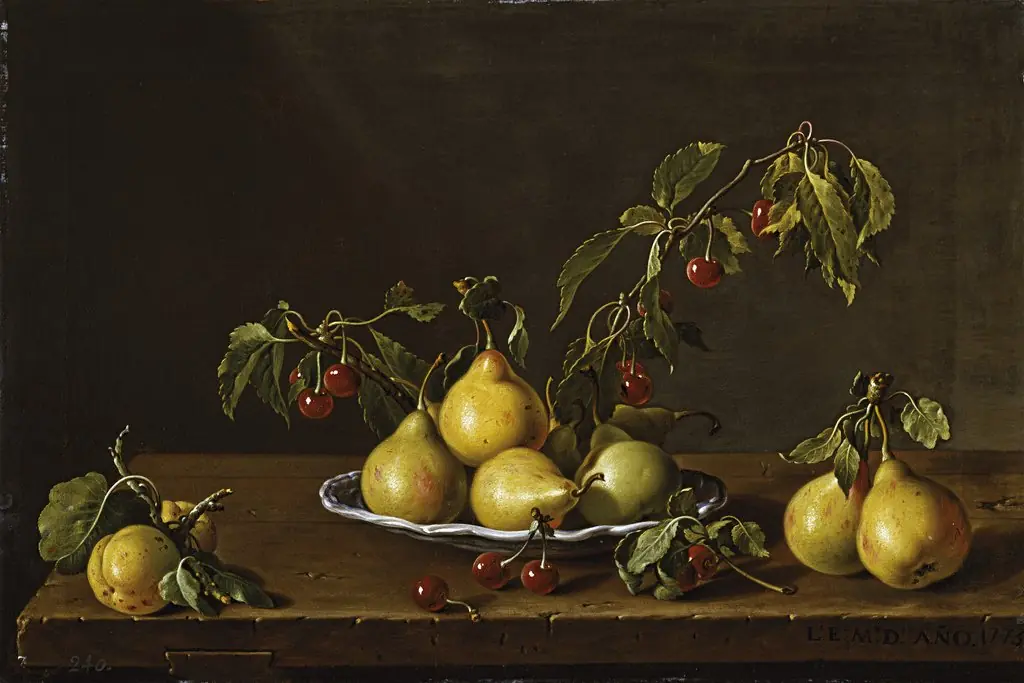 Still Life with Plate of Pears and Morello Cherries
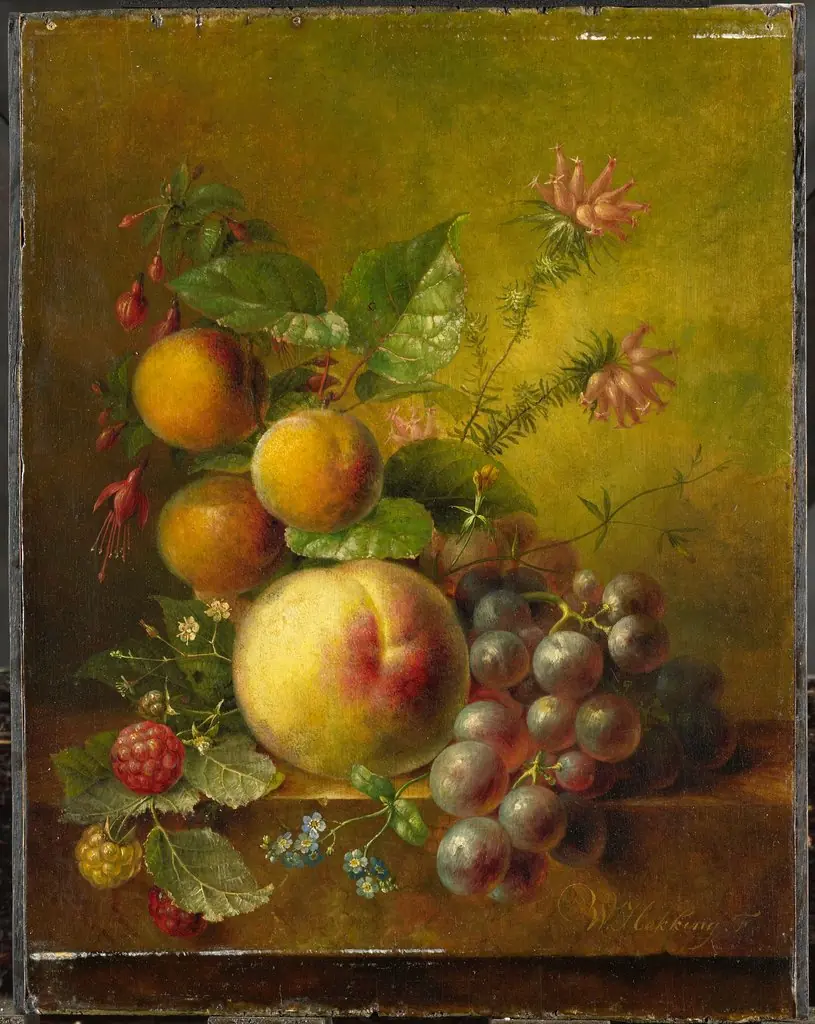 Still Life with Fruit
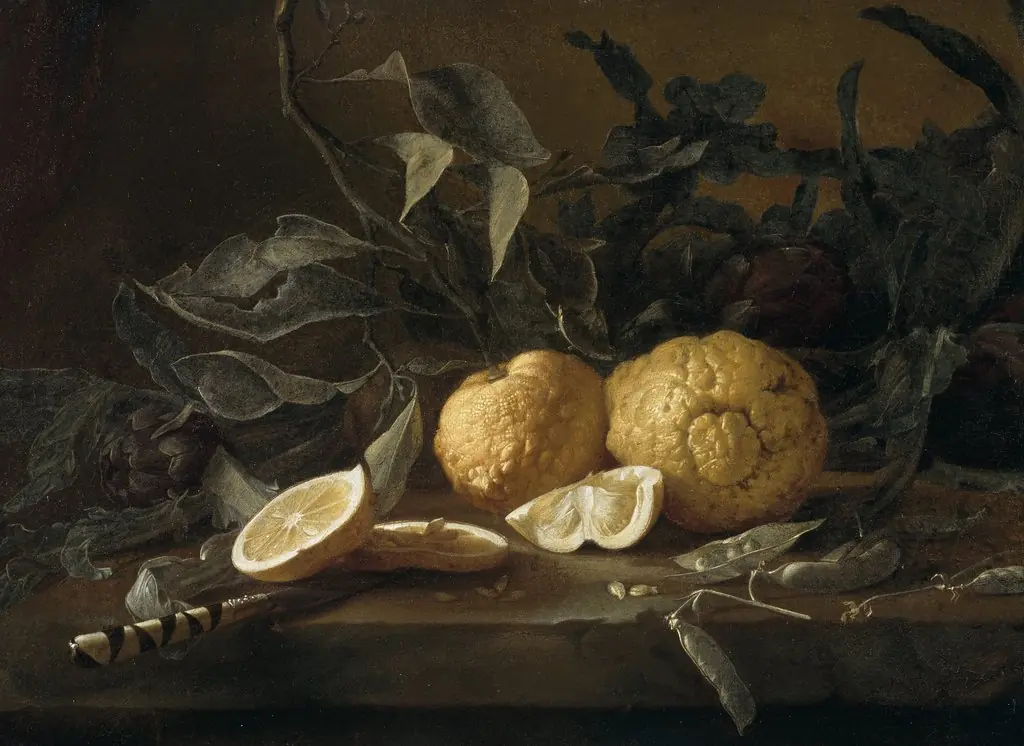 A Still Life with Citrons, a Knife and Peapods on a Stone Ledge
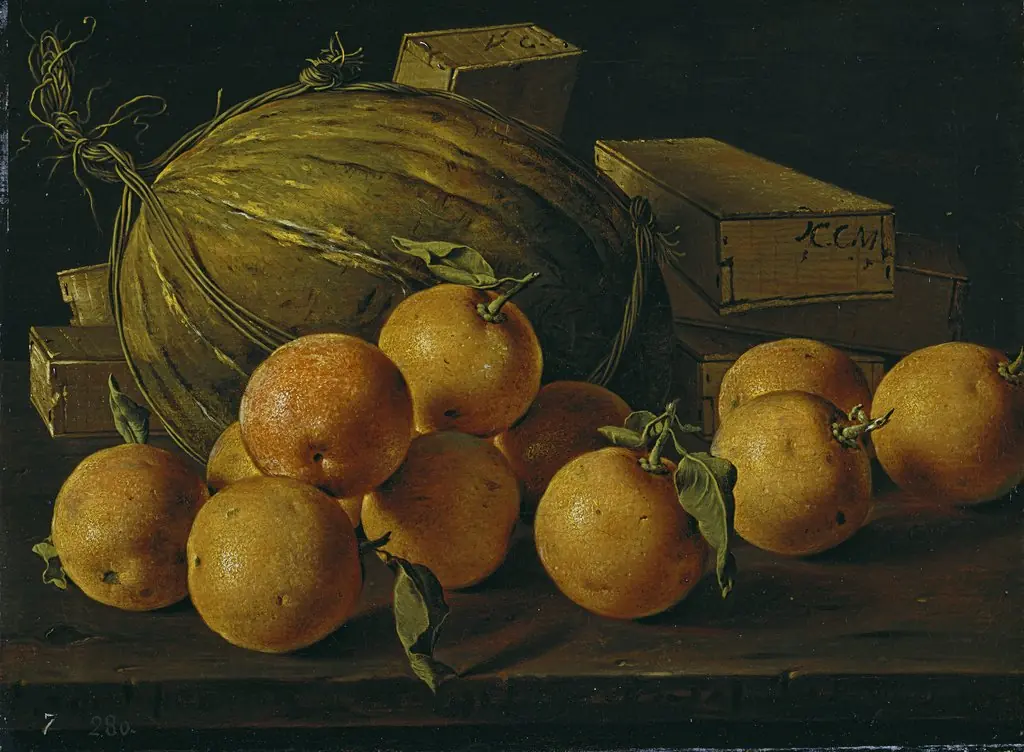 Still Life with Oranges Melon and Boxes of Sweets
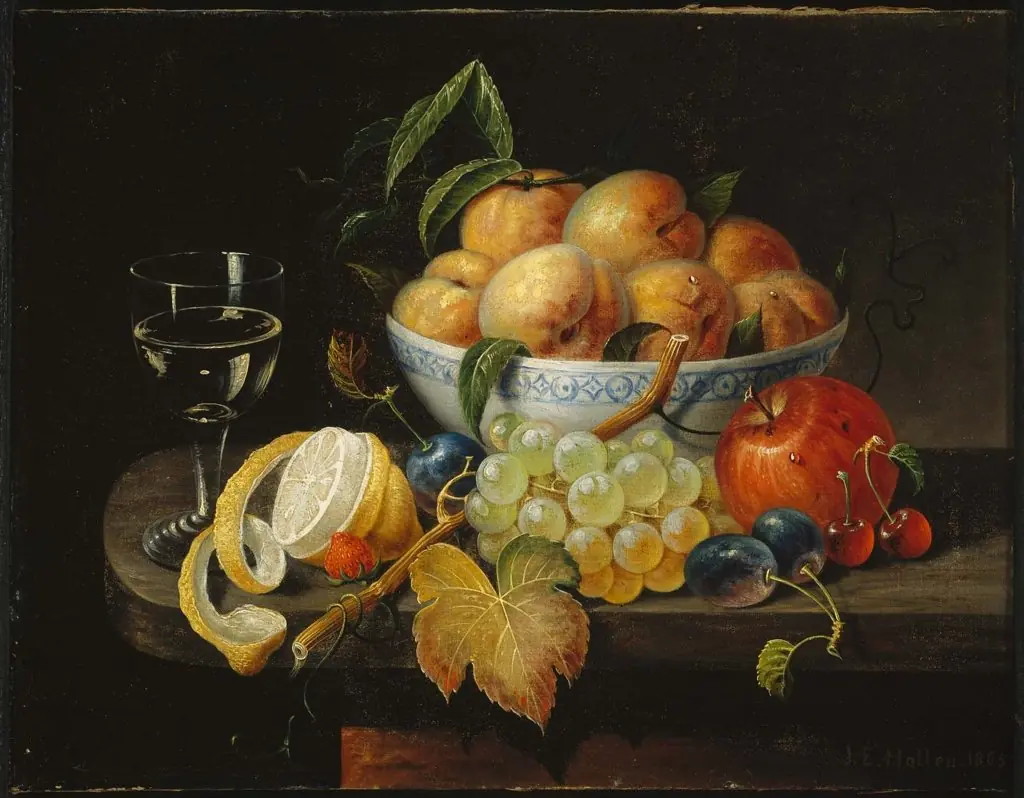 Still Life: Bowl with Fruit and Wine Glass
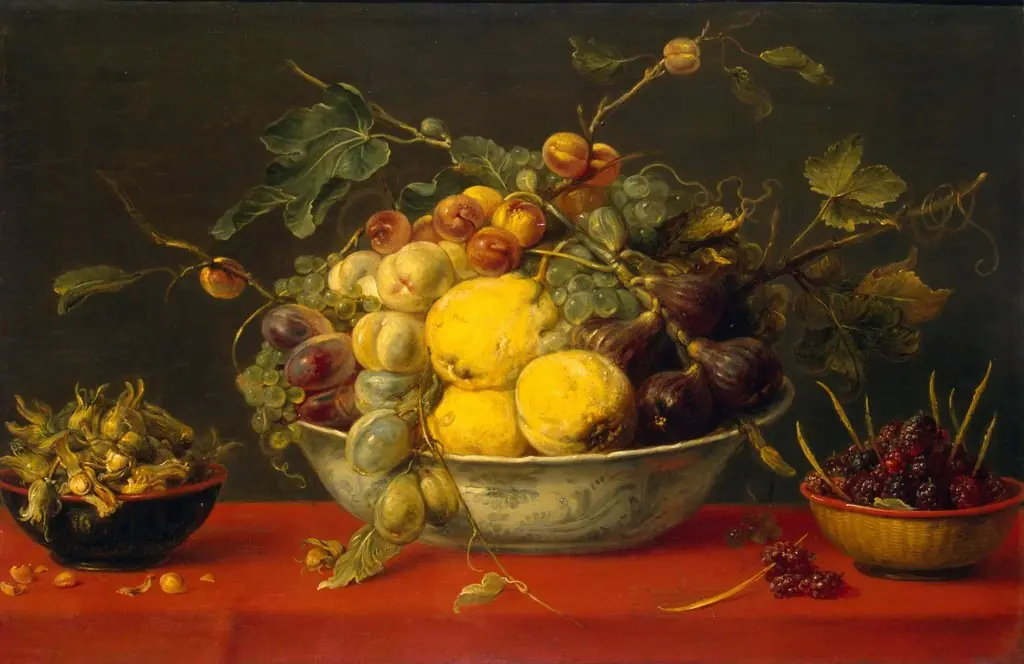 Fruit in a Bowl on a Red Cloth
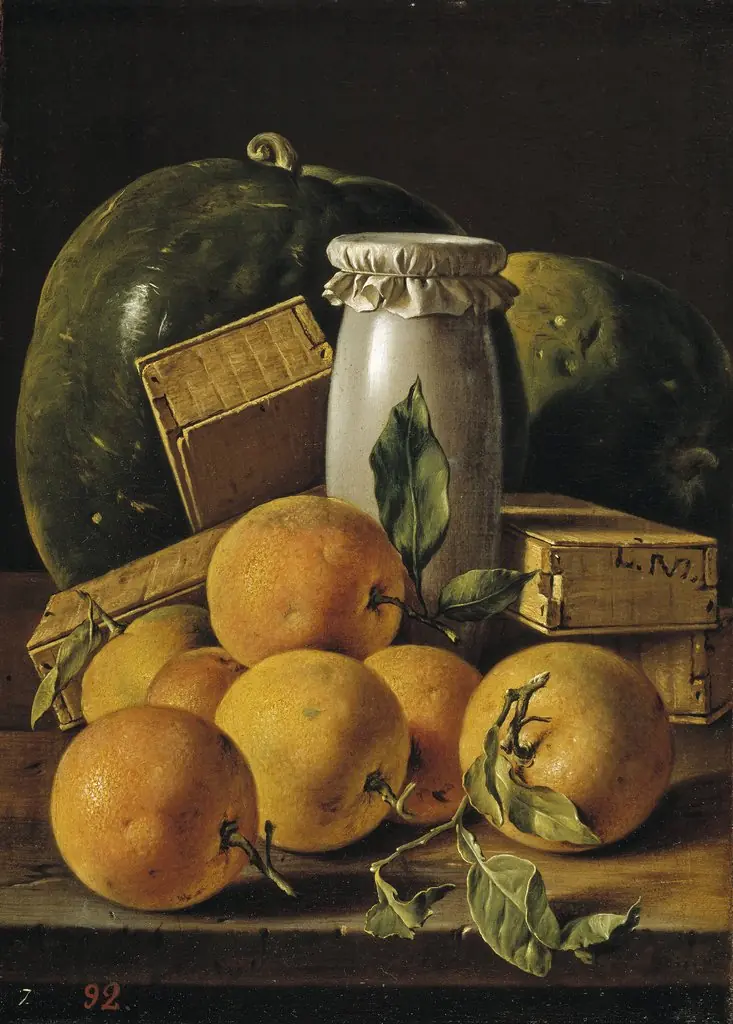 Still Life with Oranges Honey-Jar Boxes of Sweetmeats and Watermelons