Artwork
A Still Life with Citrons, a Knife and Peapods on a Stone Ledge
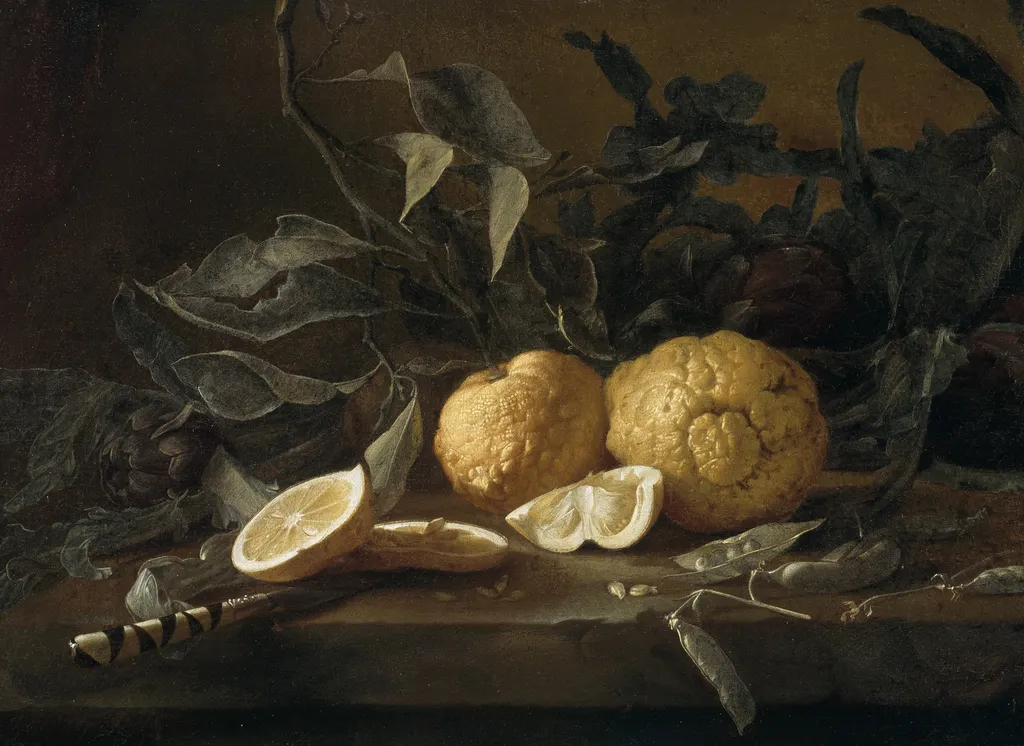
A Still Life with Citrons, a Knife and Peapods on a Stone Ledge is an oil painting by Juan Fernández el Labrador. It dates from 1637 and is held in the collection of the National Gallery of Ireland.
About this work
Overview
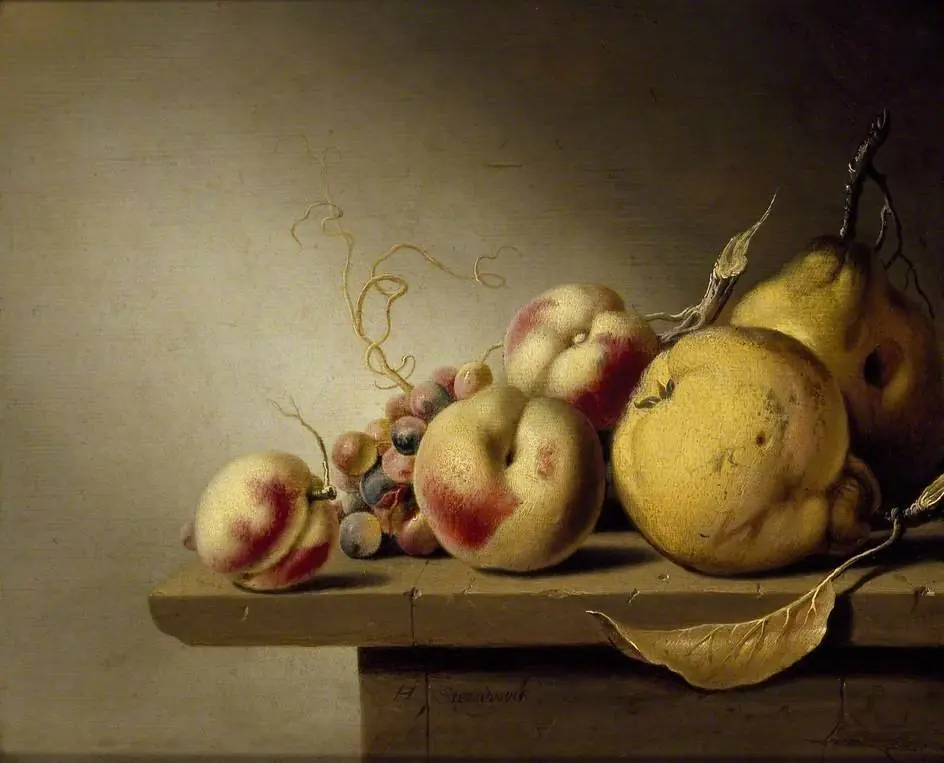
Painted around 1637 by Juan Fernández el Labrador, this oil-on-canvas work is a quiet example of Spanish Baroque still life. It presents a modest arrangement of citrus fruit, peapods, and a knife resting on a rough stone surface. The composition avoids theatricality, focusing instead on the quiet presence of everyday objects, rendered with close observation and restrained tonality.
Subject & Meaning
The painting includes two citrons, a knife with a striped handle, and several peapods, all arranged with deliberate simplicity. These items carry no overt symbolic meaning; their value lies in their ordinary nature. The choice of humble, seasonal produce reflects a tradition in Spanish still life that honors the material world without embellishment or allegory.
Technique & Style
Fernández employed fine brushwork to capture the waxy sheen of citrus rinds, the velvety texture of peapods, and the cool hardness of stone. Colors are subdued—dominated by earthy browns and muted greens—with the lemons serving as the only vivid accents. The lighting is soft and even, enhancing the tactile realism without dramatic contrast.
History & Provenance
The painting has been part of the National Gallery of Ireland’s collection since at least the 20th century. Its early history is undocumented, but it aligns with Fernández’s known body of work from his Madrid period. As one of the few Spanish still life specialists of his time, his works were rarely signed, making attribution reliant on stylistic analysis.
Context
In early 17th-century Spain, still life painting emerged as a distinct genre, often linked to religious austerity and the Counter-Reformation’s emphasis on humility. Unlike Dutch still lifes, Spanish examples like this one avoid abundance or luxury, favoring sparse, contemplative arrangements that reflect a cultural preference for restraint and quiet observation.
Legacy
Juan Fernández el Labrador’s work influenced later Spanish still life painters by establishing a model of naturalism grounded in close study of form and surface. Though little known outside Spain during his lifetime, his focus on the dignity of ordinary objects helped define a uniquely Spanish approach to the genre, one that prioritized quiet precision over spectacle.
Own this work as a print
Artist & collection
Artist
Juan Fernández, nicknamed El Labrador, was a Spanish Baroque painter active between 1629 and 1636, specializing in still life painting.

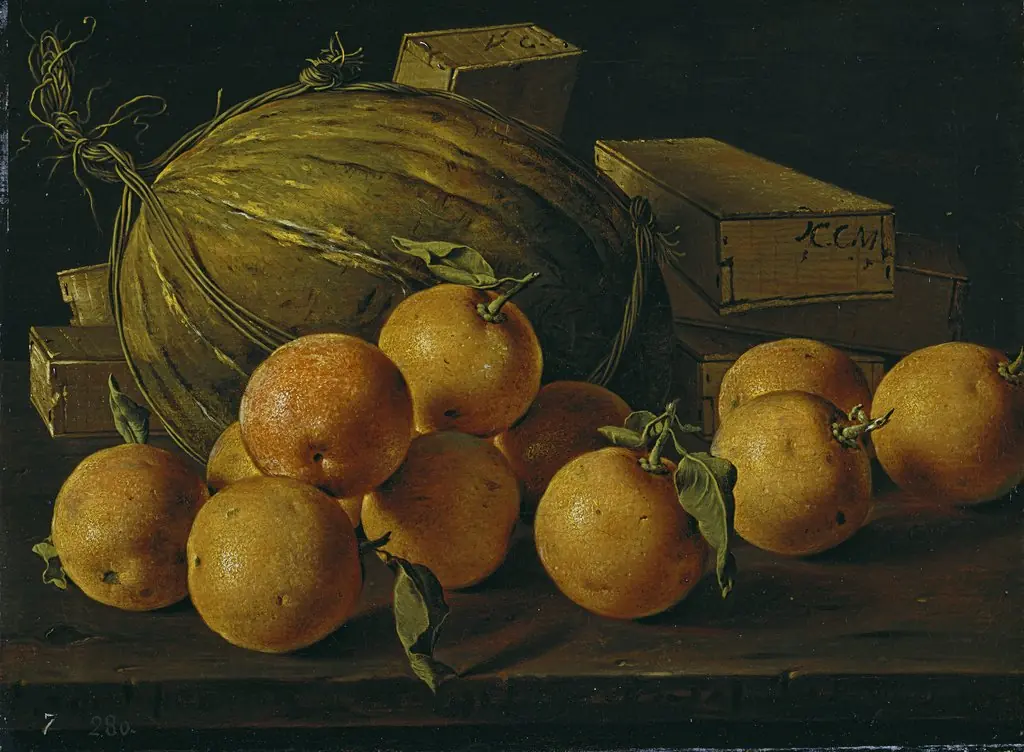 Still Life with Oranges Melon and Boxes of Sweets
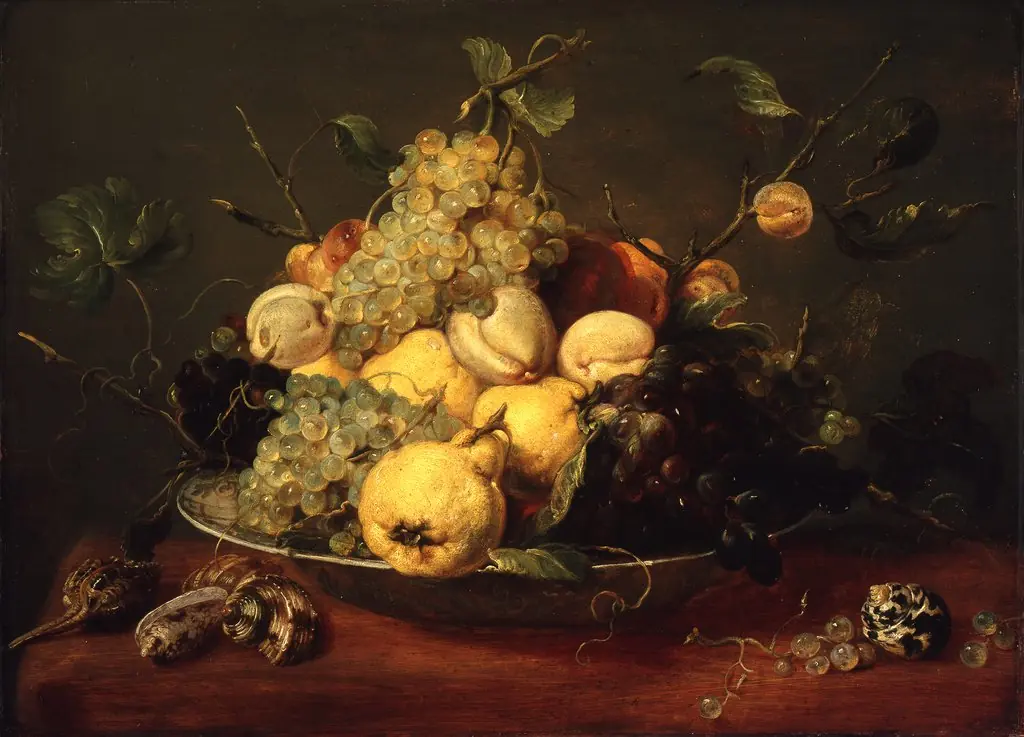 Still life with fruits in a porcelain bowl
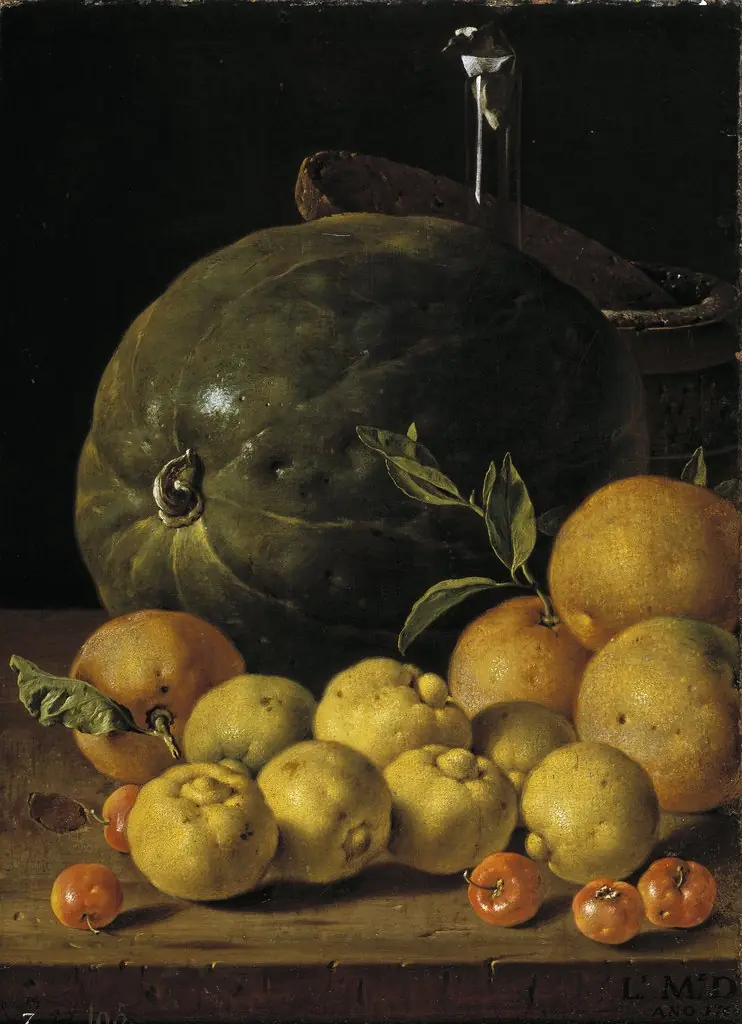 Still Life with Limes Oranges Haw Berries and Watermelon
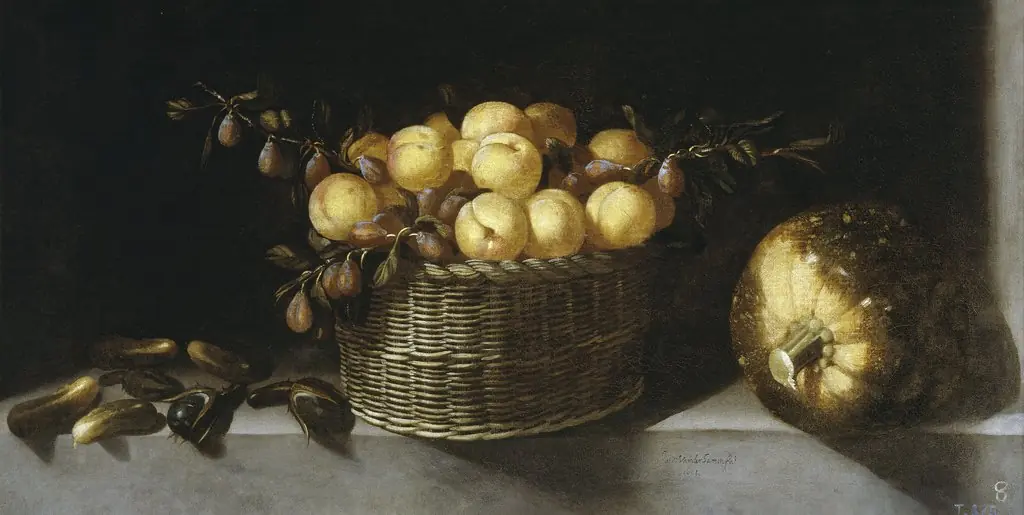 Still Life with Fruit and Vegetables
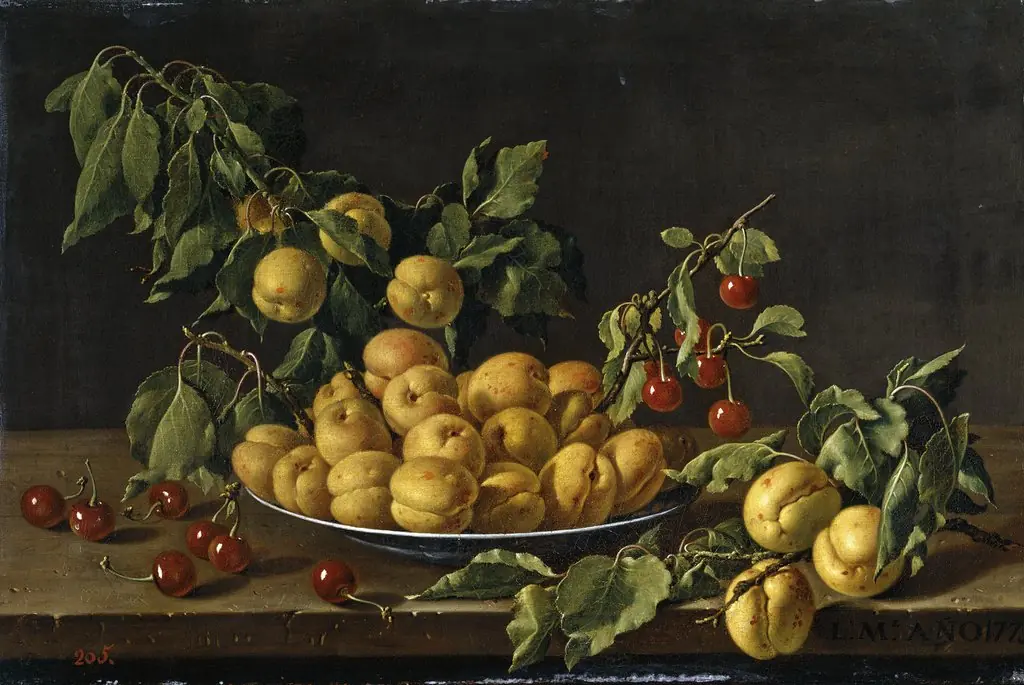 Still Life with Plate of Apricots and Morello Cherries
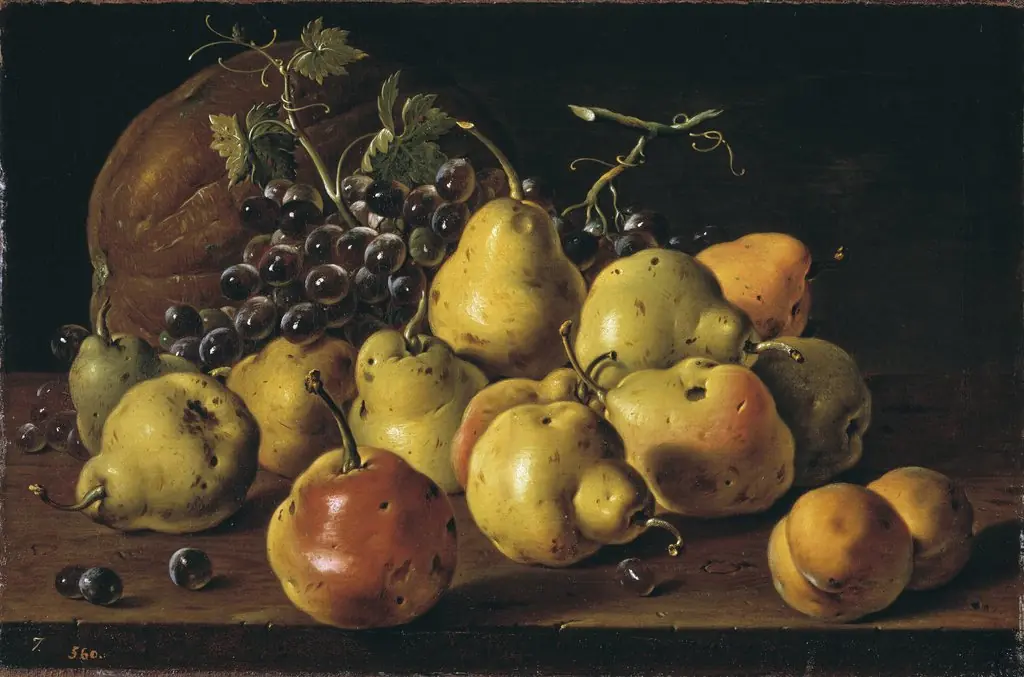 Bodegón con peros y melocotones uvas y melón
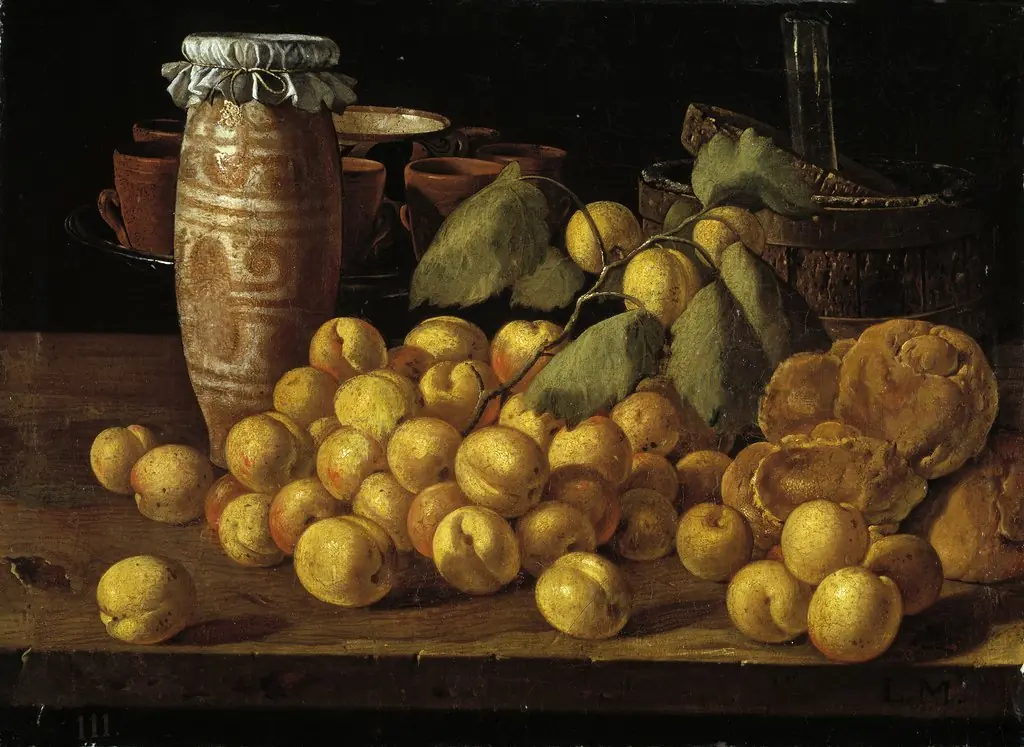 Still Life with Apricots Buns and Vessels
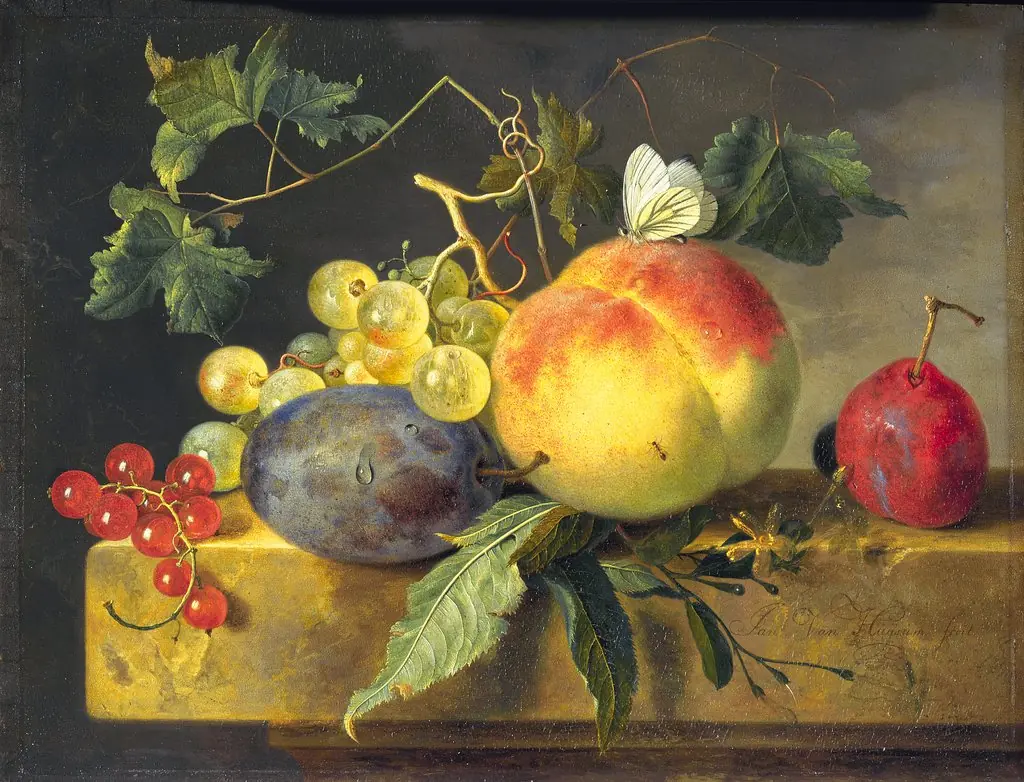 Fruit Still Life
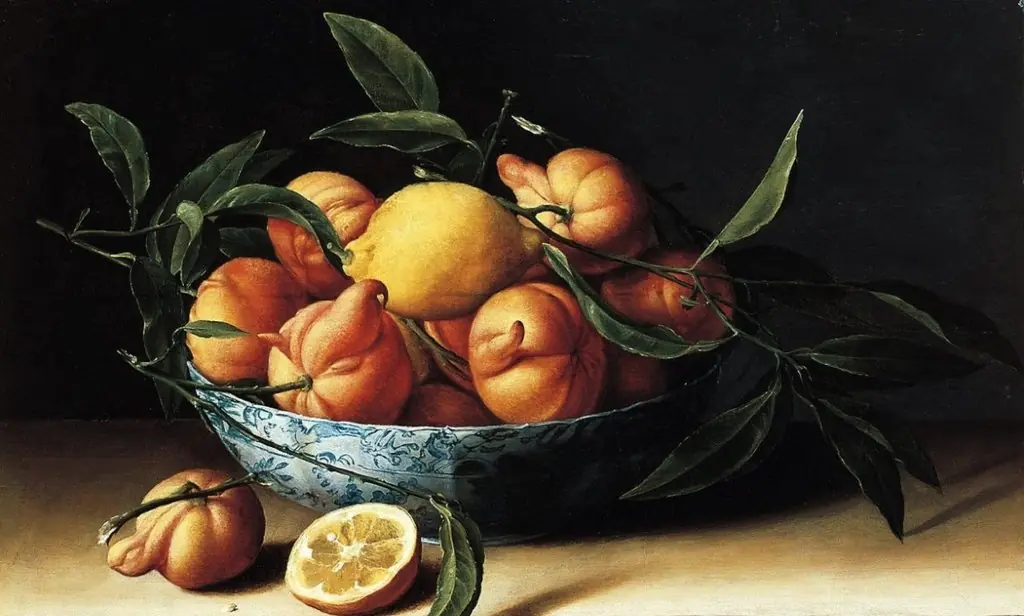 Still Life with Bowl of Curacao Oranges
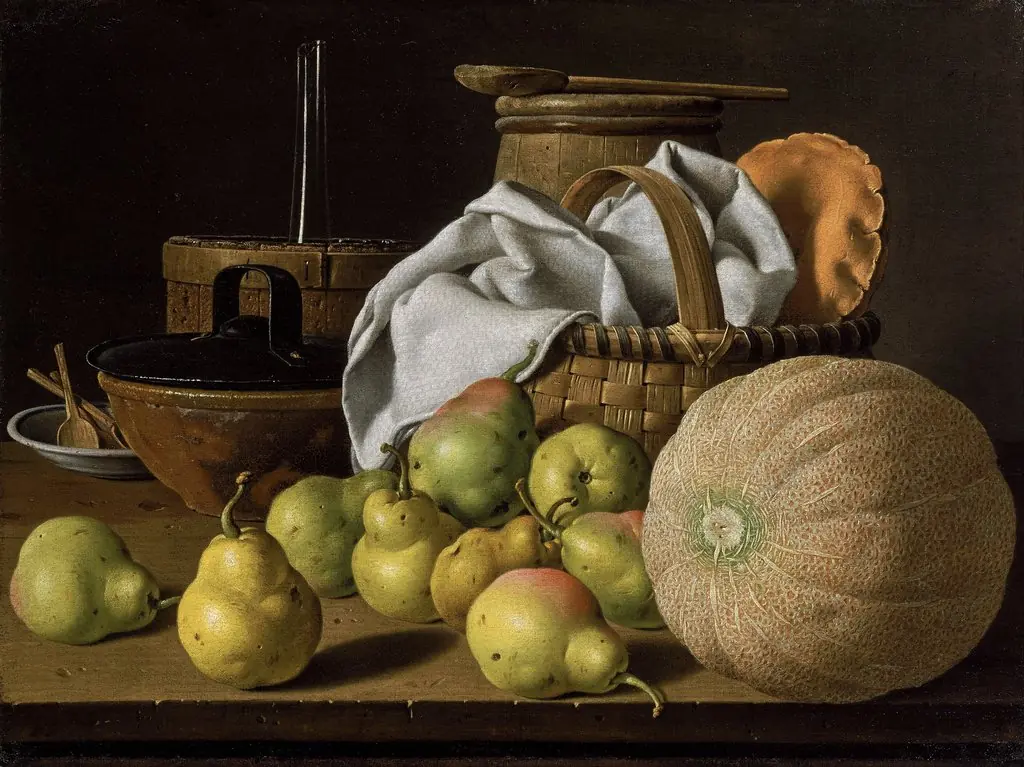 Still Life with Melon and Pears
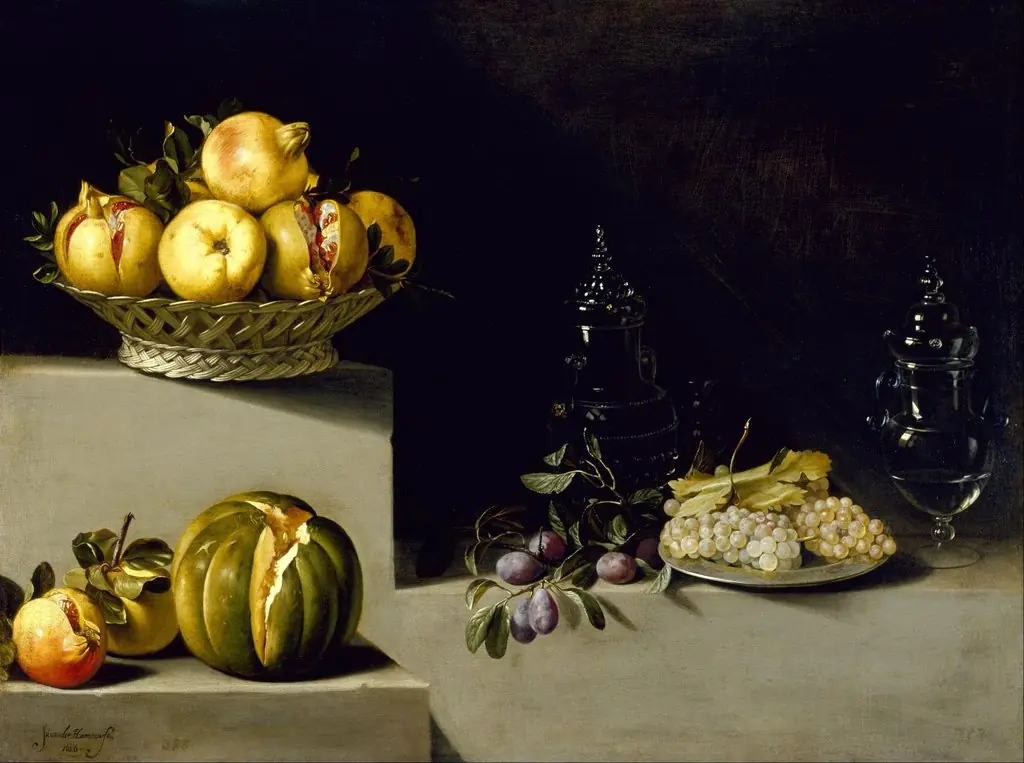 Still Life with Fruit and Glassware
 Still Life of Fruit on a Ledge