Artwork
Still Life with Oranges Honey-Jar Boxes of Sweetmeats and Watermelons
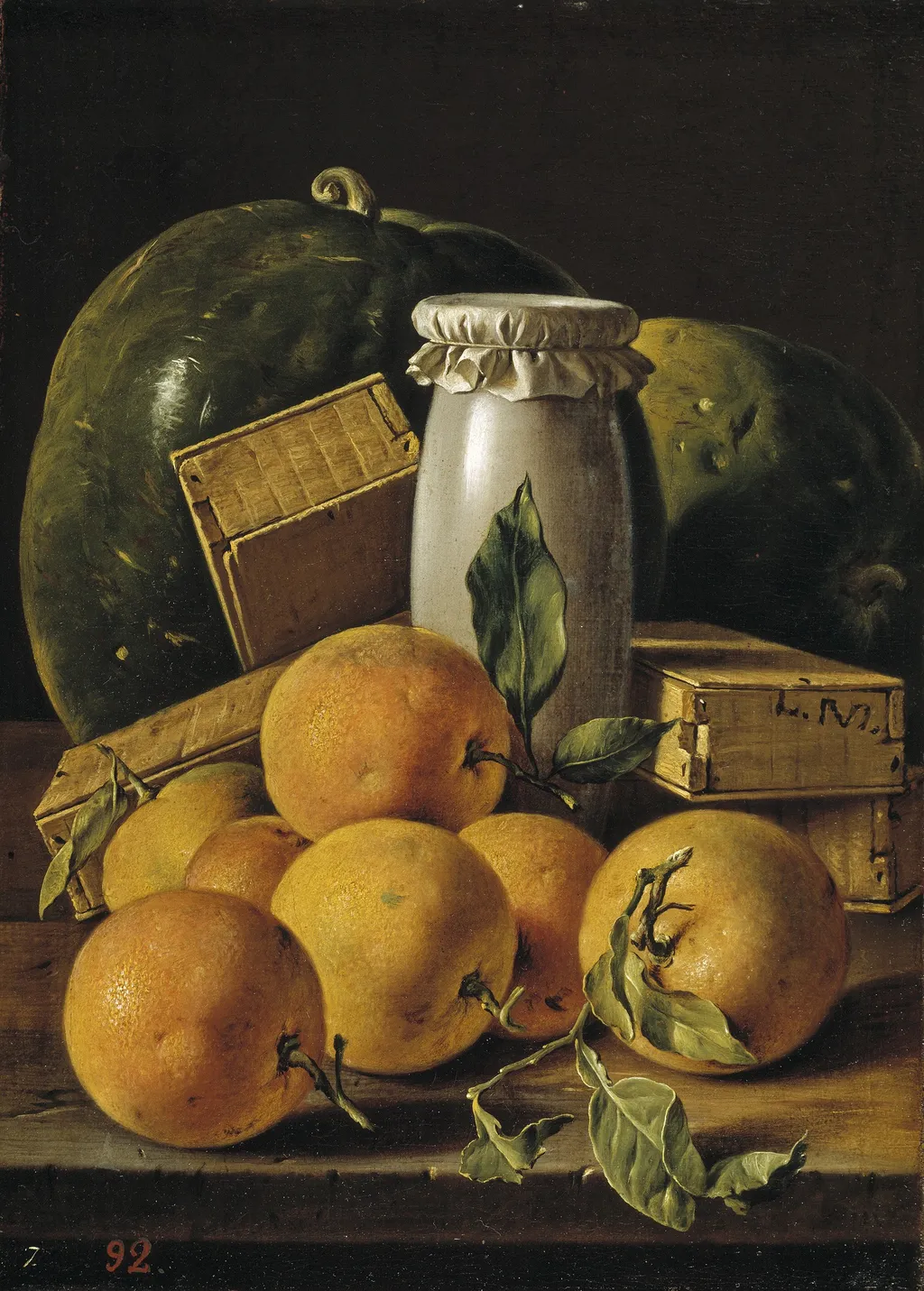
Still Life with Oranges Honey-Jar Boxes of Sweetmeats and Watermelons is an oil painting by the Rococo painting artist Luis Egidio Meléndez. It dates from 1760 and is held in the collection of the Museo del Prado.
About this work
Overview
Still Life with Oranges Honey-Jar Boxes of Sweetmeats and Watermelons is an oil painting created by Luis Egidio Meléndez in 1760. It is a representative work of the rococo movement and showcases the artist's skill in still-life painting.
Subject & Meaning
The painting depicts a simple arrangement of everyday food items, including oranges, a watermelon, and wooden boxes, on a dark table. A honey jar with a cloth cover and a leafy branch add to the composition, highlighting the textures and volumes of the objects.
Technique & Style
Meléndez's use of chiaroscuro creates a striking contrast between light and dark, making the fruit appear lifelike. The delicate handling of light emphasizes the surface qualities of the objects, demonstrating the artist's attention to detail and mastery of still-life painting.
History & Provenance
The painting is part of the collection at Madrid's Museo del Prado. Meléndez, despite being underappreciated during his lifetime and dying in poverty, is now recognized as a leading Spanish still-life painter of the 18th century.
Own this work as a print
Artist & collection
Artist
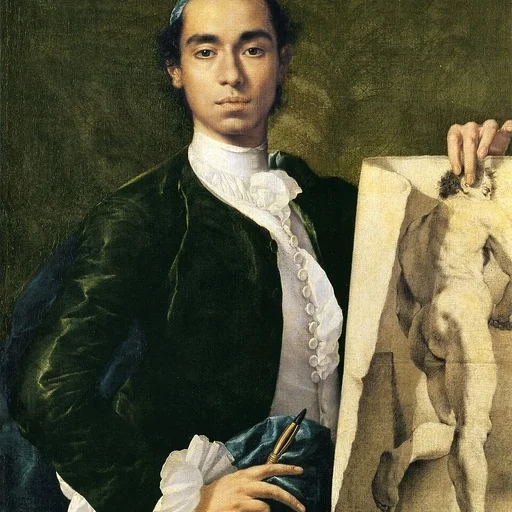
Luis Egidio Meléndez (1716–1780) was a Spanish painter. Though he received little acclaim during his lifetime and died in poverty, Meléndez is recognized as one of the greatest Spanish still-life painters of the 18th…

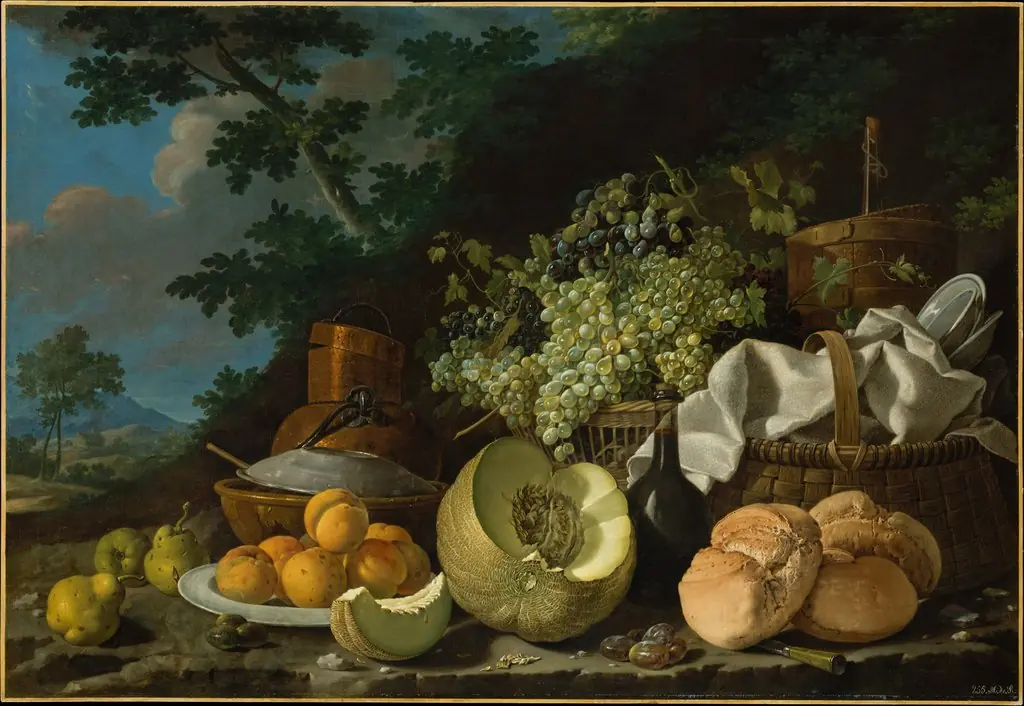 The Afternoon Meal (La Merienda)
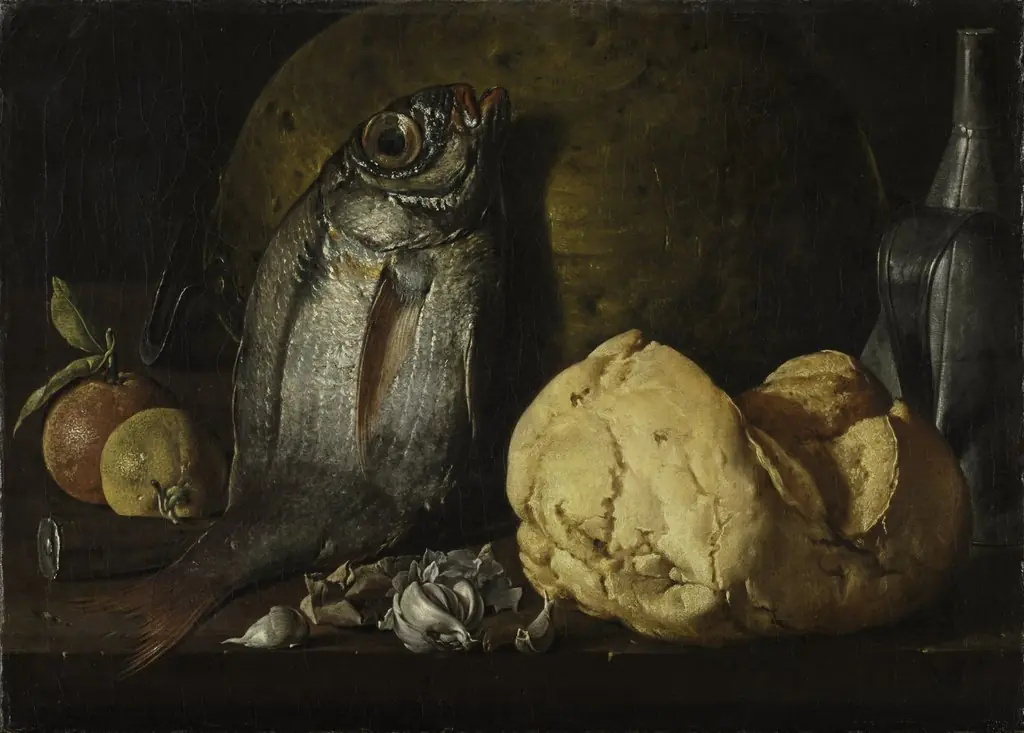 Still Life with Fish, Bread, and Kettle
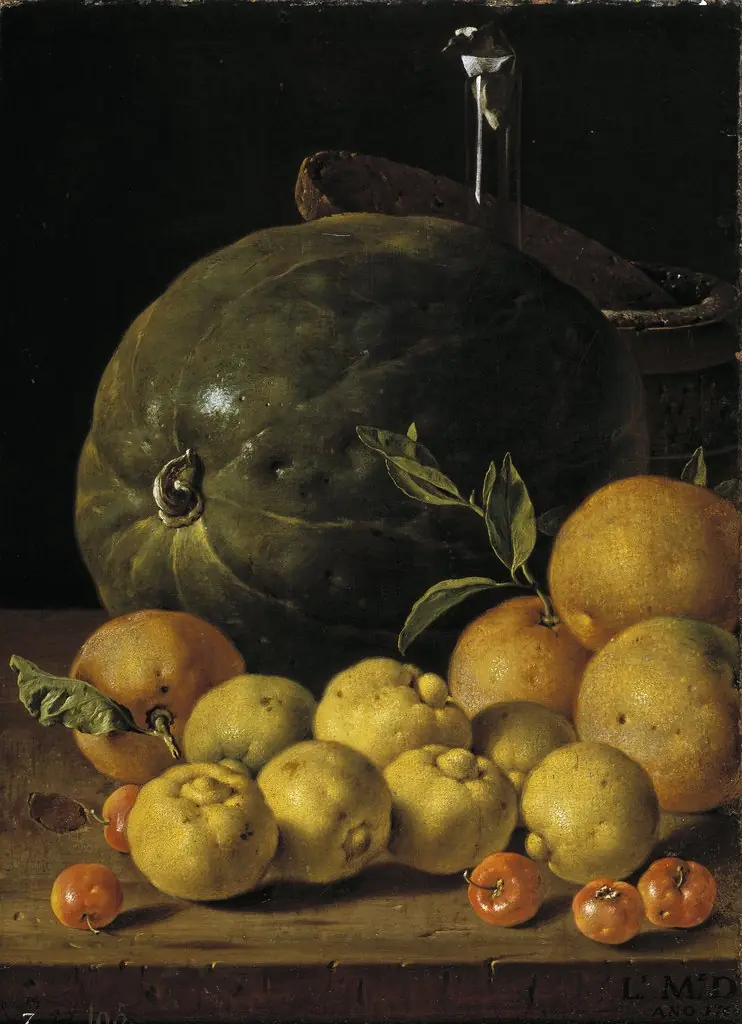 Still Life with Limes Oranges Haw Berries and Watermelon
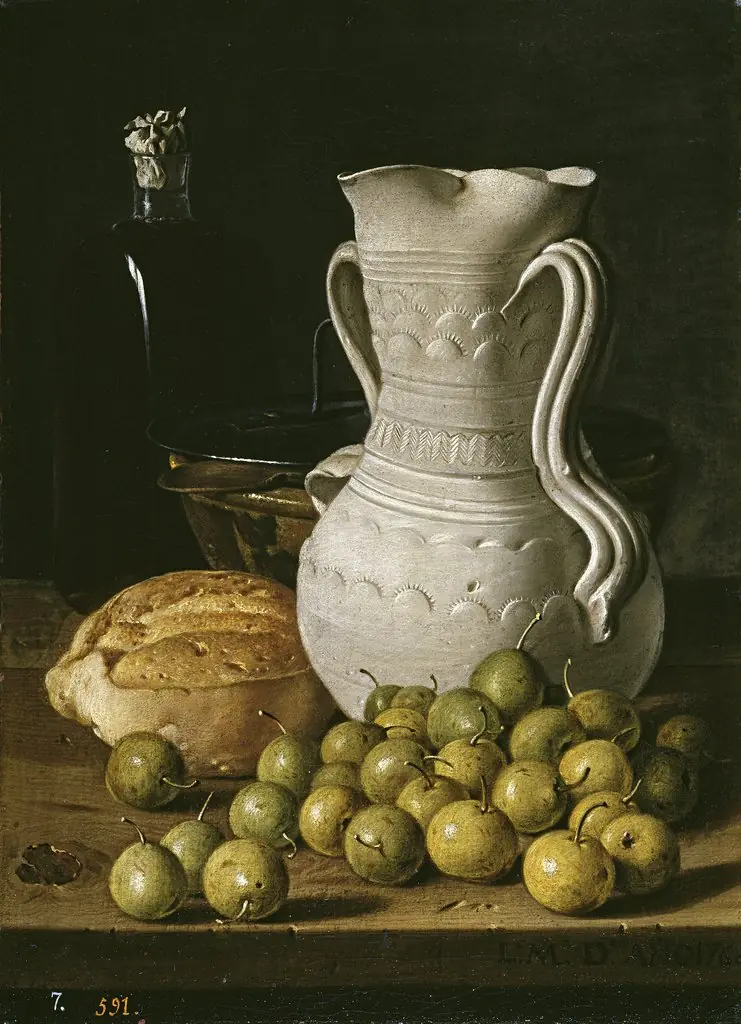 Still Life with Small Pears Bread Flask Bowl and Dry Leaves
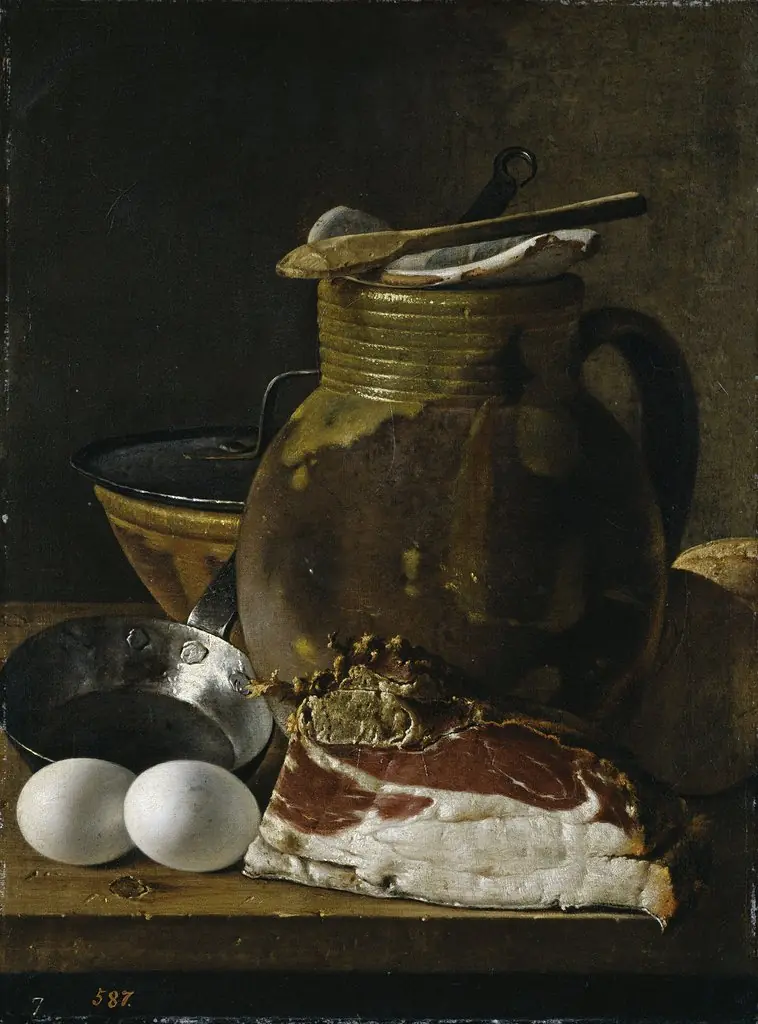 Still Life with Ham Eggs and Vessels
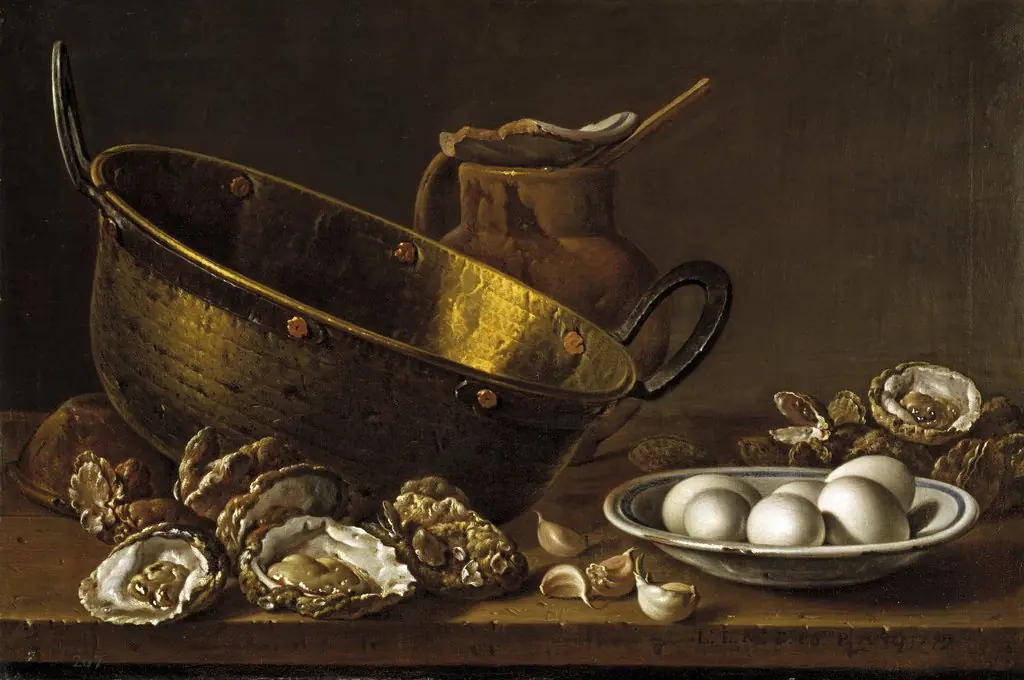 Still Life with Oysters Garlic Eggs Pot and Pan
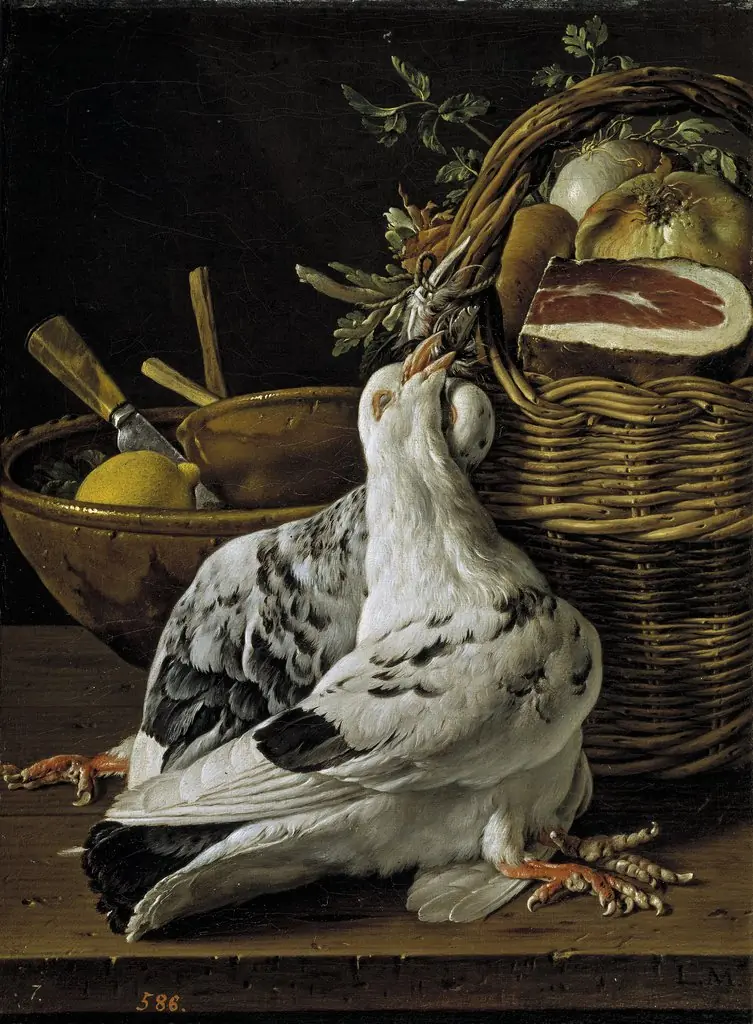 Bodegón con pichones cesta de comida y cuencos
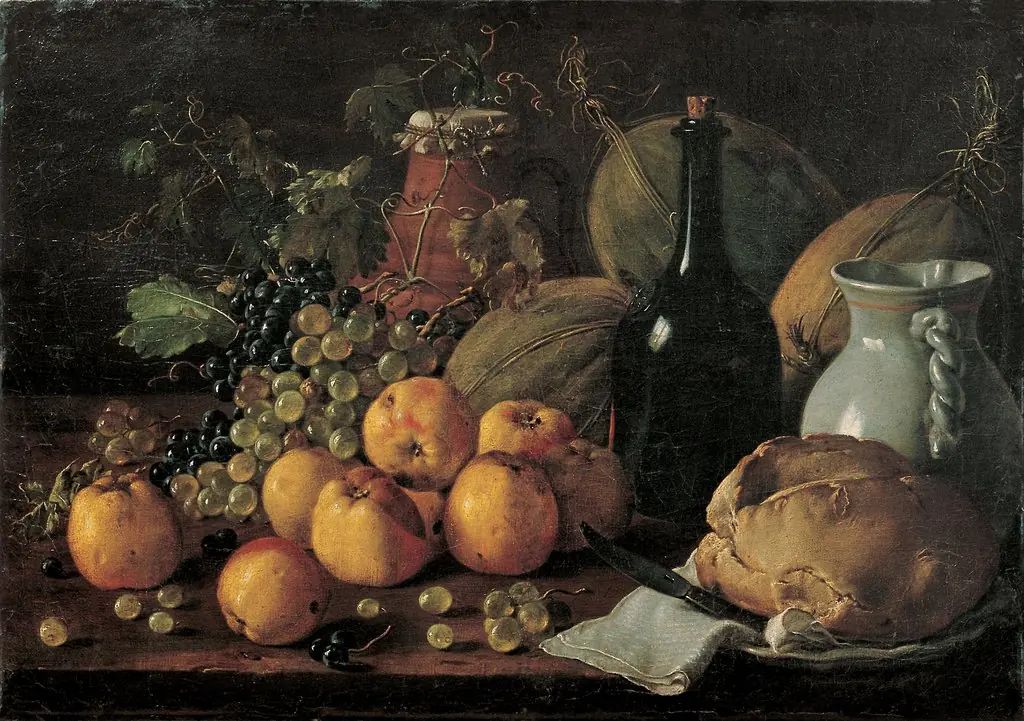 Still Life with Apples, Grapes, Melons, Bread, Jug and Bottle
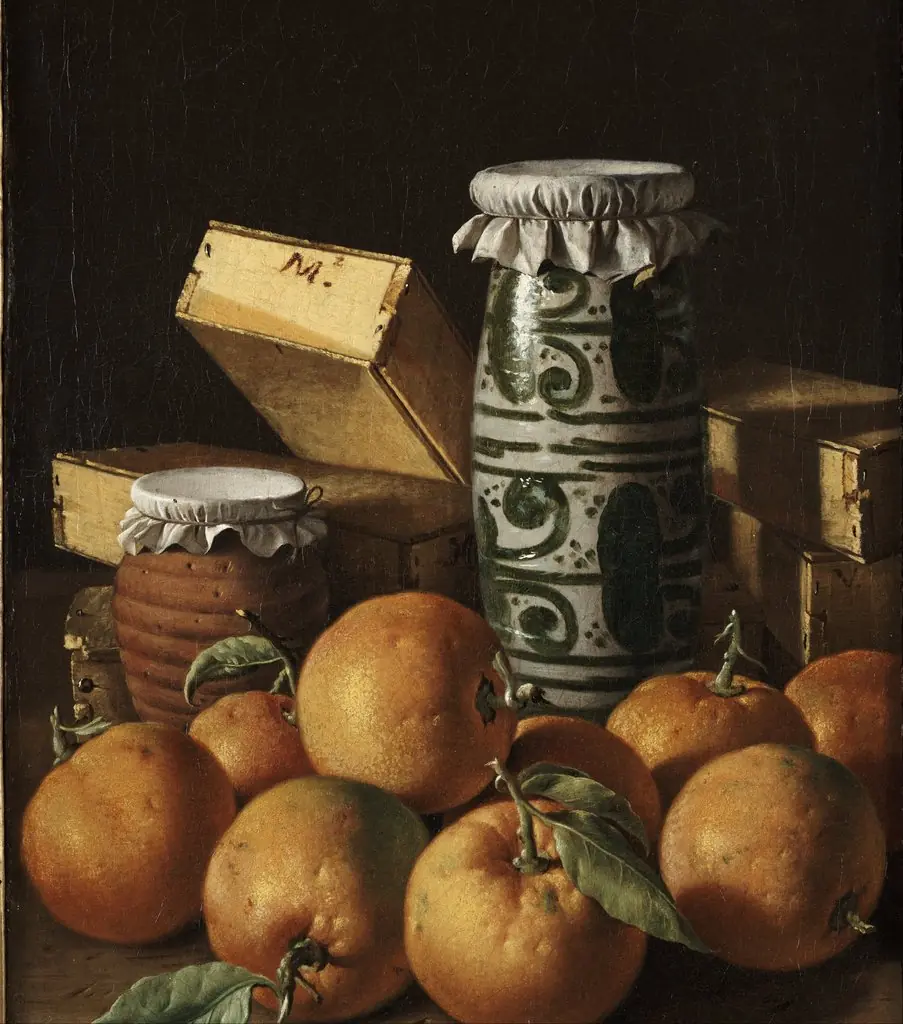 Still Life with Oranges, Jars, and Boxes of Sweets
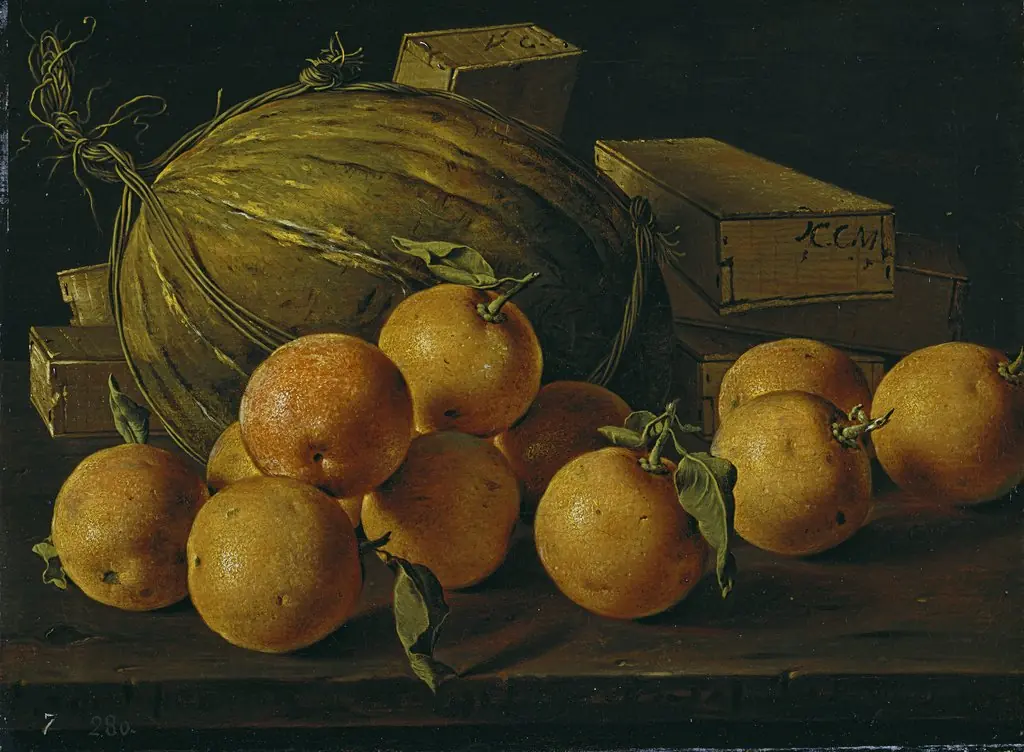 Still Life with Oranges Melon and Boxes of Sweets
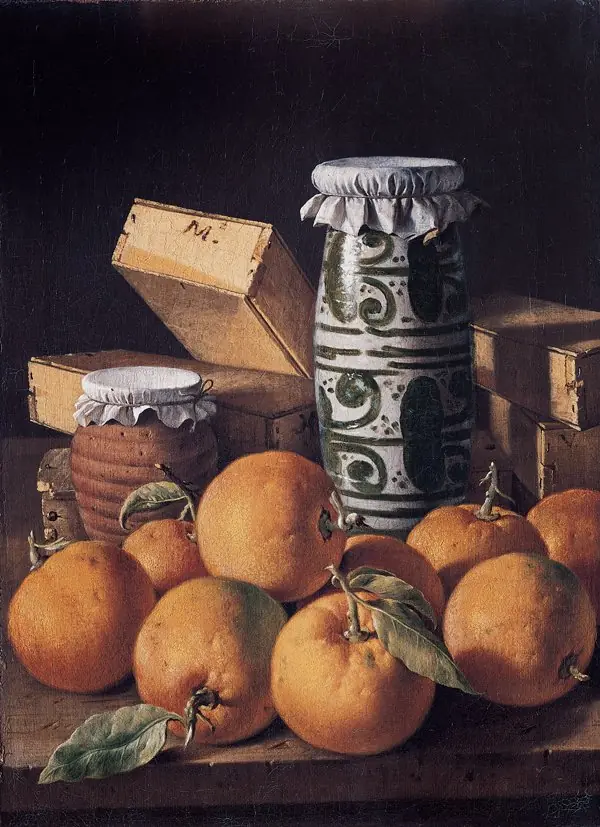 Still Life with Oranges, Manises vase, honey pottery jar and Boxes of Sweets
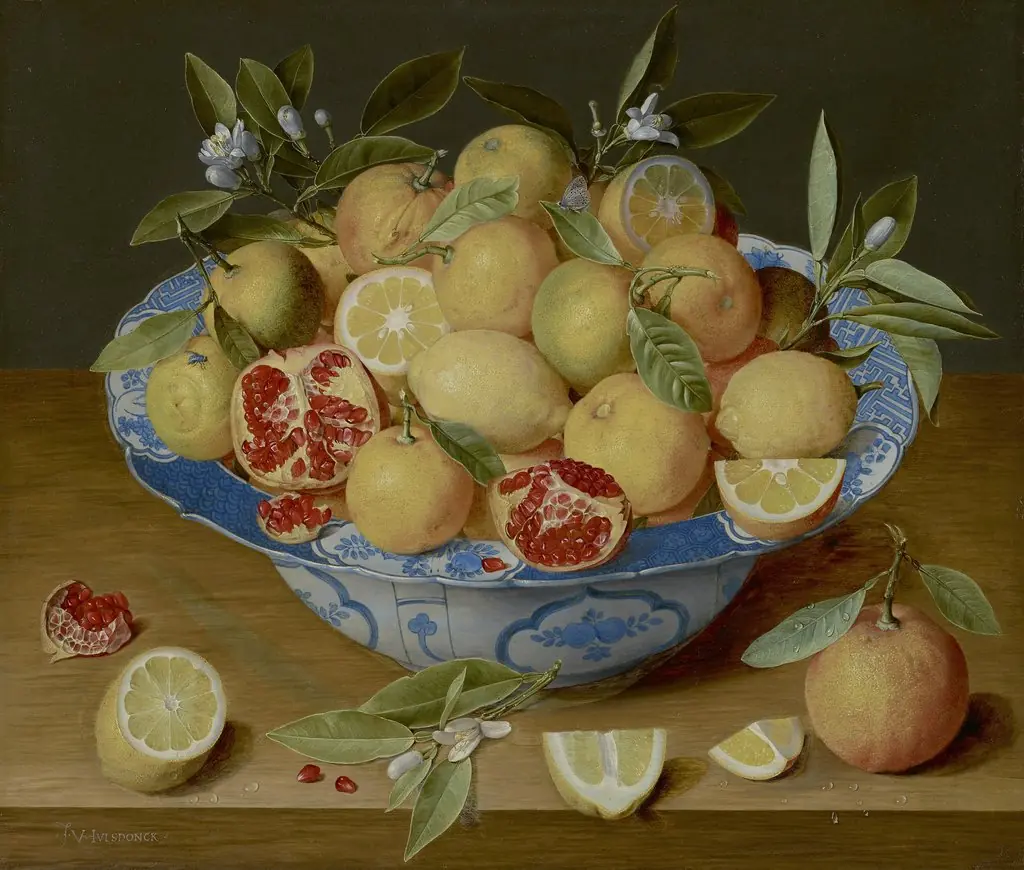 Still Life with Lemons, Oranges and a Pomegranate
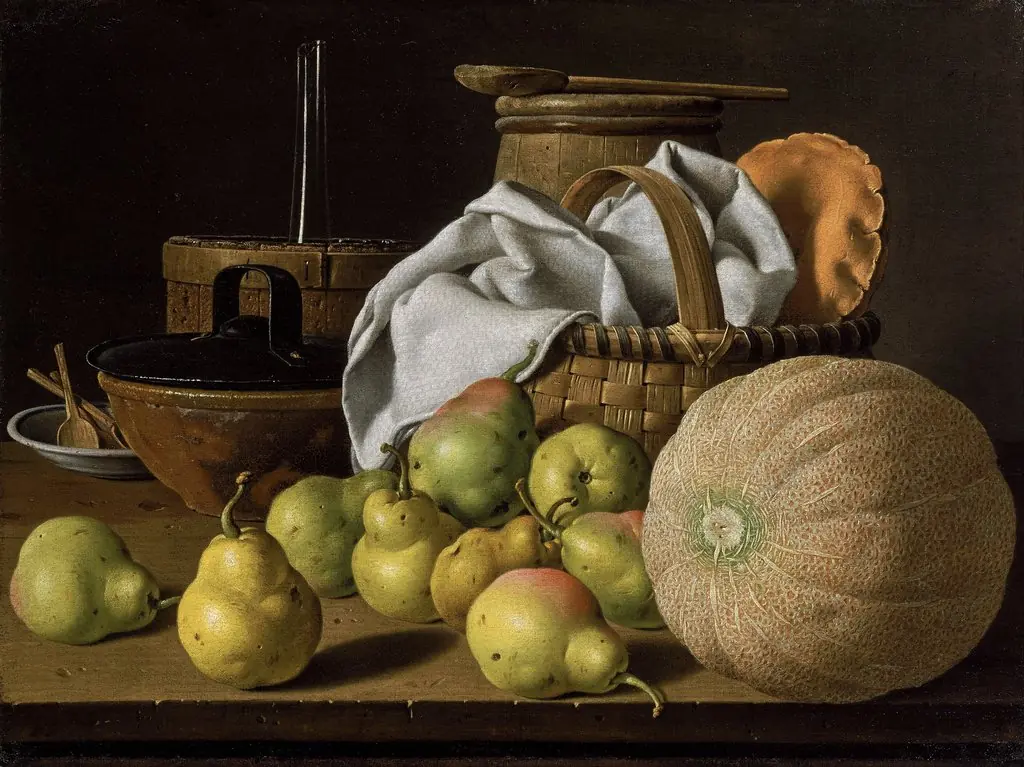 Still Life with Melon and Pears
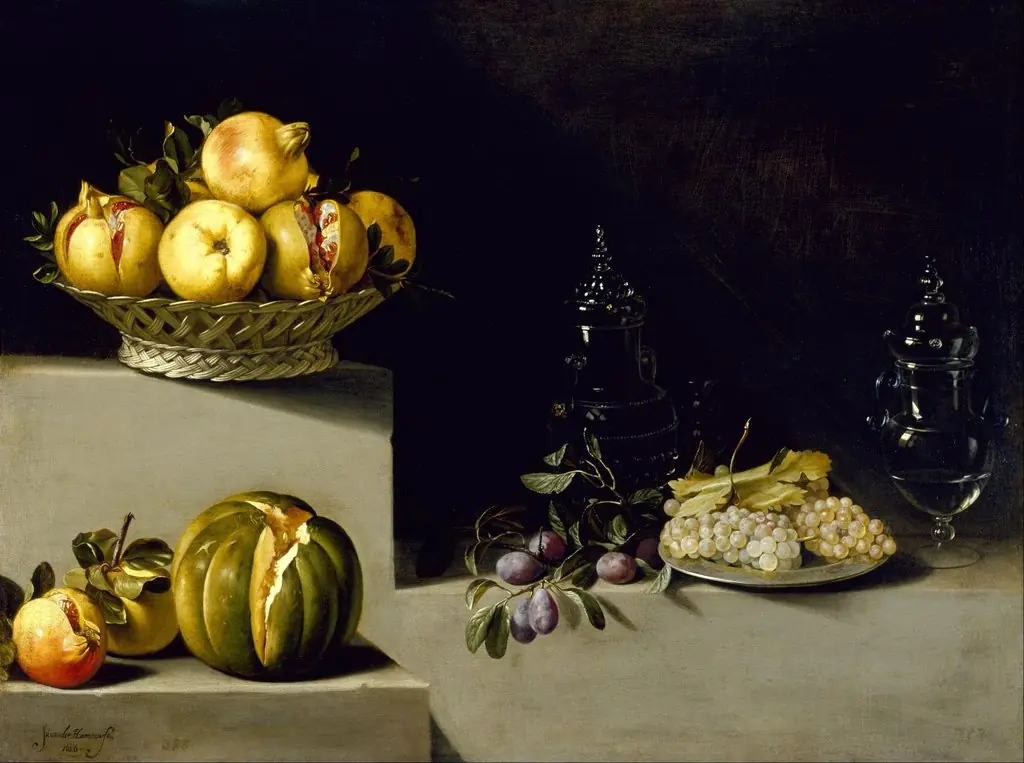 Still Life with Fruit and Glassware
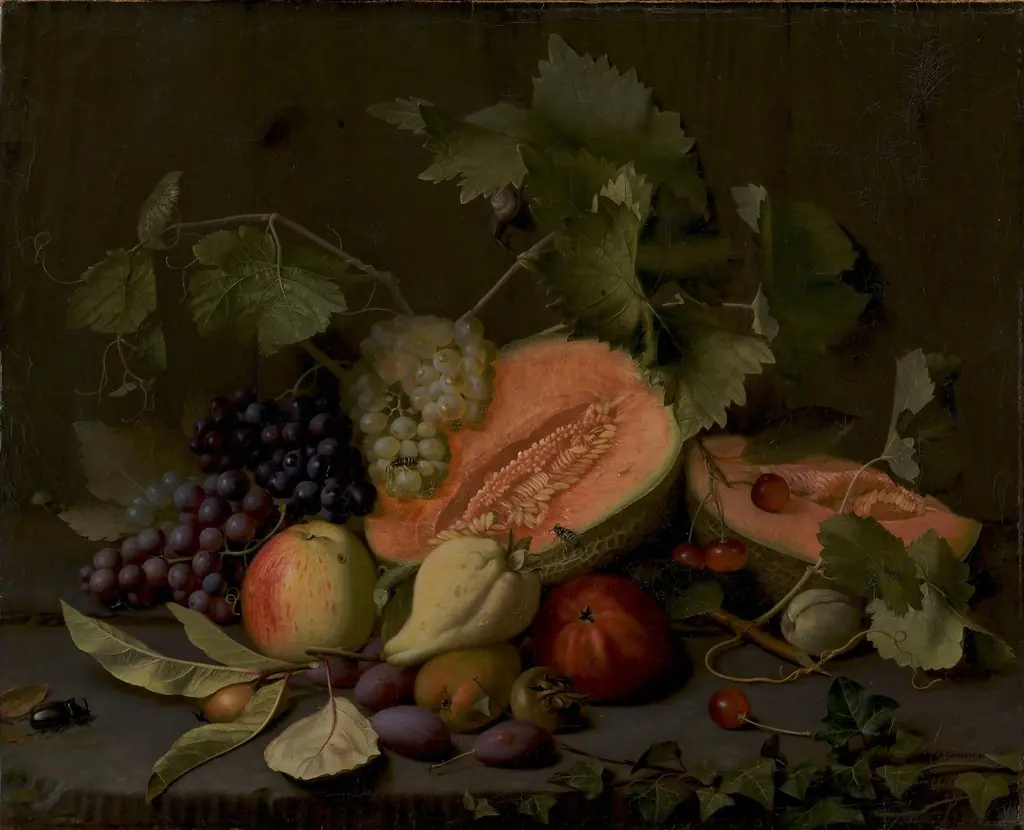 Still Life with Melons and Grapes