Artwork
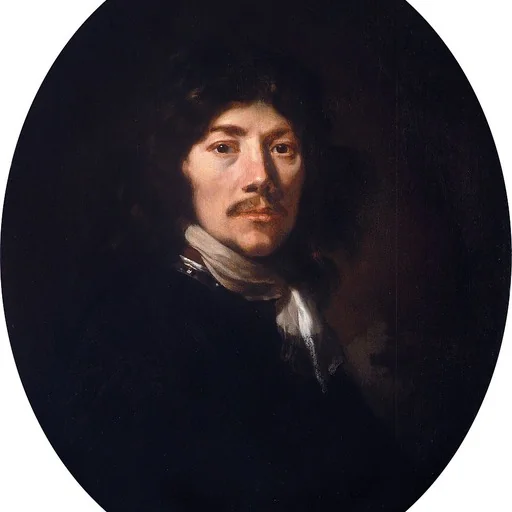
Self portrait, c. 1660
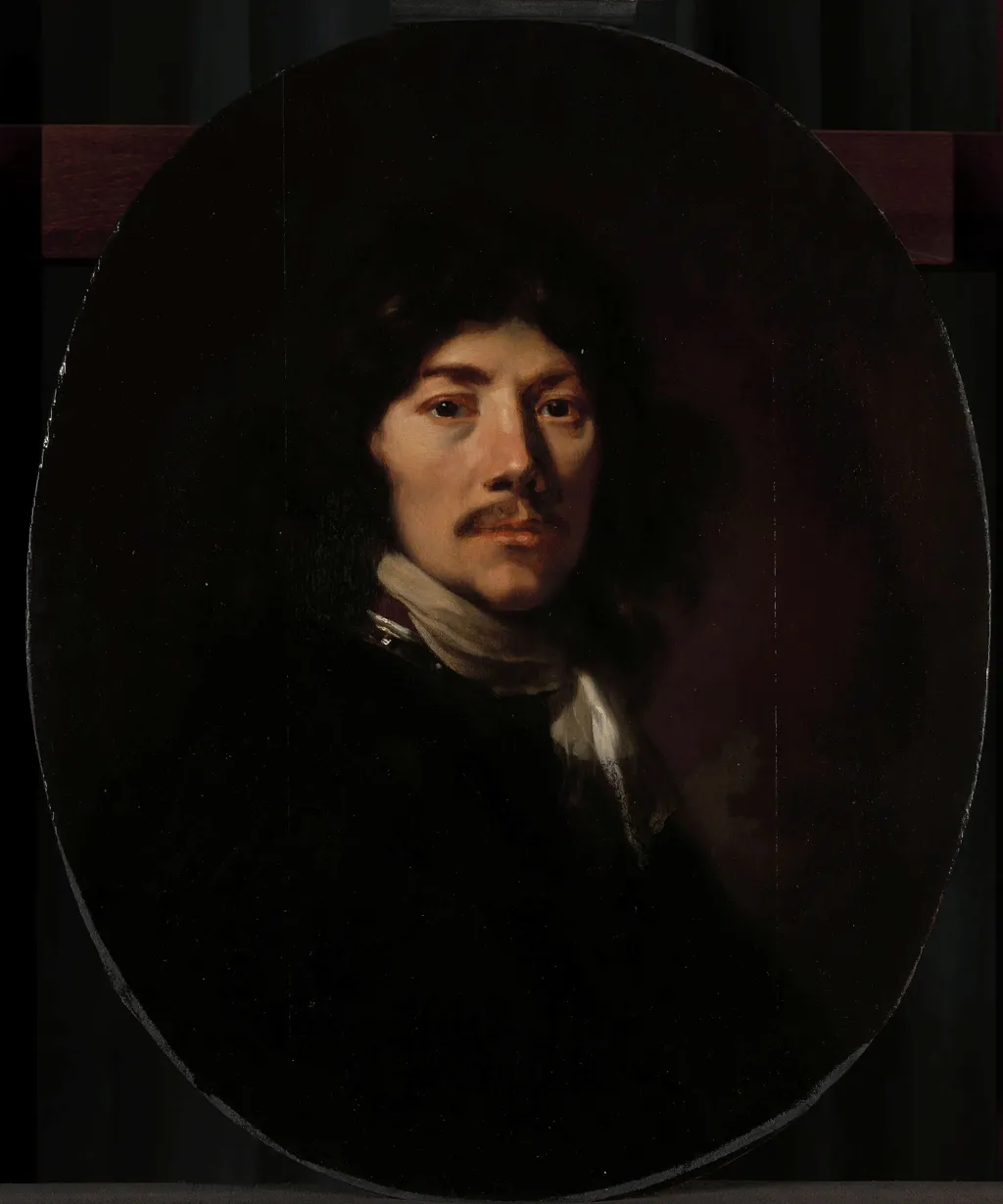
Self portrait, c. 1660 is an oil painting by the Flemish Baroque painting artist Jacob van Loo. It dates from 1660 and is held in the collection of the Rijksmuseum.
About this work
Overview
Around 1660, Jacob van Loo painted an oil self‑portrait during his final years in Paris, after moving from Amsterdam. The work, executed on an oval format, is now part of the Rijksmuseum’s collection. It presents the artist in a restrained, solemn pose, characteristic of the later Dutch Baroque period.
Subject & Meaning
The canvas depicts van Loo himself, his face illuminated from the front, emphasizing a neatly trimmed mustache and dark hair. The serious expression and direct gaze suggest a self‑presentation of professional confidence, aligning with the tradition of artists asserting their status through portraiture.
Technique & Style
Van Loo employs a stark chiaroscuro scheme, with a deep black background that isolates the figure. The tight lighting on the face creates a dramatic contrast, a device popular among mid‑seventeenth‑century portraitists. The black coat with white collar and cuffs is rendered with smooth brushwork, highlighting the painter’s skill in rendering fabrics.
History & Provenance
After its creation in Paris, the portrait entered various private collections before being acquired by the Rijksmuseum. Its documented provenance traces the movement of Dutch artists’ works across Europe, reflecting van Loo’s relocation and the cross‑national appreciation of his oeuvre.
Context
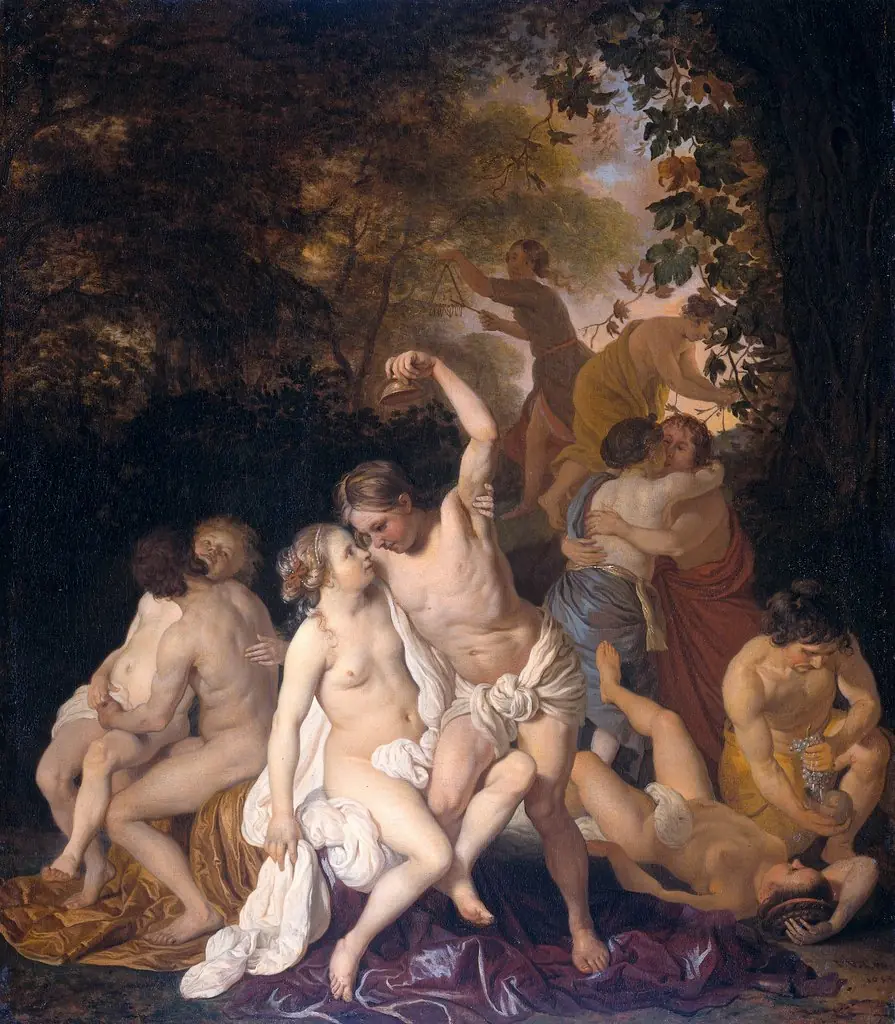
Jacob van Loo was renowned for mythological, biblical, and nude subjects, gaining a reputation for the quality of his figures. This self‑portrait, however, diverges from his typical themes, offering a personal glimpse into the artist’s own image during a period when Dutch painters were increasingly engaging with Baroque aesthetics in France.
Artist & collection
Artist
Jacob van Loo (1614 – 26 November 1670) was a painter of the Dutch Golden Age, chiefly active in Amsterdam and, after 1660, in Paris.