Artwork
Portrait of Albert de Grass and Marie-Anne Pardo with their family
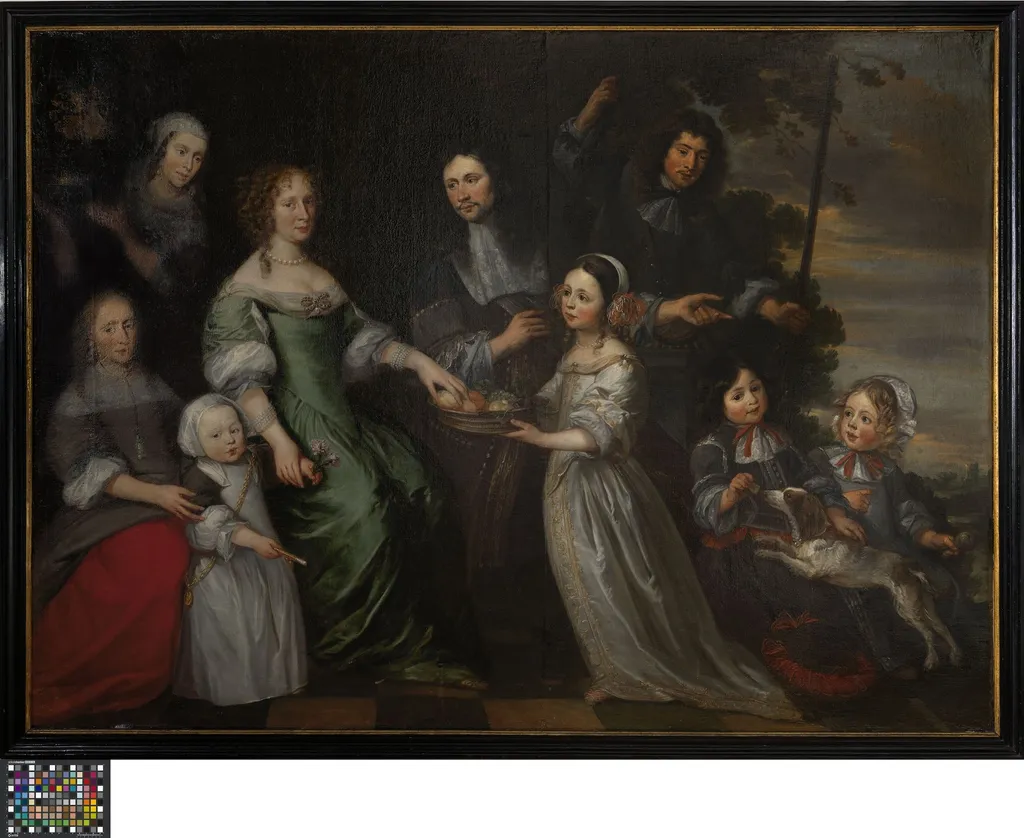
Portrait of Albert de Grass and Marie-Anne Pardo with their family is an oil painting by the Flemish Baroque painting artist Jacob van Oost. It dates from 1668 and is held in the collection of the Groeningemuseum.
About this work
Overview
Painted in 1668 by Jacob van Oost the Elder, this oil-on-canvas work captures the de Grass and Pardo family in a domestic setting. Van Oost, a prominent Bruges artist, specialized in portraying the city’s merchant class with quiet dignity. The composition includes eleven family members and a dog, arranged around a table laden with fruit, reflecting both familial intimacy and social standing.
Subject & Meaning
The painting presents a multi-generational family gathered in a moment of quiet togetherness. The presence of fruit suggests abundance and domestic harmony, while the children interacting with the dog convey natural affection. Rather than formal posing, the scene emphasizes spontaneous interaction, reinforcing the family’s identity as respected, grounded members of Bruges’ urban elite.
Technique & Style
Fabrics, wood grain, and fruit surfaces are rendered with precision, while the dark background isolates the figures and enhances their presence.
Van Oost employed the Flemish Baroque tradition with meticulous attention to texture and detail. Fabrics, wood grain, and fruit surfaces are rendered with precision, while the dark background isolates the figures and enhances their presence. Subtle lighting directs focus to the central table and faces, balancing realism with a restrained elegance characteristic of mid-17th-century Flemish portraiture.
History & Provenance
Commissioned by the de Grass-Pardo family, the painting remained within their lineage before entering the Groeningemuseum’s collection. Its preservation reflects the family’s enduring status in Bruges society. The museum’s acquisition ensured its public accessibility, where it now serves as a key example of regional portraiture from the period.
Context
In 17th-century Bruges, portraiture among the bourgeoisie often signaled civic pride and moral virtue. Van Oost’s work aligned with Counter-Reformation ideals that valued family, piety, and earthly order. This painting, devoid of overt religious symbols, instead conveys these values through domestic tranquility and the careful depiction of material comfort.
Legacy
The portrait endures as a representative work of Flemish civic portraiture, illustrating how non-noble families asserted identity through visual culture. Its detailed realism and emotional nuance influenced later regional artists. Today, it remains a touchstone for understanding the social fabric of Bruges during its post-medieval economic transition.
Artist & collection
Artist
Jacob van Oost or Jacob van Oost the Elder (1603–1671) was a Flemish painter of history paintings and portraits.

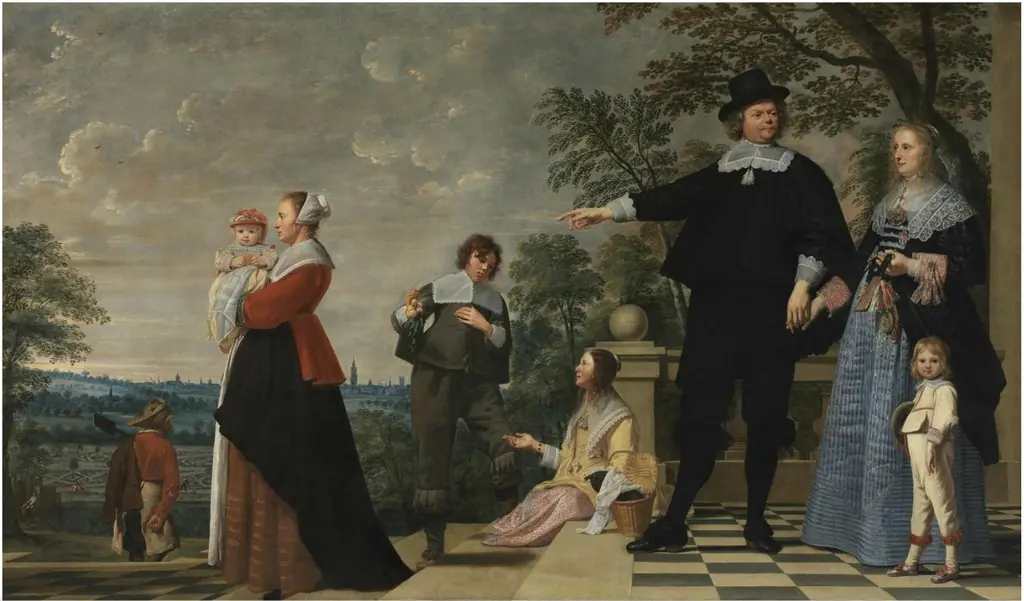
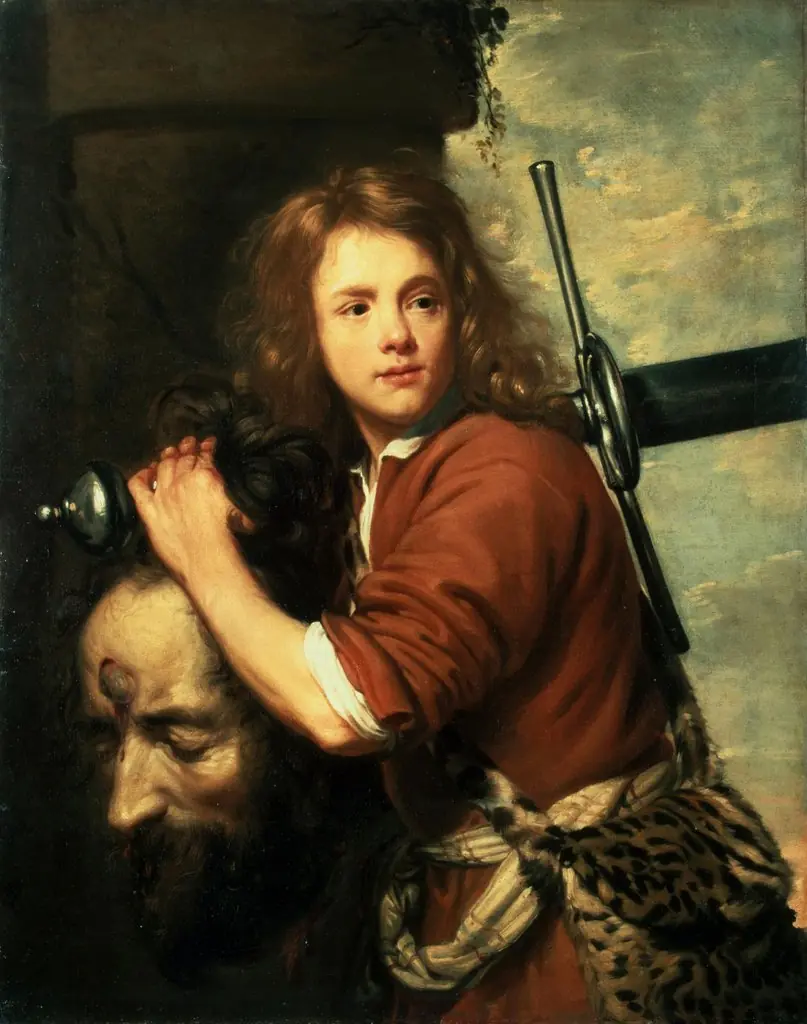
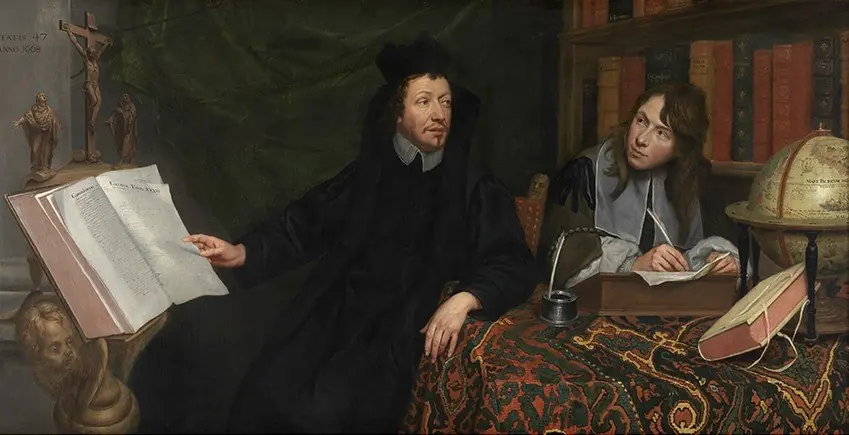
 The Artist's Family
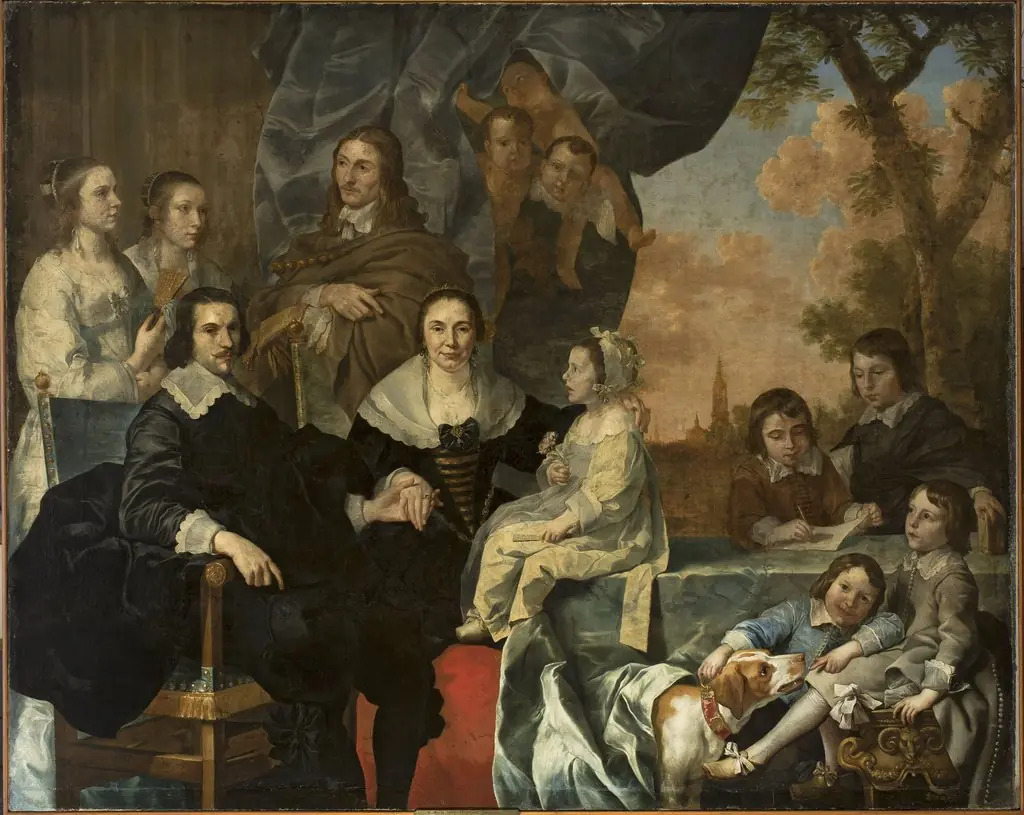 Self-portrait with the family
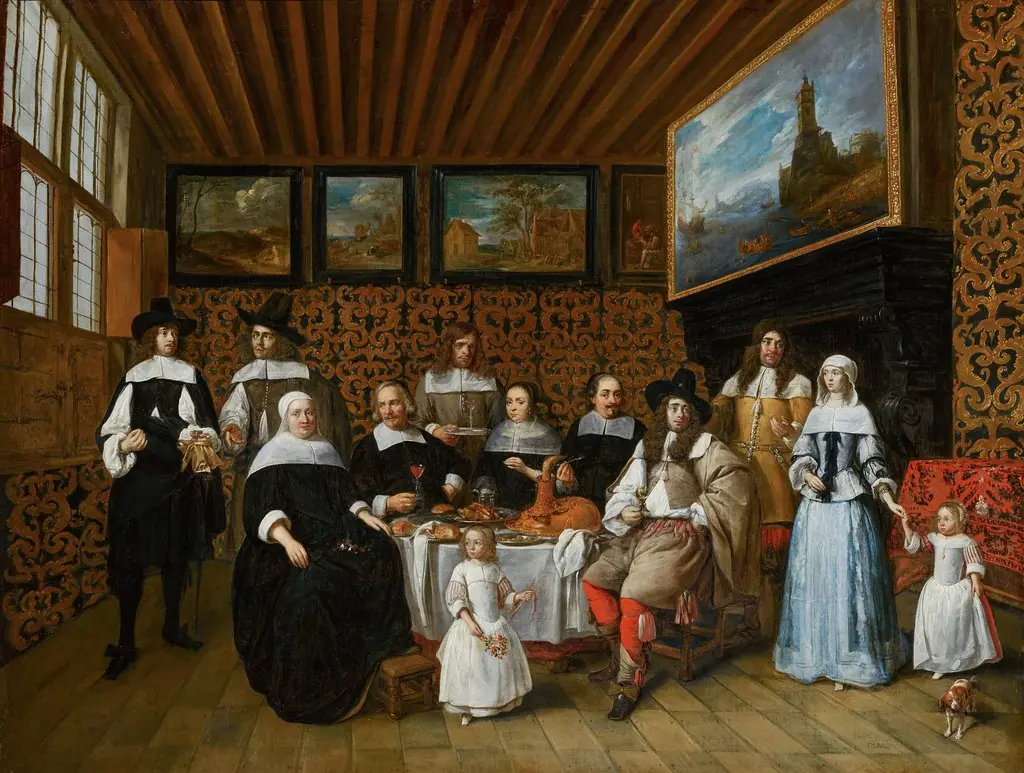 Family Portrait
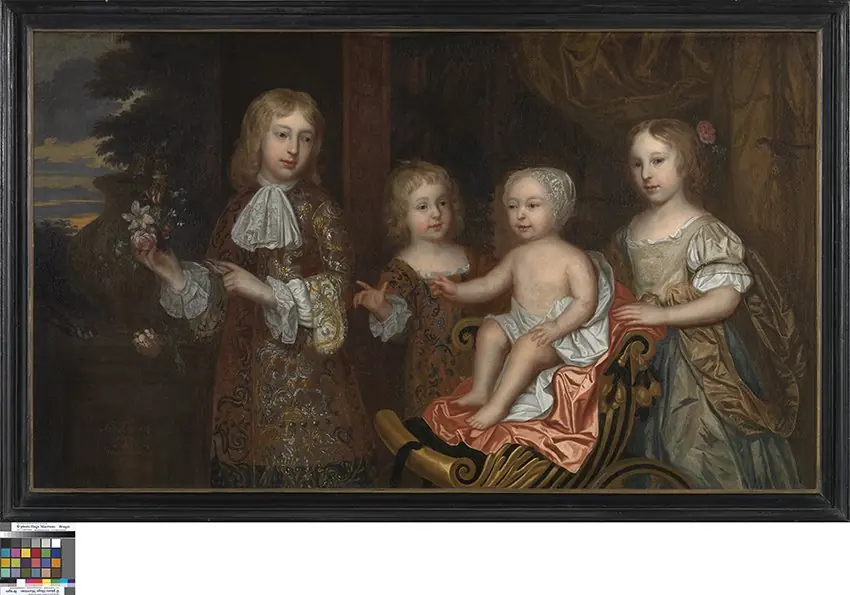 Portret van vier kinderen
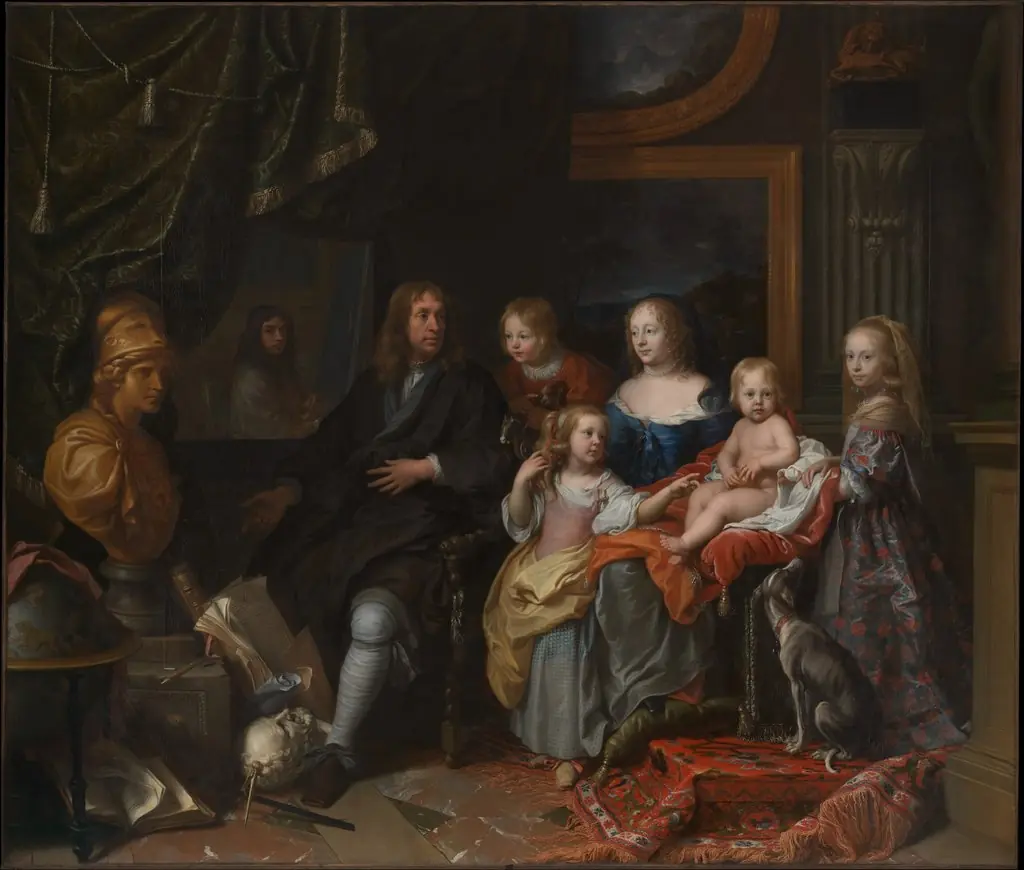 Everhard Jabach (1618–1695) and His Family
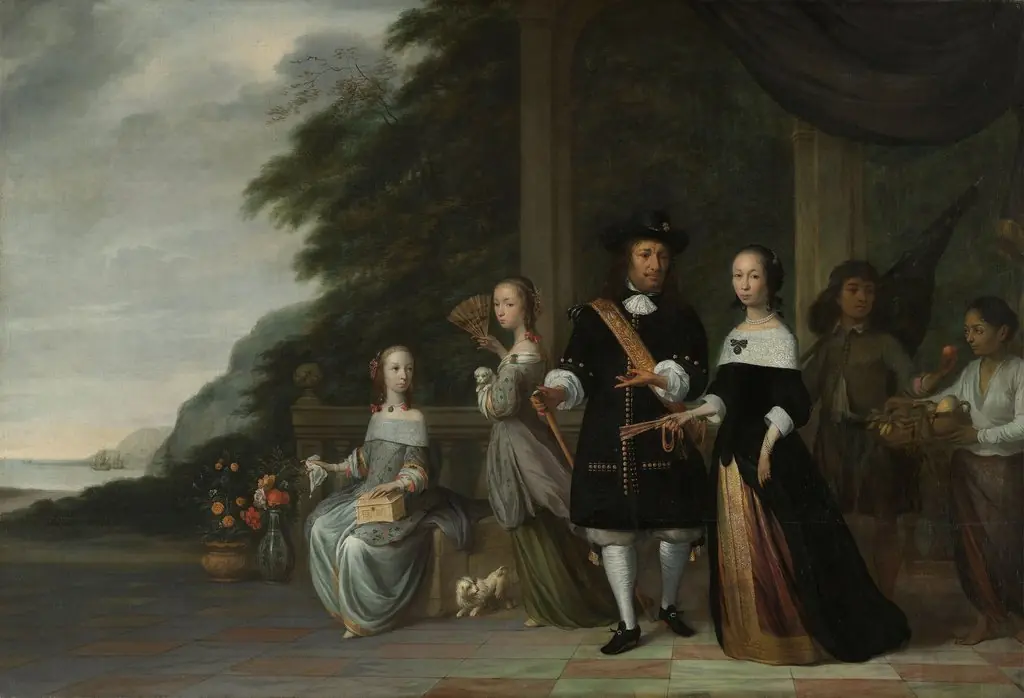 Pieter Cnoll, Cornelia van Nijenrode, their Daughters and Two Enslaved Servants
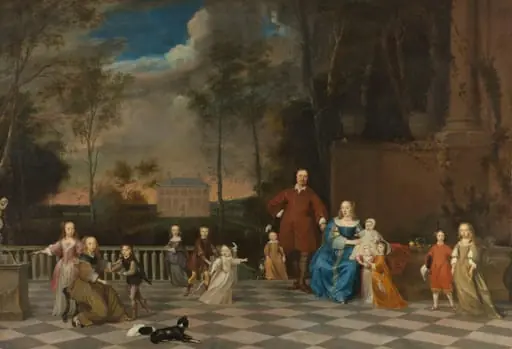 The Amsterdam Merchant Jeremias van Collen (1608-1676), with his Wife and their Twelve Children