Artwork
Portrait of Leonard van Kerckhove, King of the Guild of St. George in Bruges
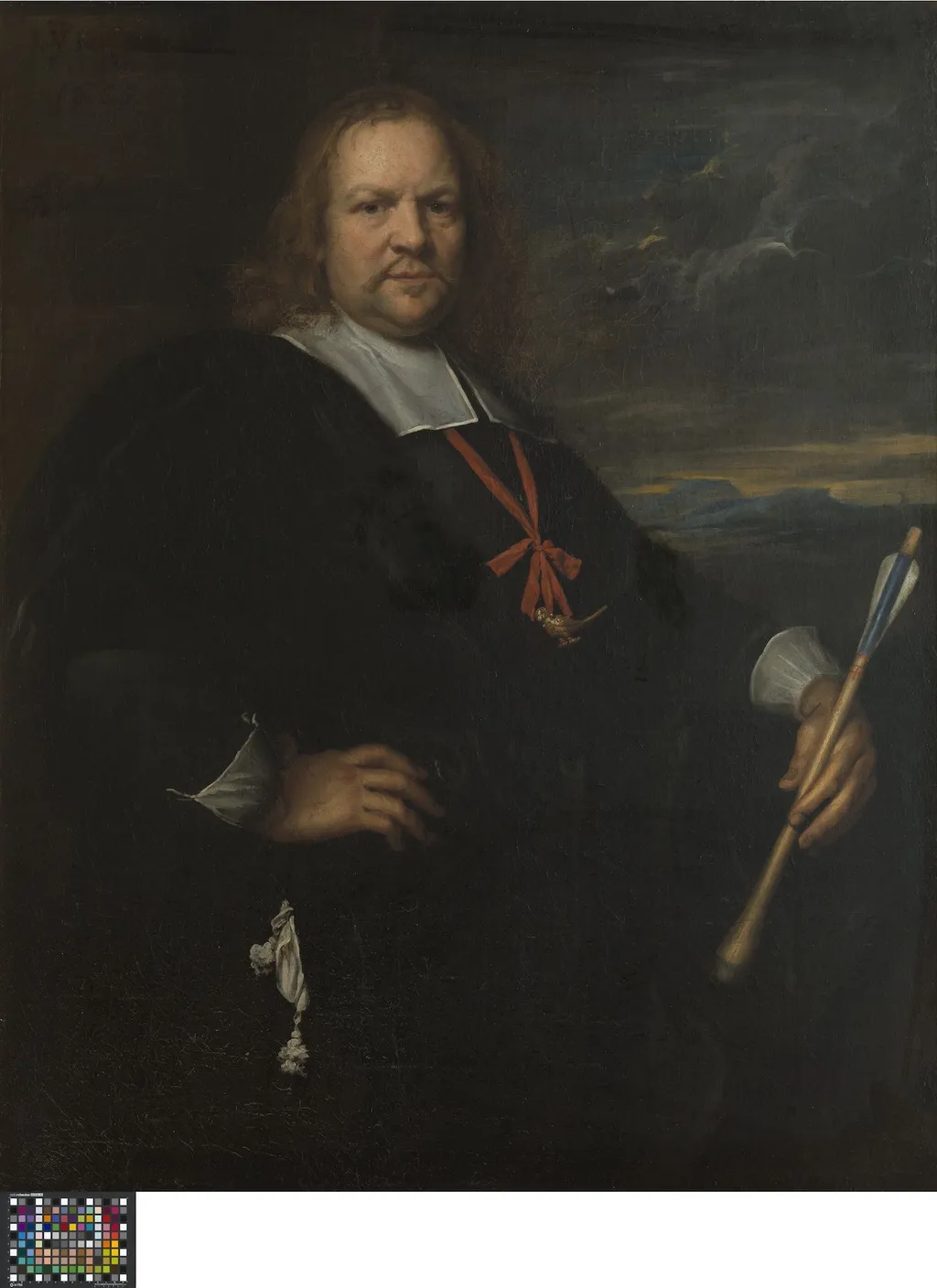
Portrait of Leonard van Kerckhove, King of the Guild of St. George in Bruges is an oil painting by the Flemish Baroque painting artist Jacob van Oost the Younger. It dates from 1665 and is held in the collection of the Groeningemuseum. This oil painting, created in 1665, is a representative work of the Flemish Baroque style.
About this work
Overview
This oil painting, created in 1665, is a representative work of the Flemish Baroque style. It is attributed to Jacob van Oost the Younger, a painter from Bruges active during the late 17th and early 18th centuries.
Subject & Meaning
The portrait depicts Leonard van Kerckhove, identified by his title as King of the Guild of St. George in Bruges. The subject is shown with formal attire and an object adorned with a feather, suggesting his status and affiliation.
Technique & Style
The painting employs chiaroscuro to create a sense of depth, focusing attention on the subject's face and the objects he holds. The use of contrasting light and dark areas adds dimensionality to the composition.
History & Provenance
Jacob van Oost the Younger, born in 1639, was trained by his father, Jacob van Oost the Elder. He worked in Bruges until at least 1713, alongside his brother Willem, also a painter.
Own this work as a print
Artist & collection
Artist
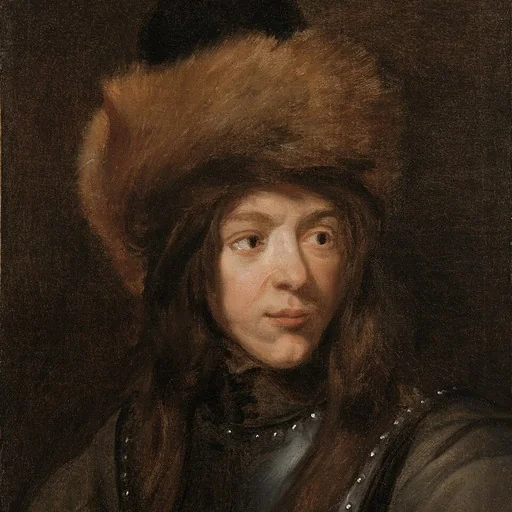
Jacob van Oost the Younger (1639–1713 in Bruges), was a Flemish Baroque painter. According to the Rijksbureau voor Kunsthistorische Documentatie, he was a pupil of his father Jacob sr. and brother to the painter Willem…

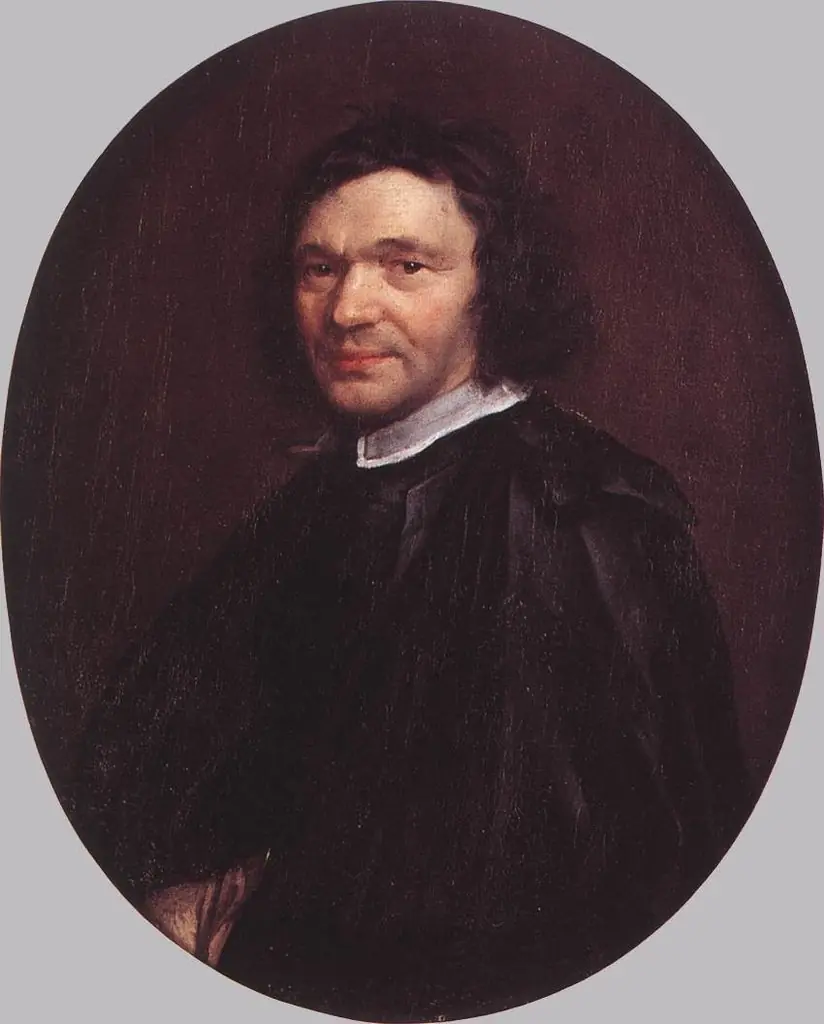
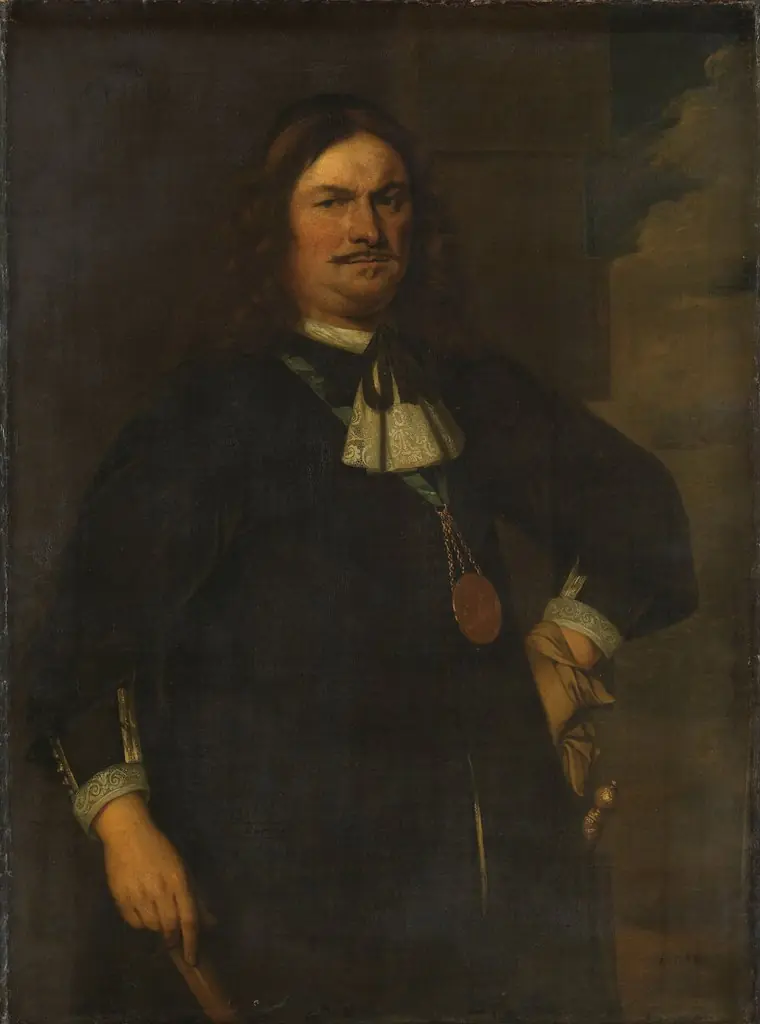 Adriaen Banckert, Vice Admiral of Zeeland
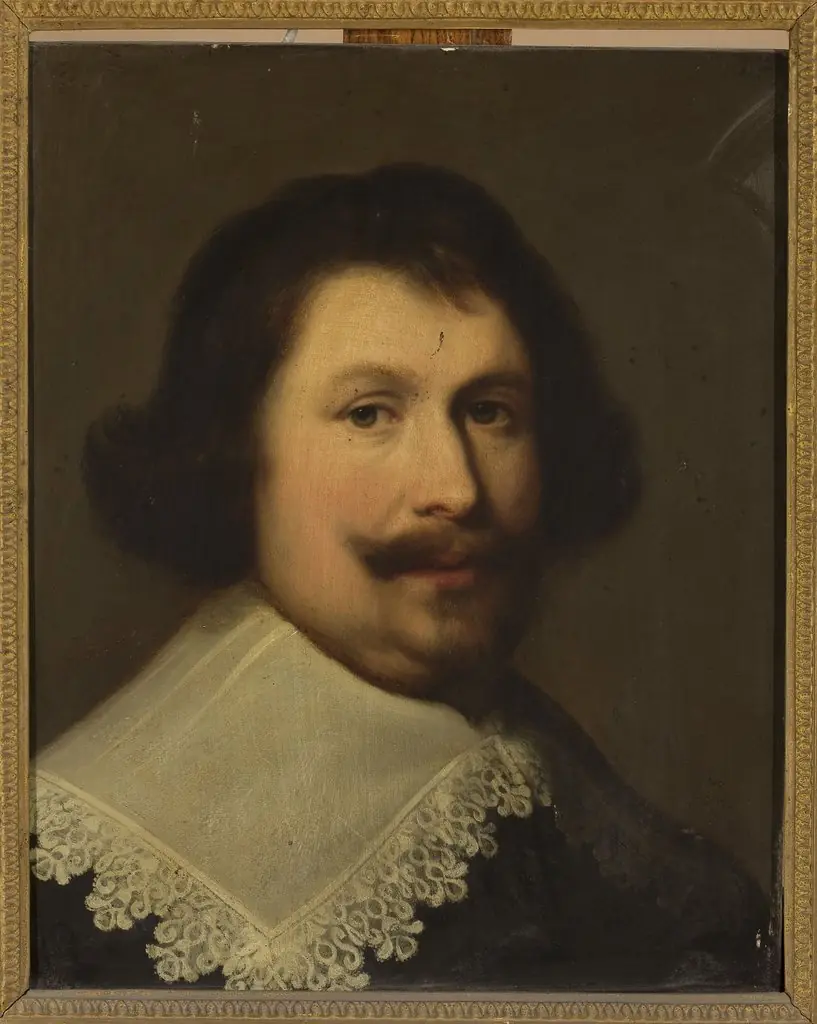 Portrait of a nobleman
 Portrait of Adriaen Banckert (c. 1620-1684), Vice Admiral of Zeeland
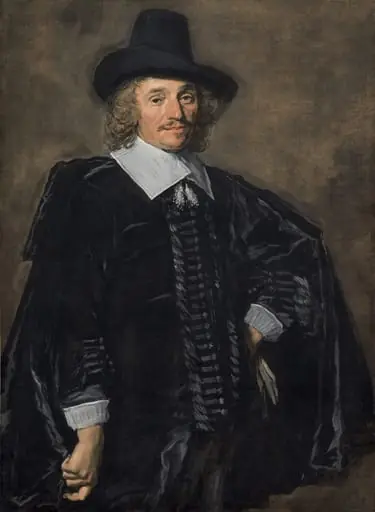 Portrait of a Gentleman
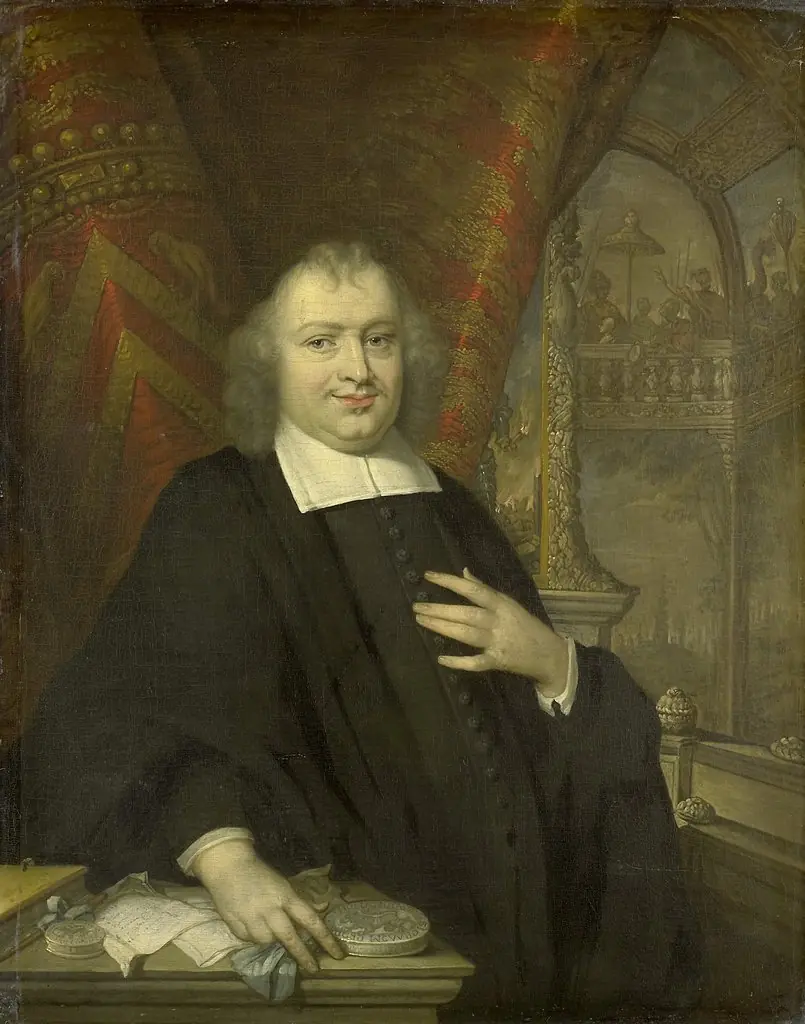 Portrait of Caspar Fagel (1634-88), Grand pensionary of Holland from 1672 on, with the assembly hall of the states of Holland on the Binnenhof, The Hague, in the background
![Portrait of a Gentleman [possibly Jacob van Campen], by Thomas de Keyser](https://artifactworldgallery.com/img/thomas-de-keyser--portrait-of-a-gentleman-possibly-jacob-van-campen--d0c829ca95efaf31-w320.webp) Portrait of a Gentleman [possibly Jacob van Campen]
Portrait of a Gentleman [possibly Jacob van Campen] Untitled
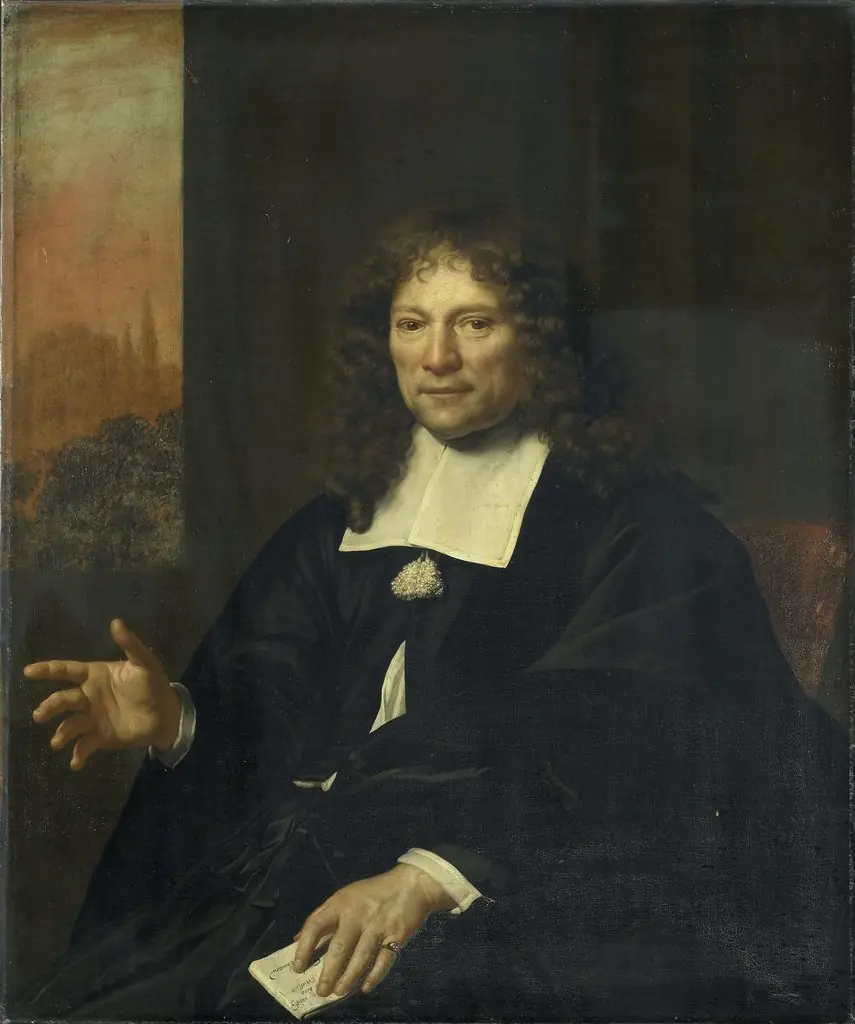 Portrait of Daniel Nellius, elder of the Remonstrant church and sampling official of Alkmaar
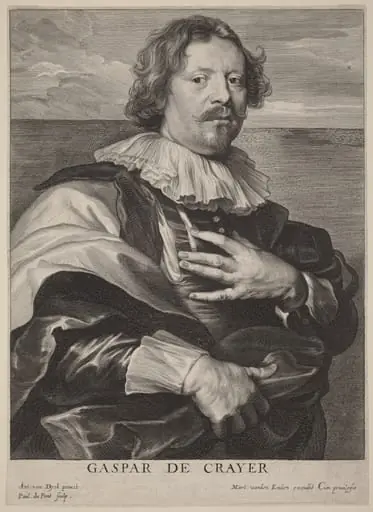 Gaspar de Crayer
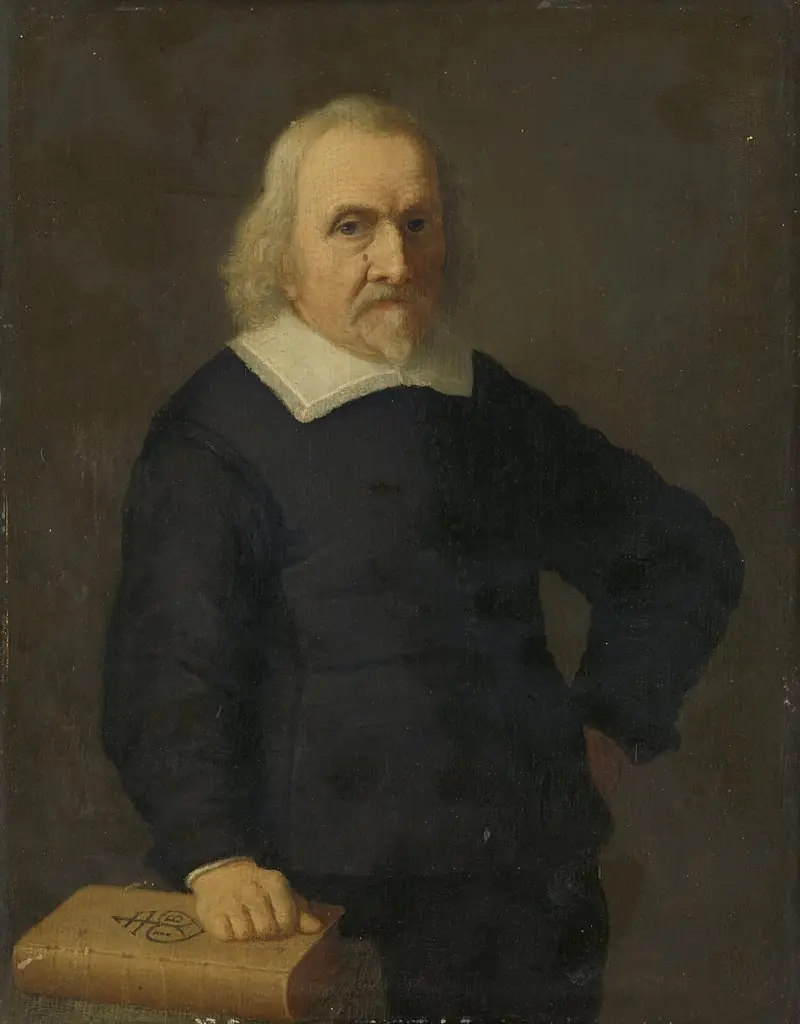 Portrait of a Man
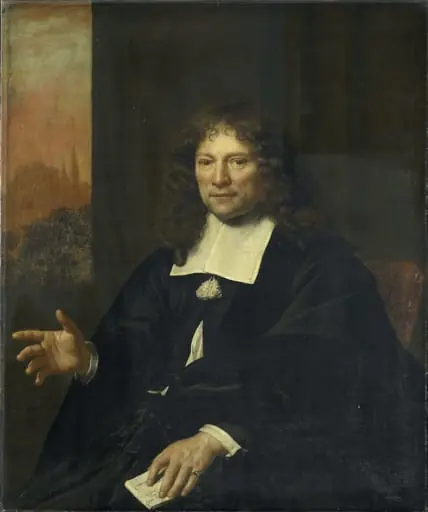 Portrait of Daniel Niellius. Elder of the Remonstrant Church and Sampling Official of Alkmaar
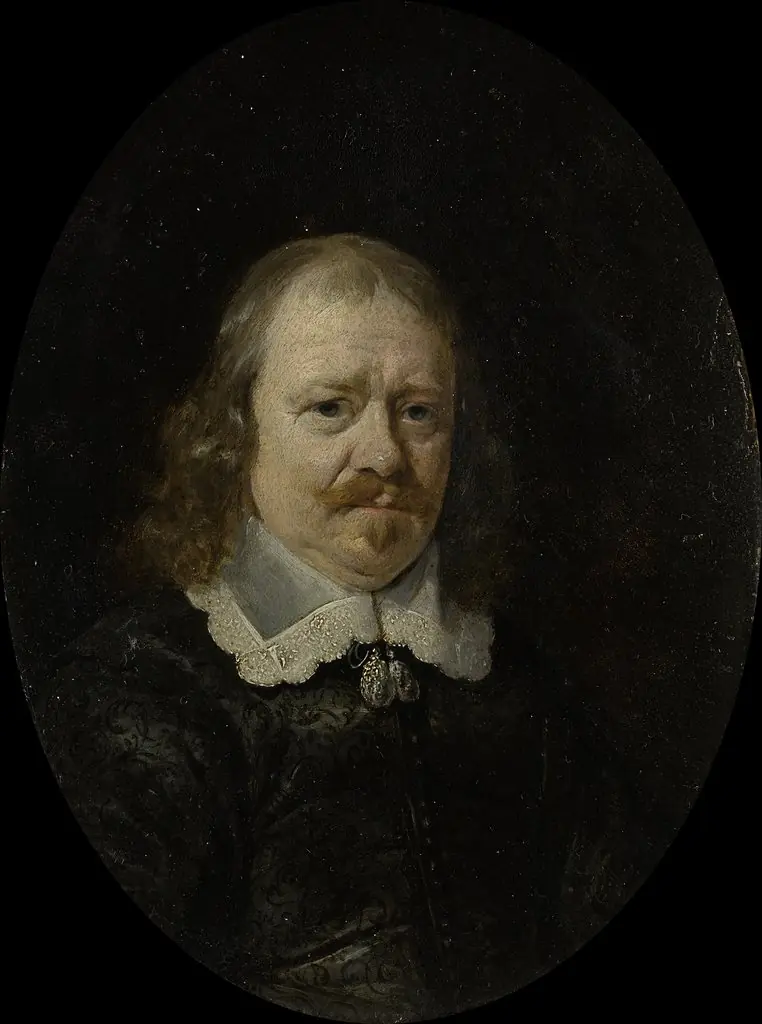 Godard van Reede (1588-1648), lord of Nederhorst. Delegate of the province of Utrecht at the peace conference at Münster (1646-48)