Artwork
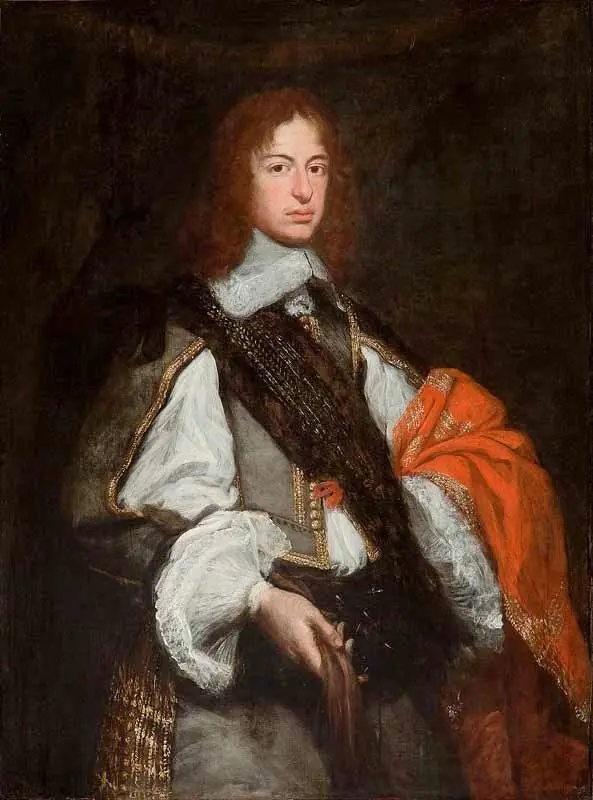
Portrait of a Man
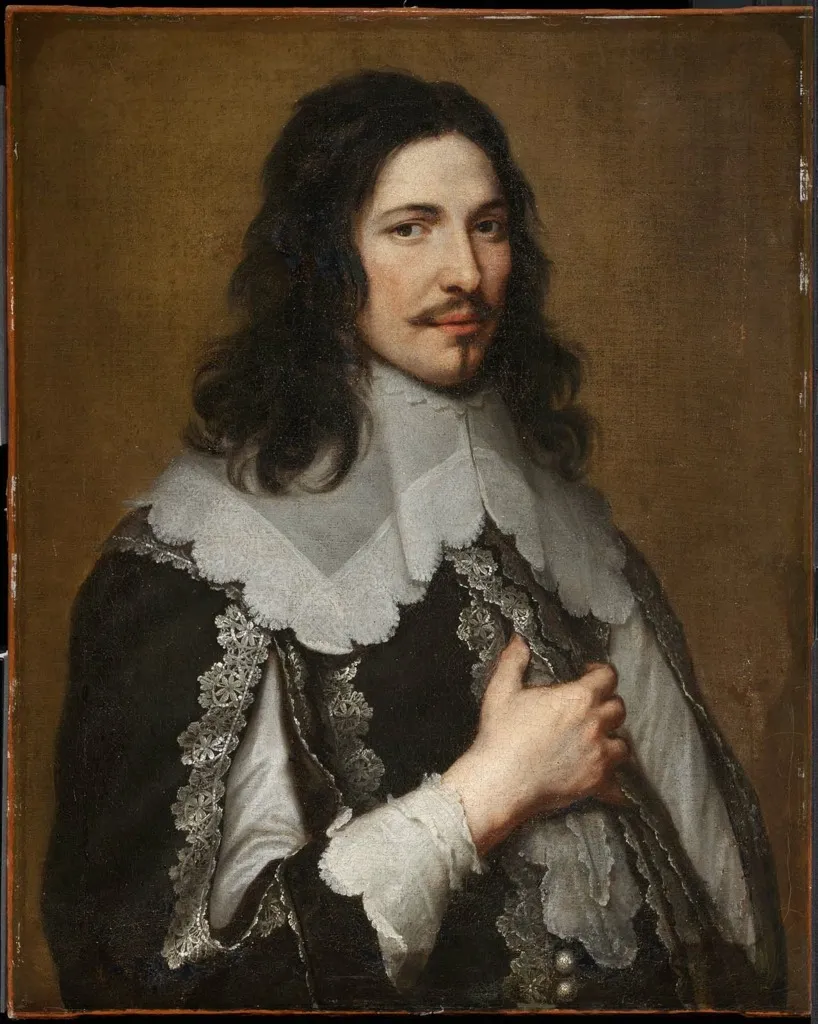
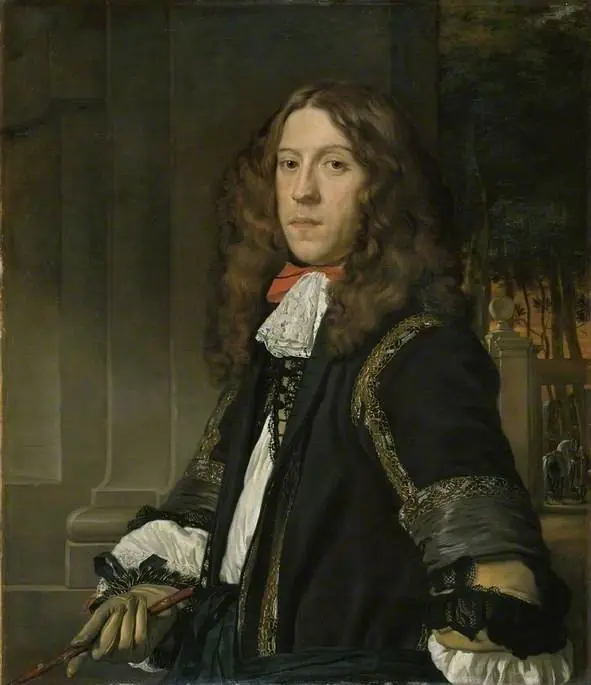
Portrait of a Man is an oil painting by the Dutch Golden Age artist Jacob van Oost the Younger. It dates from 1650 and is held in the collection of the Museum of Fine Arts Boston.
About this work
Overview
It reflects the regional portrait conventions of the Dutch Golden Age, emphasizing quiet dignity and careful observation.
Painted around 1650, this oil portrait is attributed to Jacob van Oost the Younger, a Flemish artist active in Bruges. It reflects the regional portrait conventions of the Dutch Golden Age, emphasizing quiet dignity and careful observation. The work is part of the Museum of Fine Arts, Boston’s collection, where it represents the refined secular portraiture produced in the Southern Netherlands during the mid-seventeenth century.
Subject & Meaning
The sitter is a man of apparent means, dressed in a dark, finely detailed coat with lace detailing at the collar and cuffs. His posture—hand resting on the chest, the other concealed—suggests composure and self-possession. The absence of symbols or setting shifts focus to his presence alone, implying a portrait intended to convey character rather than status or profession.
Technique & Style
Van Oost employs chiaroscuro to model the sitter’s face and lace trim, using sharp contrasts between light and shadow to create volume and texture. The brushwork is precise in the rendering of fabric and hair, while the background remains unadorned and dark, enhancing the figure’s prominence. This technique aligns with contemporary Flemish and Dutch approaches to portraiture, prioritizing naturalism over ornamentation.
History & Provenance
Jacob van Oost the Younger trained under his father, Jacob van Oost the Elder, and his brother Willem, both established painters in Bruges. While few of his works are documented with certainty, this portrait is accepted as part of his oeuvre based on stylistic comparison and regional attribution. It entered the Museum of Fine Arts, Boston’s collection in the early twentieth century, likely through a private acquisition.
Context
In mid-seventeenth-century Flanders, portraiture flourished among urban elites seeking to assert personal identity through visual representation. Unlike grander court portraits, works like this one favored restraint and psychological subtlety. Van Oost’s output, though less known than his Dutch contemporaries, contributed to a regional tradition that valued quiet realism over theatricality.
Legacy
Though Jacob van Oost the Younger did not achieve widespread fame, his portraits remain valuable examples of Flemish domestic portraiture from the Baroque period. This work illustrates how artists outside major centers like Amsterdam sustained a nuanced visual language focused on individual presence. It continues to inform scholarly understanding of provincial artistic practice in the Southern Netherlands.
Artist & collection
Artist
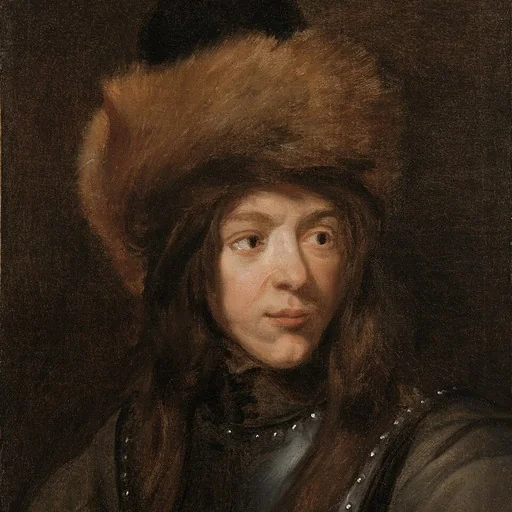
Jacob van Oost the Younger (1639–1713 in Bruges), was a Flemish Baroque painter. According to the Rijksbureau voor Kunsthistorische Documentatie, he was a pupil of his father Jacob sr. and brother to the painter Willem…

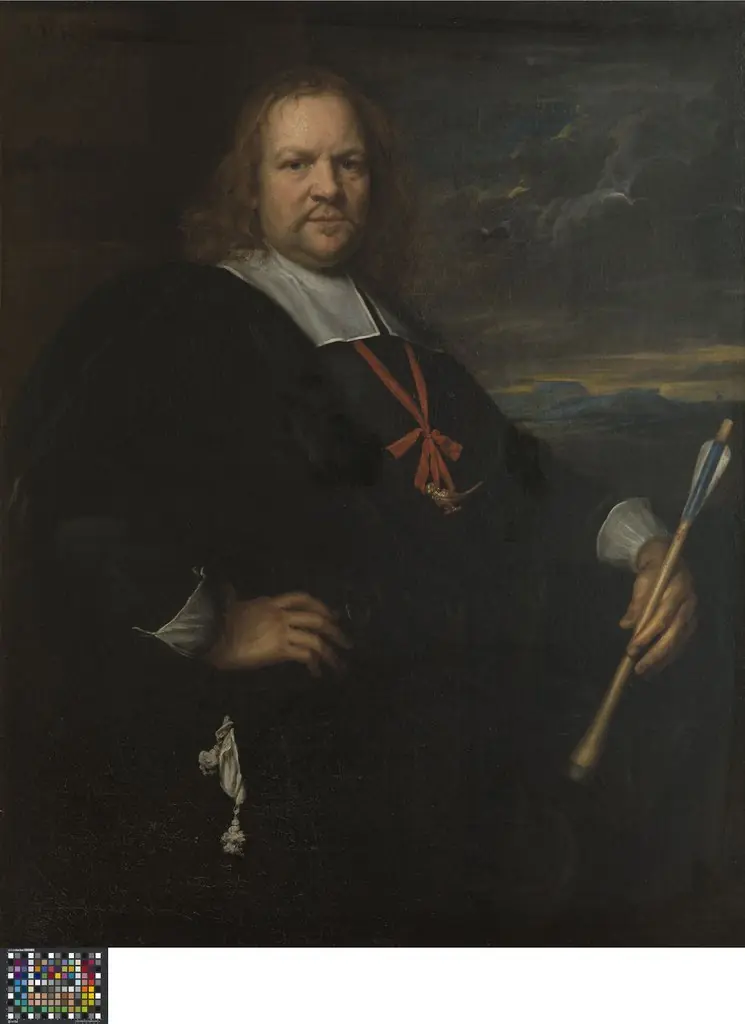
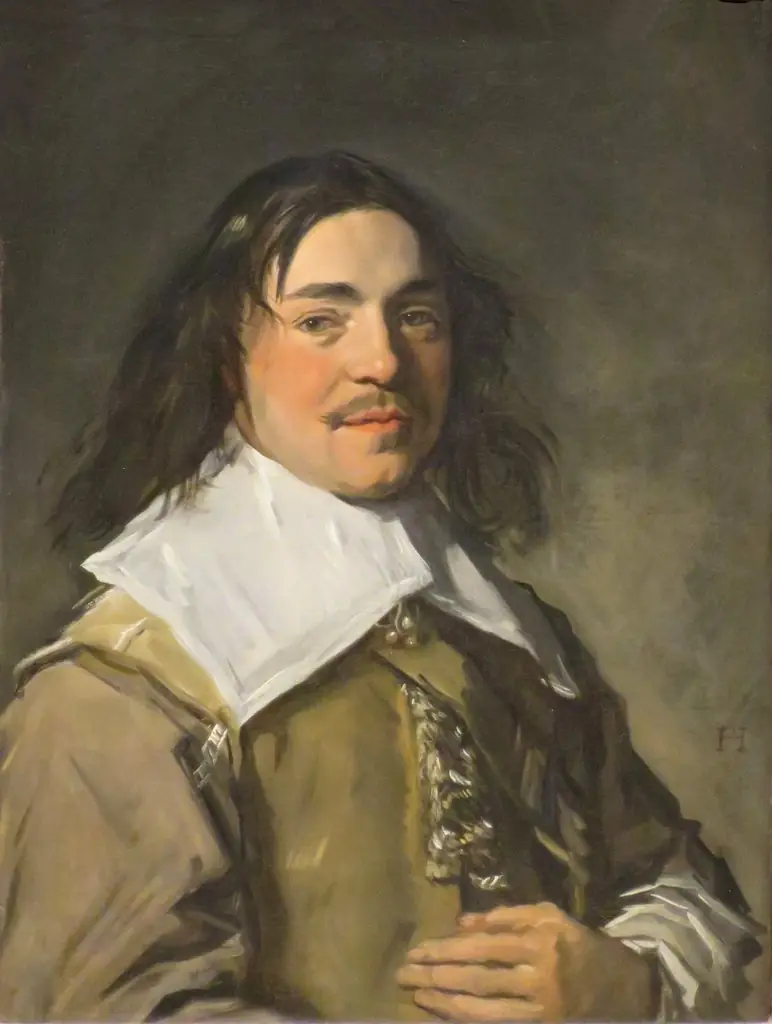 Portrait of a man
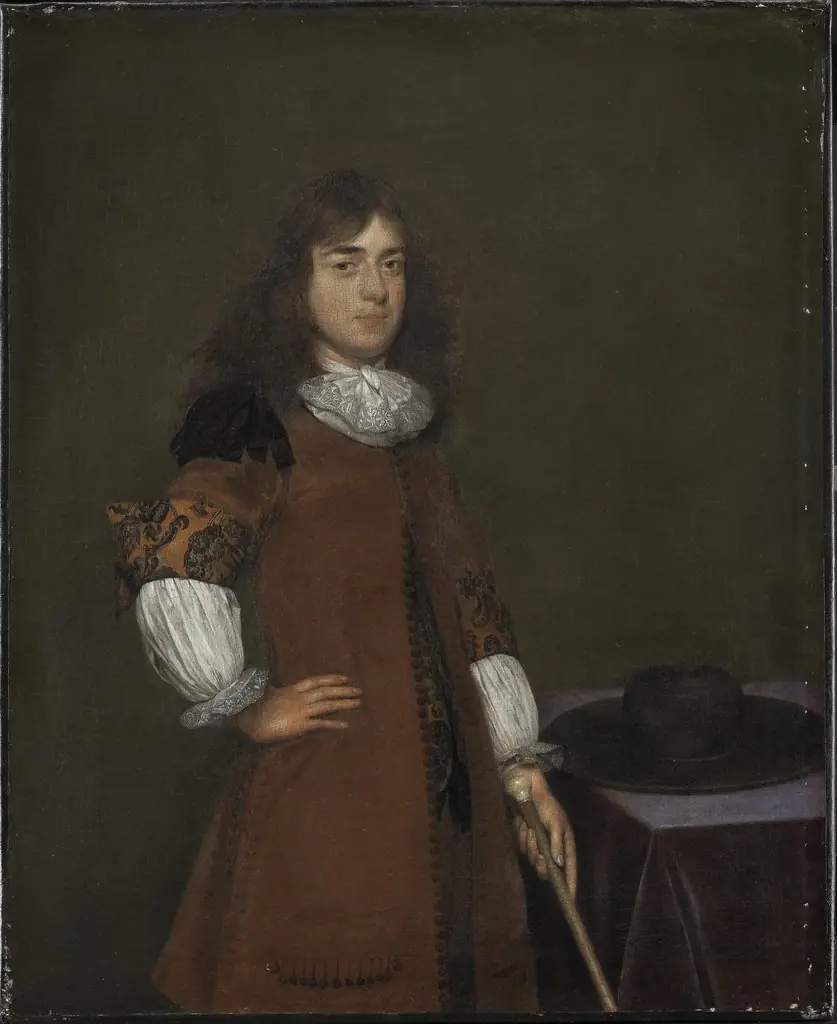 Portrait of a Man
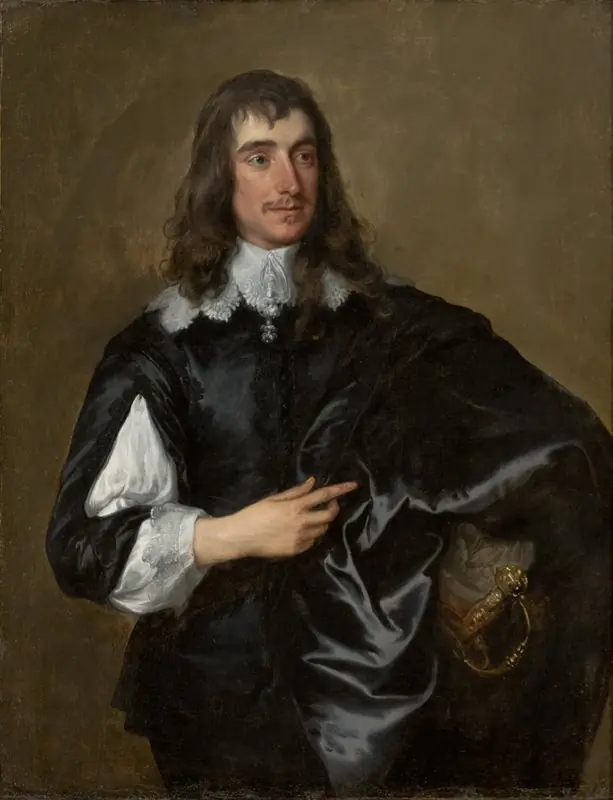 Portrait of a man, possibly William Howard, Viscount of Stafford
 Portrait of a man
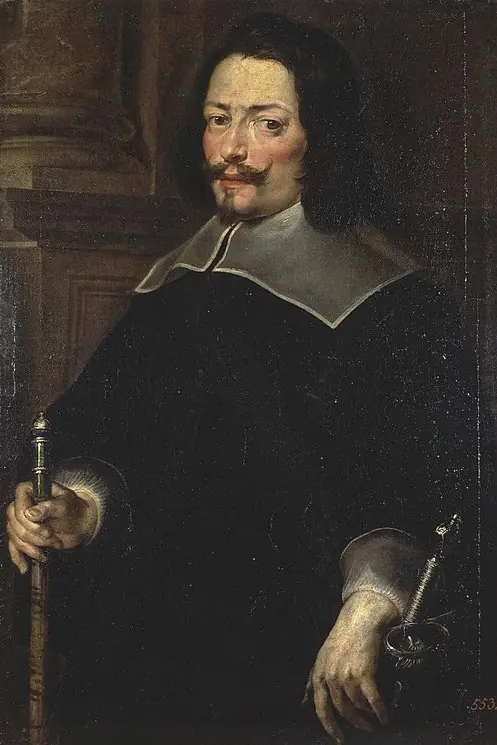 Portrait of a Man
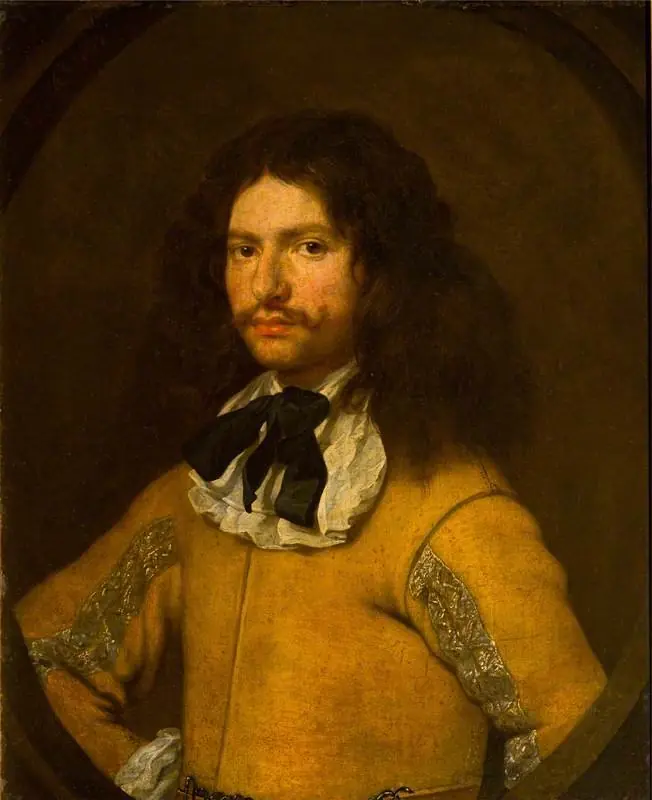 A Cavalier in a Yellow Coat
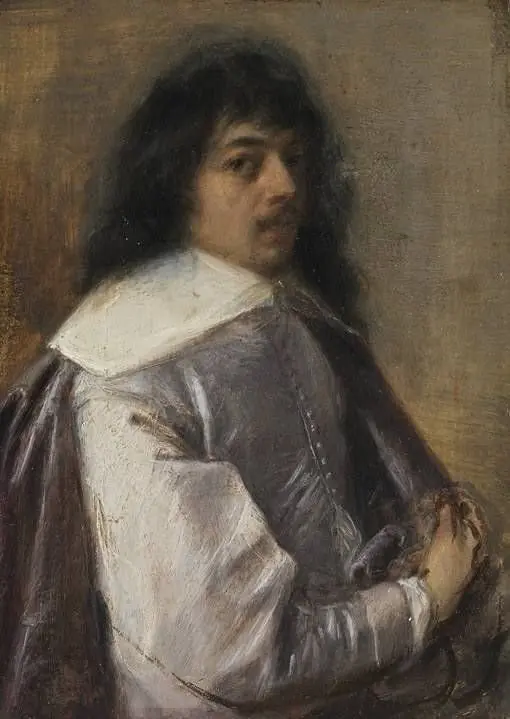 Portrait of an unknown man
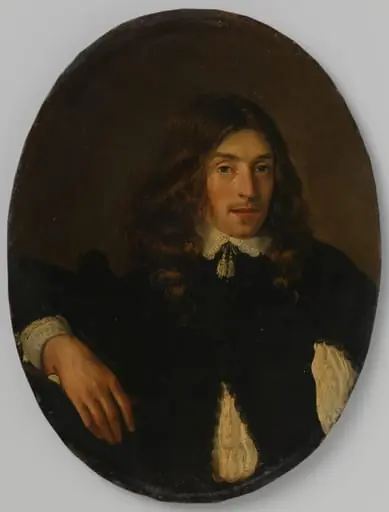 Portrait of a Young Man
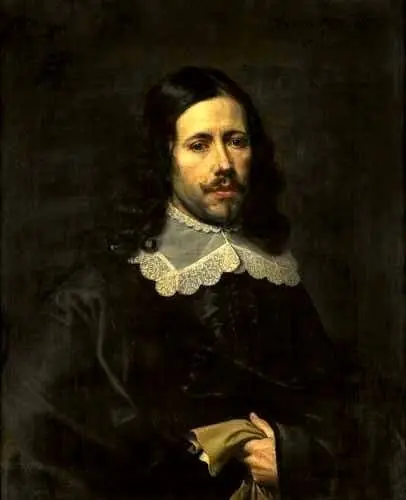 Self-portrait
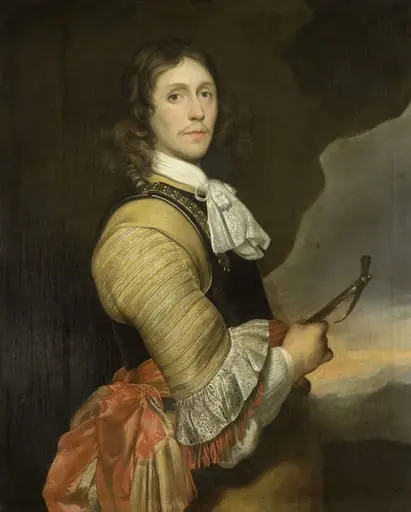 Portrait of a Captain
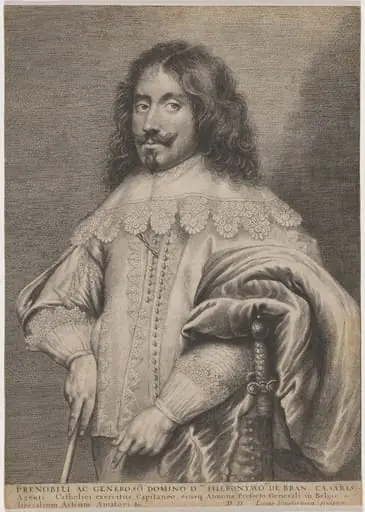 Hieronymus de Bran
 Portrait of Francesco de' Medici (1614-1634)