Artwork
Landscape with river and pines
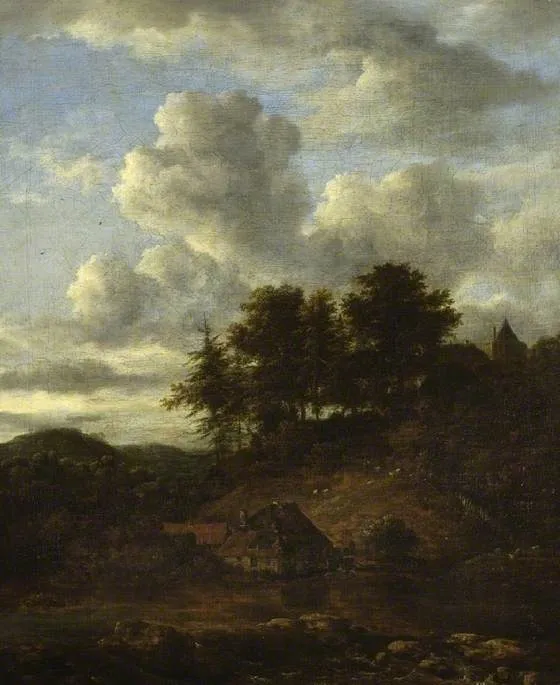
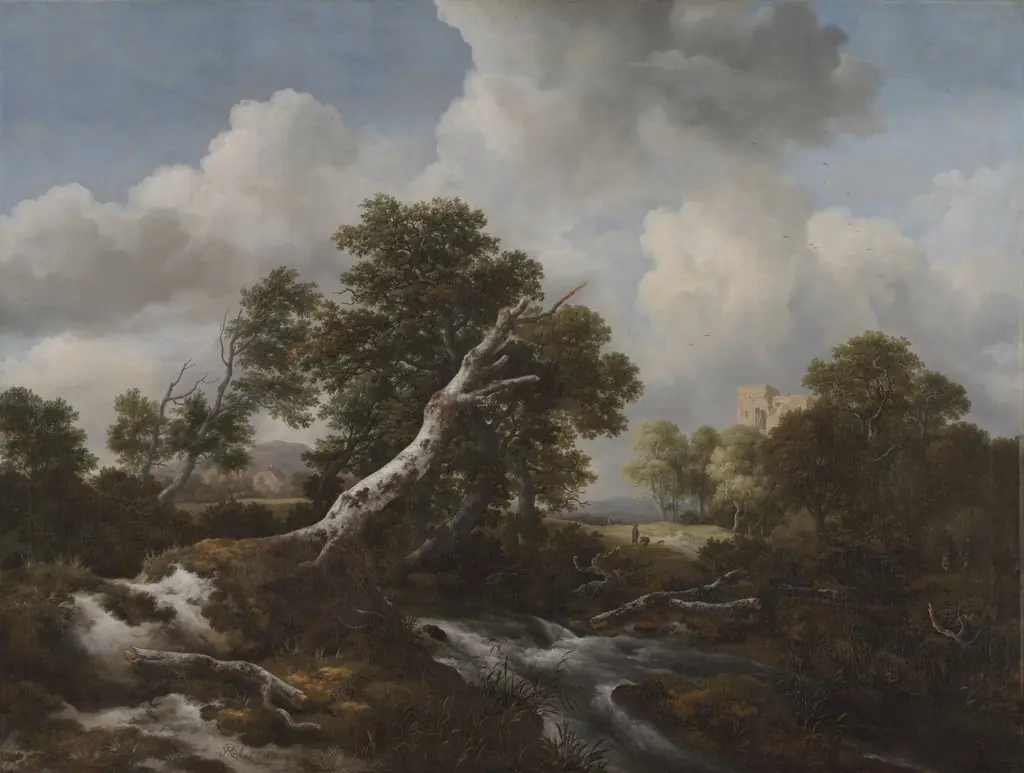
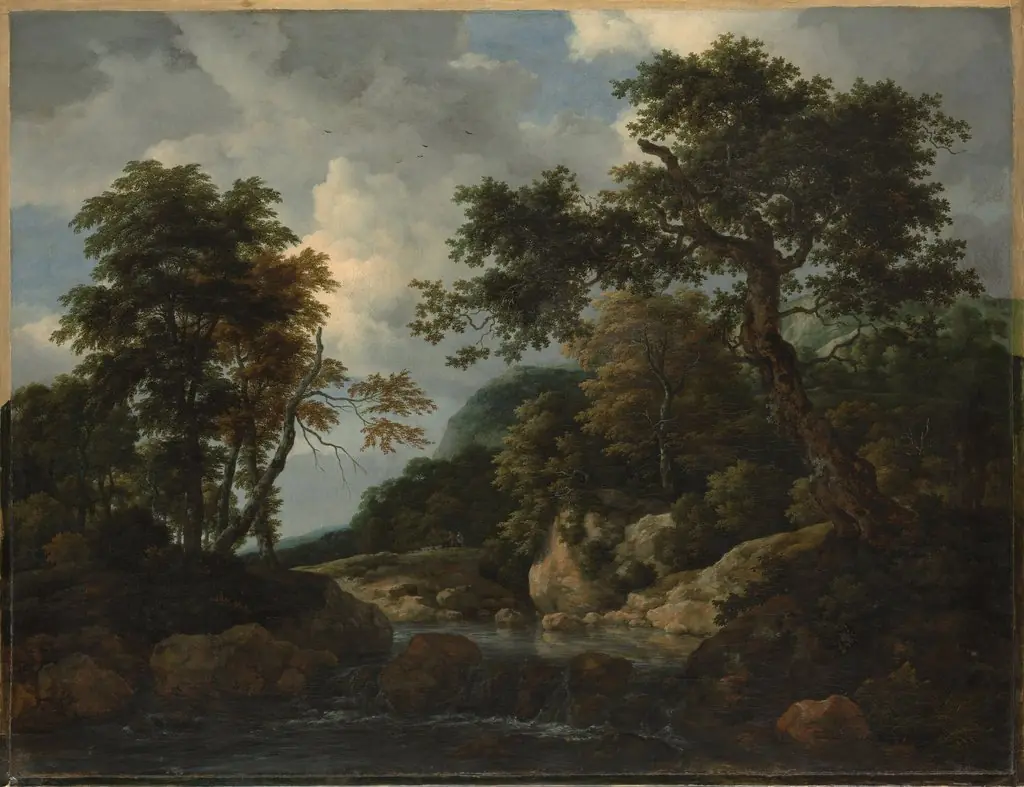
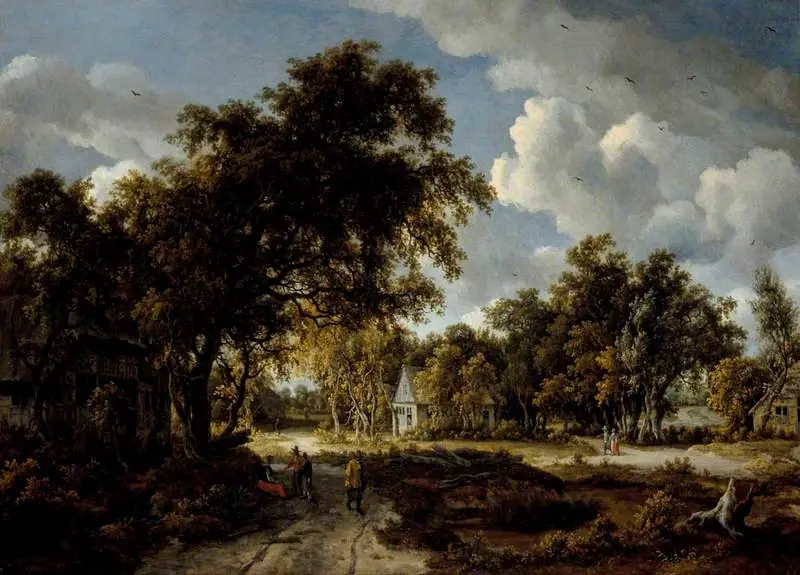
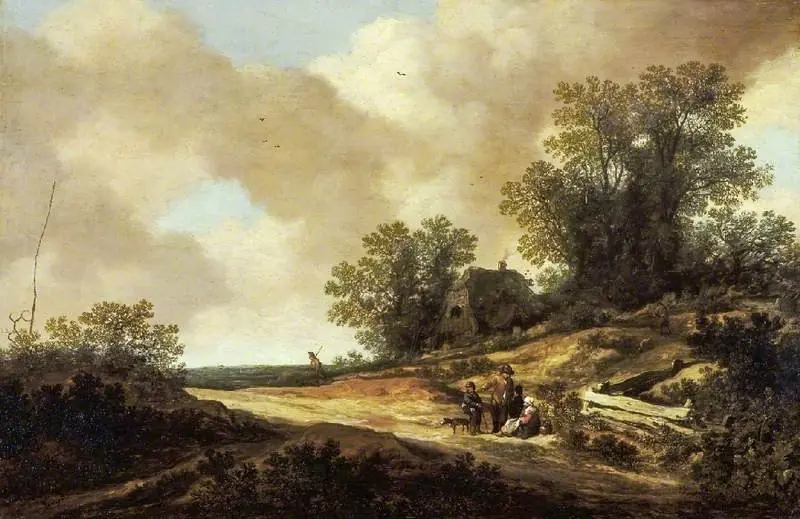
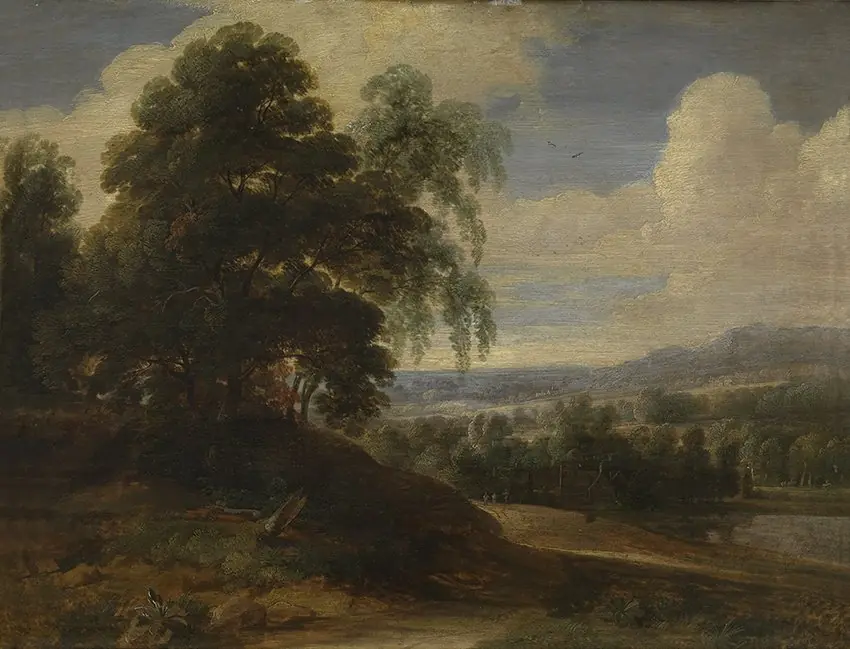
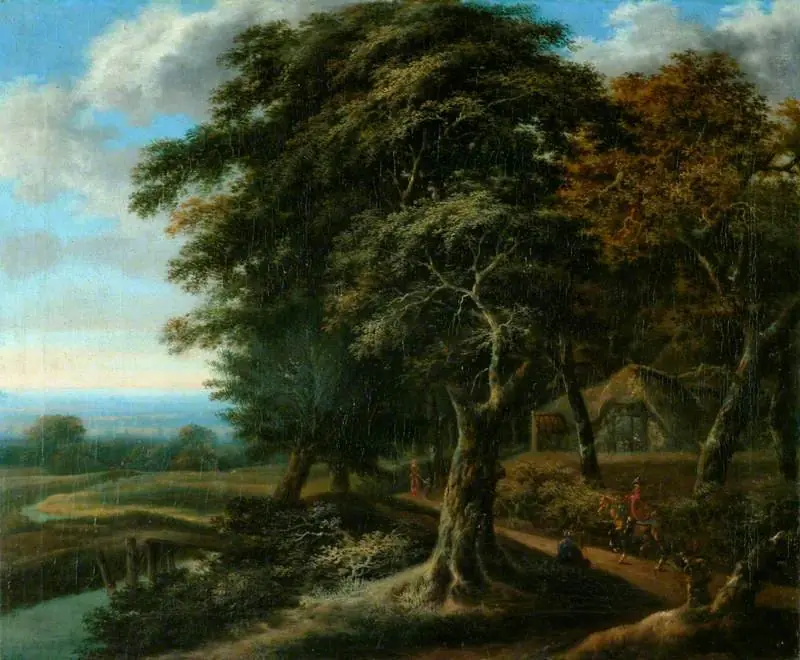
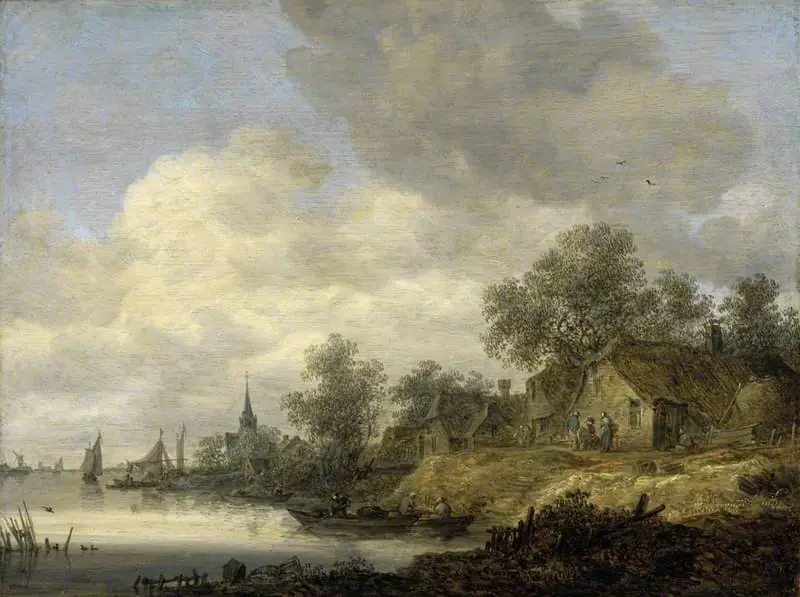
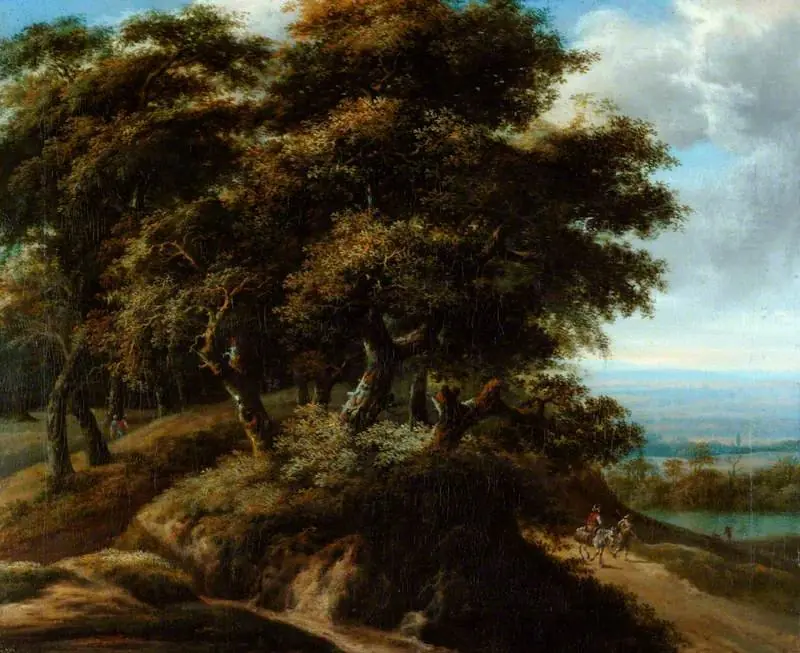
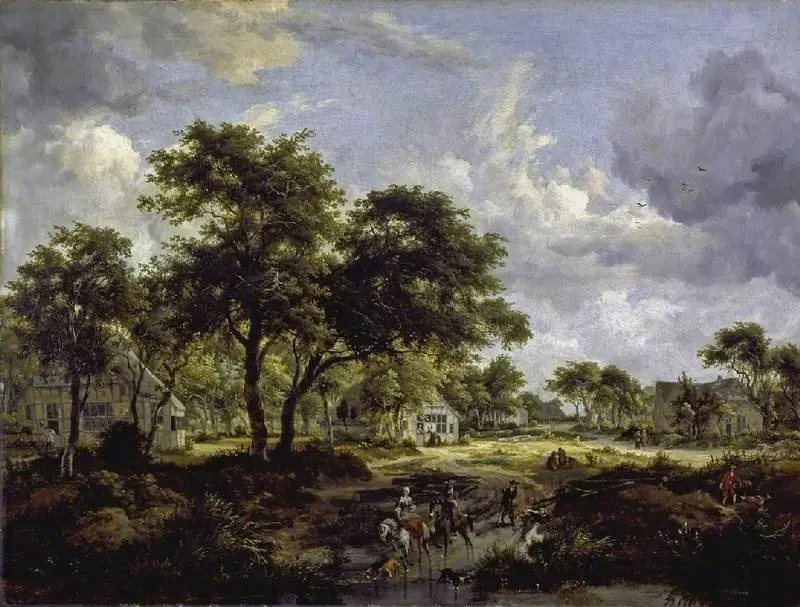
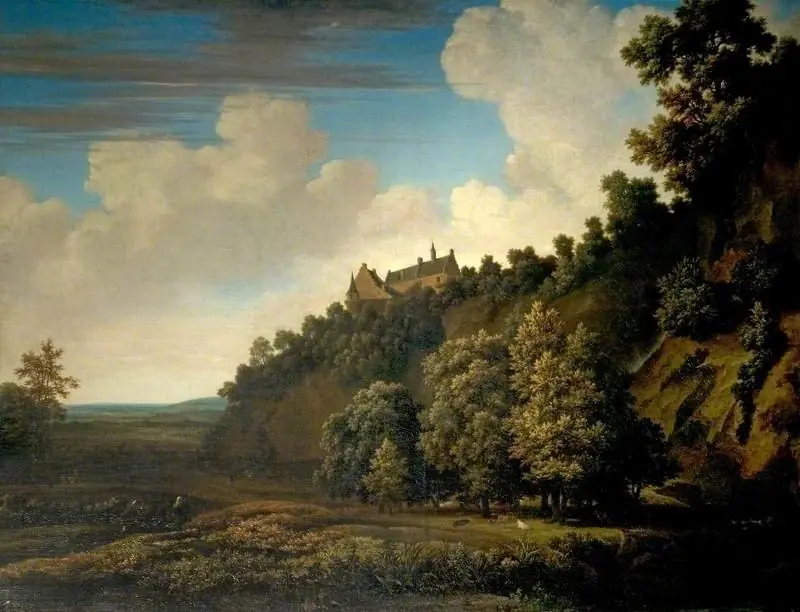
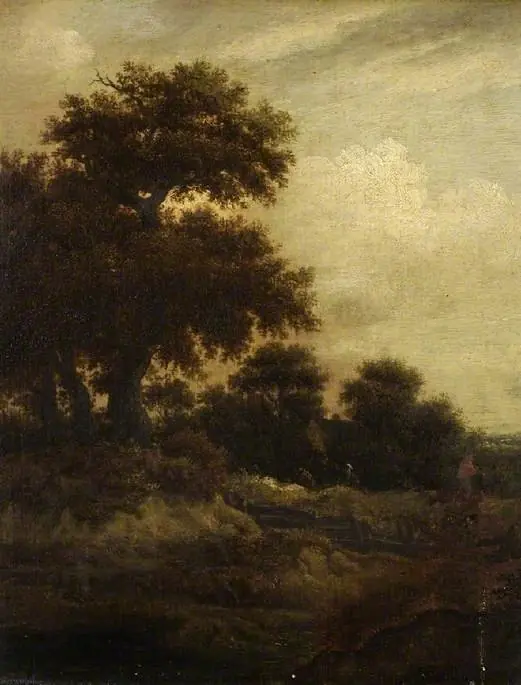
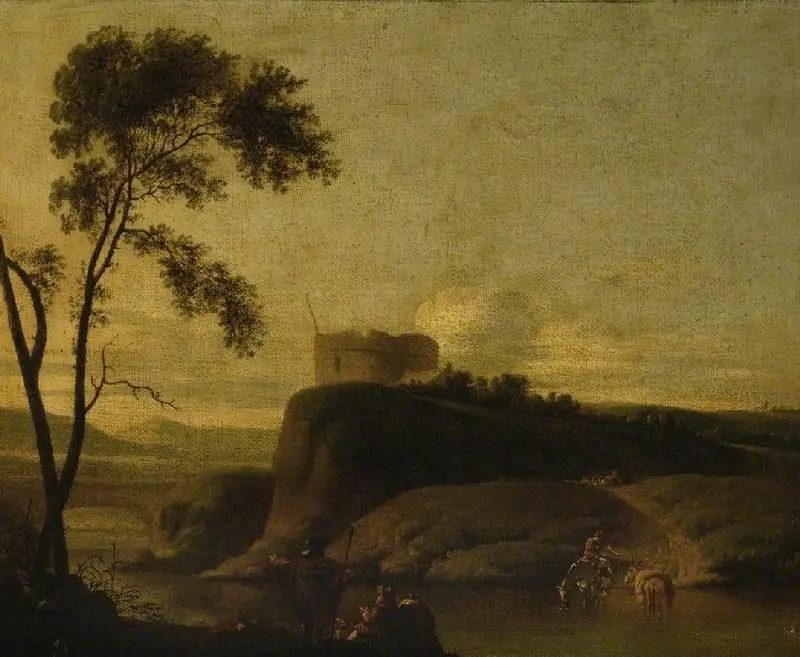
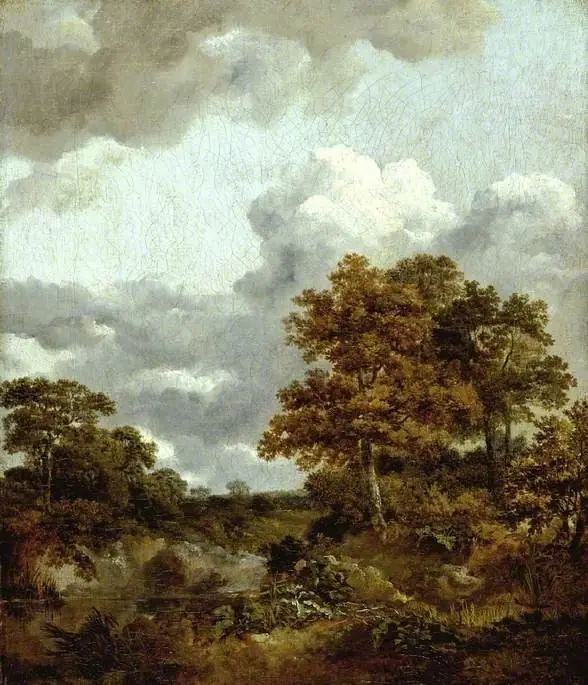
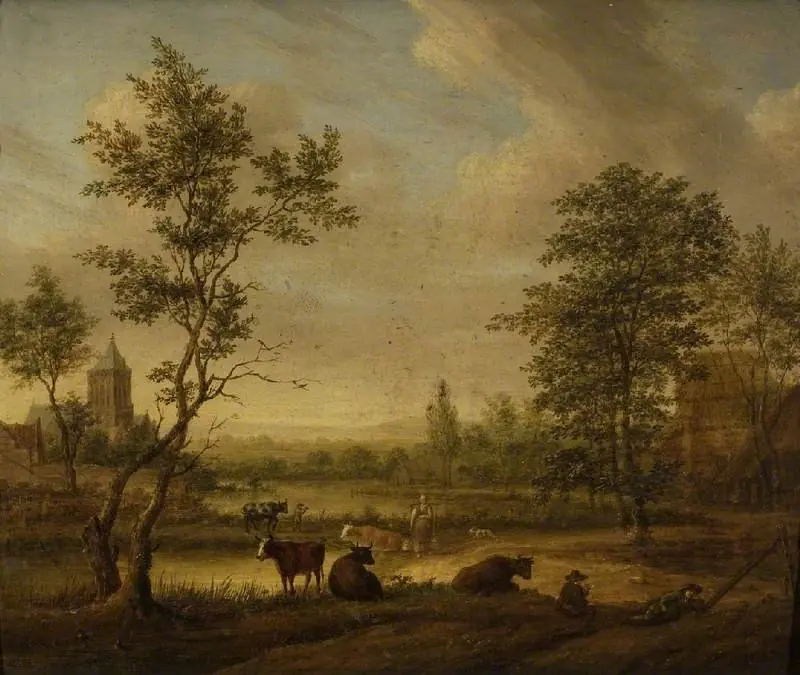
Landscape with river and pines is an oil painting by Jacob van Ruisdael. It dates from 1660 and is held in the collection of the Fitzwilliam Museum.
About this work
Overview
The composition balances natural elements with quiet human habitation, reflecting the era’s reverence for the land.
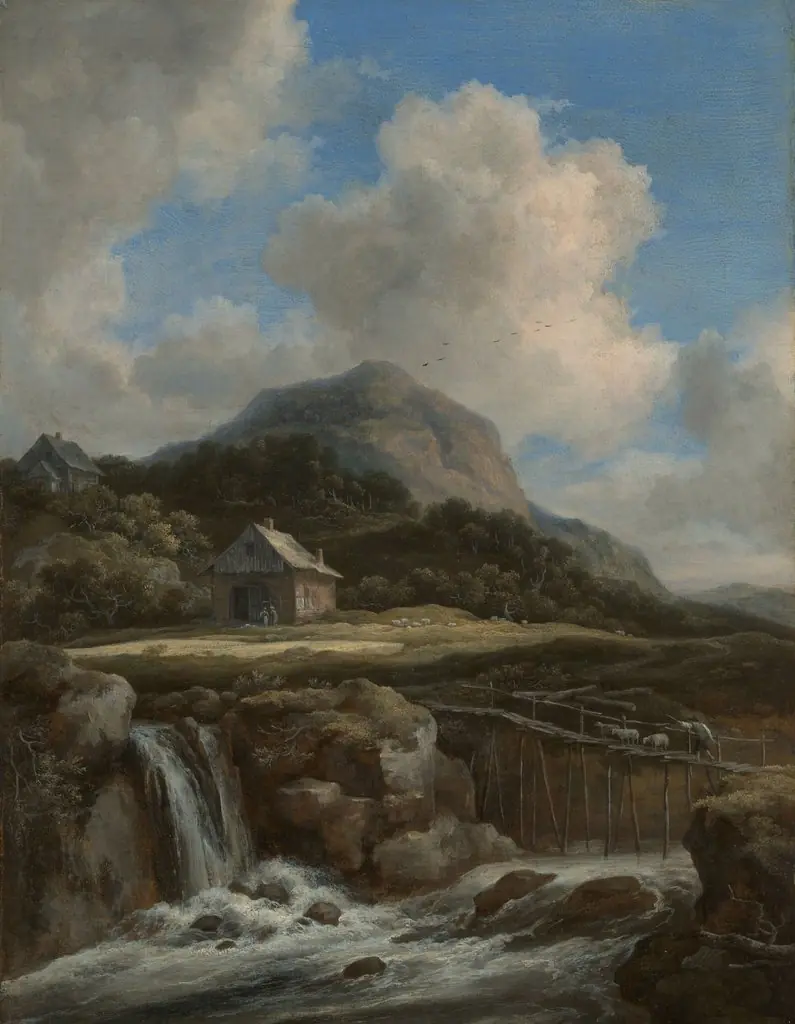
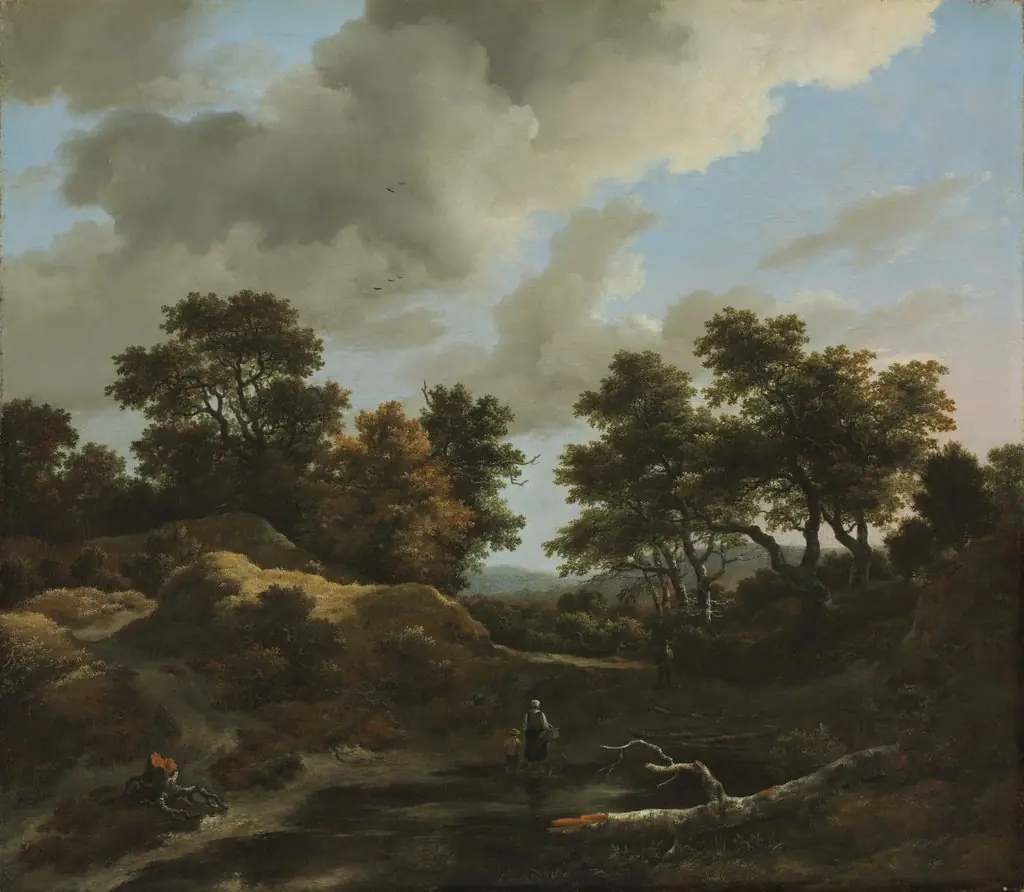
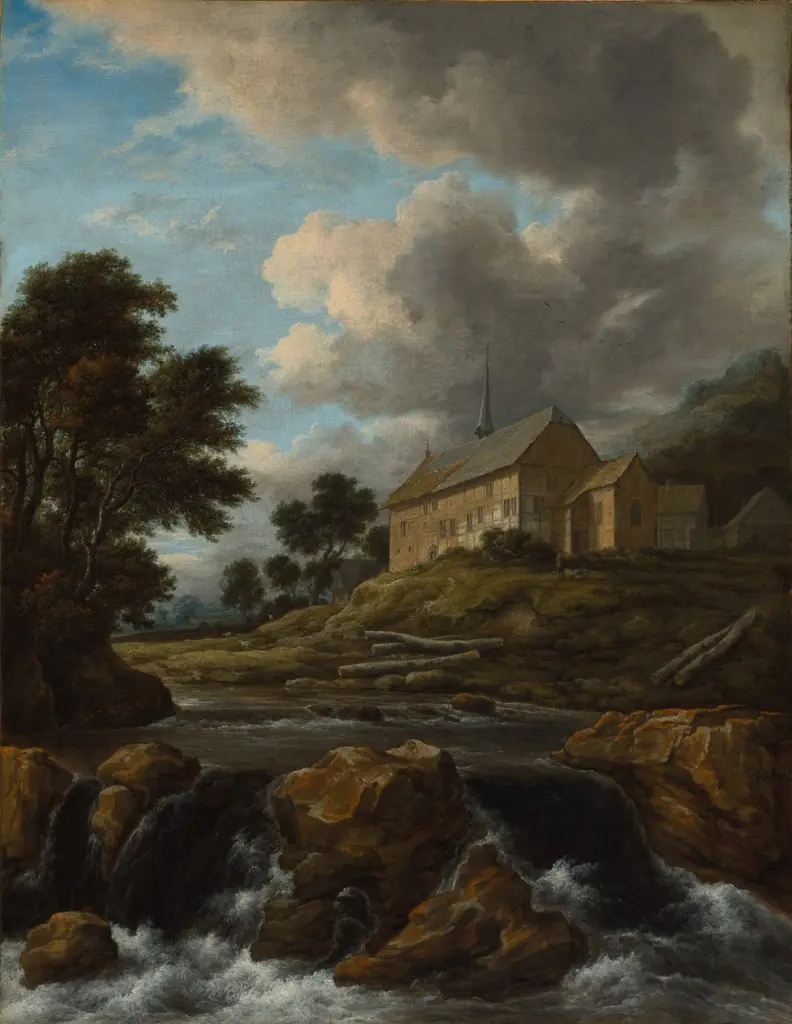
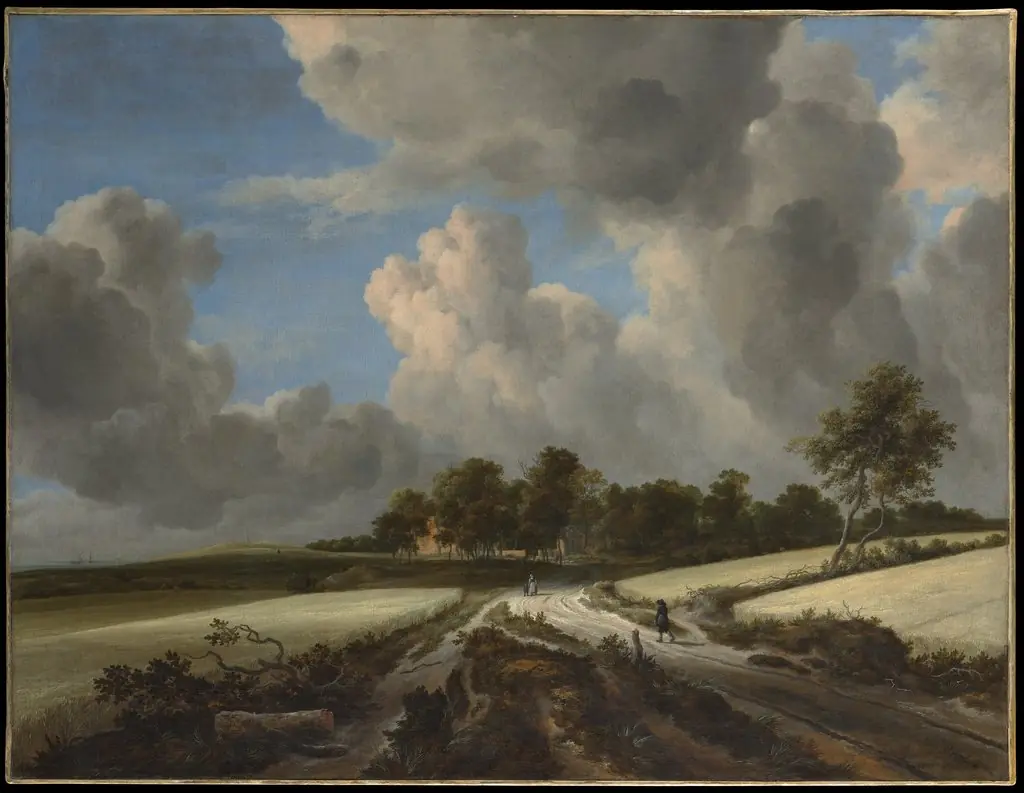
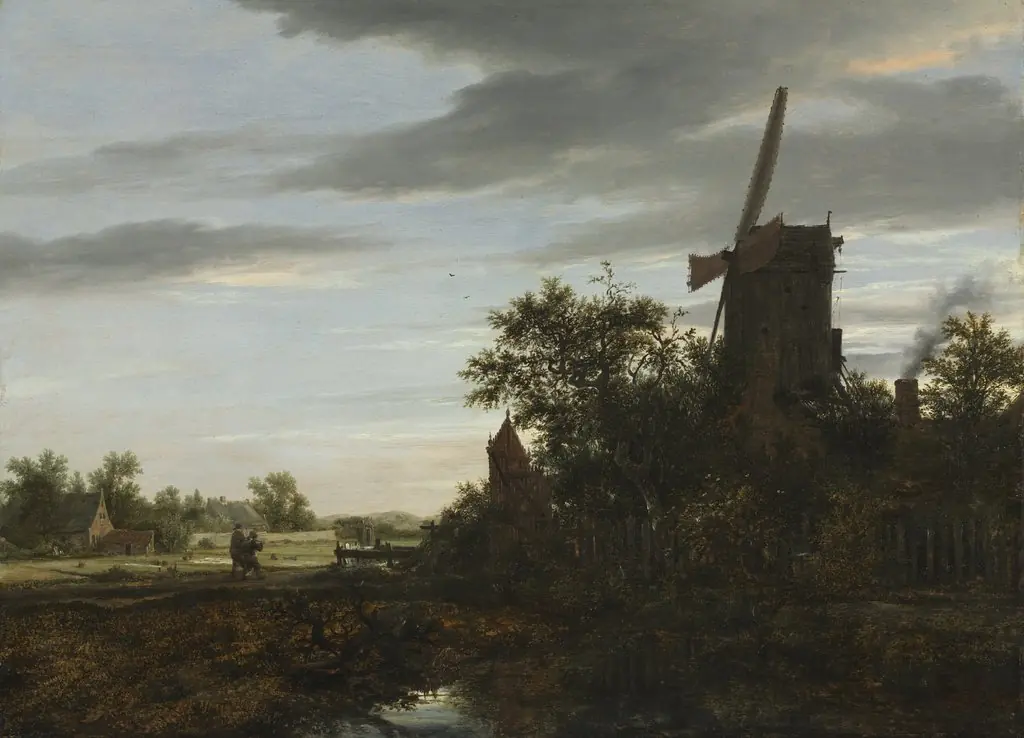
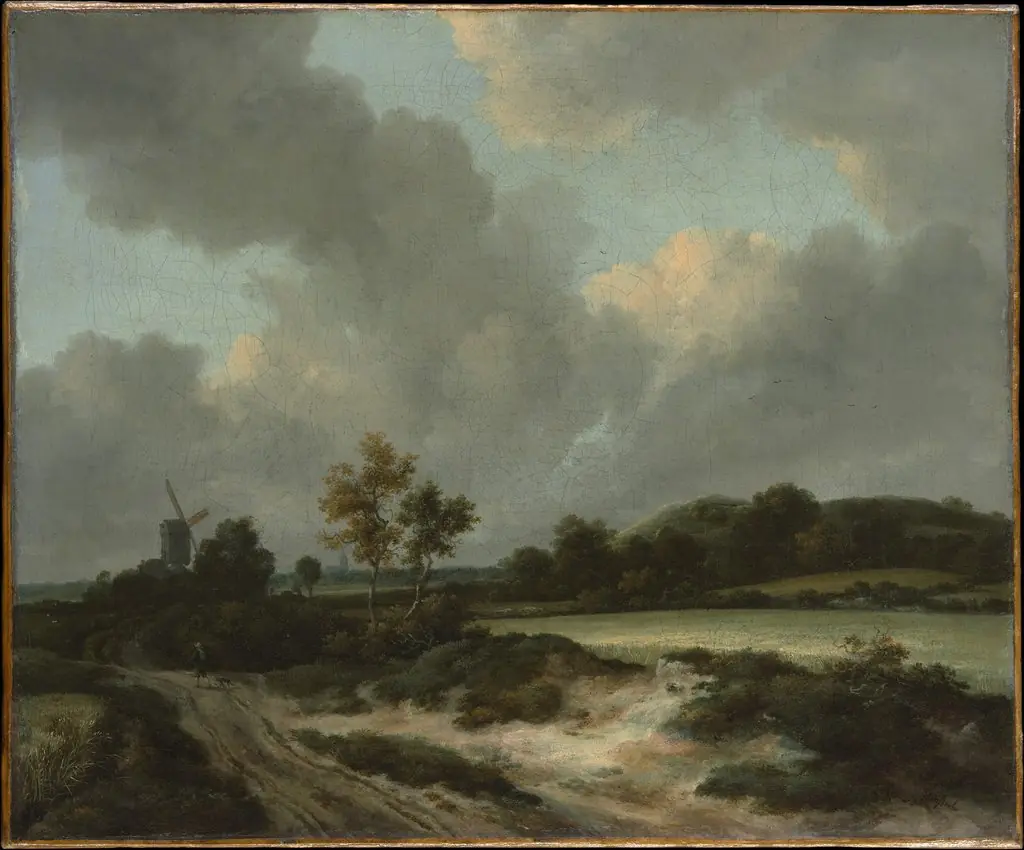
Painted around 1660, this oil-on-canvas landscape by Jacob van Ruisdael captures a tranquil Dutch countryside. A meandering river flows through a low valley, flanked by rolling hills and dense stands of pine. A modest cottage nestles beneath the trees, its presence subtle yet grounding. The composition balances natural elements with quiet human habitation, reflecting the era’s reverence for the land.
Subject & Meaning
The scene presents no grand narrative, but rather an intimate observation of rural life. The cottage, half-hidden among pines, suggests quiet solitude, while the river implies continuity and flow. The towering trees, enduring and dark, contrast with the fleeting clouds above, evoking themes of transience and permanence. Nature is neither idealized nor dominated—it simply is, observed with quiet reverence.
Technique & Style
Ruisdael employs varied brushwork to distinguish textures: thin, blended strokes render the sky and distant hills, while thicker, more deliberate strokes define the pine needles and bark. Light falls unevenly, creating strong contrasts between sunlit grass and shadowed undergrowth. This interplay of light and dark, known as chiaroscuro, enhances depth and atmosphere, giving the landscape a tangible, breathing quality.
History & Provenance
The painting entered the collection of the Fitzwilliam Museum in Cambridge in the 19th century, having passed through private hands since its creation. Its attribution to Ruisdael has remained consistent, supported by stylistic analysis and historical records. It has been exhibited periodically since its acquisition, contributing to scholarly understanding of Dutch landscape painting in the mid-17th century.
Context
Created during the Dutch Golden Age, this work reflects a cultural shift toward secular, nature-focused imagery. Unlike religious or mythological scenes, landscapes like this one celebrated the domestic environment and the moral virtue of humble living. Ruisdael’s attention to atmospheric detail aligned with broader scientific and philosophical interests in observation and natural order.
Legacy
Ruisdael’s approach to landscape—emphasizing mood over narrative—influenced later generations of European painters, including those of the Romantic movement. His ability to convey emotional resonance through light and texture set a precedent for how nature could be portrayed not as backdrop, but as a subject worthy of contemplation. This painting remains a quiet example of that enduring legacy.
Artist & collection
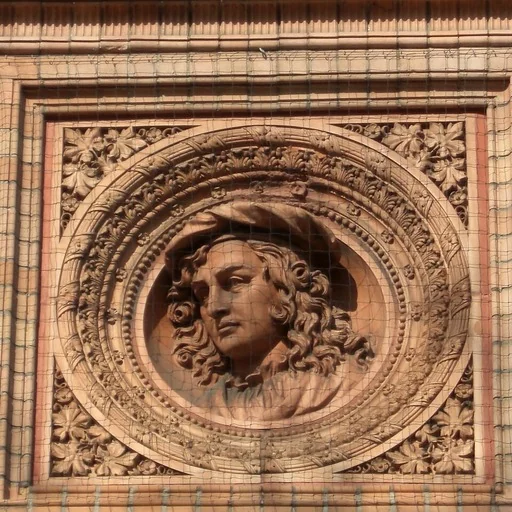
Artist
Jacob Isaackszoon van Ruisdael was a Dutch painter, draughtsman, and etcher. He is generally considered the pre-eminent landscape painter of the Dutch Golden Age, a period of great wealth and cultural achievement when…