Artwork
The Bleaching Grounds near Haarlem
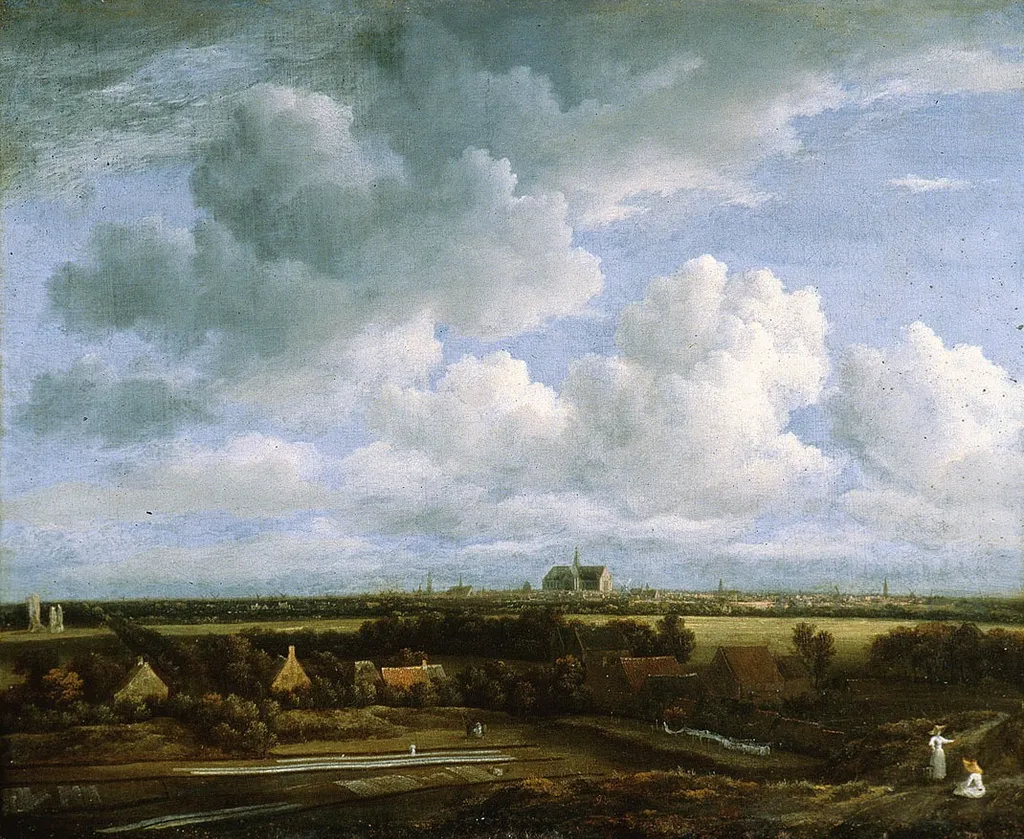
The Bleaching Grounds near Haarlem is an oil painting by the Dutch Golden Age artist Jacob van Ruisdael. It dates from 1670 and is held in the collection of the Montreal Museum of Fine Arts.
About this work
The focus is on the natural beauty of the landscape, with the sheets or fabric adding a touch of simplicity and elegance.
This painting depicts a serene landscape with a large, open field in the foreground. The field is dotted with what appear to be white sheets or fabric, possibly for drying or bleaching. In the background, there's a church and some trees, set against a cloudy sky.
The scene is tranquil, with no signs of human activity or movement. The focus is on the natural beauty of the landscape, with the sheets or fabric adding a touch of simplicity and elegance.
If you're interested in learning more about Dutch landscape paintings, you might want to explore the work of Jacob van Ruisdael, a prominent artist of the 17th century.
Overview
Painted in 1670 by Jacob van Ruisdael, this oil on canvas depicts a quiet stretch of countryside near Haarlem. The composition centers on a broad, open field where white textiles are spread for bleaching, flanked by low dunes and a distant church spire. The sky, heavy with soft clouds, dominates the upper two-thirds, lending the scene a calm, atmospheric weight. The painting reflects the Dutch Golden Age’s interest in ordinary rural labor framed within natural grandeur.
Subject & Meaning
The scene captures a functional textile bleaching ground, a common industry in the region where linen was exposed to sunlight and air to whiten it. The absence of human figures emphasizes the quiet rhythm of labor rather than its participants. The church, Grote Kerk, anchors the horizon, subtly linking the earthly work of the field with spiritual presence. The stillness suggests contemplation, not narrative—nature and industry coexist without drama.
Technique & Style
Ruisdael employs subtle tonal gradations to model the landscape, using thin glazes to render the sky’s shifting clouds and the pale fabric’s luminous texture. The brushwork is precise yet unobtrusive, with soft edges that dissolve forms into atmosphere. The low horizon and expansive sky follow Dutch landscape conventions, but the composition’s stillness and muted palette reveal a personal restraint, distancing the work from theatrical Baroque tendencies.
History & Provenance
The painting entered the Montreal Museum of Fine Arts’ collection in the 20th century, though its earlier ownership history remains largely undocumented. It was likely acquired through private European dealers, as many Dutch landscapes were during the 19th-century revival of interest in 17th-century Dutch art. Its preservation in good condition reflects careful handling over centuries, though no major restorations are recorded.
Context
In 17th-century Holland, bleaching fields were essential to the textile trade, particularly around Haarlem, where clean water and open land supported the industry. Artists like Ruisdael often depicted such sites not as industrial zones but as harmonious elements within the broader landscape. This reflects a cultural tendency to elevate everyday work into serene, poetic scenes that celebrated national identity through quiet observation.
Legacy
Ruisdael’s treatment of the bleaching ground influenced later landscape painters by demonstrating how mundane activities could be rendered with dignity and emotional depth. The painting’s quietude and atmospheric precision became a model for 19th-century Romantic and Realist artists seeking truth in ordinary scenes. Though not widely exhibited, it remains a quiet touchstone in studies of Dutch naturalism and the aesthetics of stillness.
Artist & collection
Artist
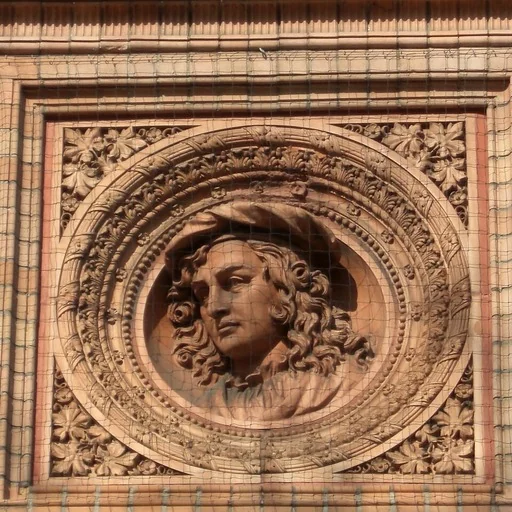
Jacob Isaackszoon van Ruisdael was a Dutch painter, draughtsman, and etcher. He is generally considered the pre-eminent landscape painter of the Dutch Golden Age, a period of great wealth and cultural achievement when…

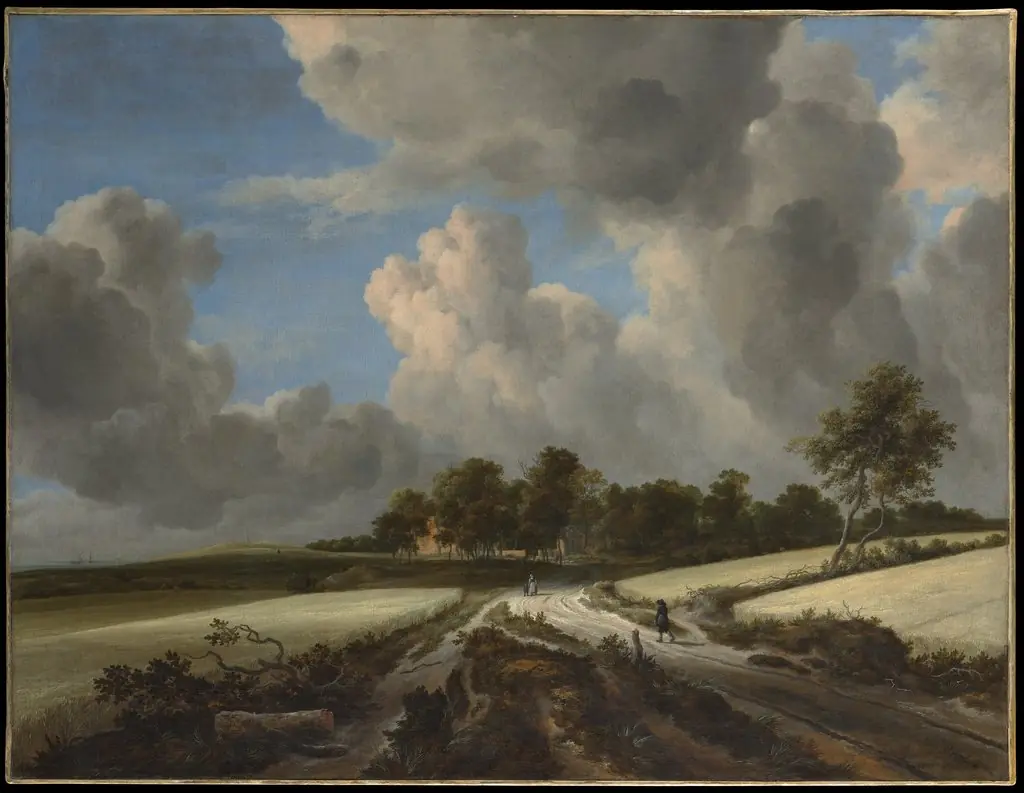
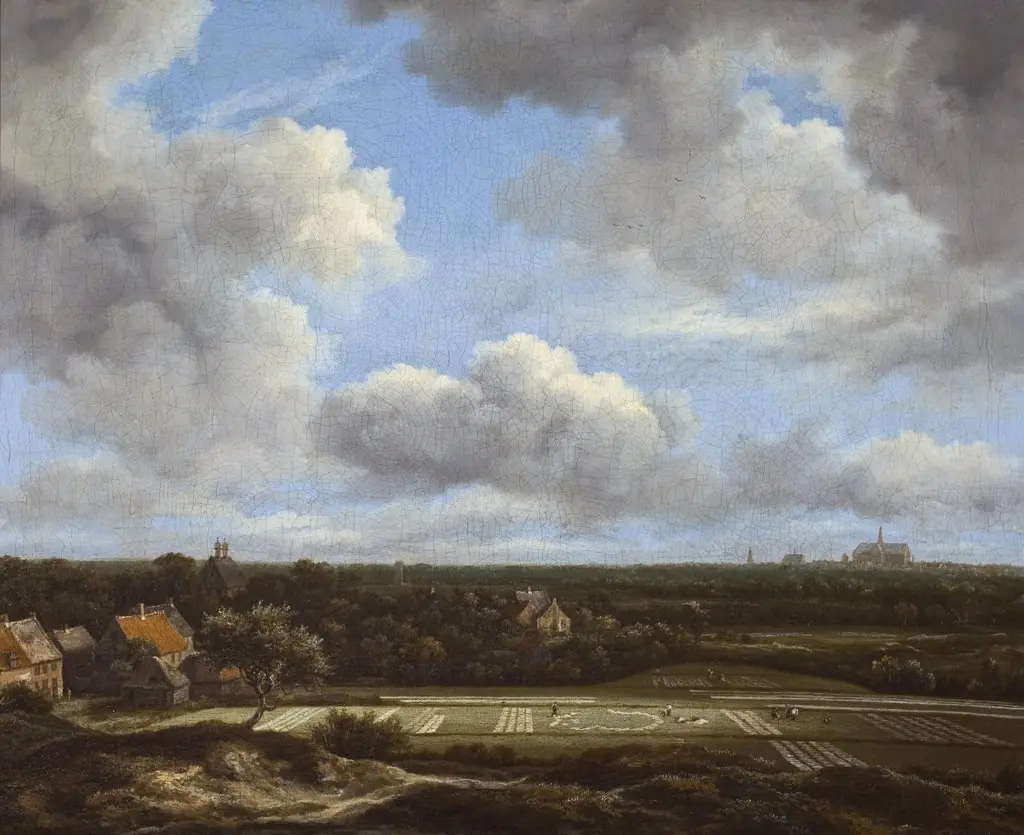 View of the Plain of Haarlem with Bleaching Grounds
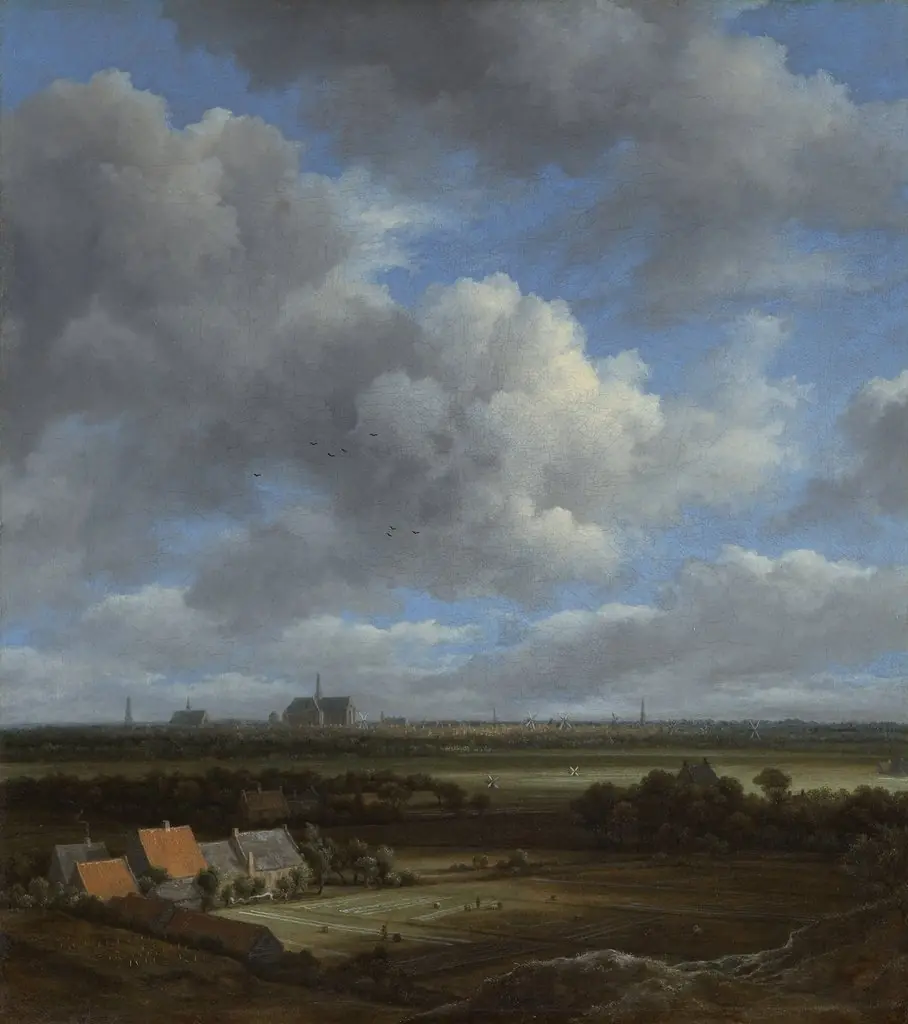 View of Haarlem from the Northwest, with the Bleaching Fields in the Foreground
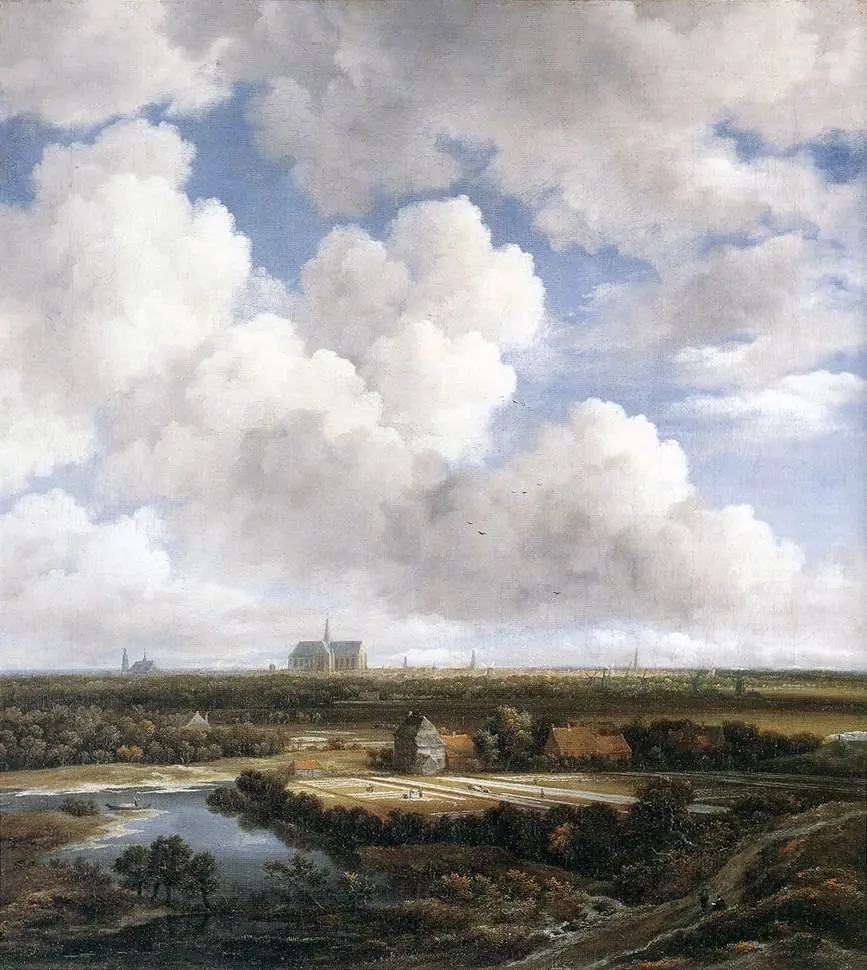 View of Haarlem with Bleaching Fields
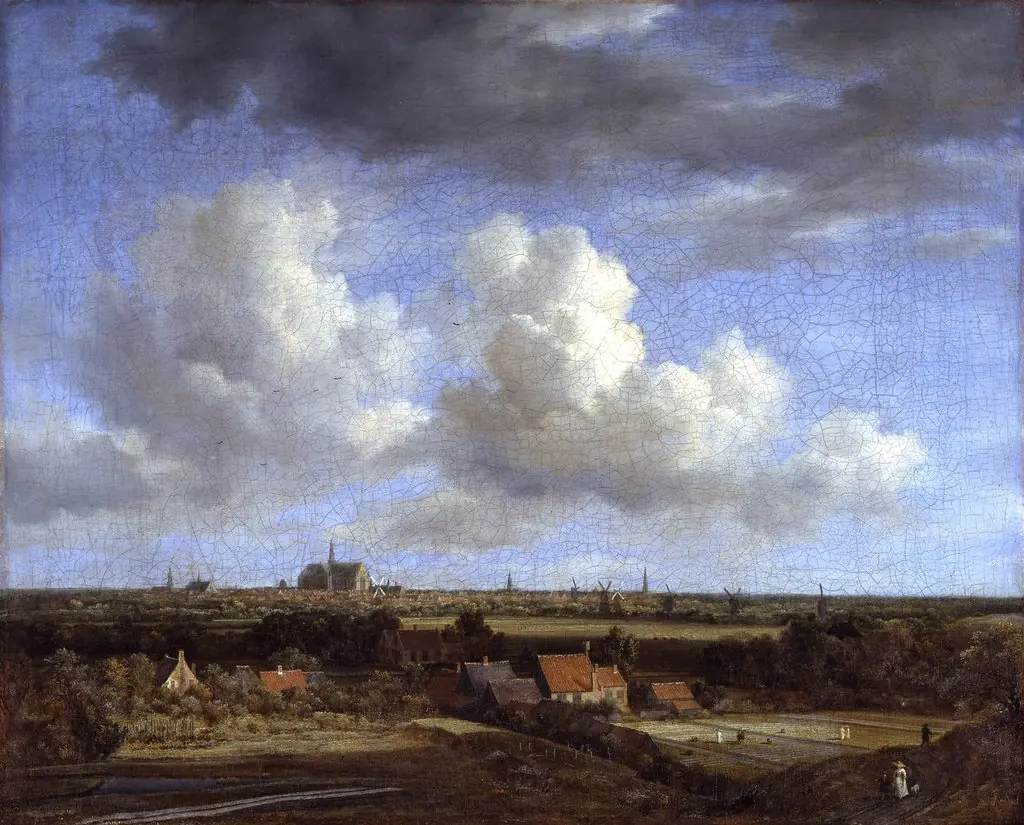 View of Haarlem from the Northwest
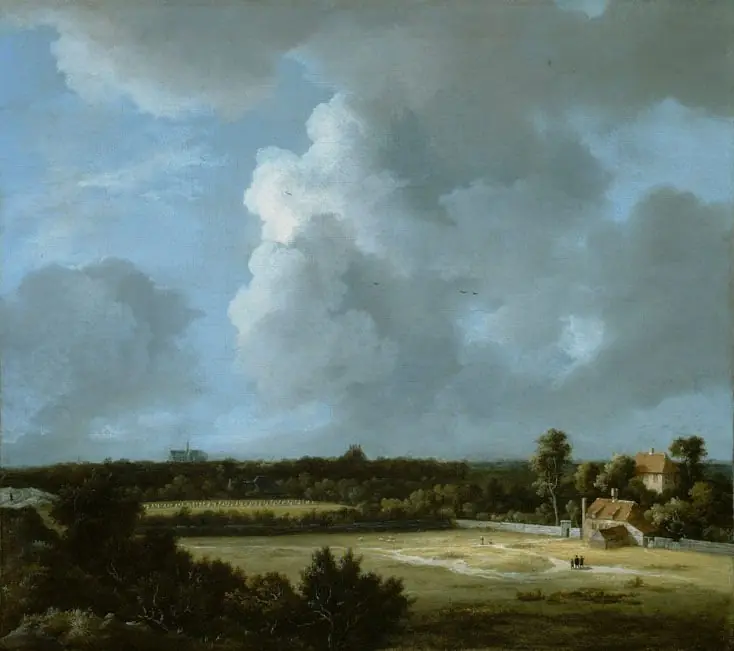 View of Haarlem
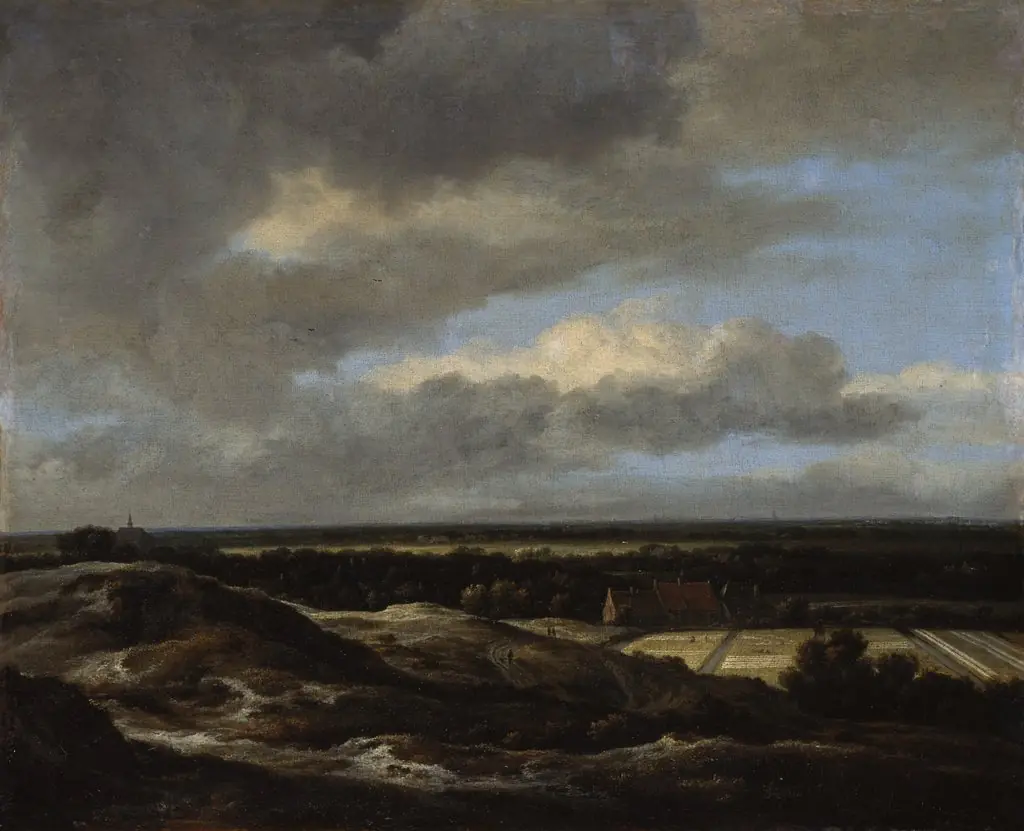 Dunes and bleaching fields
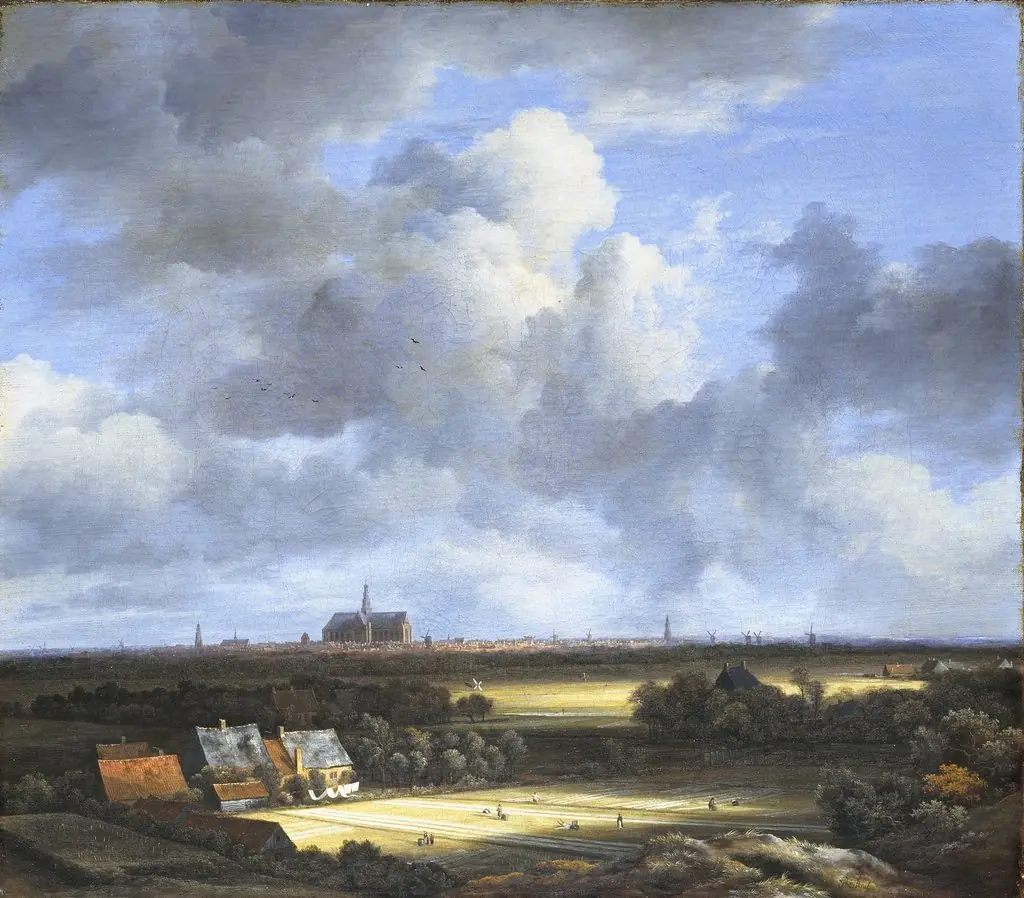 View of bleaching fields and Haarlem
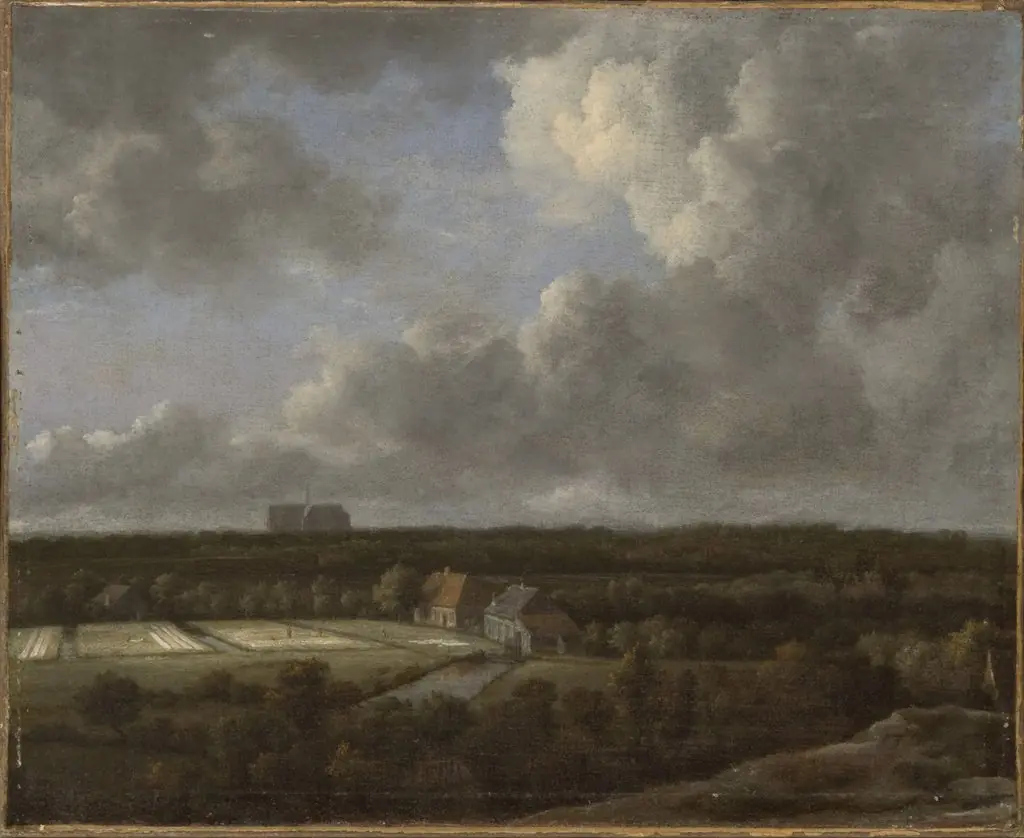 Bleaching Fields to the North-Northeast of Haarlem
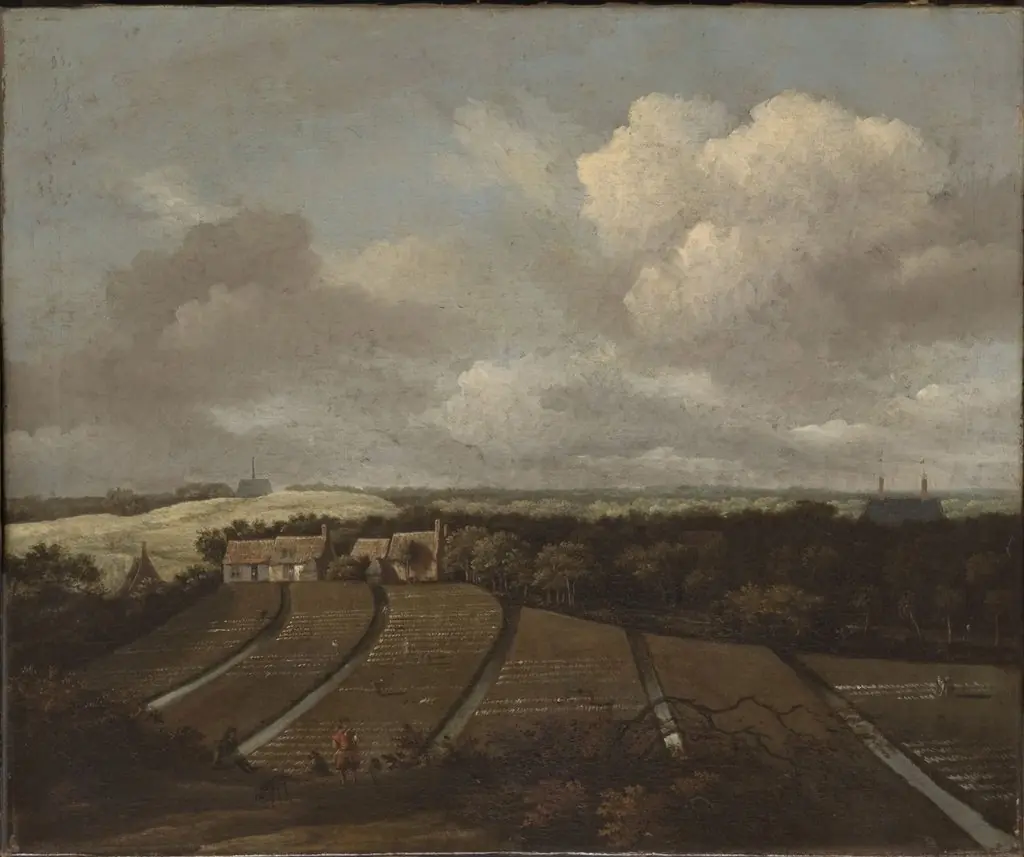 Dunes near Haarlem