Artwork
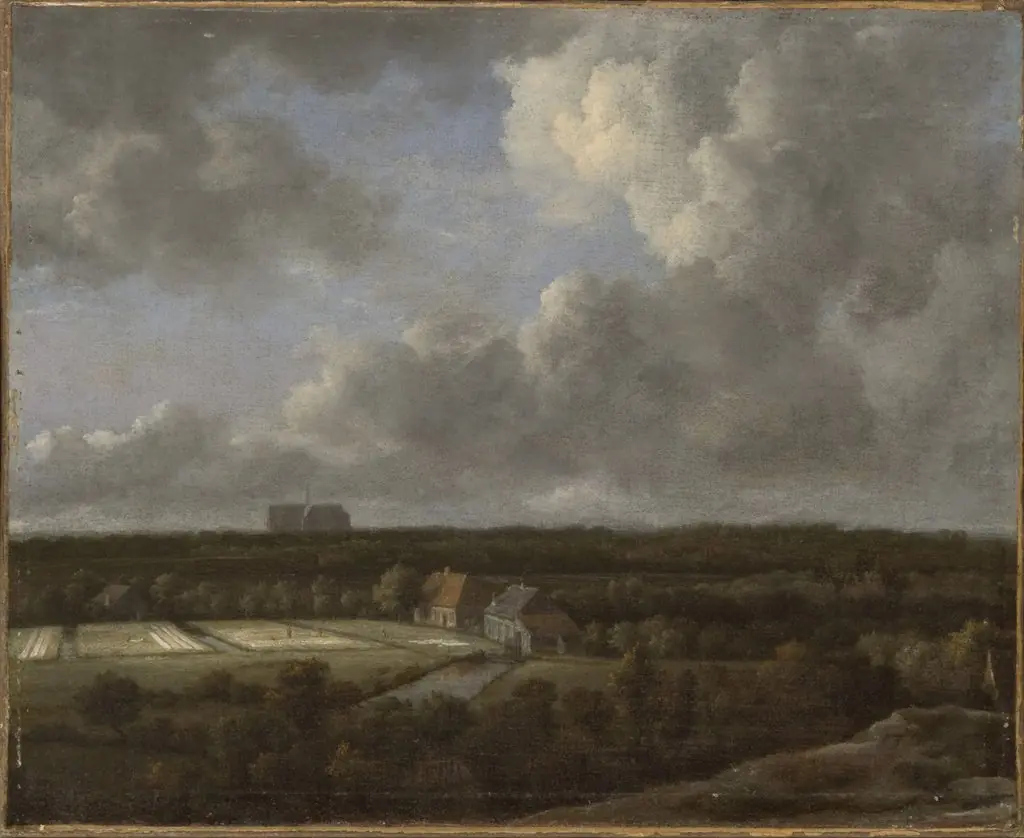
View of the Plain of Haarlem with Bleaching Grounds
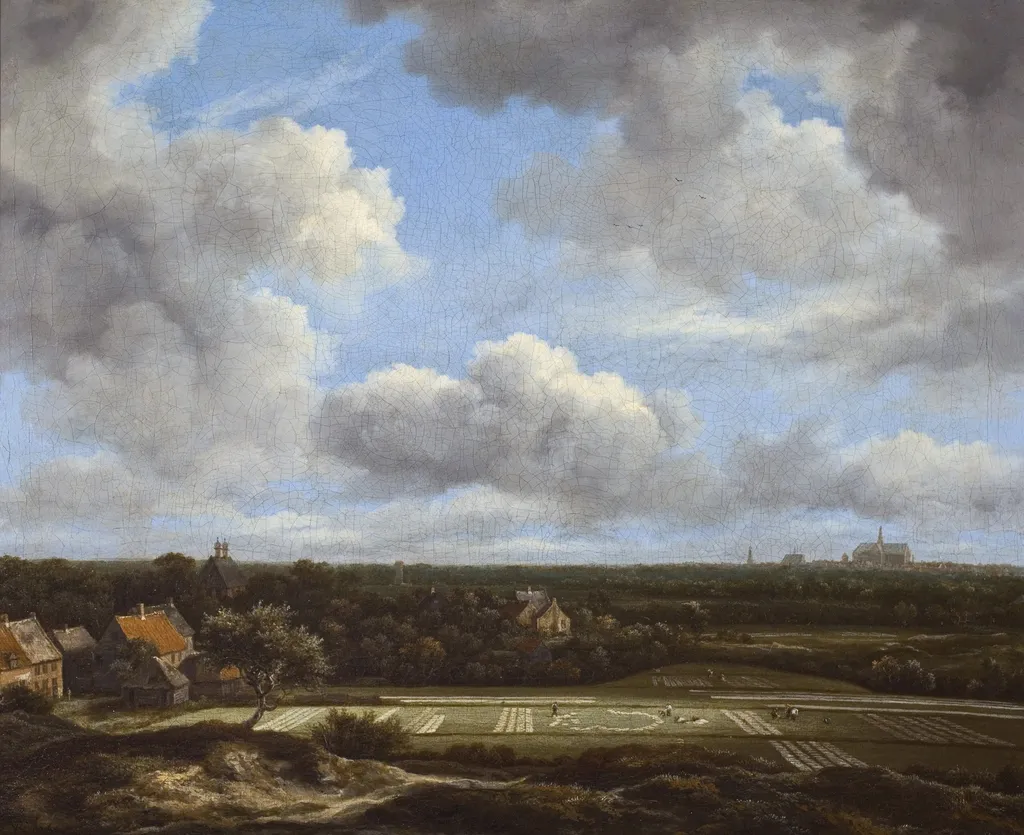
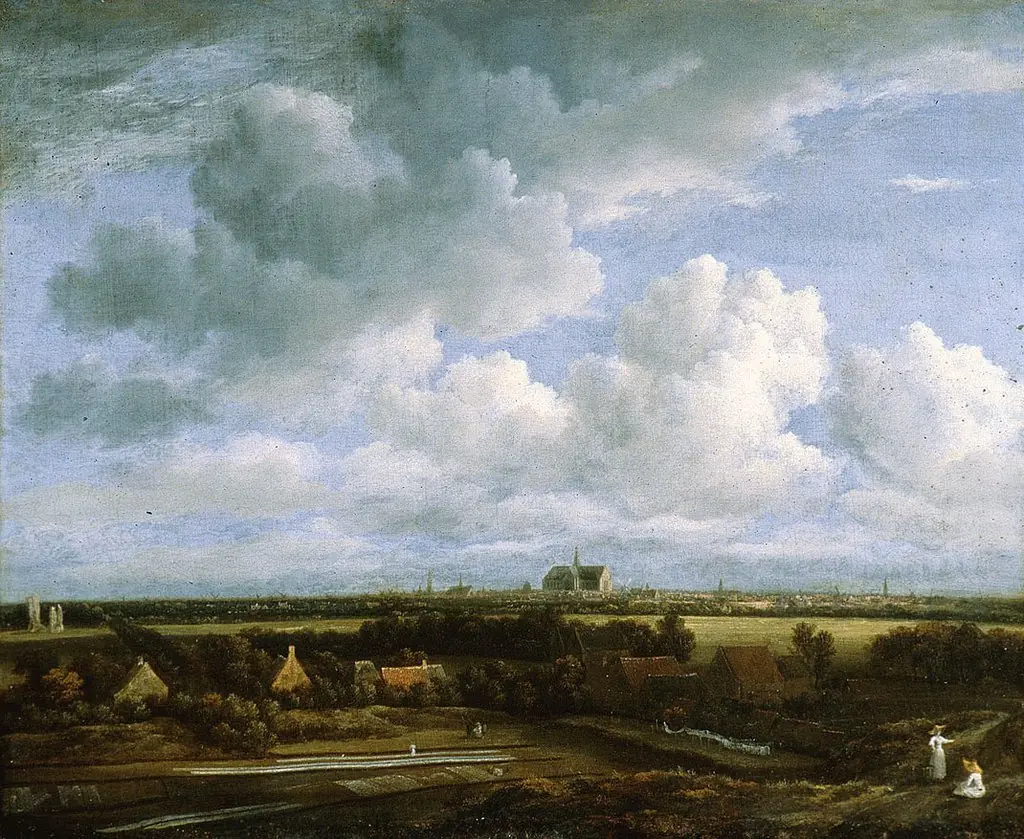
View of the Plain of Haarlem with Bleaching Grounds is an oil painting by the Dutch Golden Age artist Jacob van Ruisdael. It dates from 1660 and is held in the collection of the Museum of Fine Arts Boston.
About this work
Overview
A distant church tower rises above a patchwork of fields, while the foreground is occupied by rows of white cloths spread for drying.
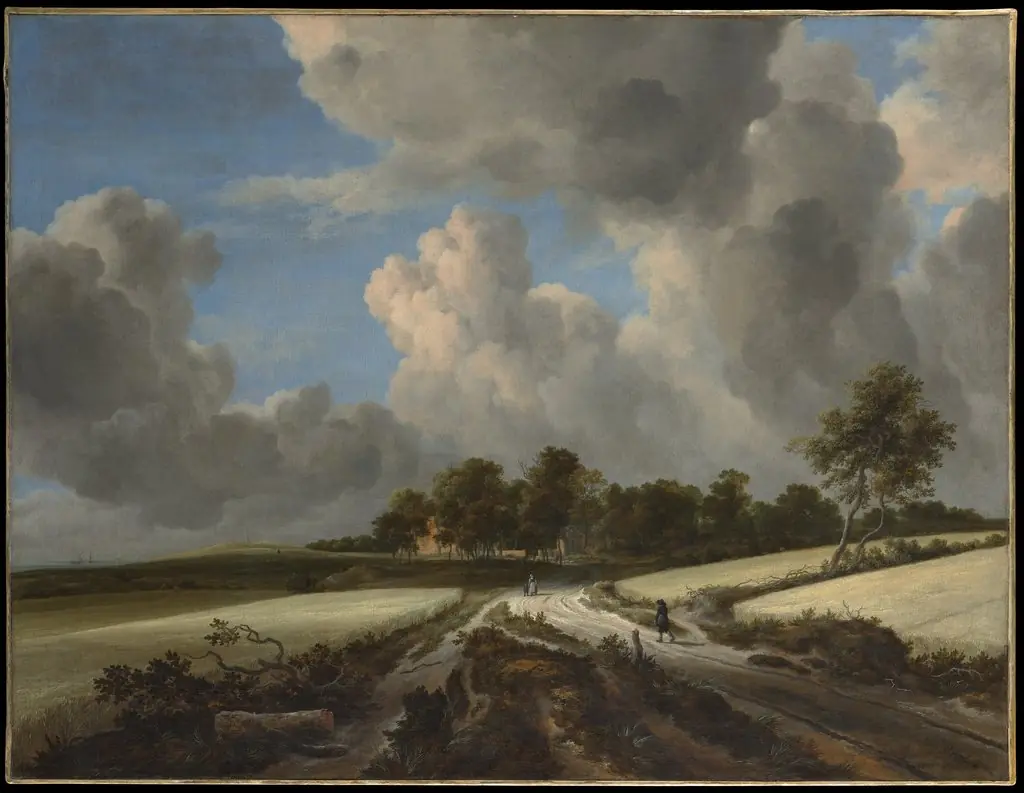
Jacob van Ruisdael’s 1660 oil on canvas presents a Dutch lowland scene centered on the plain surrounding Haarlem. A distant church tower rises above a patchwork of fields, while the foreground is occupied by rows of white cloths spread for drying. The composition balances natural elements—cloud‑filled sky, scattered trees—and human activity, offering a tranquil yet detailed view of 17th‑century rural life.
Subject & Meaning
The painting juxtaposes the monumental Grote Kerk with a bustling bleachfield, a site where linen was washed, bleached, and hung to dry. By placing the sacred architecture alongside everyday labor, Ruisdael underscores the interdependence of spiritual and economic spheres in the Dutch Republic, reflecting a cultural pride in both religious heritage and industrious commerce.
Technique & Style
Executed in oil, the work demonstrates Ruisdael’s characteristic handling of light and atmosphere. Subtle gradations of blue and gray convey a mutable sky, while the crisp rendering of the white sheets creates a tactile contrast. The artist’s use of layered brushwork gives depth to the distant church and foreground foliage, achieving a realistic yet composed landscape.
History & Provenance
Created in 1660, the canvas entered the collection of the Museum of Fine Arts, Boston, where it remains on display. Its acquisition history reflects the 19th‑century American interest in Dutch Golden Age landscapes, and the painting has been referenced in several catalogues of Ruisdael’s oeuvre.
Context
During the mid‑17th century Haarlem was a center of the linen industry, and bleachfields were a common sight on its outskirts. Ruisdael’s inclusion of such a site aligns with contemporary Dutch artists who documented the nation’s prosperity through detailed topographical works, linking local geography with broader economic narratives.
Artist & collection
Artist
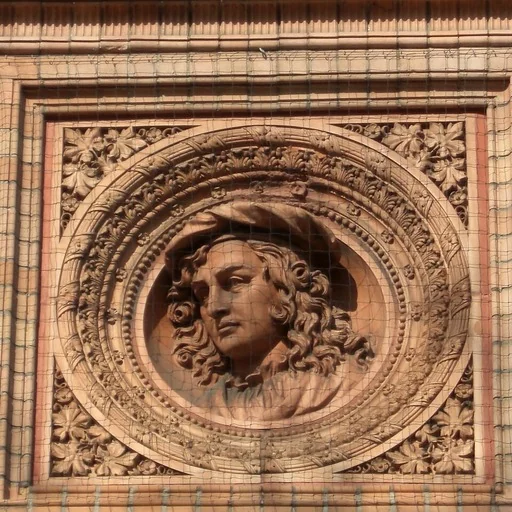
Jacob Isaackszoon van Ruisdael was a Dutch painter, draughtsman, and etcher. He is generally considered the pre-eminent landscape painter of the Dutch Golden Age, a period of great wealth and cultural achievement when…

 The Bleaching Grounds near Haarlem
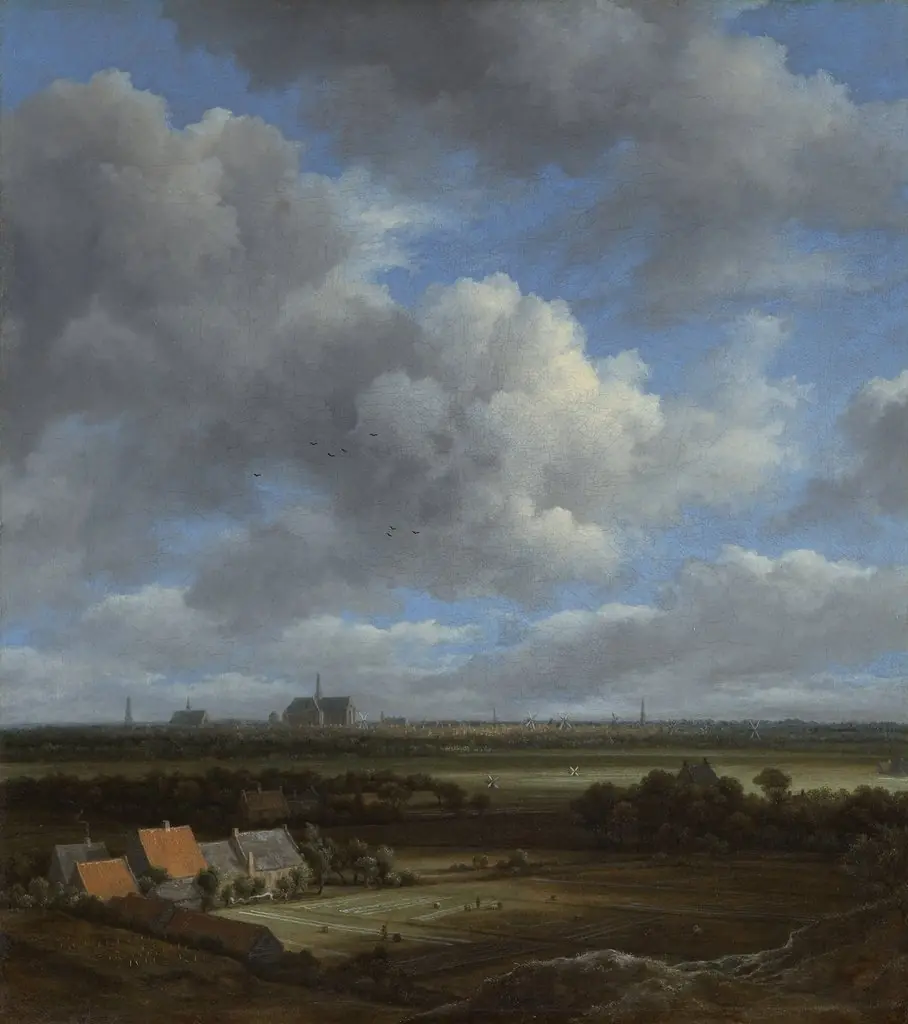 View of Haarlem from the Northwest, with the Bleaching Fields in the Foreground
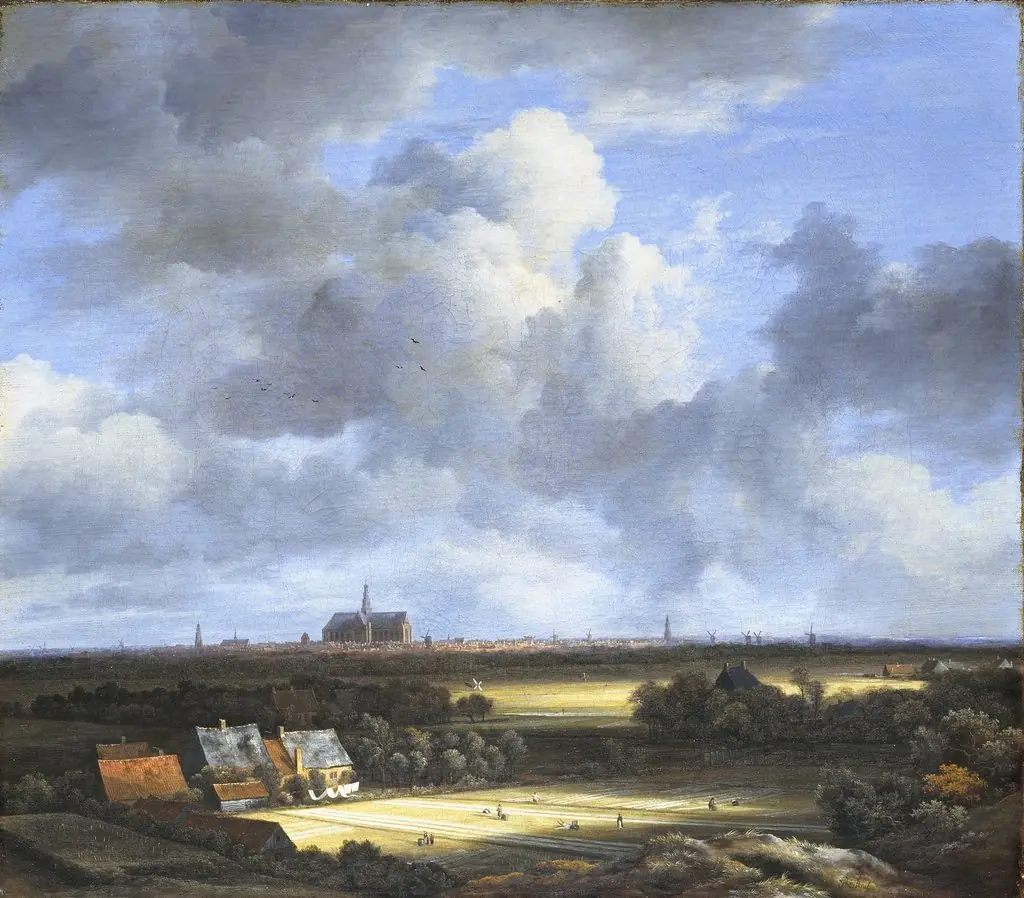 View of bleaching fields and Haarlem
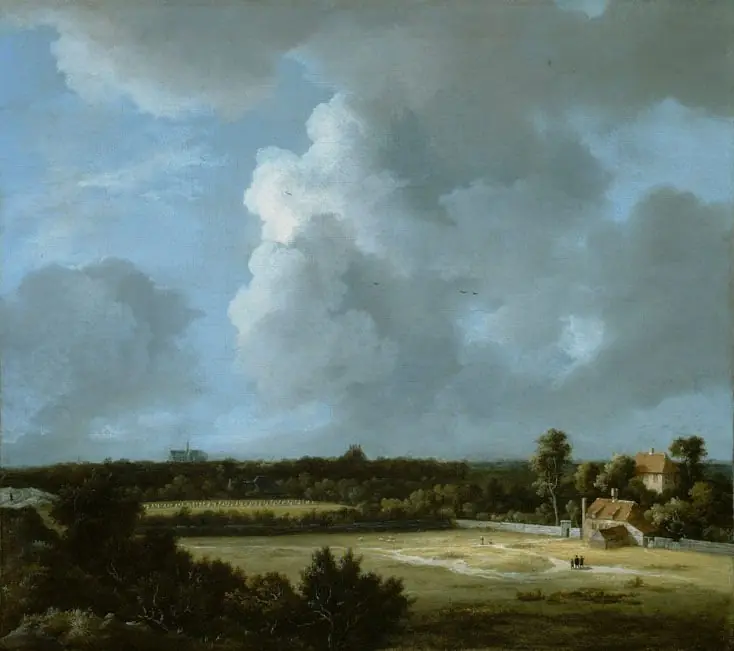 View of Haarlem
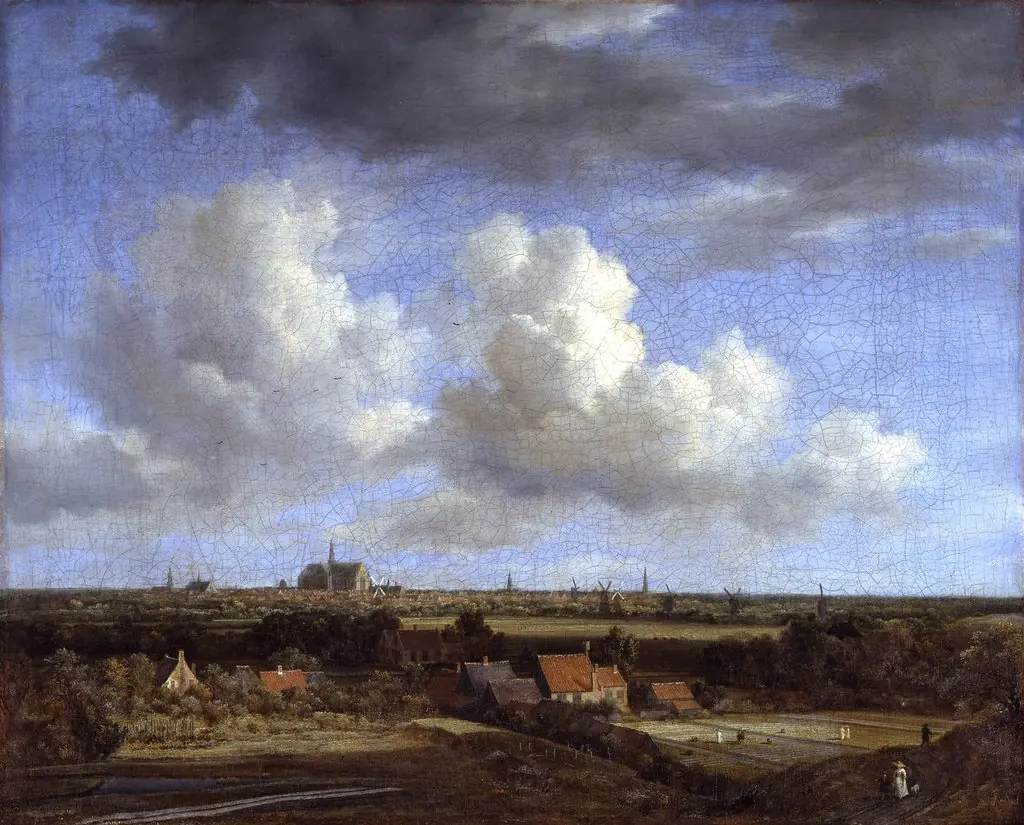 View of Haarlem from the Northwest
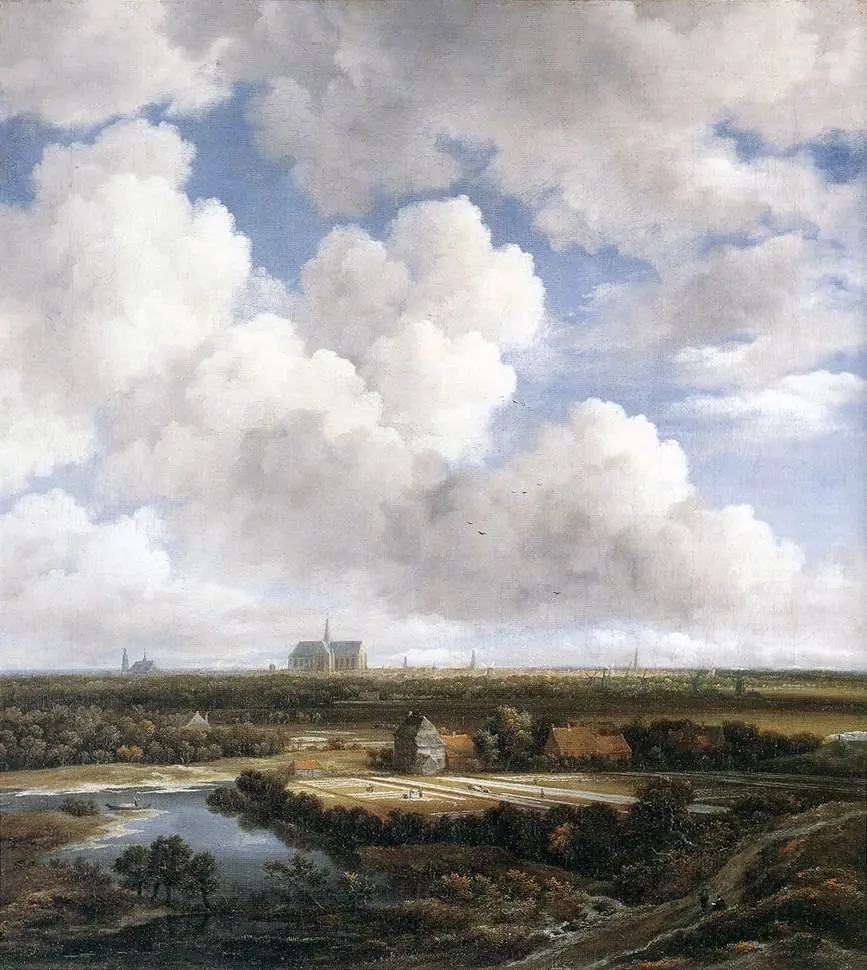 View of Haarlem with Bleaching Fields
 Bleaching Fields to the North-Northeast of Haarlem
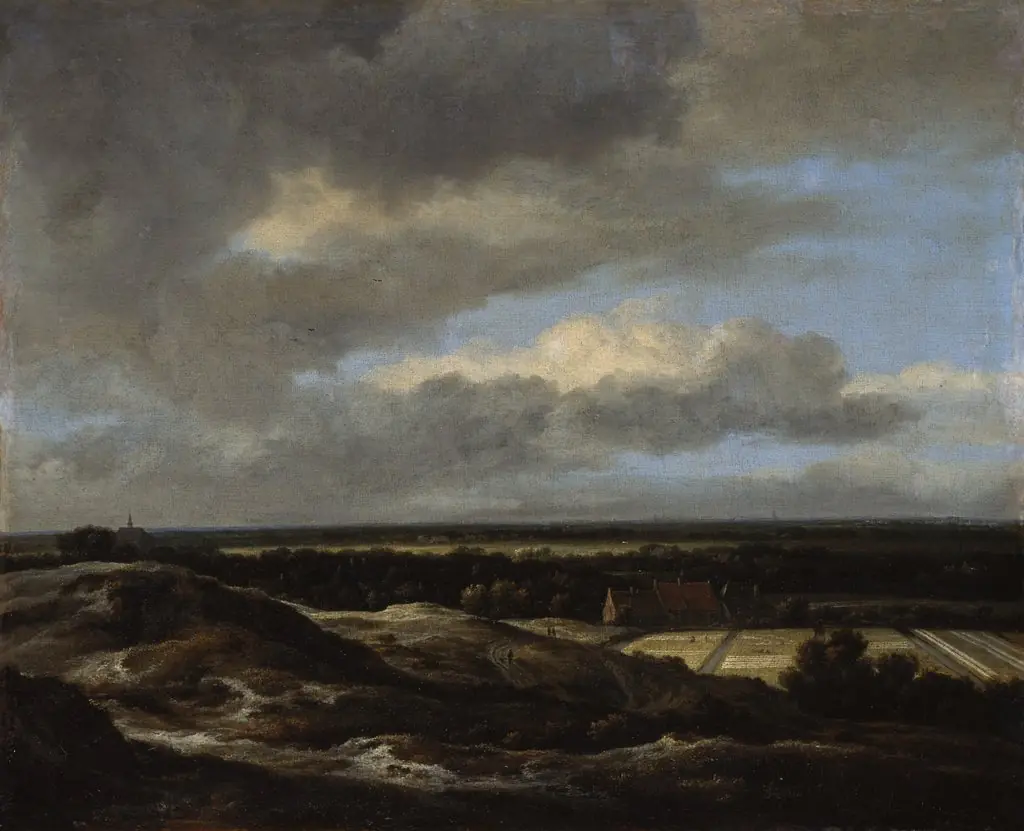 Dunes and bleaching fields
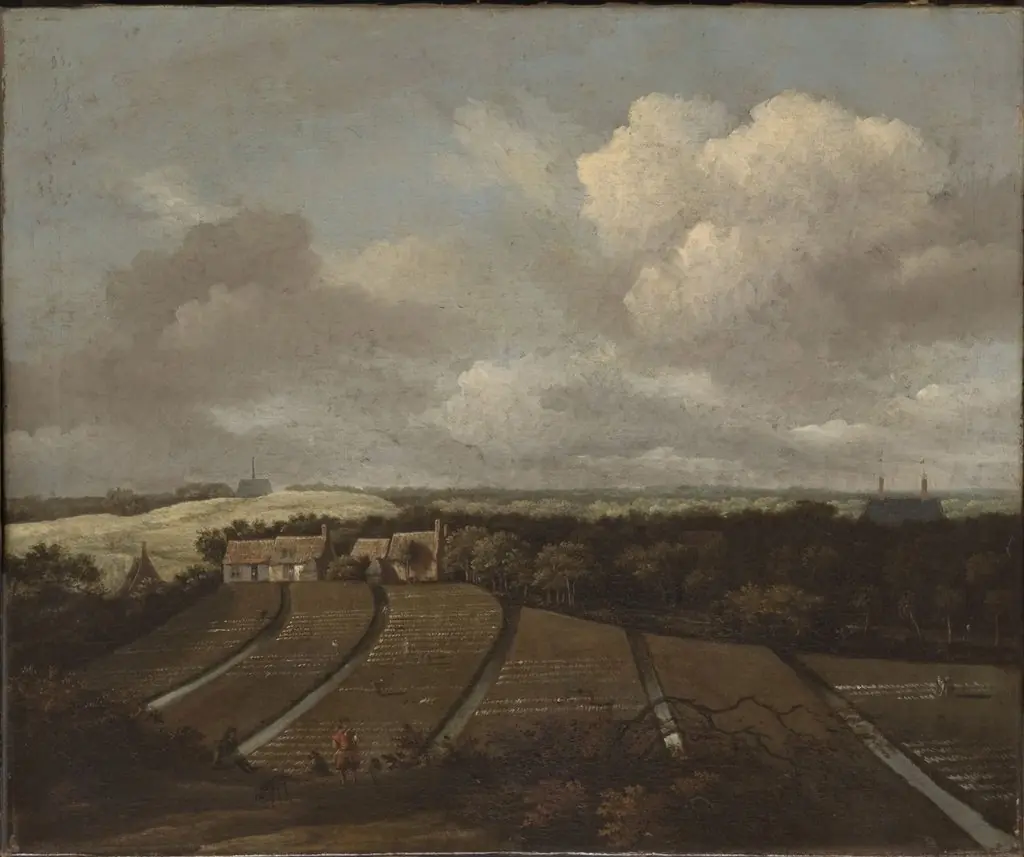 Dunes near Haarlem
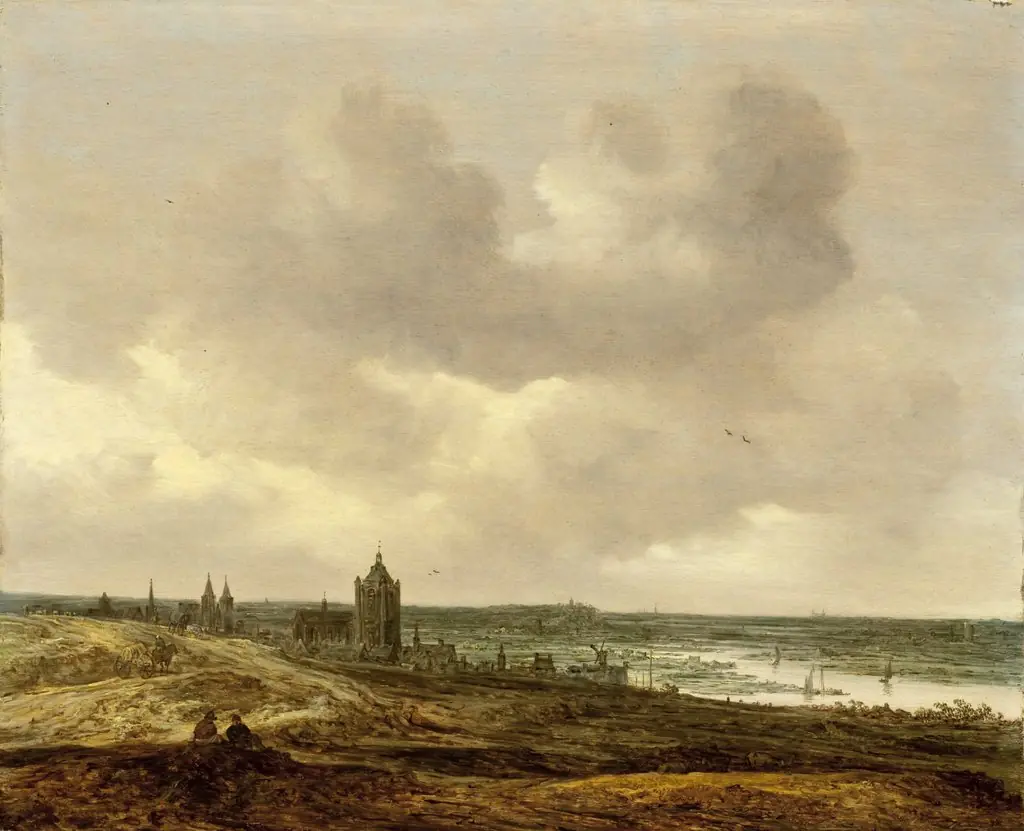 View of Arnhem