Artwork
View of Haarlem with Bleaching Fields
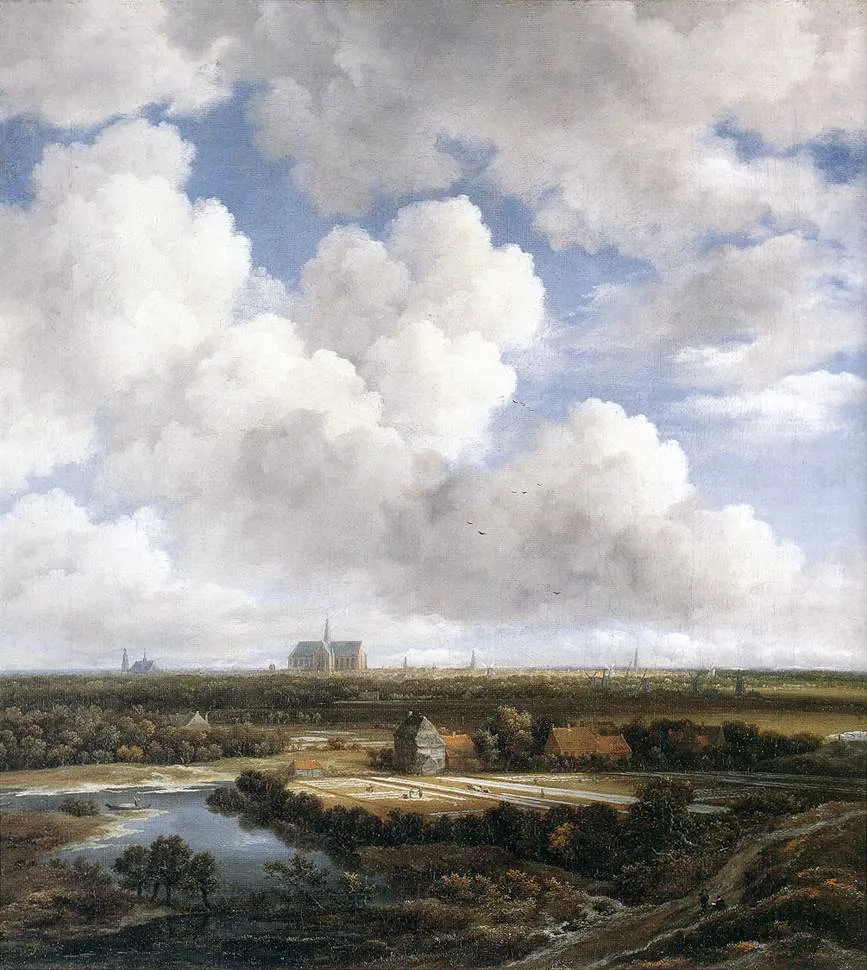
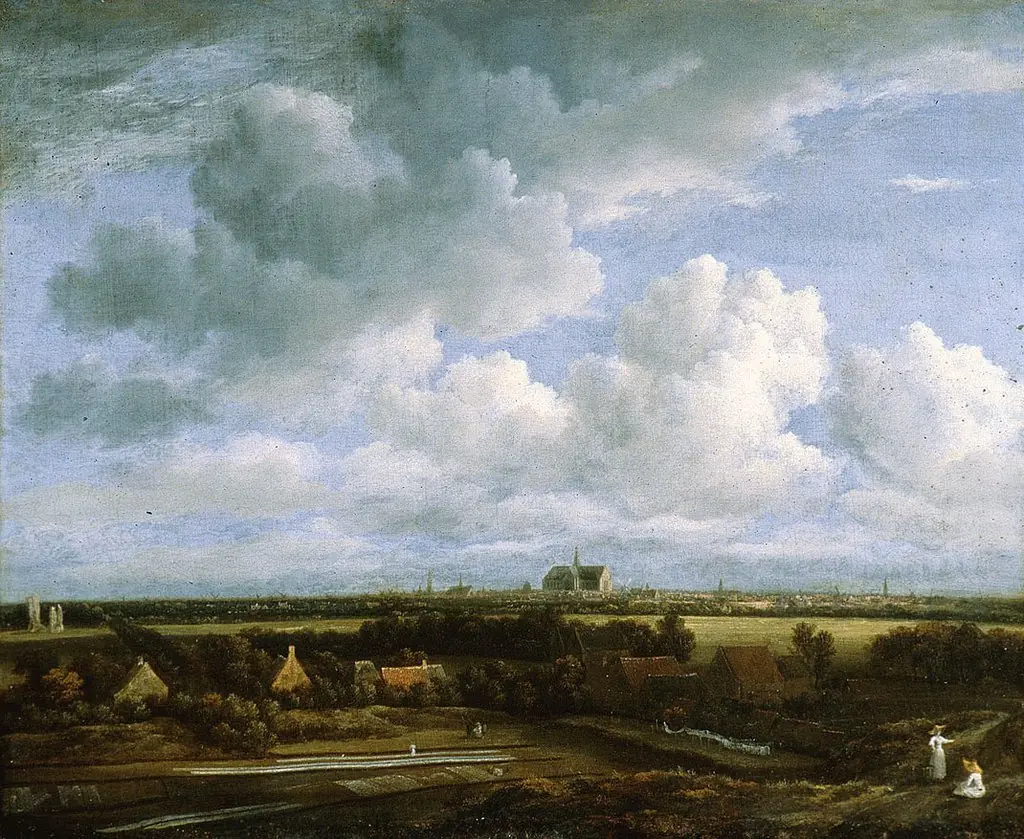
View of Haarlem with Bleaching Fields is an oil painting by the Dutch Golden Age artist Jacob van Ruisdael. It dates from 1670 and is held in the collection of the Kunsthaus Zürich.
About this work
Overview
Jacob van Ruisdael’s *View of Haarlem with Bleaching Fields* (c. 1670–1675) is an oil painting on canvas, representative of the Dutch Golden Age landscape tradition. Part of a subgenre known as *Haarlempjes*, it captures a panoramic scene of the city’s outskirts, emphasizing the flat terrain and expansive skies characteristic of the region. The work is held in the Kunsthaus Zürich.
Subject & Meaning
These fields, where fabric was spread to whiten under sunlight, symbolize the city’s economic vitality.
The painting depicts Haarlem’s rural periphery, where linen bleaching fields dominate the foreground. These fields, where fabric was spread to whiten under sunlight, symbolize the city’s economic vitality. A distant church spire and scattered windmills reinforce local identity, while the subdued palette and serene atmosphere evoke national pride in the Dutch landscape, a recurring theme in post-independence art.
Technique & Style
Ruisdael employs a low horizon line to emphasize the vast, cloud-filled sky, a hallmark of Dutch Golden Age landscapes. Soft, diffused light unifies the scene, while meticulous detailing—from individual blades of grass to distant architecture—demonstrates his technical precision. The composition balances naturalism with subtle idealization, reflecting both observed reality and artistic convention.
History & Provenance
Created in the aftermath of the Eighty Years’ War, the painting reflects the Dutch Republic’s newfound stability and prosperity. Ruisdael produced multiple variations of this scene, a practice continued by his followers. The work entered the Kunsthaus Zürich’s collection in the 20th century, where it remains a key example of 17th-century Dutch landscape painting.
Context
The painting emerged during a period of national consolidation, when Dutch artists frequently depicted local landscapes to foster civic pride. Bleaching fields, a vital industry for Haarlem, became a recurring motif, celebrating both economic success and the beauty of the Dutch countryside. Ruisdael’s work aligns with broader cultural efforts to define a distinct Dutch identity through art.
Legacy
Ruisdael’s Haarlem vistas influenced subsequent generations of landscape painters, both in the Netherlands and beyond. His ability to merge topographical accuracy with atmospheric effect set a precedent for later artists. The painting’s enduring appeal lies in its quiet celebration of everyday industry and the natural environment, themes that resonate with Dutch Golden Age ideals.
Artist & collection
Artist
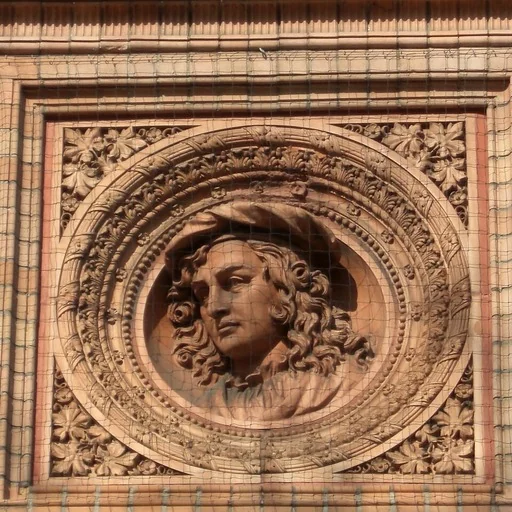
Jacob Isaackszoon van Ruisdael was a Dutch painter, draughtsman, and etcher. He is generally considered the pre-eminent landscape painter of the Dutch Golden Age, a period of great wealth and cultural achievement when…

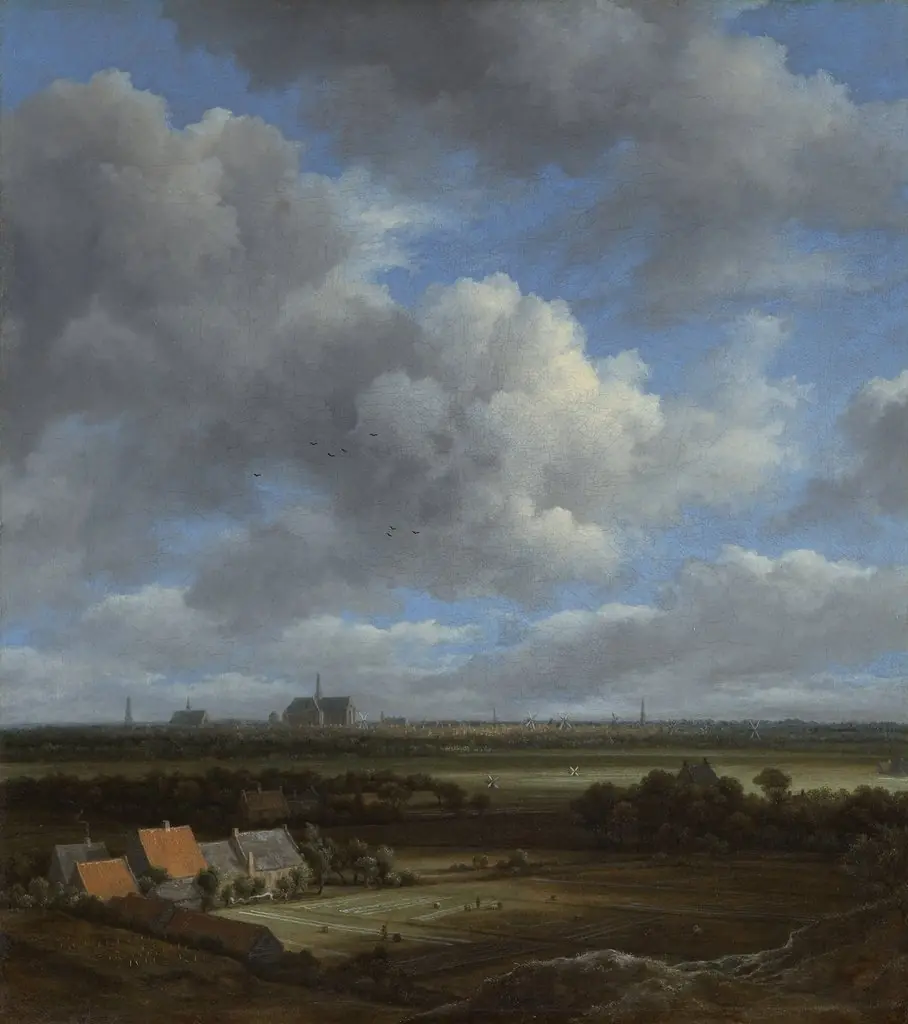 View of Haarlem from the Northwest, with the Bleaching Fields in the Foreground
 The Bleaching Grounds near Haarlem
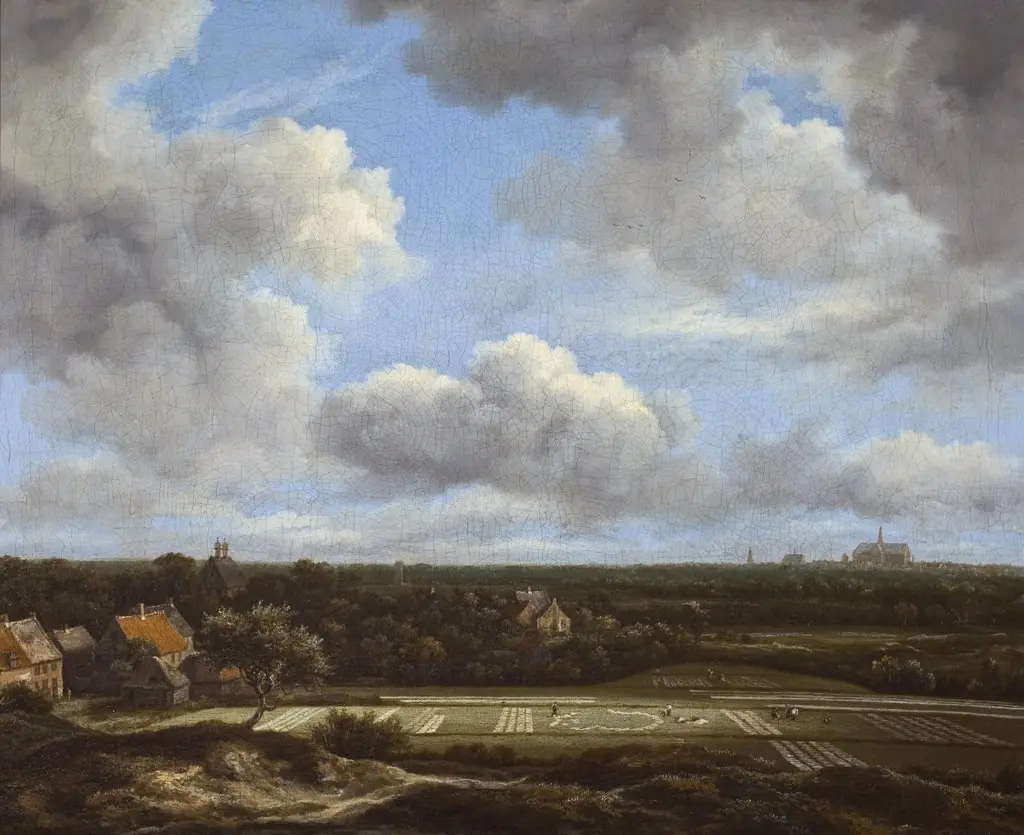 View of the Plain of Haarlem with Bleaching Grounds
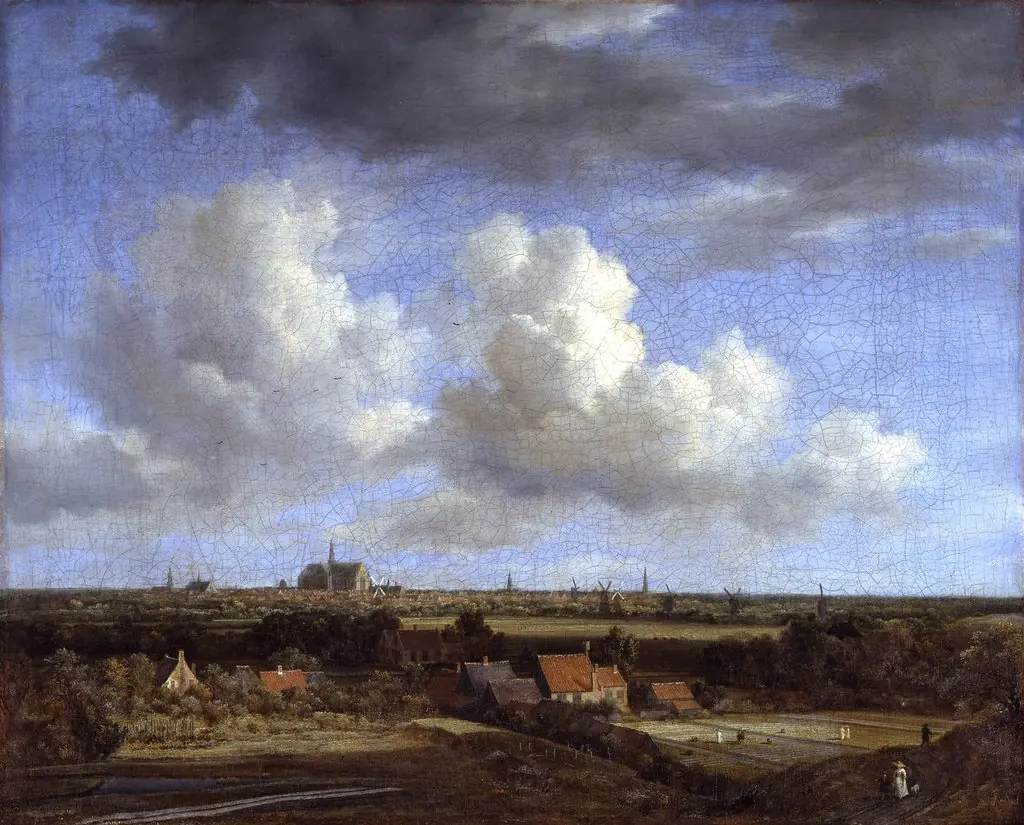 View of Haarlem from the Northwest
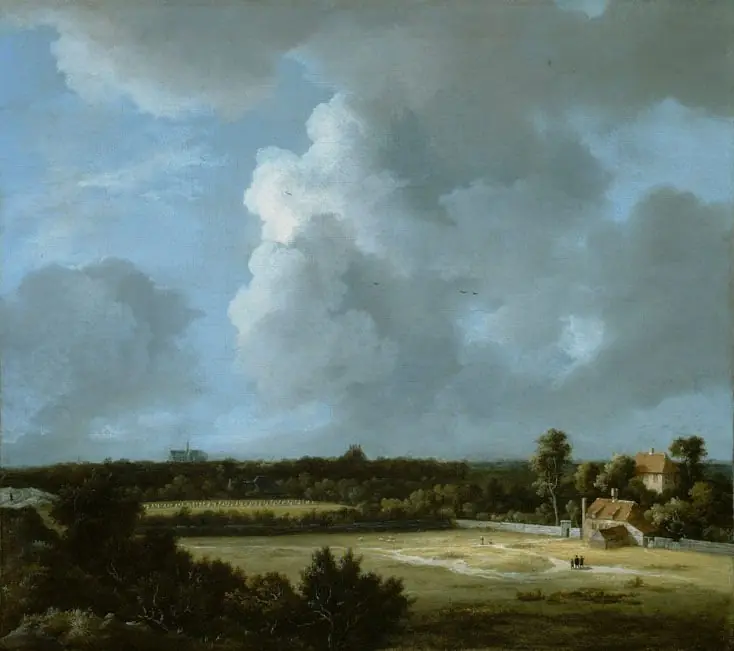 View of Haarlem
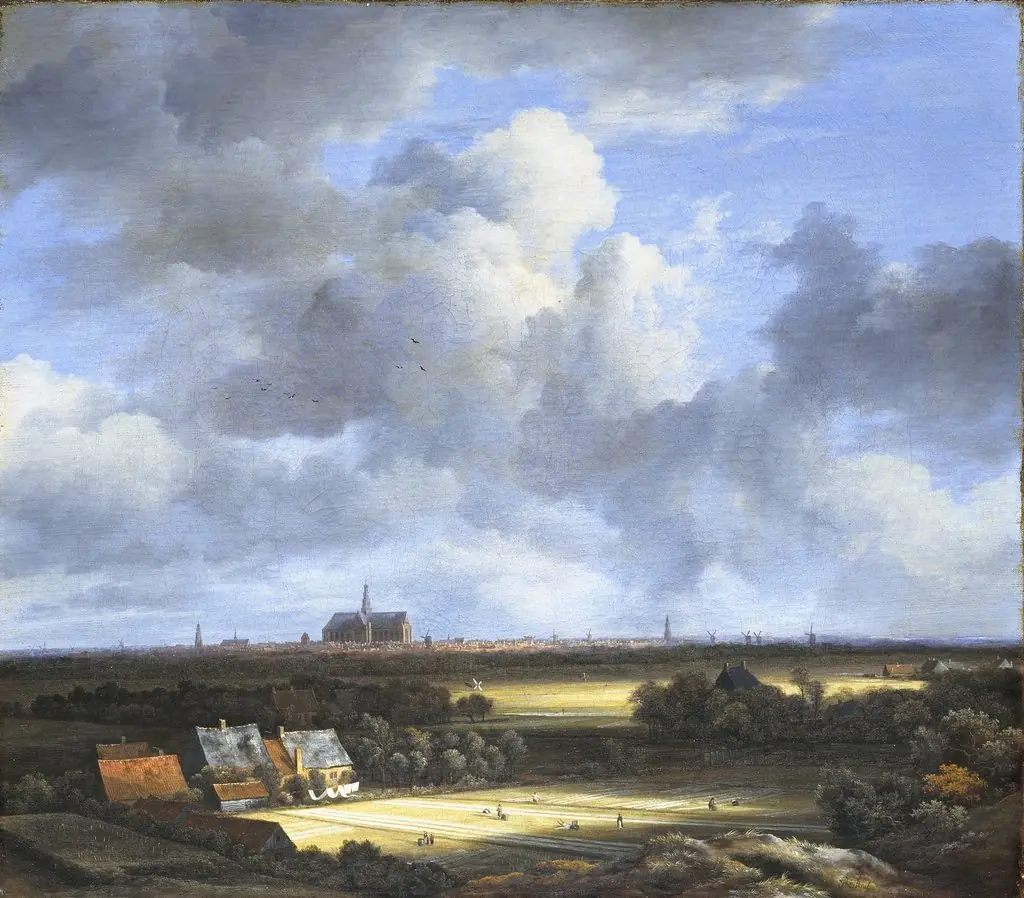 View of bleaching fields and Haarlem
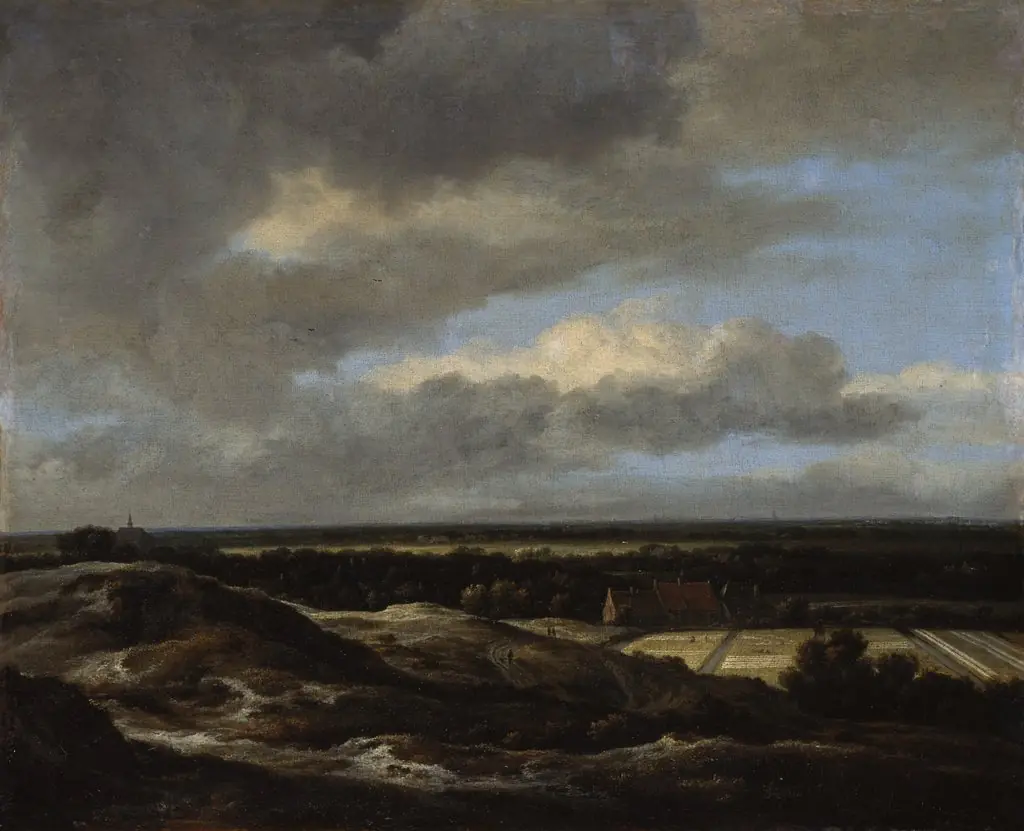 Dunes and bleaching fields
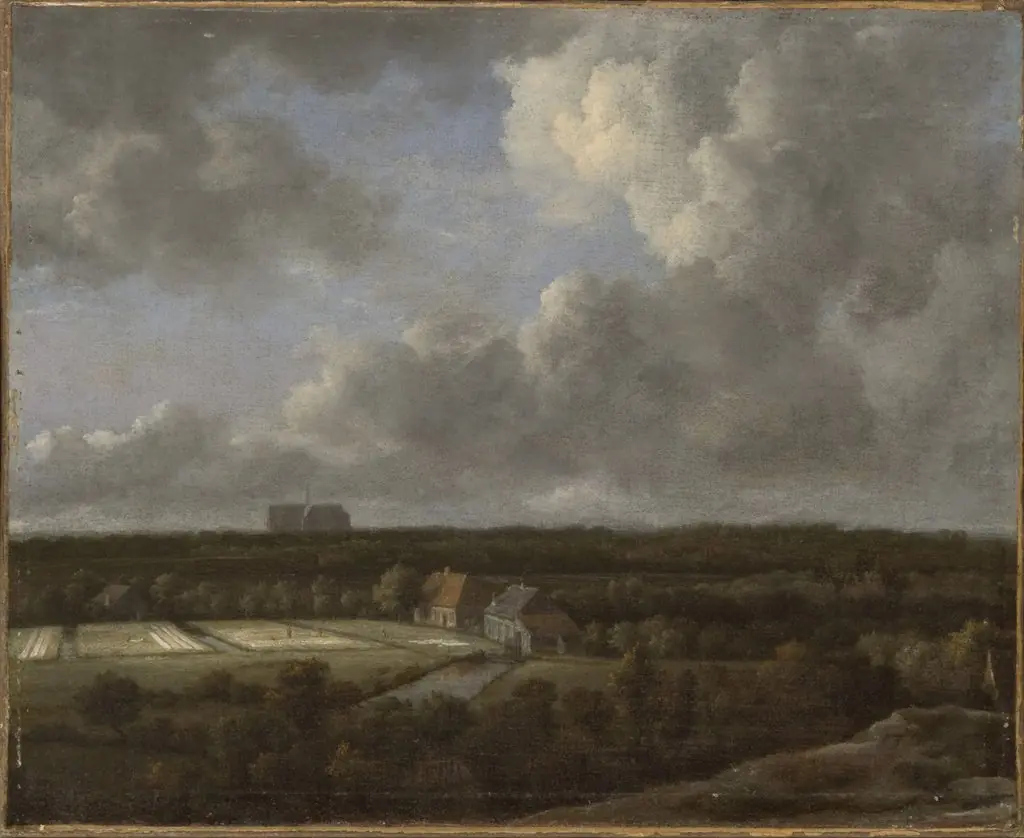 Bleaching Fields to the North-Northeast of Haarlem
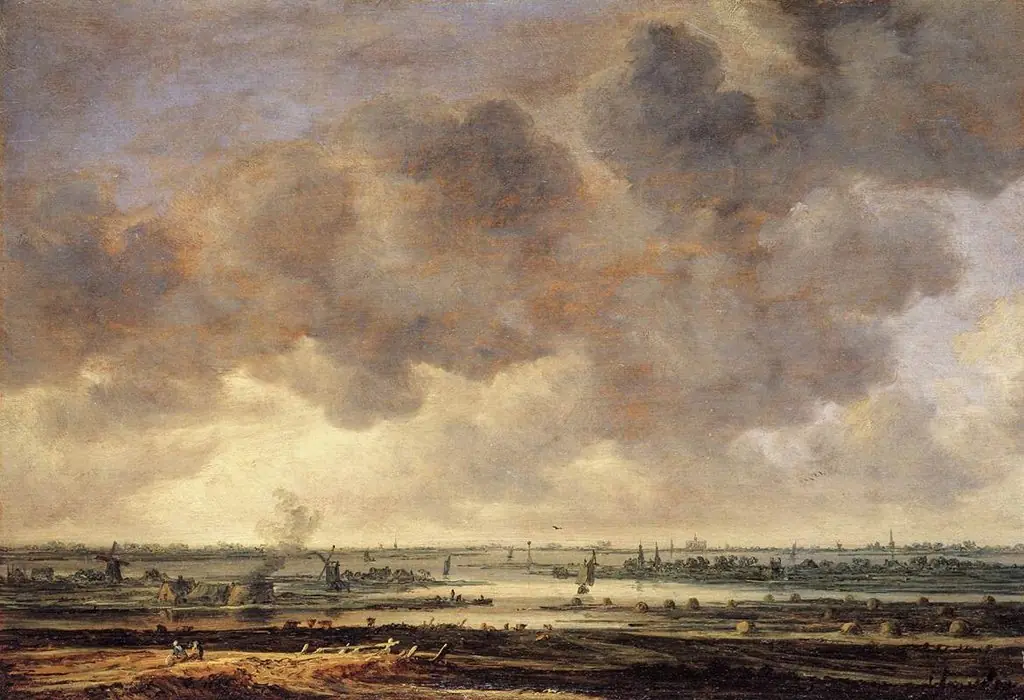 View of Haarlem and the Haarlemmer Meer
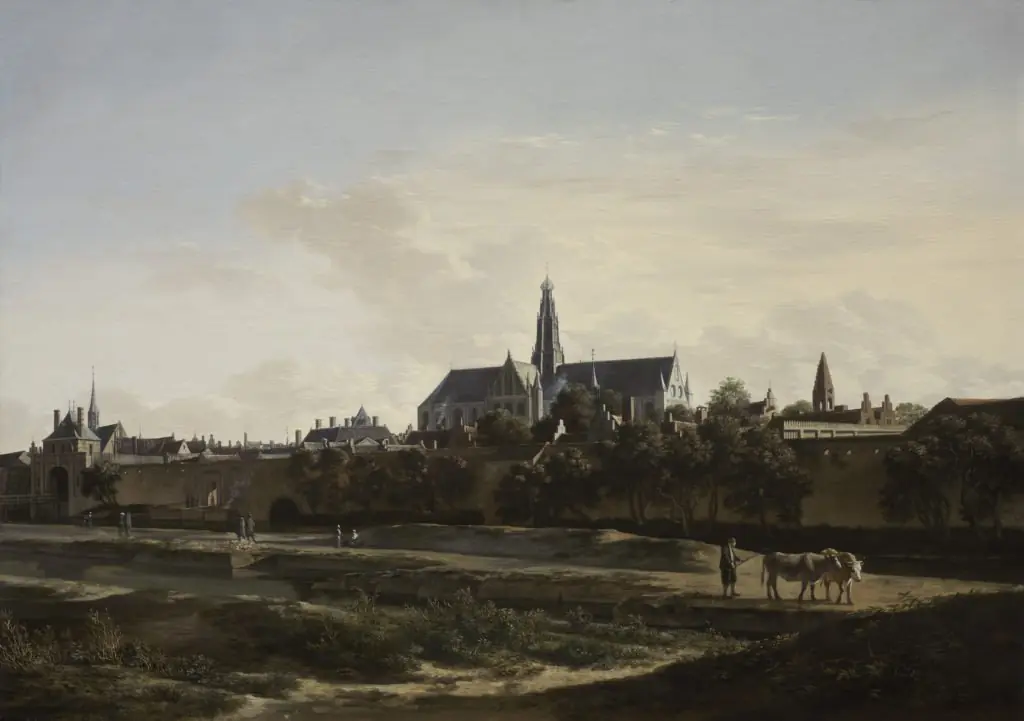 A View of Haarlem