Artwork
The Expulsion of Hagar
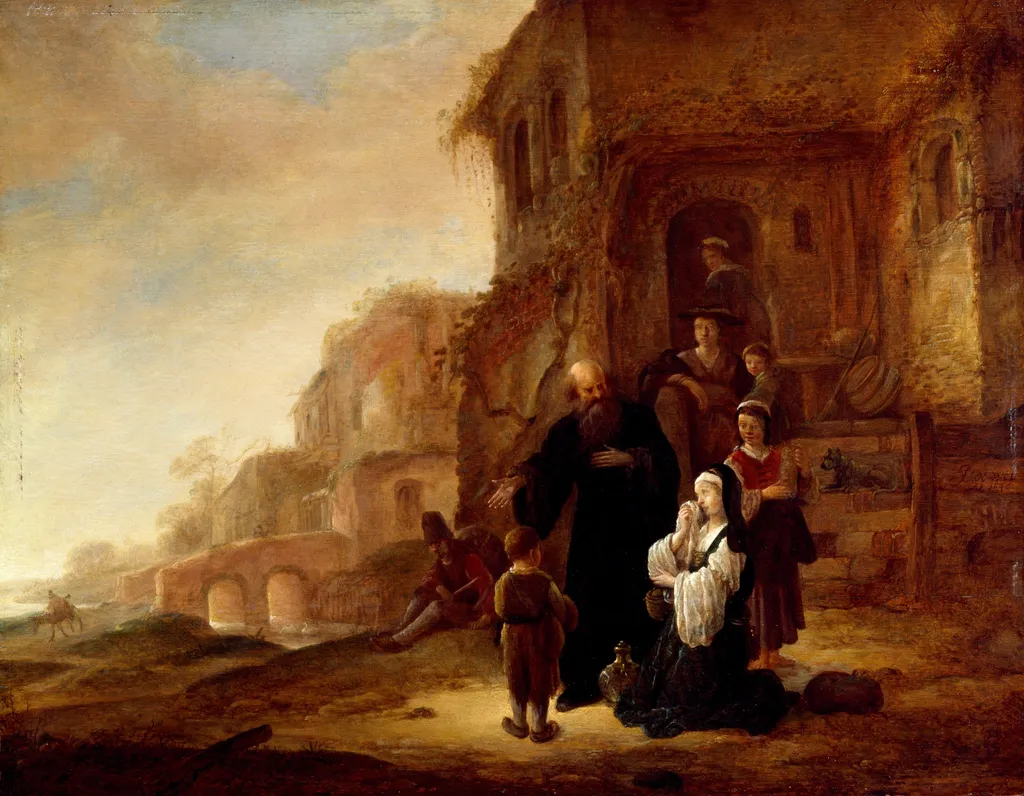
The Expulsion of Hagar is an unspecified painting by the Early Baroque Italian artist Jacob Willemsz de Wet. It dates from 1646 and is held in the collection of the Museum of Fine Arts, Houston.
About this work
Overview
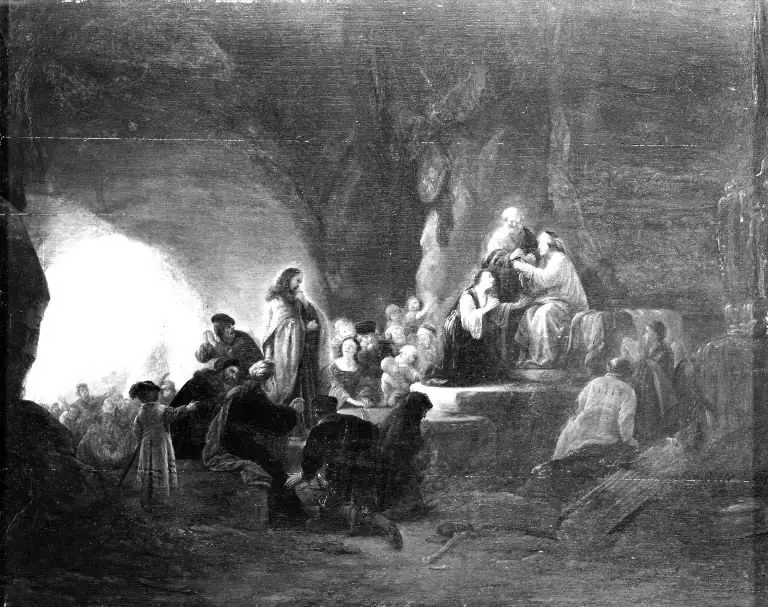
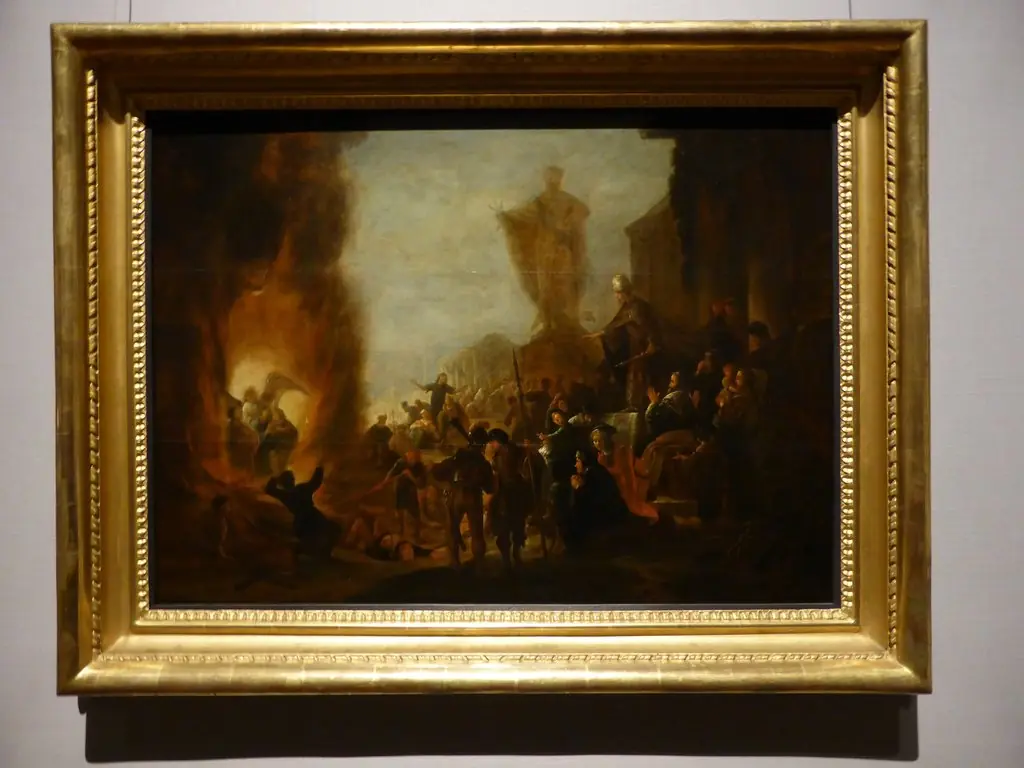
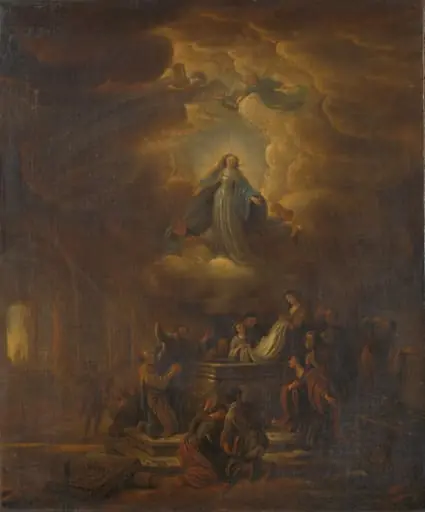
Jacob Willemsz de Wet, a Dutch painter of the 17th‑century Golden Age, completed *The Expulsion of Hagar* in 1646. Executed while the artist was in Italy, the work belongs to the early Baroque period and illustrates a biblical episode with a heightened sense of drama.
Subject & Meaning
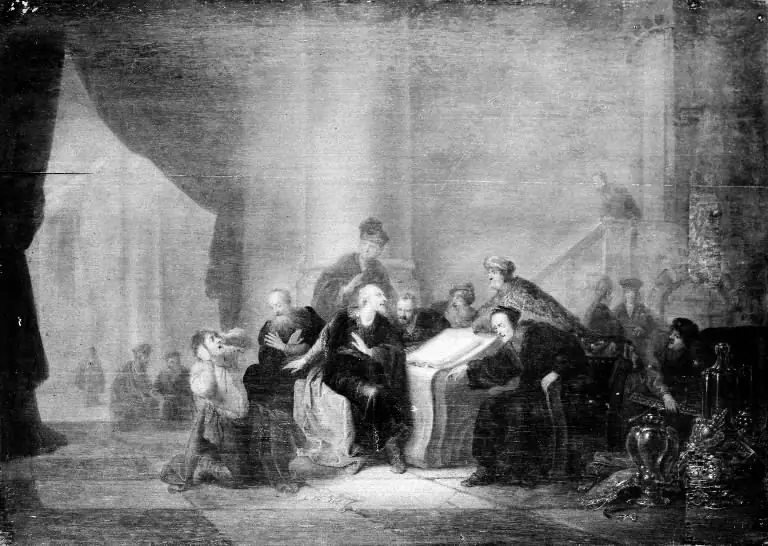
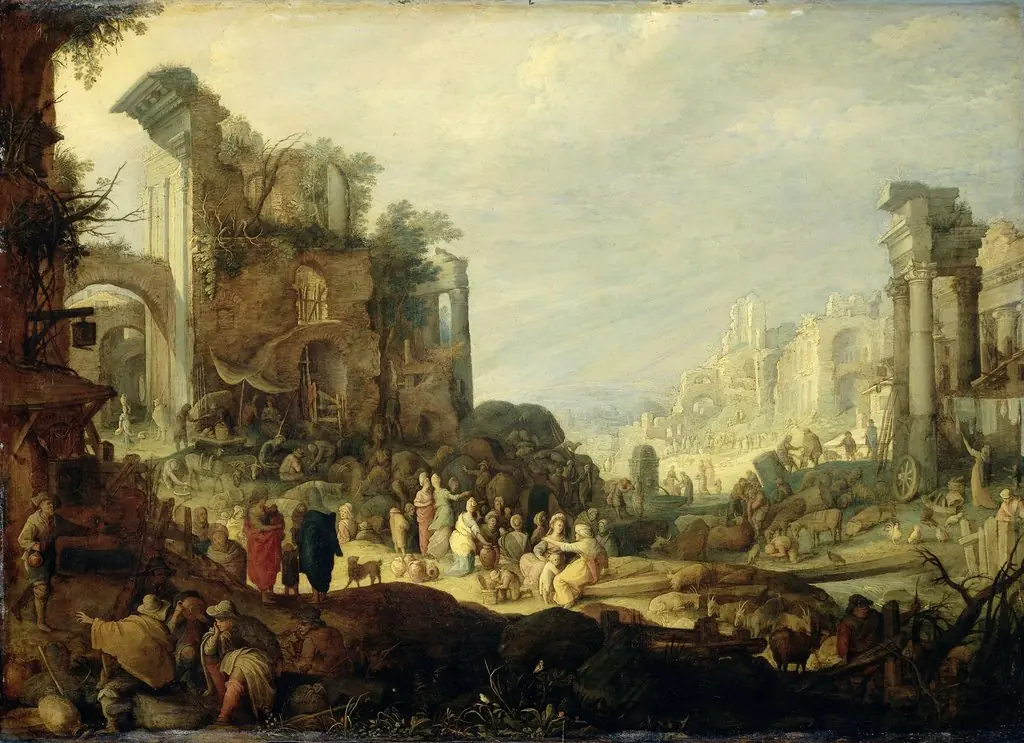
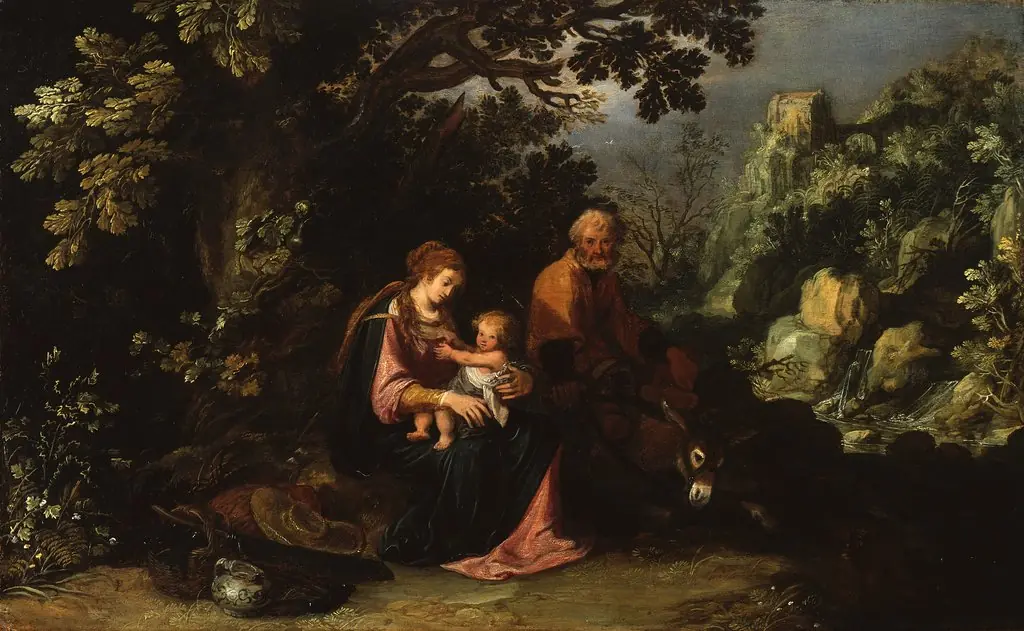
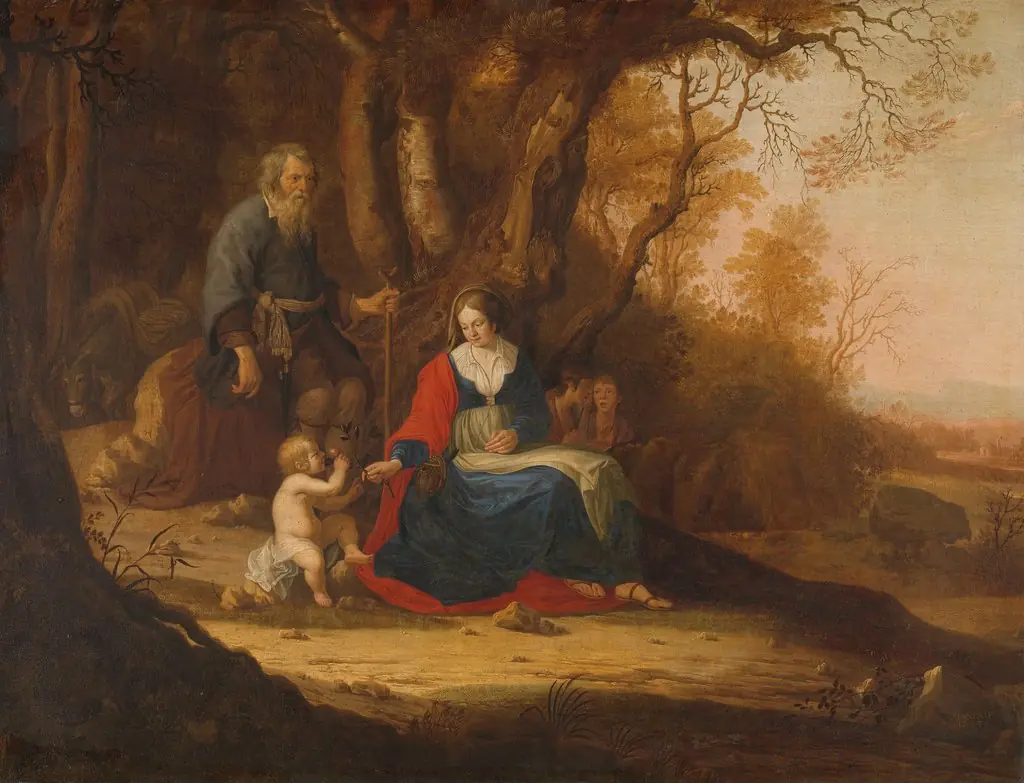
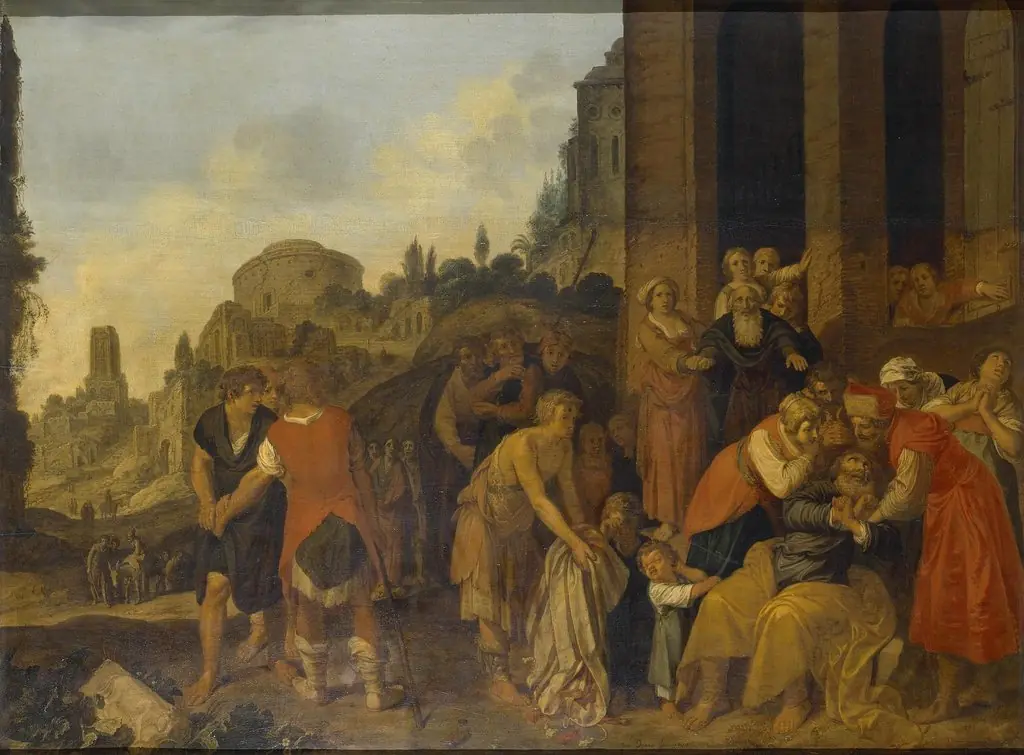
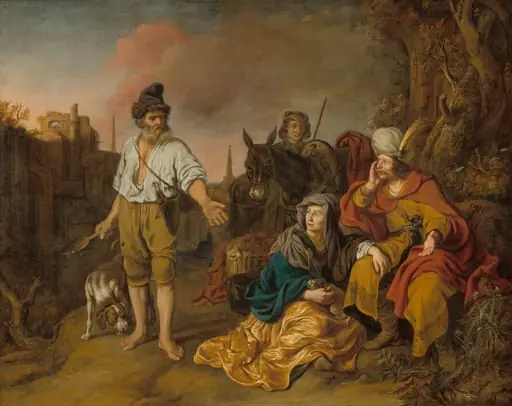
The canvas portrays the moment when Hagar and her son Ishmael are forced to leave Abraham’s household. Hagar, cloaked in a dark robe and veiled head covering, is shown being driven out by an older man, likely Abraham, while onlookers observe the scene. The narrative underscores themes of exile and divine providence.
Technique & Style
De Wet employs strong chiaroscuro, allowing a left‑hand light source to illuminate the figures against a deepened background. The contrast between light and shadow creates spatial depth, while meticulous rendering of fabric folds and stone architecture demonstrates the artist’s attention to material detail.
History & Provenance
Created during de Wet’s Italian sojourn, the painting reflects the influence of Rembrandt’s dramatic lighting and the broader religious sensibilities of the period. Its subsequent ownership record is limited, but it remains a representative example of the Dutch artist’s work abroad.
Own this work as a print
Artist & collection
Artist
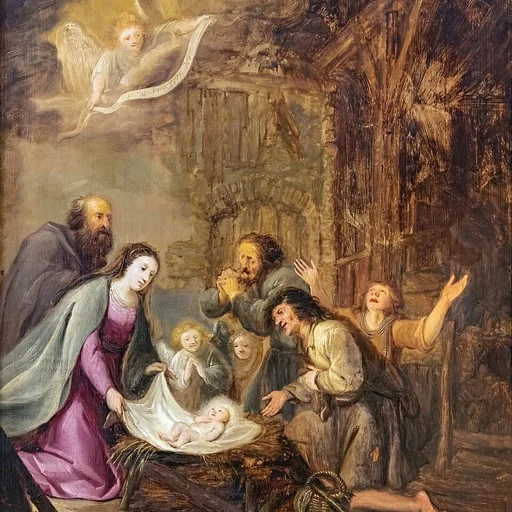
Jacob Willemszoon de Wet or Jacob Willemsz. de Wet the Elder (c. 1610 – between 1675 and 1691) was a Dutch Golden Age painter whose works were largely influenced by Rembrandt.