Artwork
Portrait of María Isabella of Spain (1789-1848), Gueen of the Two Sicilies
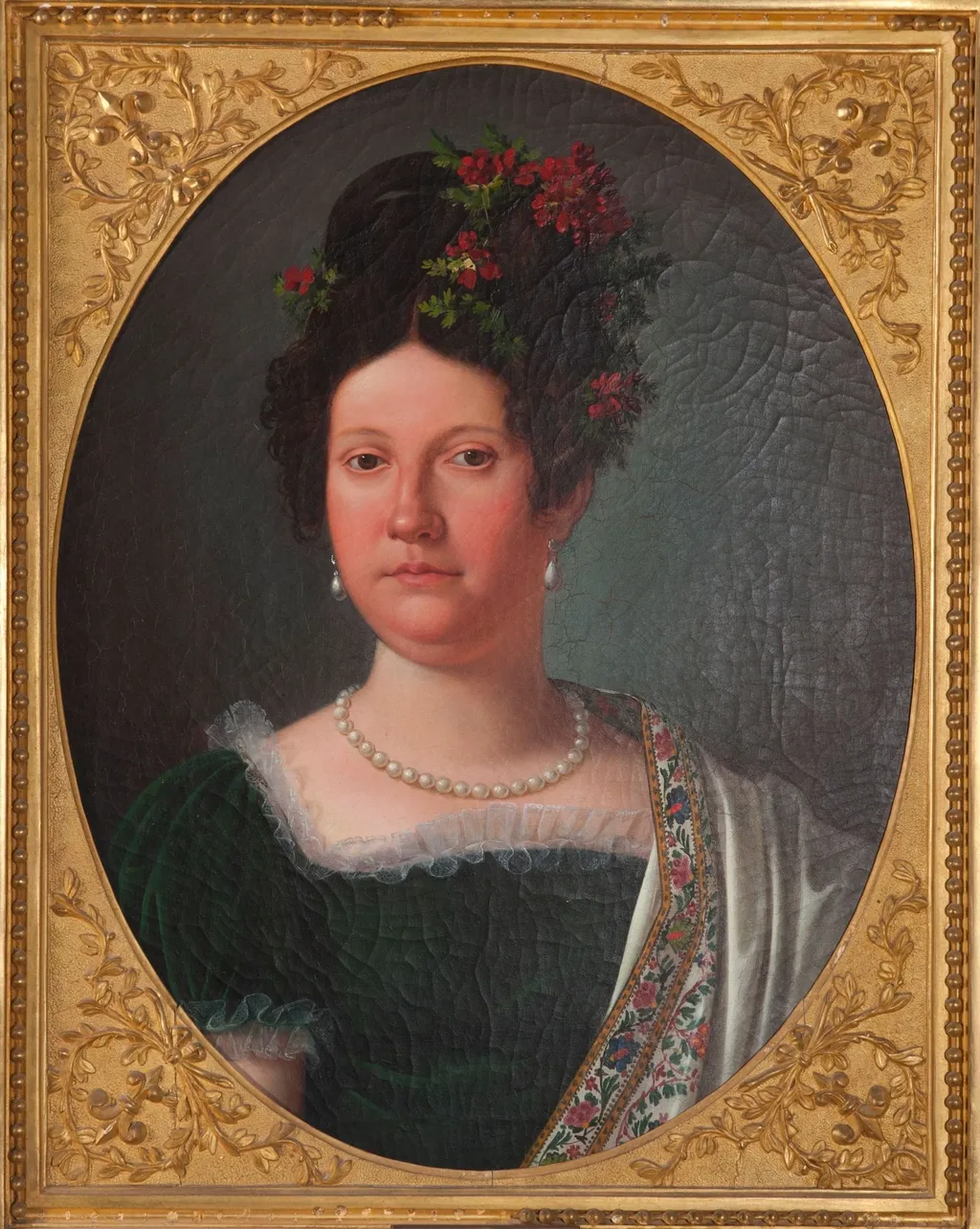
Portrait of María Isabella of Spain (1789-1848), Gueen of the Two Sicilies is an oil painting by the Neoclassicist artist Giuseppe Cammarano. It dates from 1819 and is held in the collection of the Palace of Caserta.
About this work
The background of the painting is a dark gray color, which contrasts with the vibrant colors of the woman's clothing and accessories.
This portrait shows a woman with dark hair, adorned with a floral wreath and a pearl necklace. She wears a dark green dress with a white lace collar and a white shawl with a floral pattern.
The woman's gaze is directed to the left, and her expression is neutral. The background of the painting is a dark gray color, which contrasts with the vibrant colors of the woman's clothing and accessories.
The painting is an oil on canvas work, created in 1819. To learn more about the artist who created this portrait, look up Giuseppe Cammarano.
Overview
Giuseppe Cammarano’s 1819 oil on canvas portrays Maria Isabella of Spain, later Queen of the Two Sicilies. The work is part of the collection at the Palace of Caserta, presenting the royal figure in a composed, formal pose typical of early‑nineteenth‑century court portraiture.
Subject & Meaning
The sitter, Maria Isabella (1789‑1848), is shown with dark hair crowned by a floral wreath and a string of pearls, suggesting both youthful elegance and dynastic status. Her neutral expression and leftward gaze convey a restrained dignity, aligning with the conventions of royal representation that emphasize poise over personal sentiment.
Technique & Style
Executed in oil, the painting balances a dark gray backdrop with vivid attire: a deep‑green dress trimmed with white lace, complemented by a white shawl bearing a floral motif. Cammarano’s handling of light renders the fabrics’ texture and the sheen of the pearls, while the muted background heightens the figure’s visual prominence.
History & Provenance
Created in 1819, the portrait entered the holdings of the Palace of Caserta, the historic residence of the Bourbon monarchs of the Two Sicilies. It has remained in the palace’s collection, serving as a visual record of the queen’s appearance during her early years of marriage.
Context
The portrait reflects the diplomatic marriage between Spain and the Kingdom of the Two Sicilies, a common practice among European royal houses to cement alliances. Cammarano, a prominent Neapolitan painter, was frequently commissioned for such official likenesses, situating this work within a broader tradition of court portraiture in the post‑Napoleonic era.
Artist & collection

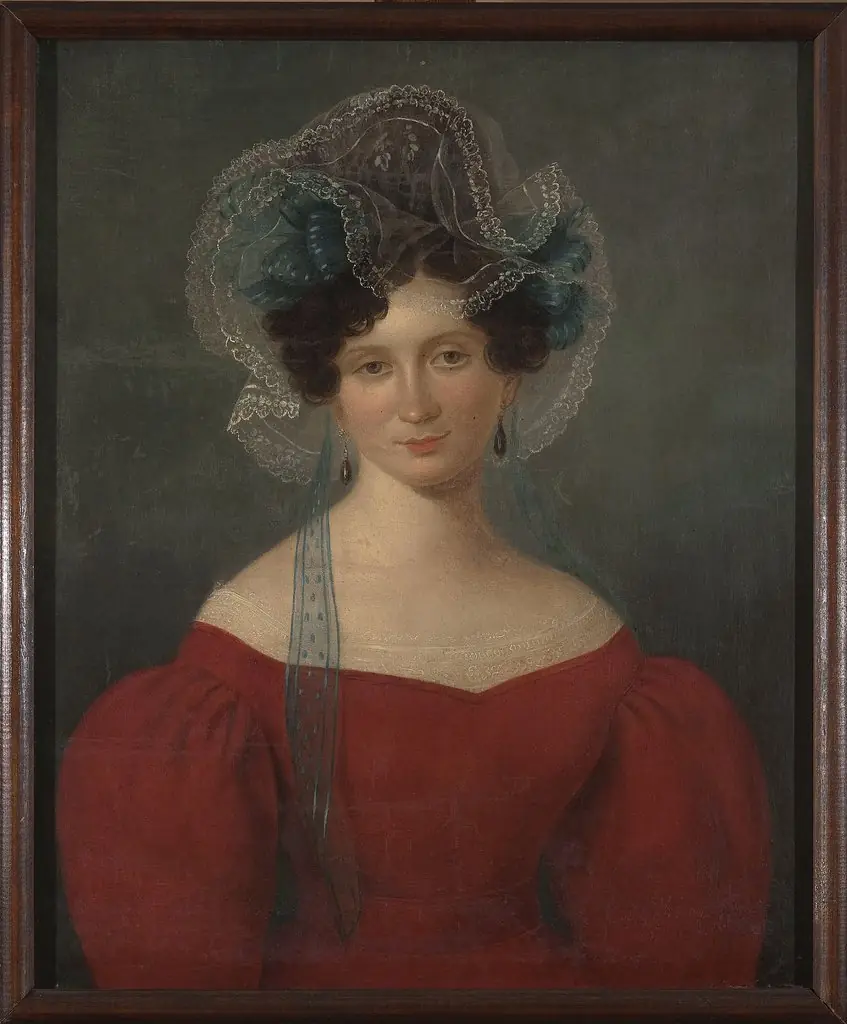 Portrait of a lady in a red dress
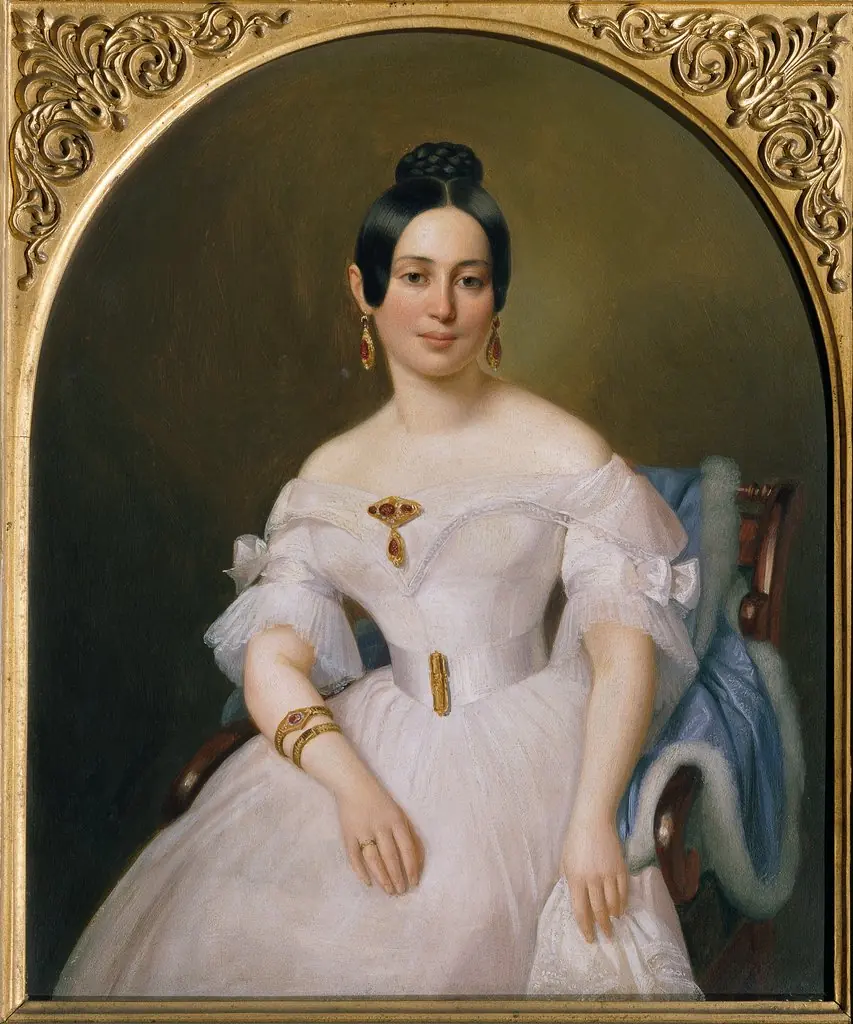 Emilie von Wartenegg
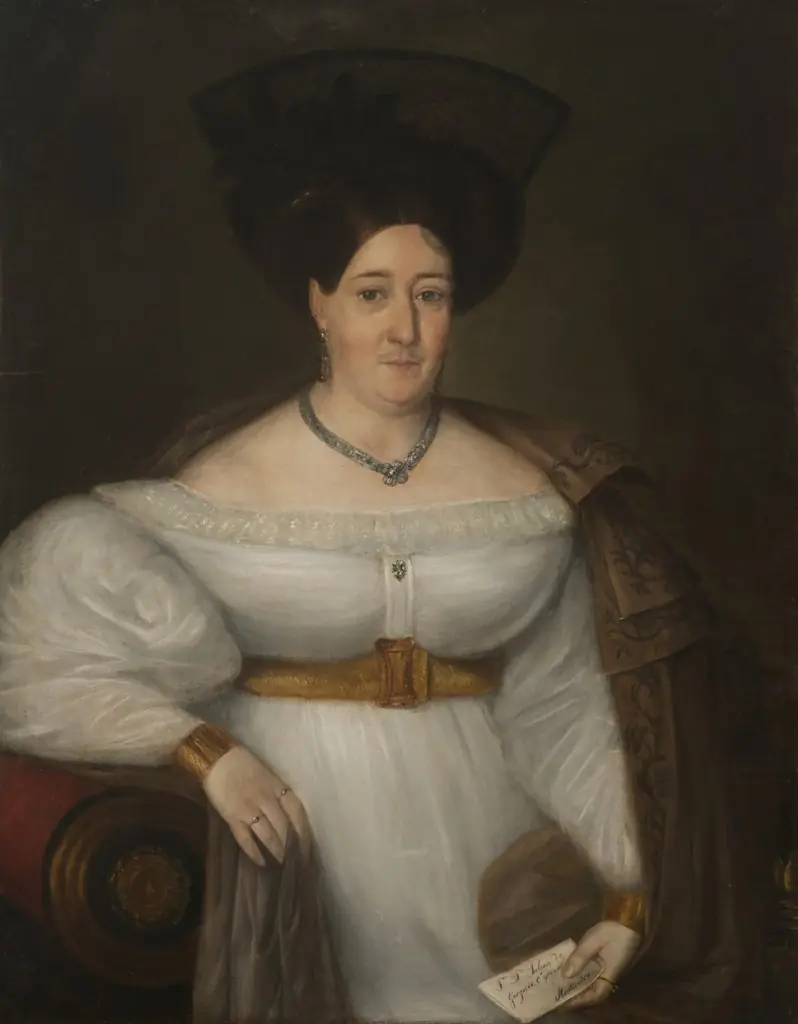 Candelaria Somellera de Espinosa
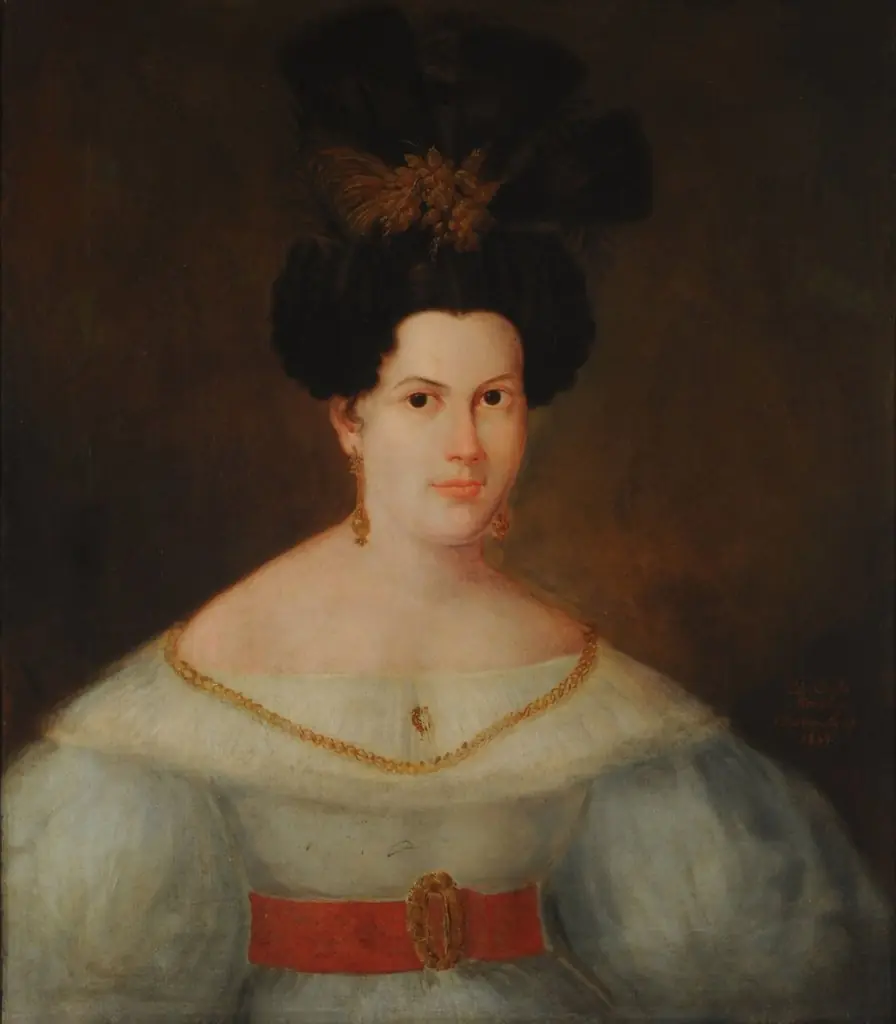 Portrait of Doña Macedonia Escardo
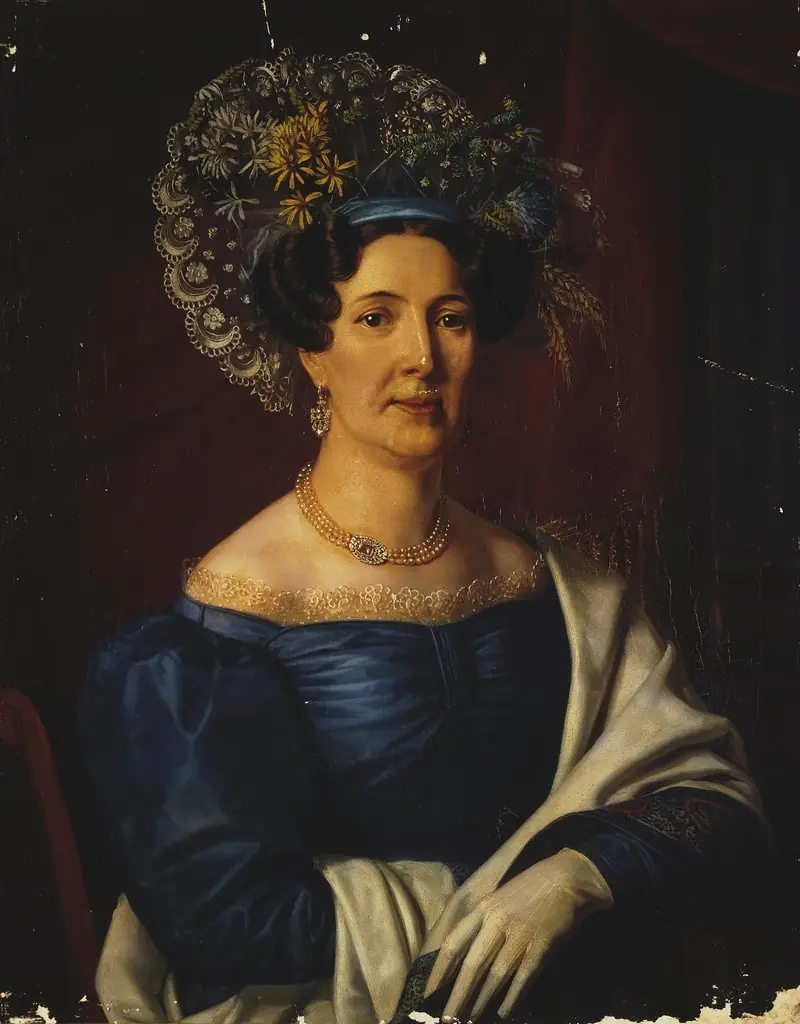 Portrait of Anna Babkina
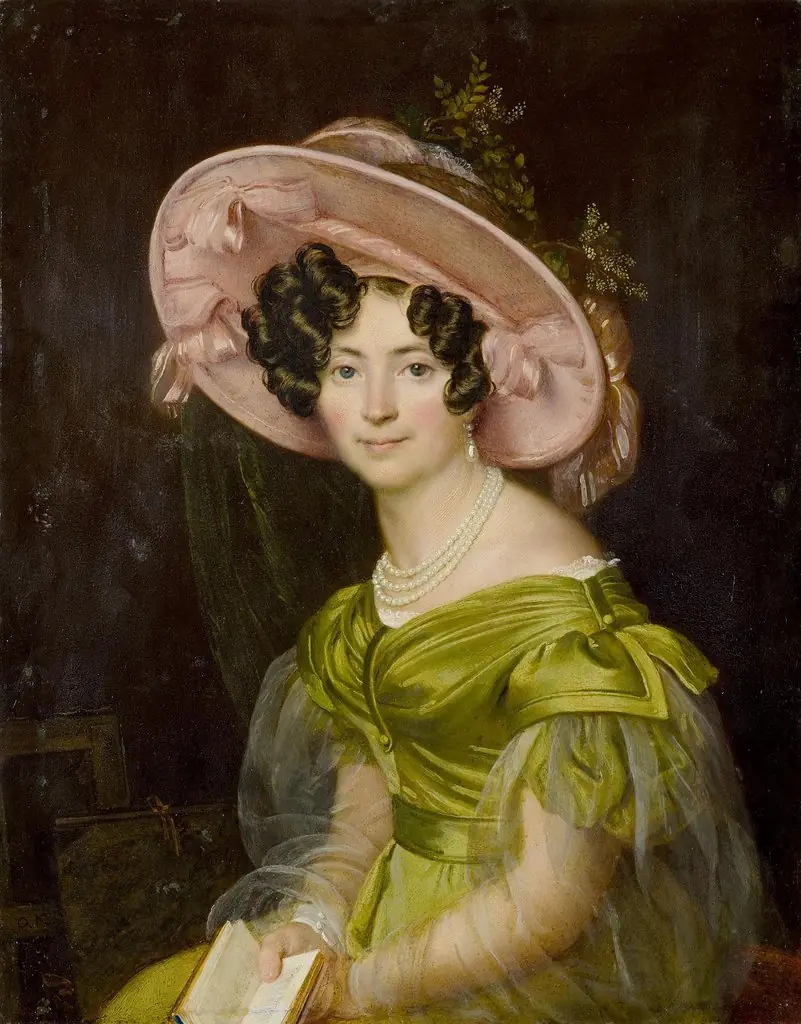 Portrait of Zinaida Volkonskaya
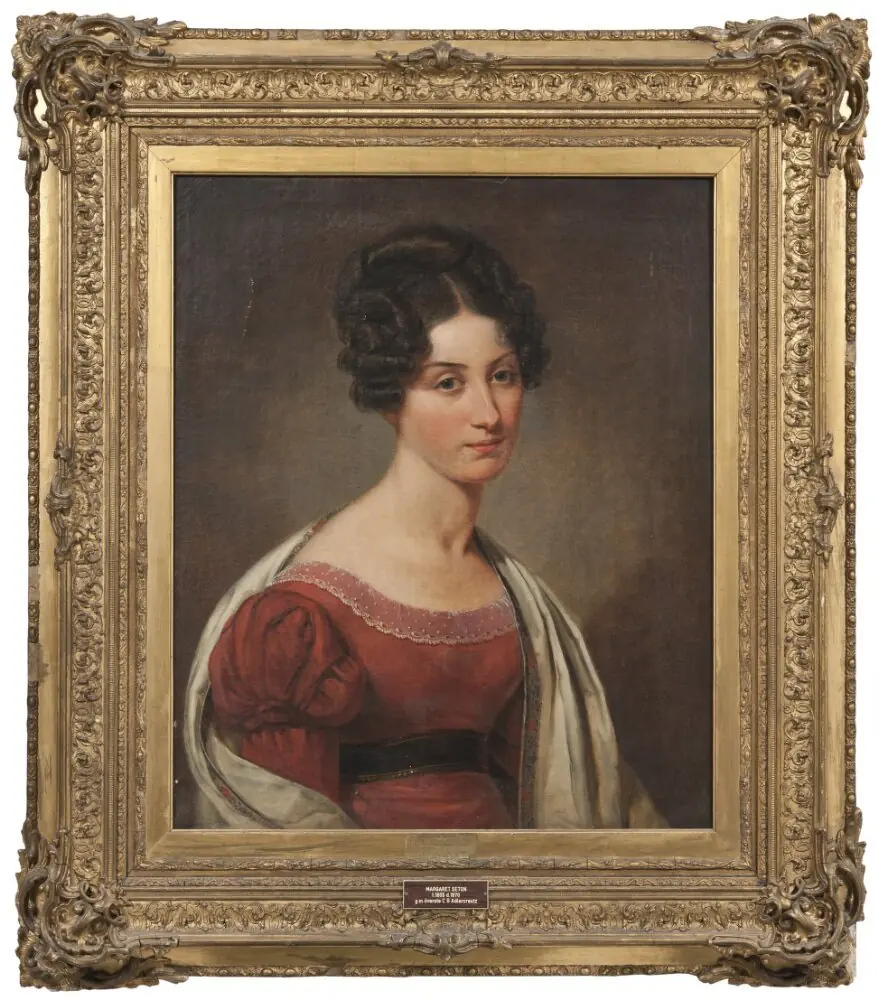 Margaret Seton (1805-1870), född i Skottland, verksam i Sverige, g.m. friherre överste Carl Gustaf Adlercreutz, sondotter till Alexander Baron Seton
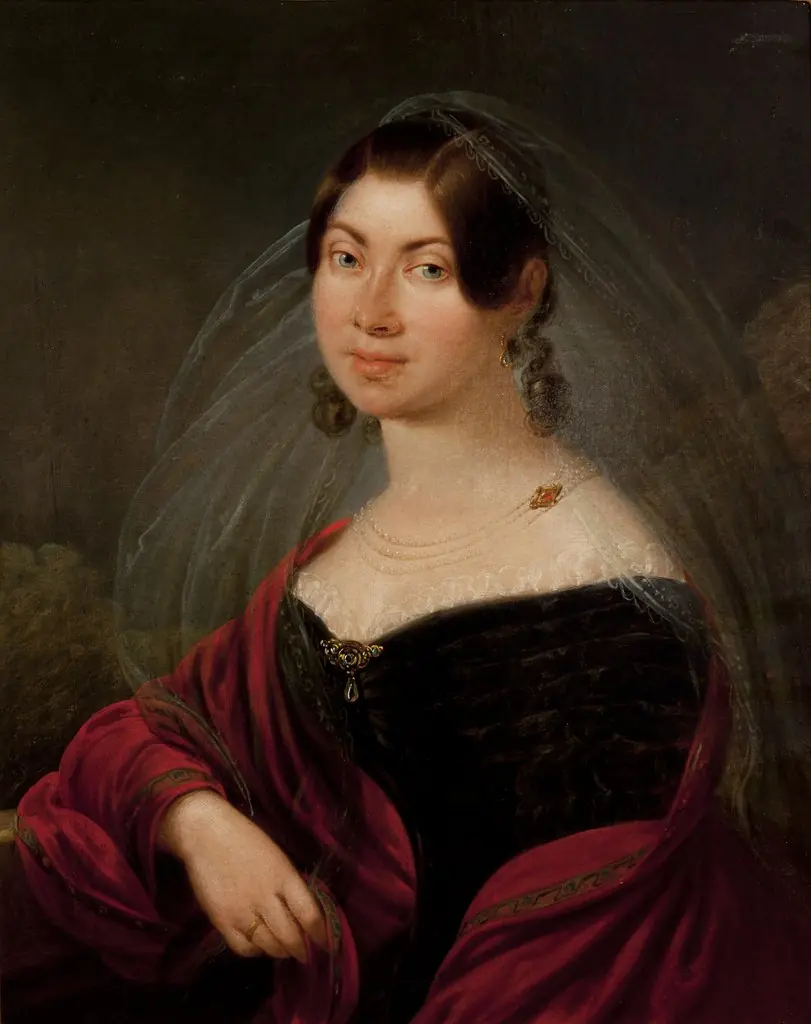 Portrait of Teresa Żebrawska née Hanowicz
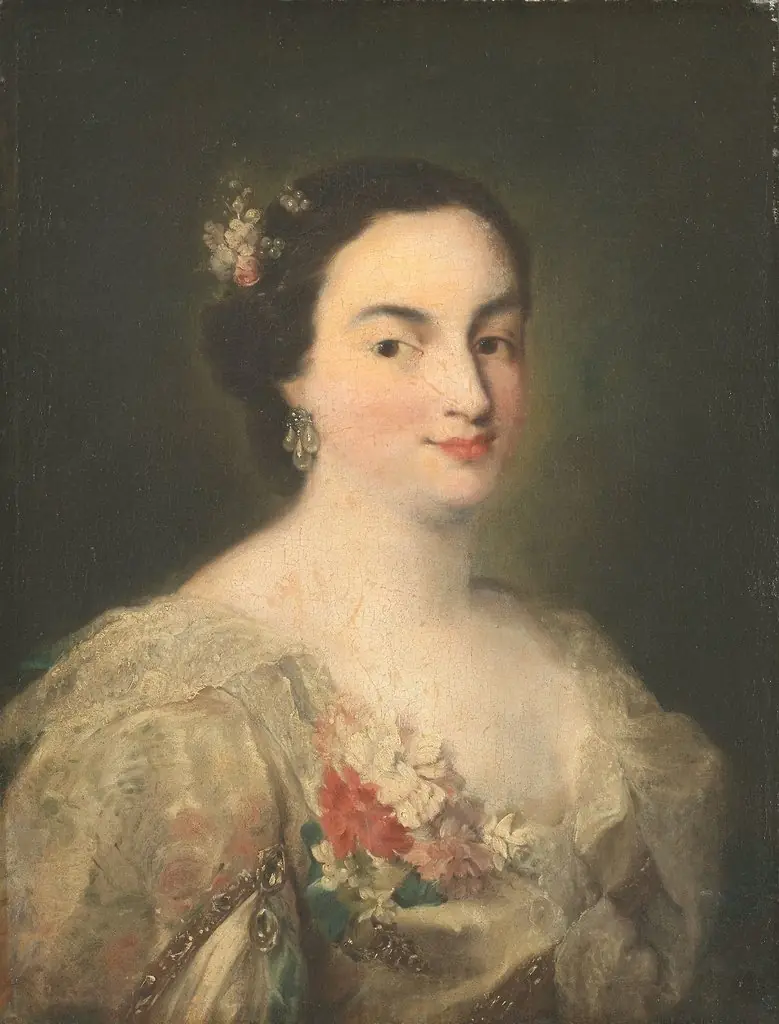 Portrait of a Young Woman
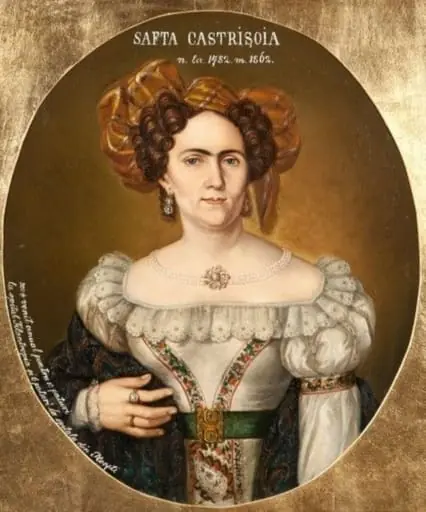 Safta Castrișoaia
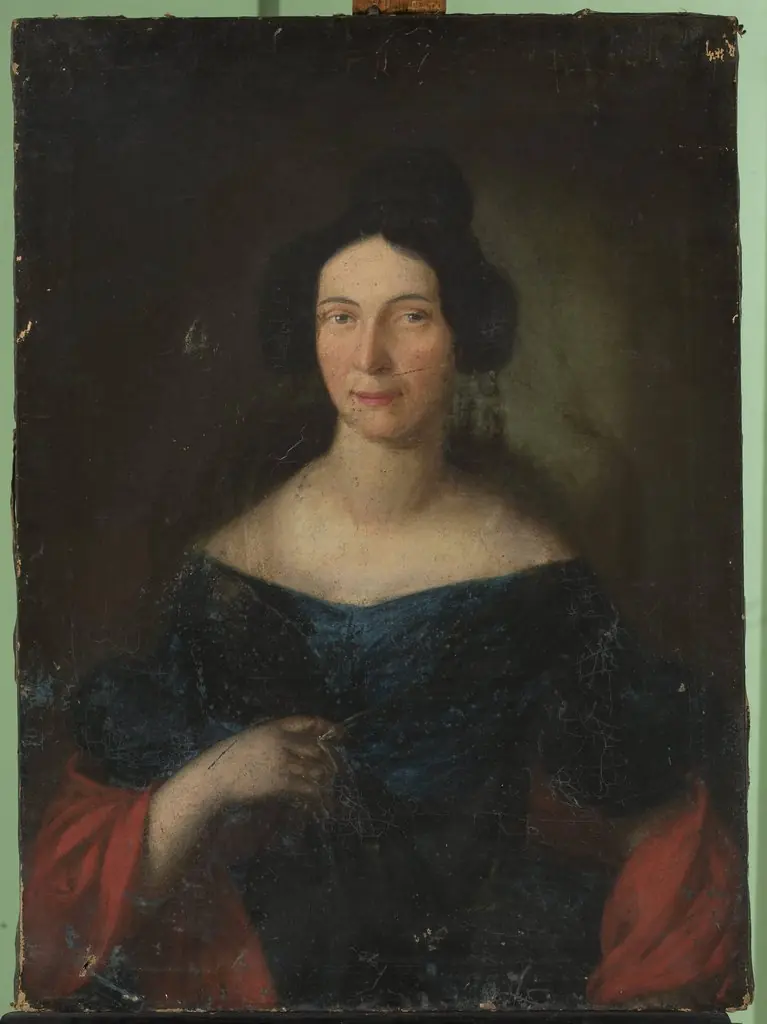 Portrait of a woman
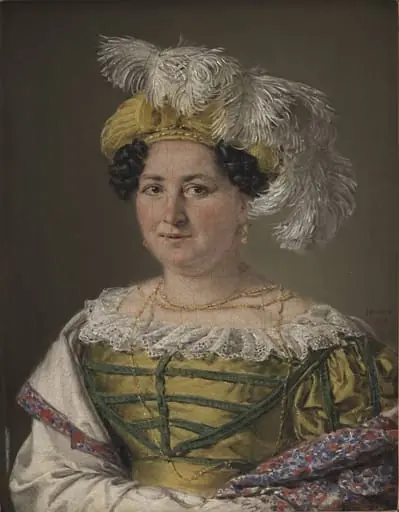 Portrait of Mrs. Pauline Hagen