Artwork
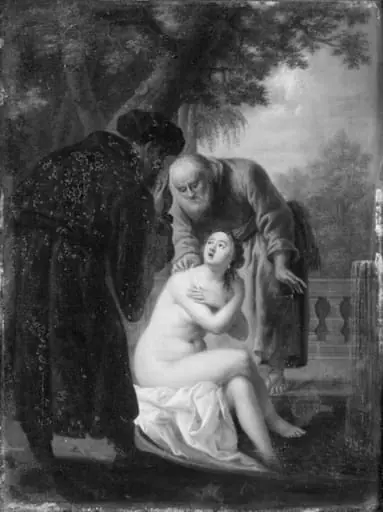
Susanna and the Elders
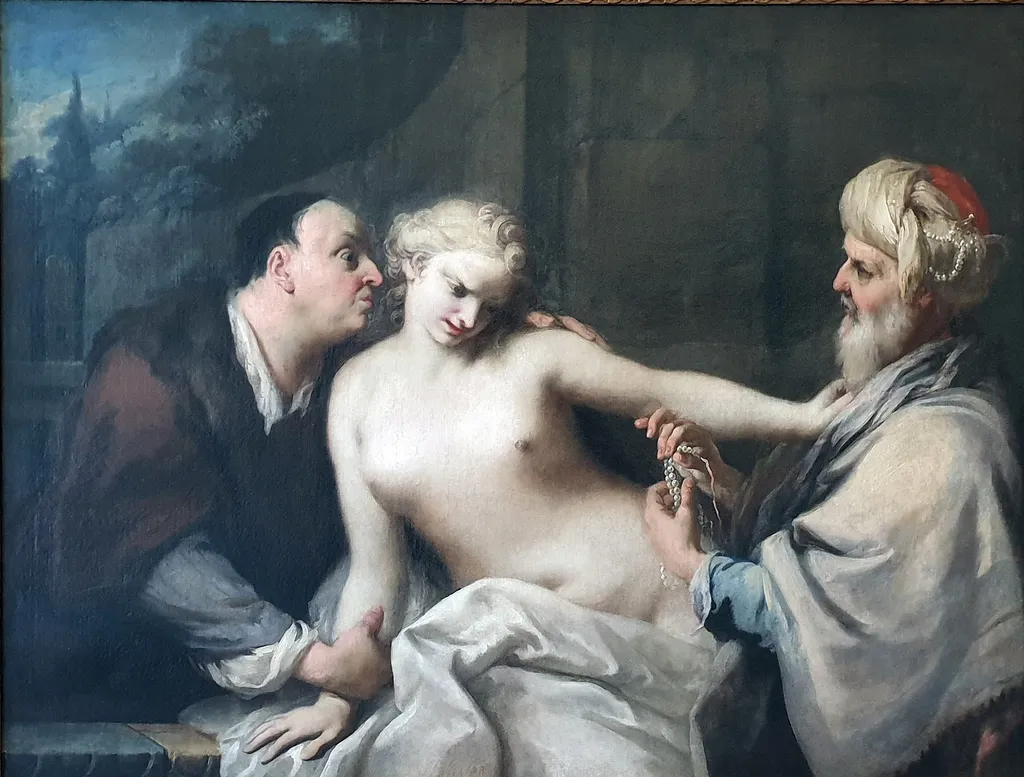
Susanna and the Elders is an oil painting by the Rococo painting artist Jacopo Amigoni. It dates from 1740 and is held in the collection of the Gemäldegalerie Berlin.
About this work
Overview
Painted in 1740 by Jacopo Amigoni, *Susanna and the Elders* is an oil-on-canvas work that illustrates a biblical narrative from the Book of Daniel.
Painted in 1740 by Jacopo Amigoni, *Susanna and the Elders* is an oil-on-canvas work that illustrates a biblical narrative from the Book of Daniel. Amigoni, trained in Venice and active across Europe, applied his expertise in portraiture and decorative composition to this religious subject. The painting resides in the Gemäldegalerie Berlin, where it exemplifies his mature style blending Baroque structure with Rococo elegance.
Subject & Meaning
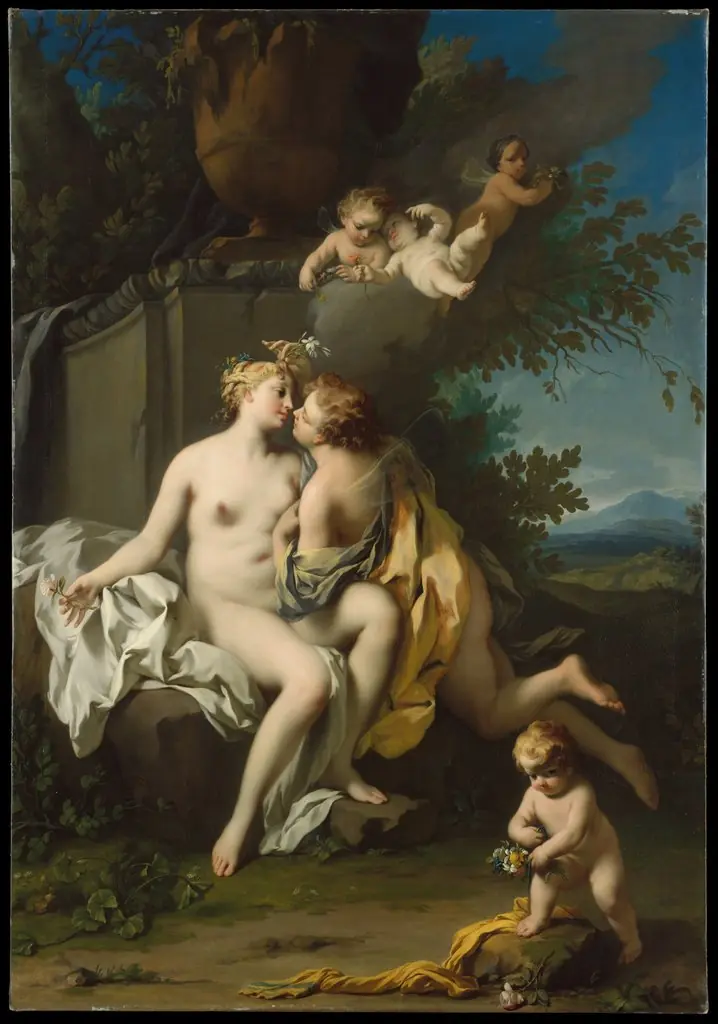
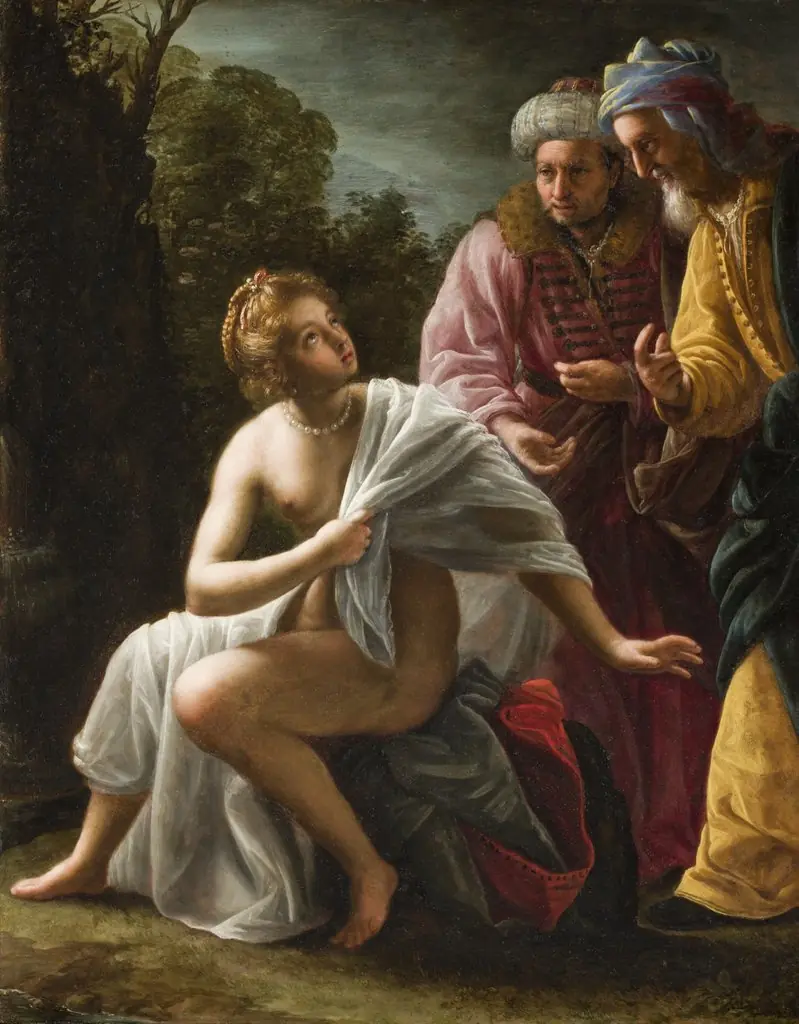
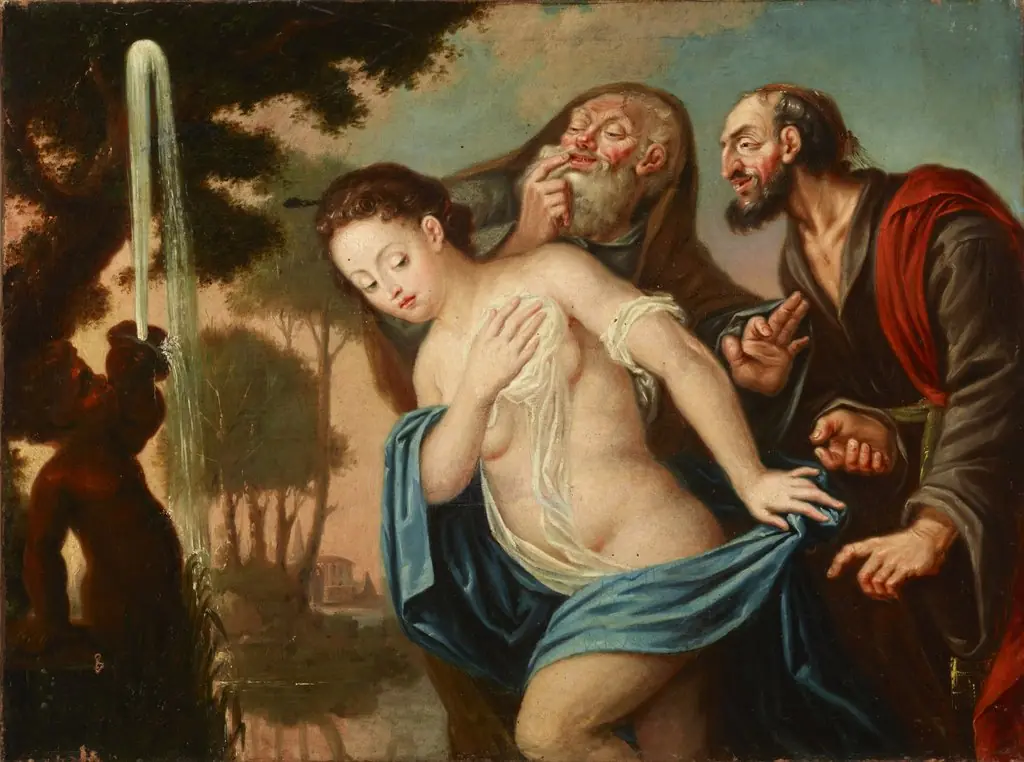
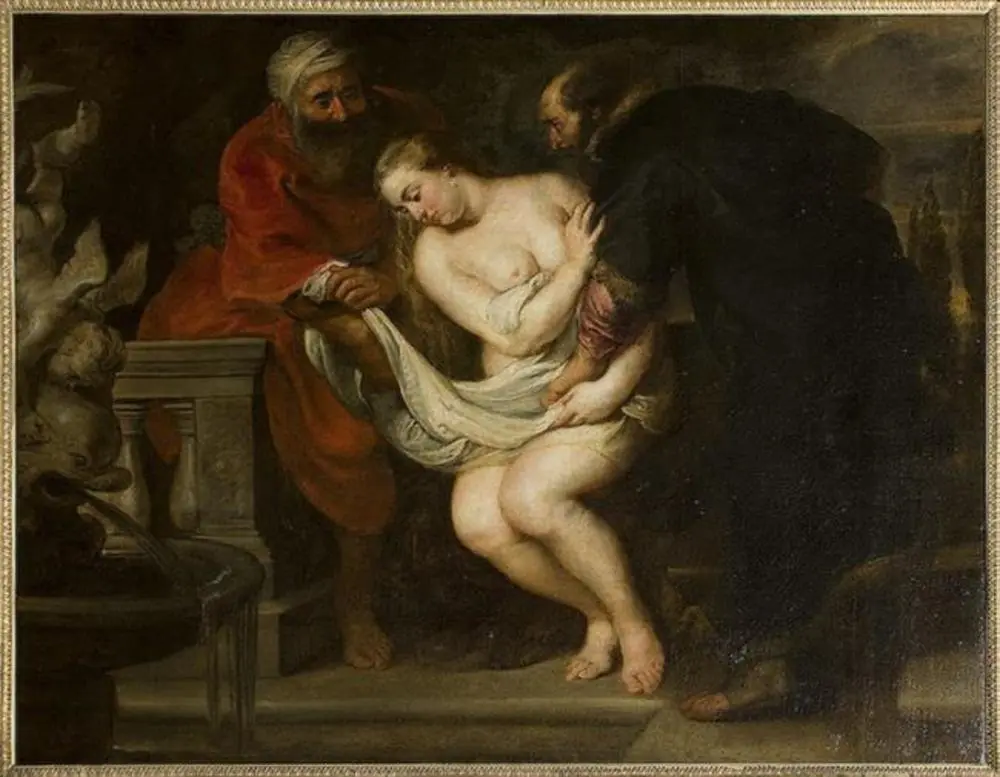
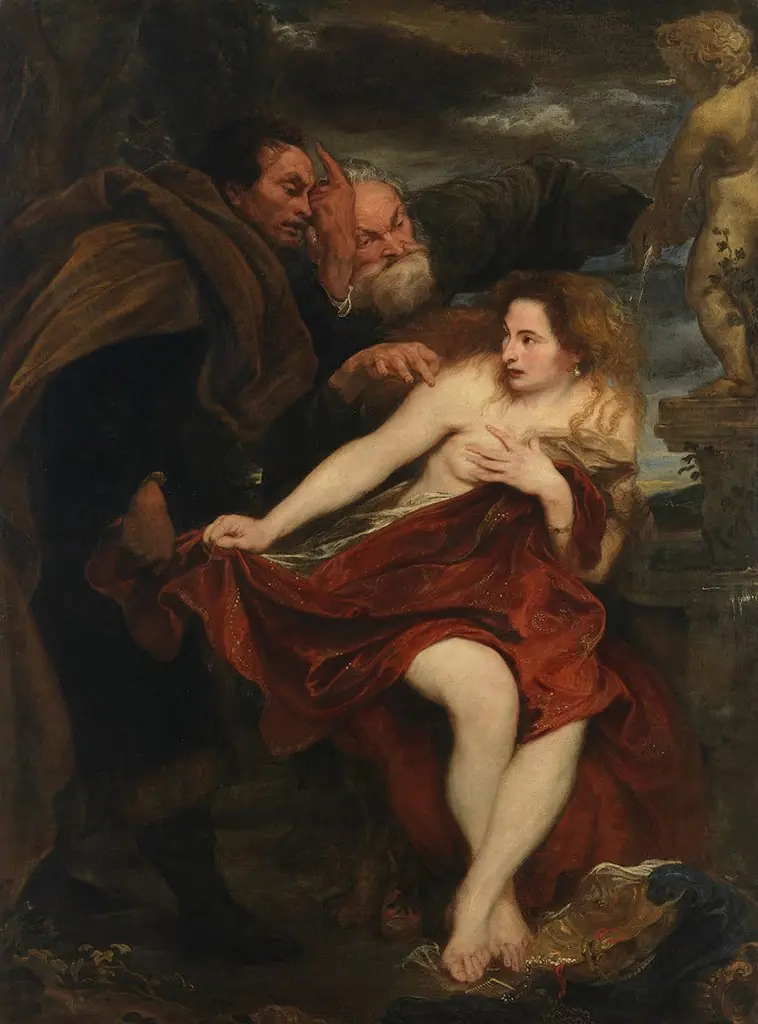
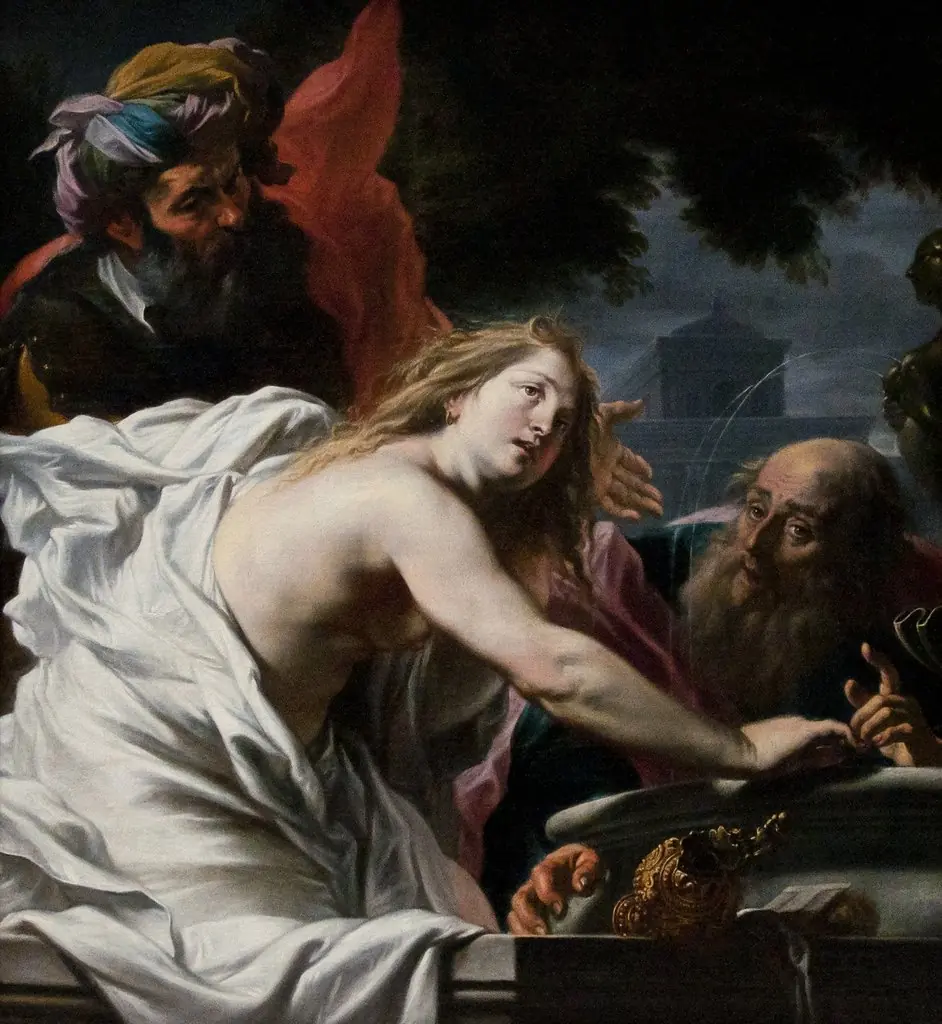
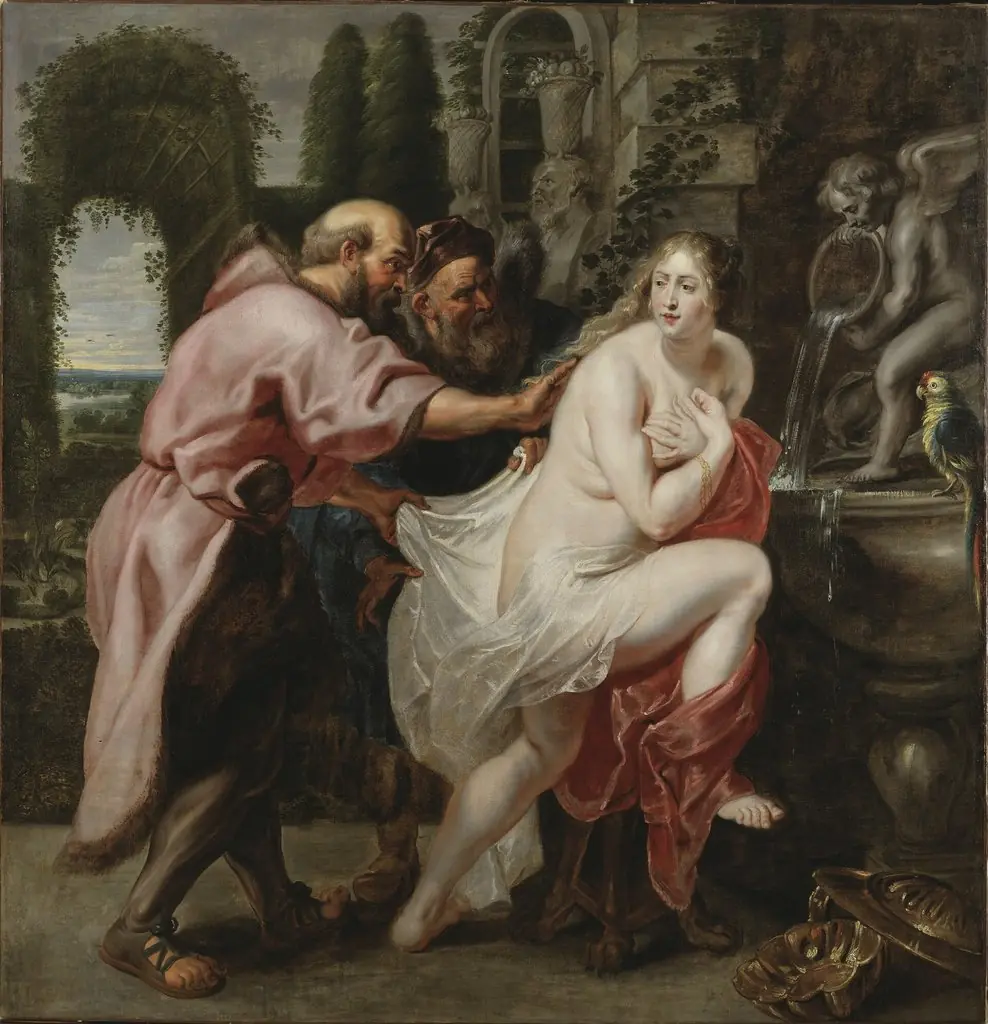
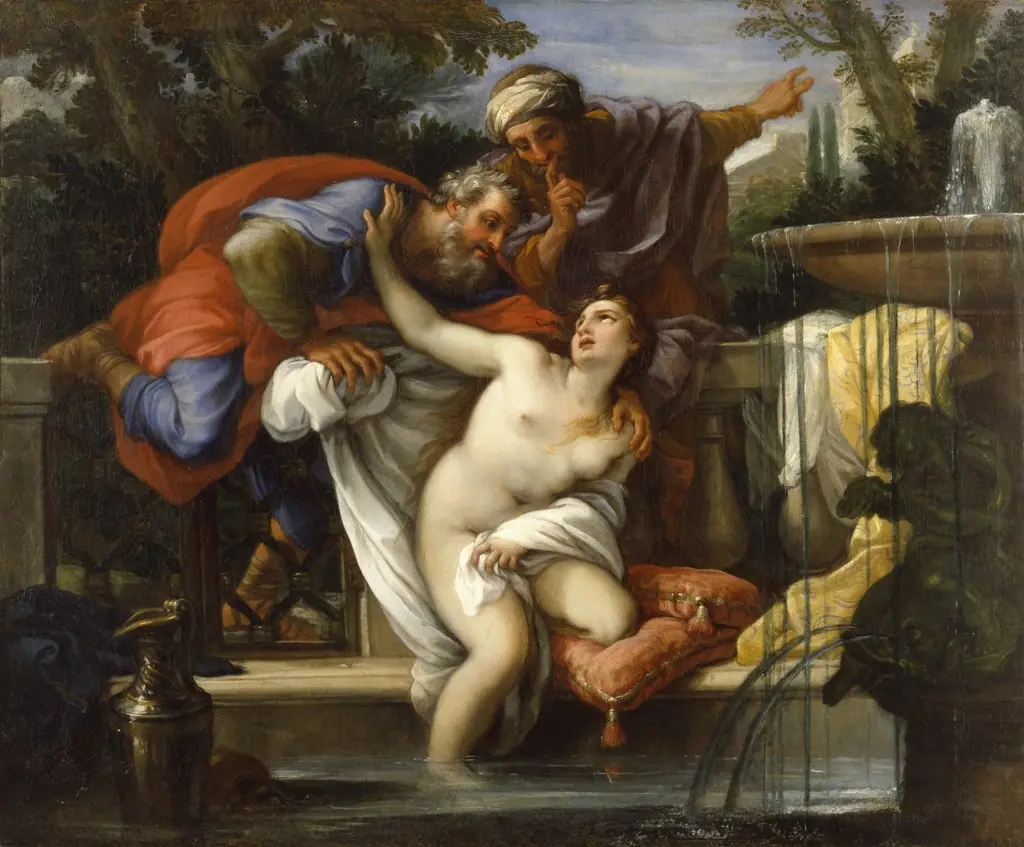
The scene depicts Susanna, a virtuous woman bathing in her garden, confronted by two elderly men who secretly observe her. Their presence, marked by ornate robes and turbans, signals their status and moral corruption. One holds a rosary, contrasting his piety with his predatory gaze. The narrative underscores themes of innocence under threat and the abuse of power, a common moral allegory in early modern religious art.
Technique & Style
Amigoni employs soft chiaroscuro to model the figures with subtle volume, directing attention to Susanna’s form against the muted garden backdrop. The palette favors earthy greens, browns, and beiges, enhancing the intimate, enclosed atmosphere. Brushwork is refined but not overly ornate, balancing Rococo delicacy with a restrained naturalism. The lighting, warm and diffused, heightens the psychological tension without theatrical exaggeration.
History & Provenance
Created during Amigoni’s time in Germany, the painting reflects his international career following early success in Venice. It entered the Gemäldegalerie Berlin’s collection in the 19th century, likely through royal or institutional acquisition. Its preservation in a major European museum underscores its recognition as a representative work of 18th-century religious painting, though it has never been widely exhibited outside academic circles.
Context
In the mid-18th century, biblical scenes featuring female nudes were common in European art, often serving as vehicles for moral instruction or aesthetic display. Amigoni’s version diverges from more dramatic treatments by emphasizing quiet tension over violence. His approach aligns with the period’s shift toward psychological nuance, even within traditional subjects, reflecting broader cultural interests in private virtue and social hypocrisy.
Legacy
While not among Amigoni’s most celebrated works, *Susanna and the Elders* remains a quiet example of his ability to merge narrative clarity with restrained elegance. It contributes to the understanding of how religious themes were adapted in Rococo contexts, avoiding grandeur for intimacy. The painting continues to be studied for its nuanced portrayal of gender, power, and moral ambiguity in 18th-century visual culture.
Artist & collection

Artist
Jacopo Amigoni (born Giacomo Amiconi; 1682 – September 1752), was an Italian painter of the late-Baroque or Rococo period, who began his career in Venice, but traveled and was prolific throughout Europe, where his sumptuous portraits were…