Artwork
Apollo and the Muses
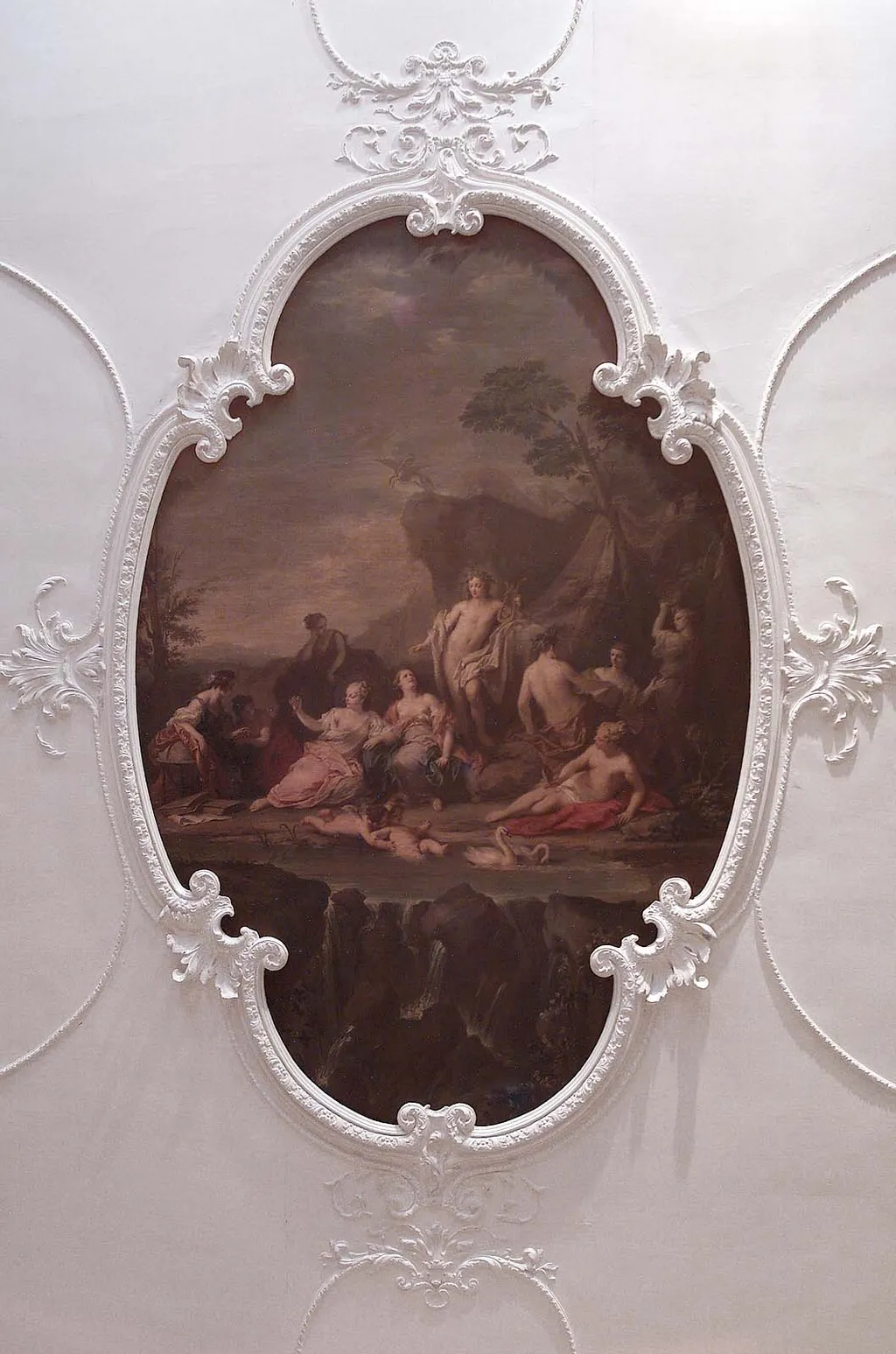
Apollo and the Muses is an unspecified painting by the Rococo painting artist Jacopo Amigoni. It dates from 1727 and is held in the collection of the Museum of Fine Arts Boston.
About this work
Overview
Apollo and the Muses, a painting by Jacopo Amigoni from around 1727, exemplifies the Rococo style with its lighthearted and decorative approach to a mythological theme. The work features a serene gathering in a wooded setting, characterized by soft color palette and relaxed poses.
Subject & Meaning
The painting depicts Apollo, the Greek god of the arts, surrounded by the Muses, embodying the patronage of creative pursuits. Apollo, often associated with poetry, music, and prophecy, is typically shown with the Muses to symbolize inspiration and artistic expression.
Technique & Style
Amigoni employs a predominantly soft palette of browns, greens, and pinks, accented with a vibrant red cloth on the central figure, likely Apollo. The composition blends natural elements (trees, waterfall) with figural harmony, reflecting Rococo's emphasis on elegance and leisure.
History & Provenance
Created during Amigoni's European career, following his beginnings in Venice, *Apollo and the Muses* is now part of the Museum of Fine Arts, Boston's collection.
Context
As a Rococo piece, it aligns with the period's focus on intimate, graceful scenes, often inspired by mythology. Amigoni's work across Europe contributed to the style's international appeal.
Legacy
While specific influence of *Apollo and the Muses* on later art is not prominently documented, it remains a characteristic example of Rococo's mythological themes and Amigoni's contribution to the era's artistic landscape.
Artist & collection

Artist
Jacopo Amigoni (born Giacomo Amiconi; 1682 – September 1752), was an Italian painter of the late-Baroque or Rococo period, who began his career in Venice, but traveled and was prolific throughout Europe, where his sumptuous portraits were…



 Greeting of Venus at Mount Olympus
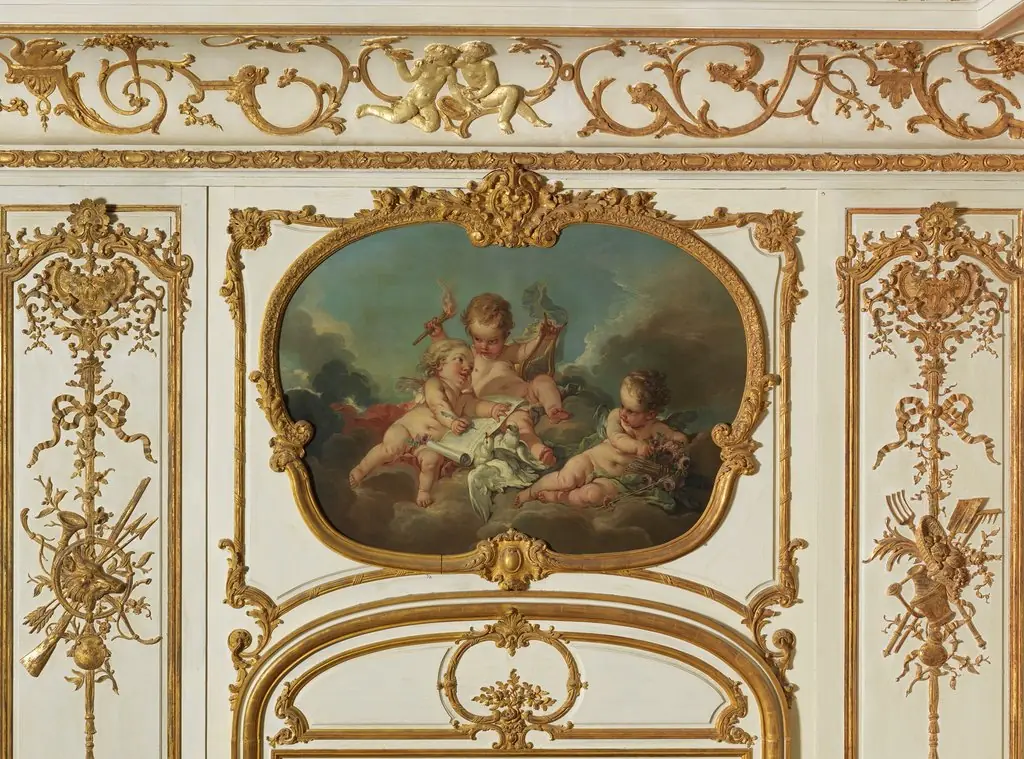 Allegory of Lyric Poetry
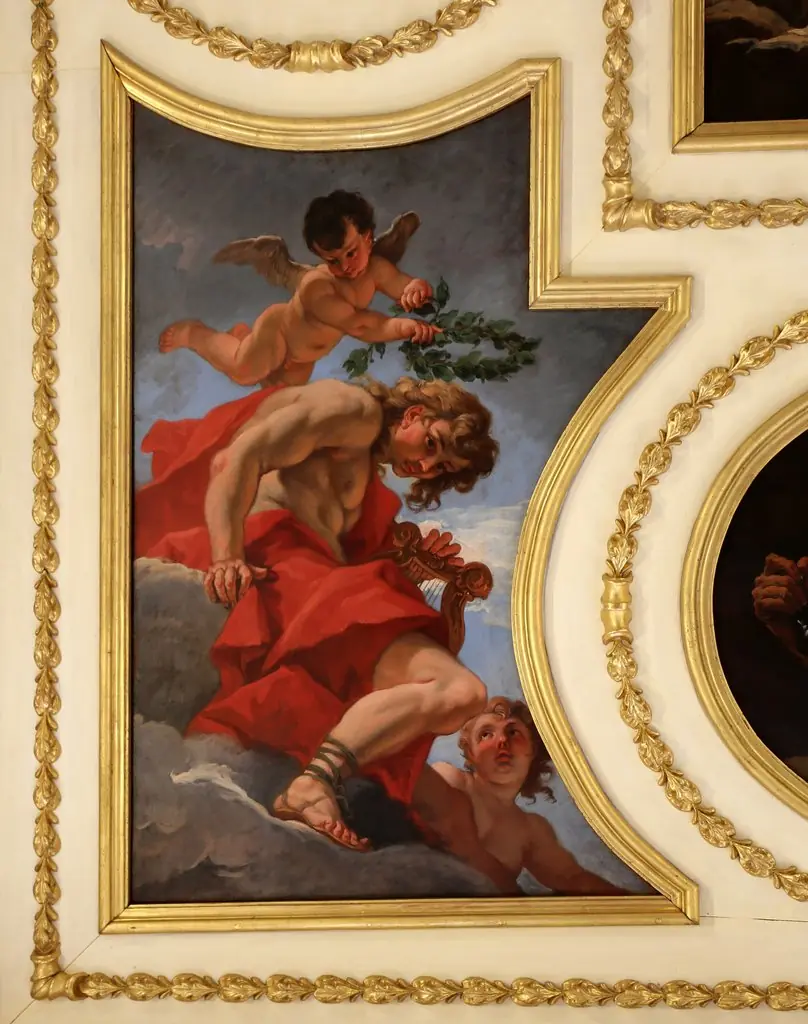 Apollo
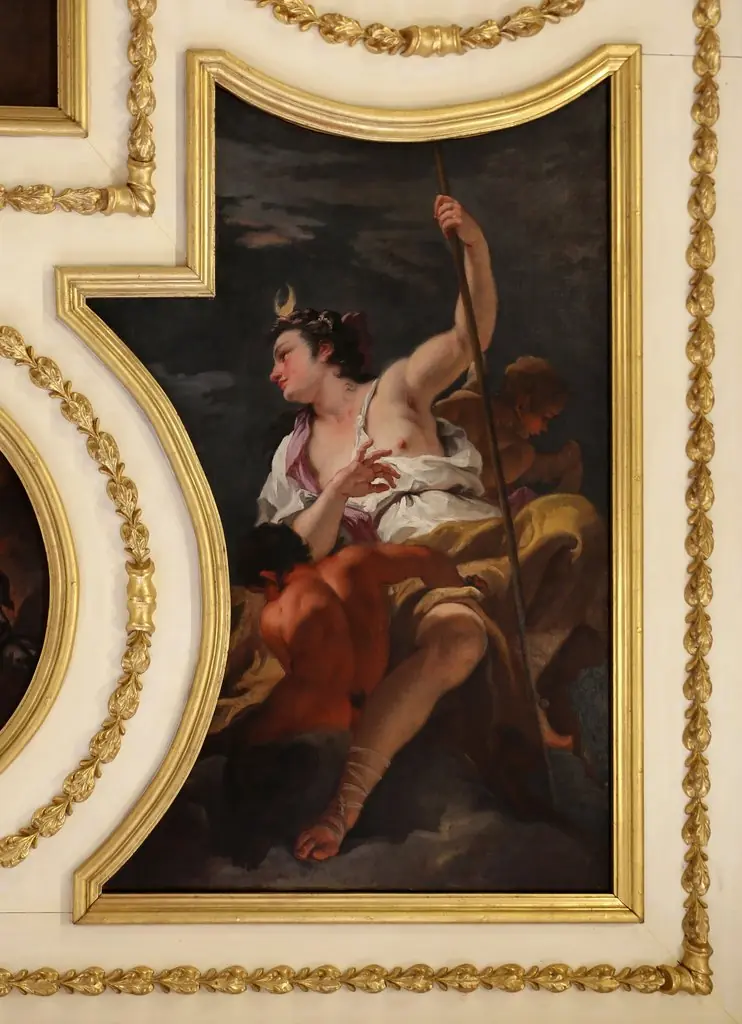 Diana
Diana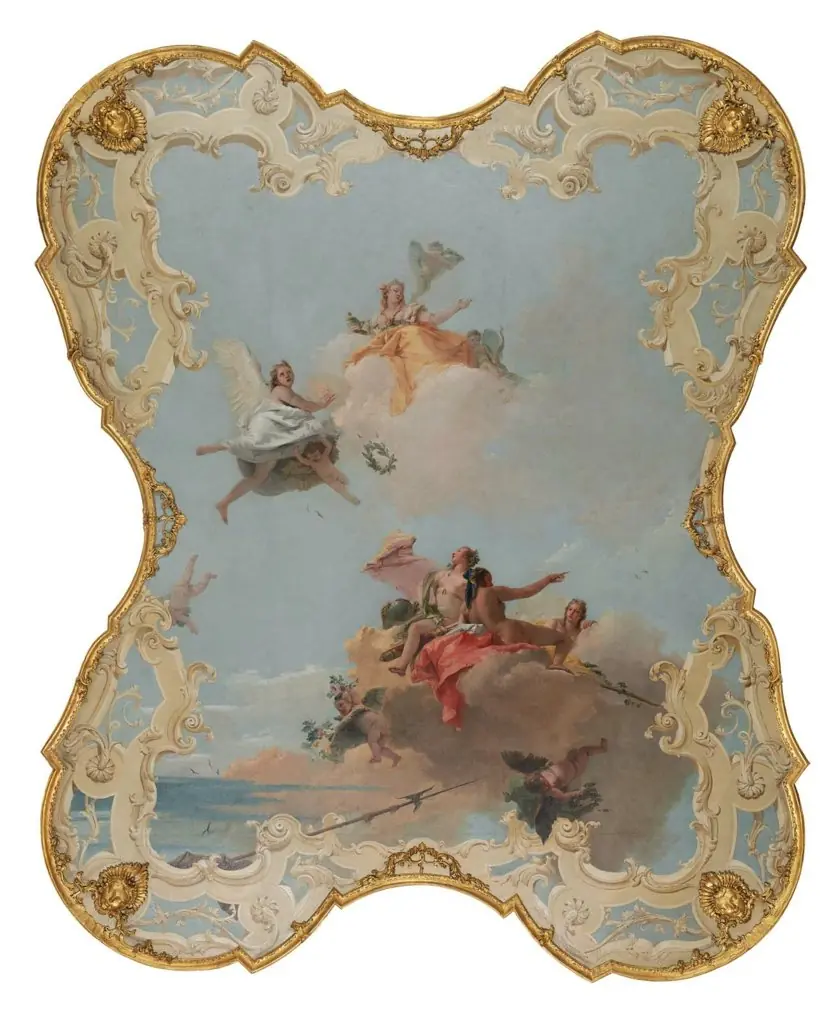 Virtue and Nobility Crowning Love
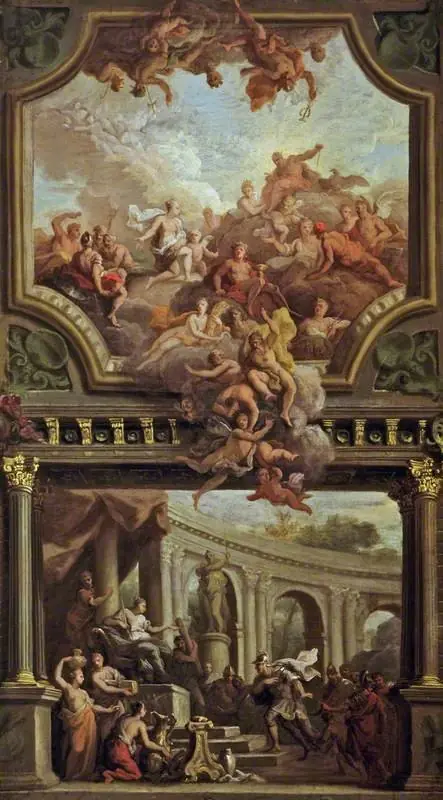 Aeneas before Dido, and Venus Supplicating Jupiter (sketch for a wall and ceiling decoration)
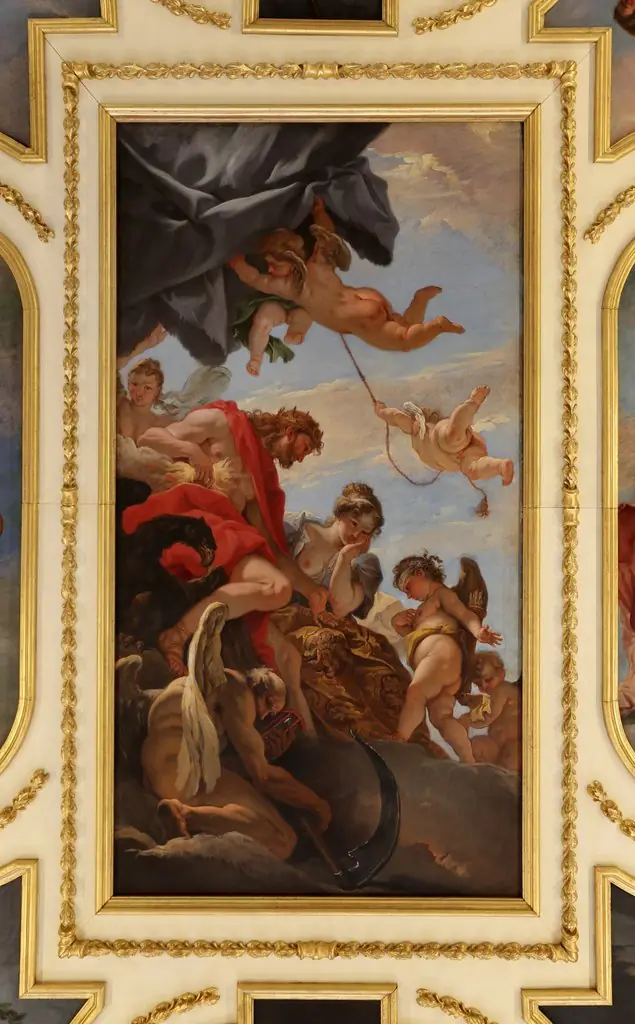 Amor vor Jupiter und Juno
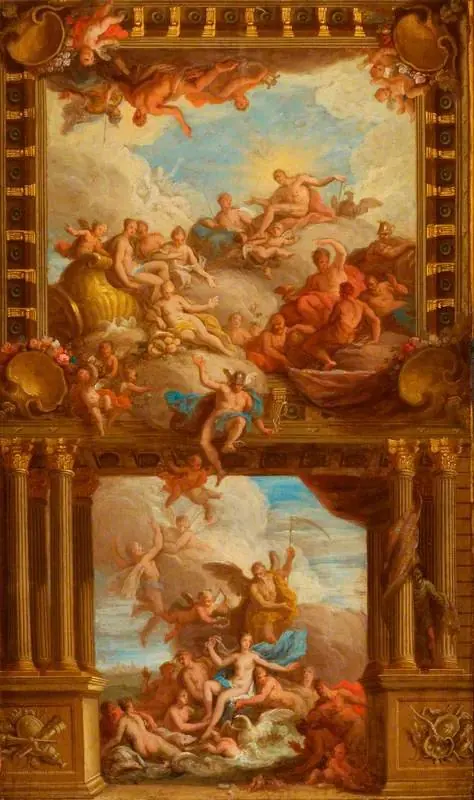 The Birth of Venus, and the Gods of Olympus (sketch for a wall and ceiling decoration)
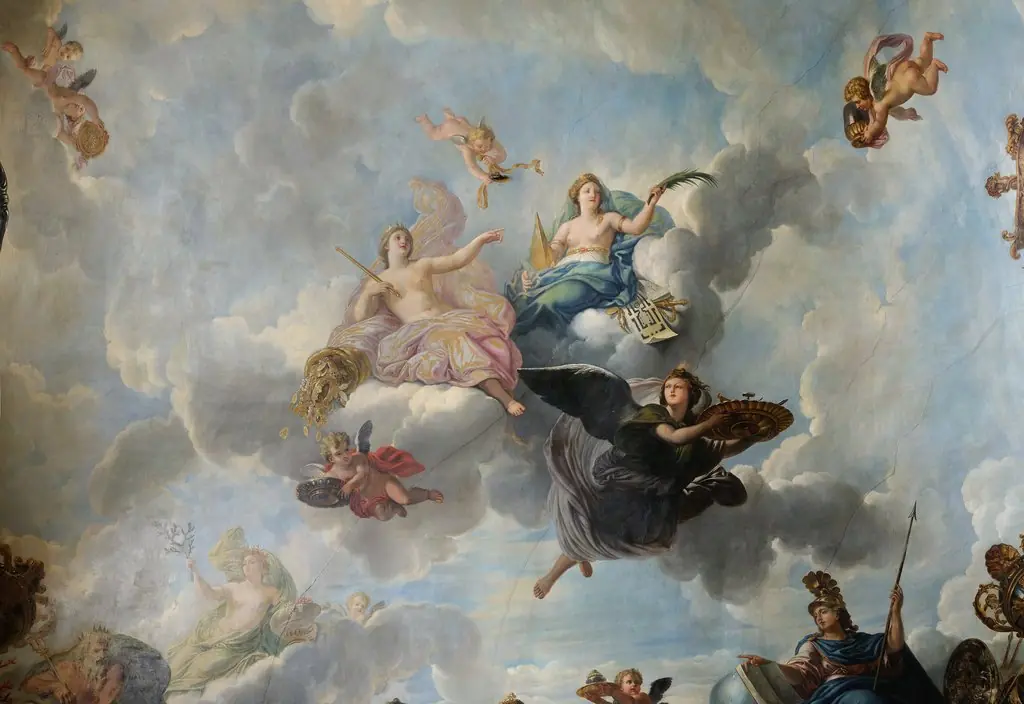 Figure of the Royal Magnificence, Immortality and Progress in the Fine Arts
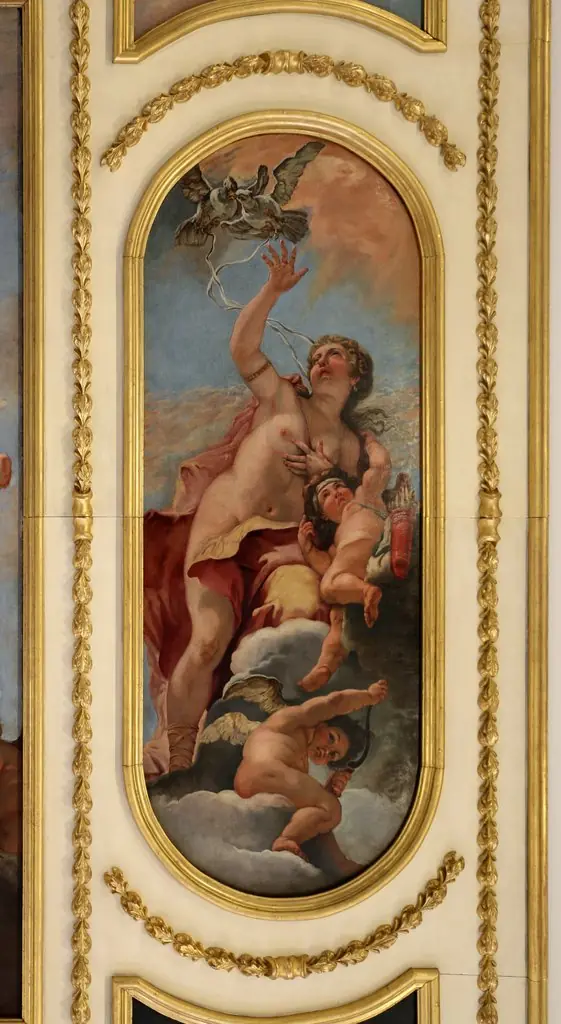 Venus und Cupido