Artwork
The birth of Jesus and adoration of the shepherds
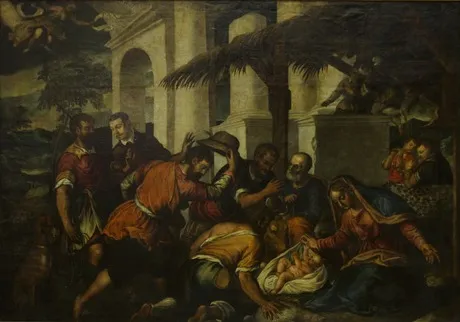
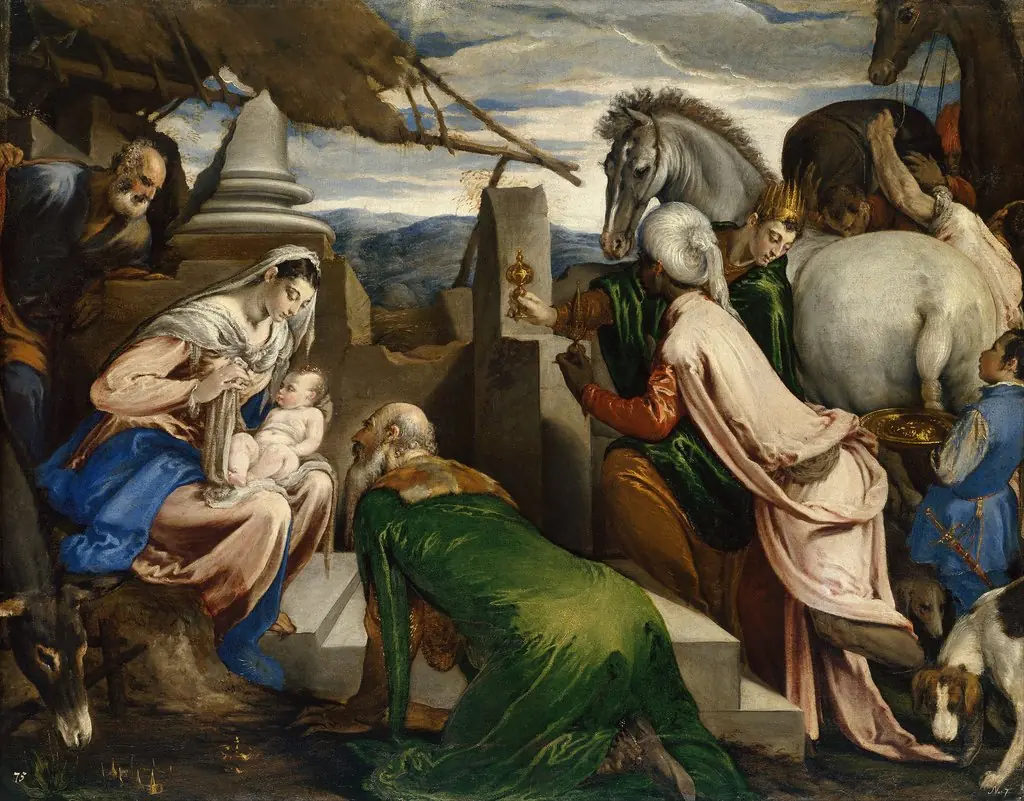
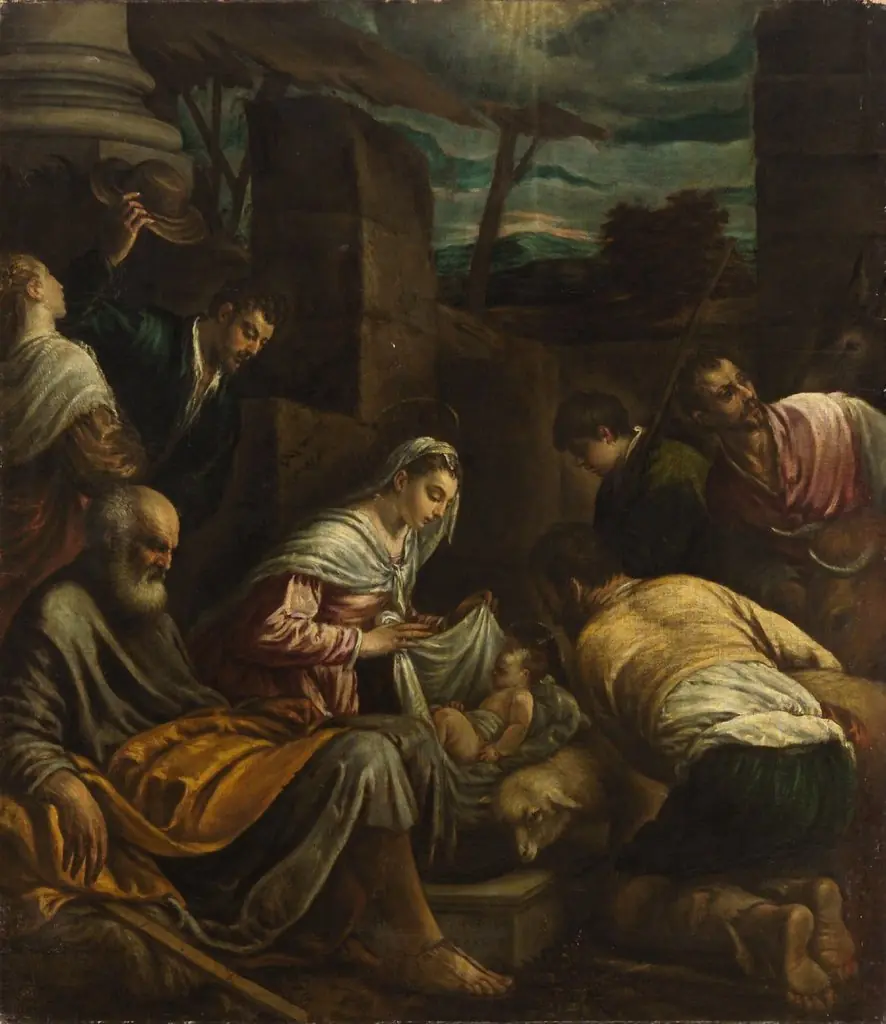
The birth of Jesus and adoration of the shepherds is an oil painting by the Early Baroque Italian artist Jacopo Bassano. It dates from 1550 and is held in the collection of the National Gallery of Armenia.
About this work
Overview
The scene unfolds outdoors under a twilight sky, with figures arranged in a dynamic, circular composition that guides the viewer’s gaze across the group.
Painted around 1550 by Jacopo Bassano, this oil-on-canvas work portrays the Nativity and the adoration of the shepherds. It is part of the collection at the National Gallery of Armenia. The scene unfolds outdoors under a twilight sky, with figures arranged in a dynamic, circular composition that guides the viewer’s gaze across the group. The painting blends sacred narrative with vivid, everyday detail.
Subject & Meaning
The central figures are the Virgin Mary cradling the infant Jesus, surrounded by shepherds who have arrived to pay homage. Their expressions convey awe and quiet reverence, while the presence of livestock—oxen and sheep—anchors the scene in rural realism. The moment captures the theological idea of divine revelation to the humble, emphasizing accessibility and humility over royal grandeur.
Technique & Style
Bassano employs rich, saturated colors and loose brushwork to animate the figures and their garments. Light falls unevenly across the scene, creating subtle contrasts that define form without harsh shadows—a restrained use of chiaroscuro. The composition avoids symmetry, favoring naturalistic grouping and diagonal lines that suggest movement and spontaneous interaction among the participants.
History & Provenance
The painting entered the National Gallery of Armenia’s collection in the 20th century, though its earlier ownership remains undocumented. It likely originated in Bassano’s Venetian workshop, where religious subjects were frequently produced for private devotion. Its survival and preservation suggest it was valued within a collector’s circle, possibly in northern Italy before its transfer to Yerevan.
Context
Created during the mid-16th century, the work reflects the Counter-Reformation emphasis on emotionally engaging religious imagery. Bassano, influenced by Titian and the Venetian coloristic tradition, departed from rigid Mannerist conventions by infusing biblical scenes with lifelike figures and atmospheric settings. This approach resonated with audiences seeking relatable spiritual experiences.
Legacy
Though not widely exhibited beyond Armenia, the painting exemplifies Bassano’s contribution to Venetian religious art through its humanized portrayal of sacred events. Its emphasis on naturalism and emotional immediacy influenced regional painters in the Alps and the Balkans. The work remains a quiet testament to the shift toward intimate, accessible depictions of faith in Renaissance Italy.
Artist & collection
Artist
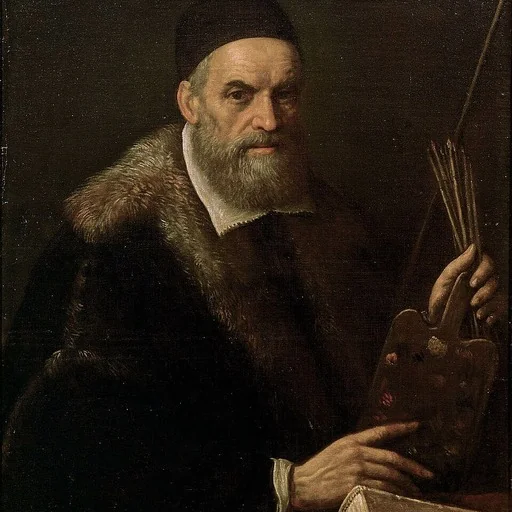
Jacopo Bassano was an Italian Renaissance painter of the Venetian school. He was born and died in Bassano del Grappa, and took the village as his surname. Having trained in the workshop of his father, Francesco the…

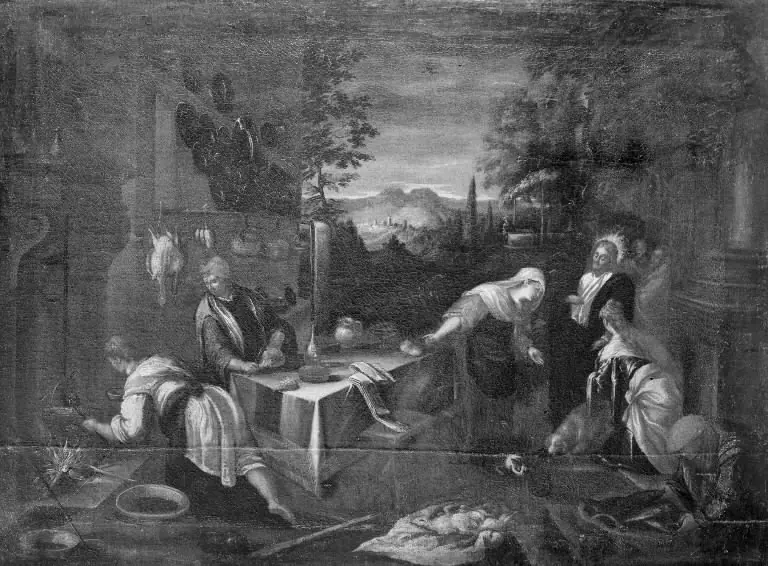
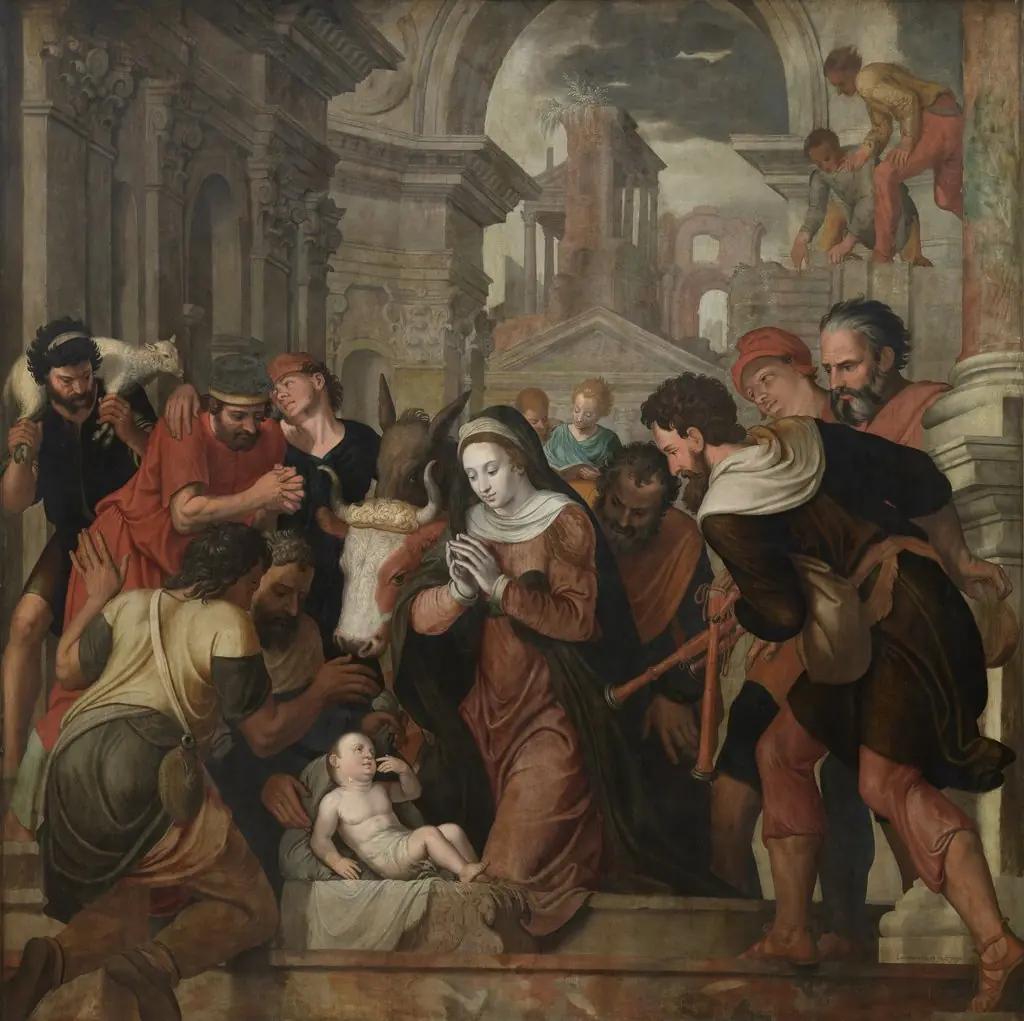 The Adoration of the Shepherds
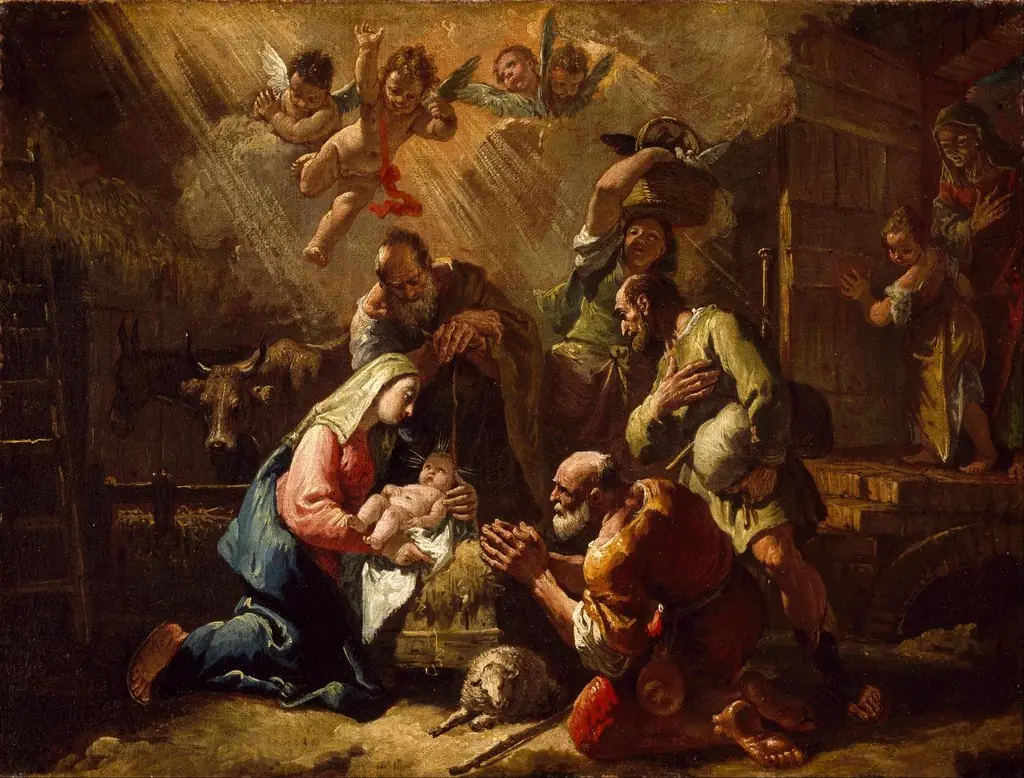 The Adoration of the Shepherds
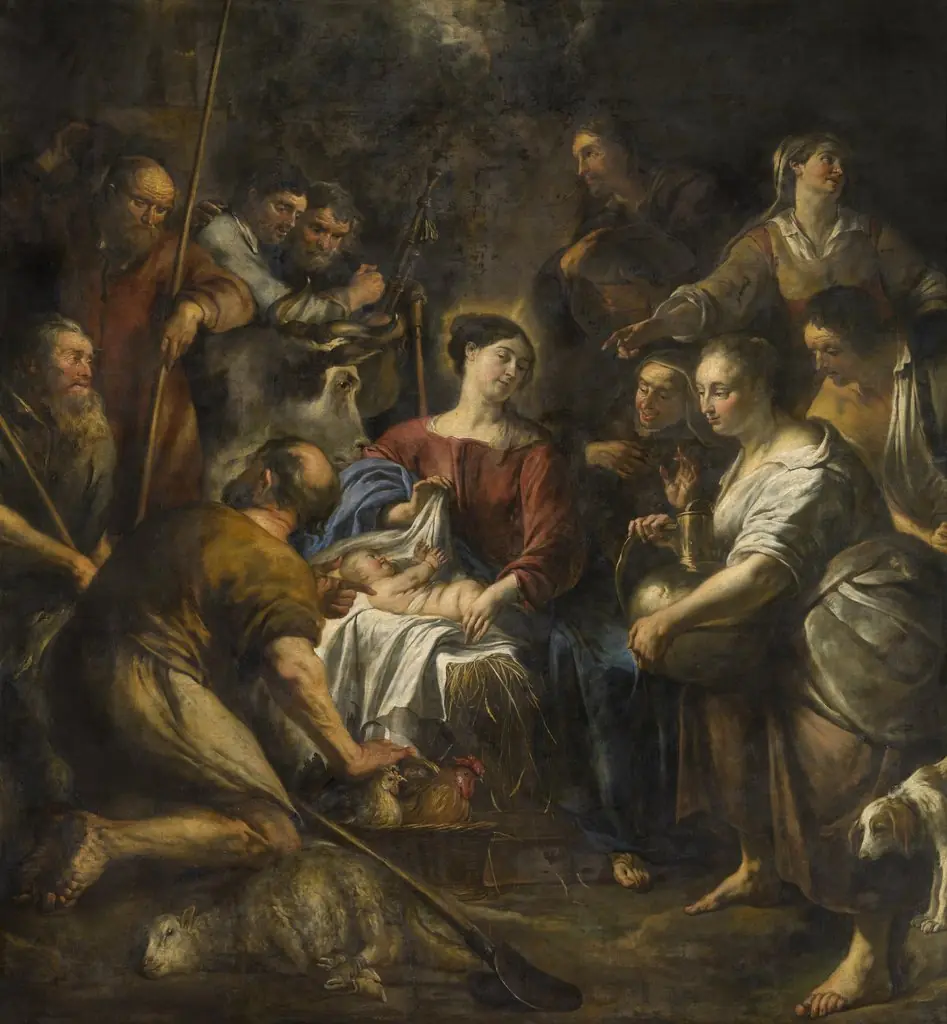 The Adoration of the Shepherds
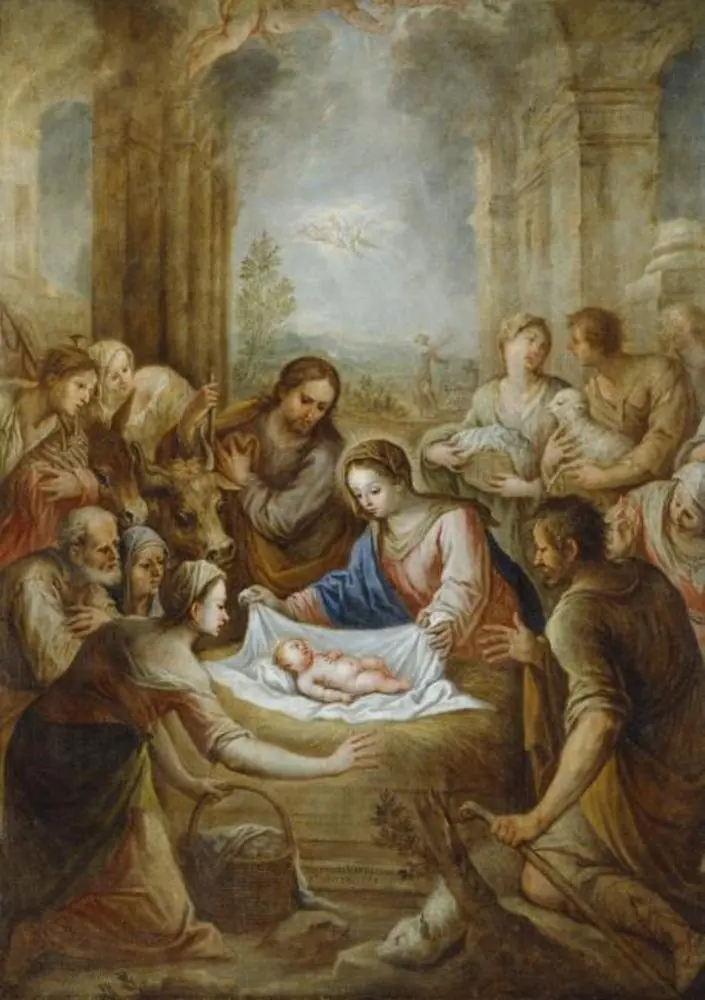 The Adoration of the Shepherds
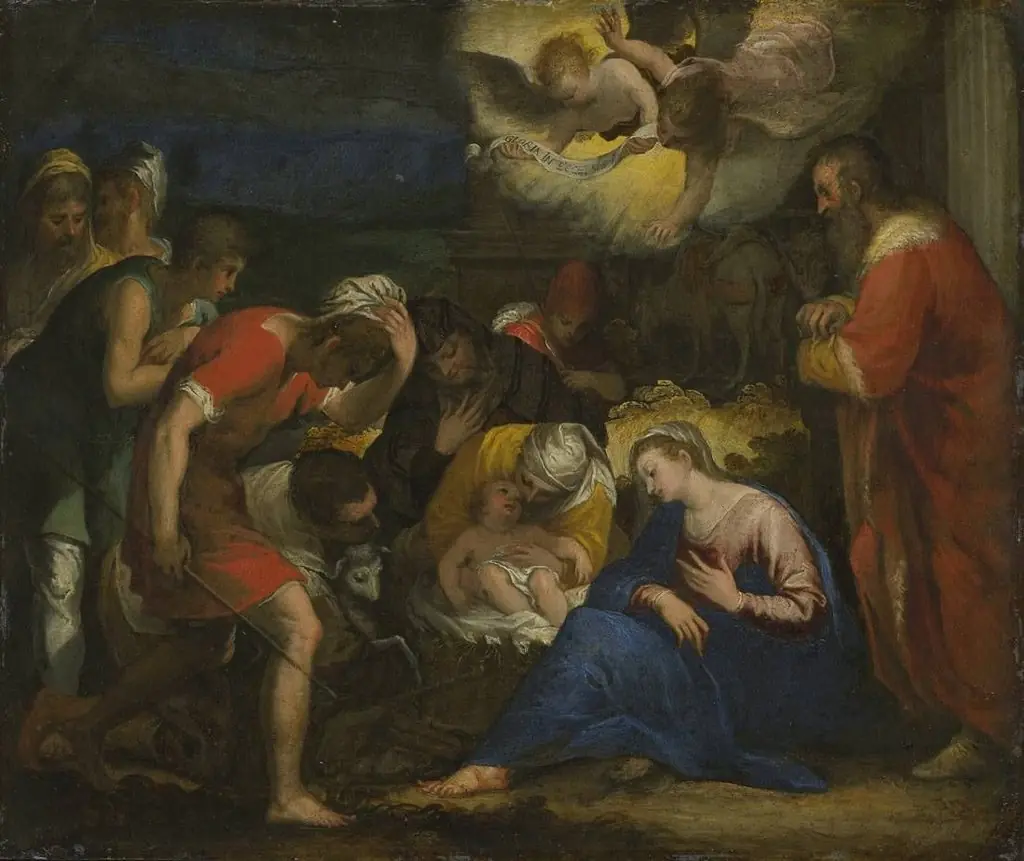 Die Anbetung der Hirten
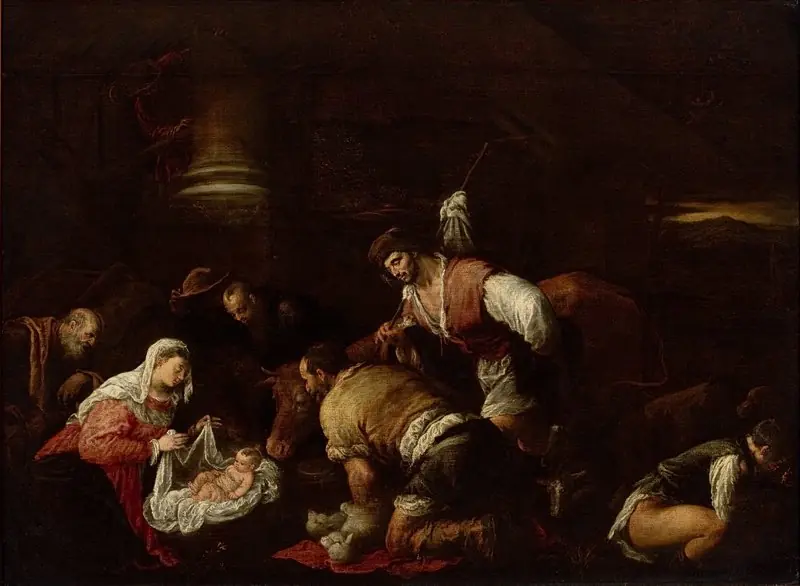 Adoration of the Shepherds
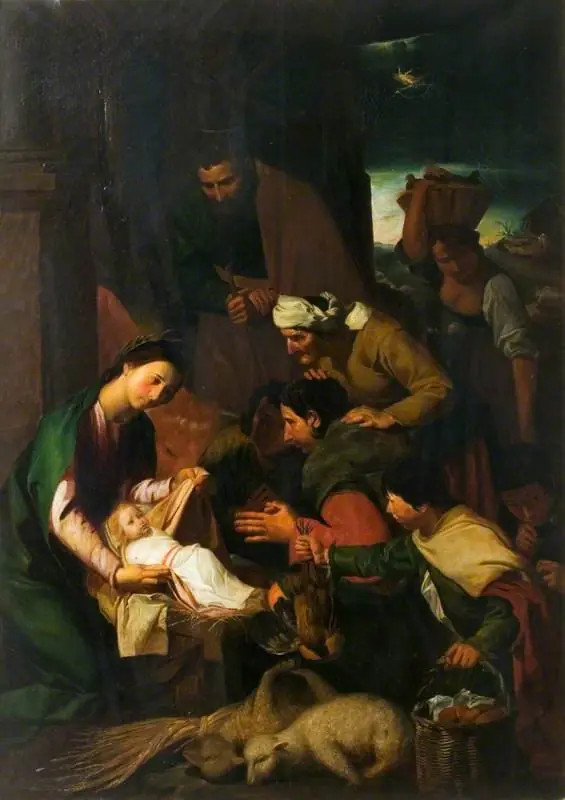 The Adoration of the Shepherds (after Diego Velázquez)
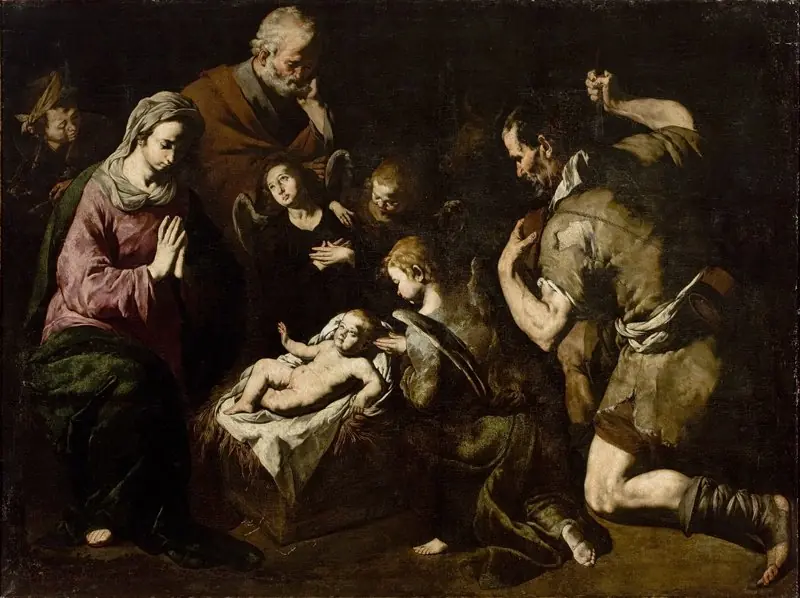 Adoration by the Shepherds
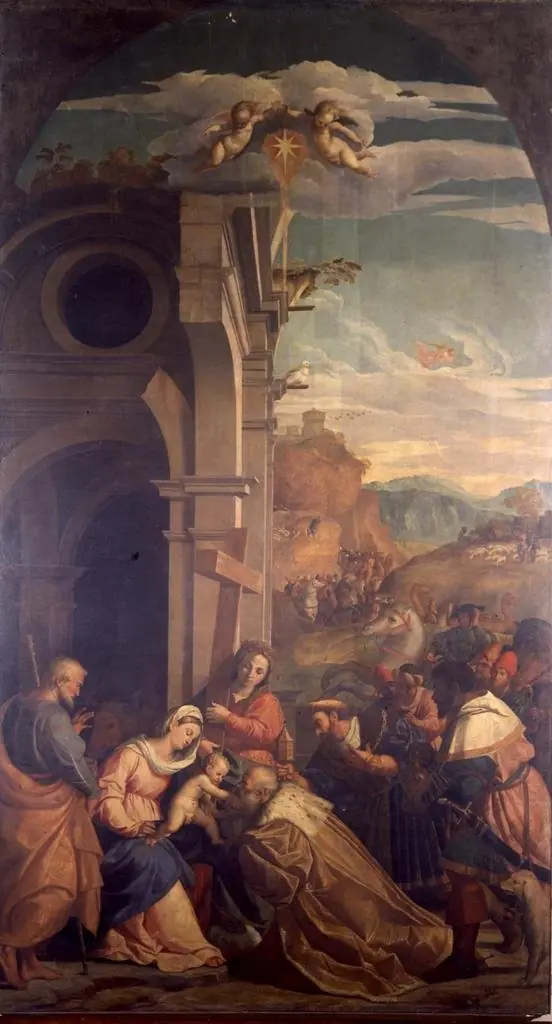 Adoration of the Magi with Saint Helena
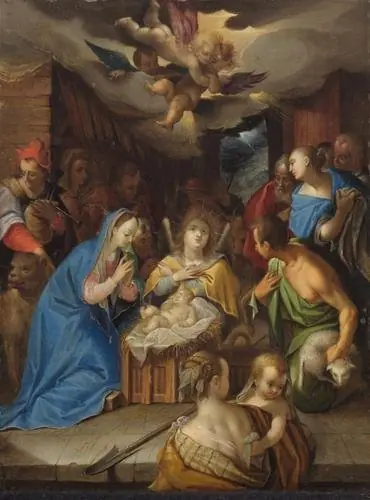 The Adoration of the Shepherds
 Triptych with the Adoration of the Magi
 Anbetung der Hirten