Artwork
The Israelites in the Desert
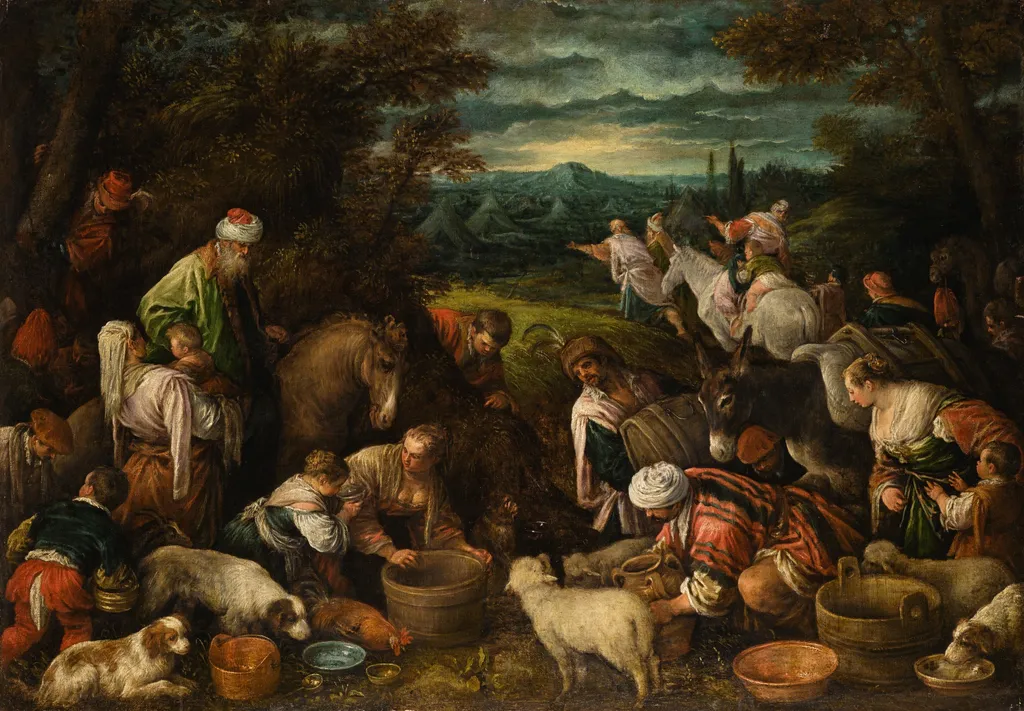
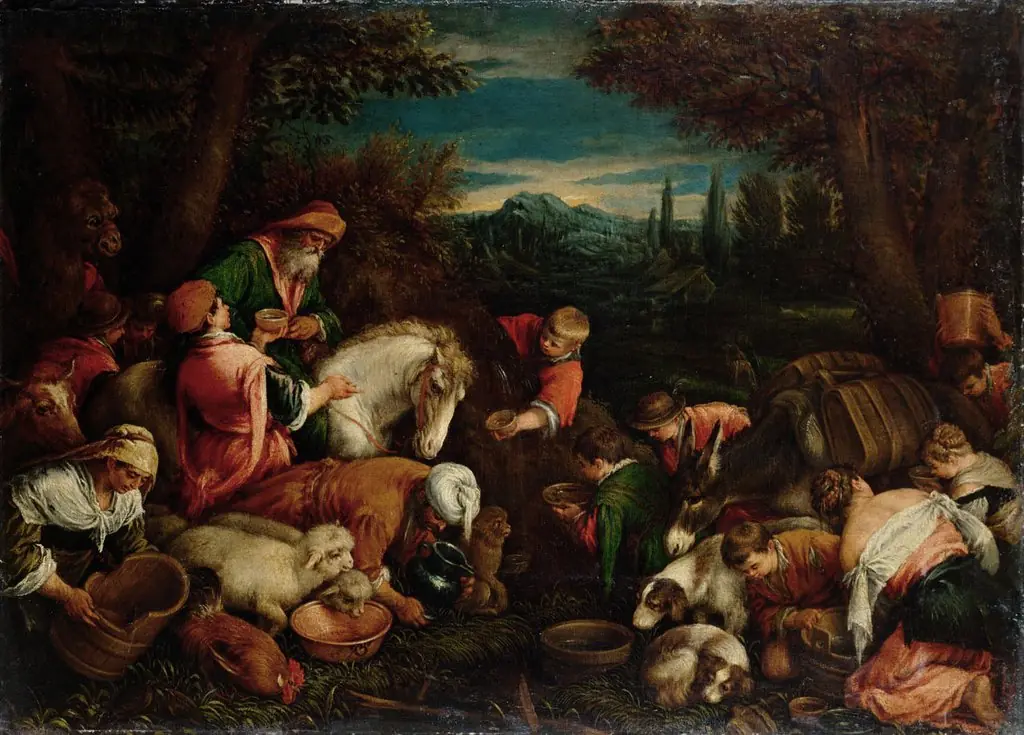
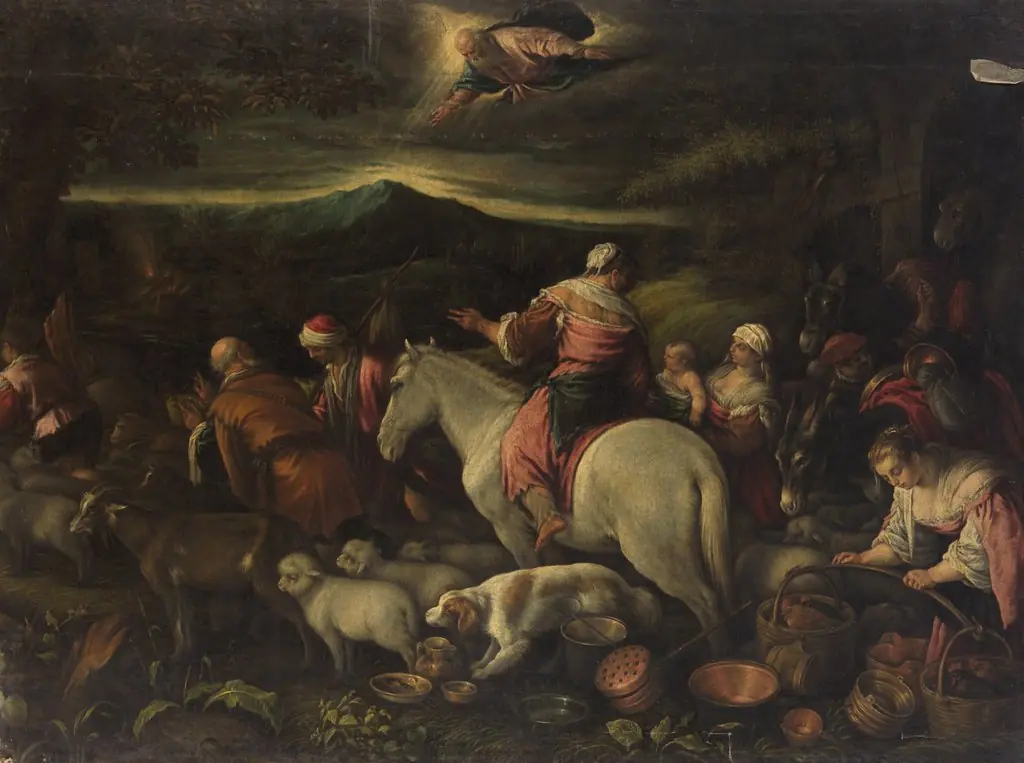
The Israelites in the Desert is an oil painting by the Early Baroque Italian artist Jacopo Bassano. It dates from 1575 and is held in the collection of the Staatliche Kunstsammlungen Dresden.
About this work
Overview
Jacopo Bassano's The Israelites in the Desert, executed in 1575, depicts the biblical narrative of the Israelites wandering during their exodus from Egypt.
Jacopo Bassano's The Israelites in the Desert, executed in 1575, depicts the biblical narrative of the Israelites wandering during their exodus from Egypt. The composition is characterized by a dense, horizontal arrangement of figures and animals set within a rugged, atmospheric landscape typical of the artist's late style. Bassano populates the scene with a diverse array of individuals in varied poses—standing, sitting, and reclining—alongside horses, donkeys, and dogs, creating a sense of crowded movement and daily struggle. The figures are clad in vibrant, earth-toned garments that contrast with the muted, twilight hues of the surrounding environment. Painted during the final decade of the artist's life, this work reflects Bassano's mature approach to religious subjects, where biblical events are grounded in the tangible reality of rural life and animal husbandry. The painting demonstrates his mastery of chiaroscuro and his ability to infuse scriptural stories with a naturalistic, almost genre-like immediacy, bridging the gap between the Venetian color tradition and the emerging Mannerist sensibilities of the late sixteenth century.
Subject & Meaning
The work portrays a biblical episode, depicting the Israelites during their wanderings in the wilderness. Though the narrative is not dramatized, the presence of modest clothing, baskets and water vessels suggests themes of sustenance and community in a harsh environment. The painting emphasizes the human aspect of the journey rather than miraculous interventions.
Technique & Style
Executed in oil, Bassano employs a layered brushwork that captures the texture of fabric, animal fur and rugged terrain. Muted, earthy pigments dominate, while subtle variations in tone create depth and warmth. The artist’s attention to detail—visible in the patterned garments and the play of light on surfaces—reflects his Venetian training and interest in naturalistic observation.
History & Provenance
Created in the late sixteenth century, the canvas entered the collection of the Gemäldegalerie Alte Meister in Dresden, where it remains on display. Its acquisition history is documented through museum records, confirming its continuous attribution to Bassano and its preservation within a major European public collection.
Context
During the Counter‑Reformation, religious subjects were often rendered with an emphasis on relatable human experience. Bassano’s depiction aligns with this trend, presenting a biblical scene as a familiar, everyday occurrence. The painting also reflects the artist’s broader oeuvre, which frequently combined sacred narratives with genre‑like details of rural life.
Own this work as a print
Artist & collection

Artist
Jacopo Bassano was an Italian Renaissance painter of the Venetian school. He was born and died in Bassano del Grappa, and took the village as his surname. Having trained in the workshop of his father, Francesco the…

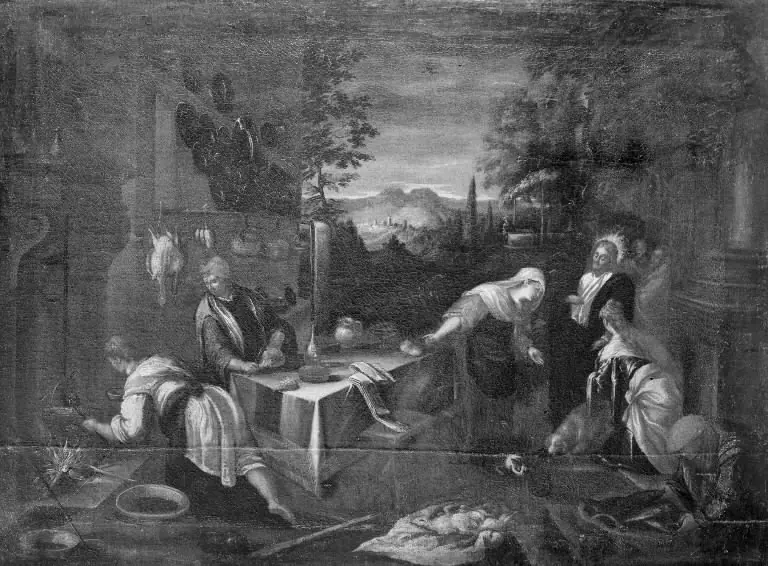
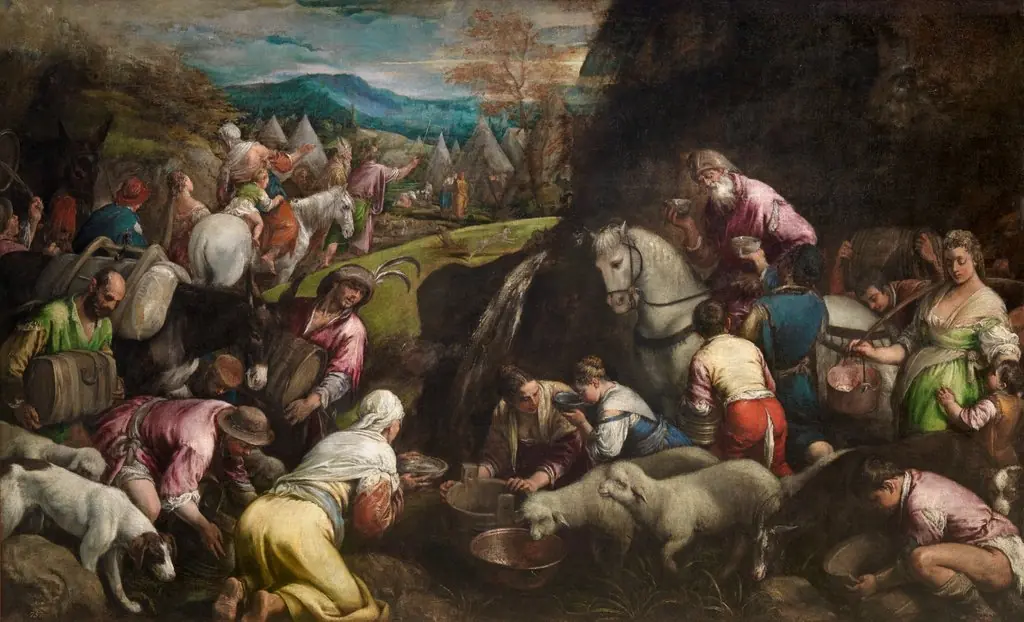 The Israelites drinking the miraculous Water
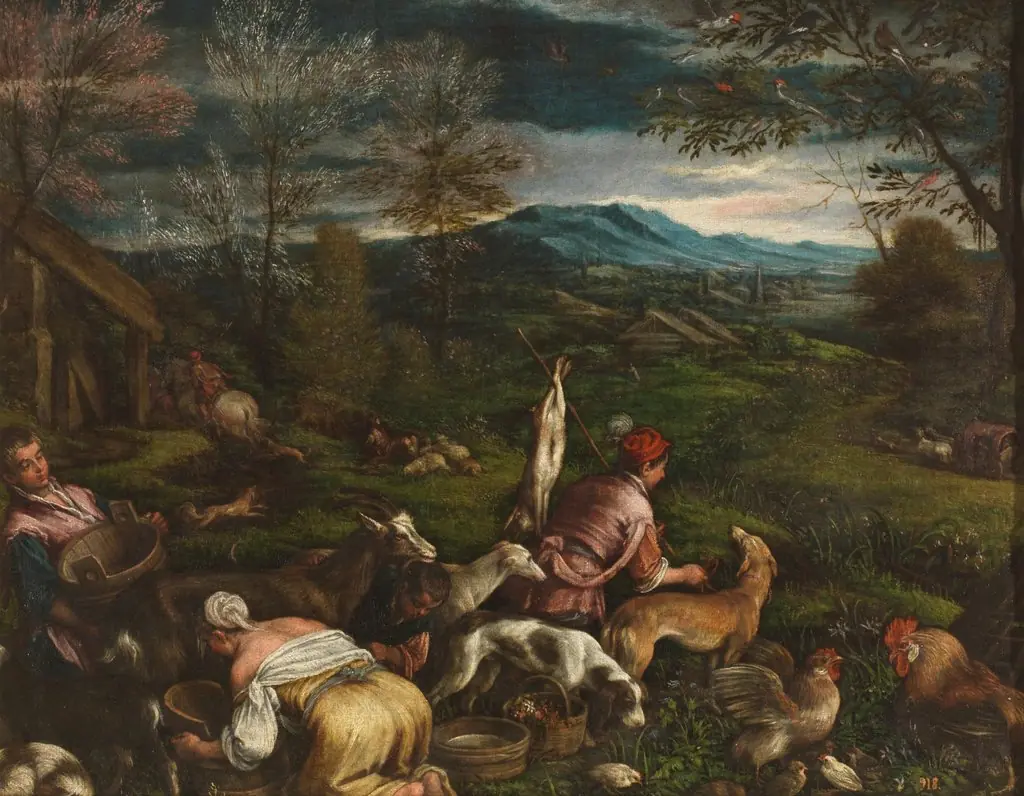 Spring
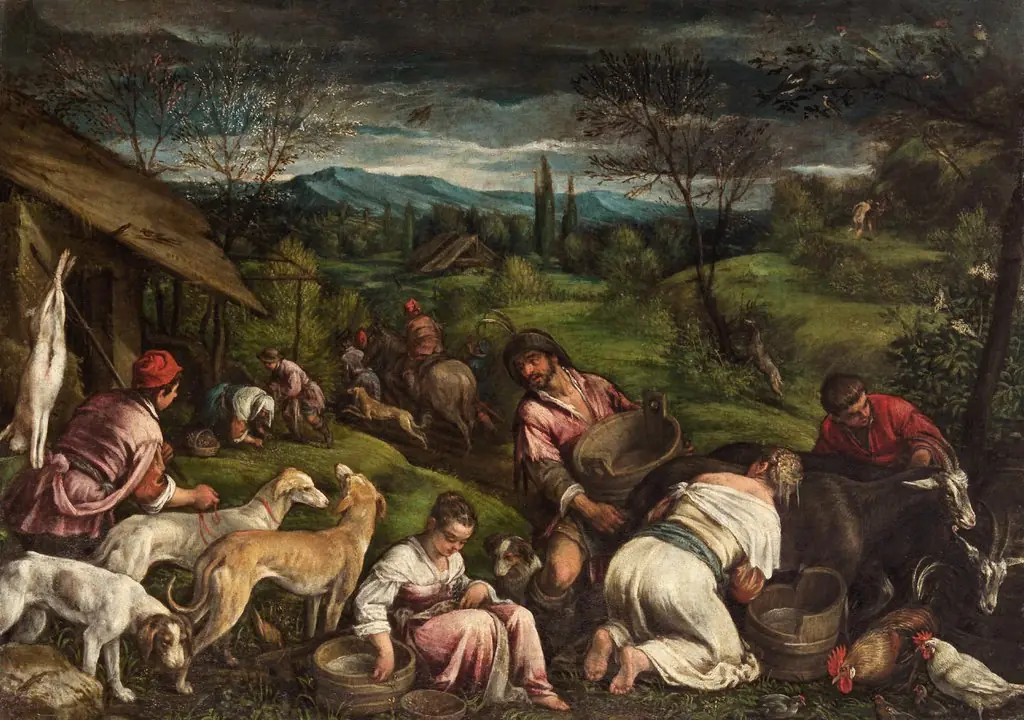 Spring and Banishment from Paradise
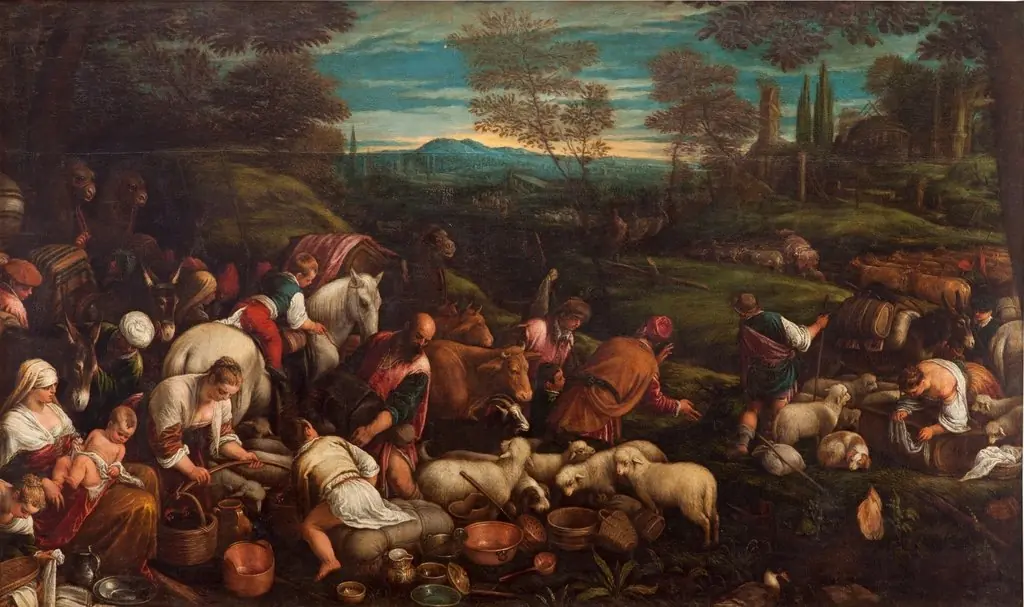 Viaje de Jacob
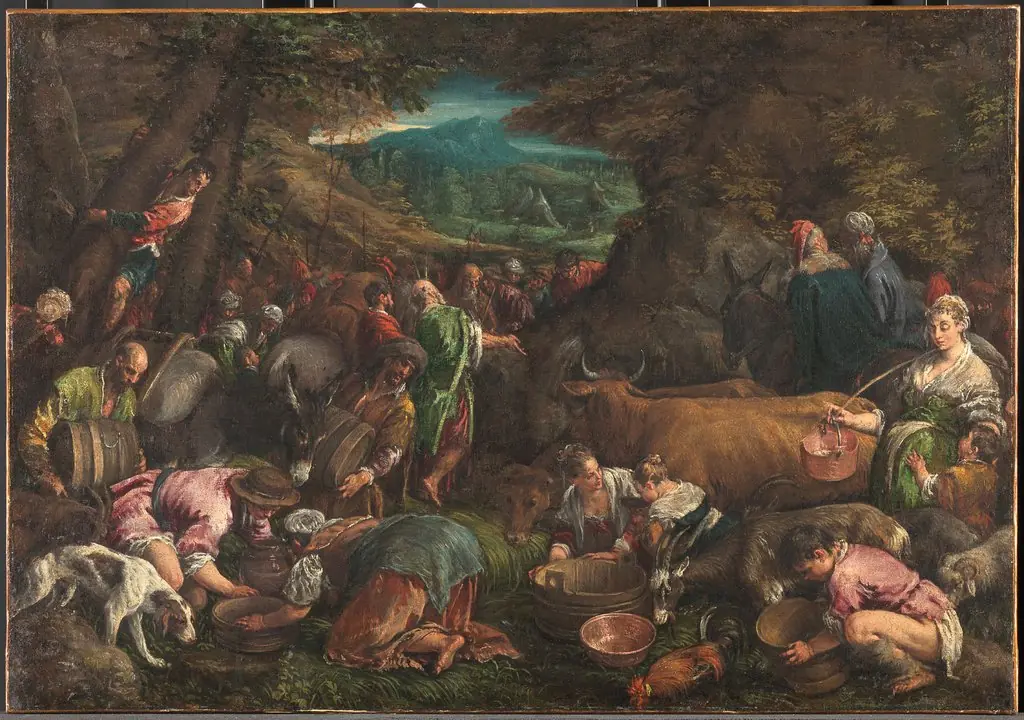 Moses schlägt Wasser aus dem Felsen
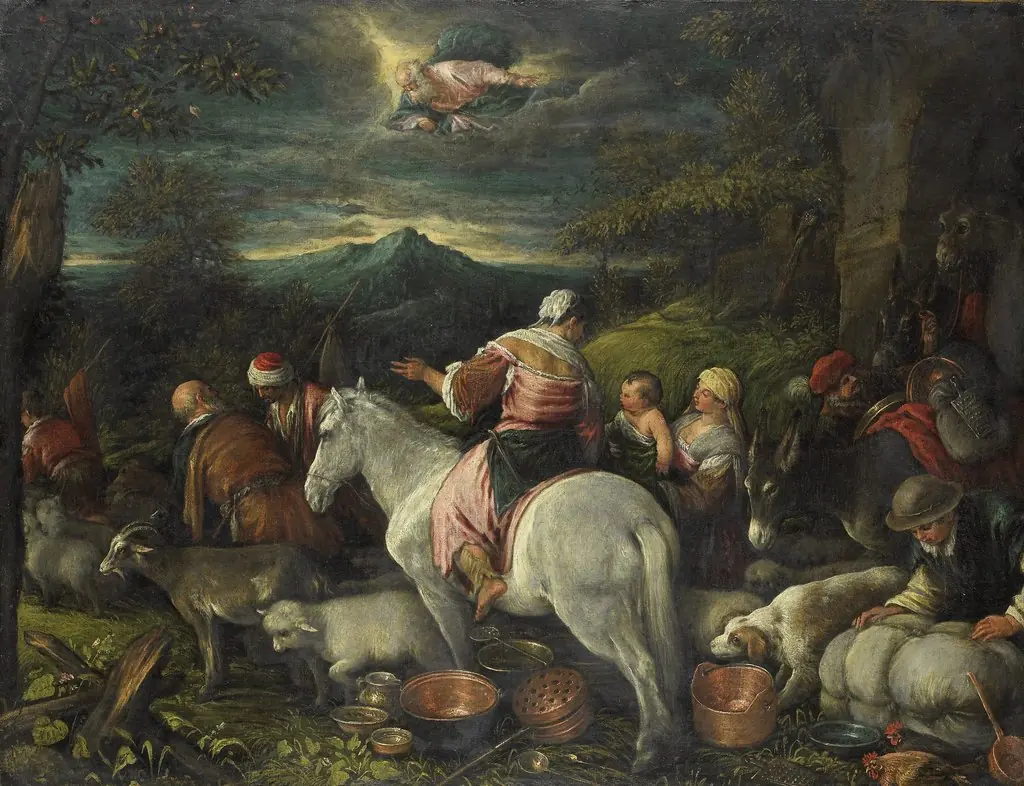 Abraham leaves Haran for Egypt
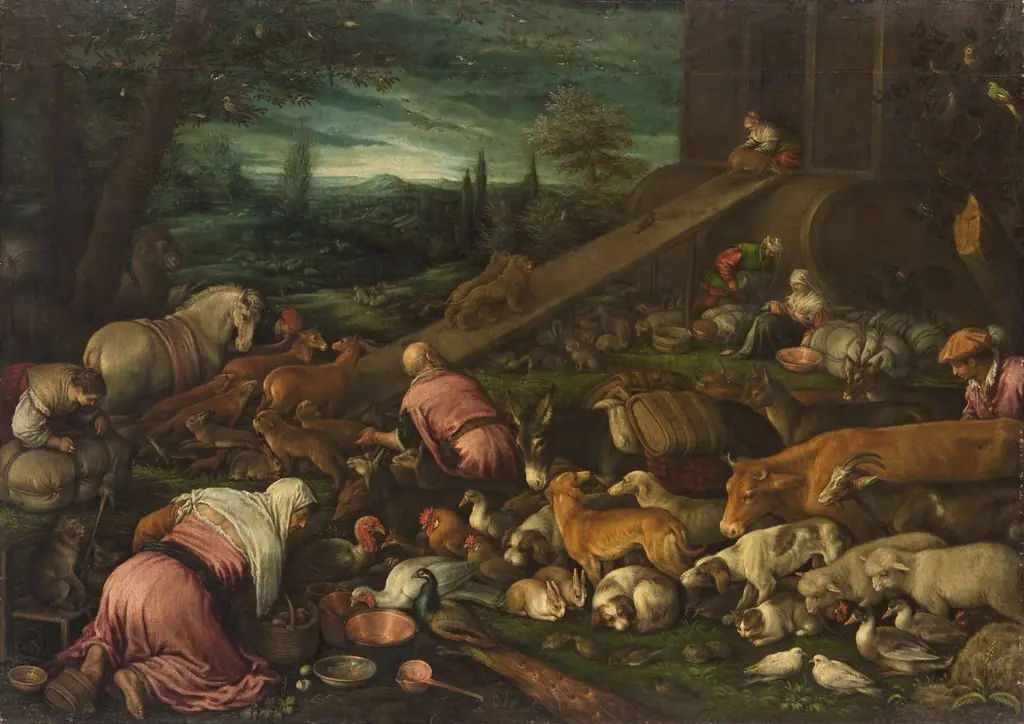 Einzug der Tiere in die Arche
 Wunder aus der Quelle von Mara
 Moses Striking the Rock
 The Animals entering Noah’s Ark
 Summer (June, July, August)
 Aufbruch Abrahams ins gelobte Land