Artwork
Viaje de Jacob
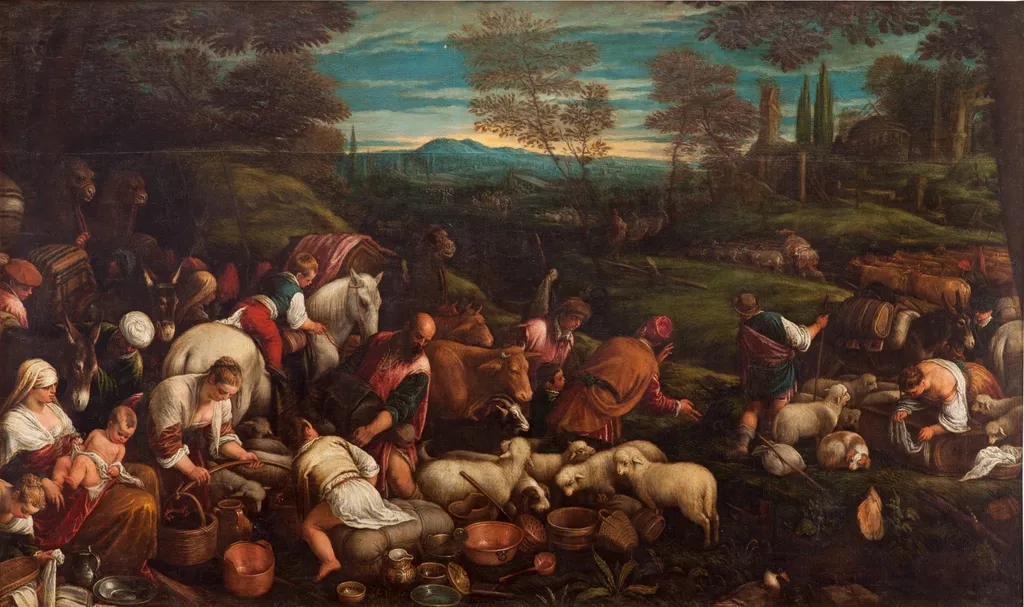
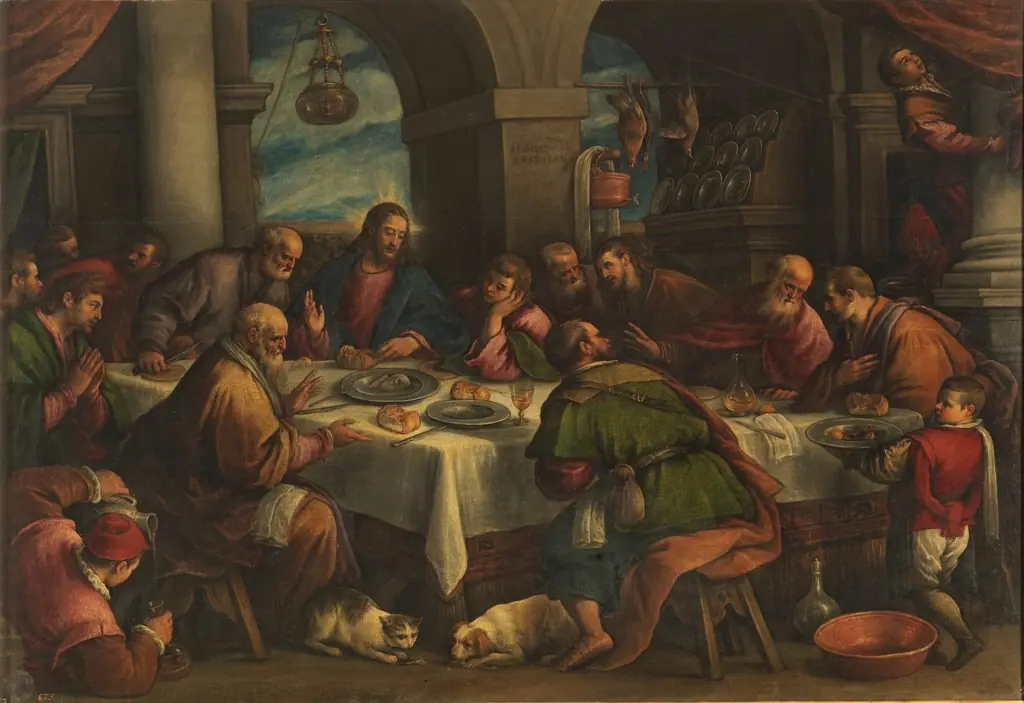
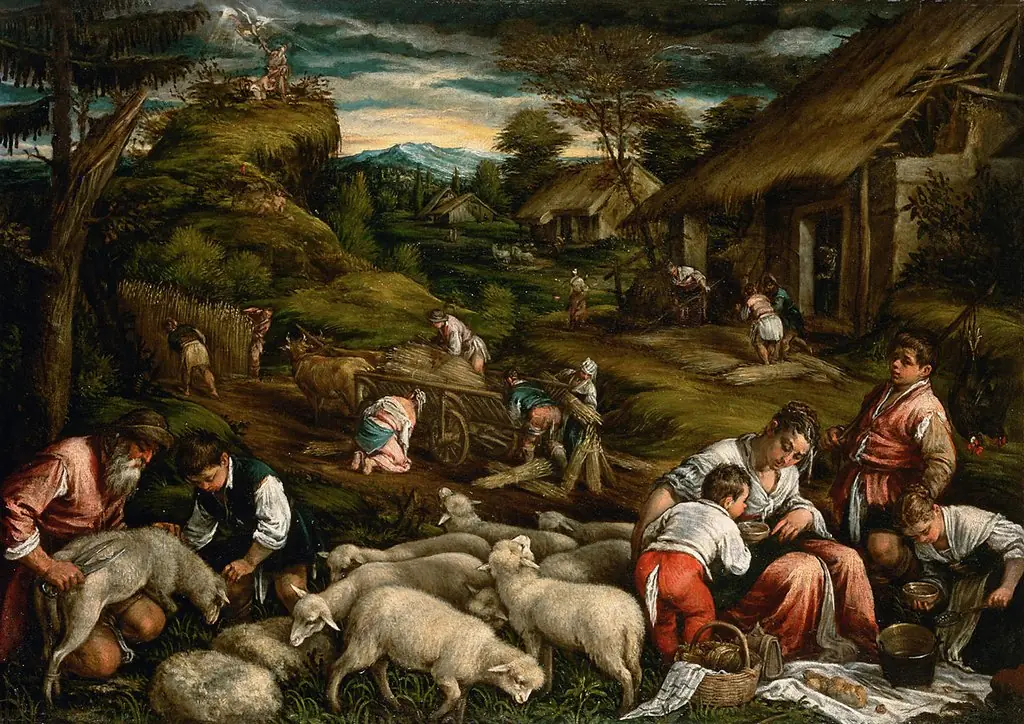
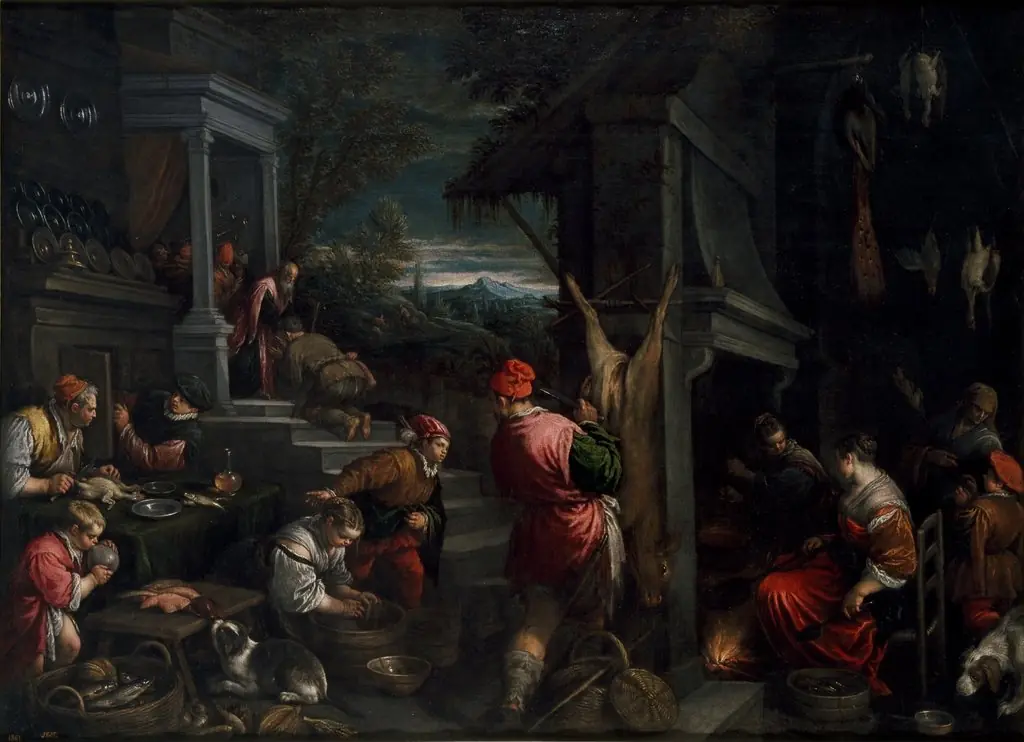
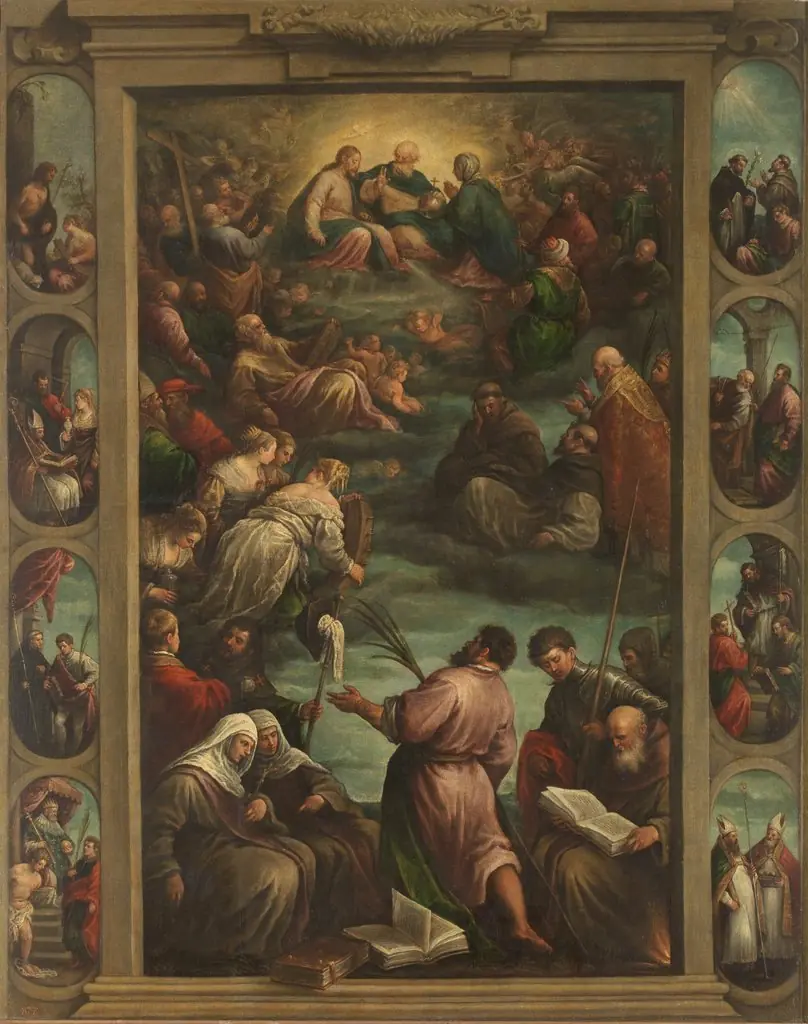
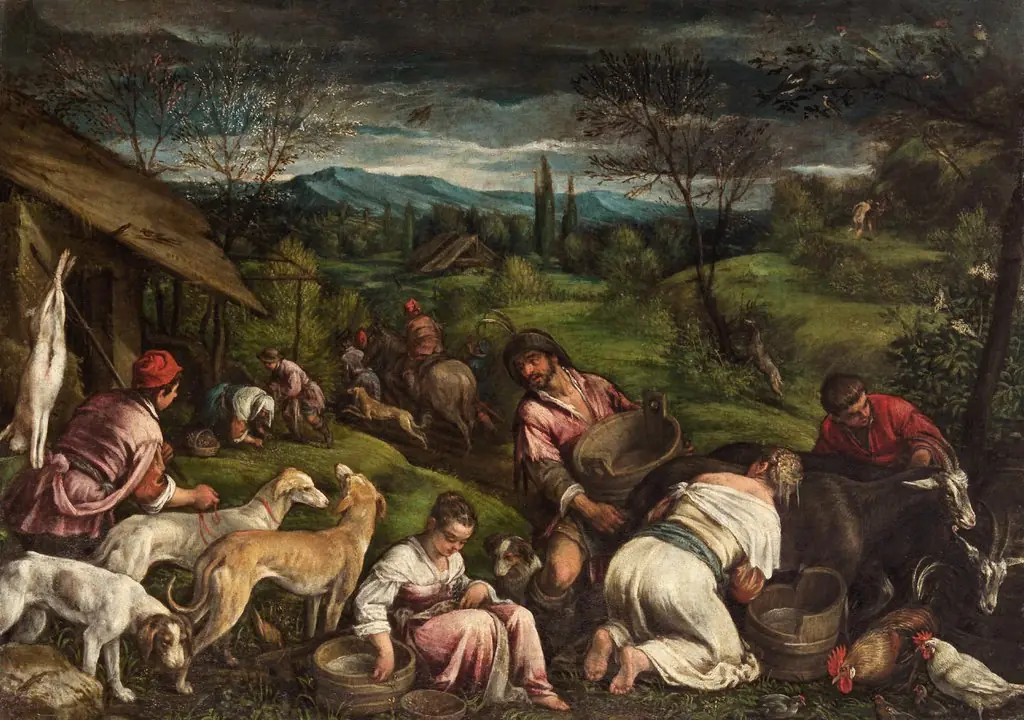
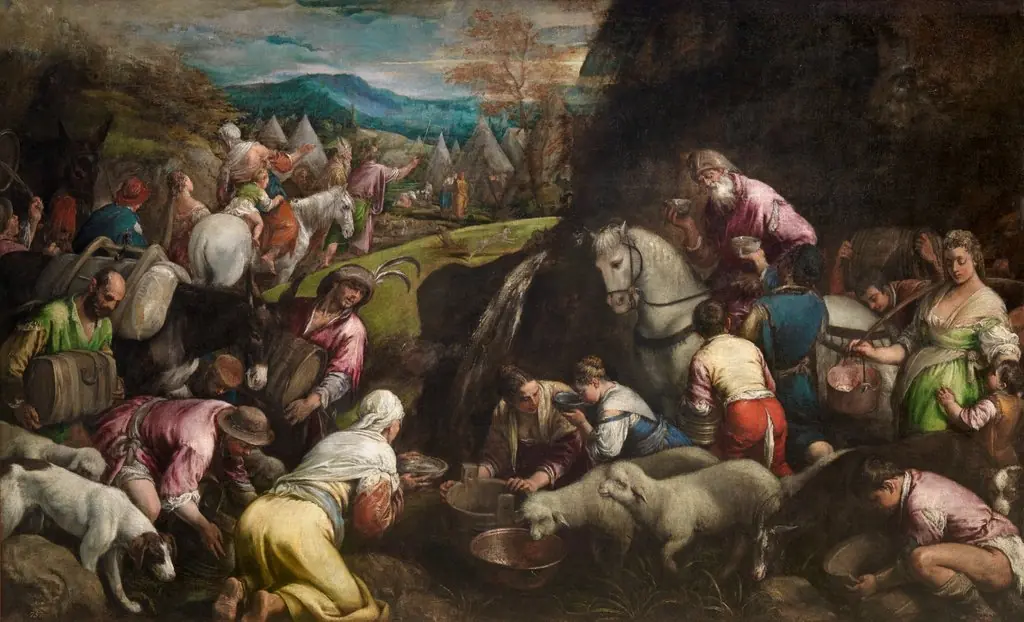
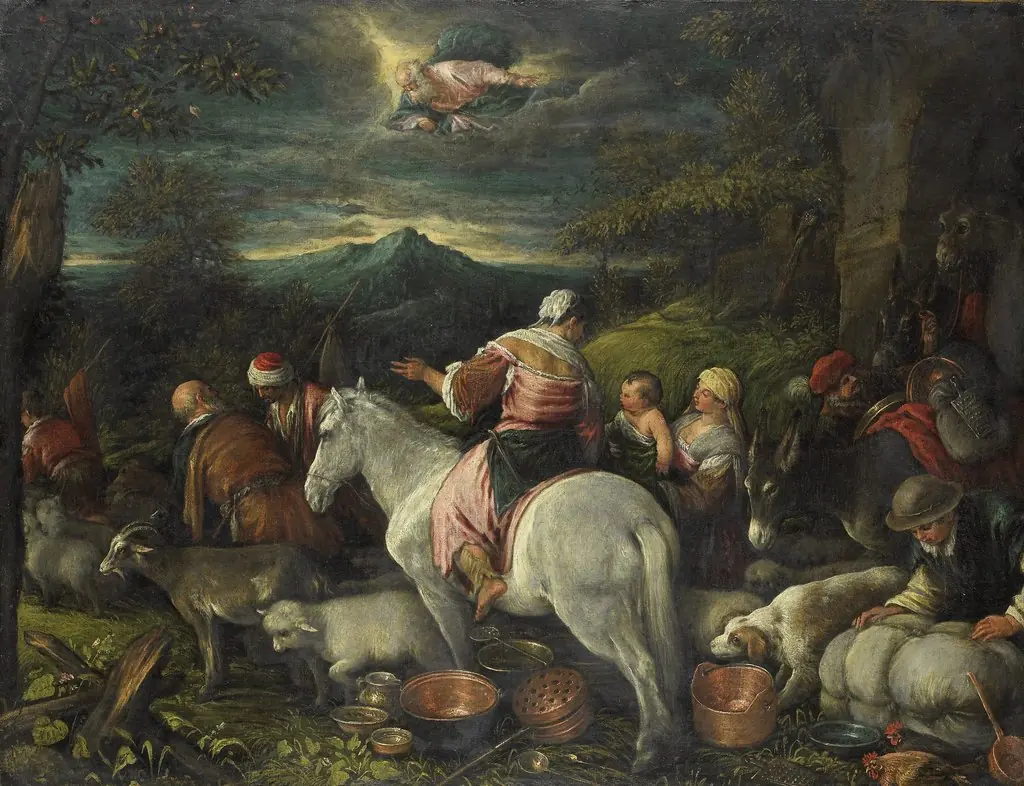
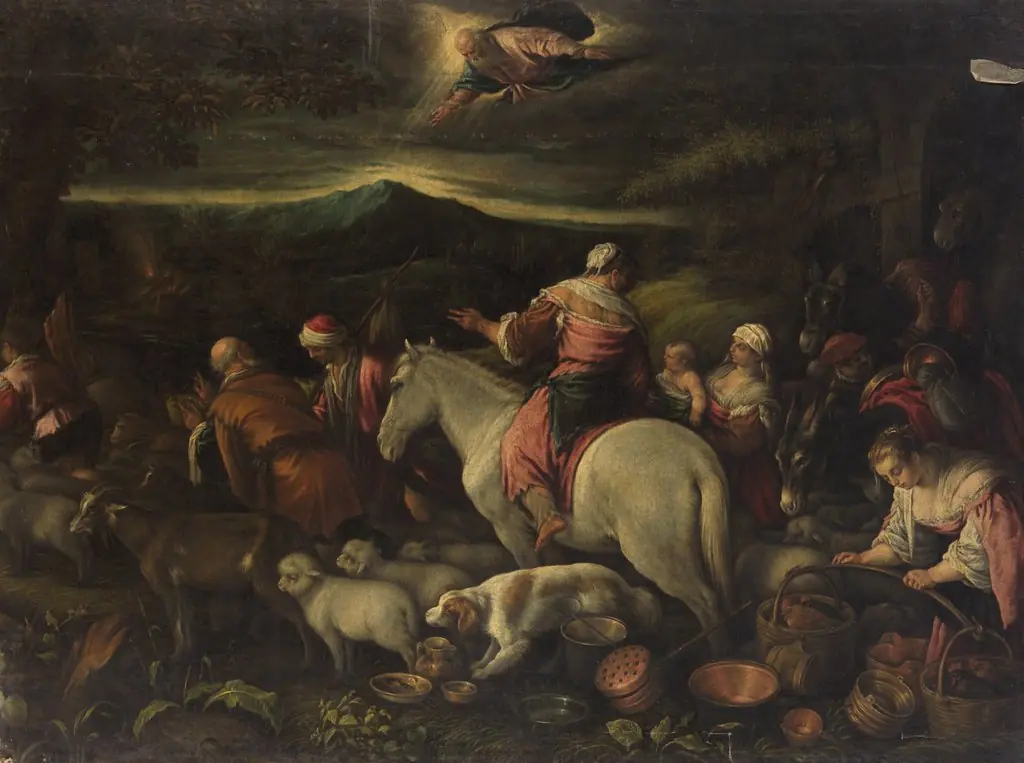
Viaje de Jacob is an oil painting by the Early Baroque Italian artist Francesco Bassano the Younger. It dates from 1551 and is held in the collection of the Museo del Prado.
About this work
Overview
Francesco Bassano the Younger completed *Viaje de Jacob* in 1551, an oil painting created during his early career.
Francesco Bassano the Younger completed *Viaje de Jacob* in 1551, an oil painting created during his early career. Born in 1549 in Bassano del Grappa, he trained in his father Jacopo Bassano’s workshop alongside his brothers. The work is held in the Museo del Prado’s collection and reflects the transitional artistic climate of mid-16th century northern Italy, where narrative realism and rural observation were gaining prominence.
Subject & Meaning
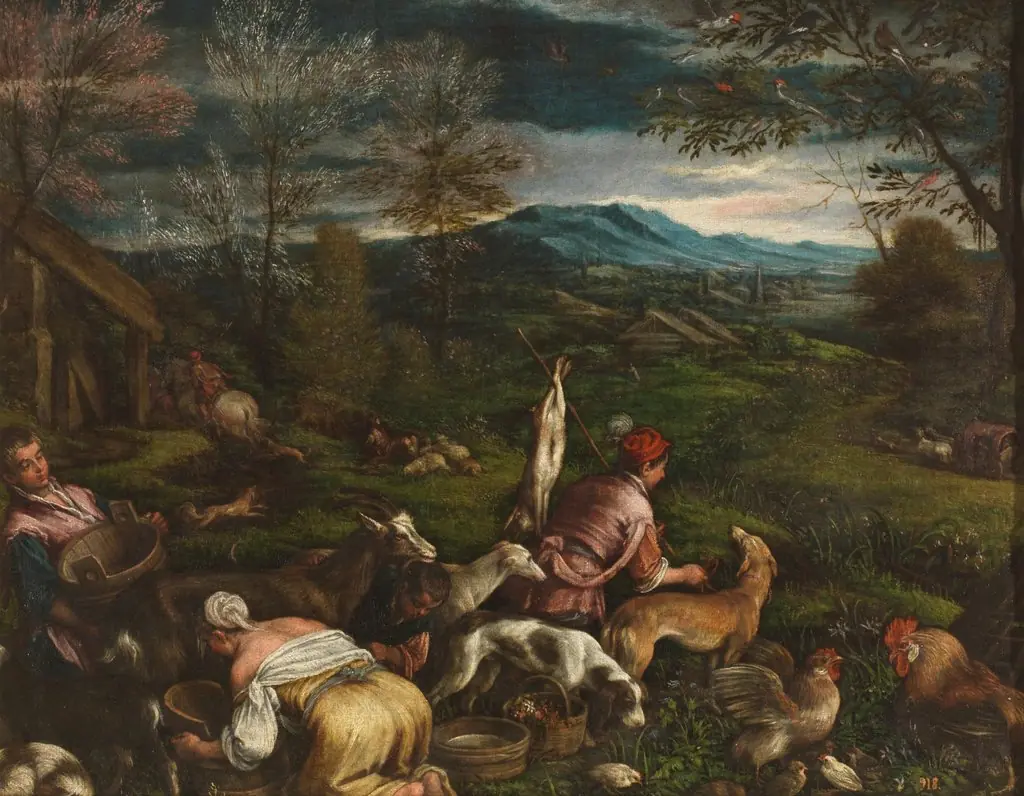
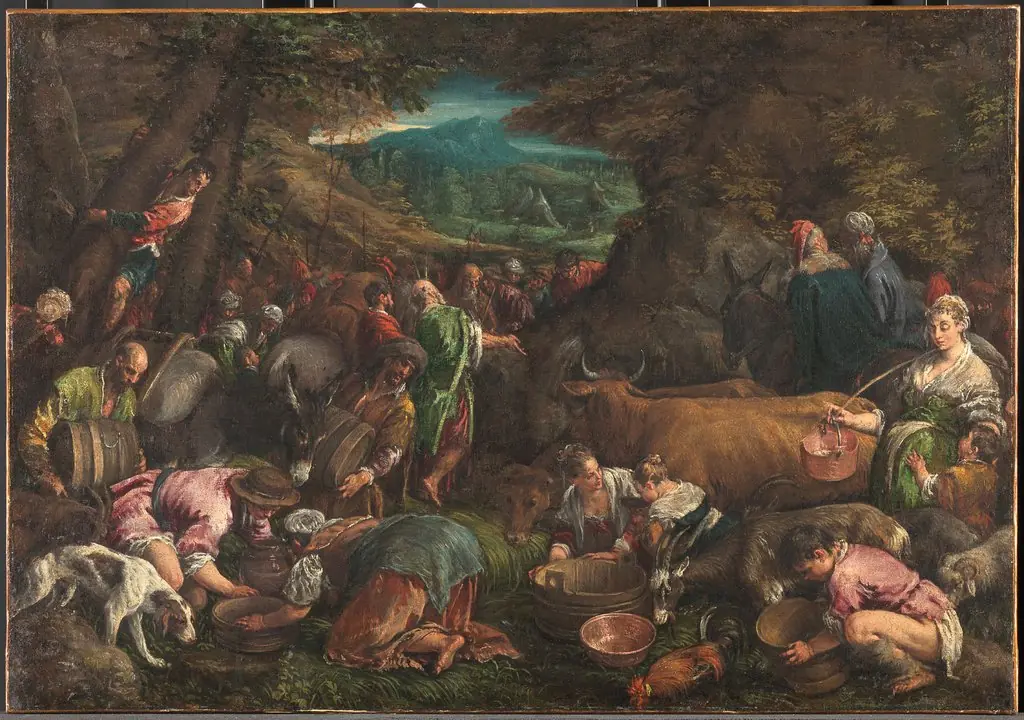
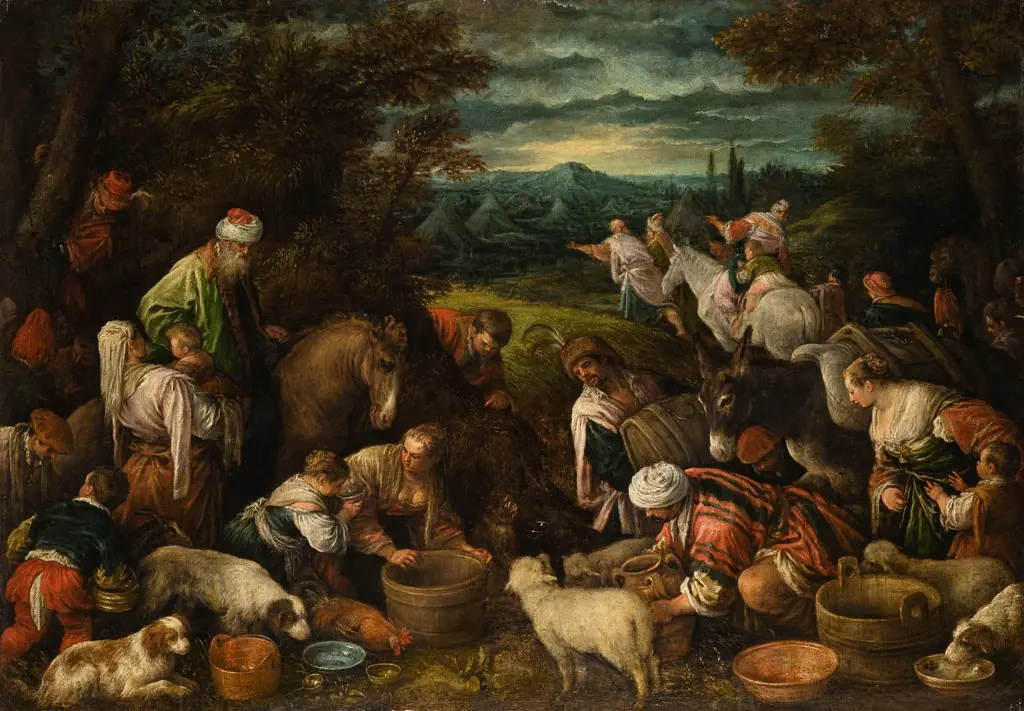
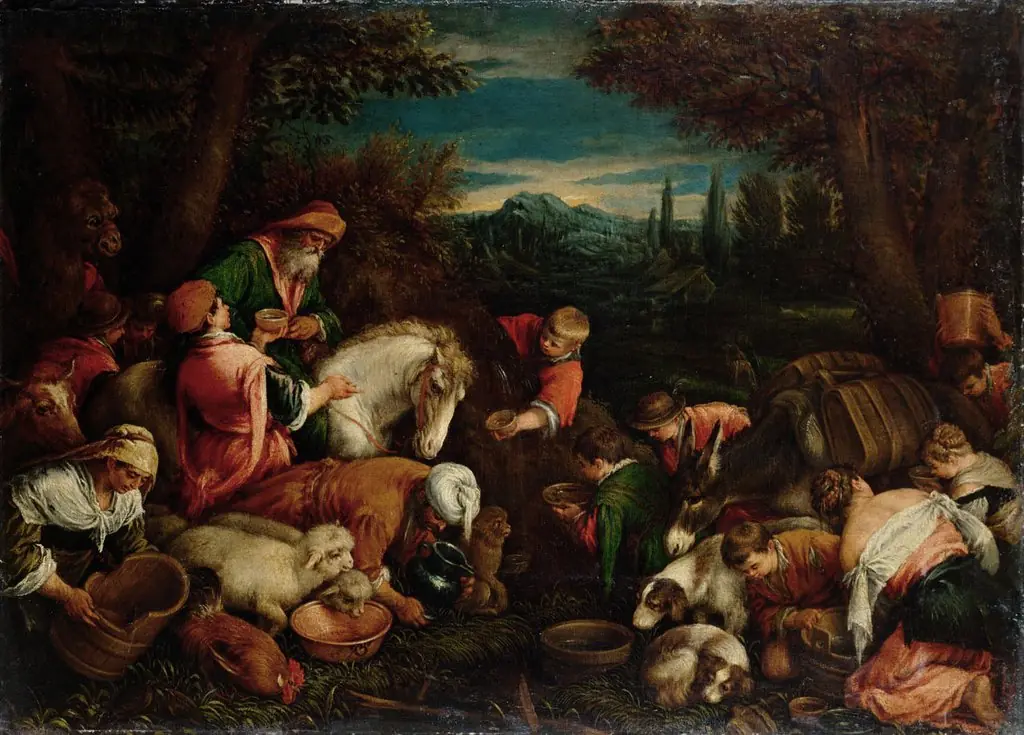
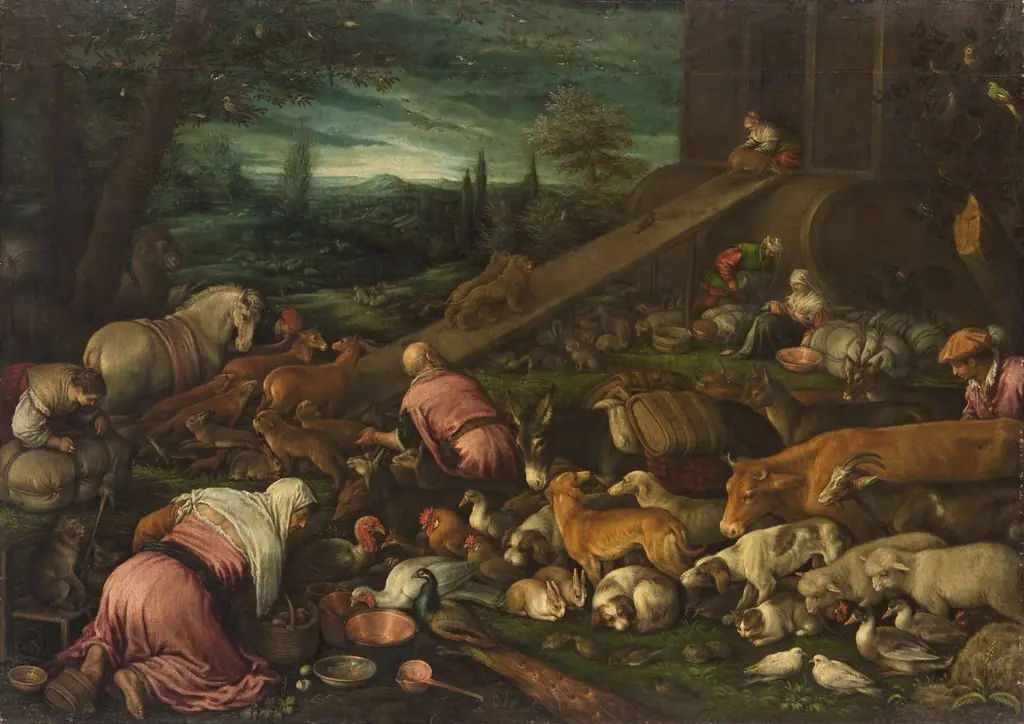
The painting depicts a moment from the biblical journey of Jacob, rendered as a contemporary rural scene rather than a formal religious episode. Figures gather around a well, tending to livestock and engaging in daily tasks, suggesting a quiet devotion embedded in ordinary life. The narrative is conveyed through gesture and setting rather than symbolic elements, aligning with a humanist approach to sacred stories common in Venetian circles.
Technique & Style
Bassano employed oil paint to build layered textures, using soft transitions of light and shadow to define form and space. The composition directs attention to the central group around the well through careful placement and warm tonal contrasts. While not overtly dramatic, the handling of light shows an awareness of chiaroscuro, enhancing the three-dimensionality of figures and animals within a naturalistic landscape.
History & Provenance
Created in 1551, the painting entered the Spanish royal collection before being transferred to the Museo del Prado. Its survival through centuries reflects its early recognition within elite collections. Though not widely documented in contemporary inventories, its presence in the Prado since the 19th century confirms its status as a preserved example of Bassano’s formative work.
Context
In mid-16th century northern Italy, artists increasingly turned to everyday life as a vehicle for religious storytelling. Bassano’s approach, influenced by his father’s genre-infused style, diverged from idealized Mannerism by emphasizing authentic rural detail. This shift mirrored broader cultural interests in observation and vernacular experience, particularly in Venetian-influenced regions.
Legacy
Though Francesco Bassano the Younger did not achieve the same renown as his father, *Viaje de Jacob* exemplifies a quiet but significant trend in Renaissance painting: the integration of biblical narrative into lived, unidealized environments. His work contributed to a regional tradition that valued naturalism over grandeur, influencing later artists who sought to ground sacred themes in tangible reality.
Artist & collection
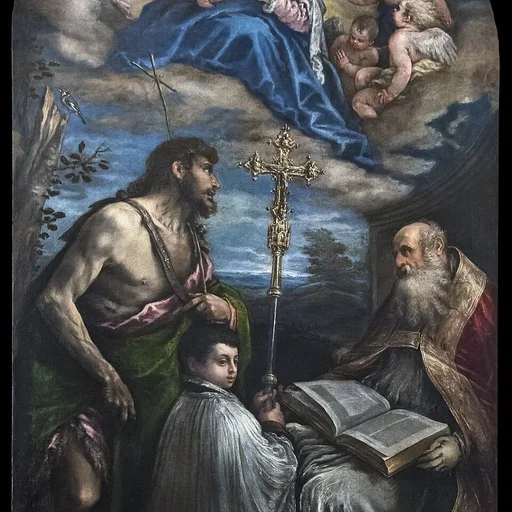
Artist
Francesco Bassano the Younger (Italian: Francesco Bassano il Giovane; 26 January 1549 – 4 July 1592), also called Francesco Giambattista da Ponte or Francesco da Ponte the Younger, was an Italian painter of the Renaissance period.