Artwork
Predella Panel Representing the Legend of St. Stephen: The Stoning of St. Stephen
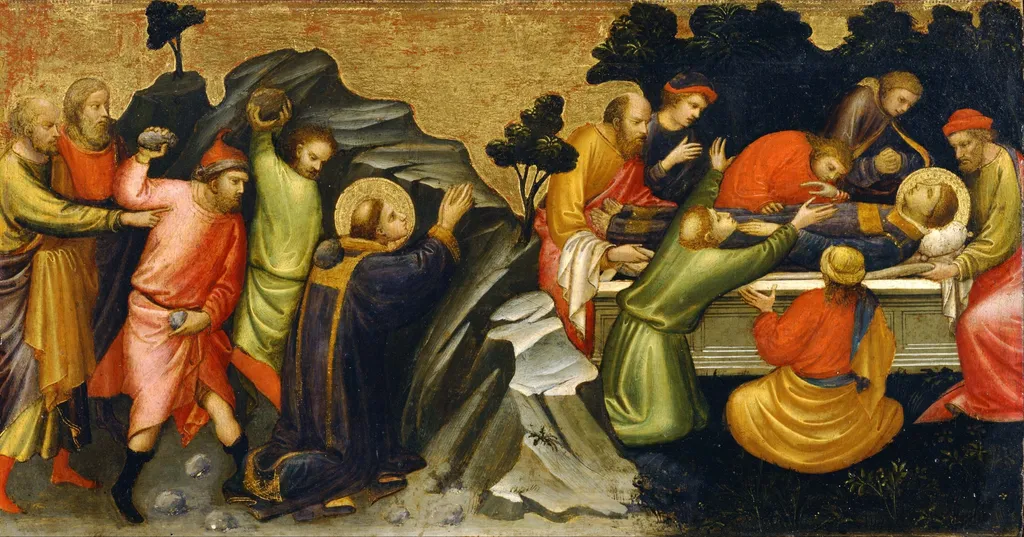
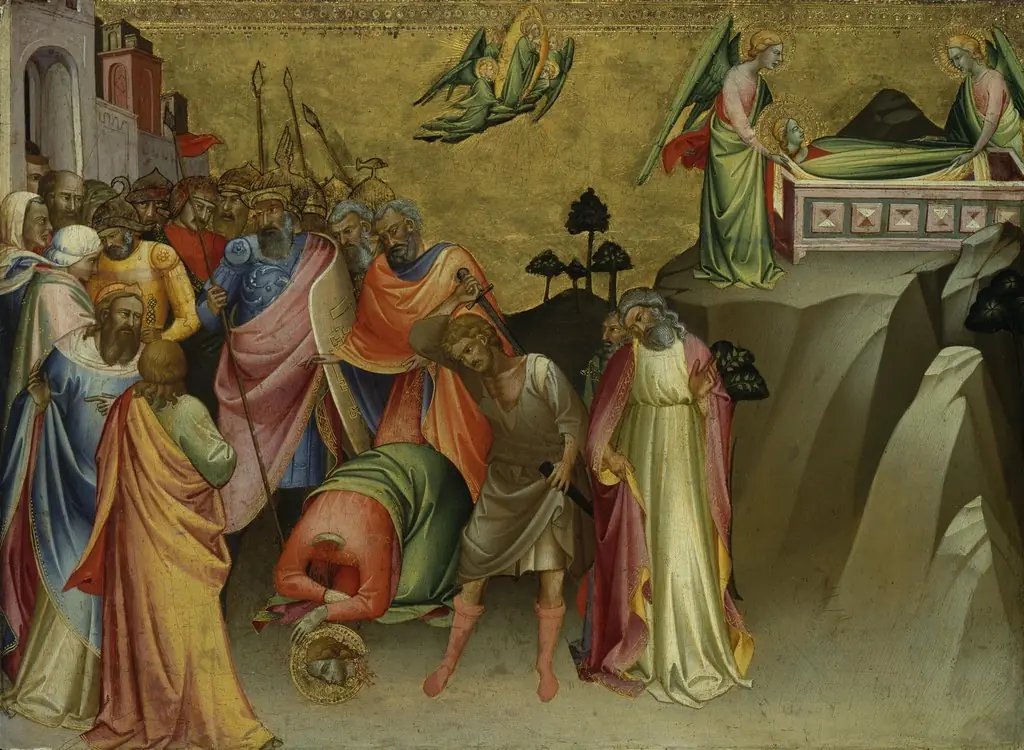
Predella Panel Representing the Legend of St. Stephen: The Stoning of St. Stephen is an unspecified painting by the Early Renaissance artist Mariotto di Nardo. It dates from 1408 and is held in the collection of the National Museum of Western Art.
About this work
Overview
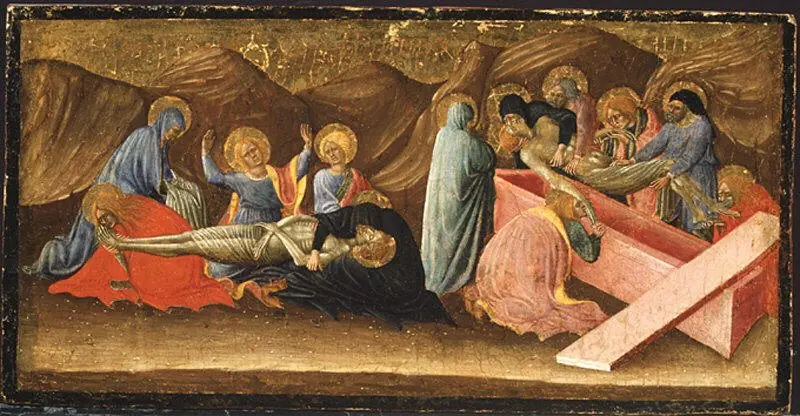
Painted in 1408 by Florentine artist Mariotto di Nardo, this panel forms part of a larger altarpiece’s base, known as a predella.
Painted in 1408 by Florentine artist Mariotto di Nardo, this panel forms part of a larger altarpiece’s base, known as a predella. It illustrates two episodes from the life of Saint Stephen: his martyrdom and burial. Executed in tempera on wood, the work reflects the lingering influence of the International Gothic style in early 15th-century Florence, with attention to decorative detail and narrative clarity rather than spatial realism.
Subject & Meaning
The left panel depicts the violent stoning of Saint Stephen, the first Christian martyr, as described in the Acts of the Apostles. Figures raise stones and crowd around the fallen saint, emphasizing communal participation in the act. The right panel shows his burial, with mourners gathered solemnly around his body, their gestures suggesting reverence. Together, the scenes frame martyrdom as both a moment of persecution and sacred transition, reinforcing early Christian ideals of faith and sacrifice.
Technique & Style
Mariotto employed tempera paint on a wooden panel, using rich, saturated hues—crimson, emerald, gold, and cobalt—to distinguish figures and robes. The background is a flat, gilded field, typical of Gothic tradition, with minimal depth. Figures are arranged in a shallow space, their postures and gestures carefully choreographed to guide the viewer’s eye across the narrative. Facial expressions are stylized, prioritizing symbolic emotion over individual psychology.
History & Provenance
The panel was likely commissioned for a Florentine church altar, part of a multi-panel structure now dispersed. It entered the collection of the National Museum of Western Art in Tokyo through the collection of the Matsukata family, who acquired European art in the late 19th and early 20th centuries. Its journey from a devotional object in Florence to a museum exhibit in Japan reflects broader patterns of art collection and cultural exchange in the modern era.
Context
Created during a period of transition in Florentine art, the panel predates the full emergence of linear perspective and naturalistic anatomy. Mariotto’s style retains the elegance and ornamental richness of Gothic painting, while subtly incorporating emerging interest in narrative cohesion. His work bridges the late medieval tradition and the innovations that would define the early Renaissance, particularly in the depiction of human emotion and communal ritual.
Legacy
Though Mariotto di Nardo is not among the most widely recognized artists of his time, his predella panels offer insight into the devotional culture of early 15th-century Florence. This work exemplifies how religious narratives were visually codified for congregational understanding, preserving liturgical storytelling in a pre-print era. Its preservation in Tokyo underscores its role as a cultural artifact beyond its original ecclesiastical context.
Artist & collection
Artist
Mariotto di Nardo di Cione (fl. 1388–1424) was a Florentine painter in the Florentine Gothic style. He worked at the Duomo of Florence, the church of Santa Maria Maggiore, and the Orsanmichele. He created both frescoes…

 Maria mit Kind
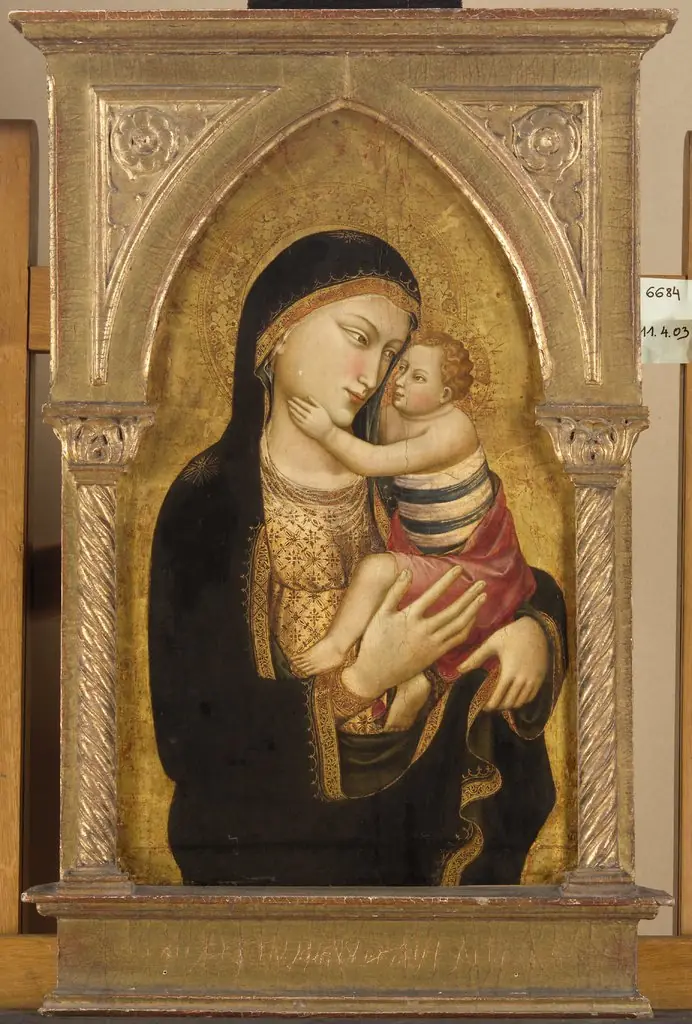
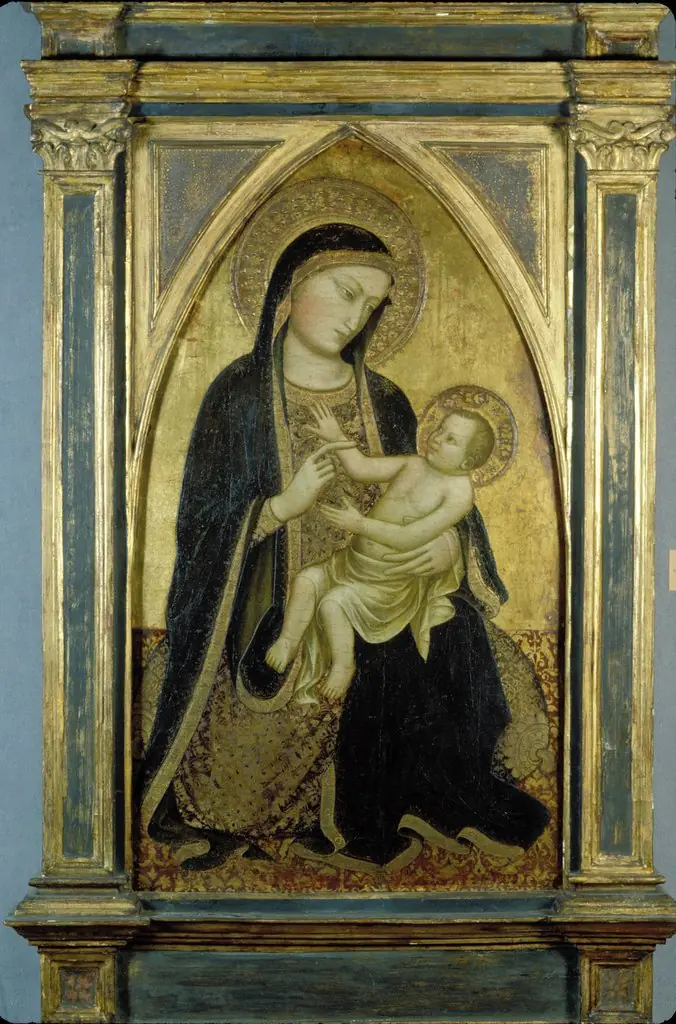 Madonna and Child
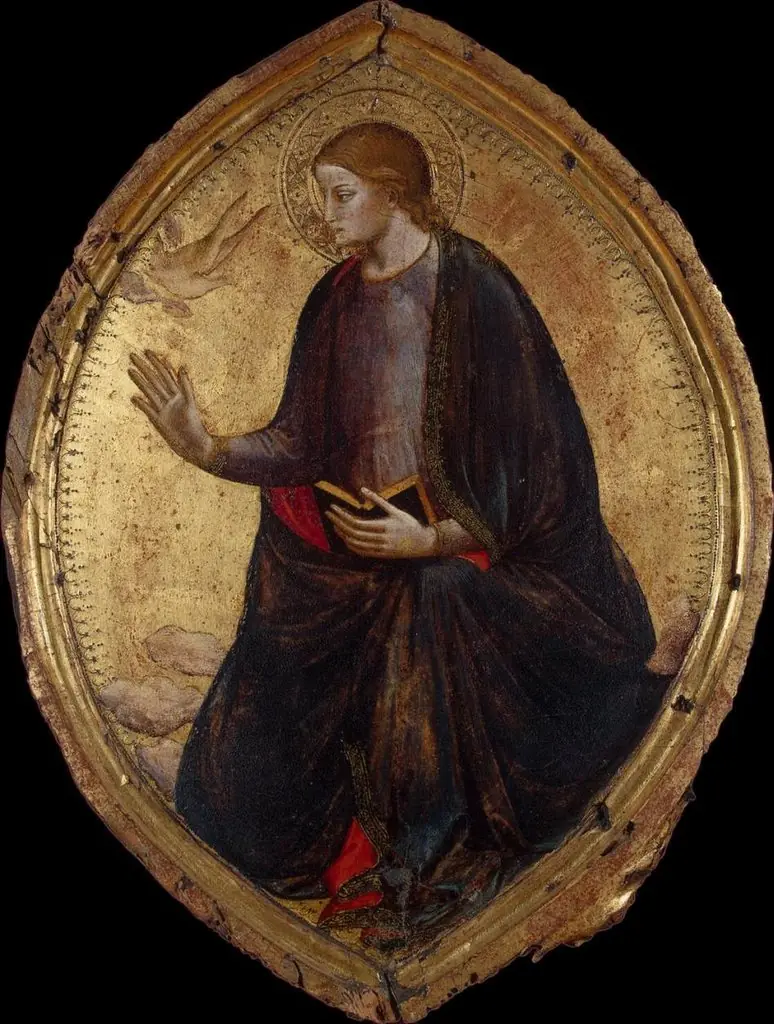 Madonna from the Annunciation Scene
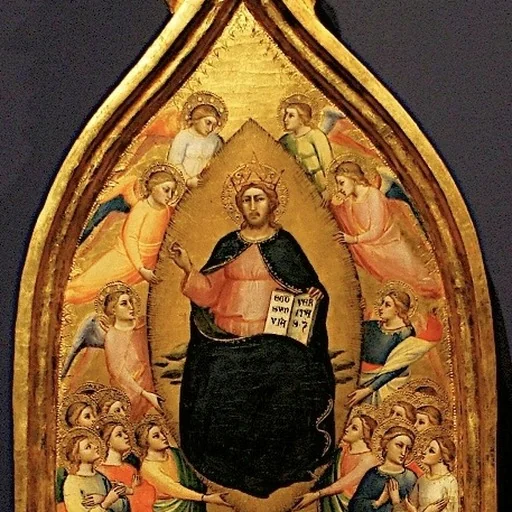
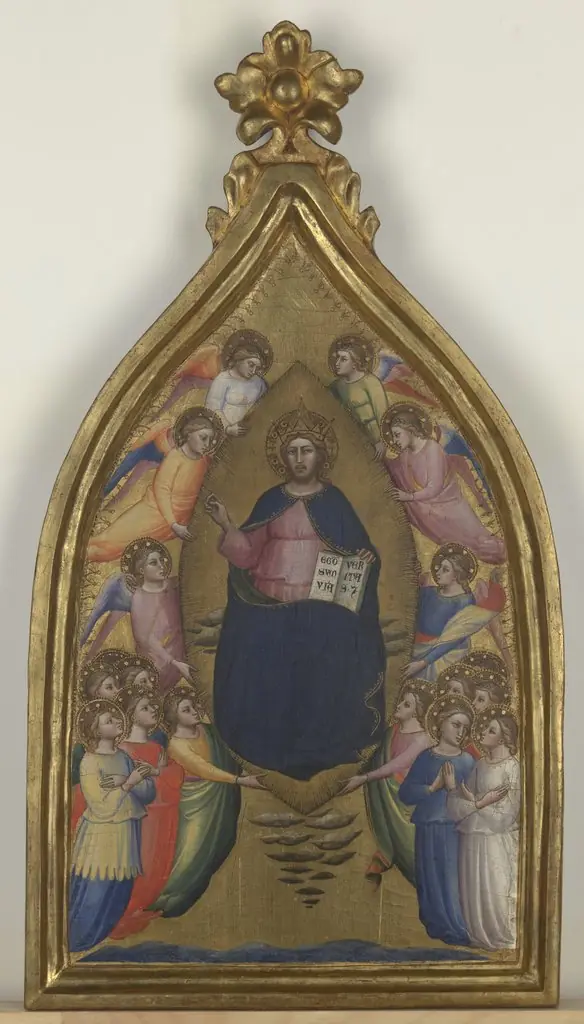 Christ Enthroned Within a Mandorla
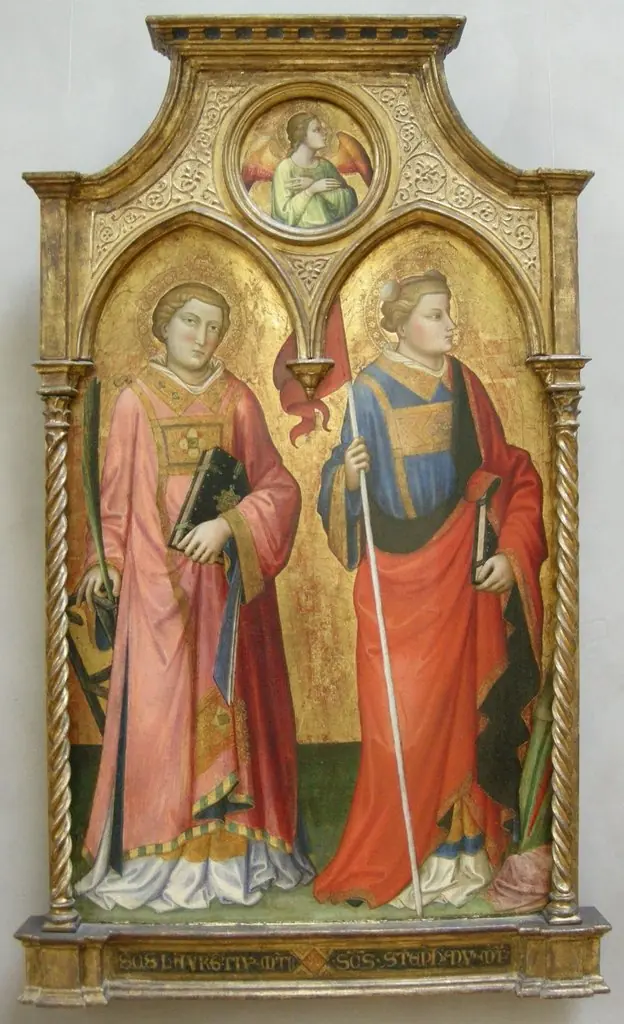 Saints Lawrence and Stephen
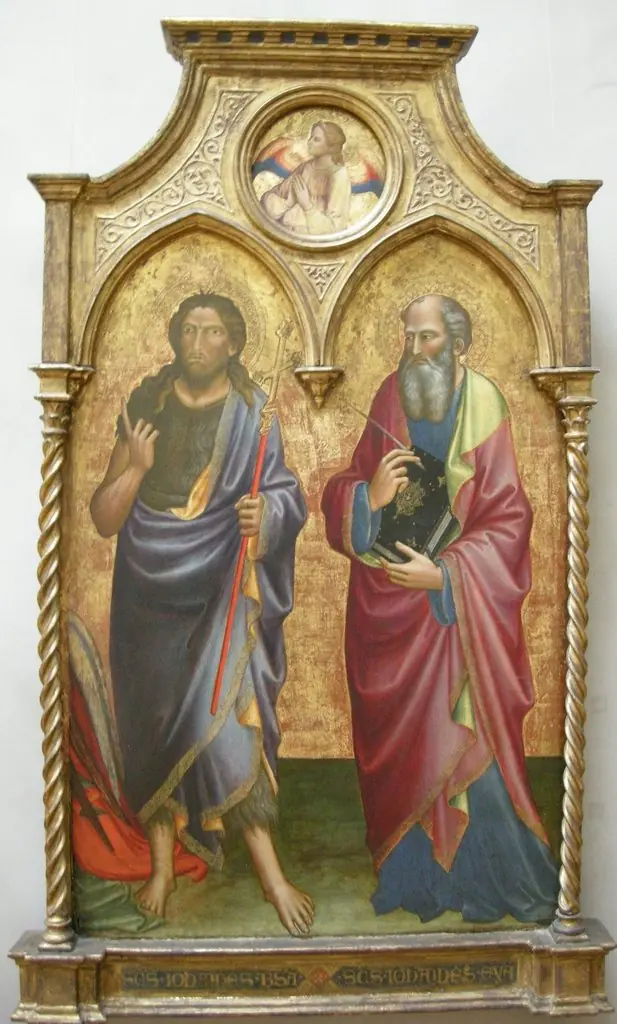 Saints John the Baptist and John the Evangelist
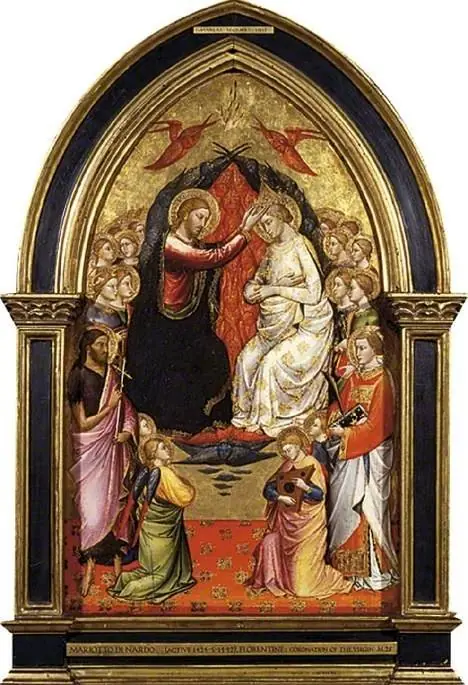 The Coronation of the Virgin
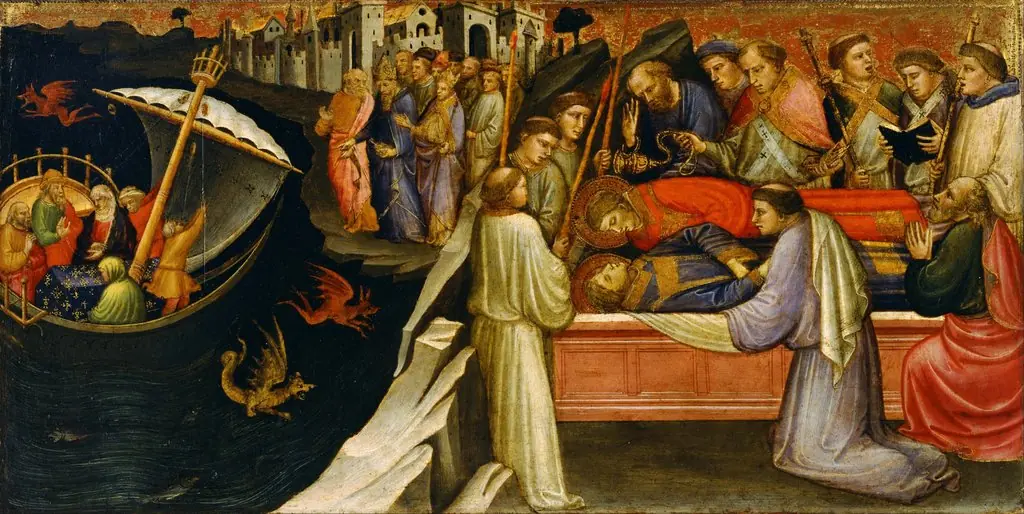 Predella Panel Representing the Legend of St. Stephen: Devils Agitating the Sea as Giuliana Transports the Body of St. Stephen from Jerusalem to Constantinople