Artwork
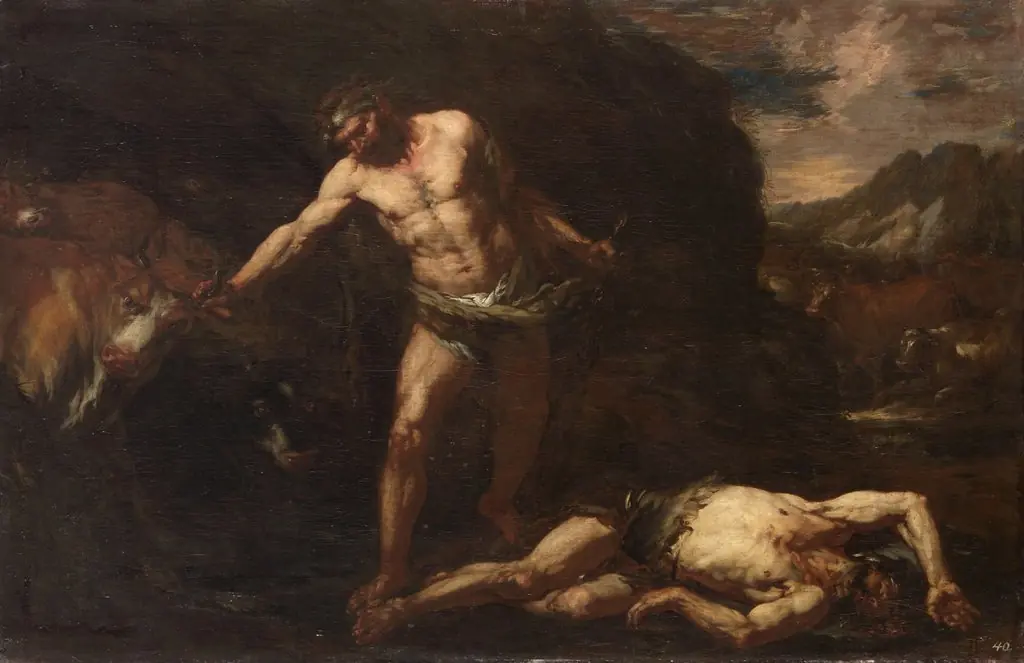
Cain Slaying Abel
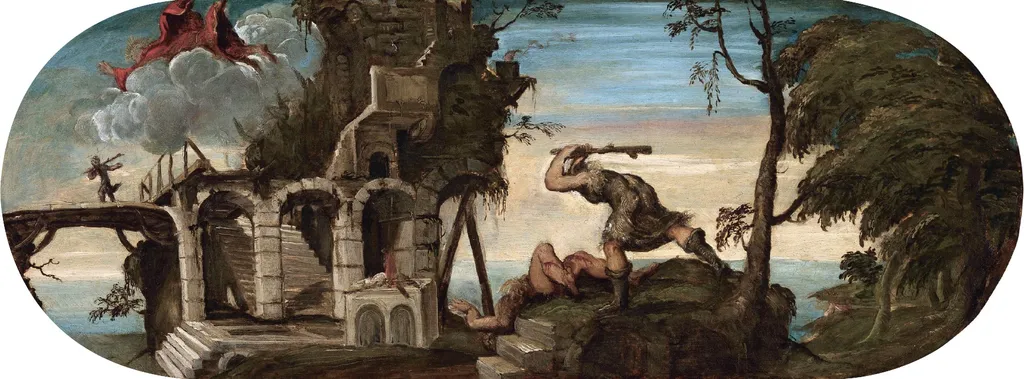
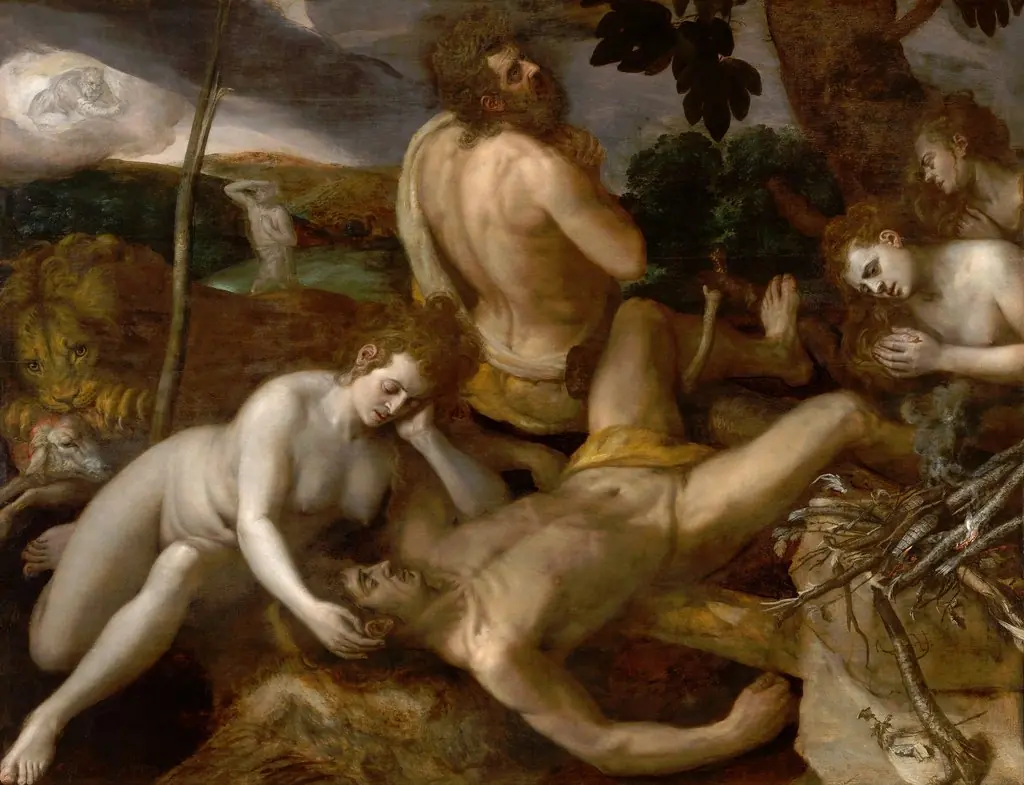
Cain Slaying Abel is an oil painting by the Mannerist artist Jacopo Tintoretto. It dates from 1540 and is held in the collection of the Museum of Fine Arts, Budapest.
About this work
Overview
Jacopo Tintoretto’s *Cain Slaying Abel*, painted around 1540, is an oil-on-canvas work that captures a moment of violent rupture from the Book of Genesis. Executed in the Mannerist idiom, the painting reflects Tintoretto’s signature intensity, combining dynamic composition with heightened emotional expression. It resides in the Museum of Fine Arts, Budapest, as part of its Renaissance collection.
Subject & Meaning
The painting illustrates the first murder in biblical tradition: Cain, consumed by jealousy, strikes down his brother Abel.
The painting illustrates the first murder in biblical tradition: Cain, consumed by jealousy, strikes down his brother Abel. Abel’s outstretched hand suggests a final plea, while Cain’s raised club and contorted posture convey uncontrolled rage. The scene underscores themes of divine rejection, human frailty, and the consequences of sin, rendered without moralizing, leaving the viewer to confront the rawness of the act.
Technique & Style
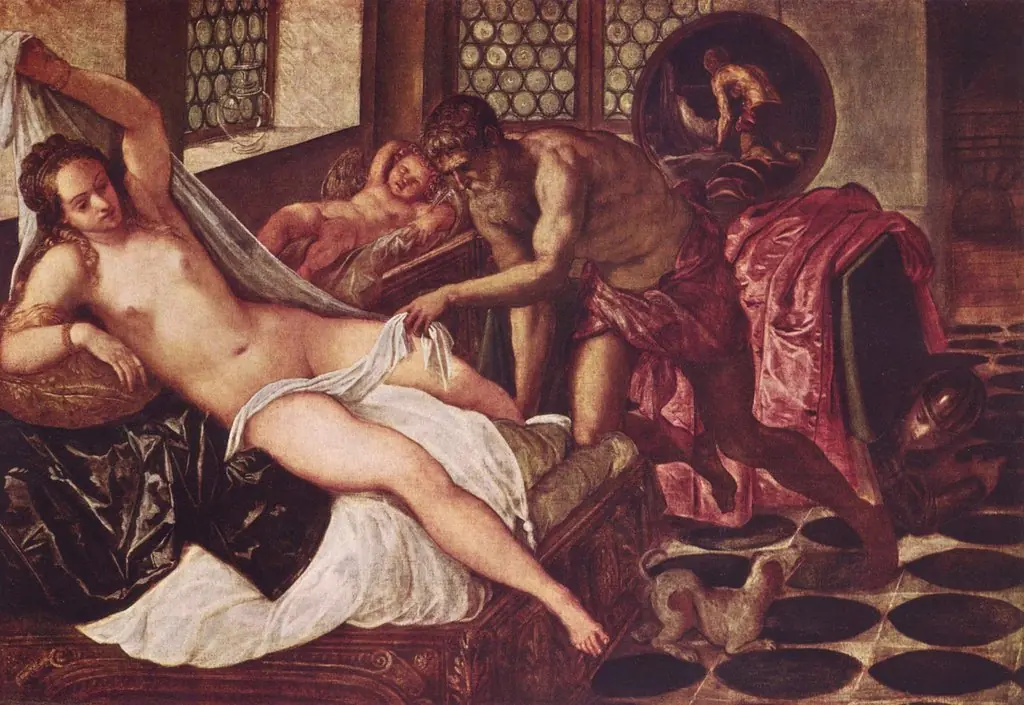
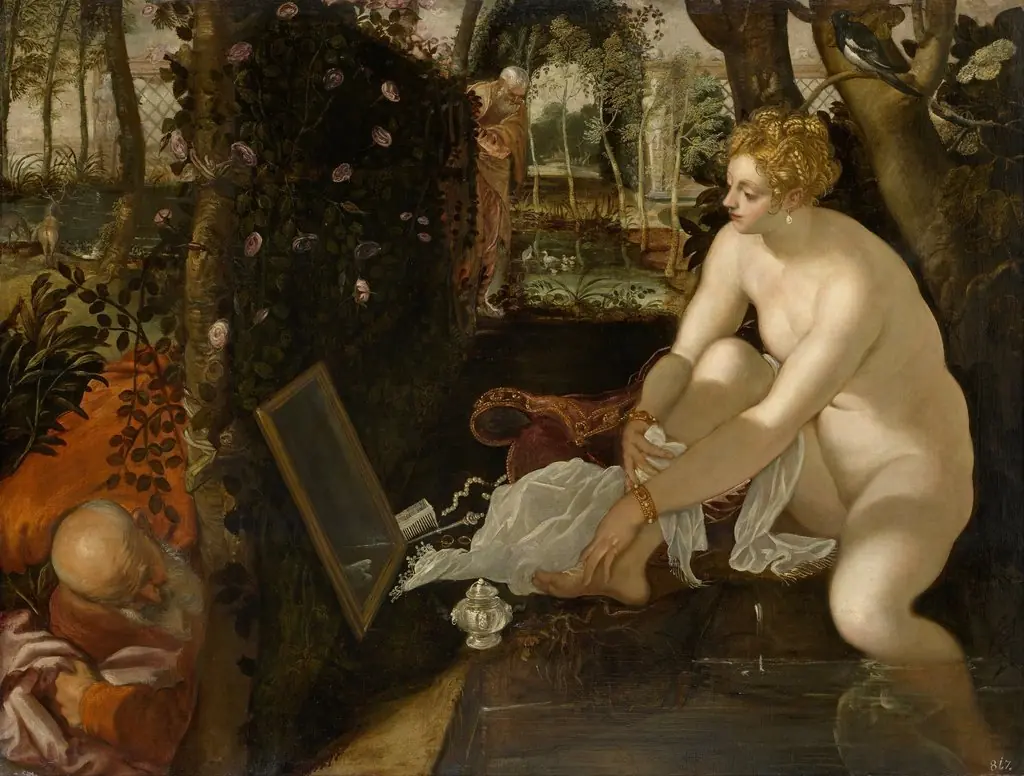
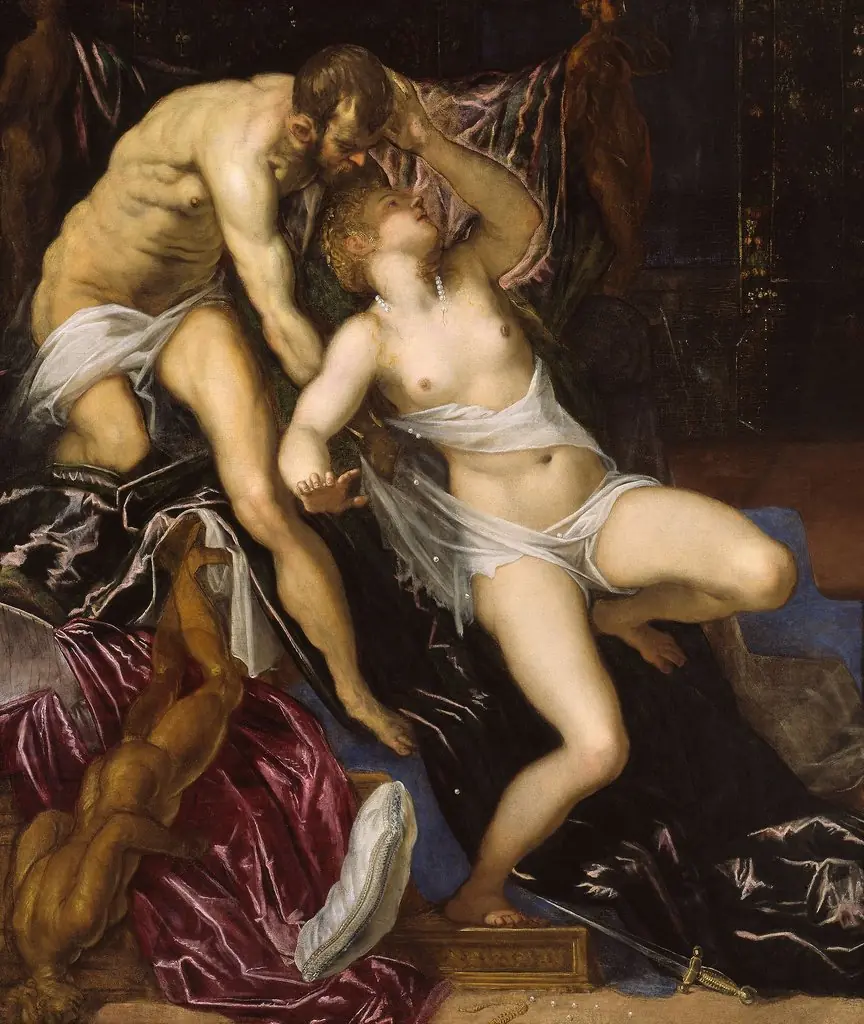
Tintoretto employs vigorous brushwork and exaggerated anatomical poses to amplify the scene’s tension. Figures are rendered with muscular tension and asymmetrical balance, typical of Mannerism. The dark, earthy tones of the figures contrast with the pale sky, directing focus to the violence. Light falls sharply across the bodies, enhancing their sculptural presence and emotional gravity.
History & Provenance
Created early in Tintoretto’s career, the painting likely originated in Venice, where he was developing his distinctive style. It entered the collection of the Museum of Fine Arts, Budapest, in the 19th century, possibly through European art acquisitions. Its survival through centuries reflects its recognition as a compelling example of Venetian Mannerist narrative painting.
Context
In mid-16th-century Venice, religious subjects remained central to artistic patronage, even as artists began emphasizing psychological depth and physical dynamism over serene harmony. Tintoretto’s interpretation diverges from classical balance, embracing movement and emotional extremity. This shift aligned with broader Mannerist trends across Italy, responding to the spiritual and social tensions of the Reformation era.
Legacy
Though less widely known than Tintoretto’s later large-scale works, *Cain Slaying Abel* exemplifies his early mastery of dramatic storytelling. Its influence is seen in later Baroque treatments of biblical violence, where emotional intensity and physical dynamism became defining traits. The painting remains a key reference for understanding the evolution of Venetian painting beyond High Renaissance ideals.
Artist & collection
Artist
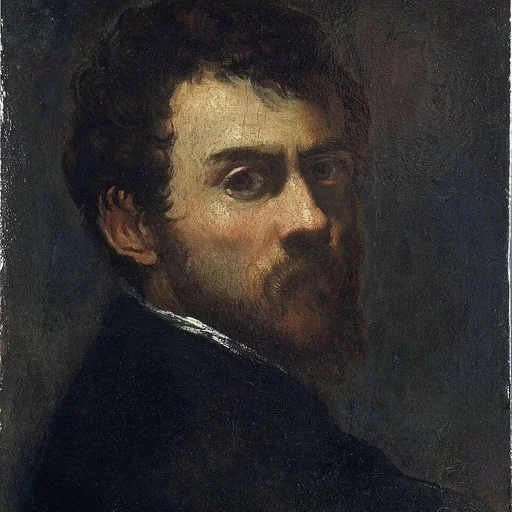
Jacopo Robusti (late September or early October 1518 – 31 May 1594), best known as Tintoretto ( TIN-tə-RET-oh; Italian: ; Venetian: ), was an Italian Renaissance painter of the Venetian school.