Artwork
Saint Gregory the Great
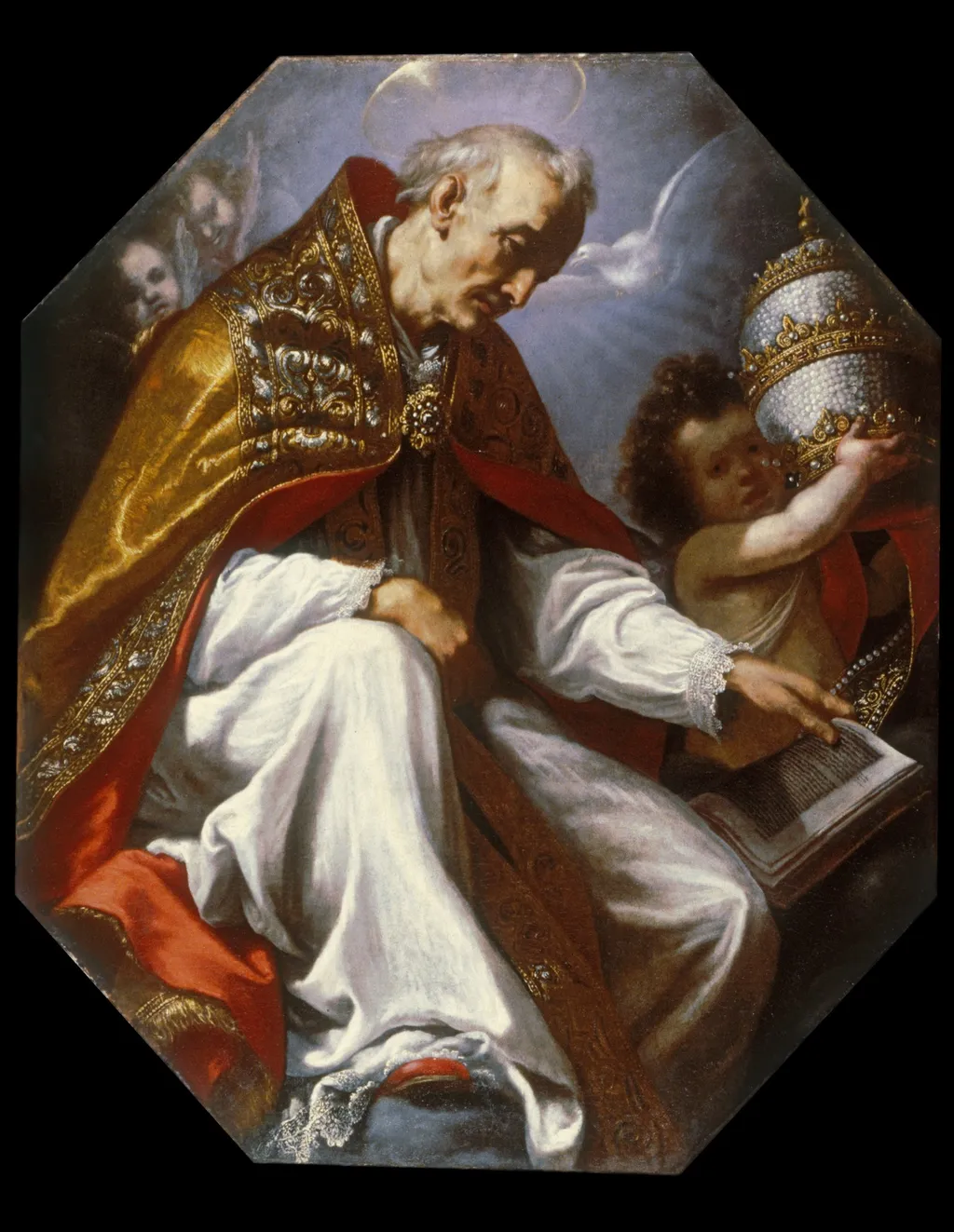
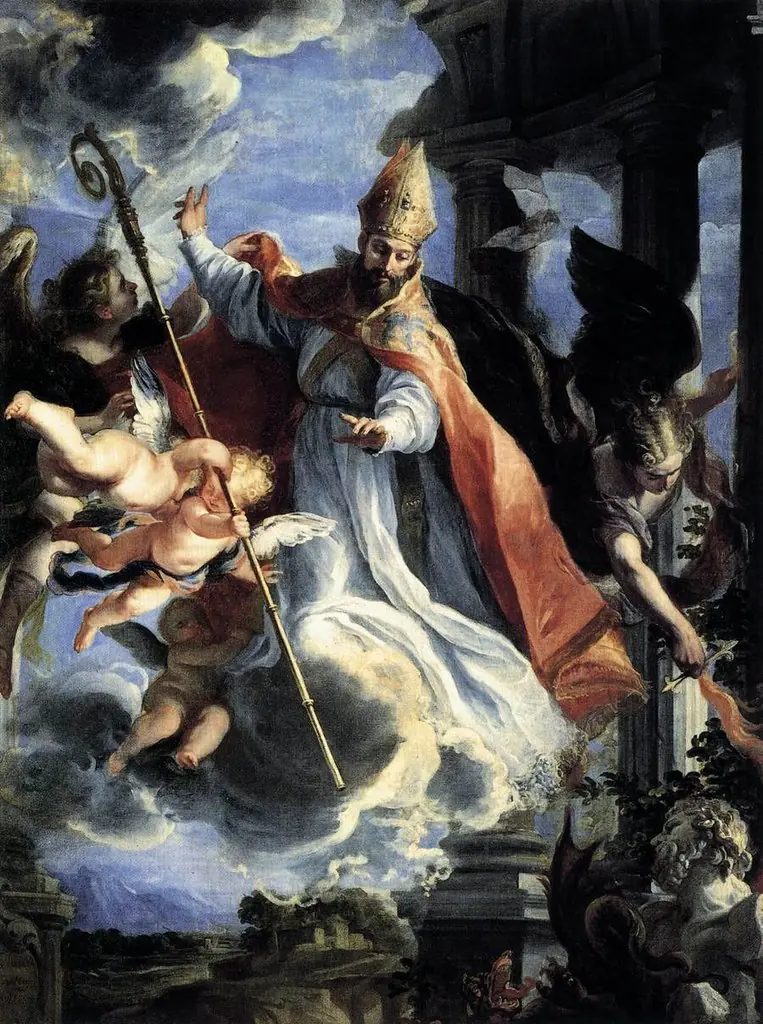
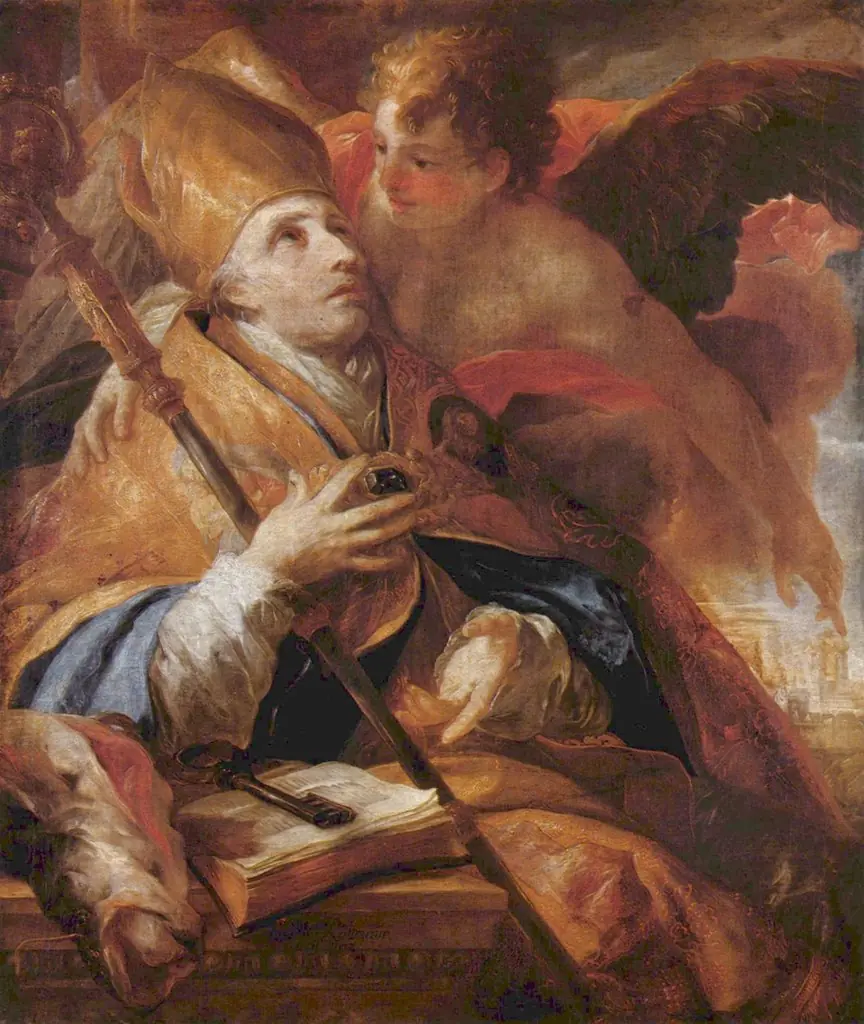
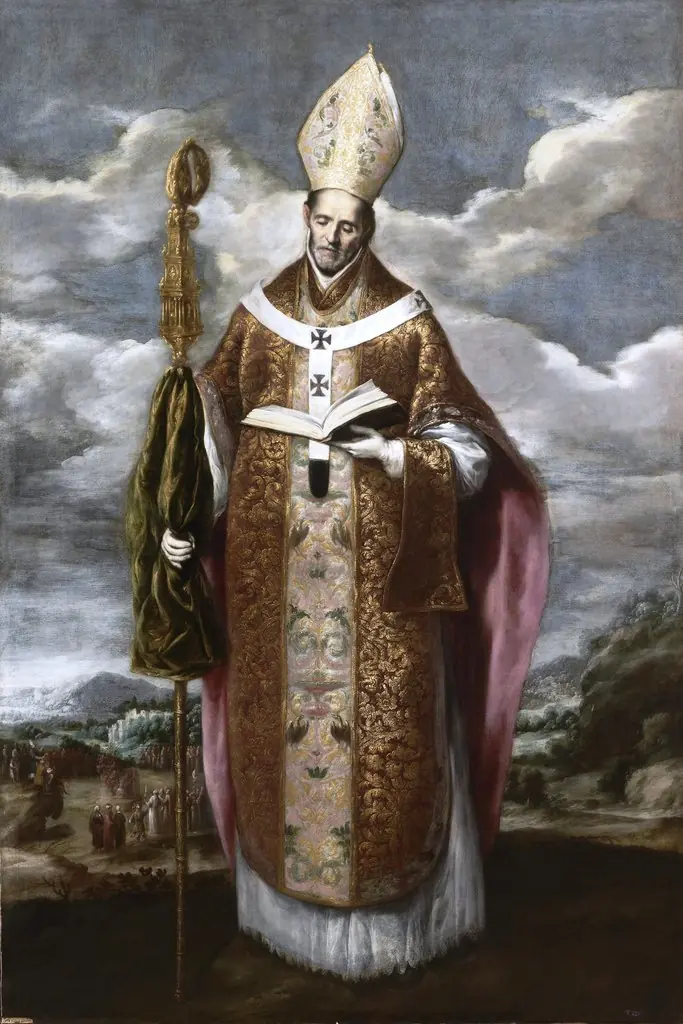
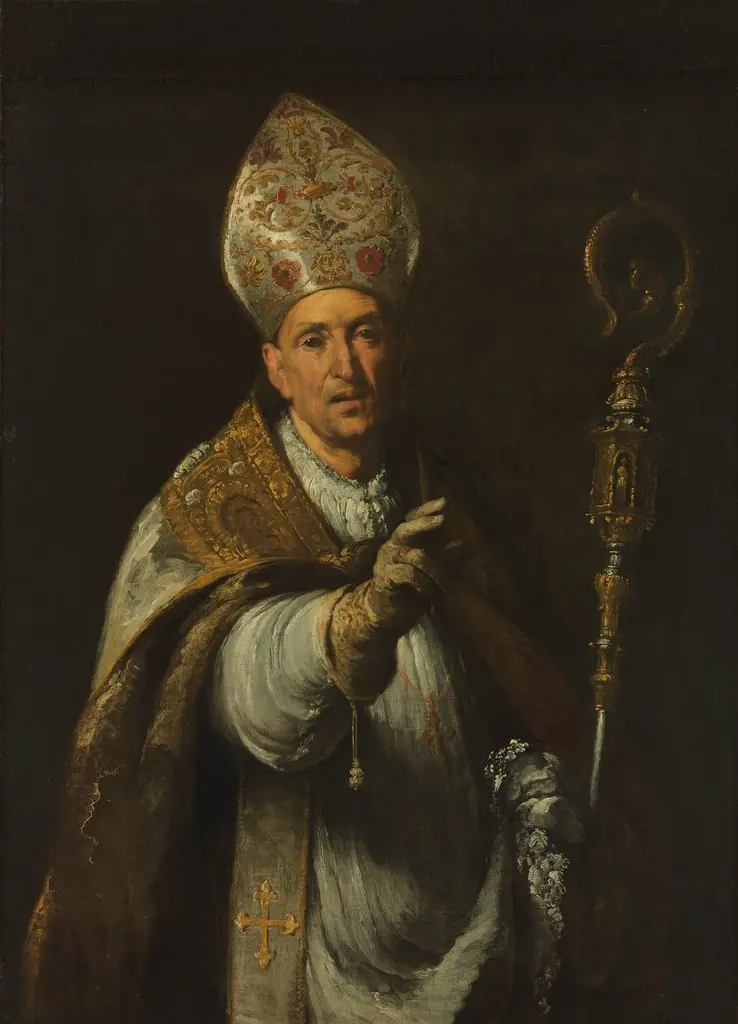
Saint Gregory the Great is an oil painting by the Early Baroque Italian artist Jacopo Vignali. It dates from 1630 and is held in the collection of the Walters Art Museum.
About this work
Overview
Painted in 1630 by Jacopo Vignali, this oil-on-canvas work portrays Saint Gregory the Great, a pivotal figure in early Christian leadership.
Painted in 1630 by Jacopo Vignali, this oil-on-canvas work portrays Saint Gregory the Great, a pivotal figure in early Christian leadership. The painting resides in the Walters Art Museum, where it exemplifies the devotional imagery favored in early 17th-century Italy. Its composition follows Baroque conventions, emphasizing grandeur and spiritual authority through controlled lighting and symbolic elements.
Subject & Meaning
The figure is identified as Pope Gregory I, recognized for his theological writings and liturgical reforms. Dressed in papal vestments, he holds a book symbolizing his doctrinal authority and a scepter denoting spiritual rule. The halo affirms his sainthood, while the crown held aloft by cherubs signifies divine endorsement of his legacy. The scene presents him not as a historical figure but as an eternal intercessor between heaven and earth.
Technique & Style
Vignali employs oil paint with a refined handling of light and texture, characteristic of the Baroque era. Subtle chiaroscuro models the folds of the robes and the contours of the face, lending volume and presence. The muted blue background and soft clouds create a celestial atmosphere without distraction. The cherubs’ delicate forms contrast with the pope’s solid, grounded posture, reinforcing the tension between earthly power and heavenly grace.
History & Provenance
Commissioned during a period of renewed Catholic devotion following the Council of Trent, the painting reflects the Church’s emphasis on saintly intercession. It entered the Walters Art Museum’s collection in the early 20th century, having passed through private Italian collections likely tied to ecclesiastical patrons. Its preservation reflects its continued reverence as a devotional object rather than merely an artistic artifact.
Context
Created in the 1630s, the work aligns with Counter-Reformation efforts to visually reinforce Catholic doctrine through emotionally resonant imagery. Artists like Vignali responded to Church mandates for clarity and dignity in sacred subjects. The painting’s formal hierarchy—central figure, celestial symbols, restrained background—mirrors the structured theology of the time, aiming to inspire piety through visual order.
Legacy
Though not among Vignali’s most widely known works, this painting remains a representative example of Tuscan Baroque religious art. It illustrates how regional painters adapted broader Counter-Reformation ideals into intimate, yet authoritative, devotional compositions. Its presence in a major American museum underscores its role in transmitting Italian ecclesiastical aesthetics beyond the peninsula.
Artist & collection