Artwork
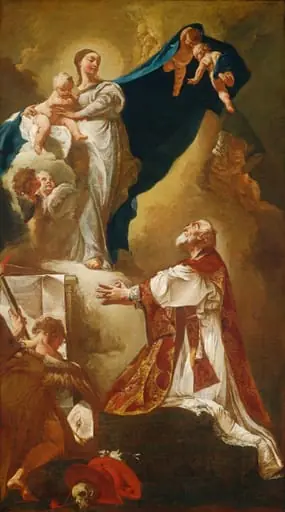
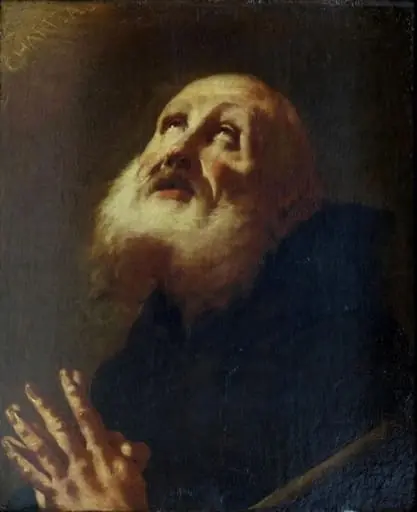
Sfântul Filippo Neri în meditație
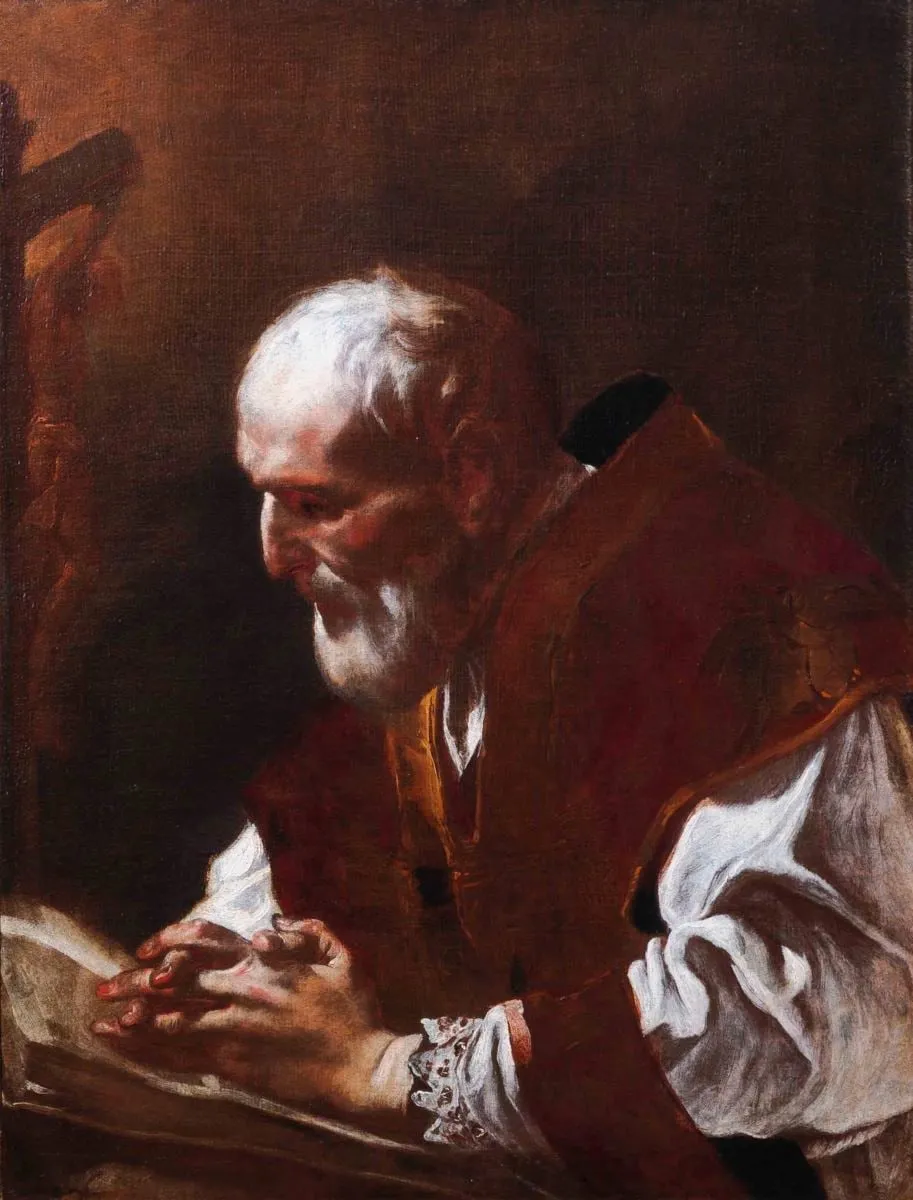
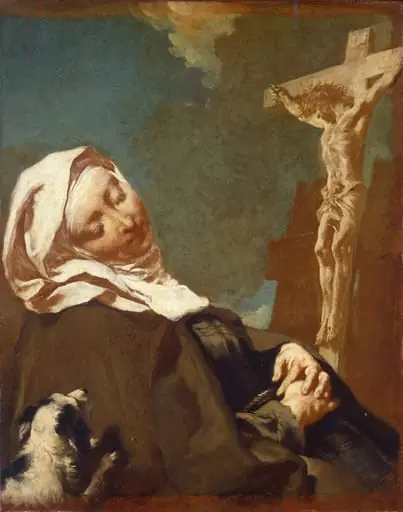
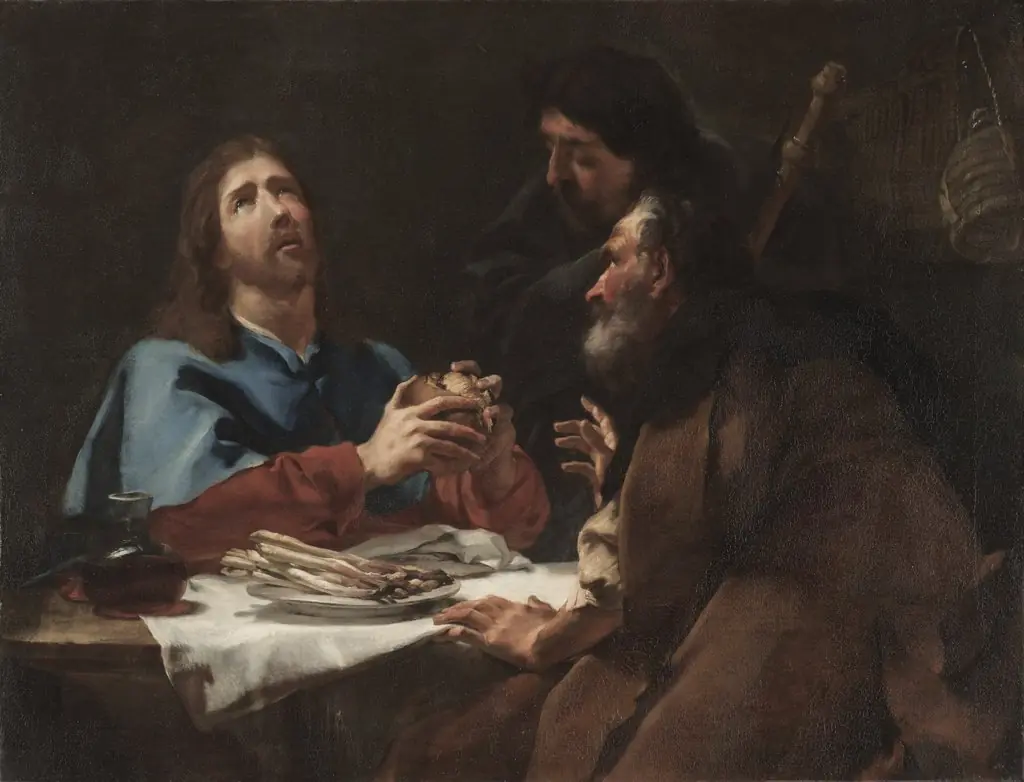
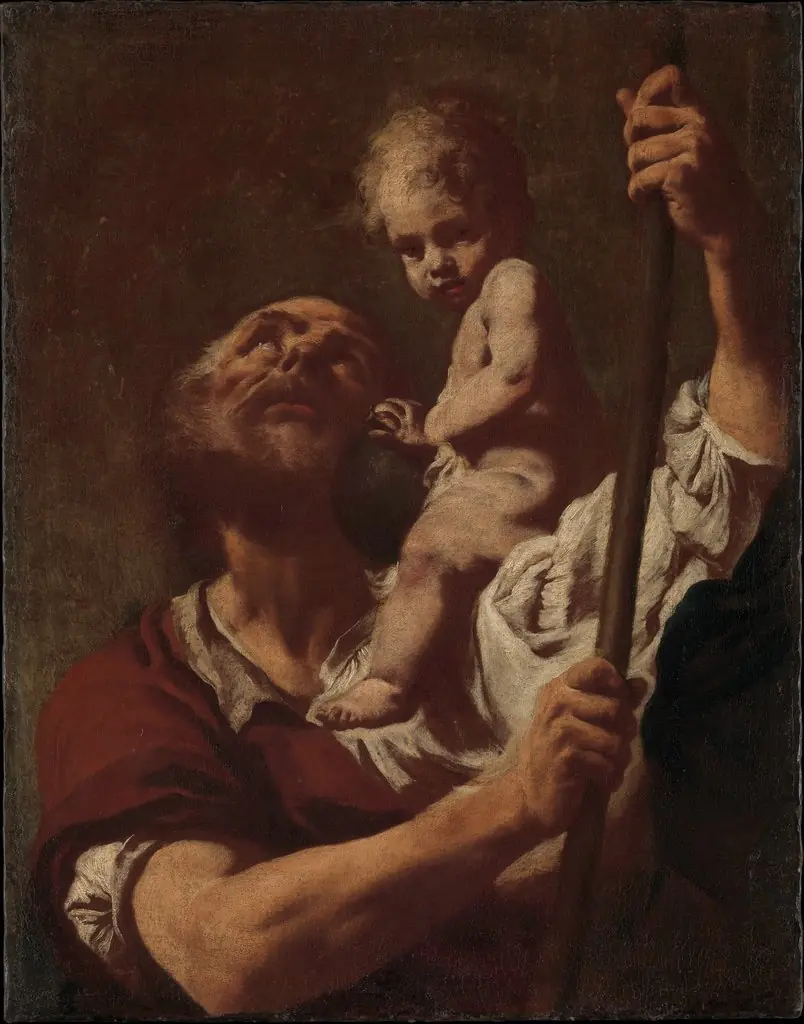
Sfântul Filippo Neri în meditație is a print by Giovanni Battista Piazzetta. It dates from 1728 and is held in the collection of the National Museum of Art of Romania.
About this work
Overview
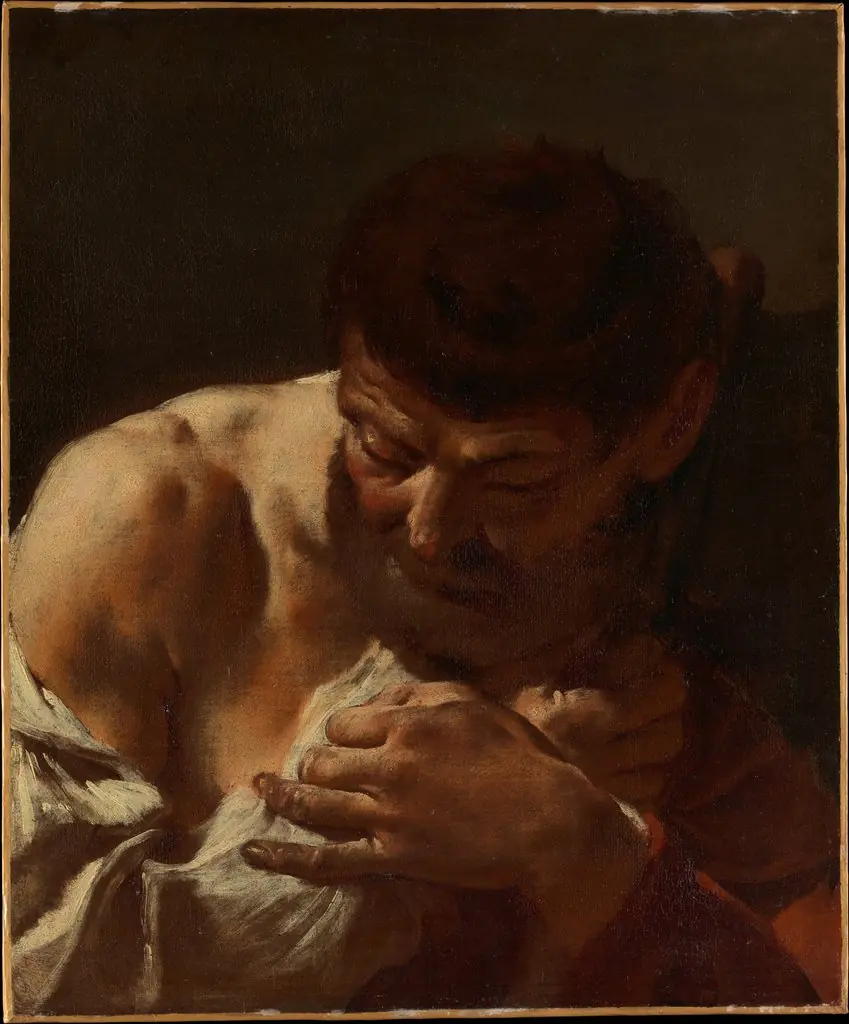
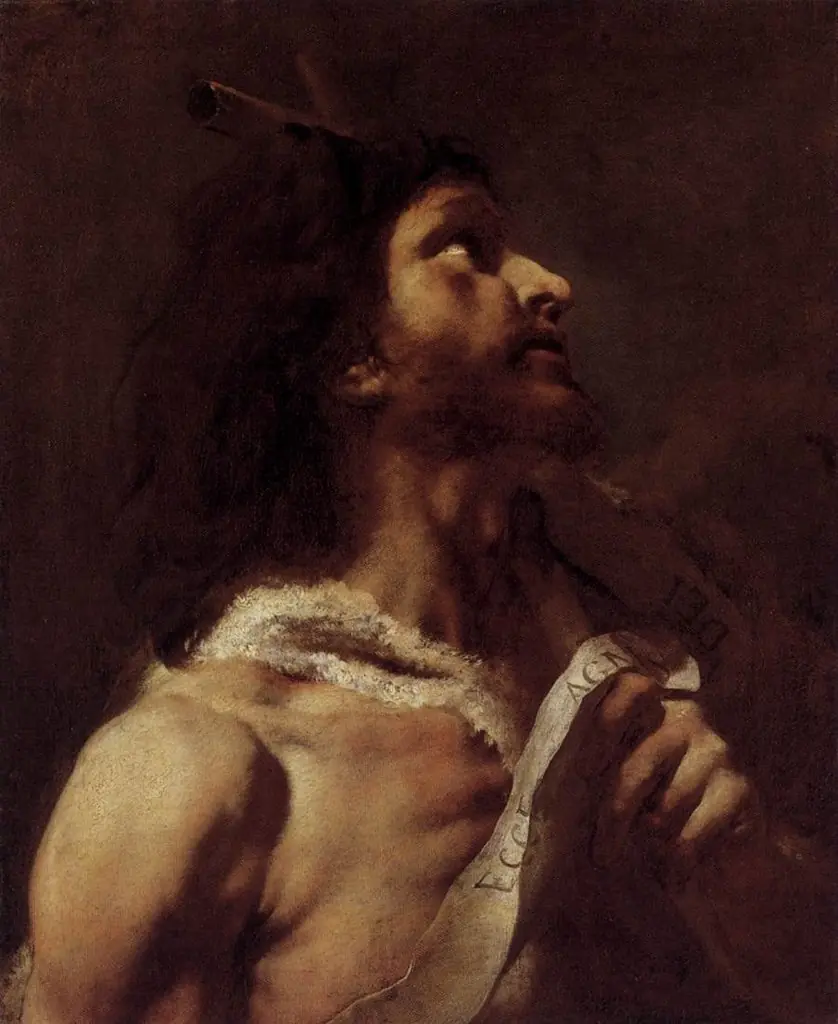
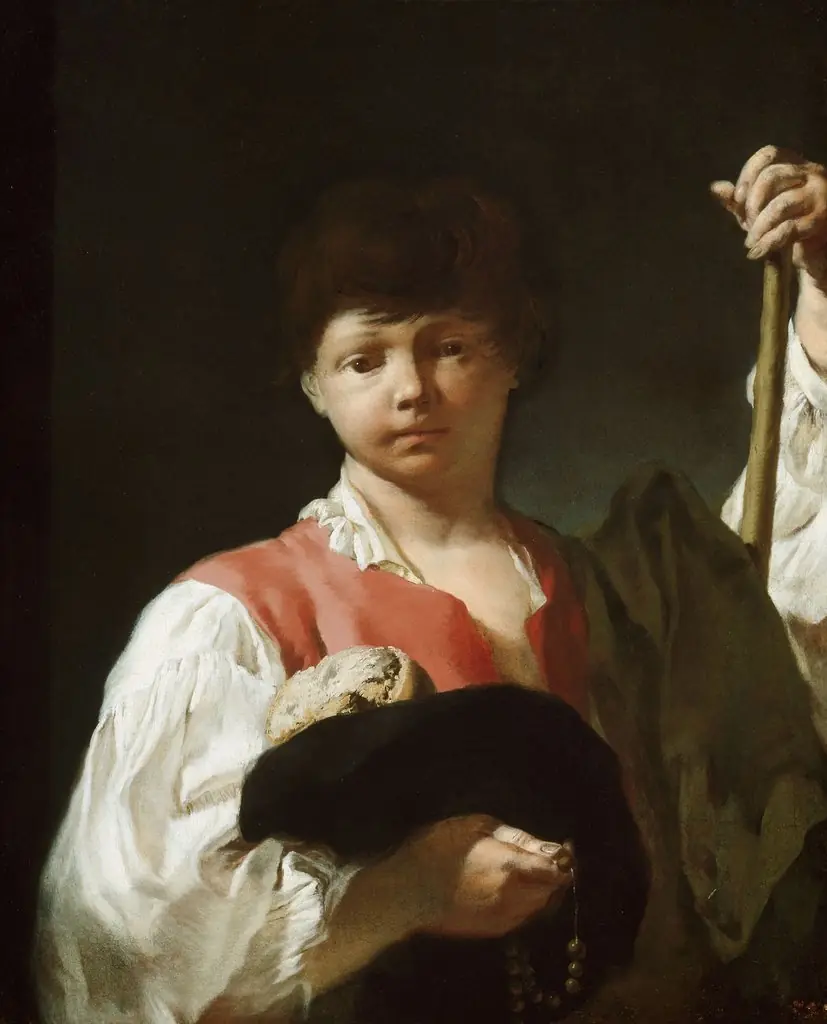
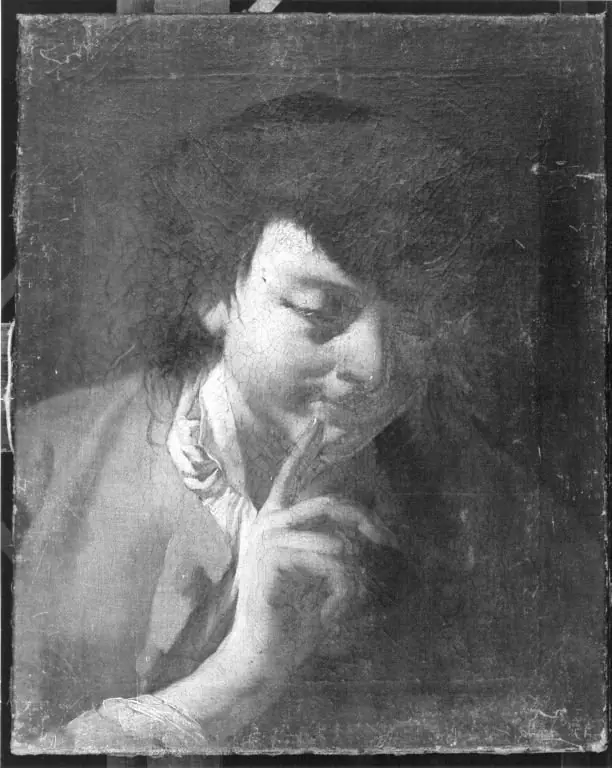
Painted around 1728 by Giovanni Battista Piazzetta, this work portrays Saint Philip Neri in a moment of quiet reflection. Executed in oil, the composition emphasizes stillness and inward focus, characteristic of Piazzetta’s religious imagery. The painting avoids theatricality, instead favoring a restrained, intimate atmosphere that invites contemplation rather than spectacle.
Subject & Meaning
Saint Philip Neri, founder of the Oratorians, is depicted as an elderly man absorbed in prayerful thought. His posture—leaning on a ledge, hand resting on an open book—suggests deep engagement with sacred text. The absence of overt symbols or divine apparitions underscores a personal, internal spirituality, aligning with Neri’s emphasis on humble devotion over grand displays of piety.
Technique & Style
The dark background isolates the figure, heightening the sense of solitude and introspection central to the scene’s emotional tone.
Piazzetta employs chiaroscuro to model the saint’s form, using soft gradations of light to illuminate the face and hands while the surrounding space recedes into shadow. Thick, tactile brushwork defines the folds of the robe and draped fabric, adding physical presence. The dark background isolates the figure, heightening the sense of solitude and introspection central to the scene’s emotional tone.
History & Provenance
The painting was likely commissioned for a religious institution connected to the Oratorians, though its early ownership remains undocumented. It entered public collections in the 19th century and has since been associated with collections in Eastern Europe, where its devotional character resonated with local ecclesiastical tastes. Its preservation reflects sustained interest in 18th-century Italian religious art.
Context
Created during the height of the Rococo period, the work diverges from the era’s ornamental tendencies by embracing austerity. While contemporaries favored elegance and movement, Piazzetta turned to somber tones and quiet composition, reflecting a broader current in Counter-Reformation spirituality that valued inner piety over external grandeur.
Legacy
The painting exemplifies Piazzetta’s unique synthesis of Venetian colorism and northern European naturalism. Though less widely known than his peers, his approach influenced later devotional art in Central and Eastern Europe. Its enduring presence in museum collections attests to its quiet power as a study in contemplative humanity.
Artist & collection

Artist
Giovanni Battista Piazzetta (also called Giambattista Piazzetta or Giambattista Valentino Piazzetta) (February 13, 1682 or 1683 – April 28, 1754) was an Italian Rococo painter of religious subjects and genre scenes.