Artwork
The Mysteries of the Passion: The Crucifixion
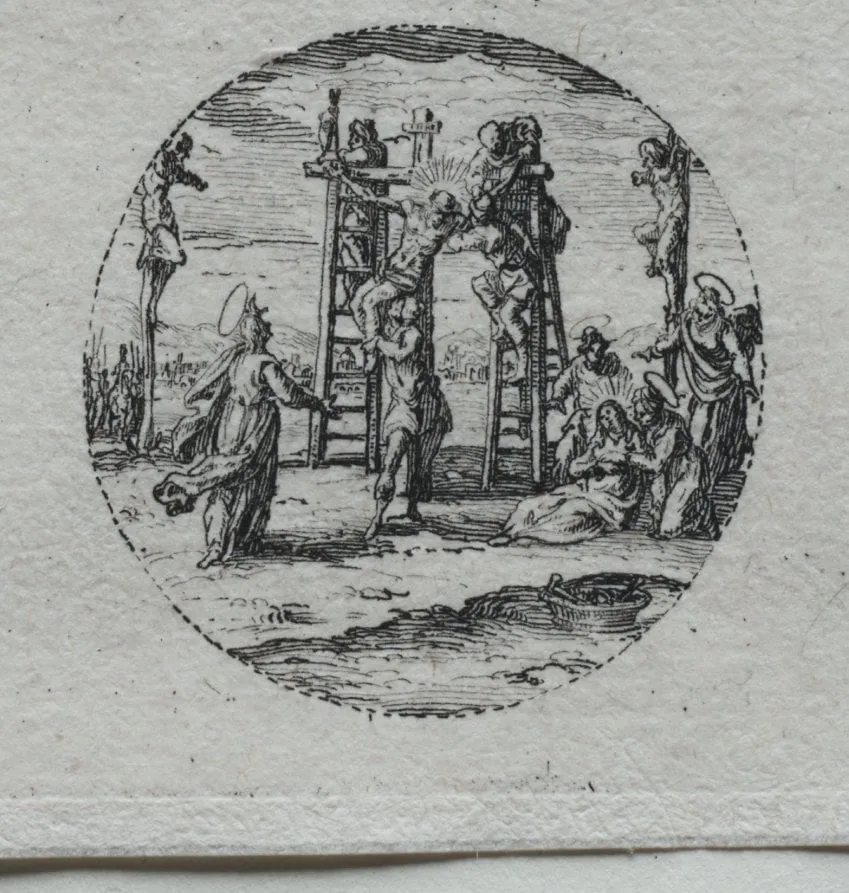
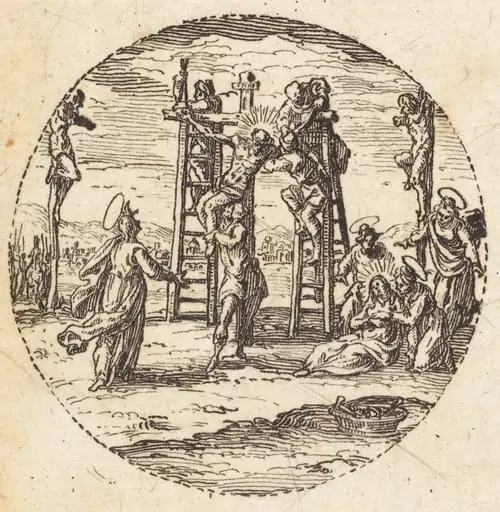
The Mysteries of the Passion: The Crucifixion is a print by the Baroque artist Jacques Callot. It dates from 1631 and is held in the collection of the Cleveland Museum of Art.
About this work
Overview
Created in 1631, this print by Jacques Callot is part of a series illustrating scenes from the Passion of Christ.
Created in 1631, this print by Jacques Callot is part of a series illustrating scenes from the Passion of Christ. Executed in etching, it captures the moment of Christ’s crucifixion with restrained intensity. The work resides in The Cleveland Museum of Art, where it is valued for its precise draftsmanship and emotional gravity, reflecting Callot’s mastery of the medium during the early Baroque period.
Subject & Meaning
The scene centers on Christ on the cross, flanked by grieving figures and silent spectators. The composition avoids dramatic excess, emphasizing quiet sorrow rather than spectacle. Surrounding onlookers, including Roman soldiers and mourners, convey varied reactions to the event, reinforcing the theological weight of Christ’s sacrifice. The inclusion of a distant cityscape and mountains situates the sacred moment within a tangible, earthly world.
Technique & Style
Callot employed fine-line etching to achieve intricate detail and subtle tonal variation. Chiaroscuro is rendered through carefully controlled hatching and cross-hatching, modeling forms with precision and enhancing the three-dimensionality of the figures. The contrast between light and shadow directs focus to the central figure while maintaining atmospheric depth, a hallmark of Callot’s technical innovation in printmaking.
History & Provenance
The print was produced as part of a larger series commissioned for devotional use, likely circulated among religious communities in France and the Low Countries. It entered the Cleveland Museum of Art’s collection in the 20th century, having passed through private European holdings. Its preservation in good condition reflects its careful handling and enduring scholarly interest.
Context
Created during the Thirty Years’ War, the work reflects a period of widespread religious and political turmoil. Callot’s depiction aligns with Counter-Reformation ideals, emphasizing Christ’s suffering as a focal point for piety. The restrained composition contrasts with more theatrical Italian Baroque treatments, underscoring Northern European preferences for introspective, narrative clarity in religious imagery.
Legacy
Callot’s series on the Passion influenced later generations of printmakers through its technical rigor and emotional restraint. While less widely known than his satirical works, this series demonstrates his capacity for solemn, spiritually resonant imagery. The Crucifixion print remains a key example of early 17th-century Northern European printmaking, studied for its balance of detail and emotional depth.
Artist & collection
Artist
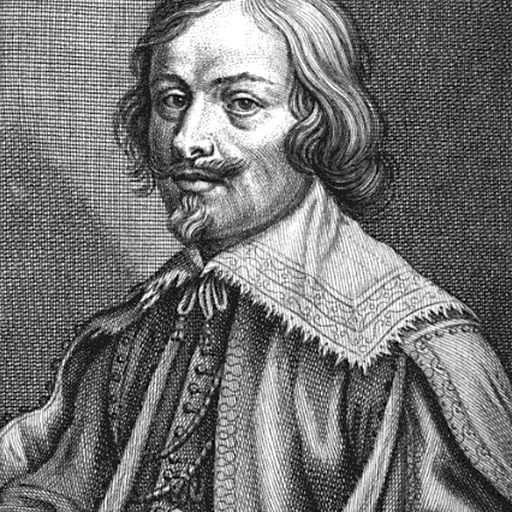
Jacques Callot was a baroque printmaker and draftsman from the Duchy of Lorraine.

 Holy Family at supper
 Restoration of the Aqueduct at Pisa
 Restoration of the Aqueduct at Pisa
 Square in Paris with Many Figures
 Square in Paris with Many Figures
 Horsemen Attacked by Robbers
 HOW WILL A COVERED PART BE CORRECTED?HOW WIKA A COVERED HEART DEED CORRECTED?
![Christ Walking on the Water [second plate], by Jacques Callot](https://artifactworldgallery.com/img/jacques-callot--christ-walking-on-the-water-second-plate--2069f3bfe4cb2126-w320.webp) Christ Walking on the Water [second plate]
Christ Walking on the Water [second plate]