Artwork
The Crucifixion of Polycrates
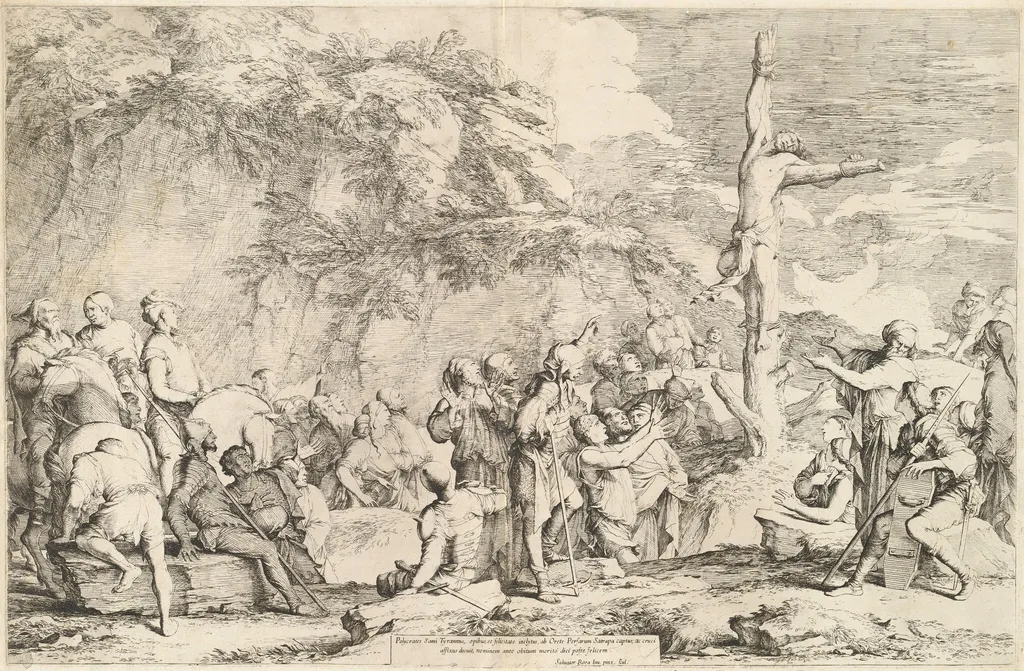
The Crucifixion of Polycrates is an ink print by the Baroque artist Salvator Rosa. It dates from 1662 and is held in the collection of the National Gallery of Art.
About this work
Overview
Created circa 1662, *The Crucifixion of Polycrates* is an Italian Baroque print by Salvator Rosa, executed in both etching and dry‑point on laid paper.
Created circa 1662, *The Crucifixion of Polycrates* is an Italian Baroque print by Salvator Rosa, executed in both etching and dry‑point on laid paper. The composition presents a tumultuous crowd gathered beneath a storm‑laden sky, centered on a figure bound to a cross. Rosa’s reputation as a painter of dramatic histories and rugged landscapes informs the work’s intense atmosphere and vigorous line work.
Subject & Meaning
The image depicts the execution of the 6th‑century tyrant Polycrates, a narrative drawn from classical sources that served as a moral exemplar of hubris punished by the gods. The agitated masses, gesturing and brandishing weapons, amplify the sense of collective frenzy, suggesting both the public’s complicity and the chaotic aftermath of tyrannical downfall.
Technique & Style
Rosa combined traditional etching with the more immediate dry‑point, allowing him to render fine, incisive lines alongside richer, velvety shadows. The rough texture of the laid paper accentuates the stark contrasts, while the deep chiaroscuro heightens the sense of urgency. The crowded foreground and jagged, almost sculptural background elements reflect the Baroque penchant for movement and emotional intensity.
History & Provenance
The print emerged during Rosa’s mature period, when he was active in Naples, Rome and Florence, and it circulated among collectors of his prints. Though specific ownership records are sparse, the work has appeared in several 19th‑century catalogues of Rosa’s oeuvre and is now held in major European museum collections, attesting to its continued scholarly interest.
Context
Rosa’s print practice ran parallel to his large‑scale canvases, which often portrayed dramatic historical or mythological scenes. In the mid‑17th century, Italian artists increasingly employed print media to disseminate narrative subjects beyond the confines of the altar or palace, and Rosa’s choice of a classical execution story aligns with contemporary tastes for moralizing, theatrical imagery.
Artist & collection
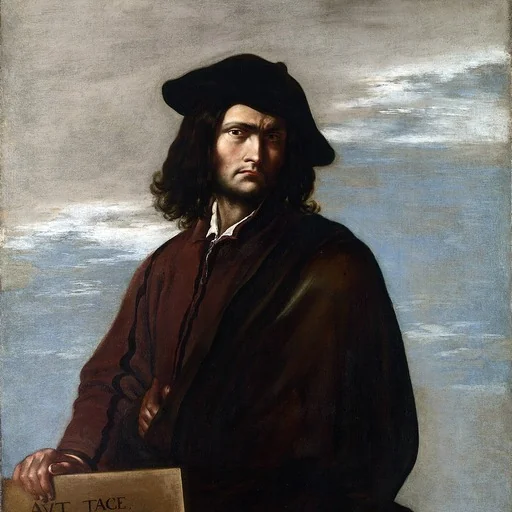
Artist
Salvator Rosa (1615 – 15 March 1673) is best known today as an Italian Baroque painter, whose romanticised landscapes and history paintings, often set in dark and untamed nature, exerted considerable influence from the 17th century into…

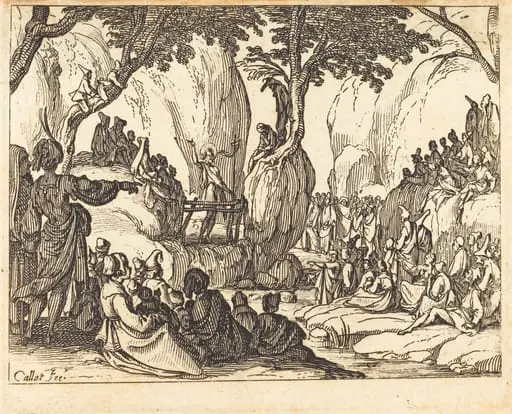 Saint John Preaching in the Desert
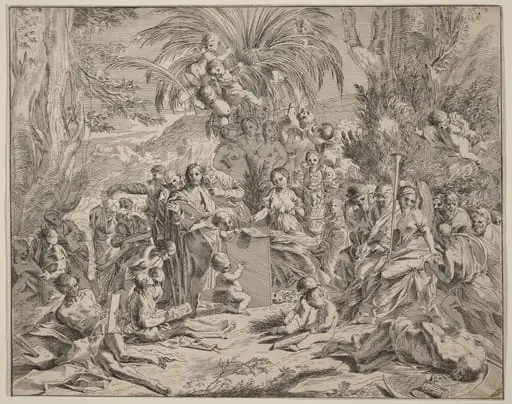 Allegory of Painting
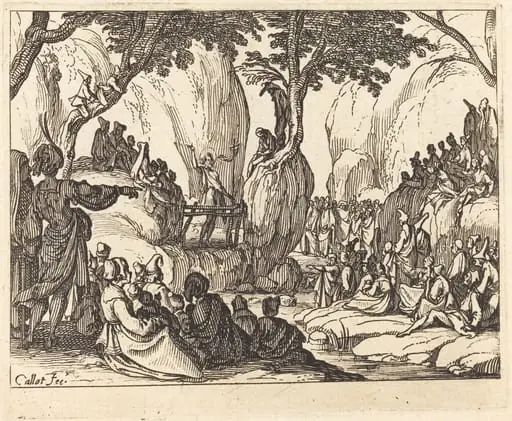 Saint John Preaching in the Desert
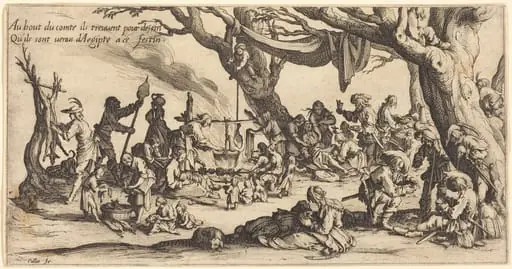 The Feast of the Bohemians
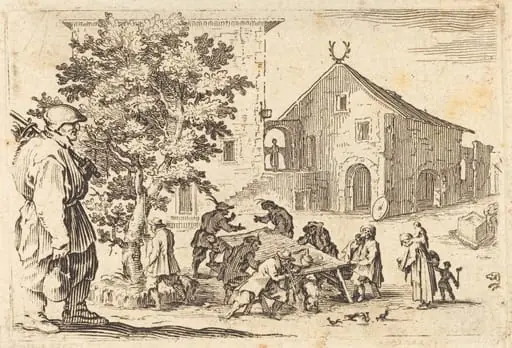 Tavern
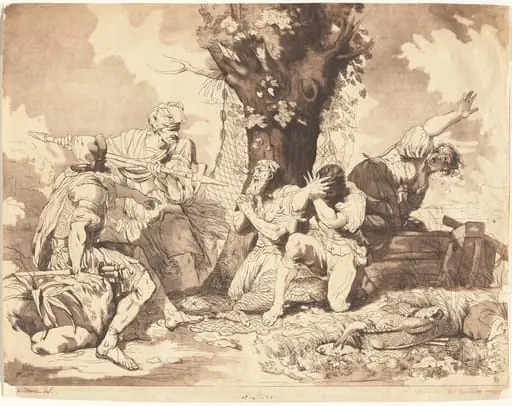 Banditti Robbing Fishermen
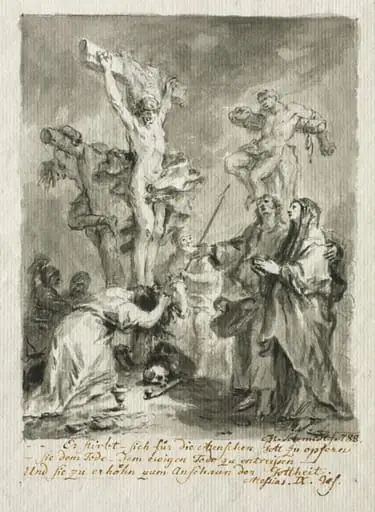 The Crucifixion
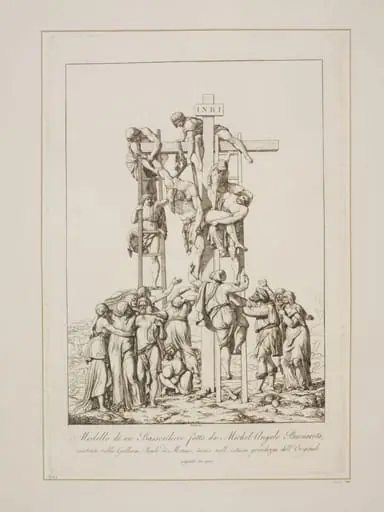 The Descent from the Cross
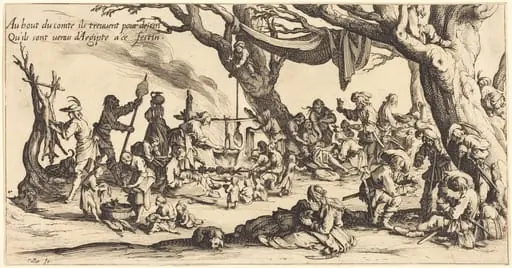 The Feast of the Bohemians
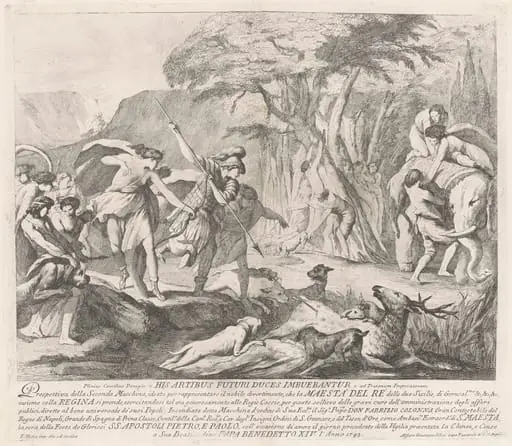 The Seconda Macchina for the Chinea of 1743: The Royal Hunt
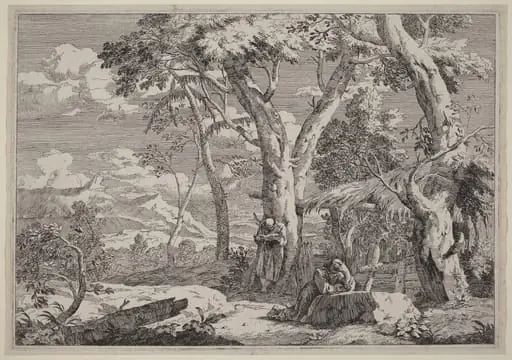 Wilderness Landscape with Two Monks
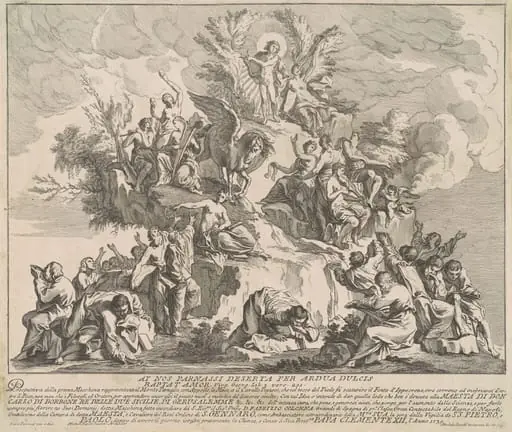 The Prima Macchina for the Chinea of 1739: Mount Parnassus with Apollo, the Muses, and Pegasus