Artwork
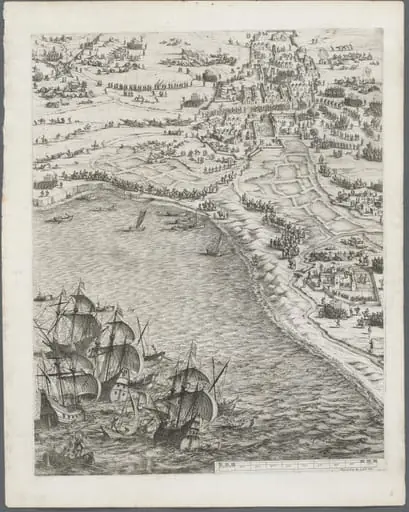
The Siege of La Rochelle: Plate 10
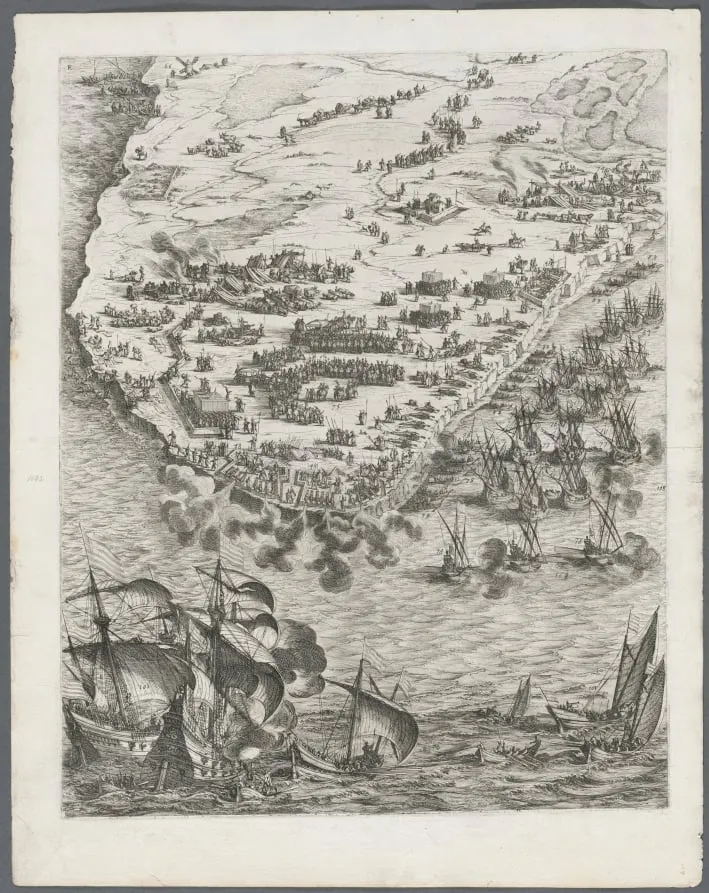
The Siege of La Rochelle: Plate 10 is a print by the Baroque artist Jacques Callot. It dates from 1629 and is held in the collection of the Cleveland Museum of Art.
About this work
Overview
It resides in the collection of the Cleveland Museum of Art, where it serves as a key example of early 17th-century printmaking as historical documentation.
Plate 10 from Jacques Callot’s series on the Siege of La Rochelle is an etching completed in 1629, depicting a pivotal moment in the conflict between French royal forces and Huguenot defenders. Part of a larger sequence documenting the 1627–1628 siege, this print captures the intensity of the assault through densely composed imagery. It resides in the collection of the Cleveland Museum of Art, where it serves as a key example of early 17th-century printmaking as historical documentation.
Subject & Meaning
The scene portrays the coordinated land and naval assault on the fortified city of La Rochelle, a Protestant stronghold resisting Louis XIII’s forces. Crowded ranks of soldiers, artillery emplacements, and warships converge in a chaotic but orderly manner, emphasizing the scale and determination of the royal campaign. The walled city, shrouded in smoke, appears besieged but unyielding, reflecting the broader political struggle between centralized monarchy and regional religious autonomy.
Technique & Style
Callot employed fine-line etching to render minute details with precision—individual soldiers, horses, cannons, and sails are clearly delineated despite the crowded composition. His use of sharp, controlled lines creates a sense of movement within a confined space, enhancing the tension of battle. The layered smoke and overlapping forms suggest depth without perspective distortion, characteristic of his approach to narrative clarity over illusionistic space.
History & Provenance
The print was produced shortly after the fall of La Rochelle in 1628, commissioned to commemorate the royal victory. Callot, who accompanied the French army as an official artist, based the series on firsthand observation. Plate 10 was likely distributed as part of a bound folio, circulated among courtiers and military elites. The Cleveland Museum of Art acquired it in the 20th century as part of a broader collection of European prints.
Context
The siege marked a turning point in French religious wars, consolidating royal authority over Huguenot enclaves. Callot’s series was among the earliest visual records of a modern siege, blending military reporting with artistic composition. His work reflected the growing role of print media in shaping public perception of state power, aligning with the absolutist agenda of Louis XIII and Cardinal Richelieu.
Legacy
Callot’s detailed etchings influenced later military illustrators and war artists by demonstrating how print could convey complex battlefield dynamics. His ability to compress vast scenes into intricate compositions set a precedent for narrative printmaking. Though not widely known today, his series remains a vital resource for historians studying early modern warfare and visual propaganda.
Artist & collection
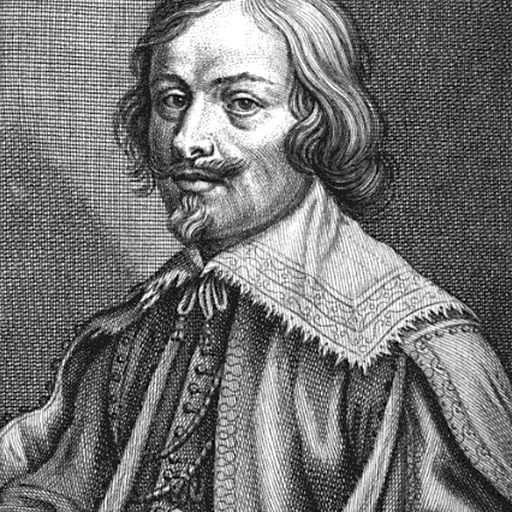
Artist
Jacques Callot was a baroque printmaker and draftsman from the Duchy of Lorraine.

 Holy Family at supper
 Restoration of the Aqueduct at Pisa
 Restoration of the Aqueduct at Pisa
 Square in Paris with Many Figures
 Square in Paris with Many Figures
 Horsemen Attacked by Robbers
 HOW WILL A COVERED PART BE CORRECTED?HOW WIKA A COVERED HEART DEED CORRECTED?
![Christ Walking on the Water [second plate], by Jacques Callot](https://artifactworldgallery.com/img/jacques-callot--christ-walking-on-the-water-second-plate--2069f3bfe4cb2126-w320.webp) Christ Walking on the Water [second plate]
Christ Walking on the Water [second plate]
![The Siege of La Rochelle [plate 10 of 16; set comprises 1952.8.97-112], by Jacques Callot](https://artifactworldgallery.com/img/jacques-callot--the-siege-of-la-rochelle-plate-10-of-16-set-comprises-1952-8--ab099ebe6617f96c-w320.webp) The Siege of La Rochelle [plate 10 of 16; set comprises 1952.8.97-112]
The Siege of La Rochelle [plate 10 of 16; set comprises 1952.8.97-112]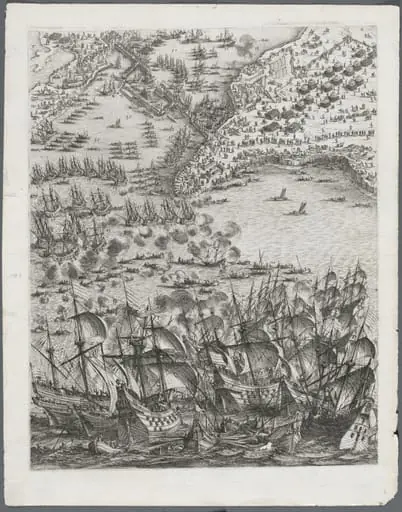 The Siege of La Rochelle: Plate 11
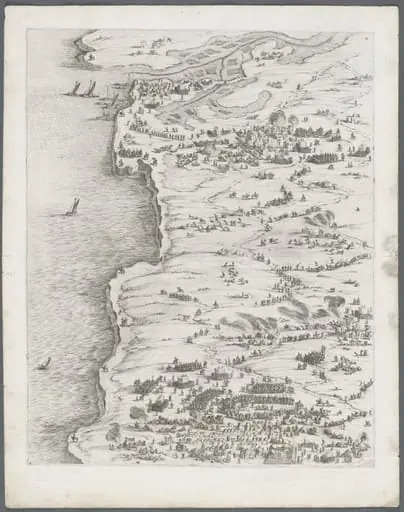 The Siege of La Rochelle: Plate 5
 The Siege of La Rochelle: Plate 12
![The Siege of La Rochelle [plate 5 of 16; set comprises 1952.8.97-112], by Jacques Callot](https://artifactworldgallery.com/img/jacques-callot--the-siege-of-la-rochelle-plate-5-of-16-set-comprises-1952-8--26c0d48046d5d6d8-w320.webp) The Siege of La Rochelle [plate 5 of 16; set comprises 1952.8.97-112]
The Siege of La Rochelle [plate 5 of 16; set comprises 1952.8.97-112]![The Siege of La Rochelle [plate 12 of 16; set comprises 1952.8.97-112], by Jacques Callot](https://artifactworldgallery.com/img/jacques-callot--the-siege-of-la-rochelle-plate-12-of-16-set-comprises-1952-8--11aa44a7ba7b84a3-w320.webp) The Siege of La Rochelle [plate 12 of 16; set comprises 1952.8.97-112]
The Siege of La Rochelle [plate 12 of 16; set comprises 1952.8.97-112]![The Siege of La Rochelle [plate 11 of 16; set comprises 1952.8.97-112], by Jacques Callot](https://artifactworldgallery.com/img/jacques-callot--the-siege-of-la-rochelle-plate-11-of-16-set-comprises-1952-8--bb60a833ee7c2aa9-w320.webp) The Siege of La Rochelle [plate 11 of 16; set comprises 1952.8.97-112]
The Siege of La Rochelle [plate 11 of 16; set comprises 1952.8.97-112]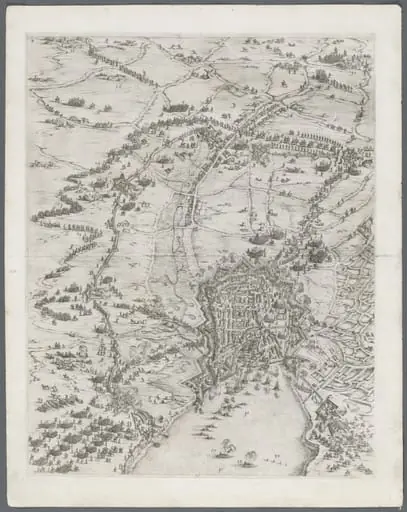 The Siege of La Rochelle: Plate 6
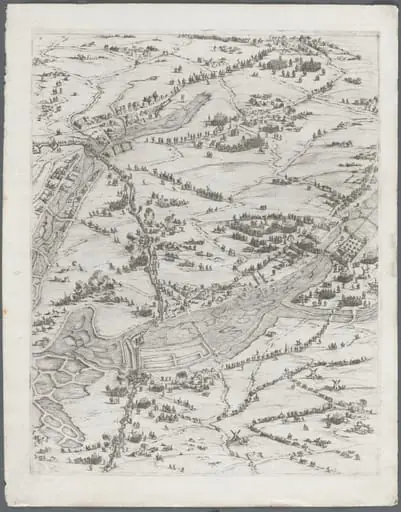 The Siege of La Rochelle: Plate 7
![The Siege of Breda [plate 4 of 6], by Jacques Callot](https://artifactworldgallery.com/img/jacques-callot--the-siege-of-breda-plate-4-of-6--3e777c648194dcba-w320.webp) The Siege of Breda [plate 4 of 6]
The Siege of Breda [plate 4 of 6]![The Siege of Breda [plate 1 of 6], by Jacques Callot](https://artifactworldgallery.com/img/jacques-callot--the-siege-of-breda-plate-1-of-6--979d3482f5499305-w320.webp) The Siege of Breda [plate 1 of 6]
The Siege of Breda [plate 1 of 6]![The Siege of Breda [plate 5 of 6], by Jacques Callot](https://artifactworldgallery.com/img/jacques-callot--the-siege-of-breda-plate-5-of-6--26a8f60b8b09e851-w320.webp) The Siege of Breda [plate 5 of 6]
The Siege of Breda [plate 5 of 6]