Artwork
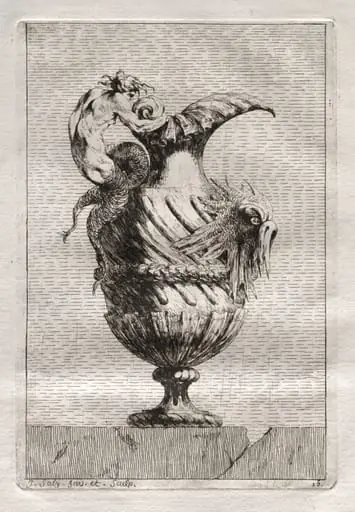
Suite of Vases: Plate 28
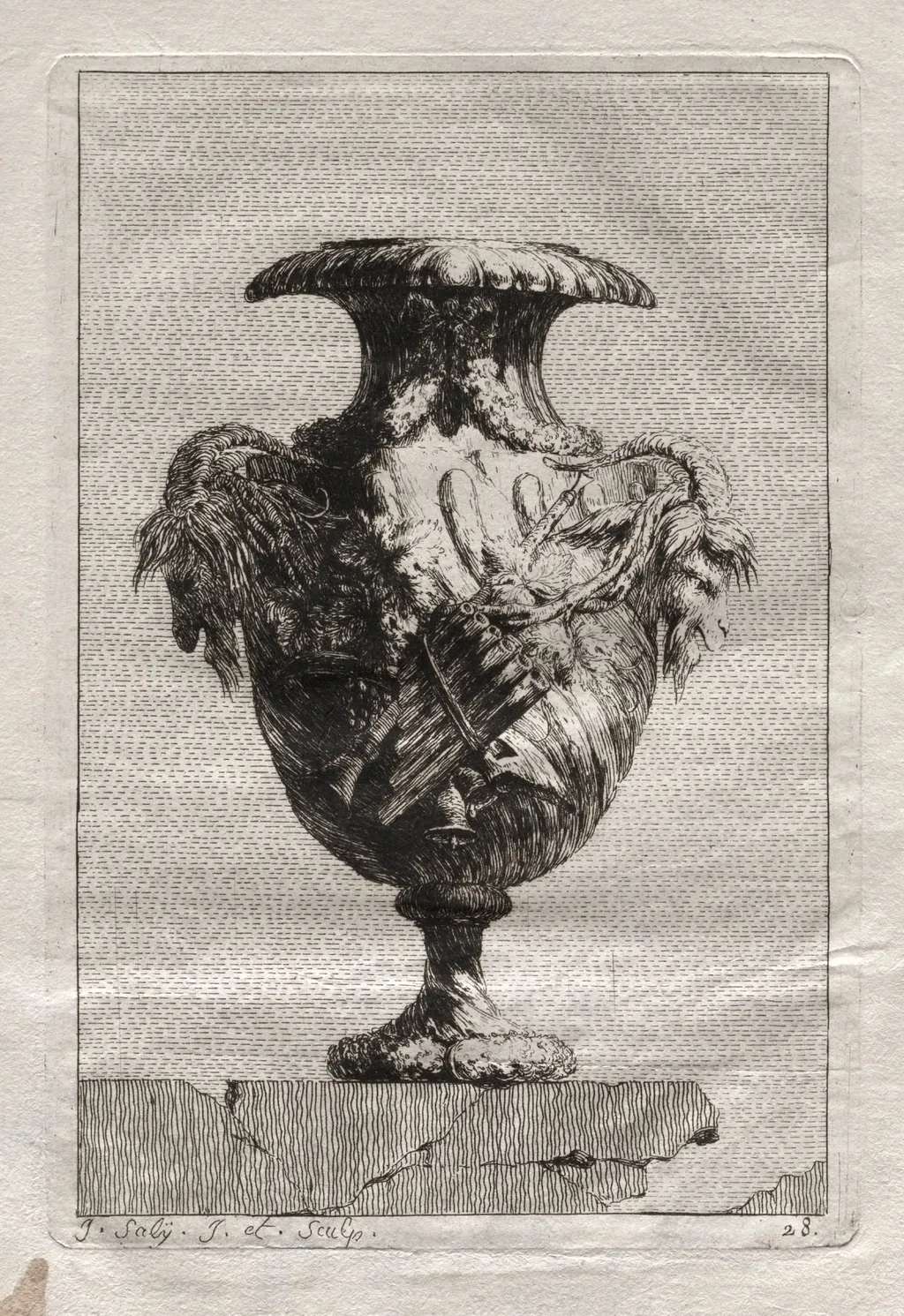
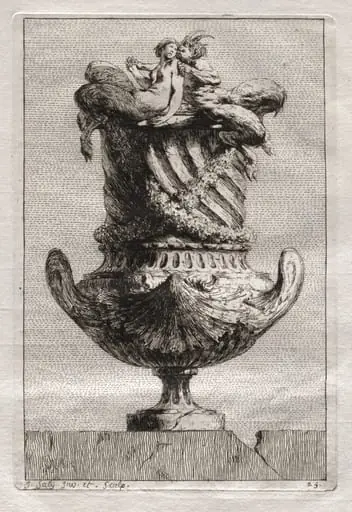
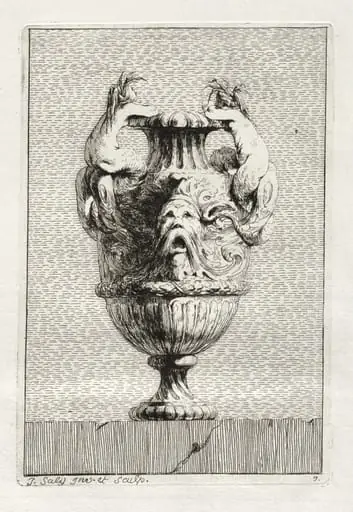
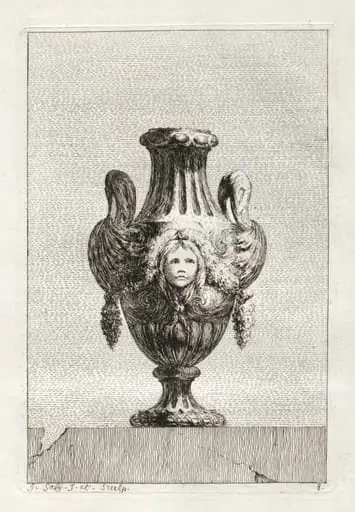
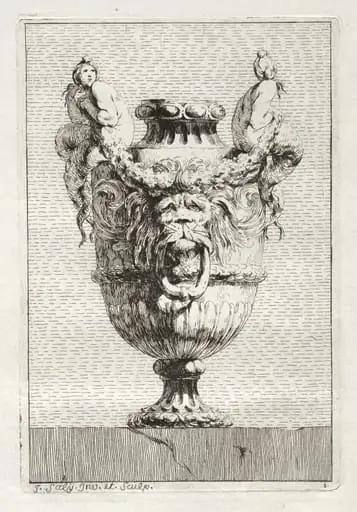
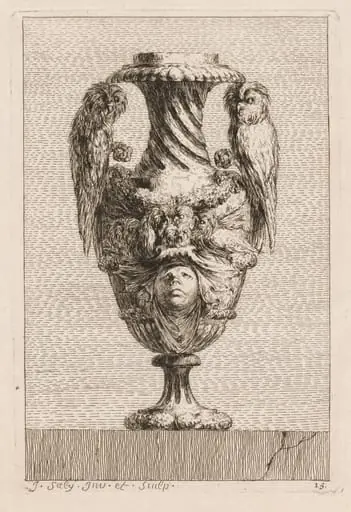
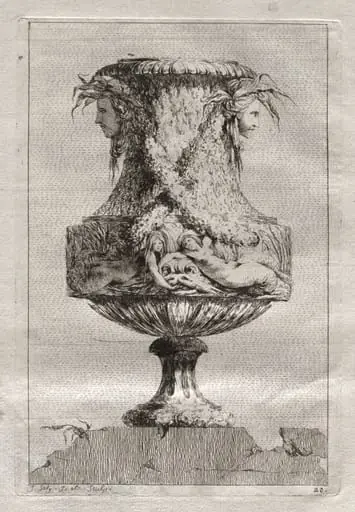
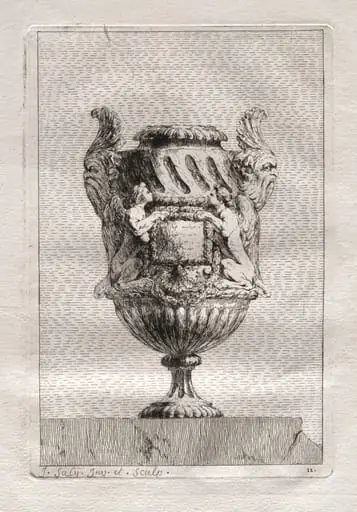
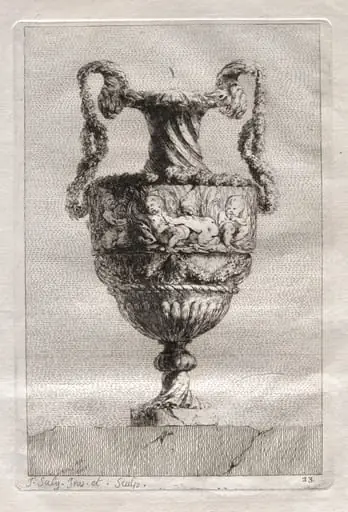
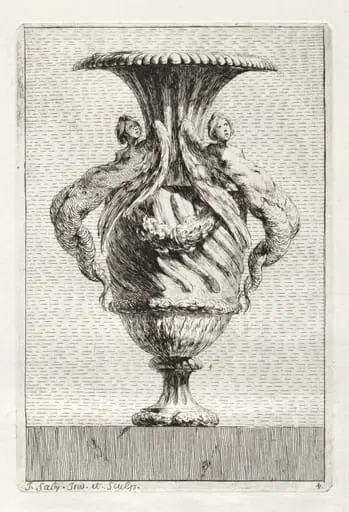
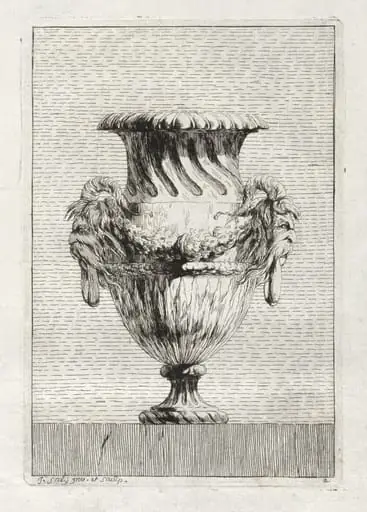
Suite of Vases: Plate 28 is a print by the Baroque artist Jacques François Saly. It dates from 1746 and is held in the collection of the Cleveland Museum of Art.
About this work
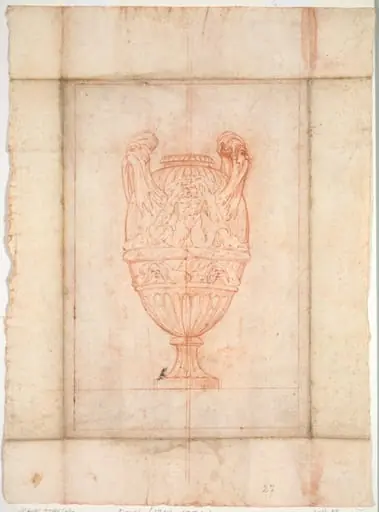
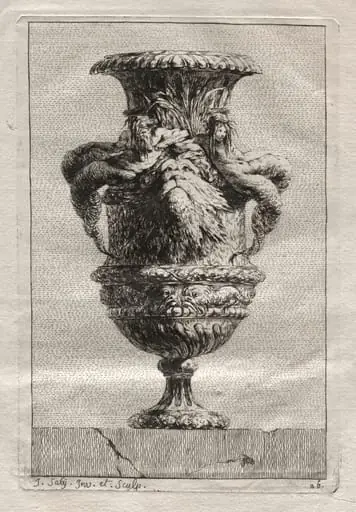
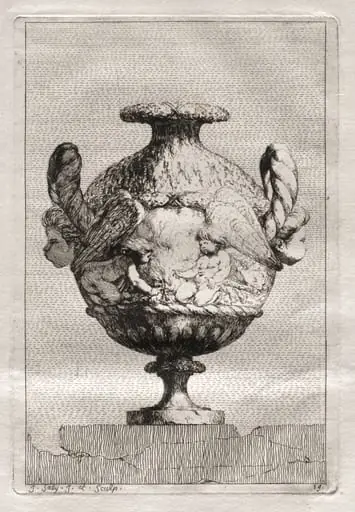
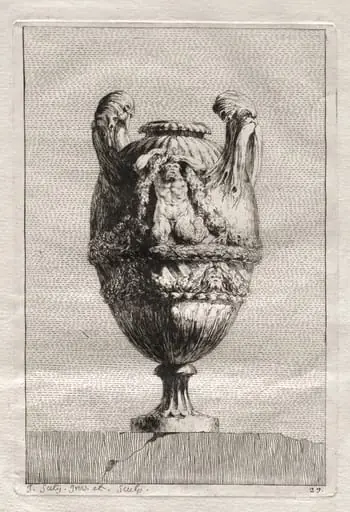
This etching shows a fancy vase covered in wild creatures. A lion, a bird and a snake curl around the sides. The lines are crisp and clean.
Saly studied old vase designs but made his own twist. He added imaginary beasts to make them feel alive.
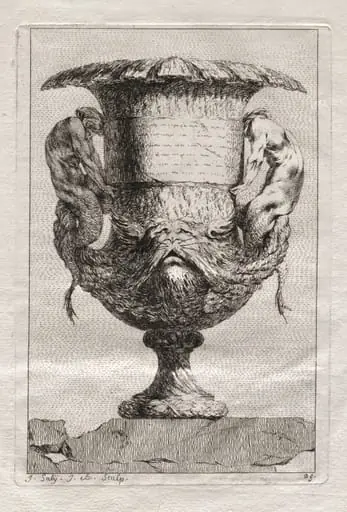
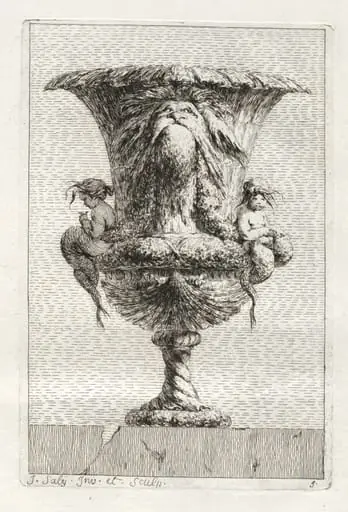
Check out Saly’s other vase etchings in the same set. Look for artist: Jacques François Saly (French, 1717–1776).
Overview
Jacques François Saly produced a series of thirty etchings in the 1740s, each depicting an ornamental vase. Created during his time at the French Academy in Rome, the suite reflects a fascination with classical forms reimagined through inventive decoration. Plate 28 exemplifies his approach: rooted in antiquity but transformed by imaginative embellishment.
Subject & Meaning
The vase in Plate 28 is adorned with a lion, a bird, and a serpent, entwined in dynamic, non-classical poses. These creatures, drawn from myth and natural observation rather than historical precedent, suggest vitality and movement. Saly’s choices depart from restrained antiquarianism, implying a desire to animate static forms with symbolic energy.
Technique & Style
Saly employed crisp, precise etching lines to define each creature and the vase’s contours. The clarity of the lines enhances the three-dimensionality of the forms, despite the flat medium. His technique balances meticulous detail with rhythmic composition, allowing fantastical elements to coexist with structural clarity.
History & Provenance
Saly created the suite between 1740 and 1746 while studying in Rome, where exposure to ancient artifacts inspired his work. The etchings were published as a set, likely intended for artists and collectors interested in decorative design. Their circulation helped disseminate his reinterpretations of classical motifs across European artistic circles.
Context
Mid-18th-century Europe saw renewed interest in antiquity, but artists increasingly sought to personalize classical models. Saly’s vases respond to this trend by blending archaeological reference with Baroque sensibility. His use of hybrid creatures aligns with broader decorative experiments in Rococo and early Neoclassical design.
Legacy
Saly’s etchings influenced later designers by demonstrating how classical forms could be dynamically reinterpreted. Though not widely known today, the suite contributed to evolving ideas about ornamentation in decorative arts. His willingness to depart from strict historicism paved the way for more expressive approaches in 19th-century design.
Artist & collection
Artist
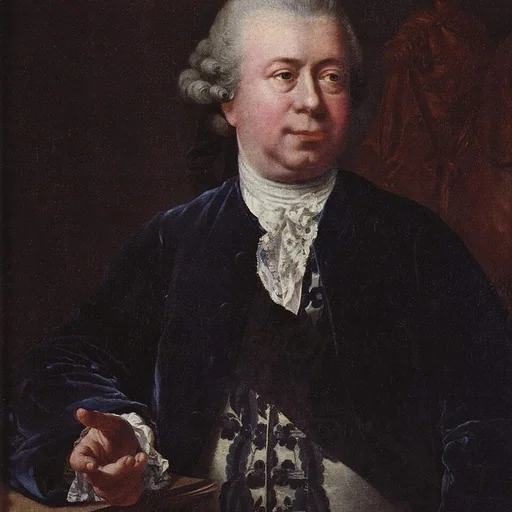
Jacques François Joseph Saly, also known as Jacques Saly (20 June 1717 – 4 May 1776), French-born sculptor who worked in France, Italy and Malta.