Artwork
Vue de la cour du Château de Blois
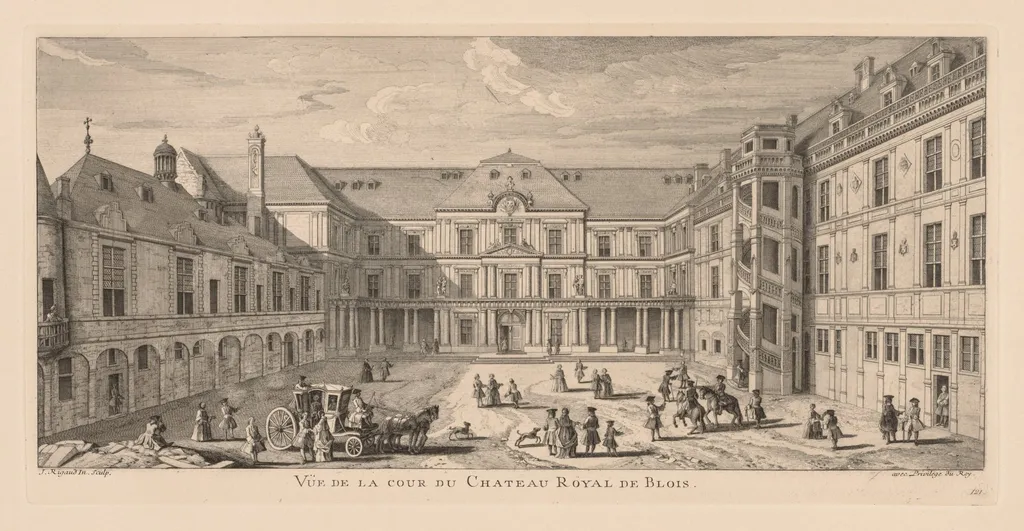
Vue de la cour du Château de Blois is a print by the Baroque artist Jacques Rigaud. It dates from 1727 and is held in the collection of the Cleveland Museum of Art.
About this work
Overview
Rendered with precise linear detail and subtle tonal gradations, the work captures the architectural grandeur of the Renaissance palace.
Created in 1727 by Jacques Rigaud, this ink and wash drawing depicts the inner courtyard of the Château de Blois in France. Rendered with precise linear detail and subtle tonal gradations, the work captures the architectural grandeur of the Renaissance palace. The composition emphasizes symmetry and spatial depth, characteristic of topographical drawings of the period. It is part of the collection at The Cleveland Museum of Art.
Subject & Meaning
The scene portrays the courtyard as a lived-in space, with figures in 18th-century attire moving between the buildings—on foot, in a carriage, or pausing near staircases. Though the setting is formal, the presence of daily activity suggests the château as a functioning royal residence rather than a static monument. The quiet bustle implies continuity of court life under Louis XV, even as architectural styles evolved.
Technique & Style
Rigaud employed fine pen lines and layered washes to model the stone surfaces of the buildings, creating a sense of volume and texture. The light, even sky contrasts with the darker, shaded architecture, enhancing three-dimensionality. The perspective is carefully controlled, with receding lines guiding the eye toward the central axis. This method reflects the precision valued in French architectural drawing of the early 18th century, blending documentary accuracy with aesthetic refinement.
History & Provenance
The drawing was made during a period of renewed interest in documenting France’s royal residences. Rigaud, known for his architectural studies, likely produced it as part of a broader effort to record significant buildings. It entered the Cleveland Museum of Art’s collection in the 20th century, having passed through private hands in France before its acquisition. Its preservation reflects its value as a historical record of the château’s appearance in the early 1700s.
Context
The Château de Blois, a royal residence since the Middle Ages, had been modified over centuries, with its most prominent wings built under Francis I and Louis XII. By 1727, the court had largely moved to Versailles, yet Blois retained ceremonial and administrative functions. Rigaud’s drawing captures the building in a transitional phase—no longer the center of power but still a symbol of royal heritage, documented with care by artists commissioned to preserve its form.
Legacy
Rigaud’s work contributes to a tradition of French architectural documentation that influenced later topographical and archaeological studies. Its clarity and attention to detail make it a reference for historians studying the evolution of the château’s structure. Though not widely exhibited, the drawing remains a key example of how 18th-century artists balanced observation with formal composition, preserving the physical character of France’s historic buildings for future study.
Artist & collection


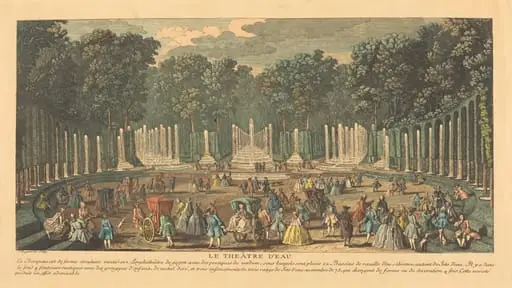 The Theatre of Water (Le Théâtre d'Eau)
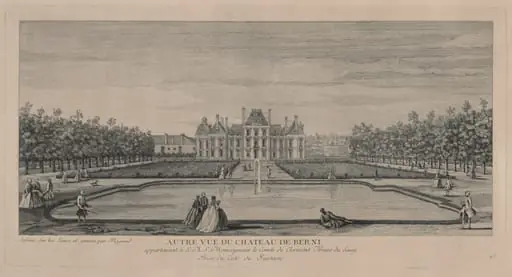 Chateau of Berny from the Gardens
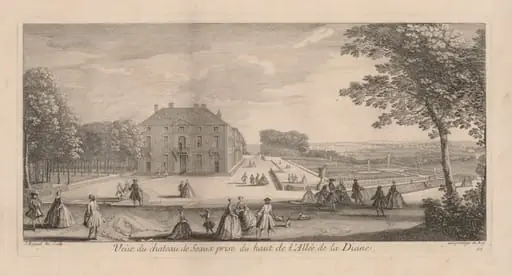 View of the Chateau de Seaux from Diana's Promenade
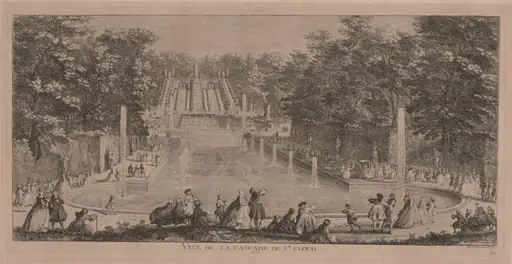 The Cascades of St. Cloud
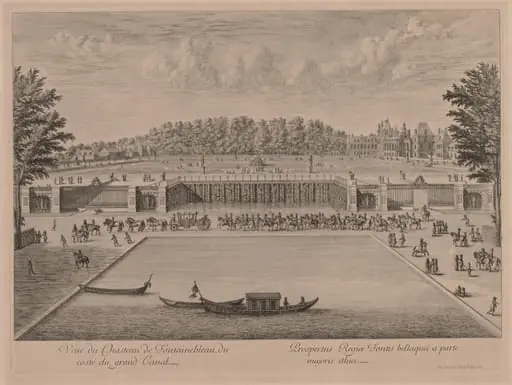 Chateau Fontainebleau from the Grand Canal
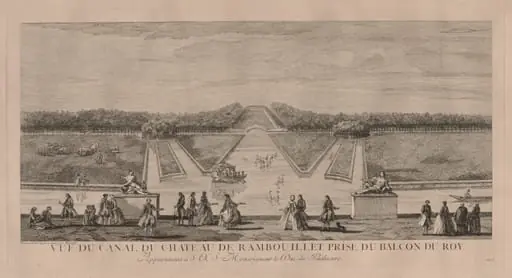 The Chateau from the Canal at Rambouillet
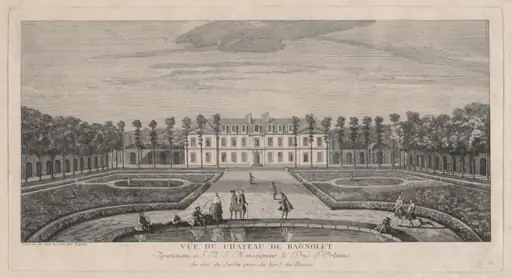 Chateau of Bagnolet
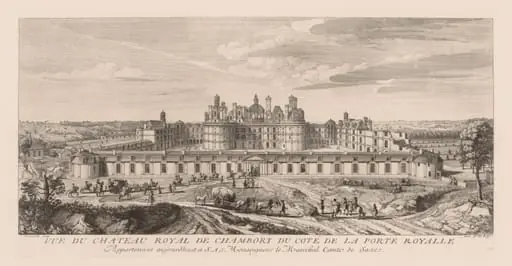 Vue du Château royal de Chambord, du côte de la Porte royale
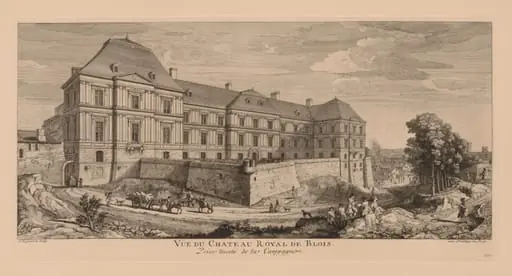 Vue du Château royal de Blois, prise du côté de la campagne
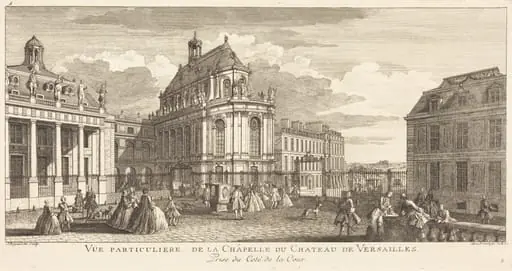 Vue Particuliere de la Chapelle du Chateau deVersailles
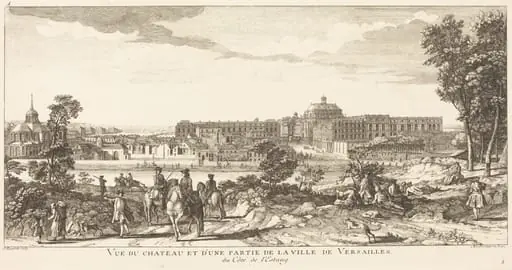 Vue du Chateau et d'une Partie de la Ville deVersailles
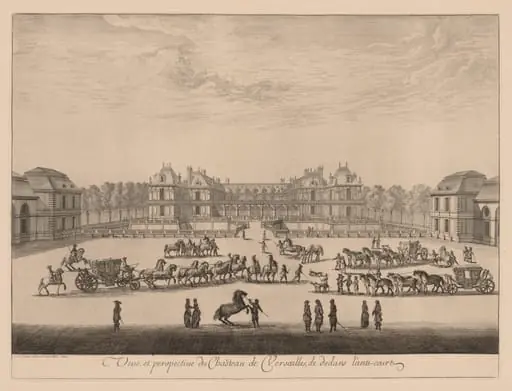 Vue et perspective du Château de Versailles, de dedans l'anti-cour
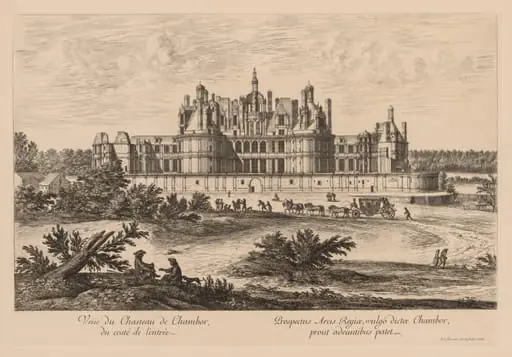 Vue du Château de Chambord, du côté de l'entrée
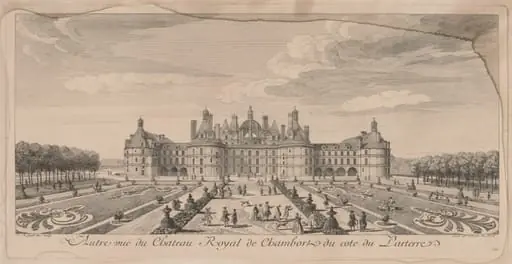 Chateau Chambord from the Gardens
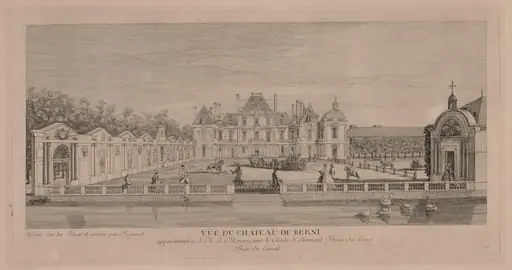 Chateau of Berny
 Chateau St. Maur