Artwork
Portrait du peintre Conrad Gessner dans la campagne romaine
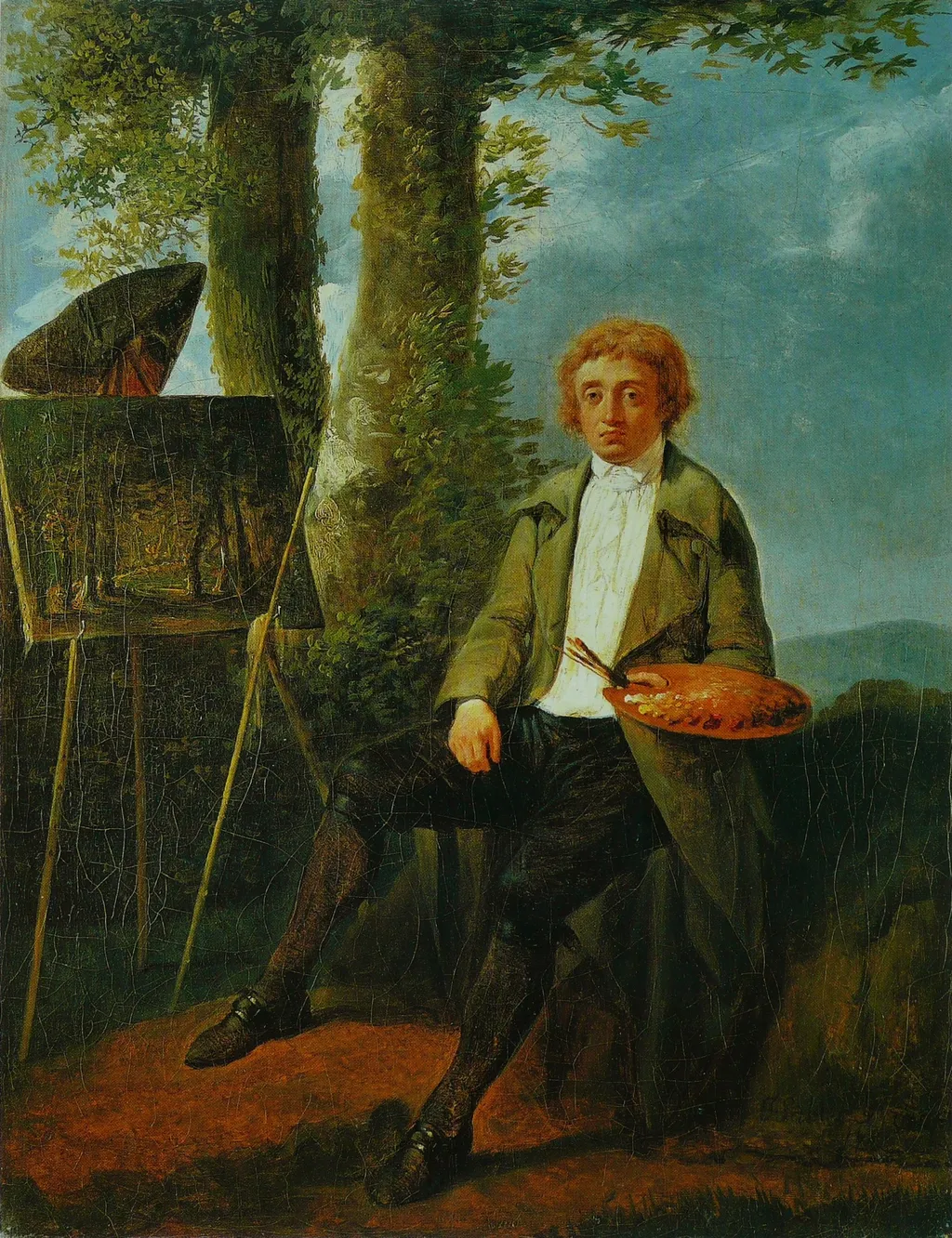
Portrait du peintre Conrad Gessner dans la campagne romaine is an oil painting by the Rococo painting artist Jacques Sablet. It dates from 1794 and is held in the collection of the Kunsthaus Zürich.
About this work
Overview
The scene blends scholarly identity with the tranquil rural setting, reflecting 18th-century ideals of the enlightened traveler immersed in classical antiquity.
Jacques Sablet painted this oil portrait in 1794, capturing the Swiss naturalist and physician Conrad Gessner in a Roman landscape. Though Gessner died over two centuries earlier, Sablet envisioned him as an observer of nature, engaged in artistic reflection. The scene blends scholarly identity with the tranquil rural setting, reflecting 18th-century ideals of the enlightened traveler immersed in classical antiquity.
Subject & Meaning
The portrait presents Conrad Gessner not as a historical figure in period dress, but as an idealized intellectual in dialogue with the natural world. Holding brushes and a palette, he is reimagined as an artist-naturalist, bridging scientific observation and aesthetic contemplation. The setting evokes the Romantic reverence for landscape, suggesting that understanding nature requires both study and sensitivity.
Technique & Style
Sablet employed soft, blended brushwork typical of late Rococo sensibilities, with gentle transitions between light and shadow. The palette is muted, dominated by earth tones and hazy greens, enhancing the atmospheric depth of the countryside. The figure is rendered with quiet precision, while the background dissolves into loose, impressionistic strokes, emphasizing the harmony between subject and environment.
History & Provenance
Painted during Sablet’s extended stay in Rome, the work reflects his familiarity with the region’s topography and cultural legacy. Though Gessner was a 16th-century figure, Sablet’s choice to depict him speaks to 18th-century scholarly fascination with Renaissance humanism. The painting entered the Kunsthaus Zürich collection in the 19th century, where it remains as part of Switzerland’s artistic heritage.
Context
In the late 18th century, European intellectuals idealized the Roman countryside as a space of moral and aesthetic renewal. Artists like Sablet, who lived among antiquities and ruins, often portrayed scholars and scientists in such settings to elevate their pursuits. This portrait aligns with broader trends linking natural philosophy, travel, and visual art in the Enlightenment era.
Legacy
Sablet’s portrait of Gessner endures as a quiet meditation on the intersection of science and art. It does not seek to document history literally but to honor the spirit of inquiry. The work contributes to a tradition of imagining historical figures in contemplative, natural settings, influencing later portrayals of intellectuals in landscape contexts.
Own this work as a print
Artist & collection
Artist
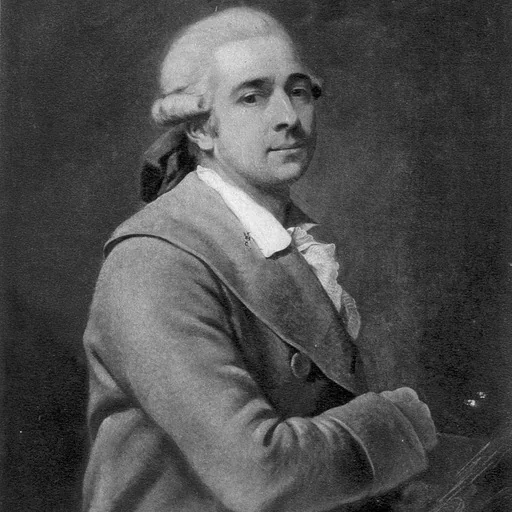
Jacques-Henri Sablet (b. 28 Jan. 1749, Morges, † 22 Aug.1803, Paris) was a Swiss-French painter, part of a family of artists of Swiss origin. He was also known as Franz der Römer, Giacomo Sablez, Giacomo Sablé, Jacob…

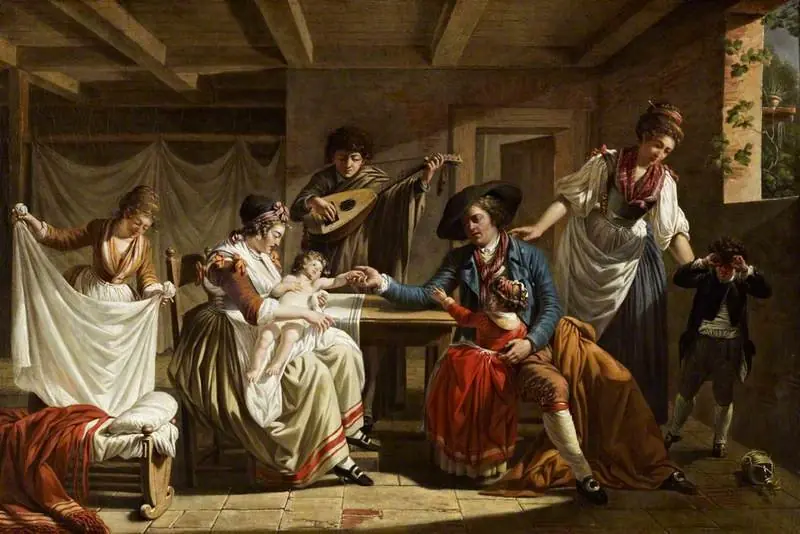
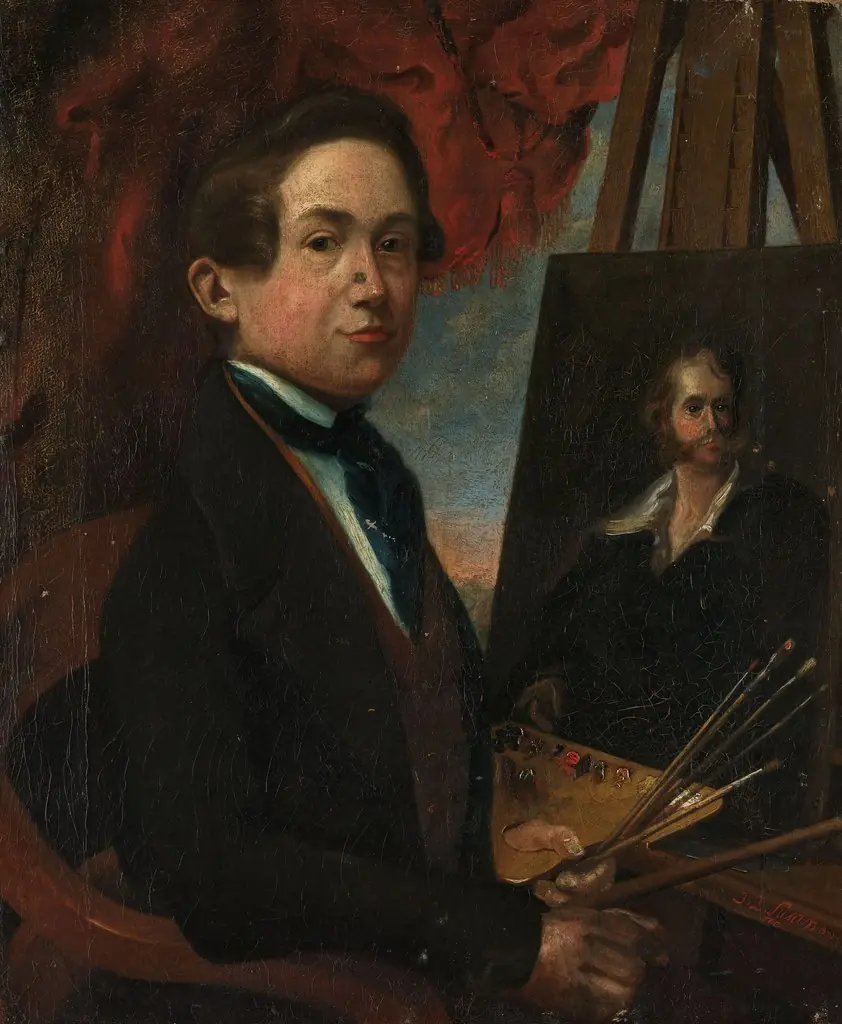 Self-Portrait
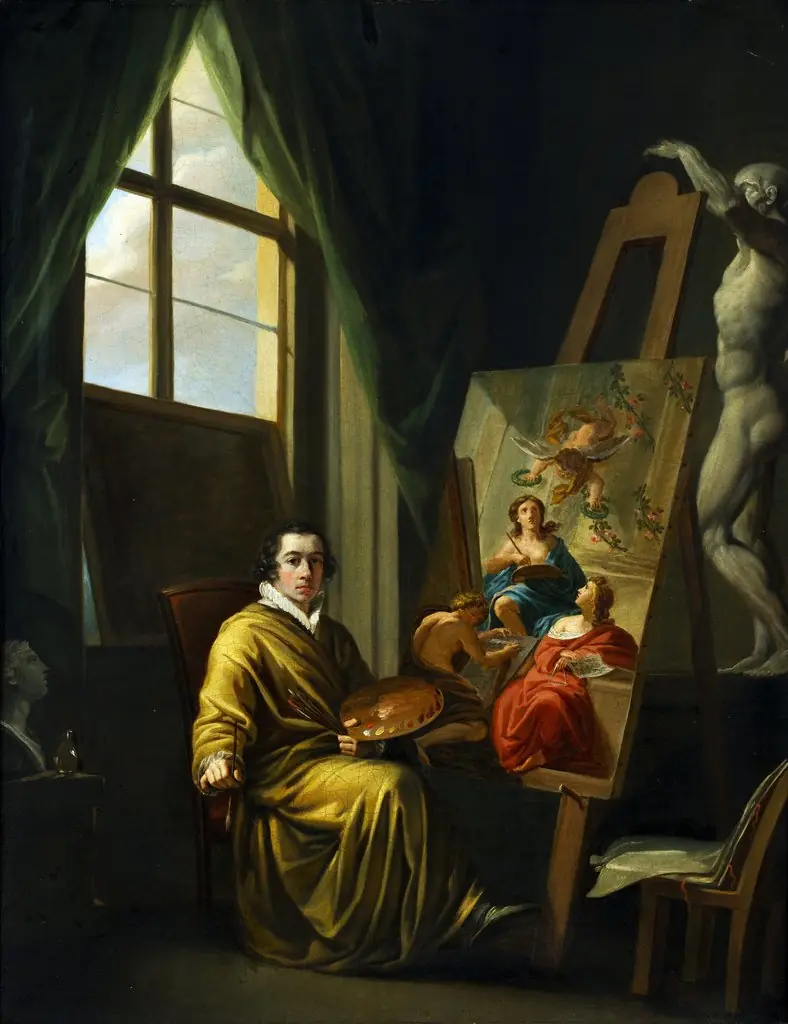 Self-Portrait in the Studio
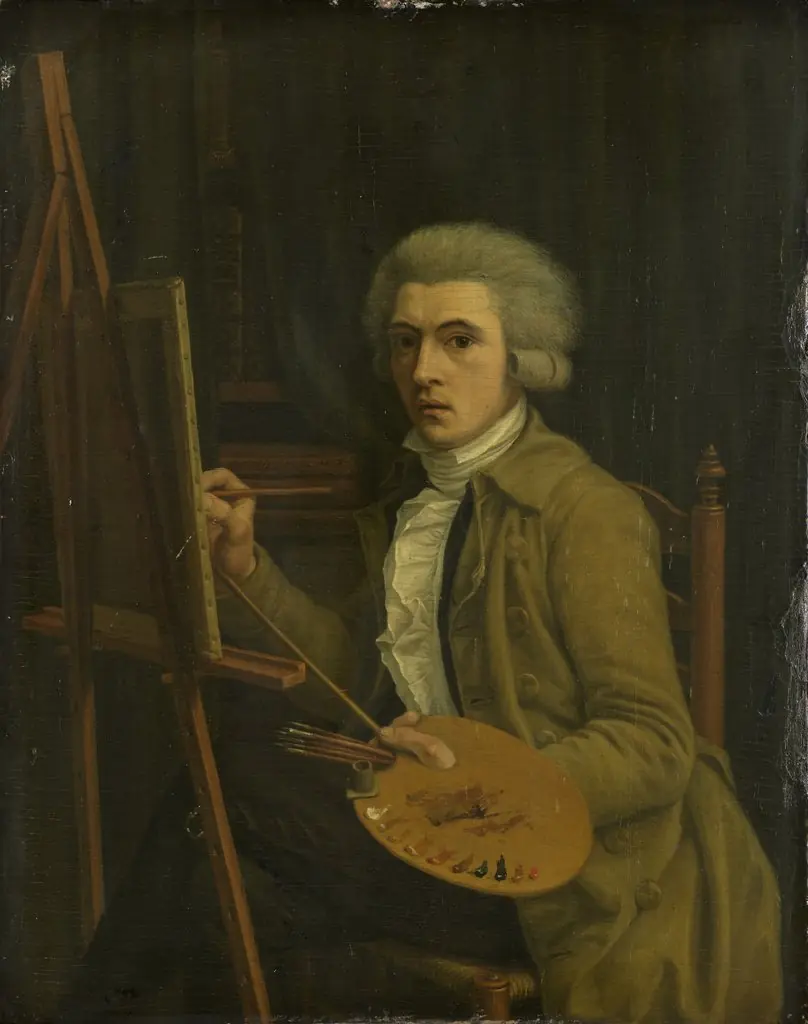 Portrait of a Painter, probably the Artist himself
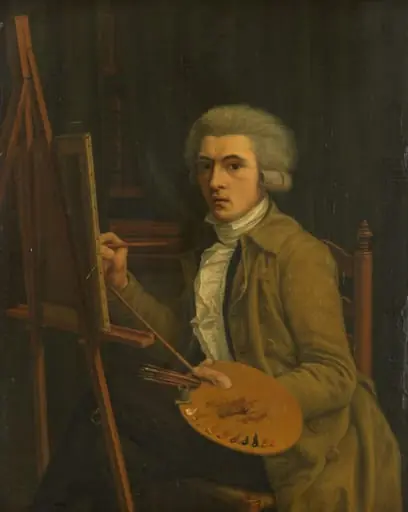 Portrait of a Painter, probably the Artist himself
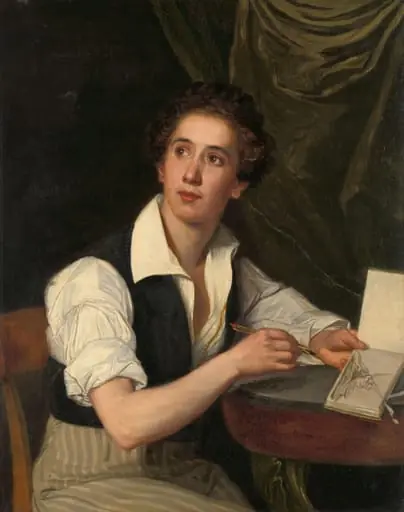 Self-Portrait
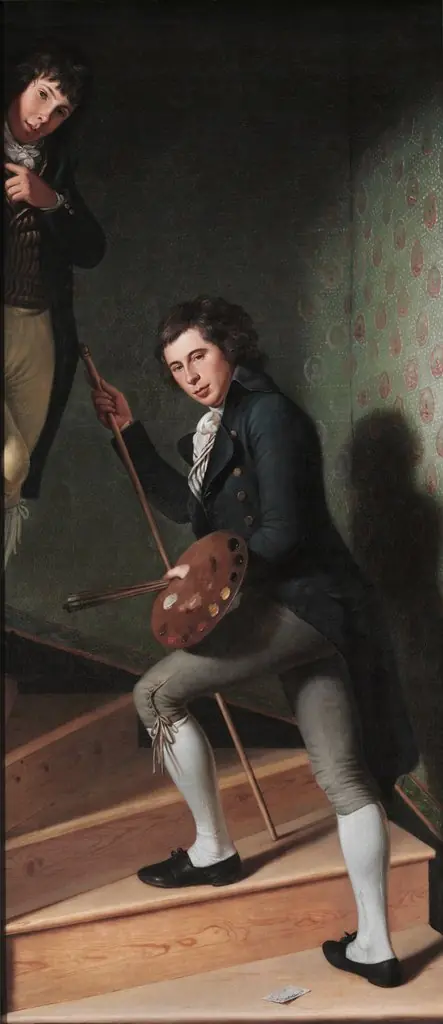 Staircase Group (Portrait of Raphaelle Peale and Titian Ramsay Peale I)
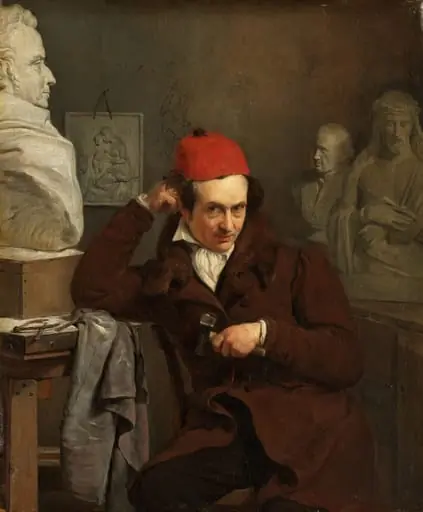 Portrait of Louis Royer
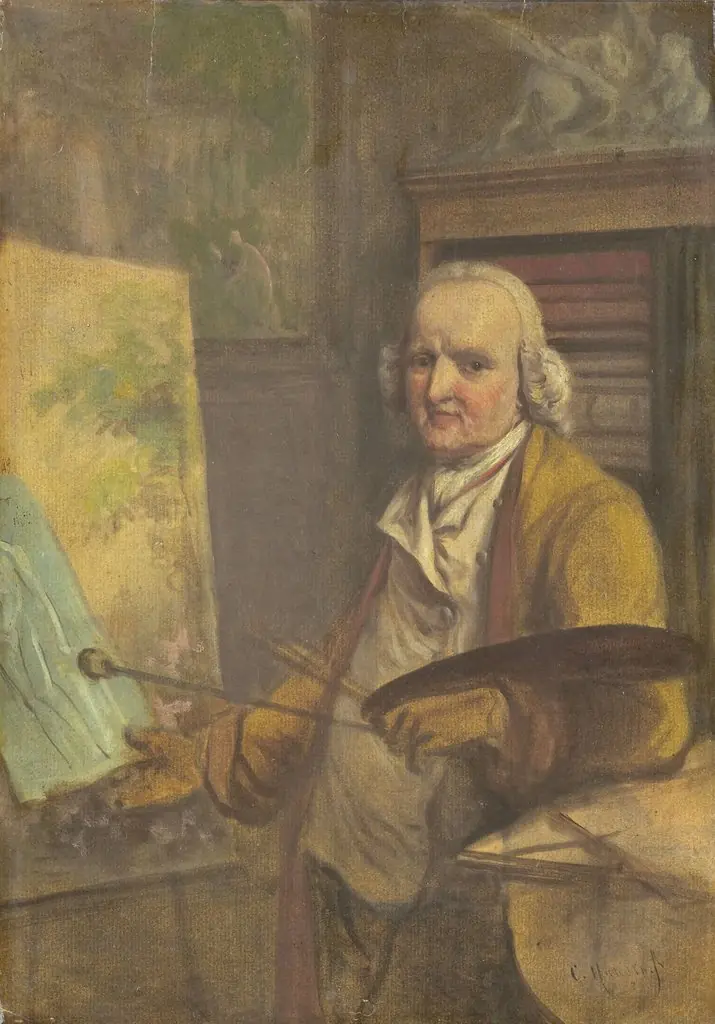 Self-Portrait
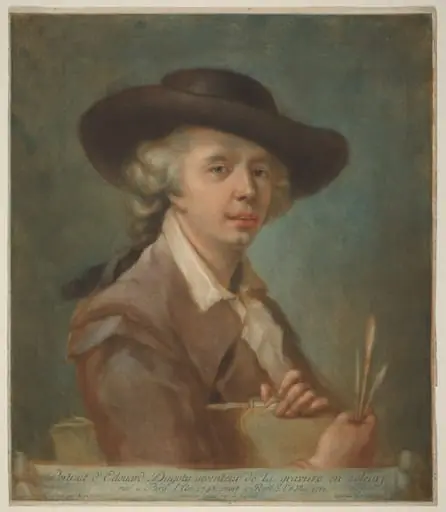 Edouard Gautier d'Agoty
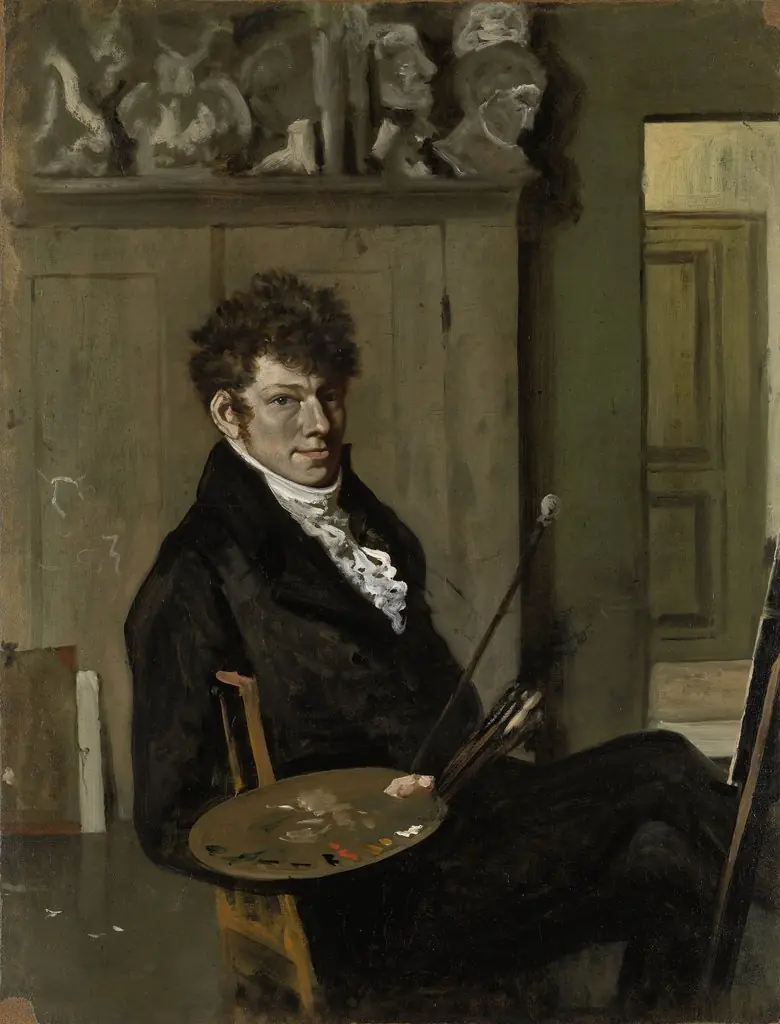 Self-portrait
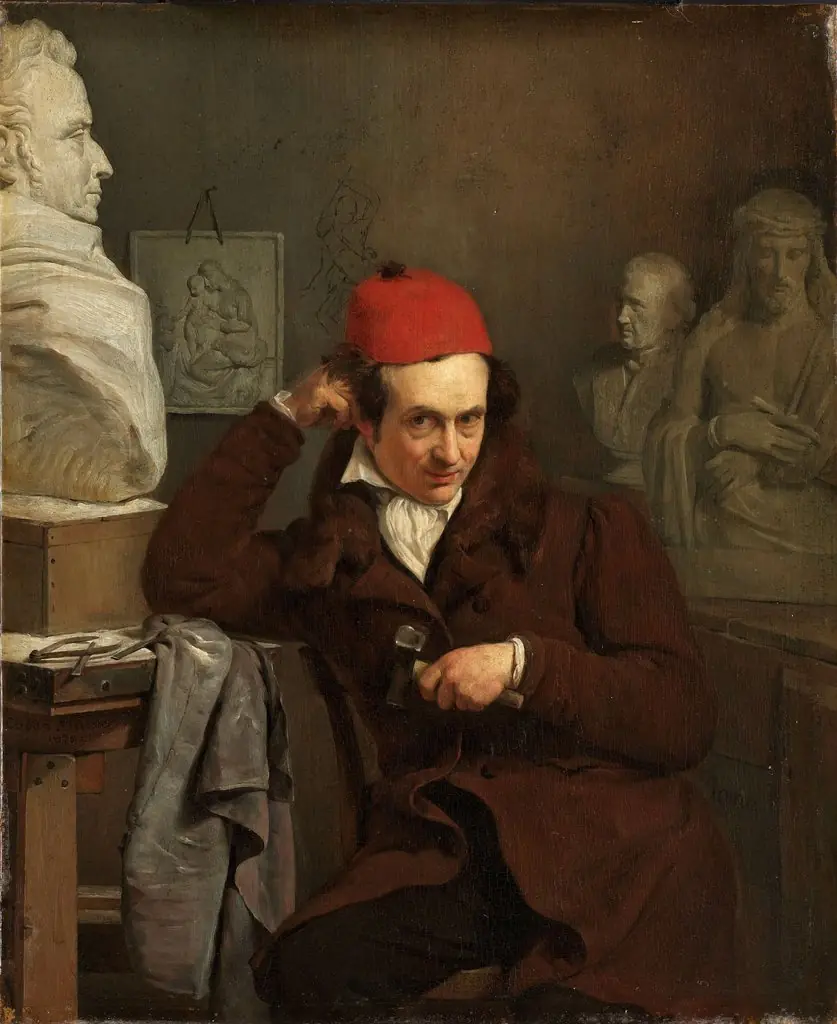 Portrait of Louis Royer