Artwork
Conrad Gessner vor der Staffelei im Freien
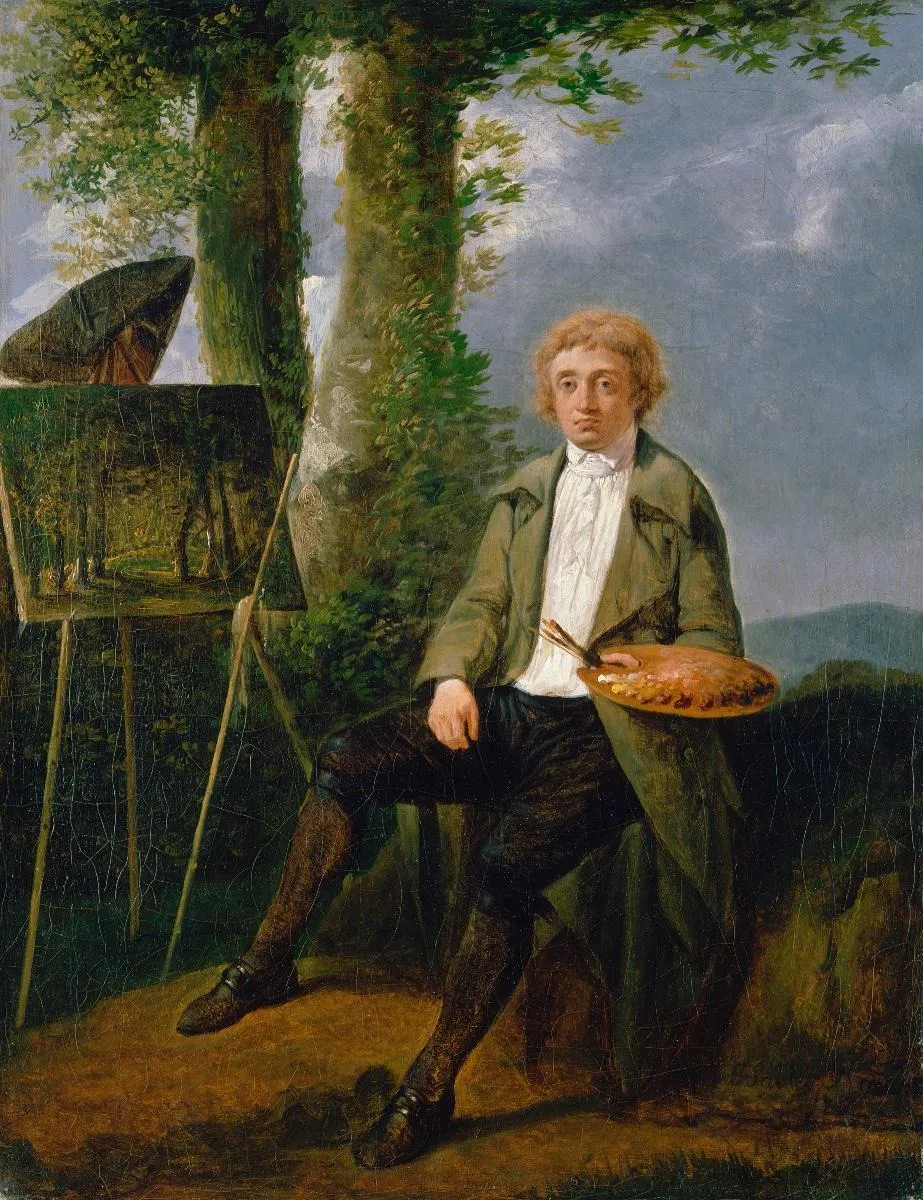
Conrad Gessner vor der Staffelei im Freien is an oil painting by the Rococo painting artist Jacques Sablet. It dates from 1794 and is held in the collection of the Kunsthaus Zürich.
About this work
Overview
Created during Sablet’s mature period, the work reflects his training in Rome and his alignment with late Rococo sensibilities.
Jacques Sablet’s 1794 oil painting portrays the Swiss naturalist Conrad Gessner engaged in outdoor sketching. Created during Sablet’s mature period, the work reflects his training in Rome and his alignment with late Rococo sensibilities. The painting is part of the Kunsthaus Zürich’s permanent collection, where it serves as a quiet tribute to the intersection of scientific observation and artistic practice in the 18th century.
Subject & Meaning
Conrad Gessner, renowned for his pioneering work in zoology and botany, is shown not as a scholar at his desk but as an active observer in nature. The scene suggests a moment of direct engagement with the natural world—painting from life rather than relying on specimens. This portrayal subtly elevates empirical study as a visual and tactile pursuit, aligning Gessner’s scientific ethos with the act of drawing from nature.
Technique & Style
Sablet employs chiaroscuro to model the figure against a soft, diffused landscape, lending volume to Gessner’s form and grounding him in the environment. The brushwork remains refined yet unobtrusive, with muted tones dominating the palette. While rooted in Rococo elegance, the composition avoids ornamental excess, favoring a restrained realism that underscores the subject’s intellectual seriousness over decorative flourish.
History & Provenance
Painted in 1794, the work entered the Kunsthaus Zürich’s holdings in the 19th century, likely through Swiss cultural networks that valued Gessner’s legacy. Sablet, then living in Switzerland after years in Italy, may have been commissioned to honor a national intellectual figure. The painting’s preservation reflects a broader 19th-century effort to visually canonize Enlightenment-era scholars.
Context
In the late 18th century, the practice of painting outdoors was gaining traction among naturalists and artists alike, as empirical study emphasized direct observation. Gessner, though deceased for over two centuries, was increasingly invoked as a symbol of this tradition. Sablet’s depiction situates him within contemporary artistic trends, bridging the gap between scientific documentation and the emerging Romantic ideal of nature as a site of contemplation.
Legacy
The painting endures as a visual emblem of the close relationship between natural history and artistic practice. While not widely reproduced, it remains a key reference in Swiss cultural memory, illustrating how scientific figures were reimagined through art in the post-Enlightenment era. Its quiet composition invites reflection on the quiet labor behind empirical knowledge.
Artist & collection
Artist
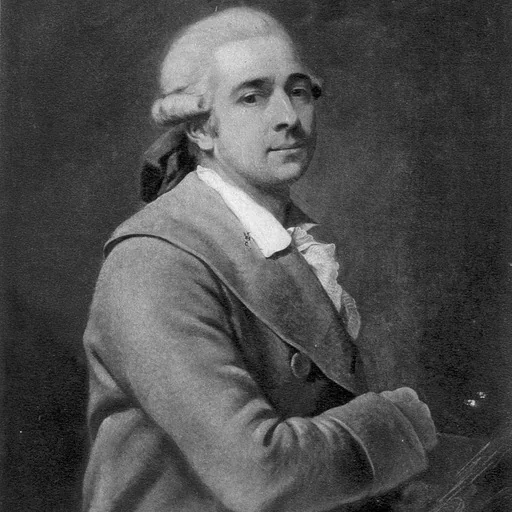
Jacques-Henri Sablet (b. 28 Jan. 1749, Morges, † 22 Aug.1803, Paris) was a Swiss-French painter, part of a family of artists of Swiss origin. He was also known as Franz der Römer, Giacomo Sablez, Giacomo Sablé, Jacob…

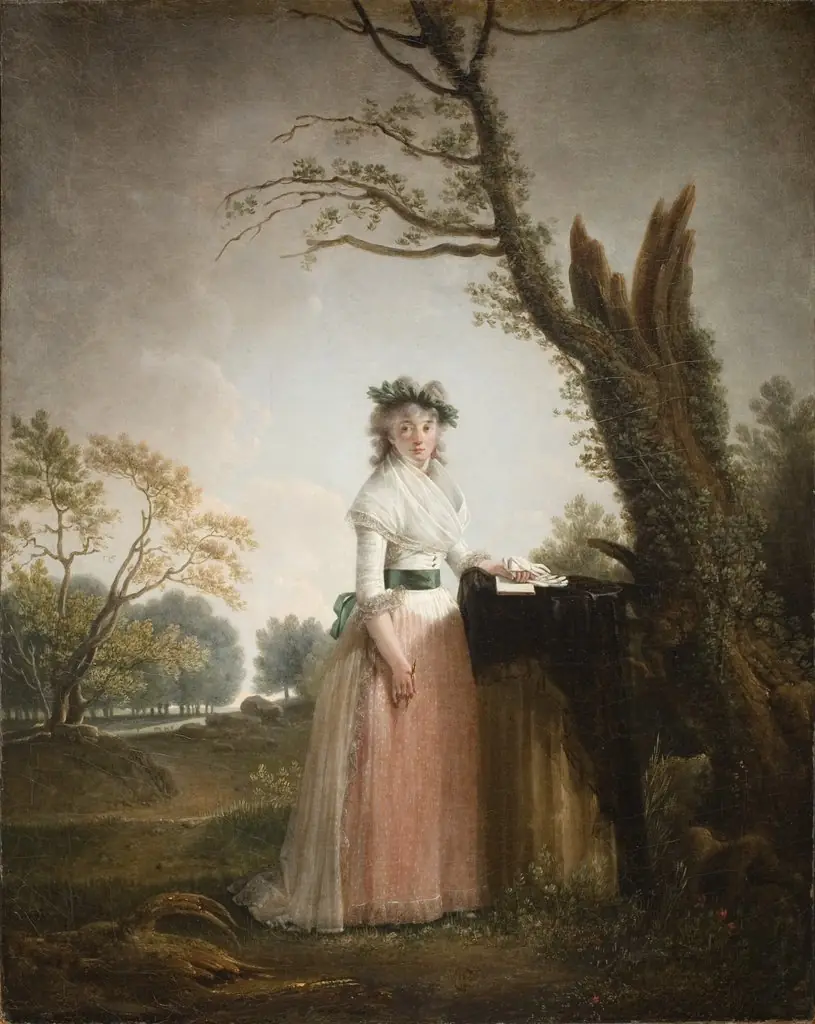 Portrait of Eleonora Chigi, Princess of Teano
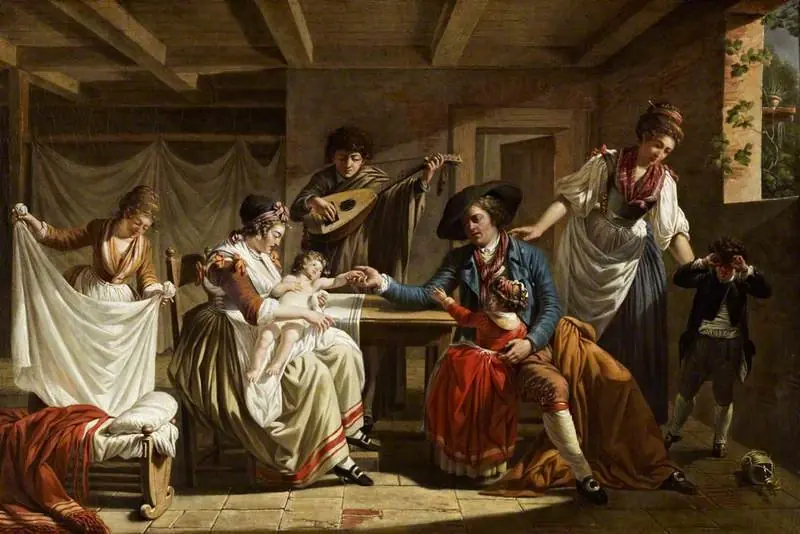 Happy family
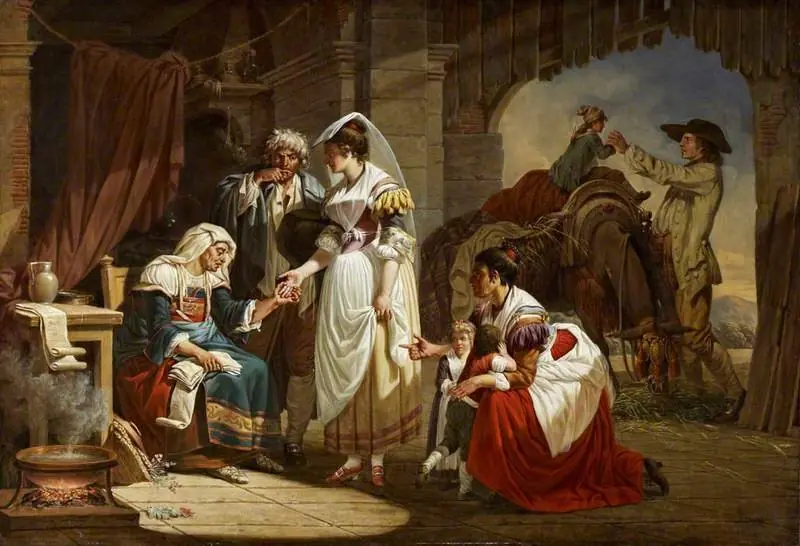 La Diseuse de Bonne Aventure (The Fortune Teller)
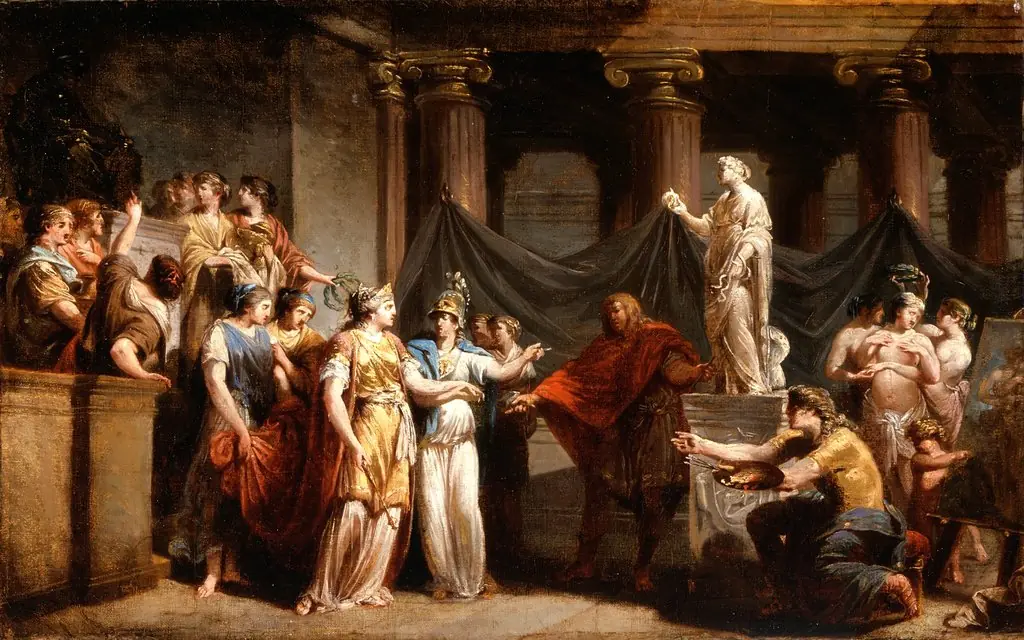 The Temple of the Liberal Arts, with the City of Bern and Minerva
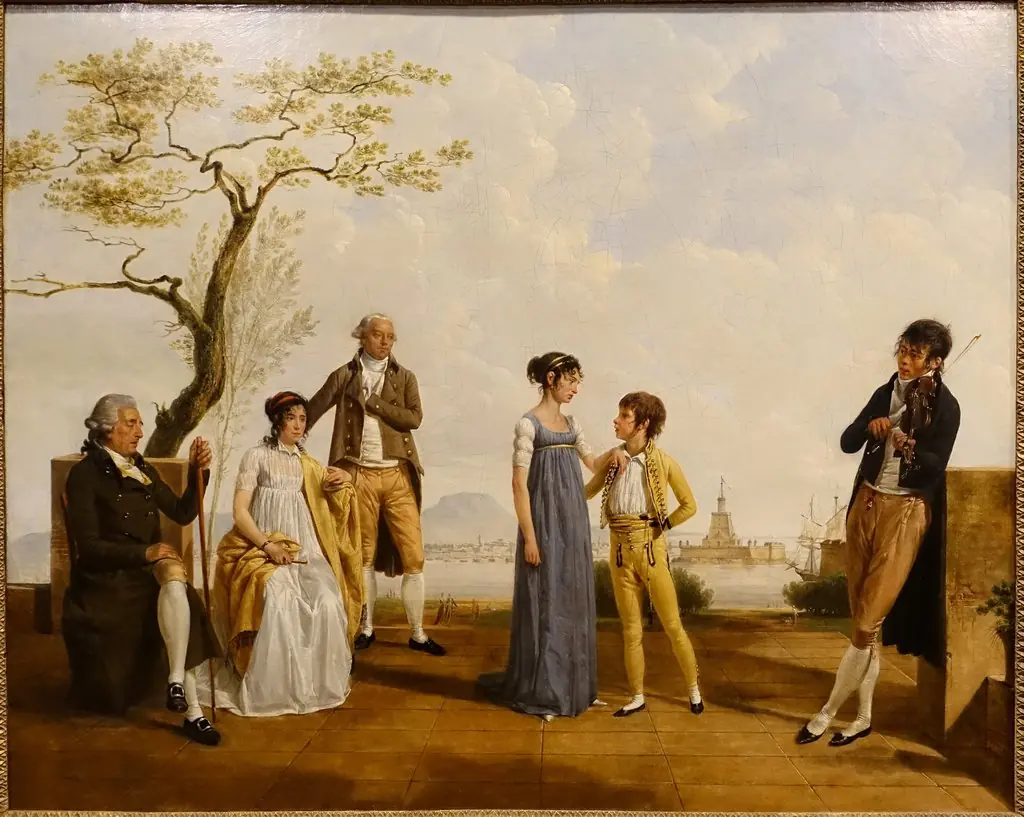 Family Portrait in front of a Harbour
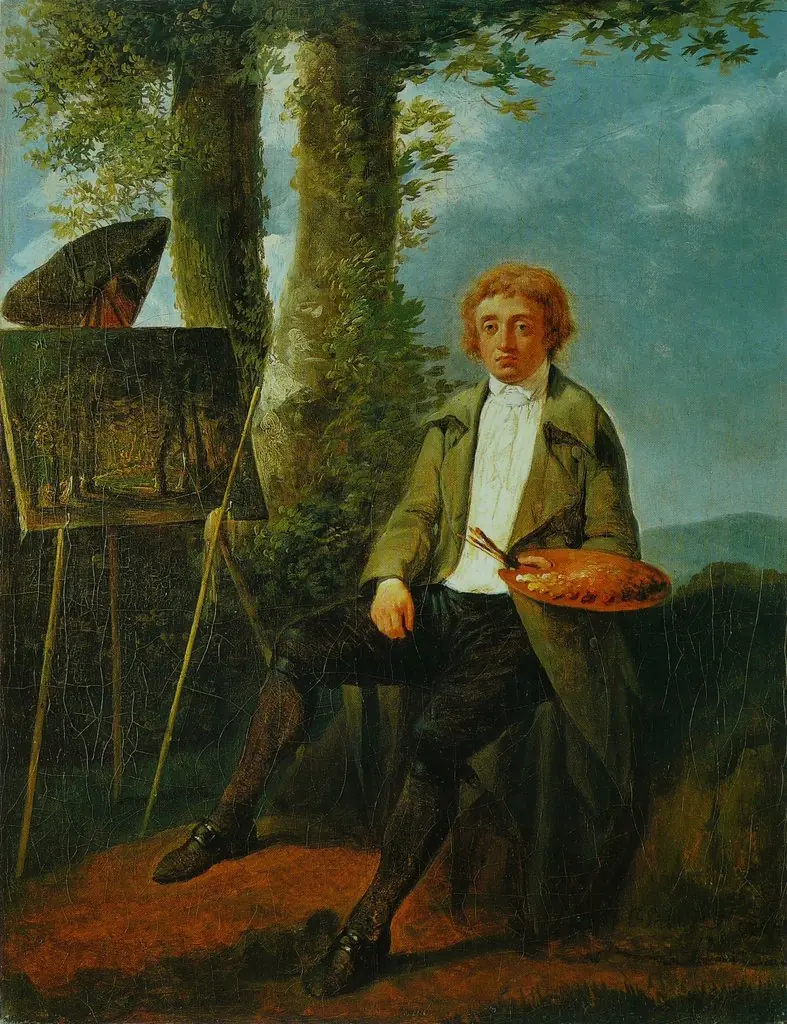 Portrait du peintre Conrad Gessner dans la campagne romaine
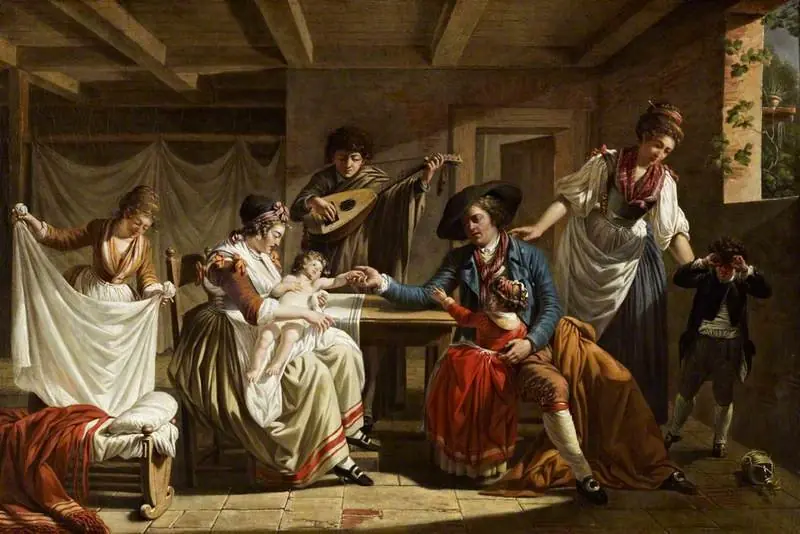 L'heureuse famille (The Happy Family)
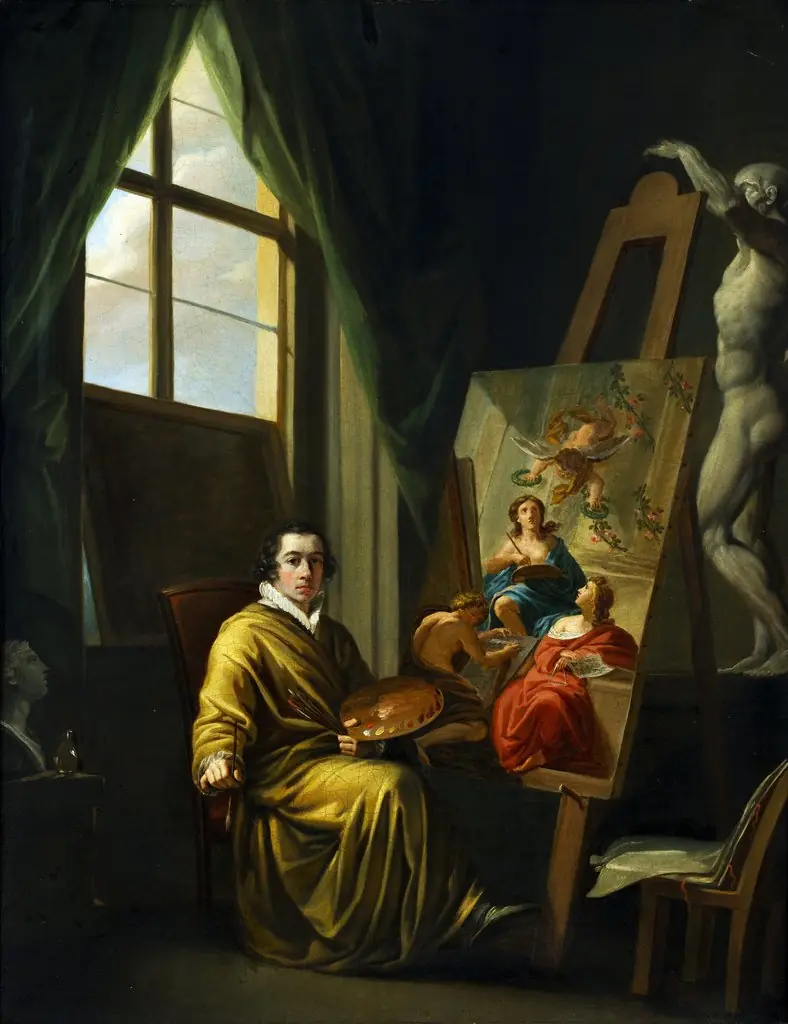 Self-Portrait in the Studio
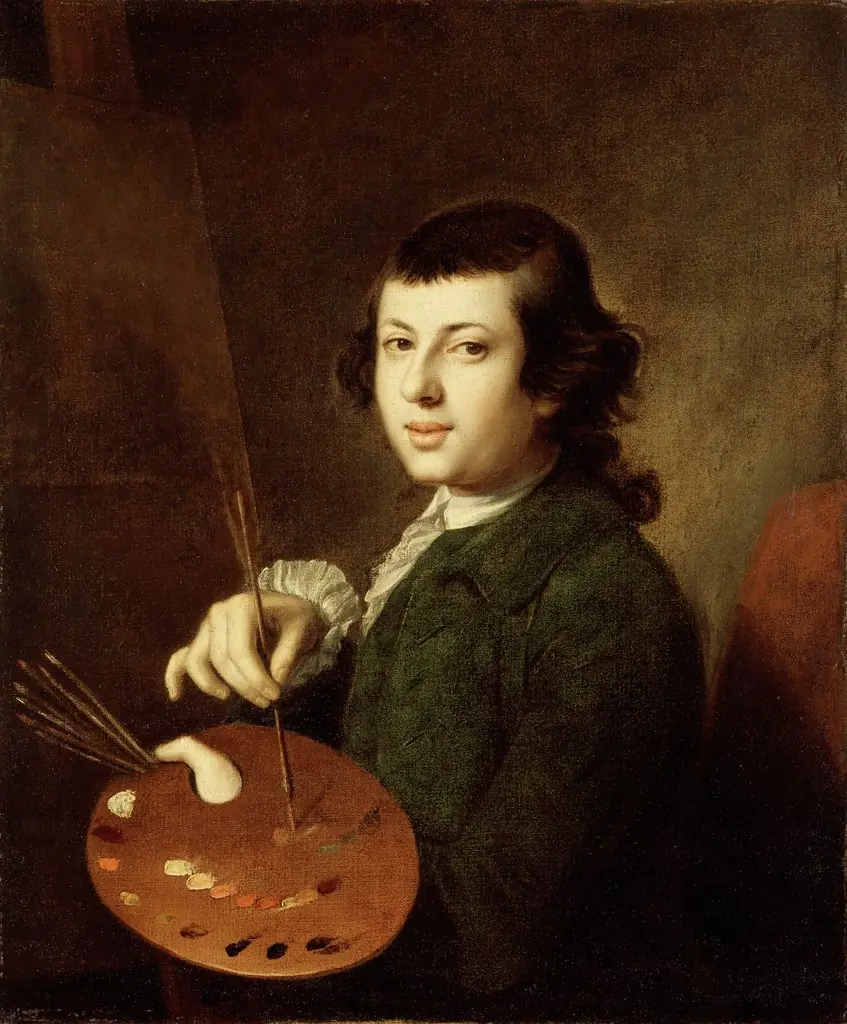 Portrait of an Artist
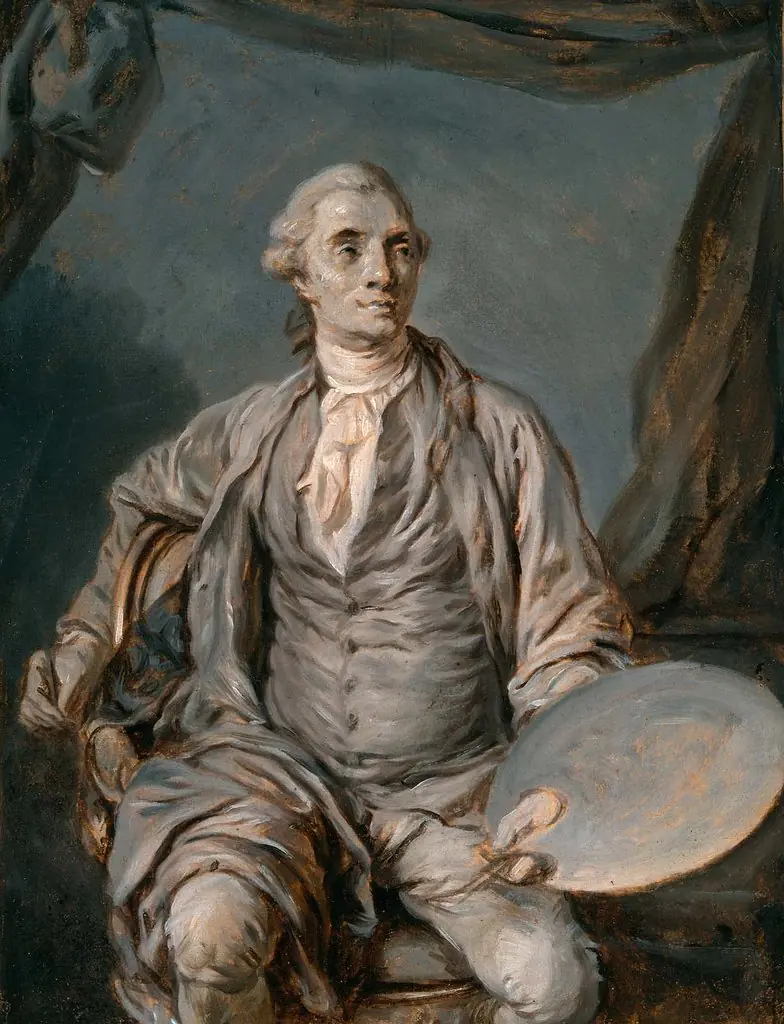 Joseph-Marie Vien with Palette
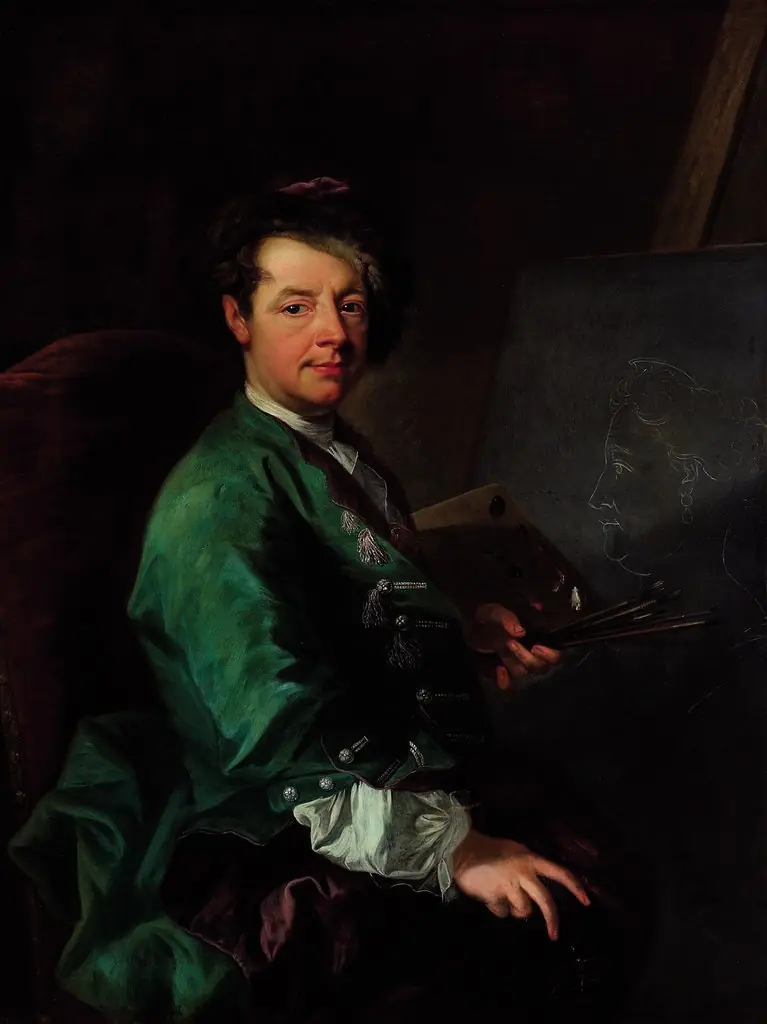 Self-portrait
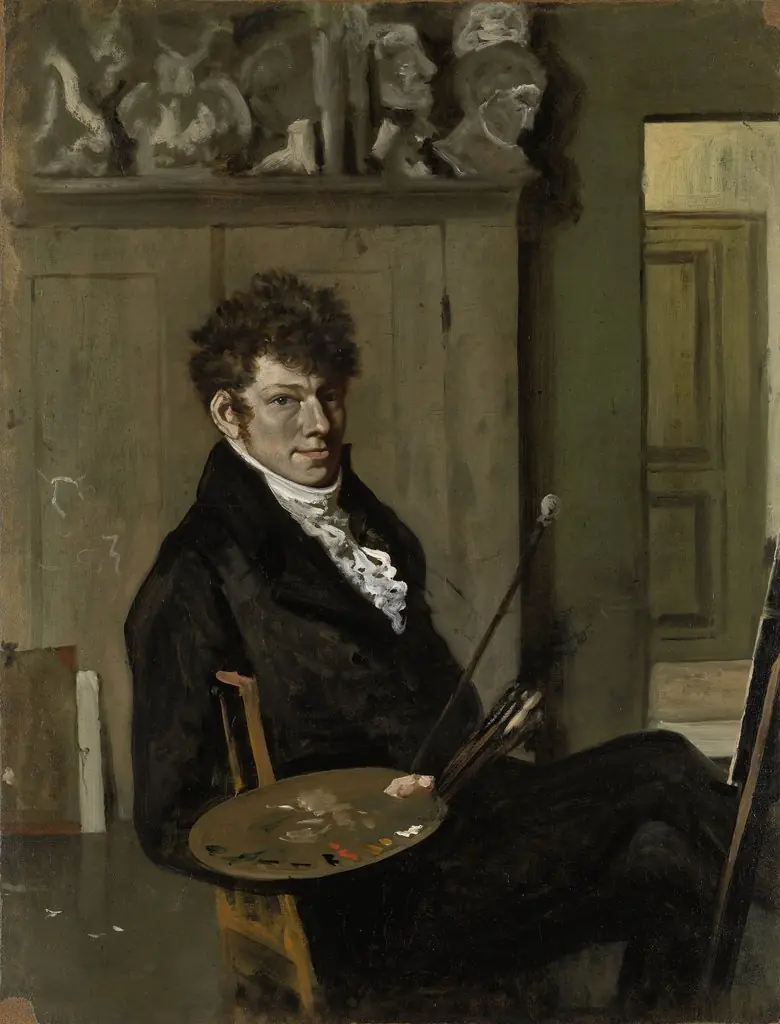 Self-portrait
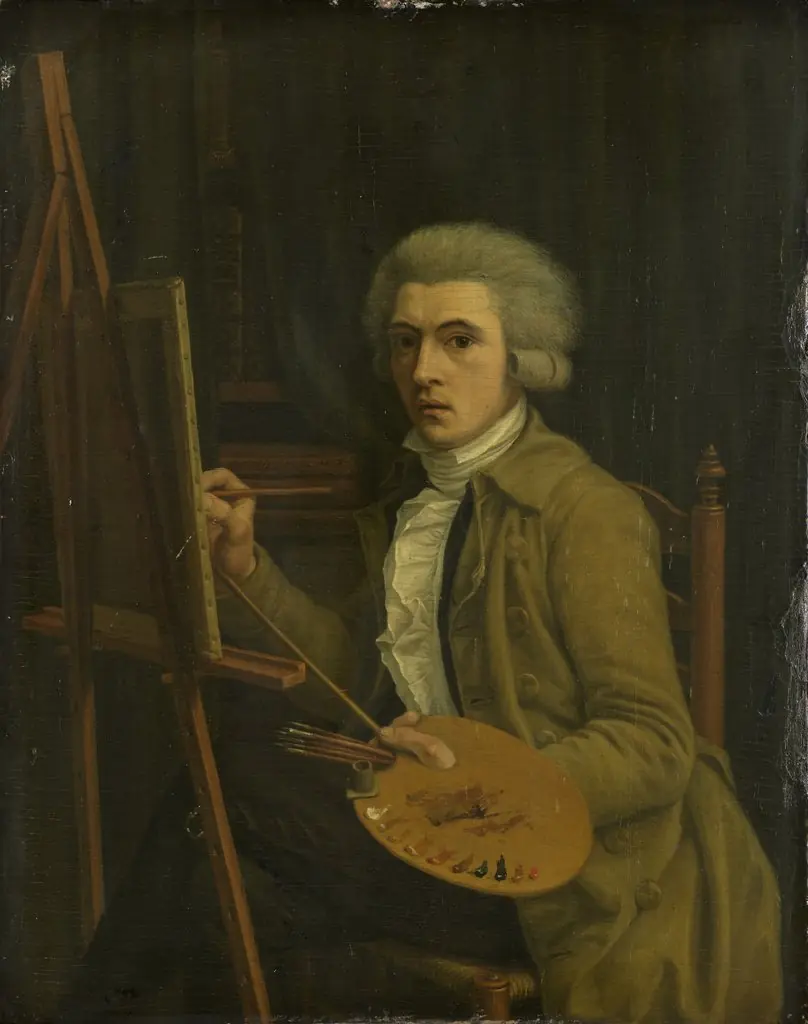 Portrait of a Painter, probably the Artist himself
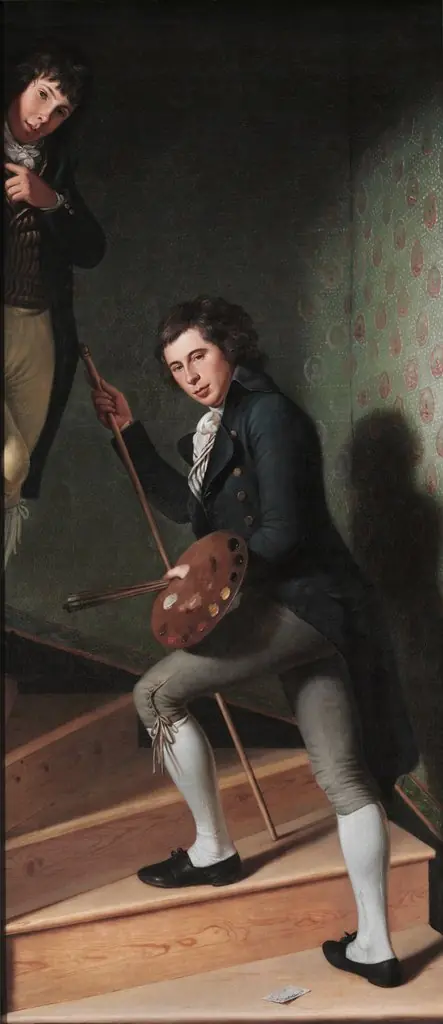 Staircase Group (Portrait of Raphaelle Peale and Titian Ramsay Peale I)
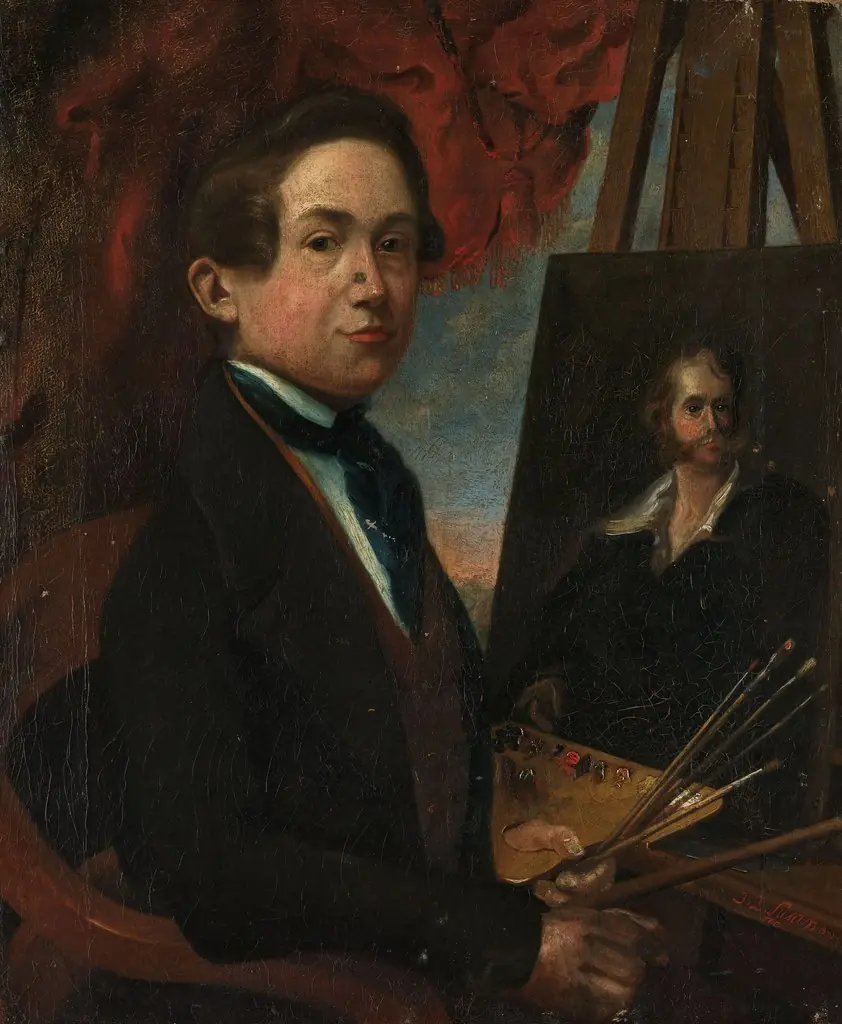 Self-Portrait
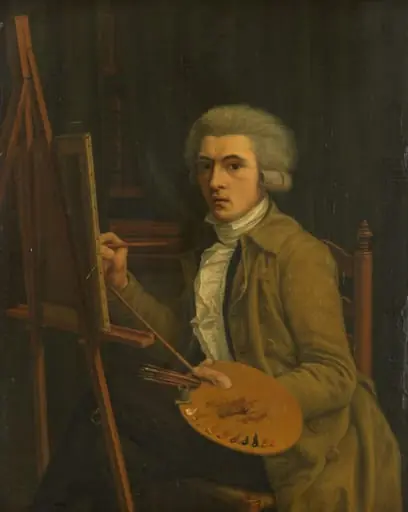 Portrait of a Painter, probably the Artist himself
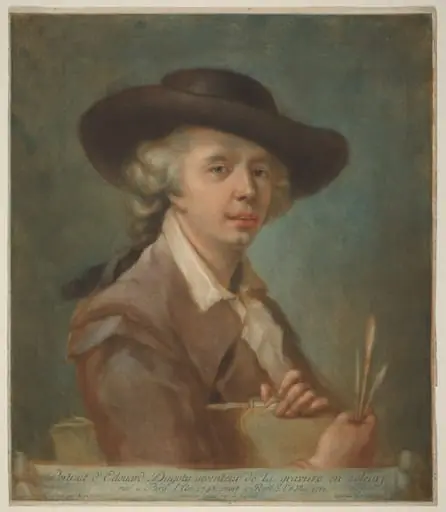 Edouard Gautier d'Agoty
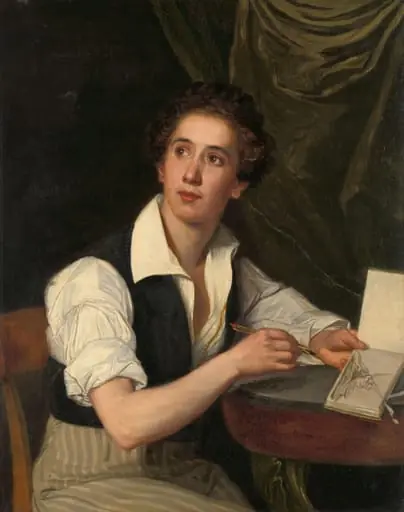 Self-Portrait