Artwork
The Temple of the Liberal Arts, with the City of Bern and Minerva
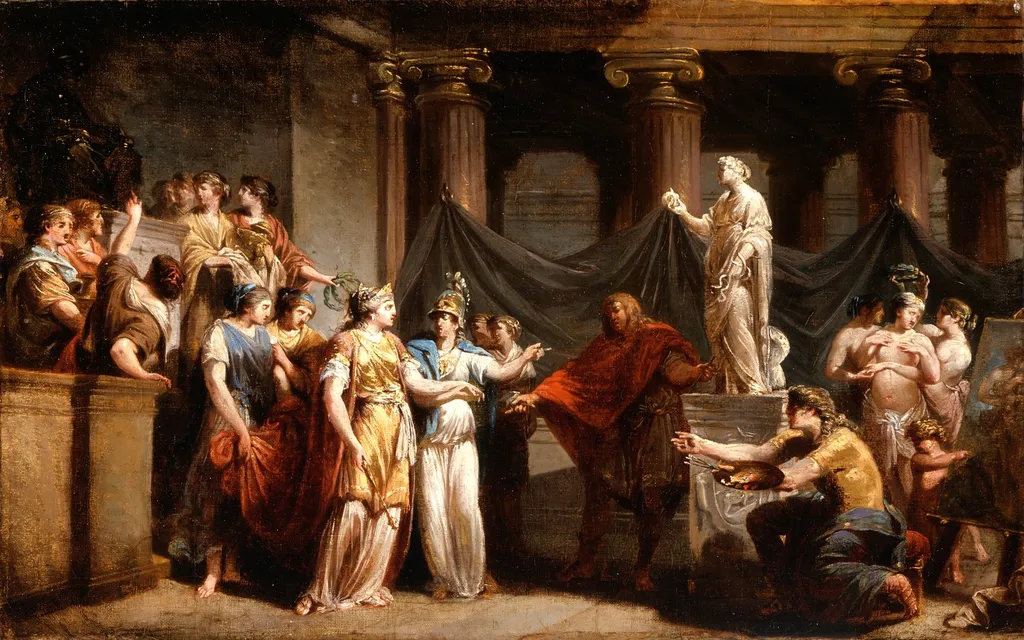
The Temple of the Liberal Arts, with the City of Bern and Minerva is an unspecified painting by Jacques Sablet. It dates from 1790 and is held in the collection of the Los Angeles County Museum of Art.
About this work
Overview
Painted in 1790 by Swiss-French artist Jacques Sablet, this work merges classical allegory with a recognizable topographical view.
Painted in 1790 by Swiss-French artist Jacques Sablet, this work merges classical allegory with a recognizable topographical view. Sablet, active in Paris and known also as Franz der Römer, synthesized his Swiss heritage with French academic traditions. The painting presents an idealized temple setting, blending architectural grandeur with civic identity, and remains in the collection of the Los Angeles County Museum of Art.
Subject & Meaning
The composition centers on Minerva, Roman goddess of wisdom and the arts, standing before a temple dedicated to the liberal arts. Figures in classical attire gather around her, some gesturing in reverence or study, suggesting an intellectual pilgrimage. The inclusion of Bern’s skyline in the background links this allegory to the city’s cultural aspirations, framing education and civic pride as intertwined ideals.
Technique & Style
Sablet employs chiaroscuro to isolate the temple and statue against a dim, atmospheric background, enhancing their monumentality. Figures are rendered with attention to drapery and posture, reflecting academic training in classical form. The palette favors muted earth tones with accents of red, gold, and blue, guiding the viewer’s eye toward the central statue while preserving a sense of spatial depth and quiet solemnity.
History & Provenance
Created during a period of intellectual ferment in Europe, the painting reflects Enlightenment ideals circulating in Swiss and French artistic circles. Sablet, part of a family of painters, maintained a career bridging Switzerland and France. The work entered LACMA’s collection in the 20th century, though its earlier ownership history remains largely undocumented.
Context
The late 18th century saw a surge in allegorical paintings celebrating knowledge and civic virtue, particularly in regions like Bern, which valued education and republican ideals. Sablet’s fusion of Roman iconography with a Swiss cityscape aligns with broader trends in Neoclassical art, where ancient forms were repurposed to legitimize contemporary cultural values.
Legacy
Though not widely exhibited, the painting exemplifies how regional identity was expressed through classical language in post-Enlightenment art. Sablet’s synthesis of local pride and universal symbolism offers insight into how smaller European cities positioned themselves within broader intellectual movements, without overt political rhetoric.
Own this work as a print
Artist & collection
Artist
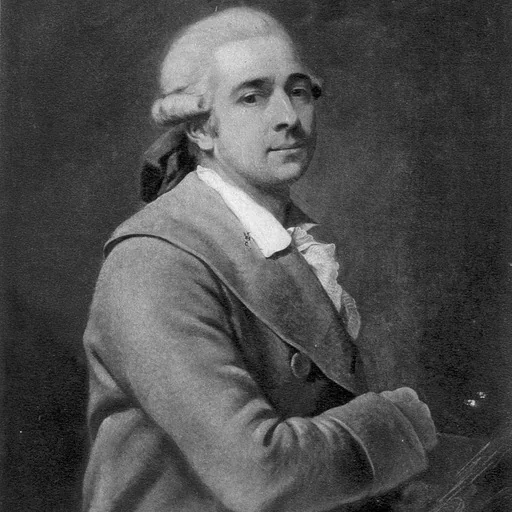
Jacques-Henri Sablet (b. 28 Jan. 1749, Morges, † 22 Aug.1803, Paris) was a Swiss-French painter, part of a family of artists of Swiss origin. He was also known as Franz der Römer, Giacomo Sablez, Giacomo Sablé, Jacob…

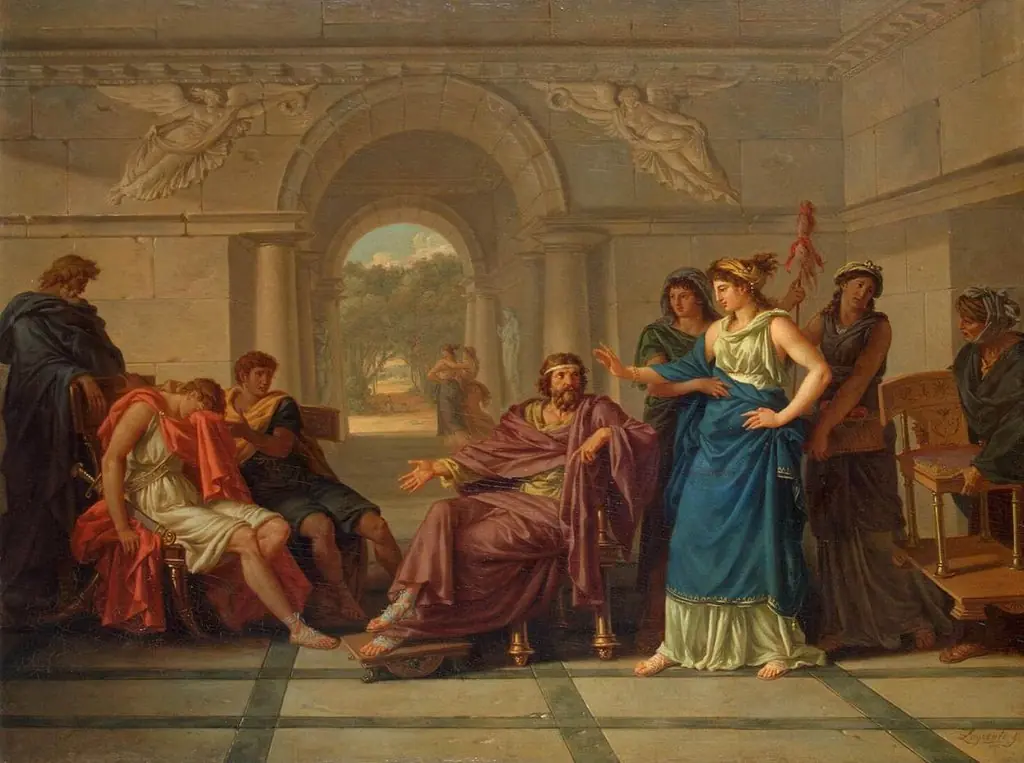 Helen Recognising Telemachus, Son of Odysseus
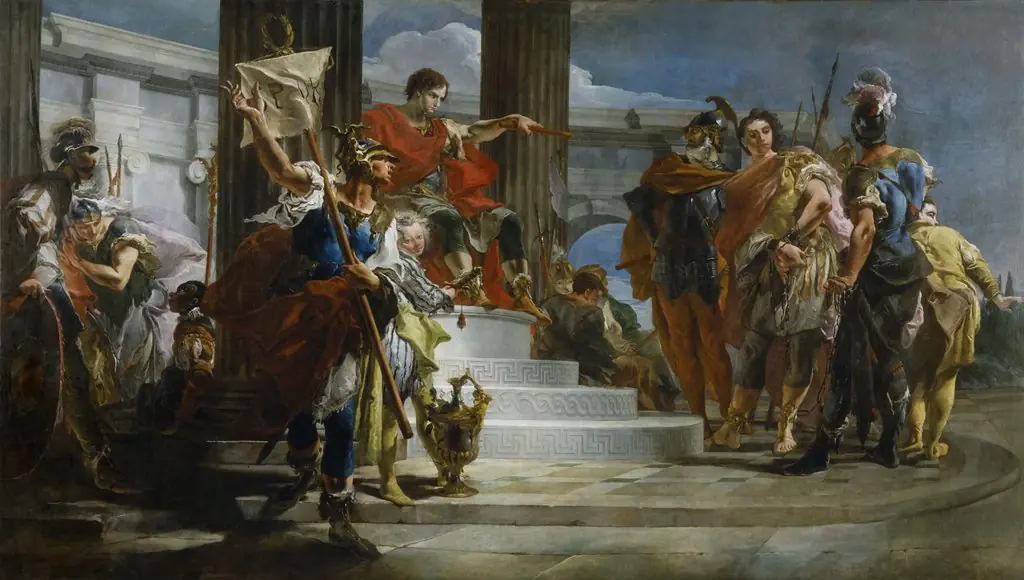 Scipio Africanus Freeing Massiva
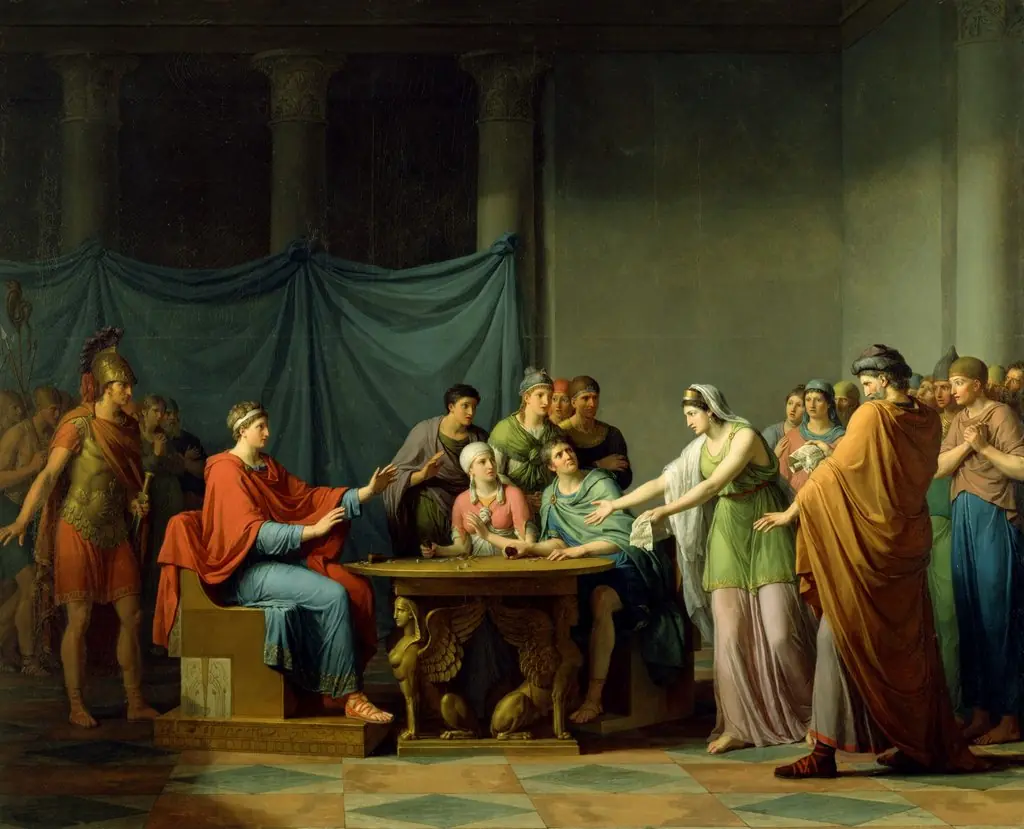 Berenice Reproaching Ptolemy
 Queen Zenobia Addressing Her Soldiers
 Solomon Receiving the Queen of Sheba
 Maecenas Presenting the Liberal Arts to Emperor Augustus
 The Meeting of Dido and Aeneas
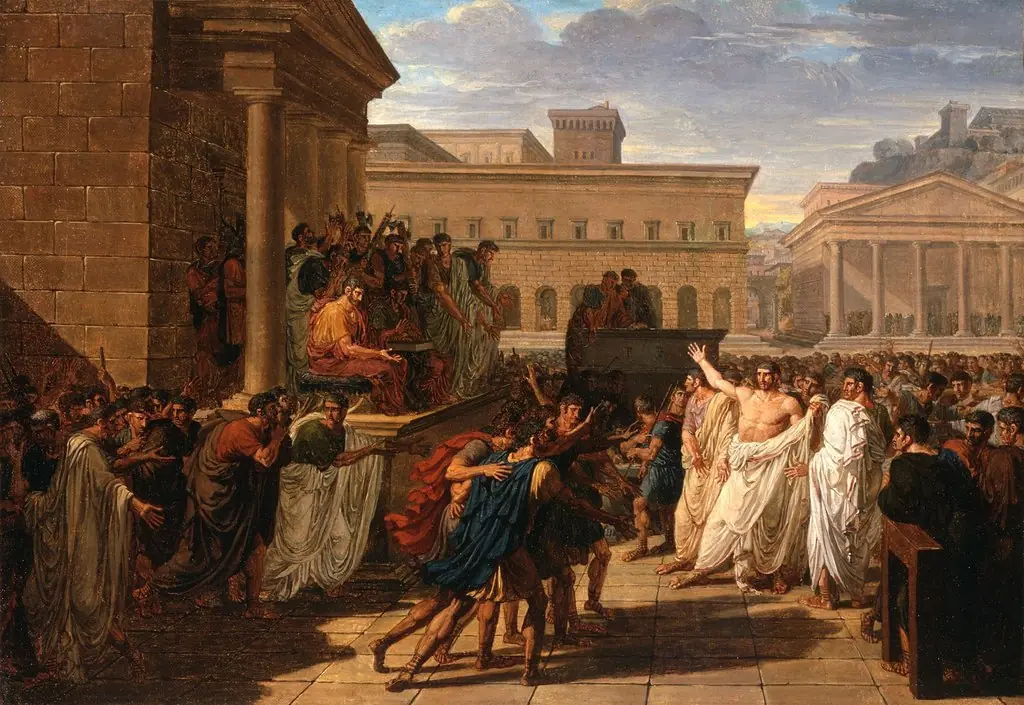 Brutus Listening to the Ambassadors from the Tarquins
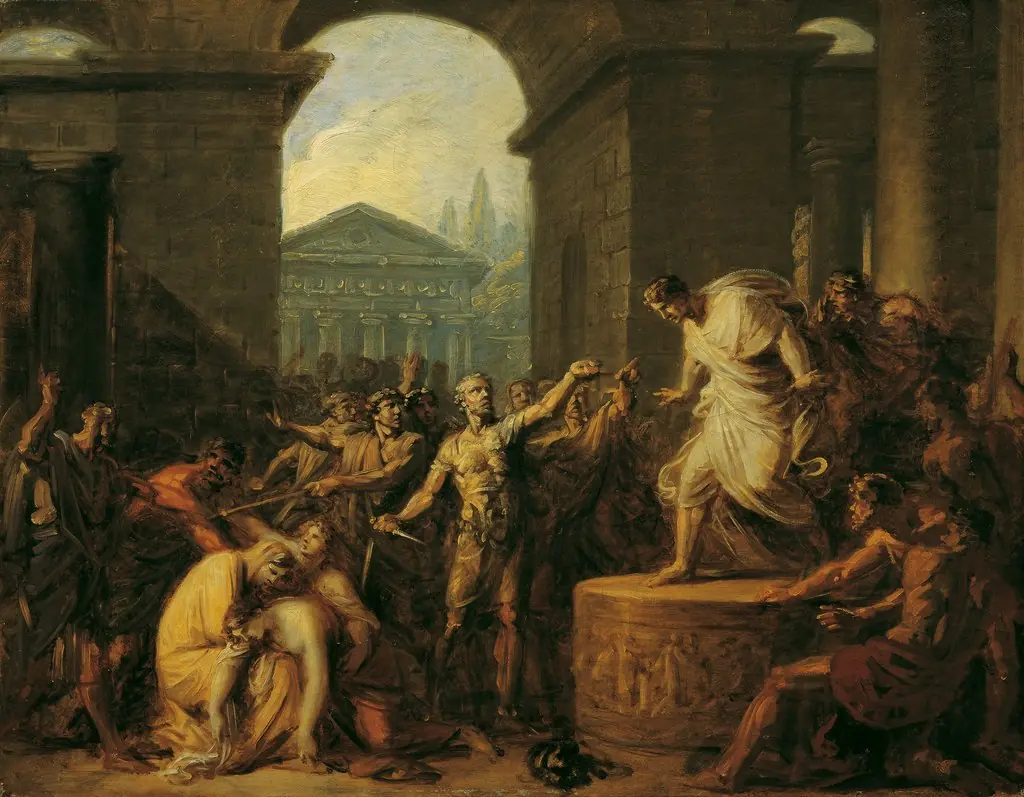 The Death of Virginia
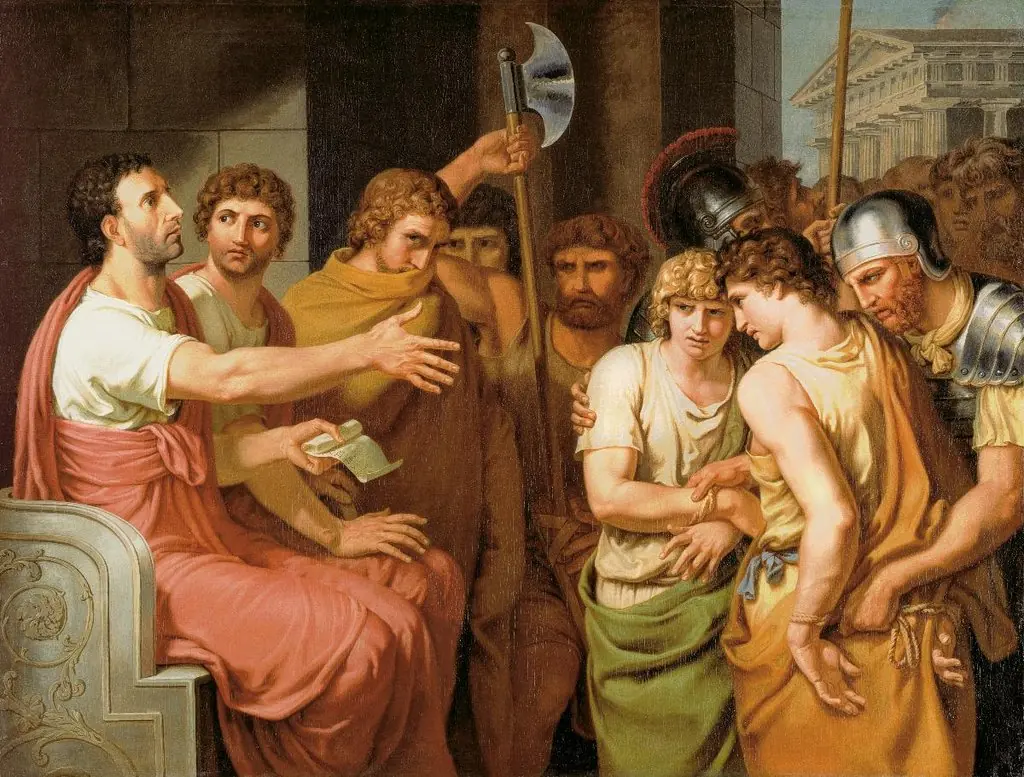 Brutus entdeckt die Namen seiner Söhne auf der Liste der Verschwörer und verurteilt sie zum Tode
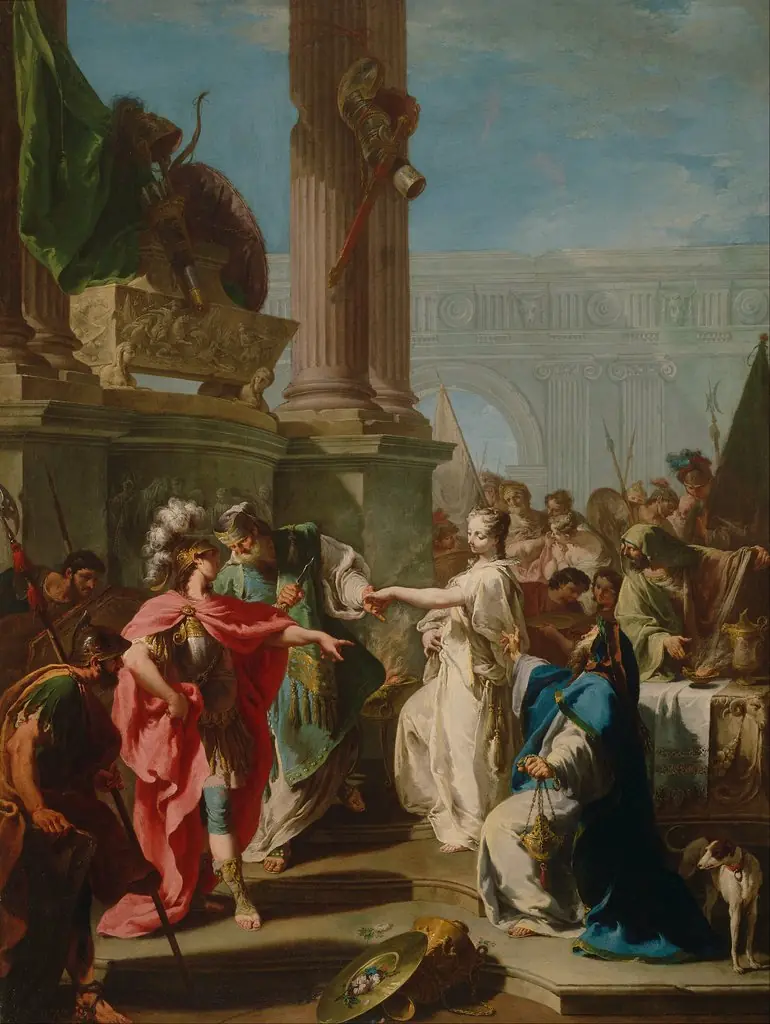 The Sacrifice of Polyxena in Malibu
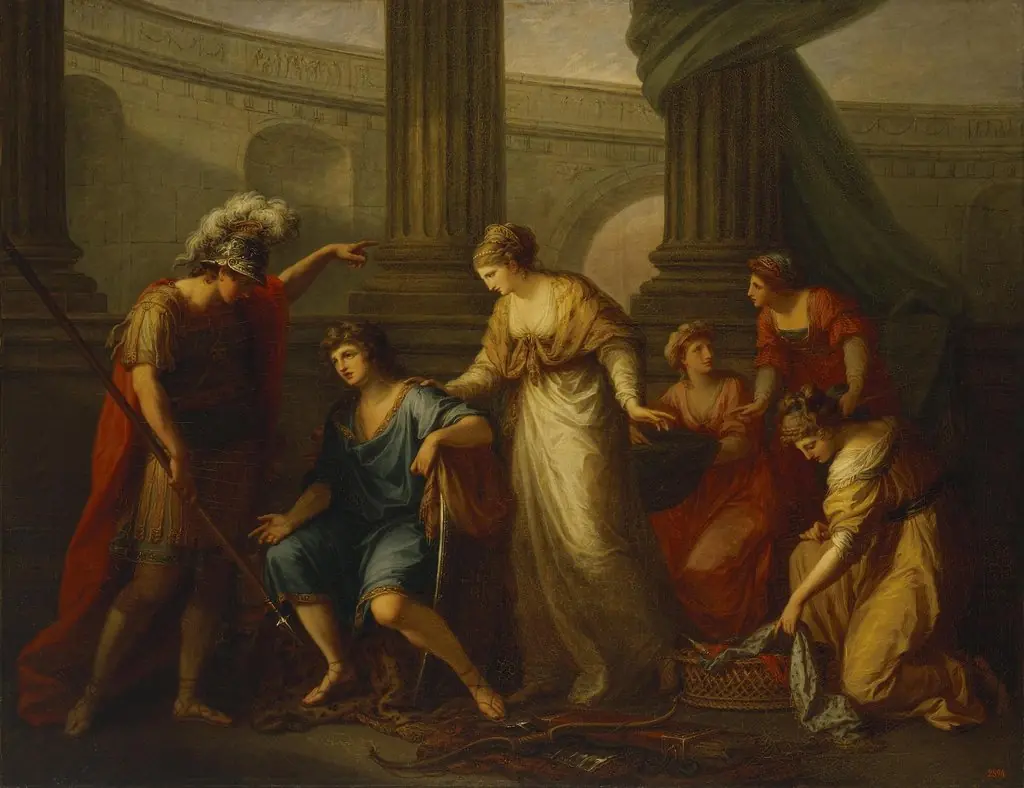 Hector Calling Up Paris to a Battle