Artwork
Haunoldt, Hans Sigismundt von
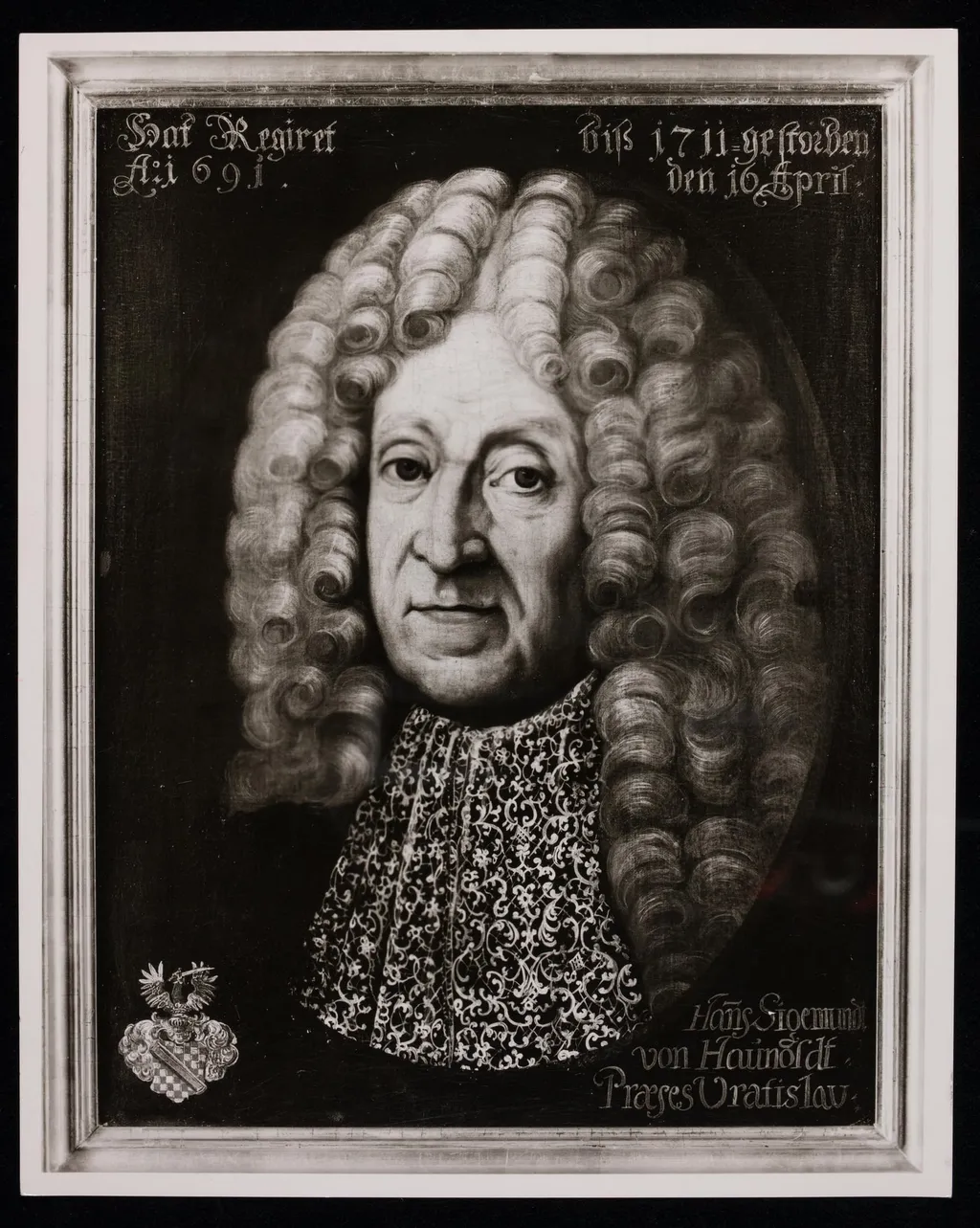
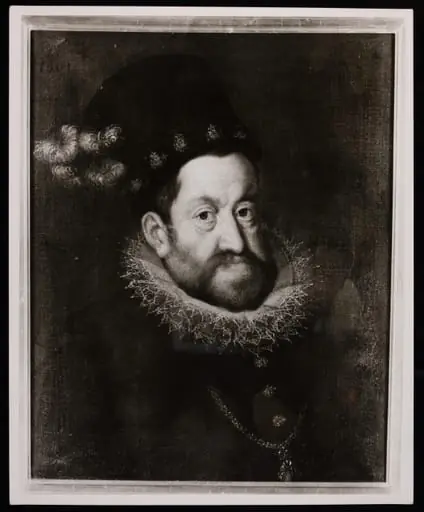
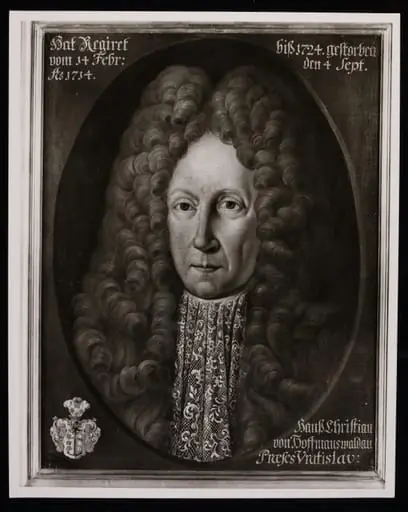
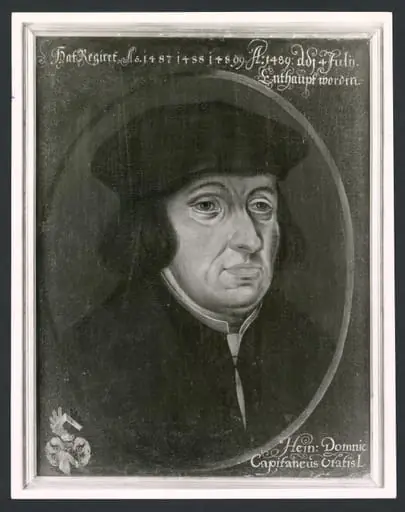
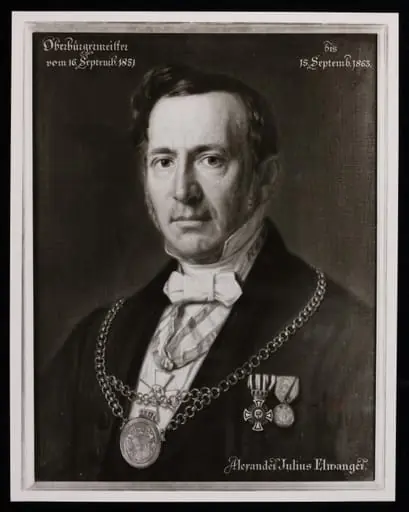
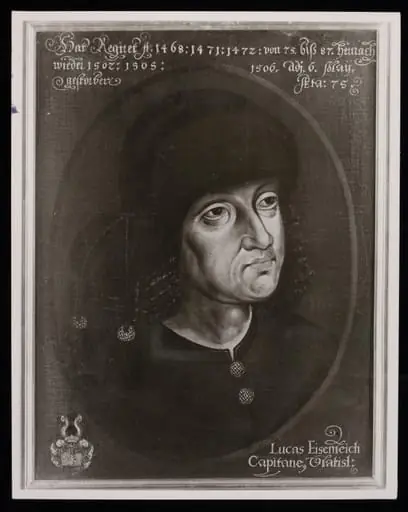
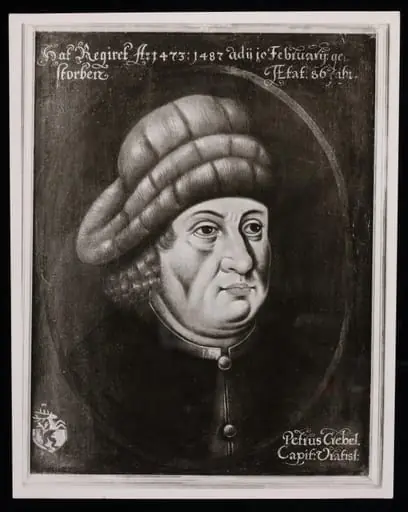
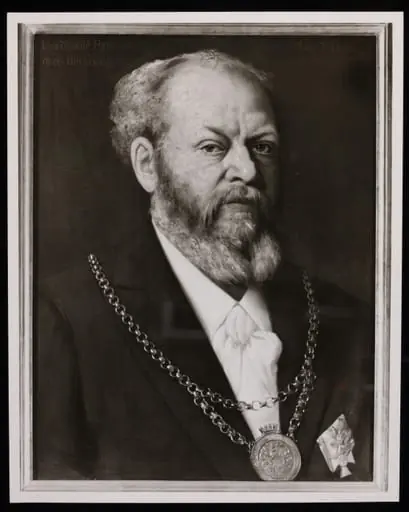
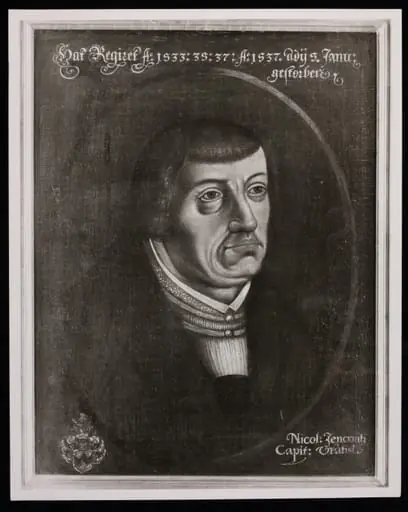
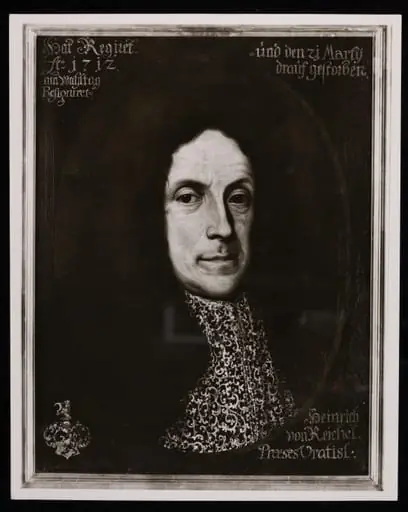
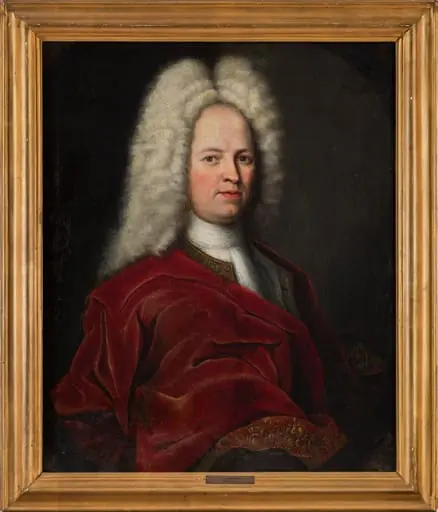
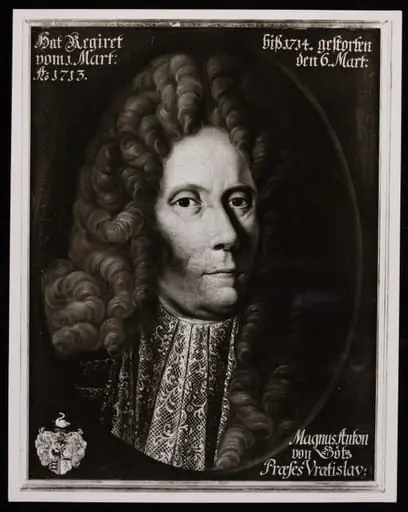
Haunoldt, Hans Sigismundt von is an unspecified painting by Rudolf (czynny we Wrocławiu 1933-1947), fot. Jagusch. It dates from 1945 and is held in the collection of the Library of the Wroclaw University.
About this work
Overview
The image is part of the Museum of Ethnography’s collection, where it serves as a study in historical representation rather than a contemporary record.
This portrait, created in 1945 by photographer Rudolf Jagusch, depicts Hans Sigismundt von Haunoldt, a historical figure whose identity is preserved through this photographic interpretation. The image is part of the Museum of Ethnography’s collection, where it serves as a study in historical representation rather than a contemporary record. The composition emphasizes formal dignity through controlled lighting and minimal background.
Subject & Meaning
The subject, Hans Sigismundt von Haunoldt, is rendered with solemnity, his aged features and meticulously groomed beard suggesting a life of authority and tradition. The oversized white wig, typical of 17th- and 18th-century aristocratic dress, signals adherence to historical norms, even as the photograph itself is modern. The stillness of his expression invites contemplation of identity, memory, and the persistence of social symbols across time.
Technique & Style
Jagusch employs stark chiaroscuro, using deep shadows and focused illumination to isolate the face against an absolute black field. This technique heightens the texture of skin, the curl of the wig, and the sheen of the cravat, transforming the photograph into a study of form rather than documentation. The absence of context or environment reinforces the portrait’s introspective tone, aligning it with classical painting traditions.
History & Provenance
The photograph was produced in 1945, likely as part of a broader effort to visually reconstruct or commemorate historical figures during a period of cultural reevaluation in postwar Europe. It entered the Museum of Ethnography’s holdings soon after its creation, where it is preserved not as a historical portrait but as a 20th-century artistic interpretation of an earlier era’s visual language.
Context
In mid-20th-century Europe, there was renewed interest in historical dress and aristocratic iconography, often as a means of negotiating national identity after conflict. Jagusch’s portrait reflects this trend, using period-specific attire not to recreate history literally, but to evoke its visual and psychological weight. The image exists between ethnographic record and artistic homage.
Legacy
The portrait endures as an example of how photography can reinterpret historical figures through modern aesthetic principles. It does not claim authenticity but rather engages with the symbolism of historical representation. Its presence in an ethnographic museum underscores the evolving role of visual culture in shaping perceptions of the past.
Artist & collection
Artist
Rudolf (czynny we Wrocławiu 1933-1947), fot. Jagusch
Rudolf Jagusch worked in Wrocław between 1933 and 1947. He made photographs of city scenes and portraits during those years. His surviving prints show shopfronts, street corners, and local figures in black-and-white.…