Artwork
Syrmien, Peterwardein und Neusatz
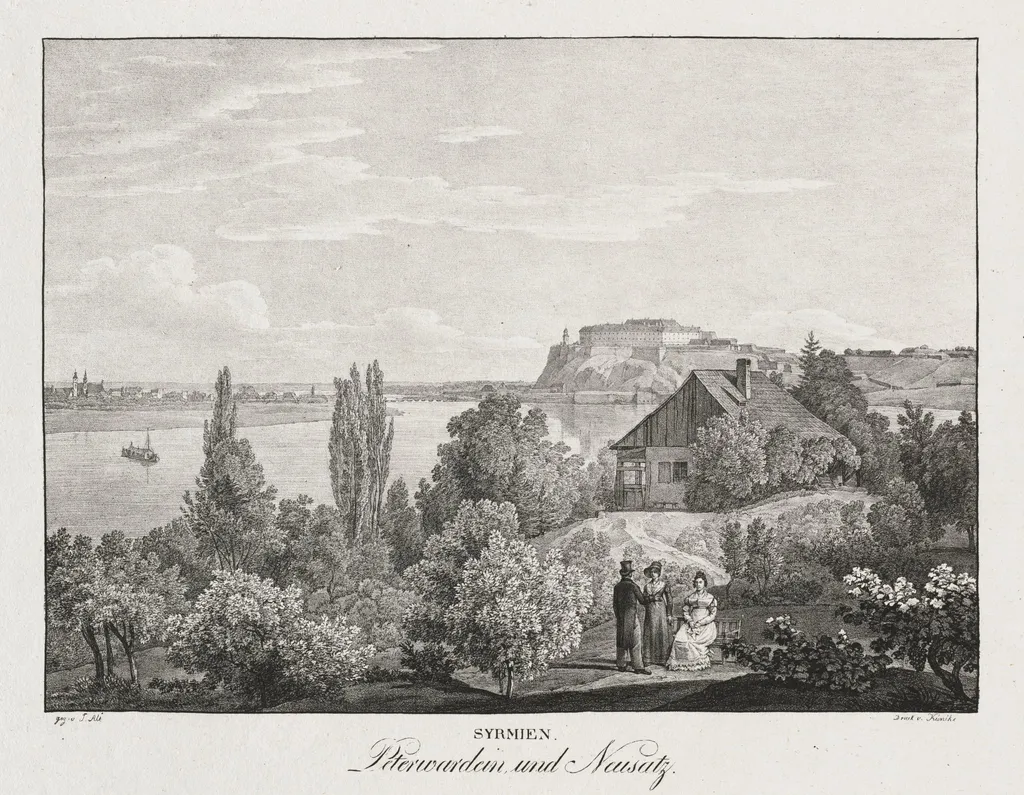
Syrmien, Peterwardein und Neusatz is a print by Jakob Alt. It dates from 1839 and is held in the collection of the Cleveland Museum of Art.
About this work
Overview
Created around 1839 by Jakob Alt, this print depicts three locations along the Danube: Syrmien, Peterwardein, and Neusatz.
Created around 1839 by Jakob Alt, this print depicts three locations along the Danube: Syrmien, Peterwardein, and Neusatz. Rendered in a detailed topographical style, the work blends observational accuracy with poetic landscape elements. It is part of a series documenting Habsburg territories in the Balkans, commissioned to record regional geography and architecture during a period of imperial consolidation.
Subject & Meaning
The scene presents a tranquil riverside vista with a fortified castle perched on a distant hill, symbolizing Habsburg authority in the Military Frontier. The inclusion of a small boat suggests human activity and transport along the Danube, while the undulating hills and dense foliage ground the image in local topography. The composition subtly reinforces imperial presence without overt narrative, favoring quiet observation over dramatic emphasis.
Technique & Style
Alt employed fine linear engraving and subtle tonal gradations to render texture and depth. The foliage is meticulously detailed, with individual leaves and branches suggesting naturalism, while the castle’s stonework is rendered with architectural precision. Light is handled with restraint, using soft contrasts rather than dramatic chiaroscuro to evoke atmospheric space and distance, aligning with early 19th-century Germanic landscape traditions.
History & Provenance
The print was produced as part of a larger project commissioned by the Austrian state to document strategic locations along the Danube. It entered The Cleveland Museum of Art’s collection through the John L. Severance Fund in 1941, having previously circulated in European private and institutional collections. Its survival in good condition reflects its value as both cartographic record and artistic artifact.
Context
In the 1830s, the Habsburg Empire sought to formalize control over its southern borderlands following the Napoleonic Wars. Alt’s work contributed to a broader effort to visually catalog territories inhabited by diverse ethnic groups. These prints served administrative, military, and cultural purposes, offering officials and the public a standardized visual reference of contested frontier regions.
Legacy
Alt’s prints remain valuable for their blend of topographical fidelity and aesthetic restraint. They influenced later generations of Central European landscape artists and continue to inform historical studies of imperial cartography. While not widely exhibited, they are referenced in scholarly works on 19th-century visual culture and the representation of borderlands in the Austro-Hungarian Empire.
Artist & collection


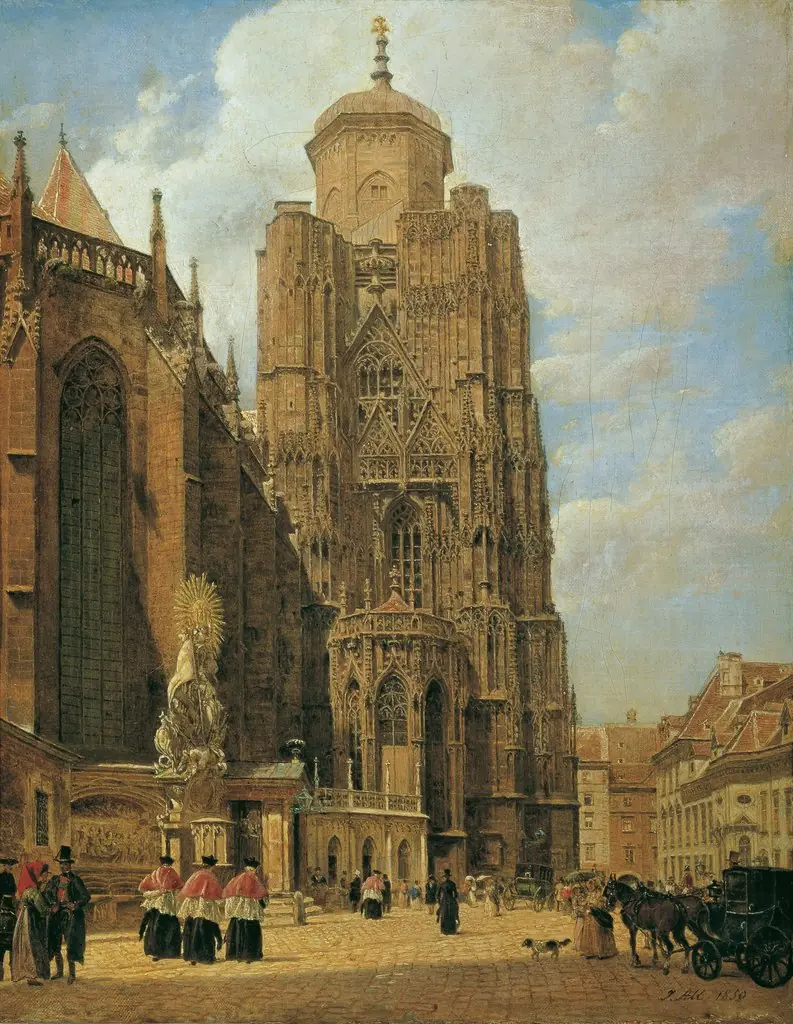 St. Stephen's Cathedral in Vienna
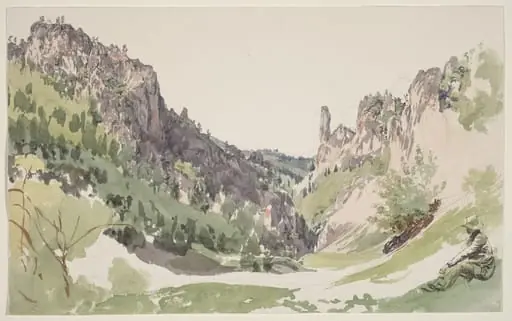 A Seated Man Contemplating a Sunlit Mountain Valley
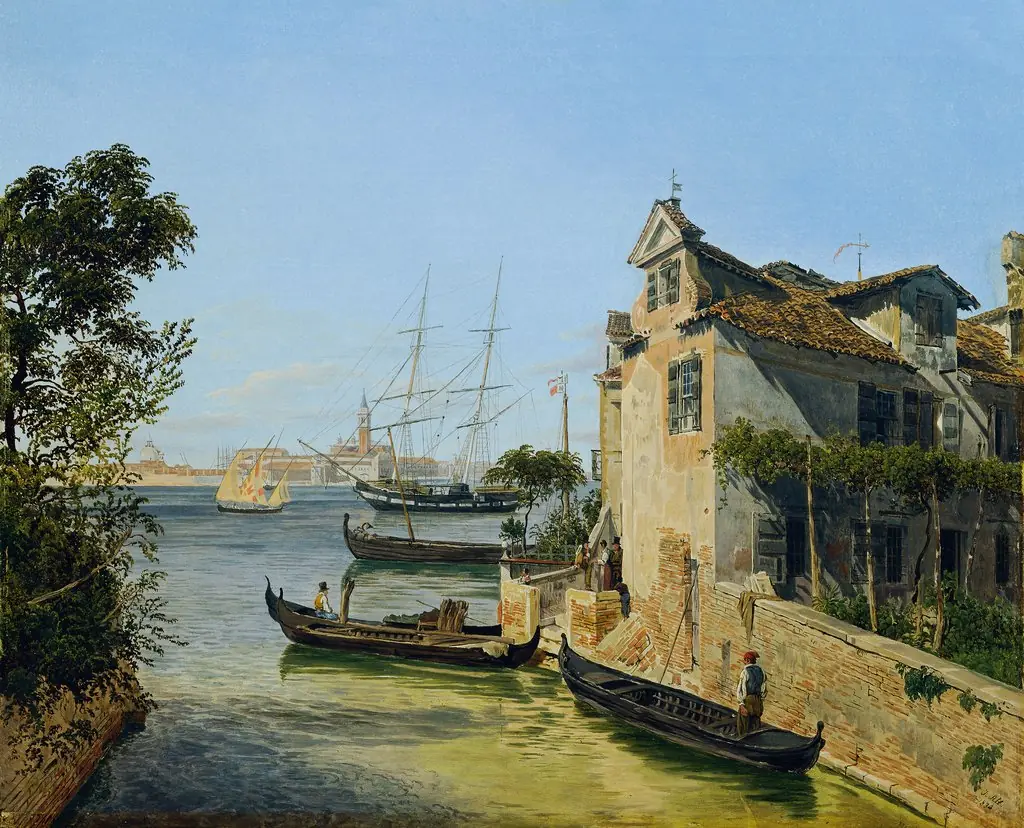 View of San Giorgio Maggiore in Venice
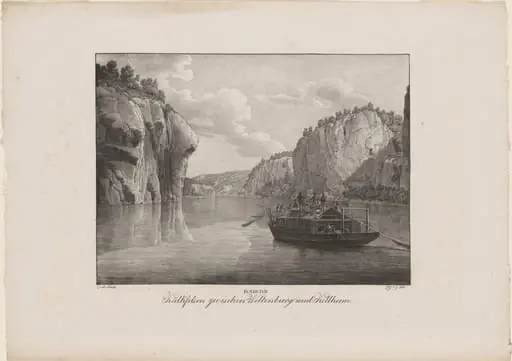 Baiern, Kalkfelsen zwischen Weltenburg und Kellheim (Bavaria, Chalk Cliffs between Weltenburg and Kellheim)
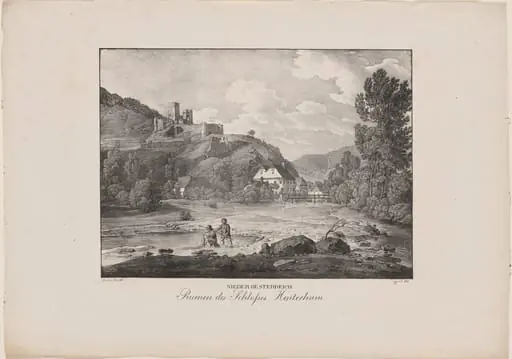 Nieder-Oesterreich, Ruinen des Schlosses Hinterhaus (Lower Austria, Ruins of Hinterhaus Castle)
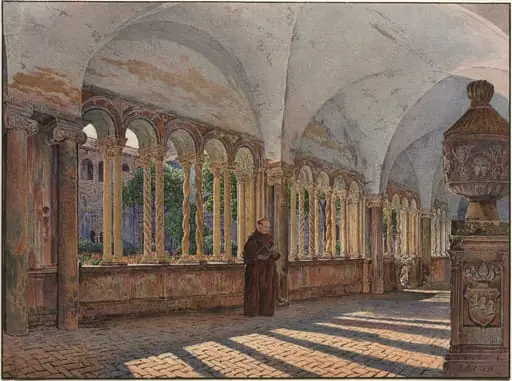 View of the Cloister of San Giovanni in Laterano, Rome
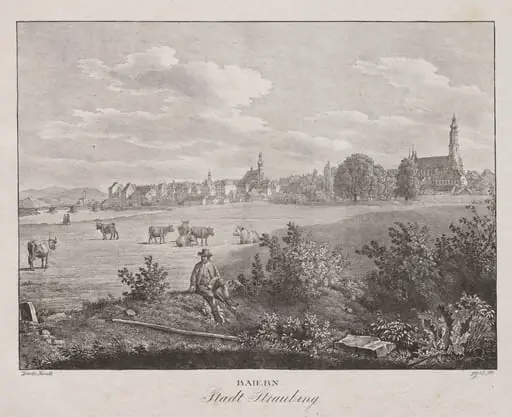 Baiern, Stadt Straubing
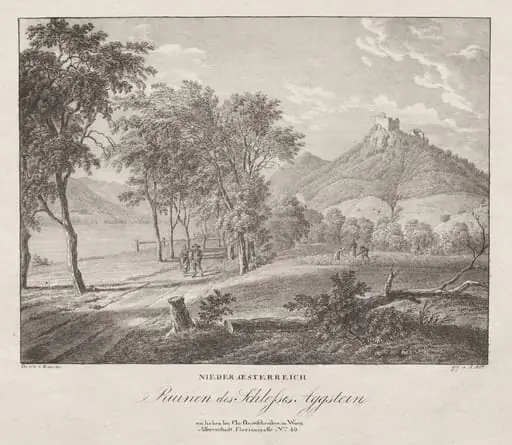 Nieder-oesterreich, Ruinen des Schlosses Aggenstein
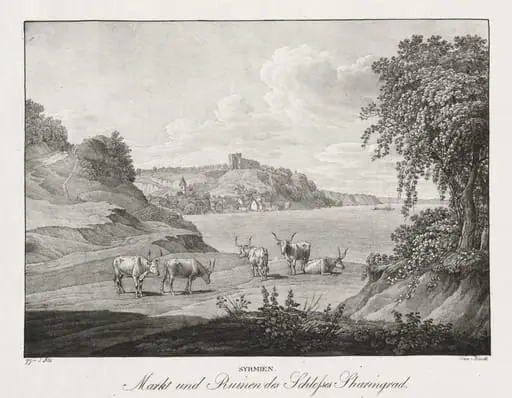 Syrmien, Markt und Ruinen des Schlosses Sharengrad
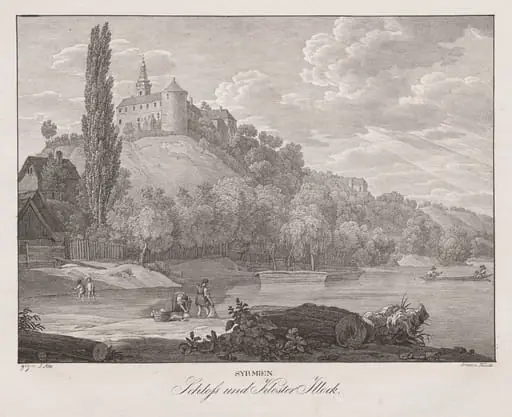 Syrmien, Schloss und Kloster Illock
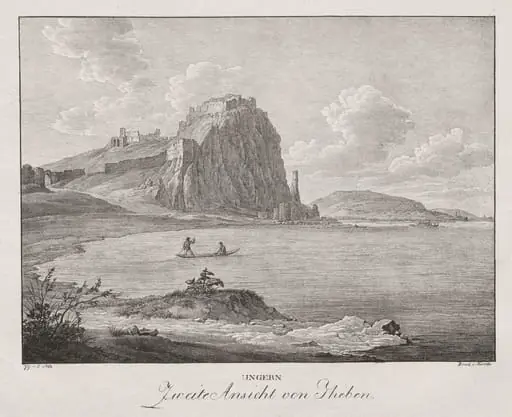 Ungern, Zweite Ansicht von Theben
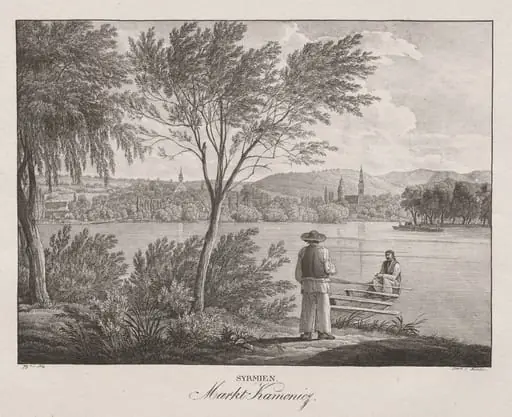 Syrmien, Markt Kamenicz
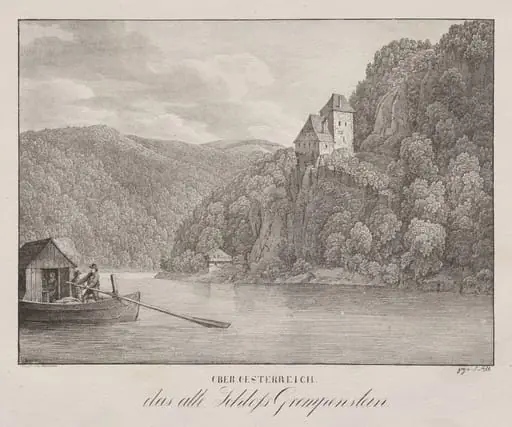 Nieder-oesterreich, Das Alte Schloss Grempenstein
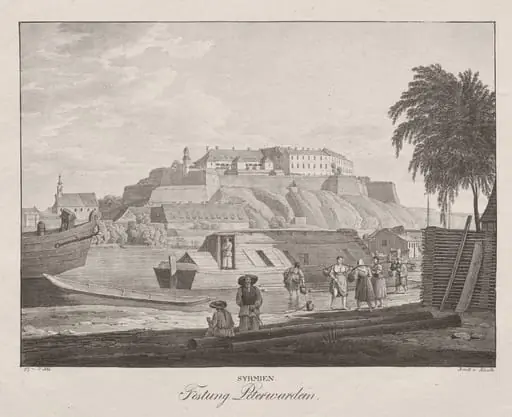 Syrmien, Festung Peterwardein
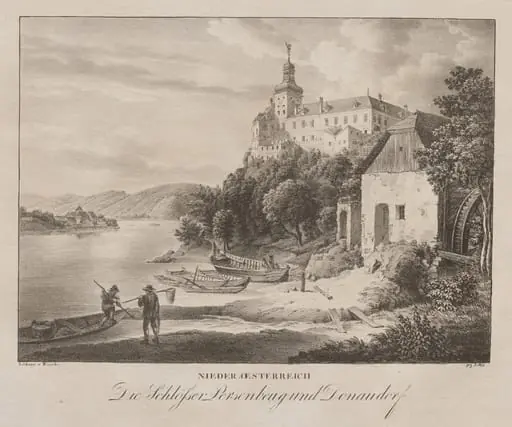 Nieder-oesterreich, Die Schlosser Persenbeug
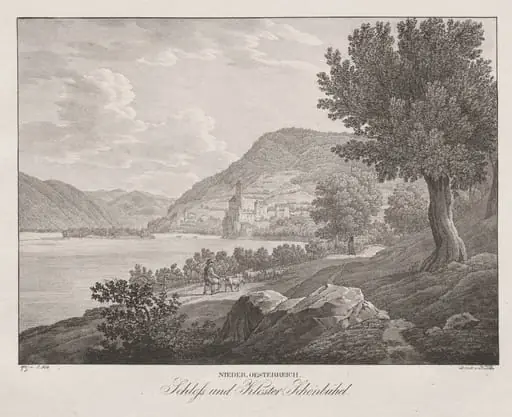 Nieder-oesterreich, Schloss und Kloster Schönbühel