Artwork
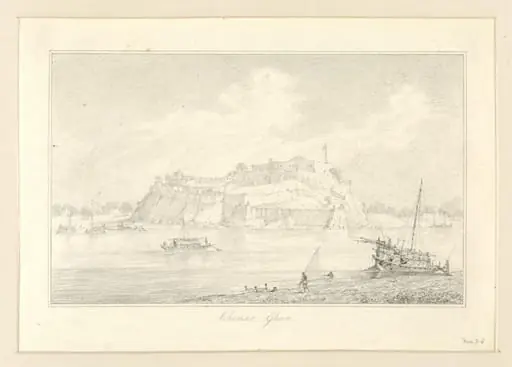
Syrmien, Festung Peterwardein
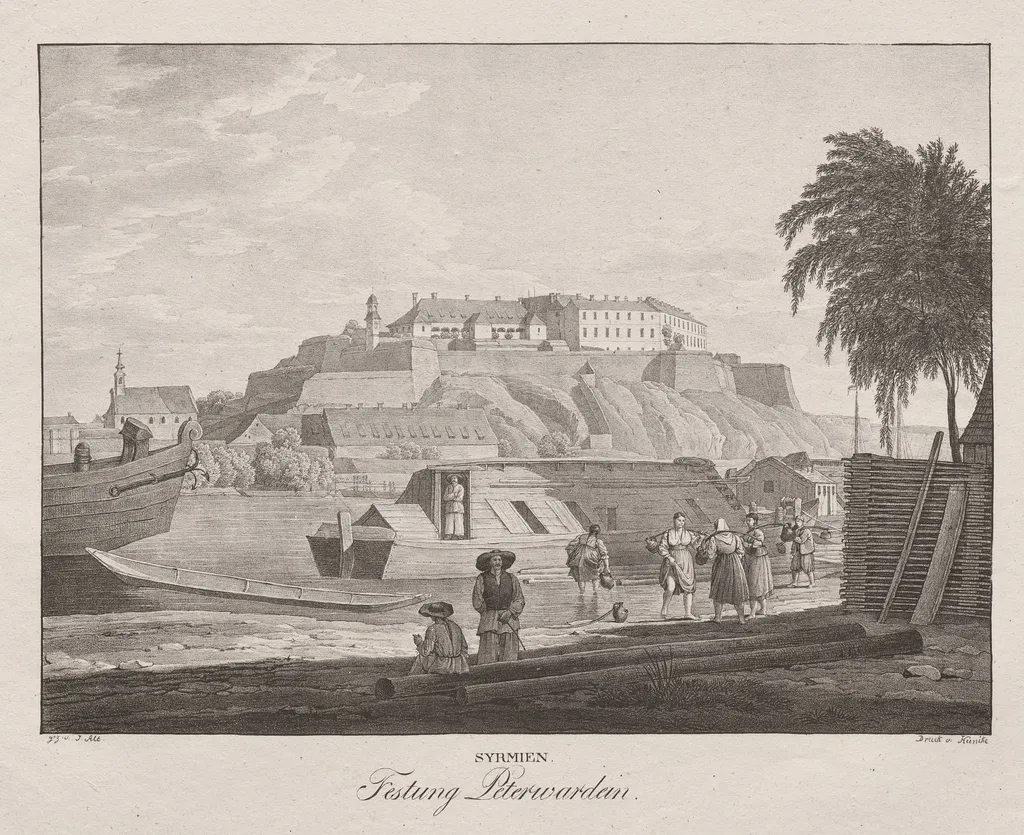
Syrmien, Festung Peterwardein is a print by Jakob Alt. It dates from 1839 and is held in the collection of the Cleveland Museum of Art.
About this work
Overview
It is held in the collection of The Cleveland Museum of Art, acquired as part of a broader interest in 19th-century Central European graphic art.
Syrmien, Festung Peterwardein is a topographical print by the Austrian artist Jakob Alt, dated approximately 1839. It depicts the fortress of Peterwardein, located in the military border region of the Habsburg Empire. The work is part of a series documenting strategic sites along the empire’s southern frontier. It is held in the collection of The Cleveland Museum of Art, acquired as part of a broader interest in 19th-century Central European graphic art.
Subject & Meaning
The print portrays the fortress of Peterwardein, a key defensive structure on the Danube River, surrounded by the landscape of Syrmia. Rather than romanticizing the scene, Alt presents a measured, observational record of military architecture and terrain. The focus on infrastructure suggests a documentary intent, reflecting the empire’s interest in mapping and securing its vulnerable borders during a period of geopolitical tension.
Technique & Style
Alt employed fine-line engraving and subtle tonal washes to render the fortress and its surroundings with precision. The composition balances architectural detail with atmospheric perspective, using soft gradations to suggest distance and depth. His style is restrained and factual, avoiding dramatic flourishes in favor of clarity and spatial accuracy, characteristic of topographical illustration in the early 19th century.
History & Provenance
The print was likely produced as part of a commissioned series documenting Habsburg military installations. Its journey to The Cleveland Museum of Art is not fully documented, but it entered the collection in the 20th century alongside other European graphic works. The absence of a precise creation date reflects common practices in commercial print production of the era, where exact dating was often secondary to utility.
Context
In the 1830s, the Habsburg Empire maintained a fortified frontier known as the Military Border, stretching from Croatia to Transylvania. Peterwardein, now in Serbia, was a critical node in this system. Artists like Alt were occasionally employed to record these sites for administrative and strategic purposes, blending cartographic function with artistic skill in a period before widespread photography.
Legacy
Syrmien, Festung Peterwardein endures as a quiet testament to the intersection of military administration and visual documentation in 19th-century Europe. Though not widely exhibited, it contributes to scholarly understanding of how territorial control was visually encoded. Alt’s work remains a reference point for historians studying the representation of borderlands in pre-modern Central Europe.
Artist & collection


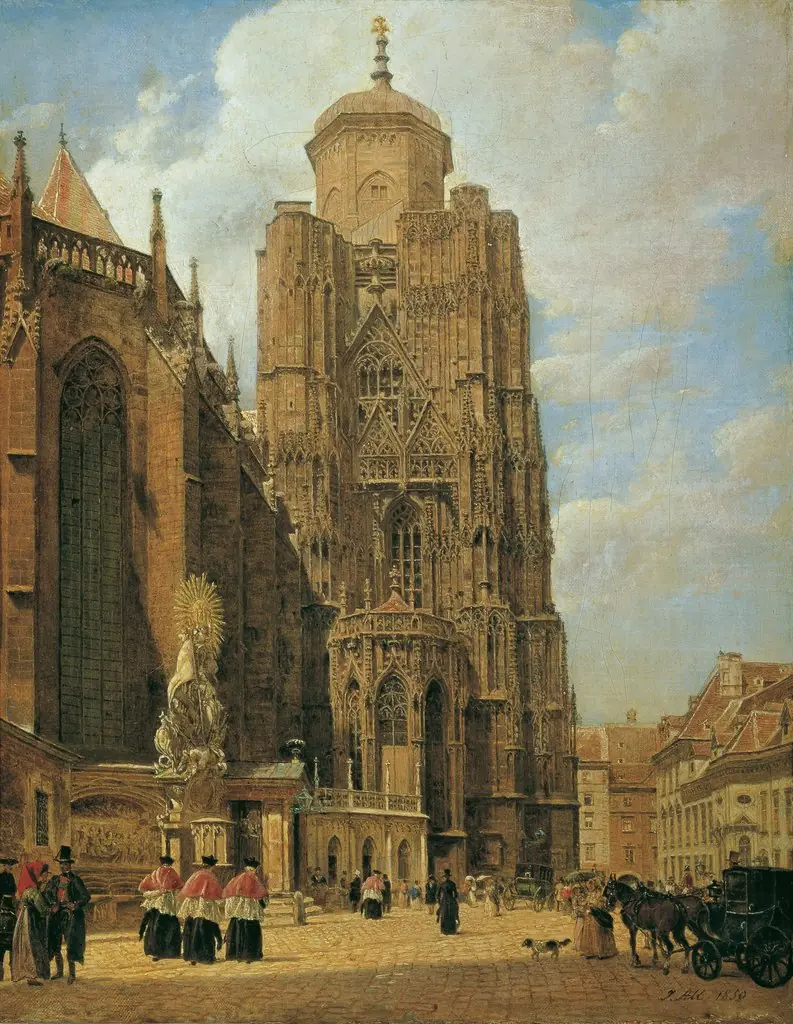 St. Stephen's Cathedral in Vienna
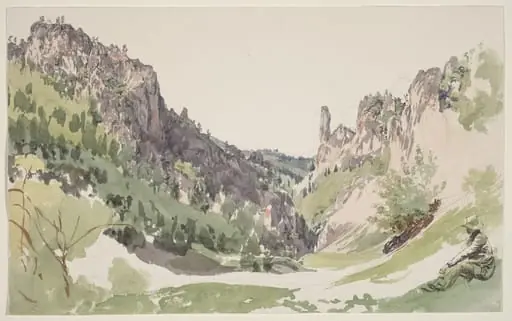 A Seated Man Contemplating a Sunlit Mountain Valley
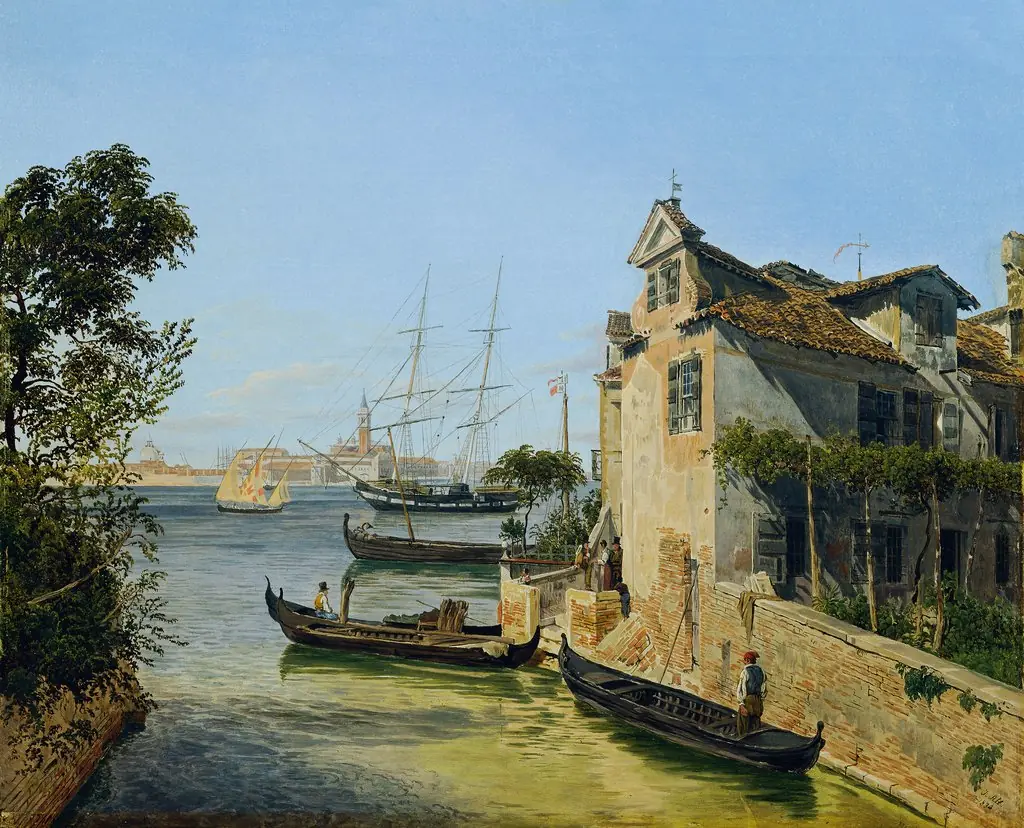 View of San Giorgio Maggiore in Venice
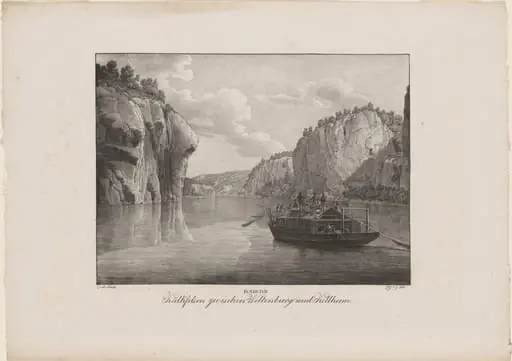 Baiern, Kalkfelsen zwischen Weltenburg und Kellheim (Bavaria, Chalk Cliffs between Weltenburg and Kellheim)
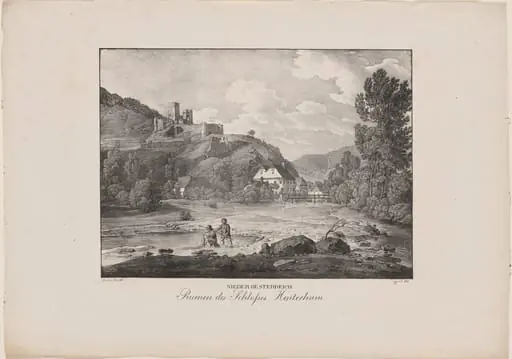 Nieder-Oesterreich, Ruinen des Schlosses Hinterhaus (Lower Austria, Ruins of Hinterhaus Castle)
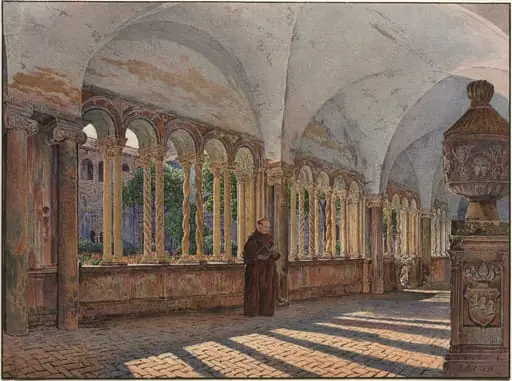 View of the Cloister of San Giovanni in Laterano, Rome
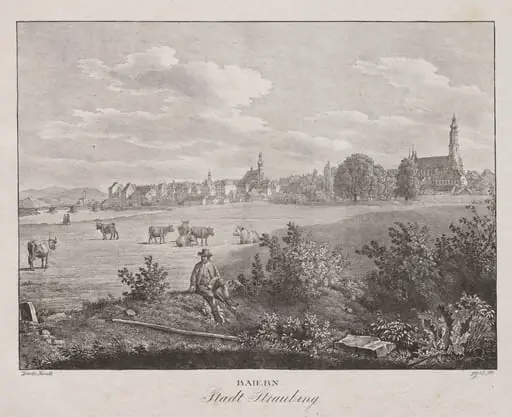 Baiern, Stadt Straubing
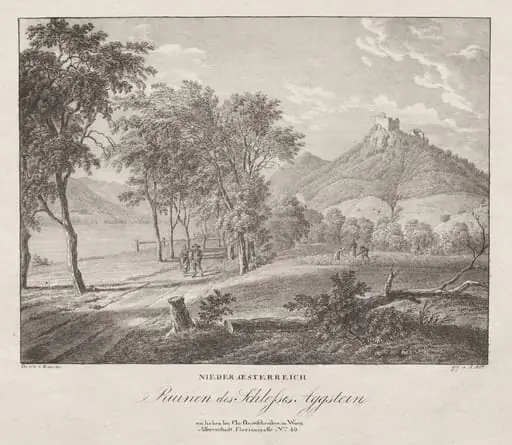 Nieder-oesterreich, Ruinen des Schlosses Aggenstein