Artwork
Young Woman Holding Roses
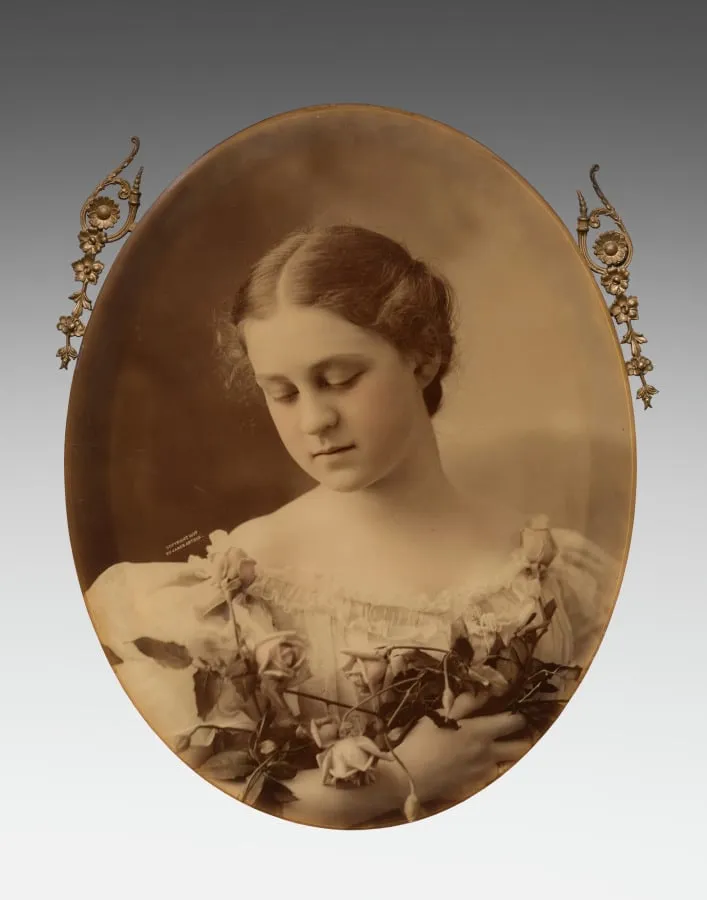
Young Woman Holding Roses is a photography by the Impressionist artist James Arthur. It dates from 1897 and is held in the collection of the Cleveland Museum of Art. Taken in 1897, this photograph was deliberately crafted as a fine art object rather than a mere record.
About this work
A young woman in a dark dress gently holds a bundle of roses, their thorns still sharp.
A young woman in a dark dress gently holds a bundle of roses, their thorns still sharp. The photograph looks like an oil painting—soft light, careful shadows, no harsh edges.
James Arthur treated this photo as fine art, not just a snapshot. He signed it like a painter would, which was unusual in 1897. The roses, still with thorns, hint at how beauty and youth don’t last.
To see how other artists painted flowers with meaning, look up *sfumato*.
Overview
Taken in 1897, this photograph was deliberately crafted as a fine art object rather than a mere record. James Arthur signed and dated it in the manner of a painter, asserting its status within the realm of artistic expression—a rare practice for photographs at the time. Its composition and tonal quality deliberately mimic the softness of oil painting, distinguishing it from the sharper, documentary styles common in late 19th-century photography.
Subject & Meaning
The young woman, dressed in dark fabric, holds a bouquet of roses still bearing their thorns. The presence of thorns introduces a subtle tension, suggesting that beauty is inseparable from vulnerability or decay. This aligns with longstanding allegorical traditions in Western art, where flowers symbolize the fleeting nature of youth and life, inviting contemplation rather than mere admiration.
Technique & Style
Arthur employed careful lighting and controlled shadows to blur the boundaries between photography and painting. The image lacks harsh lines or contrast, instead favoring gradual tonal transitions that evoke the sfumato technique of Renaissance painters. This deliberate softness, combined with the intimate pose, reinforces the photograph’s emotional resonance and its claim to artistic legitimacy.
History & Provenance
Created in 1897, the work emerged during a period when photography was still struggling for recognition as fine art. Arthur’s decision to sign the print like a painter’s canvas was a quiet act of defiance, aligning his practice with established artistic traditions. While little is known of its early ownership, its survival as a signed, dated object underscores its intended permanence and artistic intent.
Context
In the late 19th century, photographers like Arthur sought to elevate their medium beyond documentation, drawing inspiration from painting, literature, and symbolism. The use of floral allegory was common in both visual and literary arts, and Arthur’s choice to incorporate thorned roses reflects a broader cultural preoccupation with mortality and transience, particularly in the wake of the Aesthetic Movement.
Legacy
Arthur’s approach contributed to the growing acceptance of photography as a legitimate art form. By adopting painterly conventions and symbolic content, he helped shift public perception away from photography as mechanical reproduction toward a medium capable of nuanced expression. His signed print remains a quiet milestone in the history of photographic art.
Artist & collection

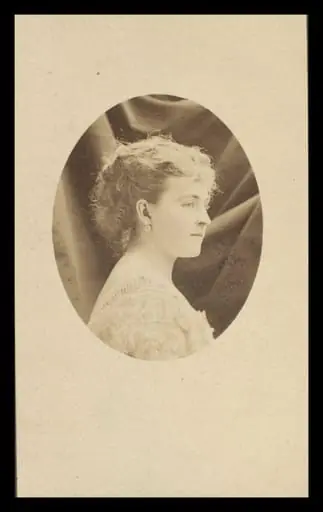 Guy Little Theatrical Photograph
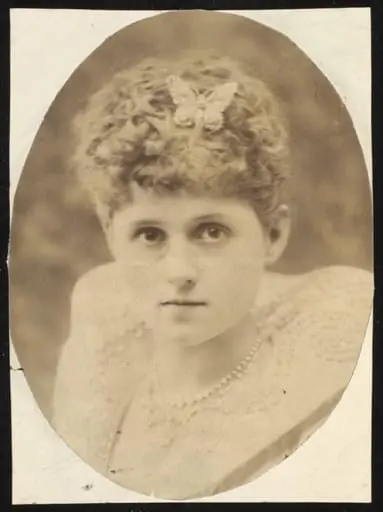 Guy Little Theatrical Photograph
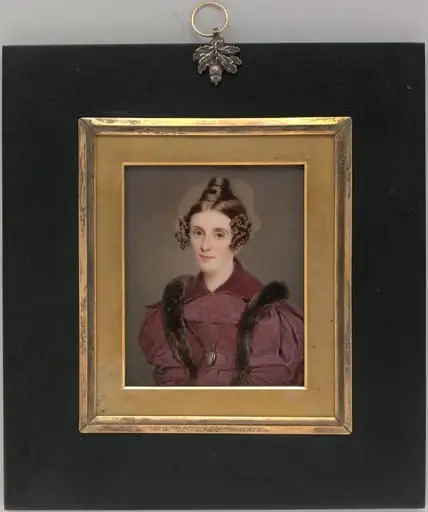 Portrait of a Lady
 Guy Little Theatrical Photograph
 Guy Little Theatrical Photograph
 Guy Little Theatrical Photograph
 Mrs. Annie C. Hyde
 Guy Little Theatrical Photograph
 Portrait of a Woman
 Guy Little Theatrical Photograph
 Selbstbildnis
 Guy Little Theatrical Photograph