Artwork
The Temple of Flora, or Garden of Nature: The Obique-leaved Begonia
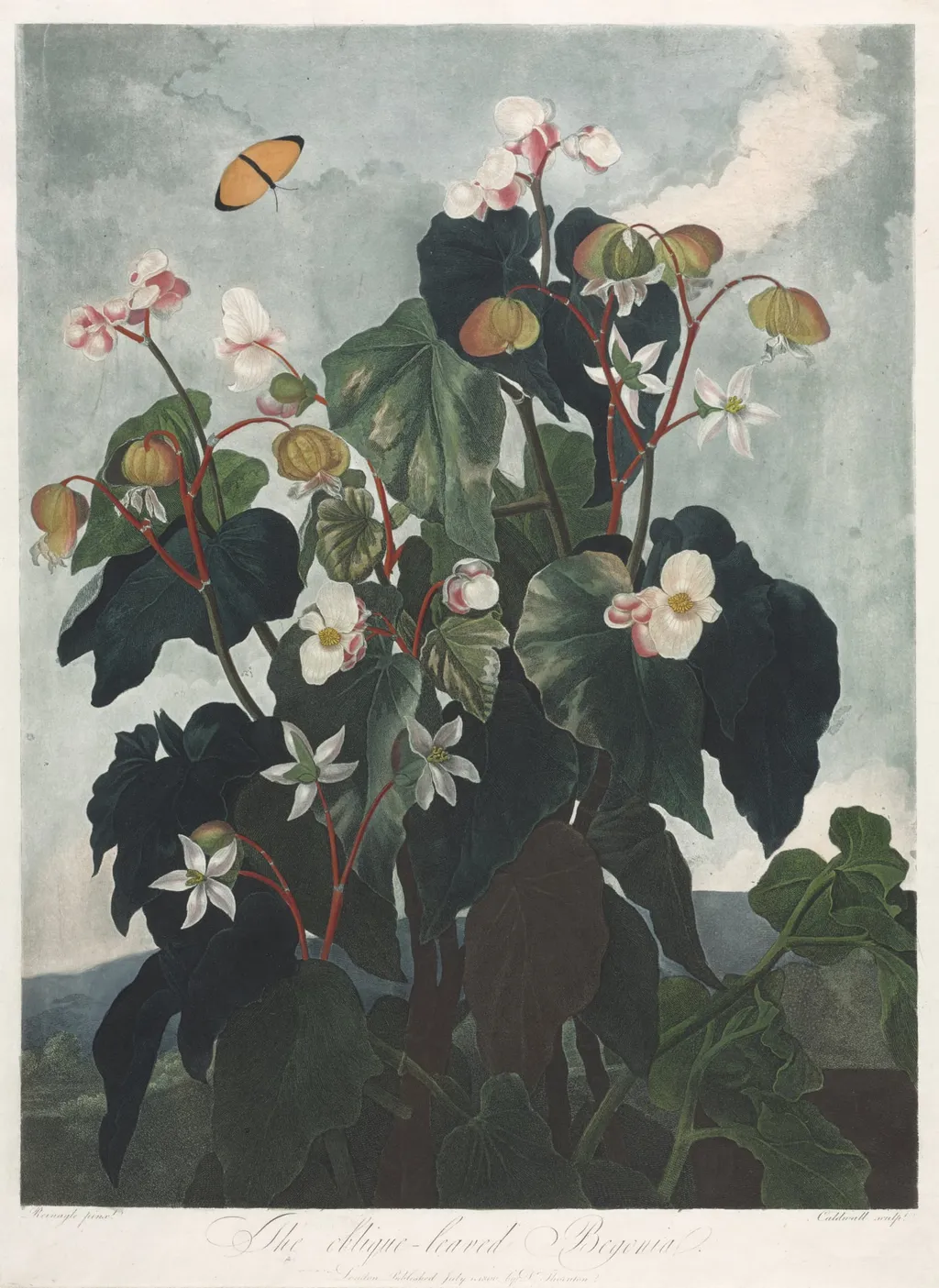
The Temple of Flora, or Garden of Nature: The Obique-leaved Begonia is a print by the Romanticist artist James Caldwall. It dates from 1800 and is held in the collection of the Cleveland Museum of Art.
About this work
Overview
The work is currently held in the collection of The Cleveland Museum of Art, where it serves as an example of naturalist illustration from the period.
Created in 1800 by James Caldwall, this print depicts a single specimen of the oblique-leaved begonia with meticulous precision. Rendered as part of a larger botanical series, it reflects the early 19th-century interest in documenting plant species with scientific accuracy. The work is currently held in the collection of The Cleveland Museum of Art, where it serves as an example of naturalist illustration from the period.
Subject & Meaning
The oblique-leaved begonia is portrayed not as a symbolic or allegorical figure, but as a specimen of botanical interest. Its vibrant red stems, waxy leaves, and clusters of small white and pink blooms are rendered to highlight structural detail rather than romanticized beauty. The presence of a yellow and black butterfly suggests ecological context, subtly indicating the plant’s role within a living ecosystem.
Technique & Style
Caldwall employed fine line work and controlled tonal gradations to capture the texture of leaves and petals. The background is deliberately softened, eliminating distractions and focusing attention on the plant’s form. This technique, common in botanical illustration of the era, prioritizes clarity and diagnostic accuracy over atmospheric effect, aligning the work with scientific documentation practices.
History & Provenance
The print was produced during a period of heightened botanical exploration, when collectors and institutions sought to catalog global flora. Caldwall’s work likely originated as part of a published series intended for academic or aristocratic audiences. It entered the Cleveland Museum of Art’s collection through documented acquisition, preserving its place in the history of American botanical art.
Context
In the early 1800s, illustrated botanical texts were vital tools for horticulturists and naturalists. The rise of greenhouse cultivation in Europe and America increased demand for accurate plant depictions. Caldwall’s print fits within this trend, contributing to a visual archive that supported both scientific study and the growing public fascination with exotic species.
Legacy
Though Caldwall is not widely known today, his prints remain valuable as historical records of plant species as they were understood and represented in the early 19th century. The work continues to inform contemporary studies of botanical illustration and serves as a reference for the evolution of natural history art in the United States.
Artist & collection

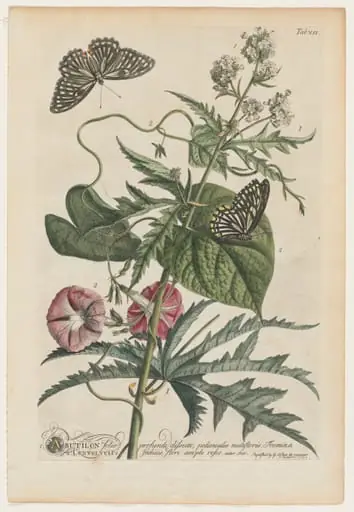 Plantae et papiliones rariores: No. 7
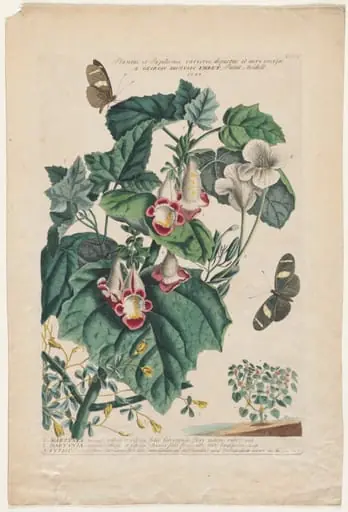 Plantae et Papiliones rariores: Martynia
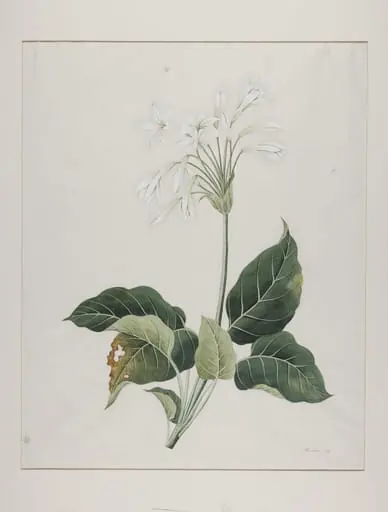 Fragrant plantain lily (hosta plantaginea), yu zan
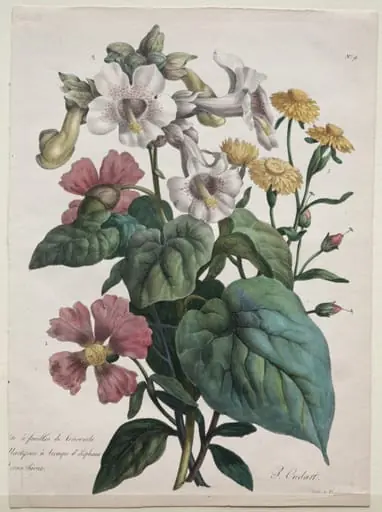 Cours d'Histoire Naturelle, contenant les principales espèces du règne animal, classées methodiquemenet: Martynia or Unicorn Plant
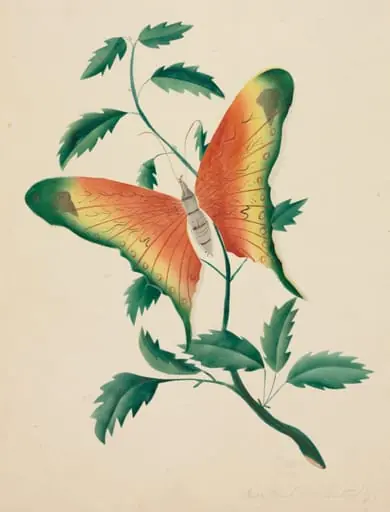 Rose Bush and Butterfly
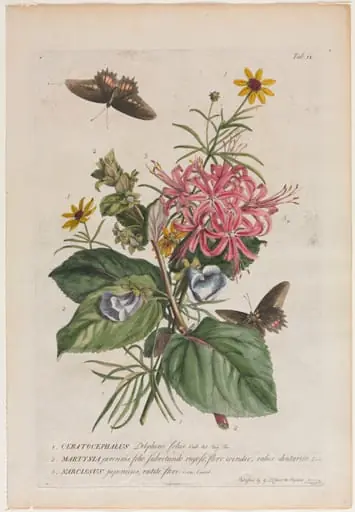 Plantae et papiliones rariores: No. 9
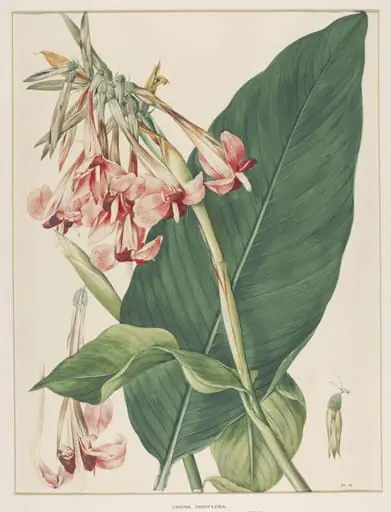 Canna Iridiflora
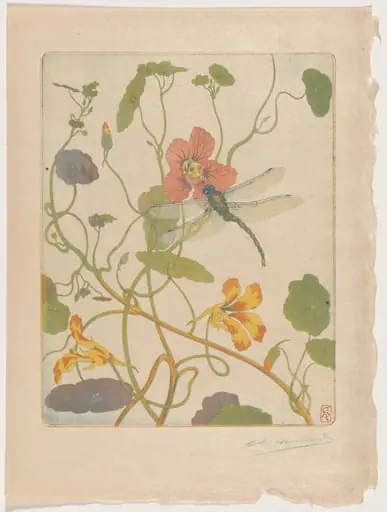 Fleurs (Flowers)
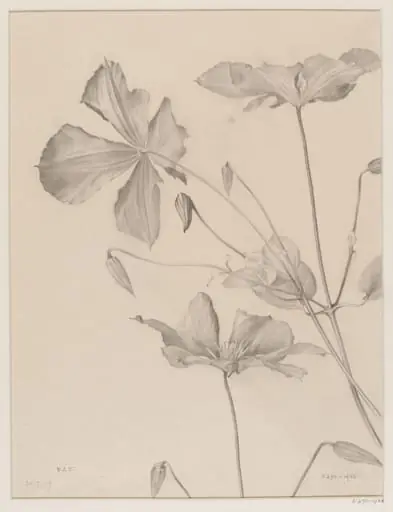 Untitled