Artwork
Plantae et papiliones rariores: No. 7
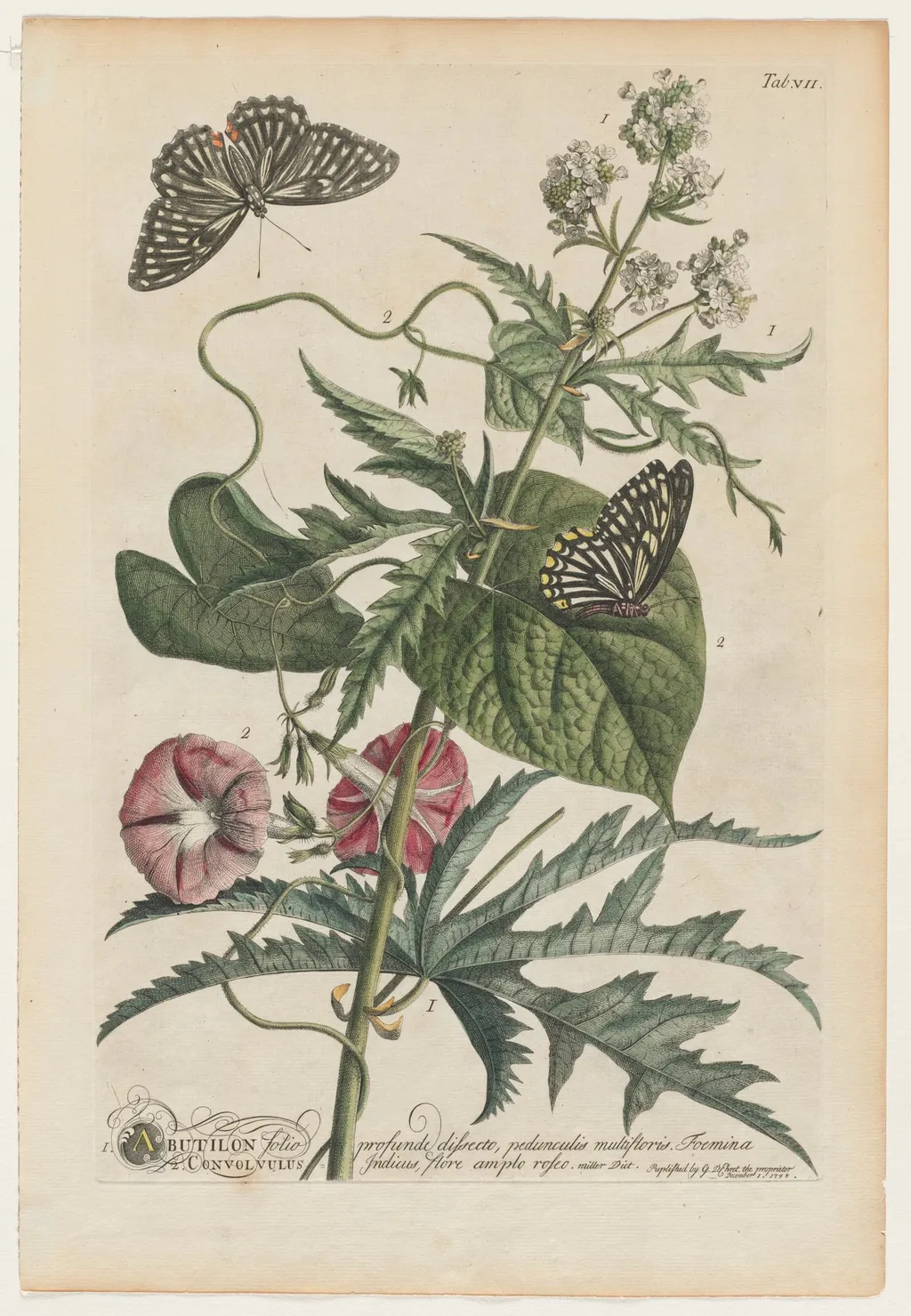
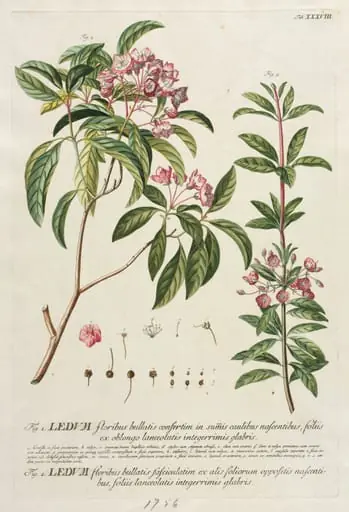
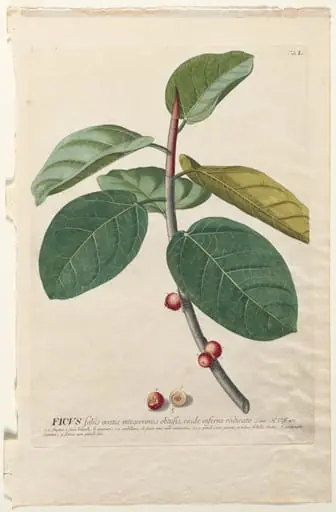
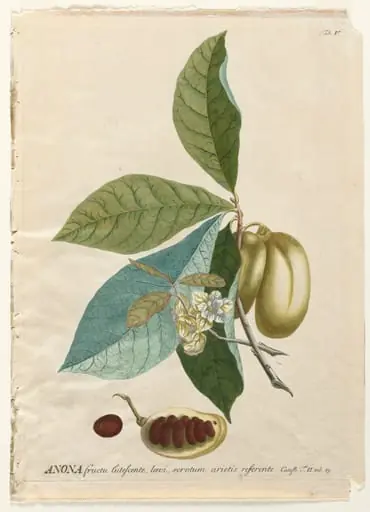
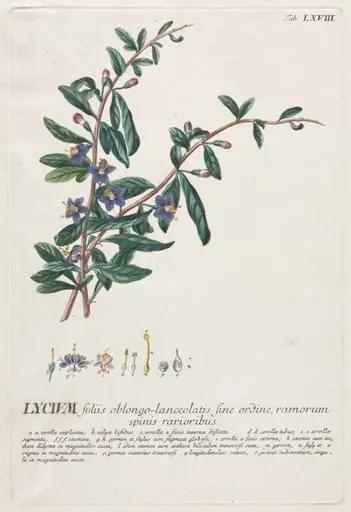
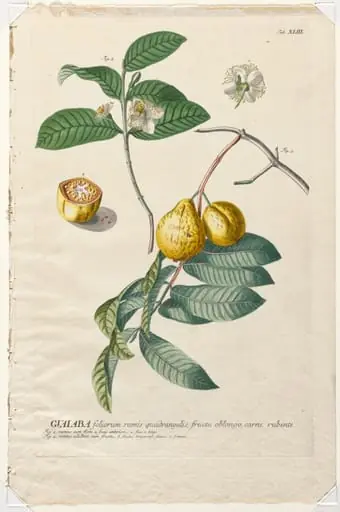
Plantae et papiliones rariores: No. 7 is a print by the Baroque artist Georg Dionysius Ehret. It dates from 1748 and is held in the collection of the Cleveland Museum of Art. Plantae et papiliones rariores: No.
About this work
The painting is called Plantae et papiliones rariores: No. 7.
It was made by Georg Dionysius Ehret in 1748.
The painting is part of the Baroque movement, which was popular in Europe during that time, and it's interesting because it shows how artists back then were really into details and precise drawings, especially of flowers and plants.
You can learn more about the Baroque movement.
Overview
Plantae et papiliones rariores: No. 7 is an 18th-century print created by Georg Dionysius Ehret in 1748, currently part of The Cleveland Museum of Art's collection.
Subject & Meaning
This work showcases Ehret's meticulous depiction of rare plants and butterflies, highlighting the Baroque era's emphasis on detailed natural history illustrations.
Technique & Style
Characterized by precise drawings, the print exemplifies the Baroque movement's attention to detail, particularly in botanical and entomological subjects.
History & Provenance
Created in 1748 by Georg Dionysius Ehret, the print is now held in the collection of The Cleveland Museum of Art.
Artist & collection

Artist
Georg Dionysius Ehret was a German botanist and entomologist known for his botanical illustrations.

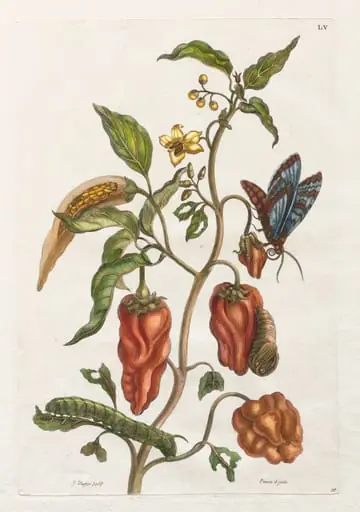 Histoire générale des insects de Suriname et de toute l'Europe: Vol I, No. 55 - Poivre d'inde
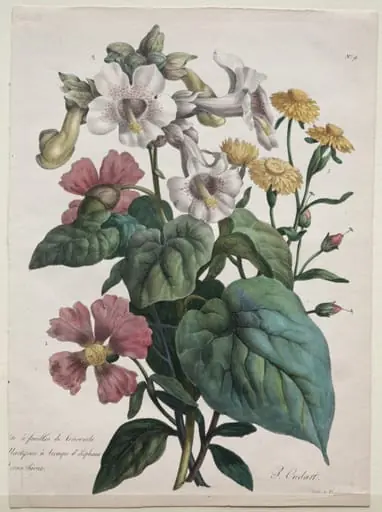 Cours d'Histoire Naturelle, contenant les principales espèces du règne animal, classées methodiquemenet: Martynia or Unicorn Plant
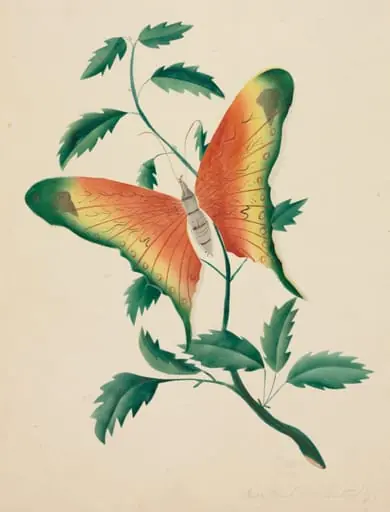 Rose Bush and Butterfly
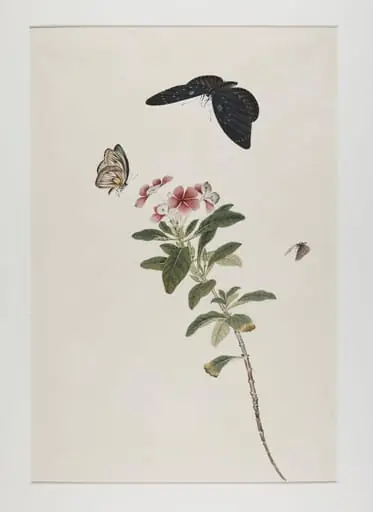 Madagascar periwinkle (catharanthus roseus) and butterflies
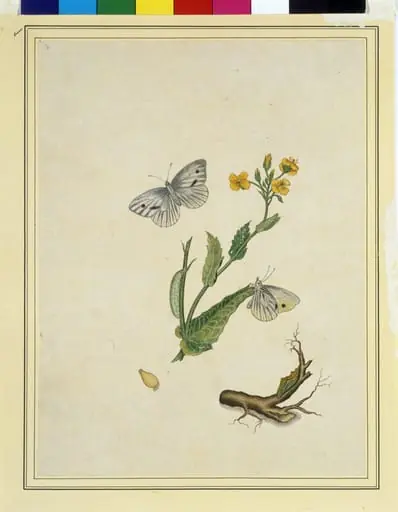 Cabbage worms
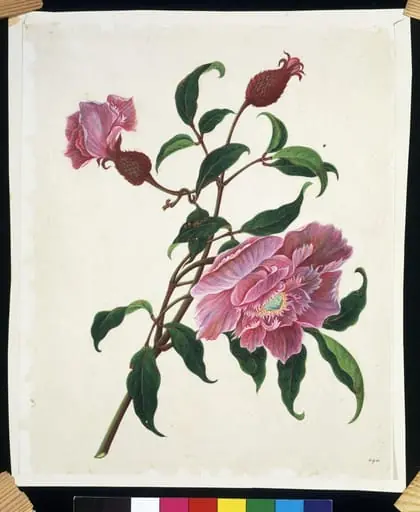 Chinese rose
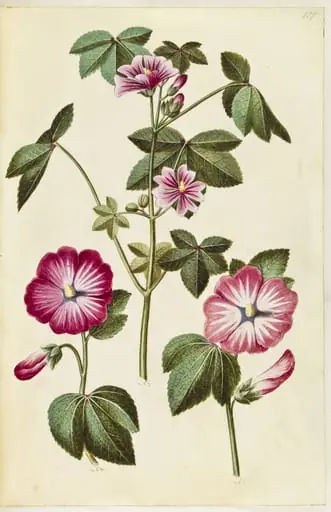 Malva sylvestris (almindelig katost); Lavatera trimestris (mamelukærme)
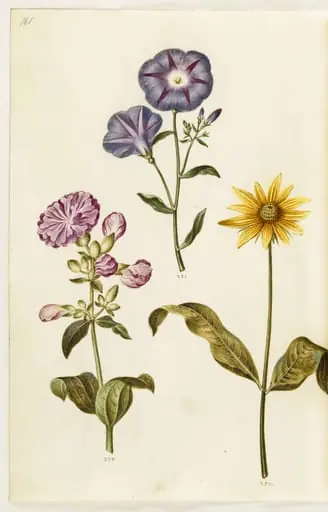 Saponaria officinalis (almindelig sæbeurt); Convolvulus tricolor (jomfruskørt); Helianthus (?) (solsikke-art)
![Archetypa studiaque patris Georgii Hoefnagelii [Part 4, Plate 1], by Jacob Hoefnagel](https://artifactworldgallery.com/img/jacob-hoefnagel--archetypa-studiaque-patris-georgii-hoefnagelii-part-4-plate--f6c83ff4b798c186-w320.webp) Archetypa studiaque patris Georgii Hoefnagelii [Part 4, Plate 1]
Archetypa studiaque patris Georgii Hoefnagelii [Part 4, Plate 1]